In today’s fast-paced manufacturing landscape, efficiency isn’t just a goal—it’s a necessity for survival and growth. At the heart of this drive for productivity lies the critical process of packaging. For industries ranging from food and pharmaceuticals to health products, the final presentation and protection of goods are as important as the production itself. This is where automated packaging machinery transforms from a simple piece of equipment into a strategic solution for manufacturing efficiency.
The Evolution of Packaging: From Manual to Automated
The journey from hand-packaging to today’s high-speed automated lines is a story of innovation driven by the relentless pursuit of speed, accuracy, and consistency. Early packaging operations were labor-intensive, prone to human error, and limited in output. The advent of semi-automatic machines marked a significant step forward, but it is the fully integrated, automated packaging line that has truly revolutionized manufacturing floors. These systems handle everything from forming the package and precise filling to sealing, coding, and final inspection—all with minimal human intervention. This evolution mirrors a broader industrial shift towards lean manufacturing and Industry 4.0 principles, where data, connectivity, and automation converge to create smarter, more responsive production environments.
Core Components of an Automated Packaging System
An effective automated packaging solution is more than just a single machine; it is a symphony of integrated components working in unison. Understanding these parts is key to appreciating how they drive efficiency.
Primary Packaging Machines
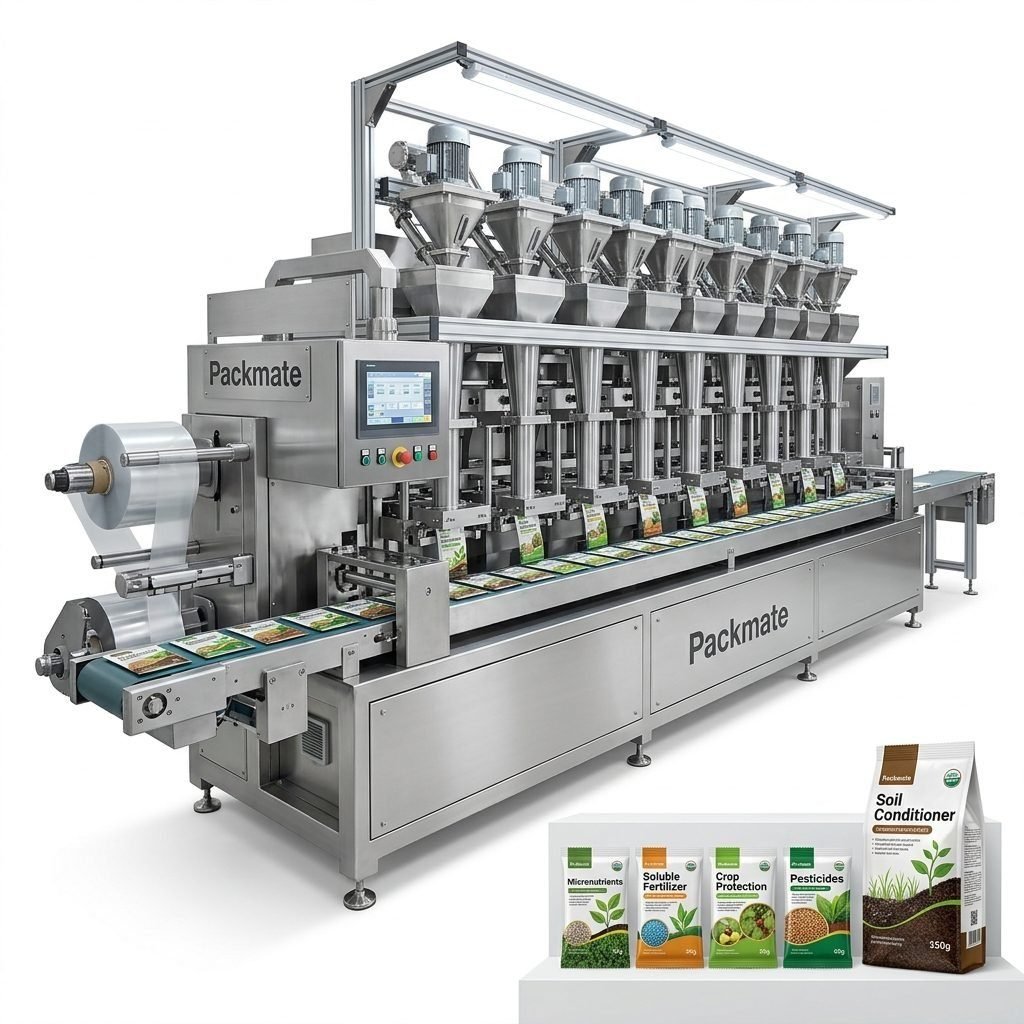
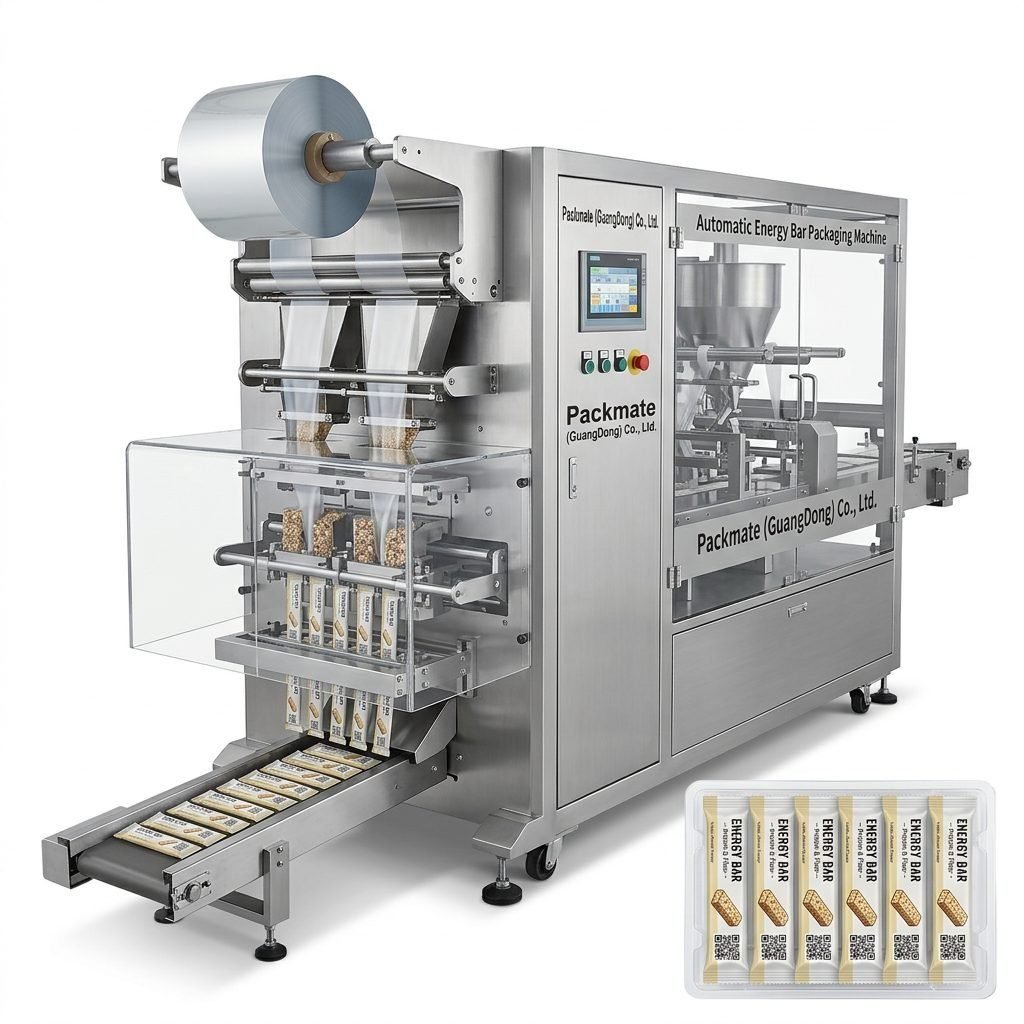
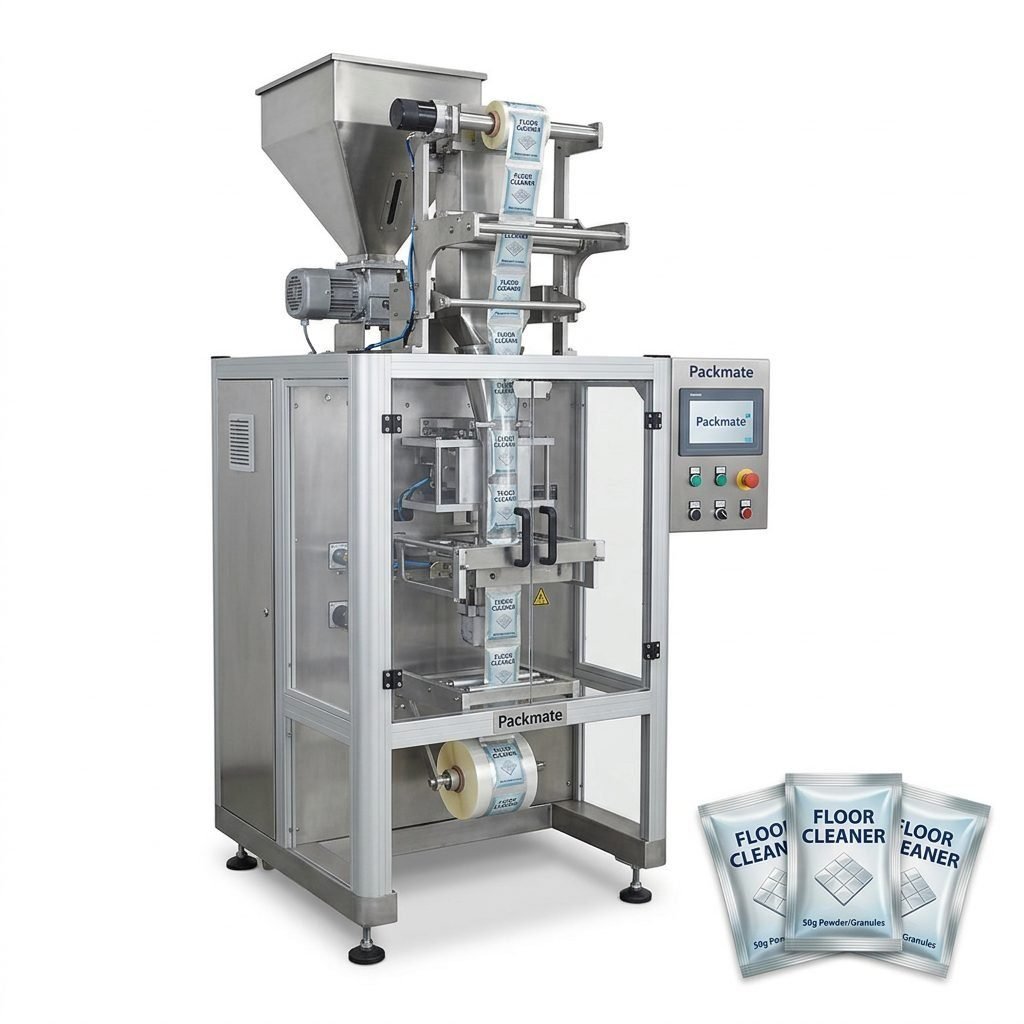
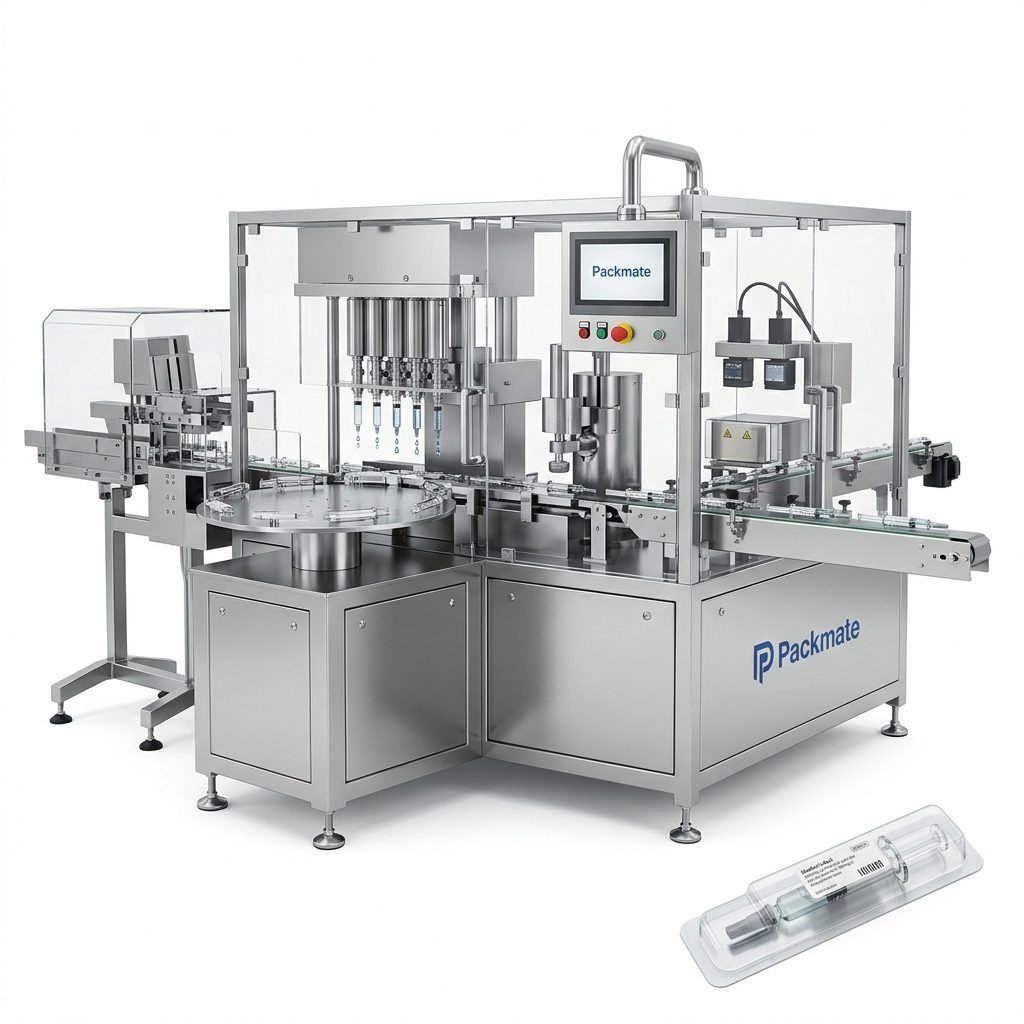
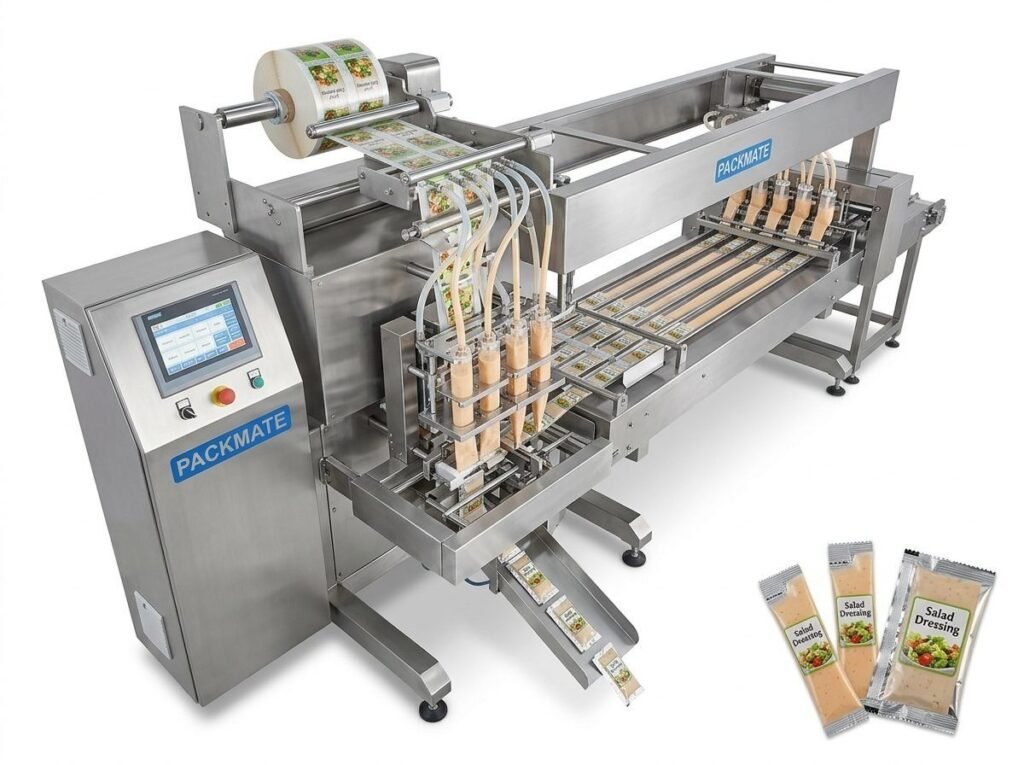
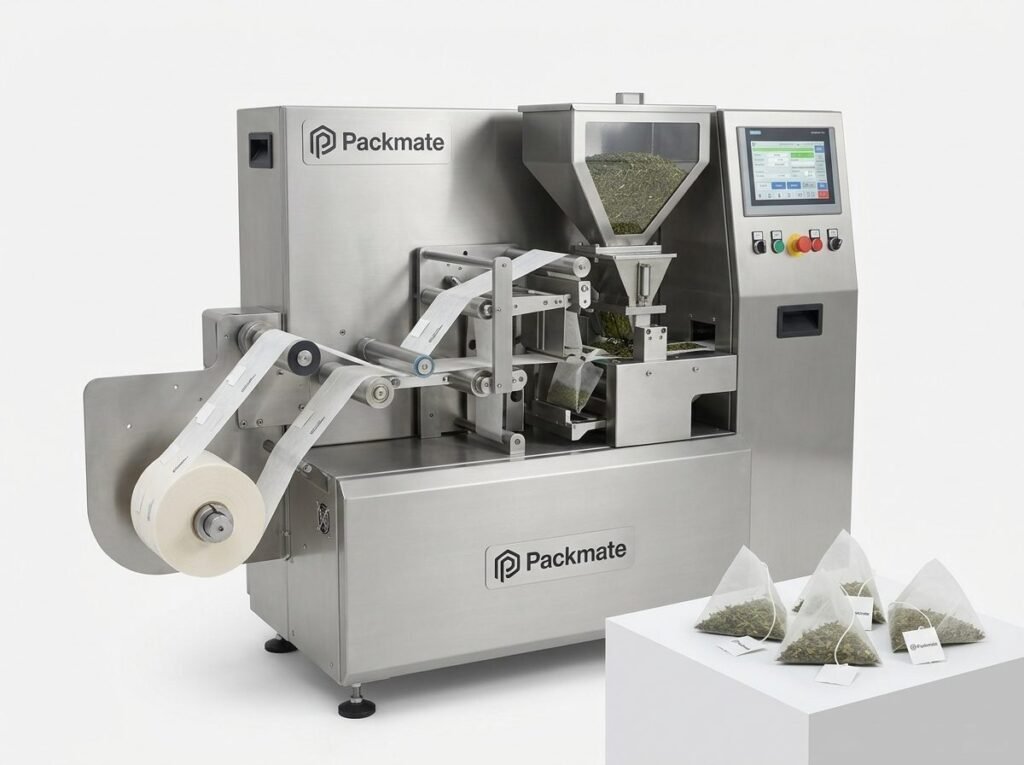
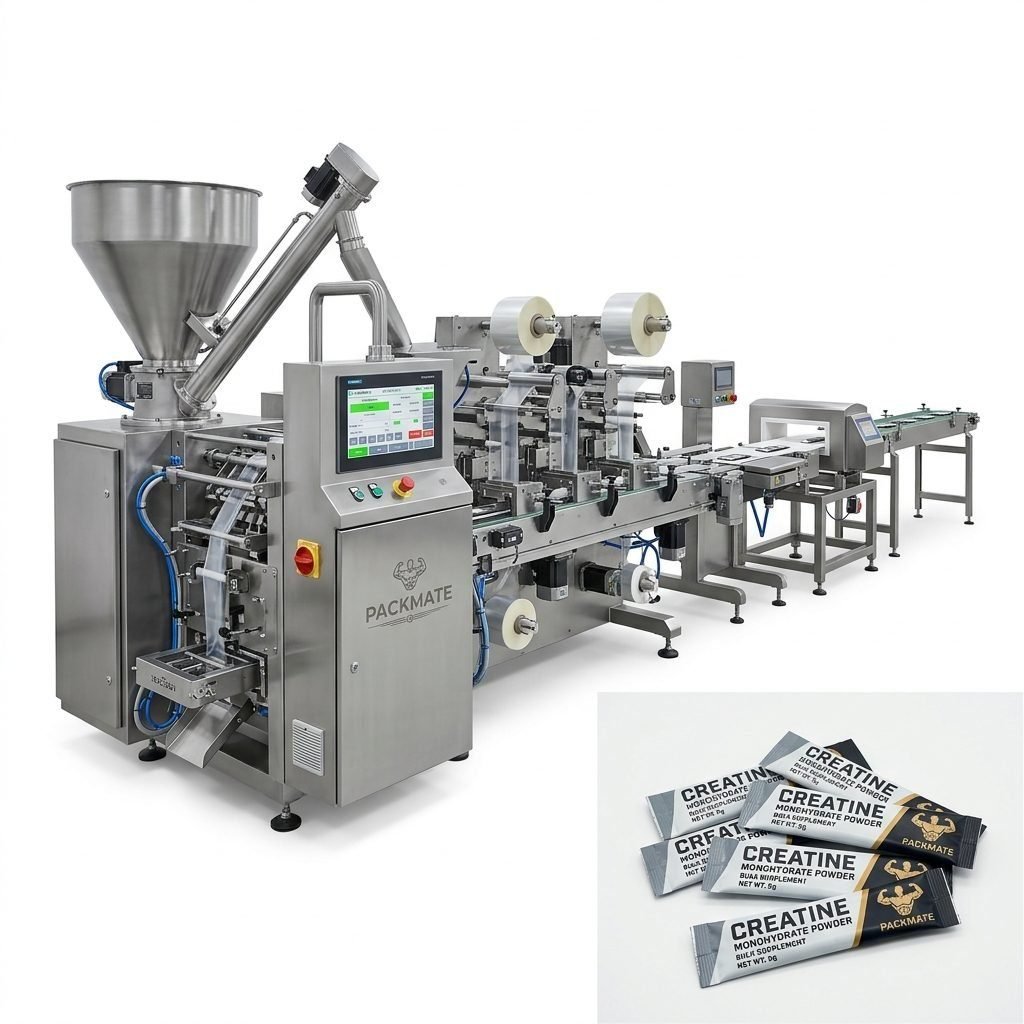
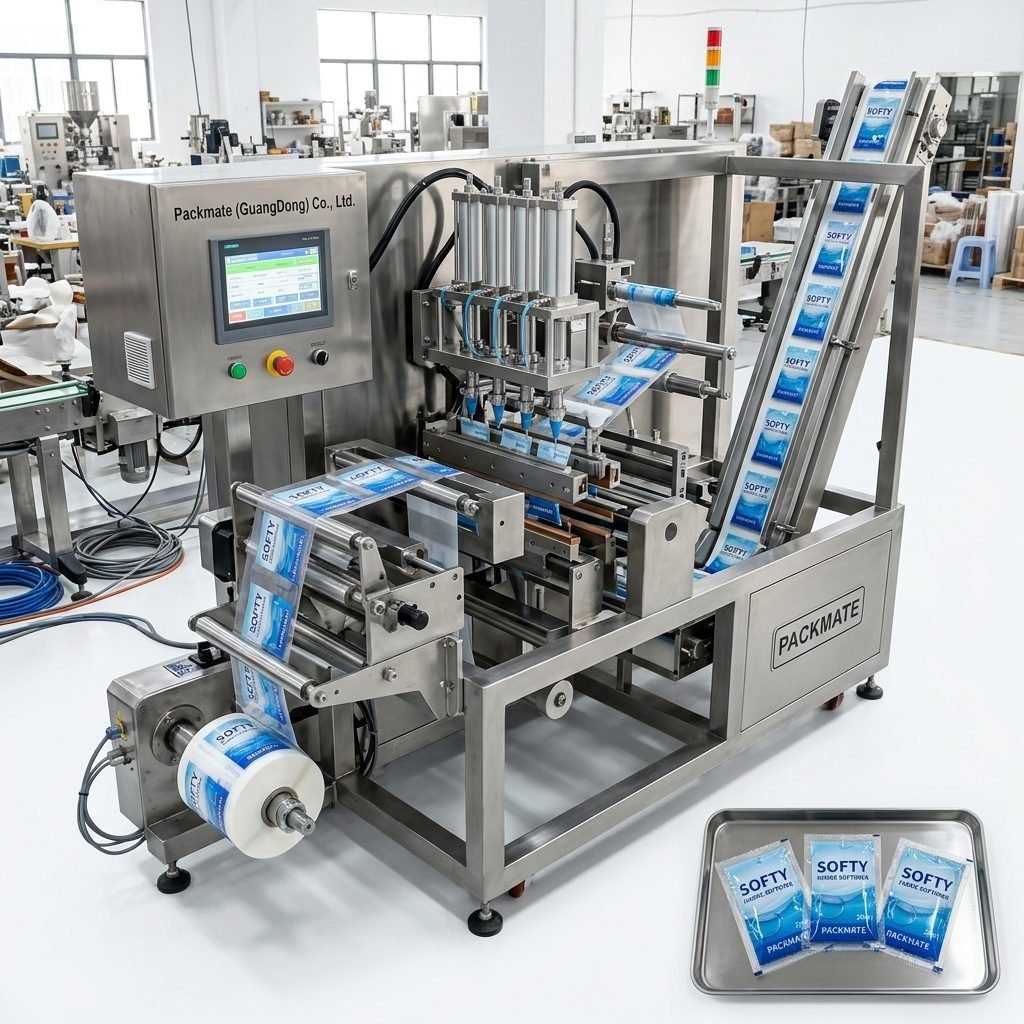
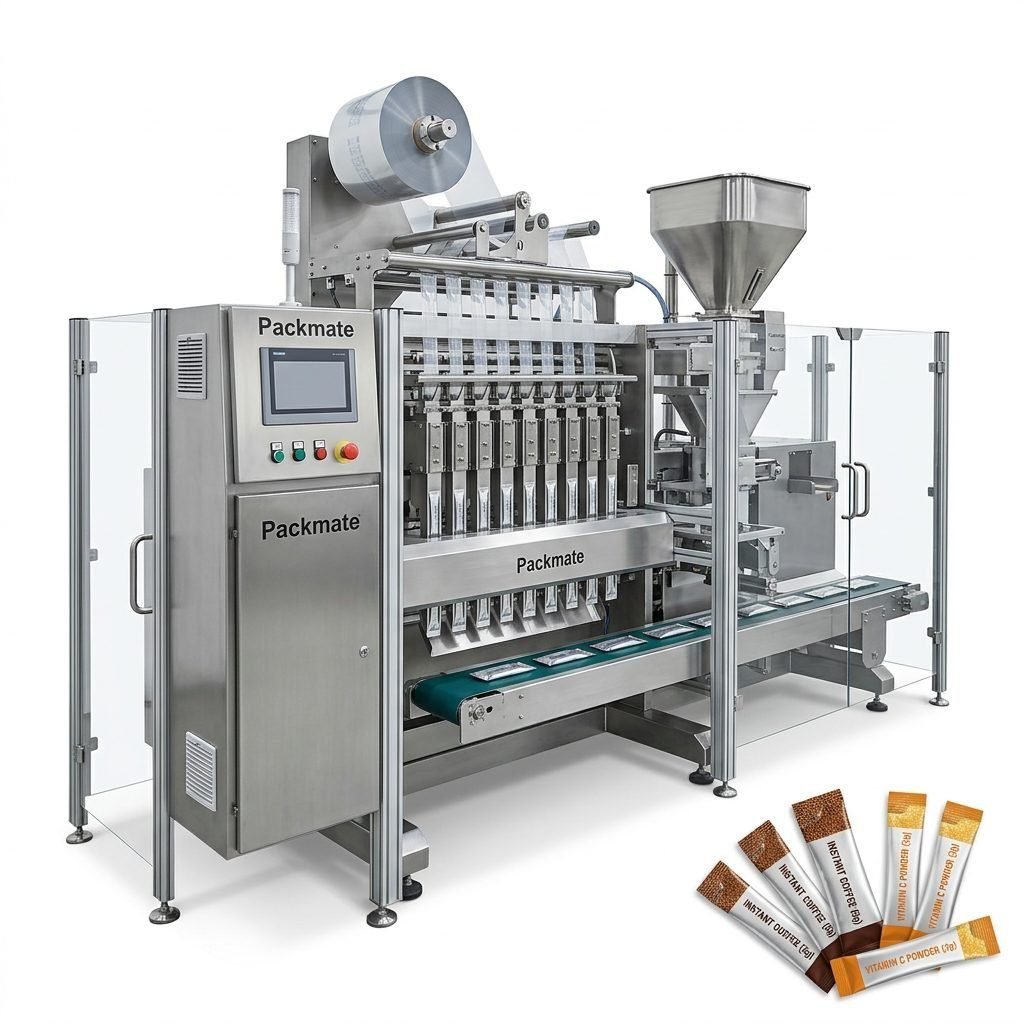
These are the workhorses that perform the core task of placing the product into its primary container. This category includes versatile bag and pouch packaging machines, which are ideal for a vast array of solid and liquid products. For smaller, unit-dose applications, such as condiments, pharmaceuticals, or supplements, sachet and stick pack machines offer unparalleled precision and hygiene. The choice of machine directly impacts material savings, product presentation, and line speed.
Precision Weighing and Feeding Systems
Accuracy in filling is non-negotiable, especially in industries with strict regulatory compliance or where product giveaway equates to significant profit loss. Modern multi-head weighers and auger filler systems deliver remarkable speed and precision, ensuring each package contains the exact specified weight or volume. This component is crucial for maintaining product consistency and meeting legal metrological requirements.
Sealing and Closing Technology
The integrity of the seal guarantees product freshness, safety, and shelf life. Automated systems employ advanced sealing methods—whether heat seal, ultrasonic weld, or zip-lock application—that are far more reliable and consistent than manual methods. A perfect seal every time protects the brand’s reputation and reduces waste from damaged goods.
Secondary Packaging and Integration
Once primary packaging is complete, products often need to be collated, cartoned, or palletized. Automated case packers, cartoners, and palletizers seamlessly integrate with the primary line, creating a continuous flow from production to dispatch. This end-to-end automation eliminates bottlenecks and handling damage, streamlining the entire supply chain.
Tangible Benefits: How Automation Drives Manufacturing Efficiency
The investment in automated packaging machinery pays dividends across multiple facets of a manufacturing operation. The benefits are measurable and transformative.
Dramatic Increase in Output and Speed
Automated machines operate 24/7 without fatigue, at speeds far exceeding human capability. A single automated sachet line can produce tens of thousands of units per hour, a throughput level that is simply unattainable with manual labor. This allows manufacturers to scale production to meet market demand without exponentially increasing labor costs.
Unmatched Consistency and Quality Control
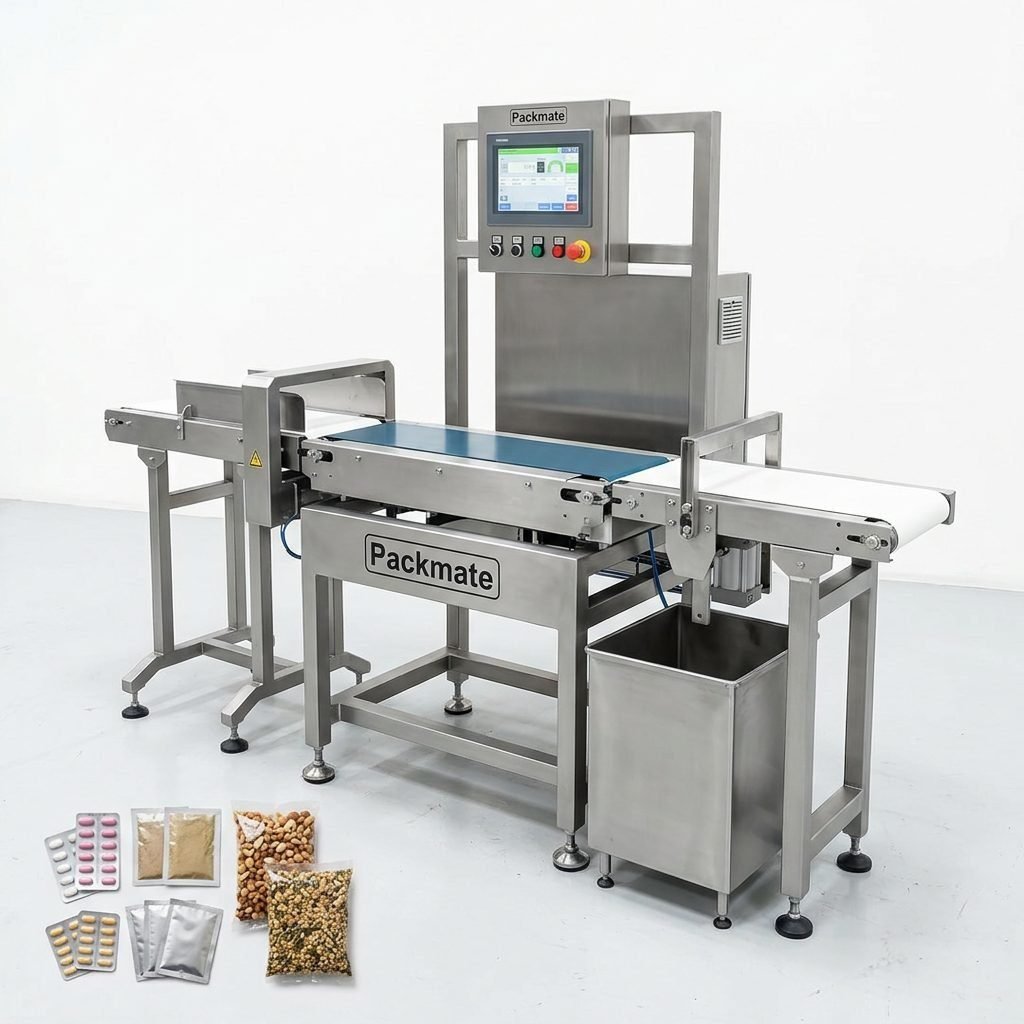
Human operators, no matter how skilled, introduce variability. Automated systems perform the same task with identical precision millions of times. Every package is filled to the same weight, sealed with the same strength, and labeled in the same position. This consistency is the foundation of brand trust and product quality. Integrated vision inspection systems can automatically reject any package that doesn’t meet strict criteria for fill level, seal integrity, or label placement.
Significant Reduction in Labor Costs and Material Waste
While automation requires upfront capital, it drastically reduces long-term operational expenses. One automated line can replace multiple manual workstations, freeing skilled personnel for more value-added tasks like supervision, maintenance, and quality assurance. Furthermore, precision filling and cutting minimize material overuse and product giveaway, leading to substantial savings on packaging film and raw product.
Enhanced Workplace Safety and Flexibility
Automation removes workers from repetitive, strenuous, or potentially hazardous tasks associated with packaging lines. It also provides manufacturers with incredible flexibility. Modern machines are designed for quick changeovers, allowing the same line to efficiently package different product sizes or types with minimal downtime, enabling agile responses to market trends.
The Packmate Advantage: A Partner in Efficiency
Choosing the right automation partner is as critical as the decision to automate. With over 30 years of expertise, Packmate (GuangDong) Co., Ltd. embodies the principles of reliability and innovation. From its beginnings in a small workshop to its current status with a 20,000㎡ modern facility, Packmate’s journey has been focused on transforming packaging challenges into efficient solutions. The company’s deep understanding of the needs of the food, pharmaceutical, and health industries is built into every machine. Offering more than 50 models, from single machines to complete turnkey packaging lines, Packmate provides more than equipment—it delivers a partnership dedicated to enhancing your manufacturing efficiency. You can explore their comprehensive approach on their Home page.
Implementation and Future Trends
Successfully integrating automated packaging machinery requires careful planning around factory layout, product characteristics, and desired output. The future points towards even greater connectivity, with machines feeding real-time performance data into central Manufacturing Execution Systems (MES) for predictive maintenance and optimized production scheduling. Sustainability is also a key driver, with next-generation machines designed to handle recyclable and biodegradable materials efficiently, helping manufacturers meet their environmental goals without sacrificing performance.
In conclusion, automated packaging machinery is the cornerstone of modern manufacturing efficiency. It is a powerful tool that boosts speed, enforces quality, cuts costs, and improves safety. As technology advances, these systems will become even more intelligent and integral to the smart factories of tomorrow. For manufacturers looking to stay competitive, investing in robust, flexible, and reliable automated packaging solutions is not an option—it is an imperative.
Frequently Asked Questions (FAQs)
What is the typical ROI period for an automated packaging line?
The return on investment (ROI) can vary based on the scale of the system, labor costs saved, and increase in production output. However, for many manufacturers, a well-planned automated line can show a full ROI within 12 to 24 months through dramatic gains in productivity and reductions in waste and labor expenses.
Can automated machines handle fragile or irregularly shaped products?
Yes. Modern automated packaging systems are highly adaptable. With customized feeding mechanisms, gentle handling robots, and tailored auxiliary equipment, even the most delicate or non-uniform products can be packaged efficiently and safely at high speeds.
How difficult is it to change over an automated line for a different product?
Modern machines are designed for quick changeover. Features like digital recipe storage, tool-less adjustments, and modular components allow operators to switch between different product formats or package sizes in a matter of minutes, maximizing production uptime and operational flexibility.
What kind of maintenance do automated packaging machines require?
Regular preventive maintenance is crucial for longevity and reliability. This typically involves routine cleaning, lubrication, and inspection of wear parts as outlined in the manufacturer’s manual. Most reputable suppliers, like Packmate, offer comprehensive service and support plans to ensure optimal machine performance.
Are automated packaging solutions scalable for small to medium-sized businesses (SMBs)?
Absolutely. Automation is not exclusive to large corporations. There is a wide range of semi-automatic and compact fully automatic machines designed to meet the specific output requirements and budget constraints of SMBs, allowing them to benefit from increased efficiency and quality control from day one.