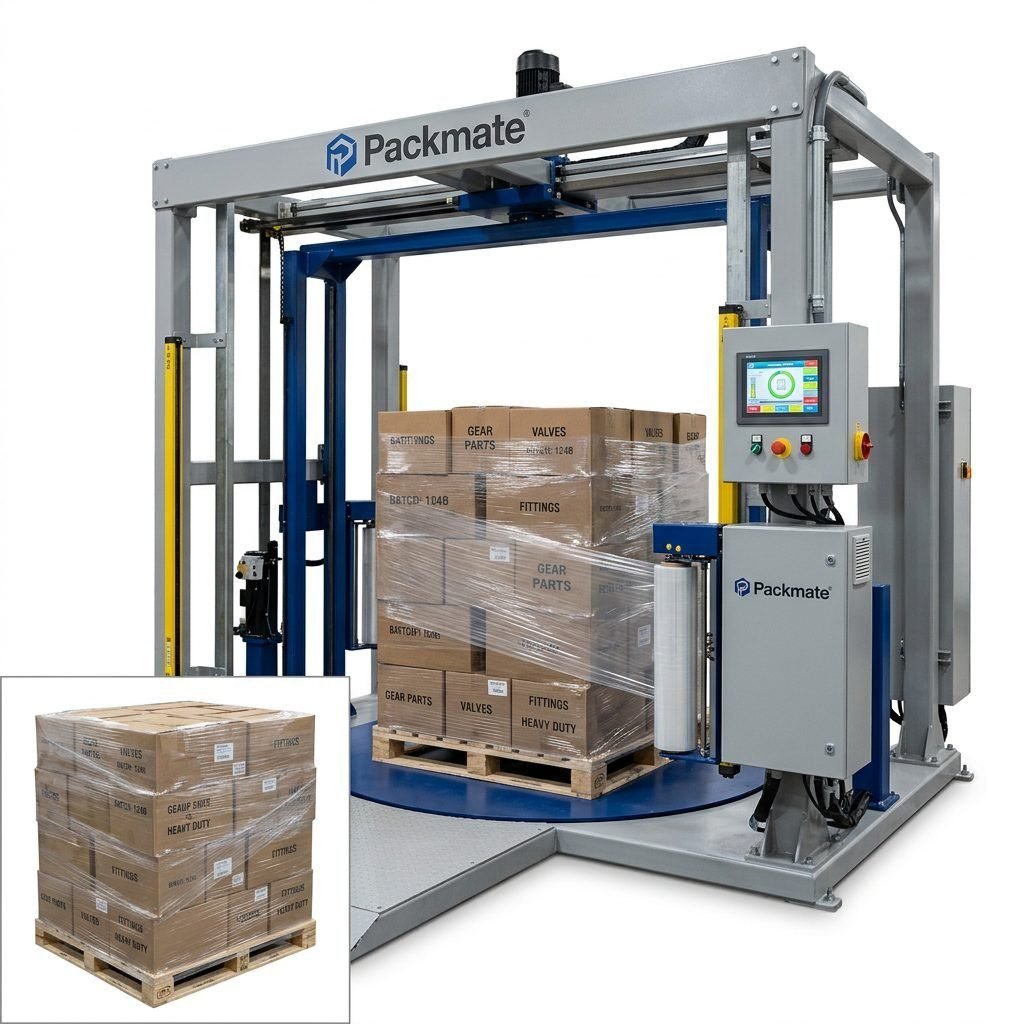
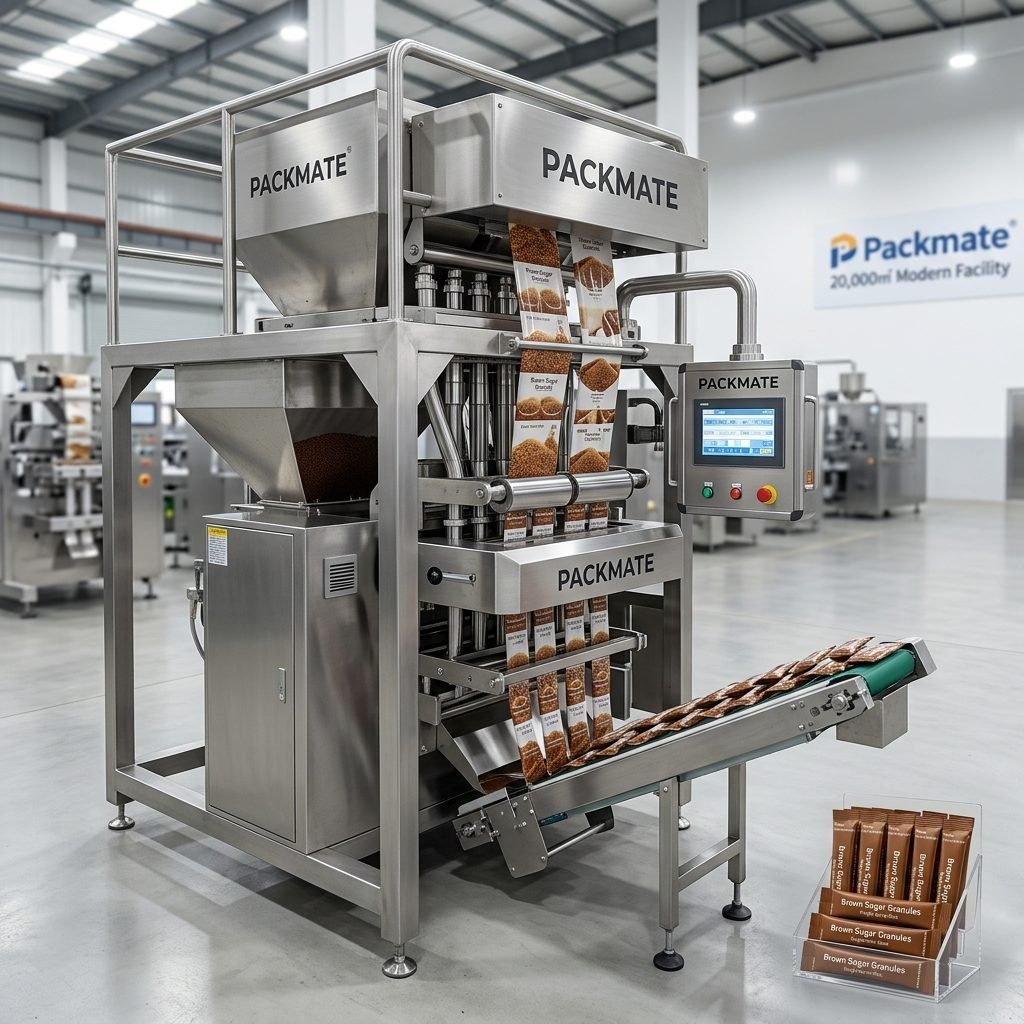
In the high-stakes world of modern manufacturing, the efficiency of your production line is paramount. Every second of downtime, every gram of material waste, and every inconsistency in output directly impacts your bottom line. At the heart of a streamlined, profitable operation lies a critical component: packaging equipment. Selecting the right packaging machinery is not merely a purchase; it’s a strategic investment in reliability, speed, and product integrity. This guide delves into the top packaging equipment solutions designed to transform your production line from a potential bottleneck into a powerhouse of efficiency.
The Foundation of Efficiency: Understanding Your Packaging Needs
Before exploring specific machinery, a thorough assessment of your production requirements is essential. The optimal solution hinges on several key factors:
Product Type: Is your product a granule, a fine powder, a viscous liquid, or a solid? Each form demands different handling, filling, and sealing technologies.
Production Volume: Are you a high-speed, mass-production facility or a smaller operation with batch processing needs? This determines the required machine speed and automation level.
Packaging Format: The end goal—whether it’s a sleek stick pack, a convenient sachet, a stand-up pouch, or a large bag—dictates the type of packaging line you need.
Regulatory Compliance: Industries like pharmaceuticals and food have stringent hygiene and safety standards (e.g., GMP, FDA guidelines) that equipment must meet.
Core Packaging Machinery for Streamlined Operations
Efficient production lines are built on reliable, specialized core machines. Here are the fundamental workhorses:
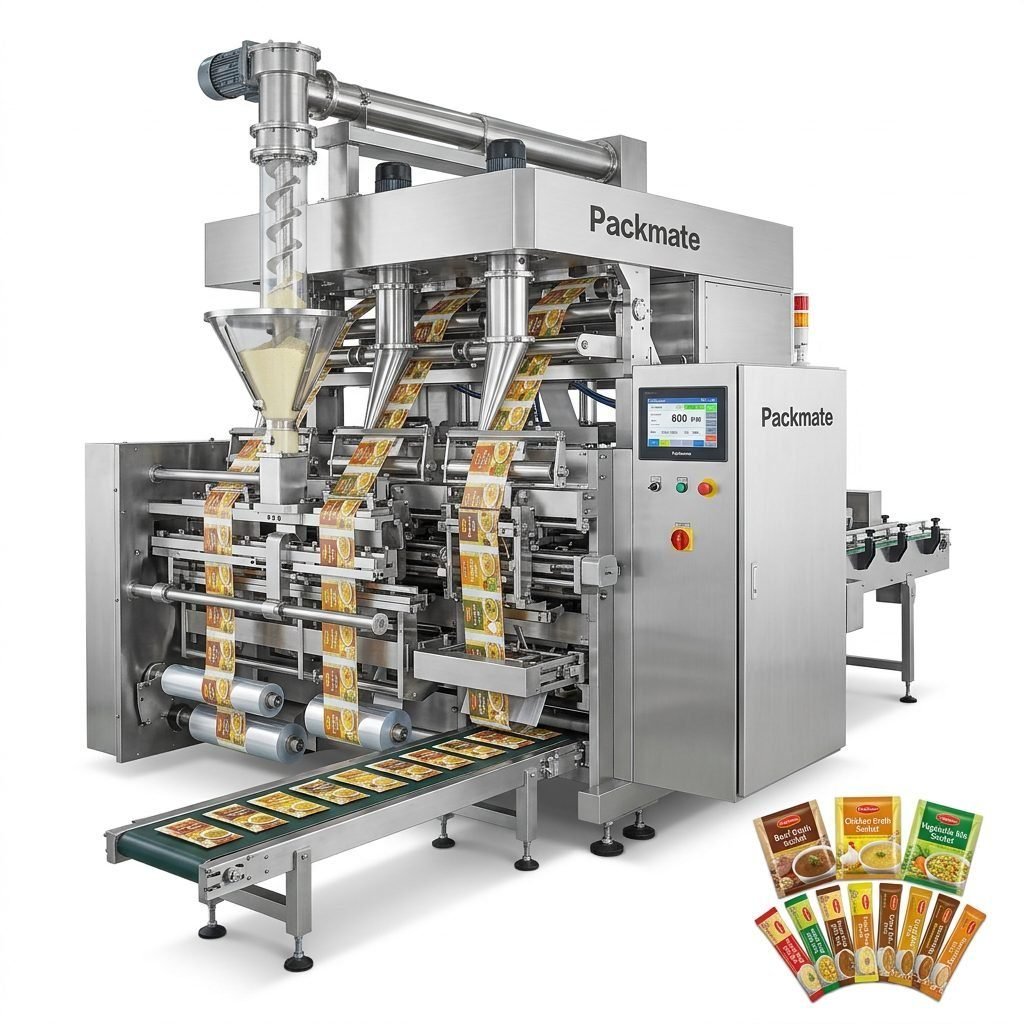
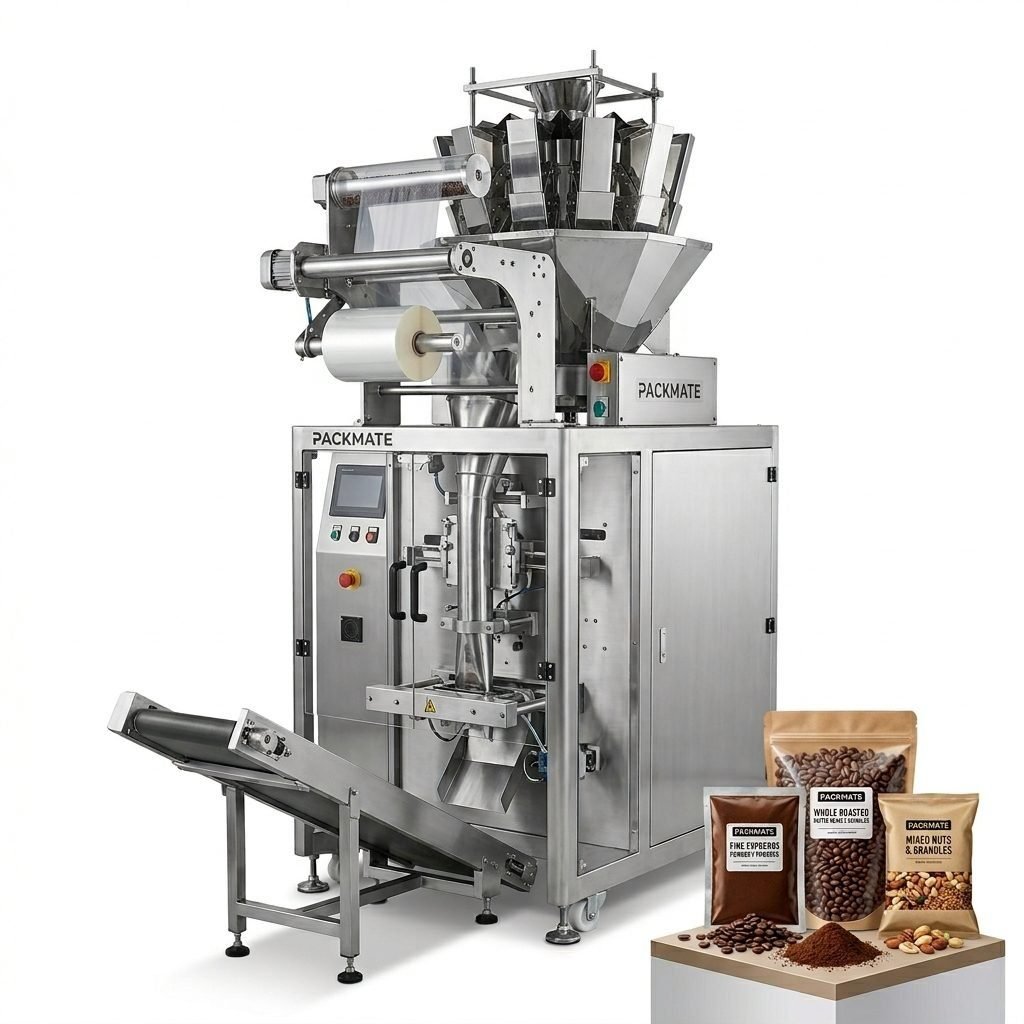
1. Vertical Form Fill Seal (VFFS) Machines
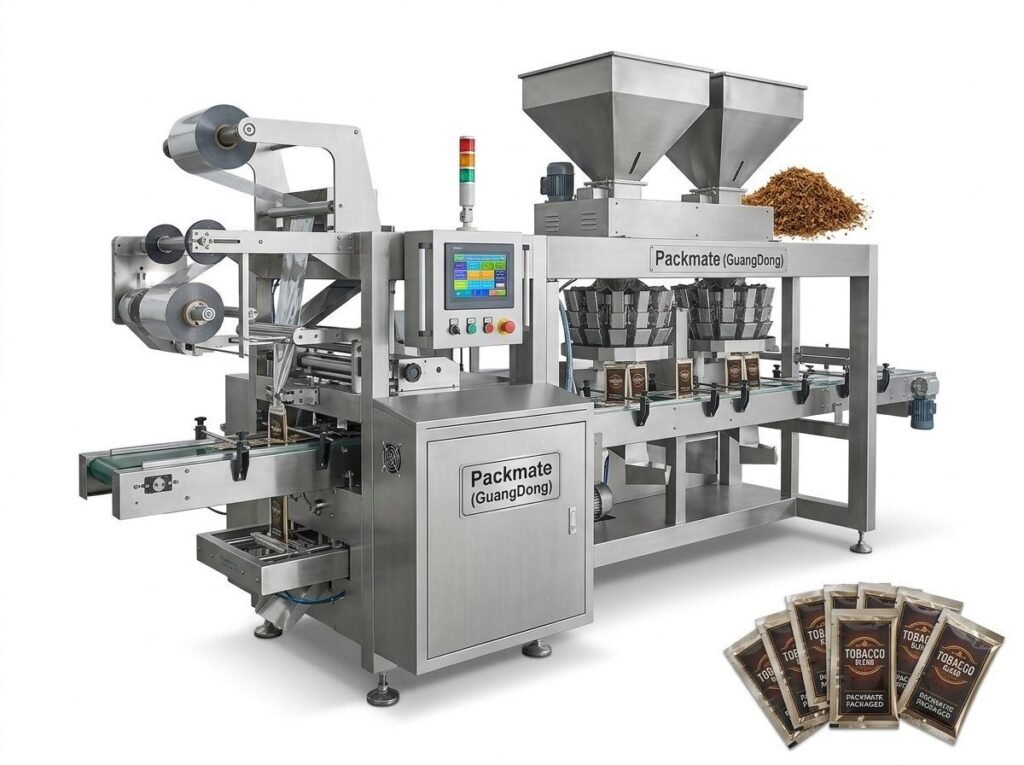
The undisputed champion of high-volume, flexible packaging. VFFS machines form a roll of film into a bag, fill it with product, and seal it—all in one continuous, vertical motion. They are incredibly versatile, capable of producing various pouch styles and are ideal for granules, powders, and liquids. Their space-saving vertical design makes them perfect for production lines with limited floor space.
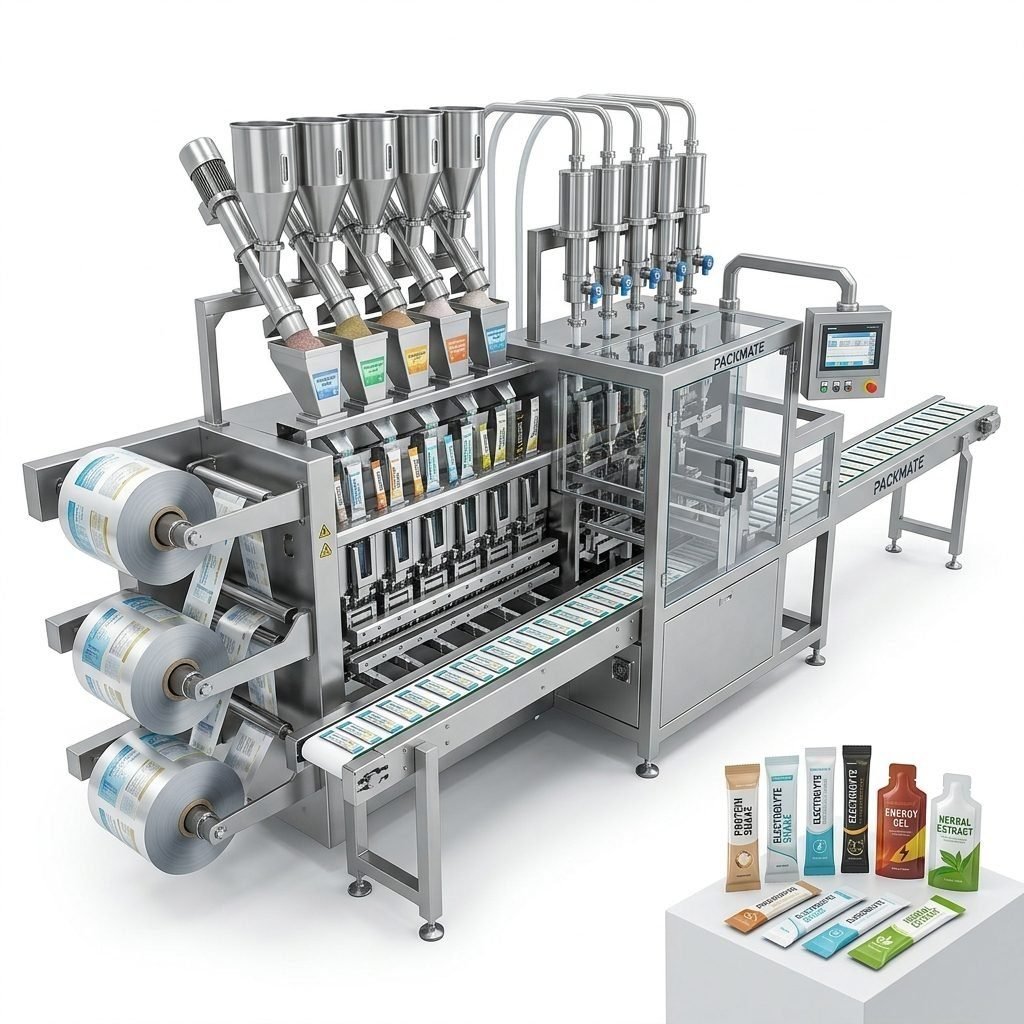
2. Multi-Lane Stick Pack & Sachet Machines
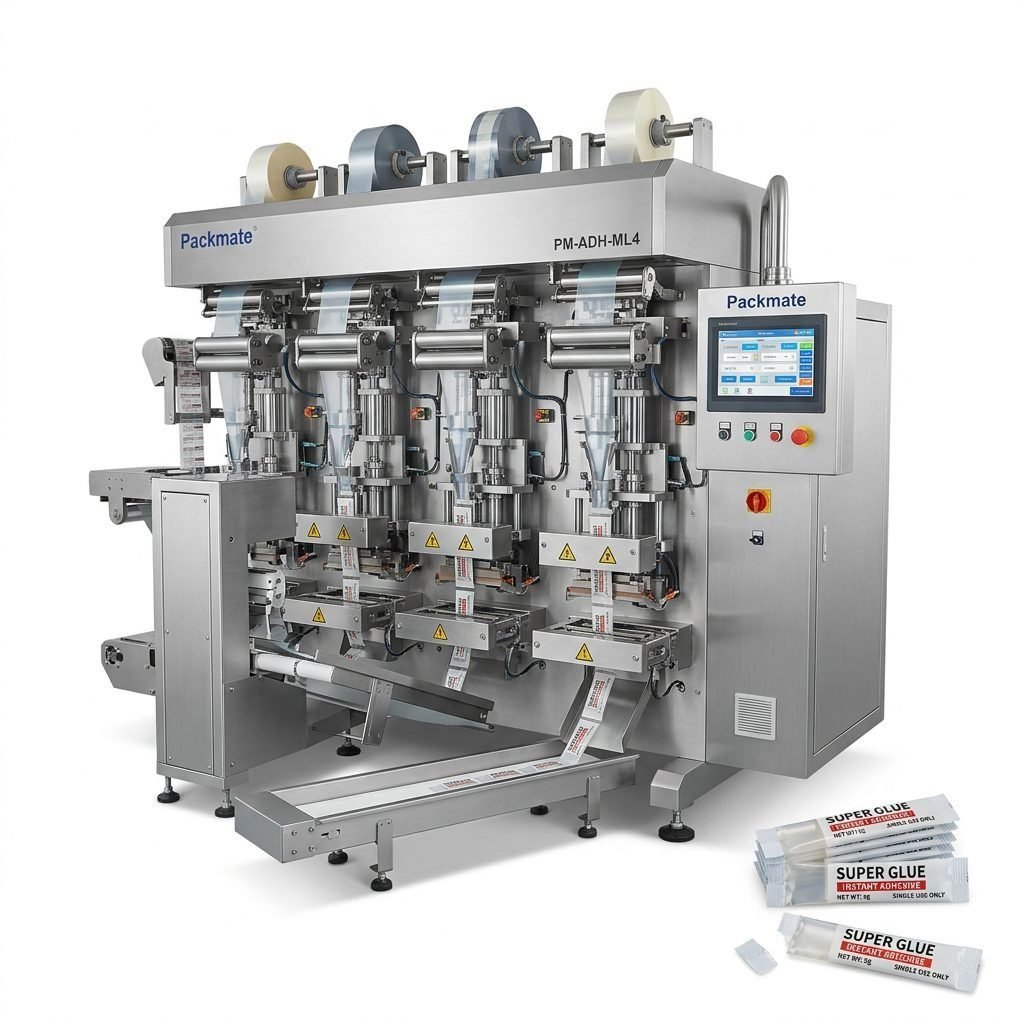
For industries requiring small, precise, and portable doses—such as coffee, sugar, condiments, or pharmaceuticals—multi-lane machines are a game-changer. These systems operate multiple packaging lanes simultaneously, dramatically increasing output. A single machine can produce dozens of stick packs or sachets per minute, offering unparalleled efficiency for single-serve and sample-sized products. Explore advanced options in sachet and stick pack technology to find the right fit.
3. Auger Filling Systems
Accuracy is non-negotiable, especially with costly or precisely dosed products. Auger fillers use a rotating screw (auger) within a hopper to dispense powders, granules, and pastes with exceptional precision. They are a cornerstone of weighing and packaging systems, ensuring consistent fill weights and minimizing giveaway, which translates directly to material savings and compliance with net content regulations.
Integrating Systems: Beyond the Standalone Machine
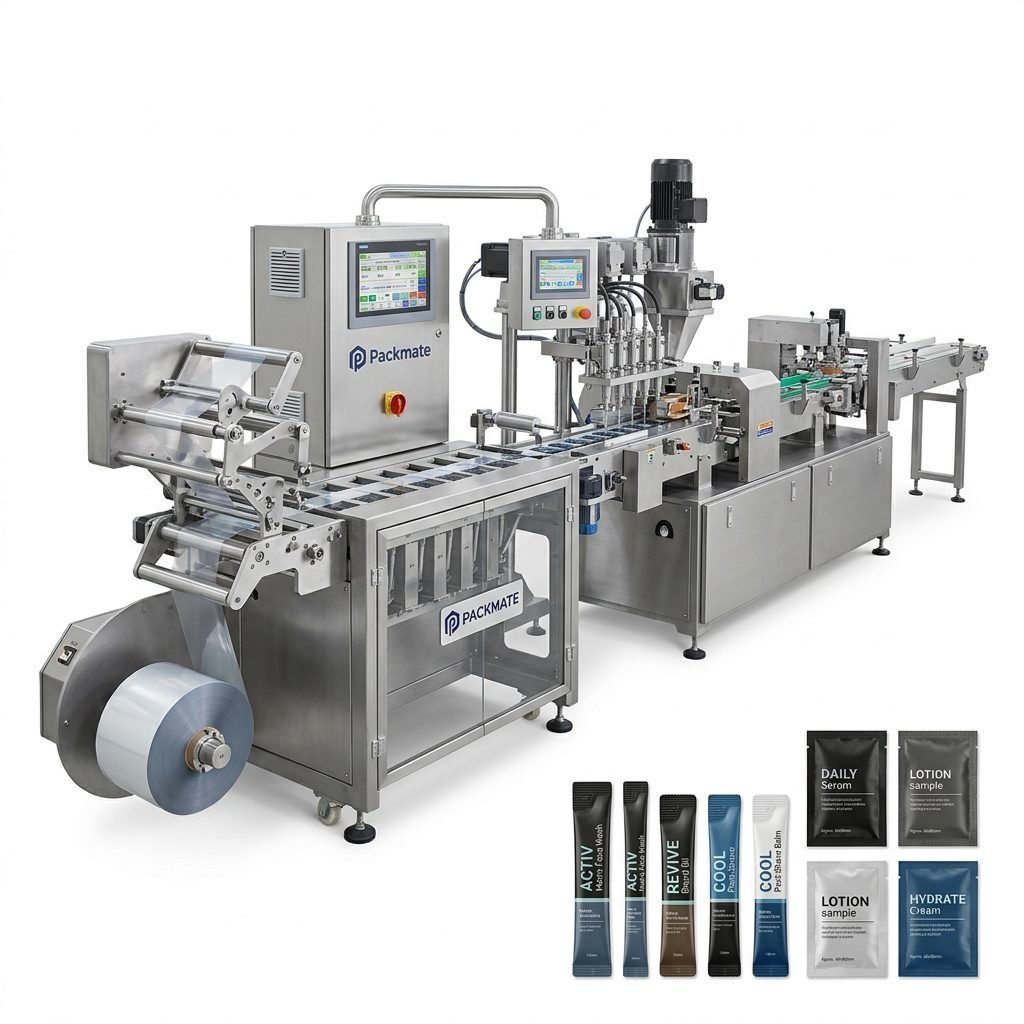
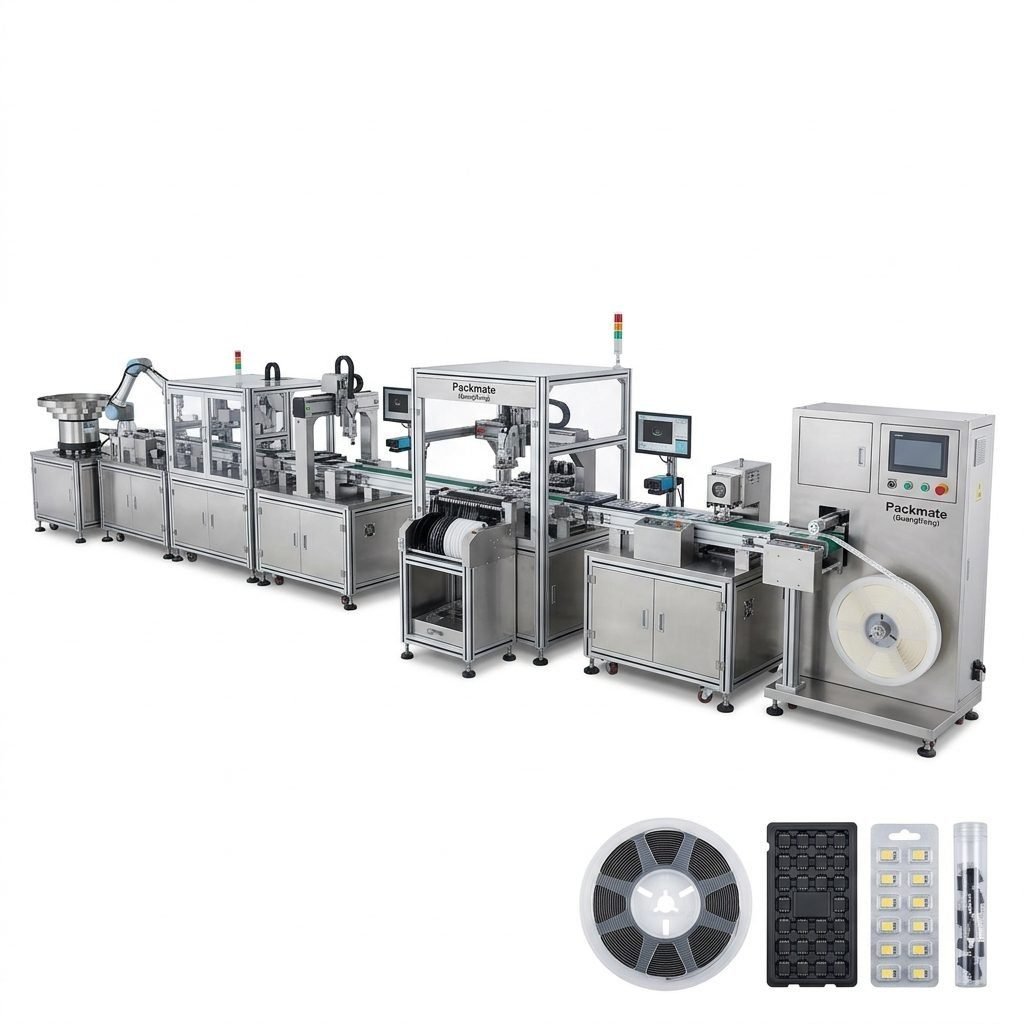
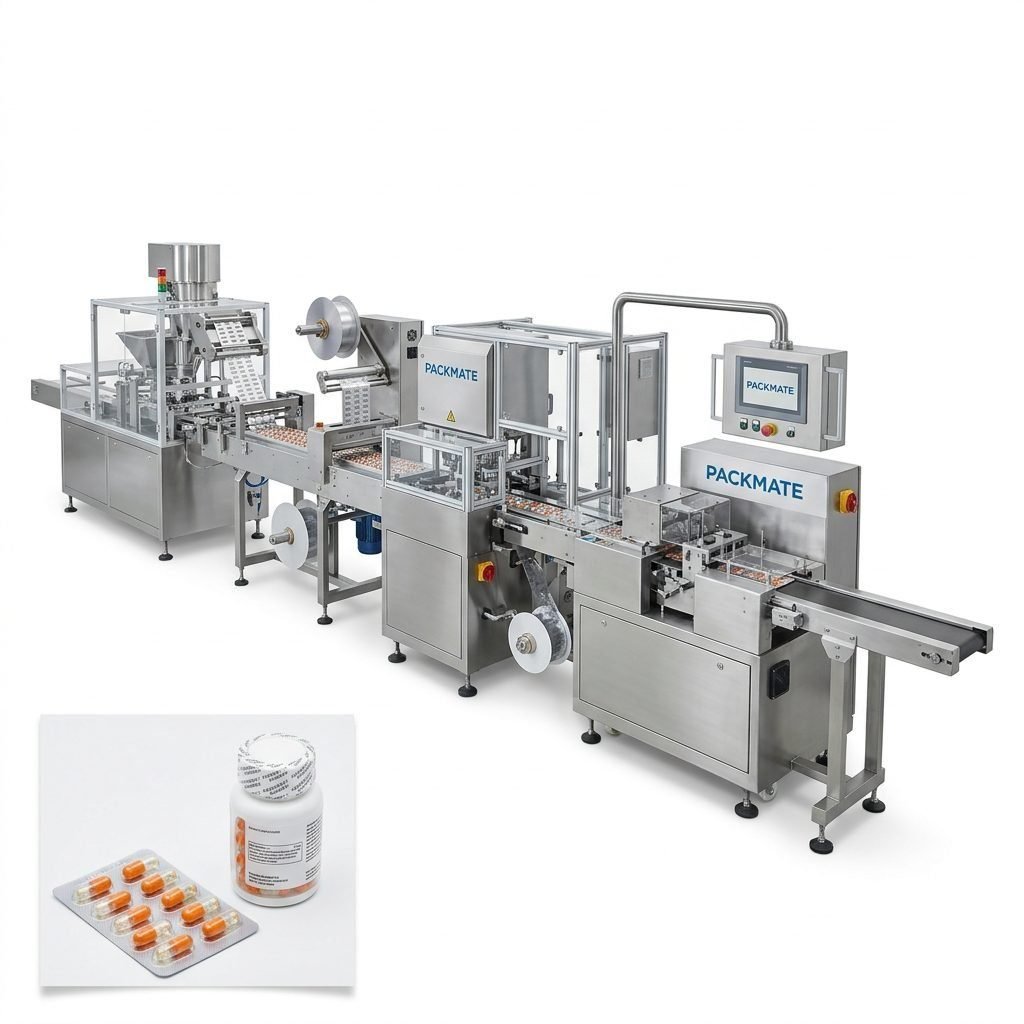
True efficiency is achieved not by isolated machines, but by seamlessly integrated systems. A cohesive packaging line synchronizes every step from product infeed to cartoning.
- Infeed Systems: Vibratory feeders, conveyor belts, or bucket elevators that gently and consistently supply product to the packaging machine.
- Checkweighers: Positioned after the filler, these units verify every package’s weight, rejecting under or over-filled items to guarantee quality control.
- Metal Detectors & X-ray Systems: Critical for food and pharmaceutical safety, these inspect products for physical contaminants.
- Labeling & Coding: Integrated printers apply batch codes, expiry dates, and labels inline, eliminating manual handling.
- Cartoning & Case Packing: Automated systems collect finished packages and load them into cartons or cases, ready for palletizing.
Investing in a complete filling and packaging line from a single provider like Packmate ensures compatibility, reduces integration headaches, and provides a single point of service and support.
The Role of Innovation: Smart Packaging Equipment
The fourth industrial revolution has reached the packaging floor. The most efficient solutions now incorporate Industry 4.0 principles:
IoT Connectivity & Data Analytics: Modern machines are equipped with sensors that collect real-time data on speed, output, downtime, and maintenance needs. This data is accessible via HMIs (Human-Machine Interfaces) or remote dashboards, enabling predictive maintenance and data-driven optimization.
Quick Changeover Systems: For lines running multiple SKUs, rapid changeover is vital. Tool-less adjustments and recipe storage on touchscreens can reduce changeover time from hours to minutes, maximizing equipment uptime.
Hygienic & Easy-Clean Design: Sanitation speed is a form of efficiency. Machines with stainless steel construction, rounded corners, and CIP (Clean-in-Place) capabilities minimize cleaning time and meet the highest hygiene standards.
Choosing Your Partner: Beyond the Machine Specifications
Selecting equipment is also about choosing the right manufacturer. A partner with deep expertise, like Packmate Machinery, brings immense value. Look for a provider with a proven track record, a comprehensive portfolio (offering more than 50 machine models), and the ability to deliver a turnkey solution—handling everything from design and installation to training and after-sales service. A partner invested in your long-term success will help you navigate technological choices and future-proof your investment.
Ultimately, the top packaging equipment solutions are those that align perfectly with your product, volume, and growth ambitions. They are robust, intelligent, and integrated, working in harmony to eliminate waste, ensure quality, and drive your production efficiency to new heights. By making an informed investment in the right machinery and the right partner, you secure a competitive advantage that pays dividends for years to come.
Frequently Asked Questions (FAQ)
1. How do I determine the right packaging machine speed for my production line?
Your required speed (packages per minute) should be calculated based on your target daily/weekly output, accounting for reasonable line efficiency (typically 80-85%). It’s often advisable to choose a machine with a 15-20% higher maximum speed than your current need to accommodate future growth and provide a buffer for optimal running conditions.
2. What is the typical lead time for a custom packaging line?
Lead times vary significantly based on complexity, customization, and manufacturer capacity. For standard machines, it can range from 8-12 weeks. For fully custom, integrated turnkey lines, the timeline can extend from 4 to 6 months or more, including design, manufacturing, factory testing, and shipping. Always discuss timelines in detail with your supplier during the planning phase.
3. What kind of after-sales support should I expect?
Comprehensive support is crucial. Expect detailed installation guidance (either remote or on-site), thorough operator and maintenance training, a clear warranty period, and access to spare parts. The best providers offer remote diagnostic support and have a service network capable of providing timely technical assistance to minimize downtime.
4. Can existing packaging equipment be upgraded or integrated into a new line?
Yes, in many cases. Retrofitting older machines with new controls, sensors, or attachments can enhance their performance. Furthermore, experienced system integrators can often incorporate reliable existing equipment into a new line layout. A professional assessment is needed to evaluate compatibility, safety, and the potential efficiency gains versus investing in new equipment.
5. How important is factory acceptance testing (FAT) before shipment?
Factory Acceptance Testing is extremely important. It allows you to visit the manufacturer’s facility to see the completed line run with your actual or similar materials before it is disassembled for shipping. This process verifies performance against agreed specifications, allows for final adjustments, and reduces the risk of surprises during installation at your plant, ensuring a smoother commissioning process.