Chemical packaging is a critical process that demands precision, safety, and reliability. Choosing the right chemical packaging machine is not just about efficiency; it’s about ensuring product integrity, worker safety, and regulatory compliance. This guide delves into the various types of machines, their specific applications, and a comprehensive framework for selecting the ideal equipment for your chemical operation.
Understanding the Landscape of Chemical Packaging
The chemical industry encompasses a vast array of products—from aggressive acids and volatile solvents to fine powders and viscous gels. Each substance has unique properties that dictate specific packaging requirements. Therefore, packaging machinery must be versatile and robust enough to handle these challenges without compromising on speed or accuracy.
Key Consideration: The primary goal of chemical packaging is containment and protection. The machinery must prevent contamination, minimize waste, and often operate in environments that require specialized materials like stainless steel 316L or other corrosion-resistant alloys to withstand harsh chemicals.
Major Types of Chemical Packaging Machines
Chemical packaging solutions can be broadly categorized based on the form of the chemical and the type of container used. Here’s a breakdown of the most common types.
1. Liquid Filling Machines
These are designed for chemicals in liquid form, such as solvents, reagents, adhesives, and cleaning agents. They range from simple semi-automatic systems to high-speed rotary fillers.
- Gravity Fillers: Ideal for free-flowing, non-foaming liquids. Simple and cost-effective.
- Piston Fillers: Excellent for viscous products like gels, pastes, and thick lubricants. Offer high accuracy.
- Pump Fillers: Used for a wide range of viscosities. Often employ peristaltic or diaphragm pumps for sterile or aggressive chemical handling.
- Net Weight Fillers: The most accurate method, where each container is weighed during filling. Crucial for high-value or regulated chemicals.
2. Powder & Granule Packaging Machines
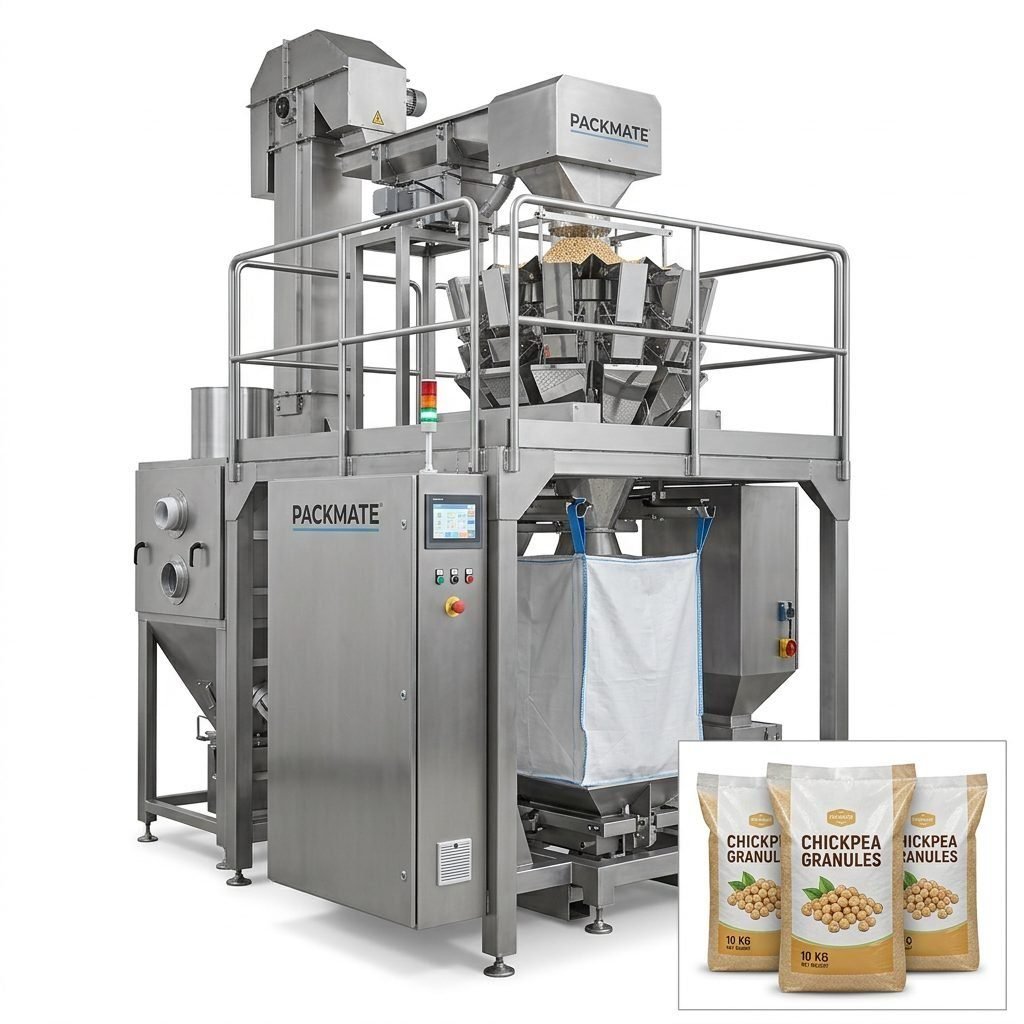
Handling dry chemicals requires different technology to manage dust, ensure precise dosing, and achieve consistent bag seals. Leading manufacturers like Packmate Machinery offer advanced solutions in this category.
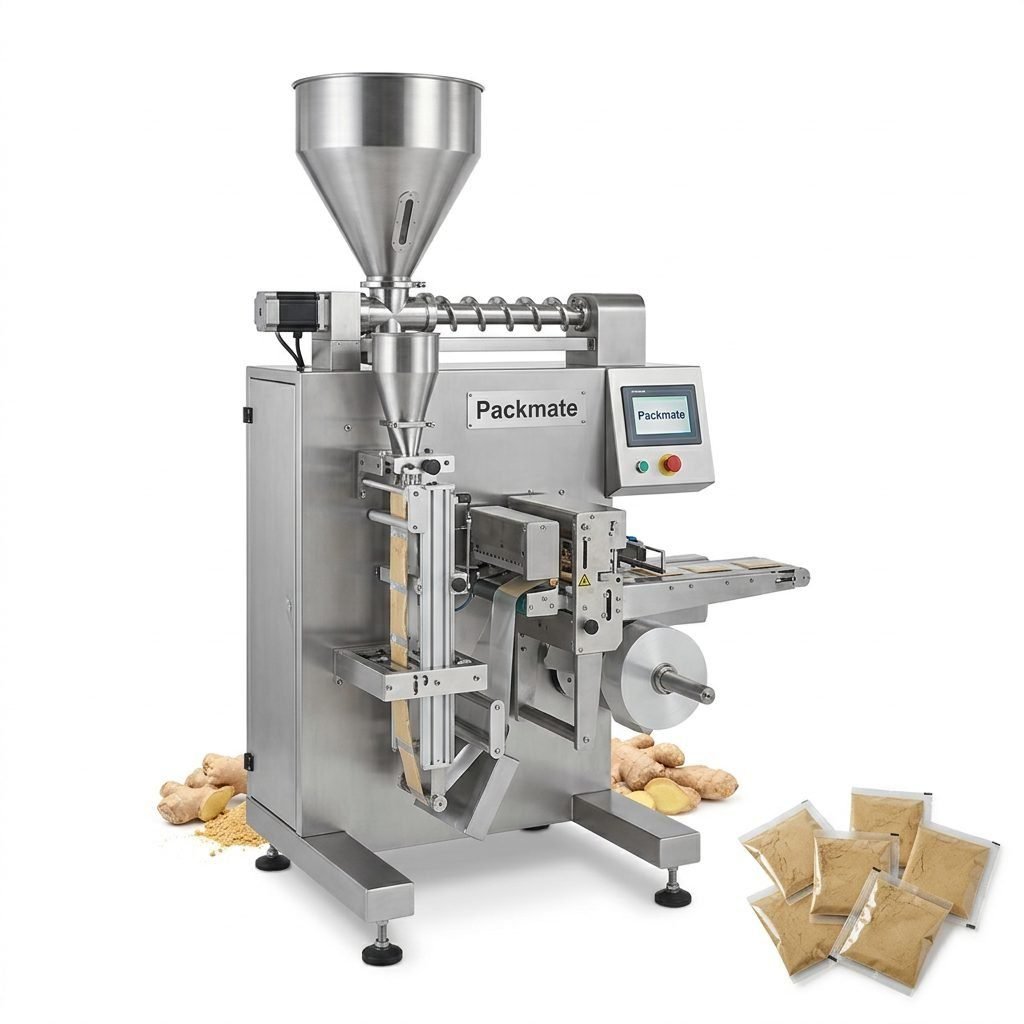
- Auger Fillers: The industry standard for powders and fine granules. A rotating auger screw dispenses product by volume. Dust-tight designs are essential for worker safety and product loss prevention.
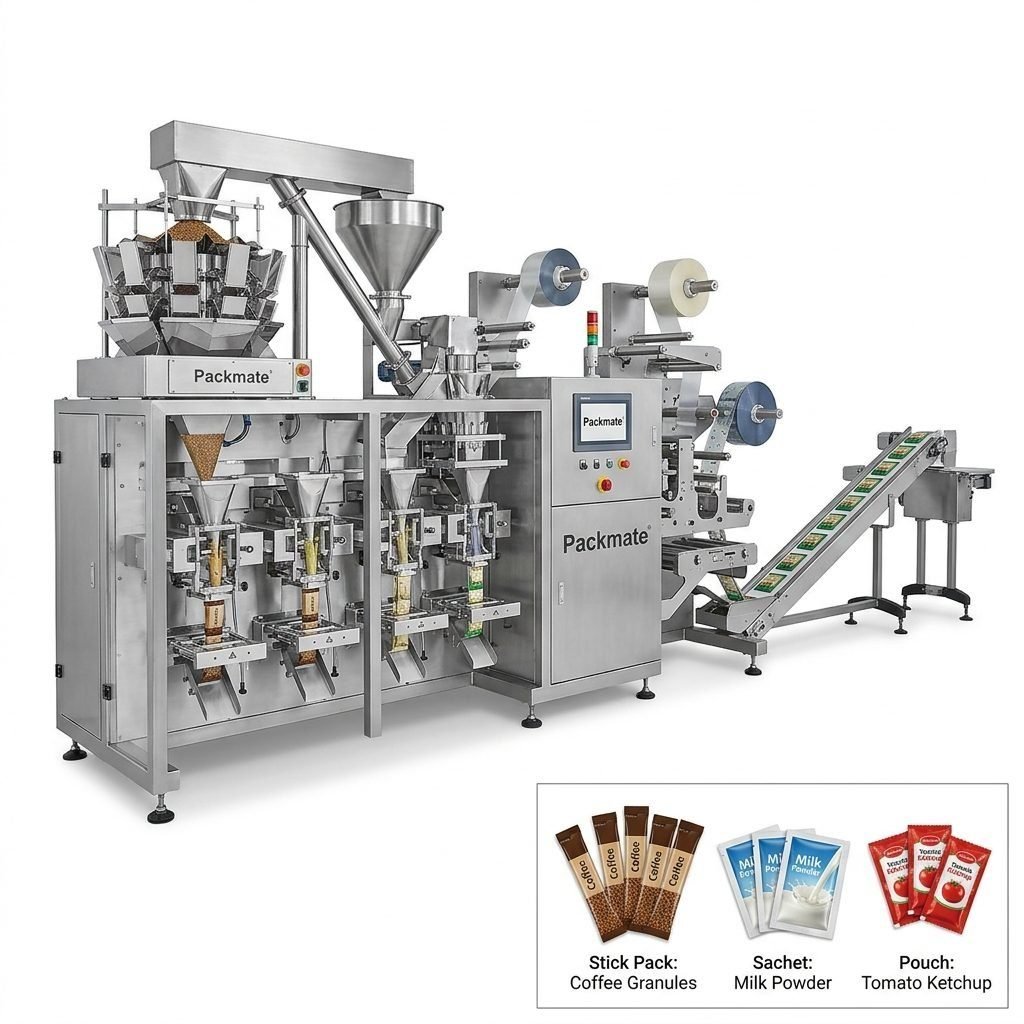
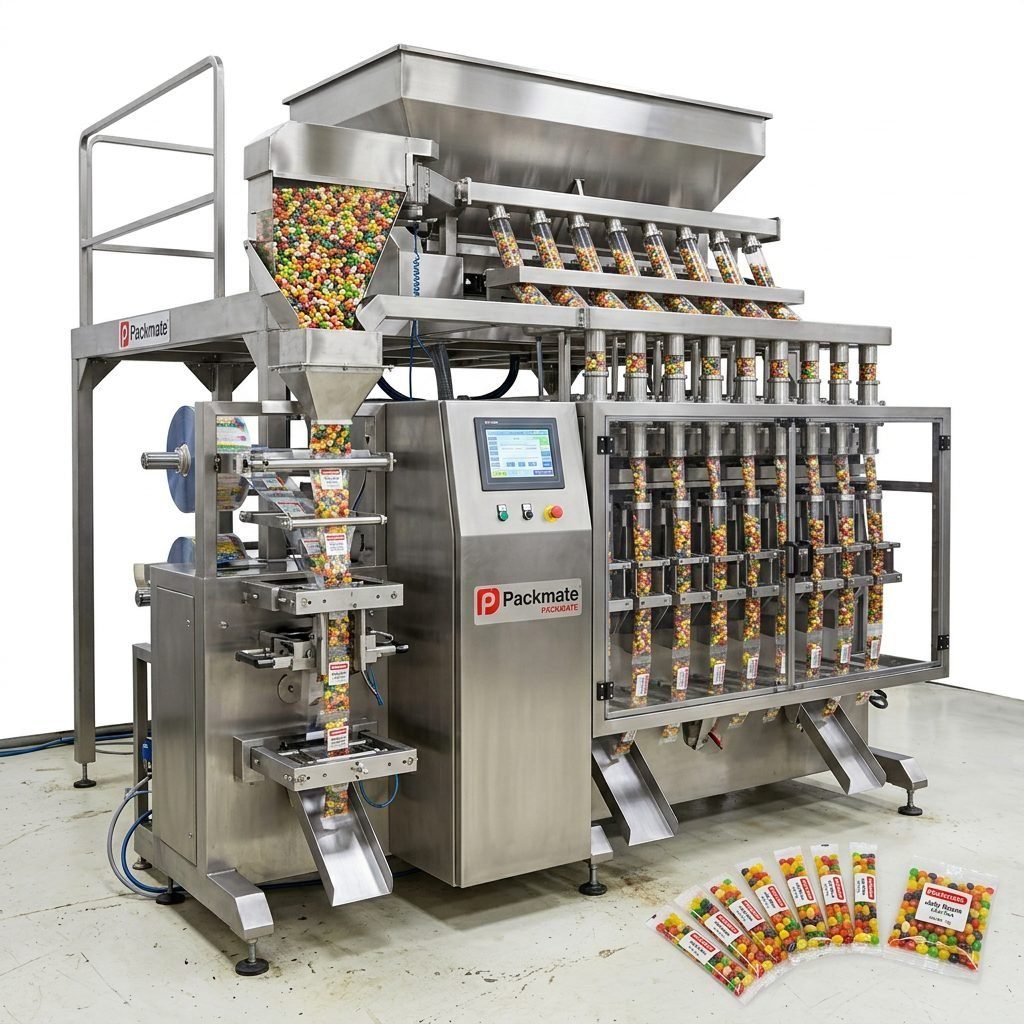
- Weighing & Packaging Systems: Combine multi-head weighers with bag form-fill-seal (FFS) machines for high-speed, precise packaging of granular chemicals into bags or pouches. Explore weighing and packaging systems for more details.
- Vibratory Feeders: Used for granular products, gently moving material into the packaging stream.
3. Form-Fill-Seal (FFS) Machines
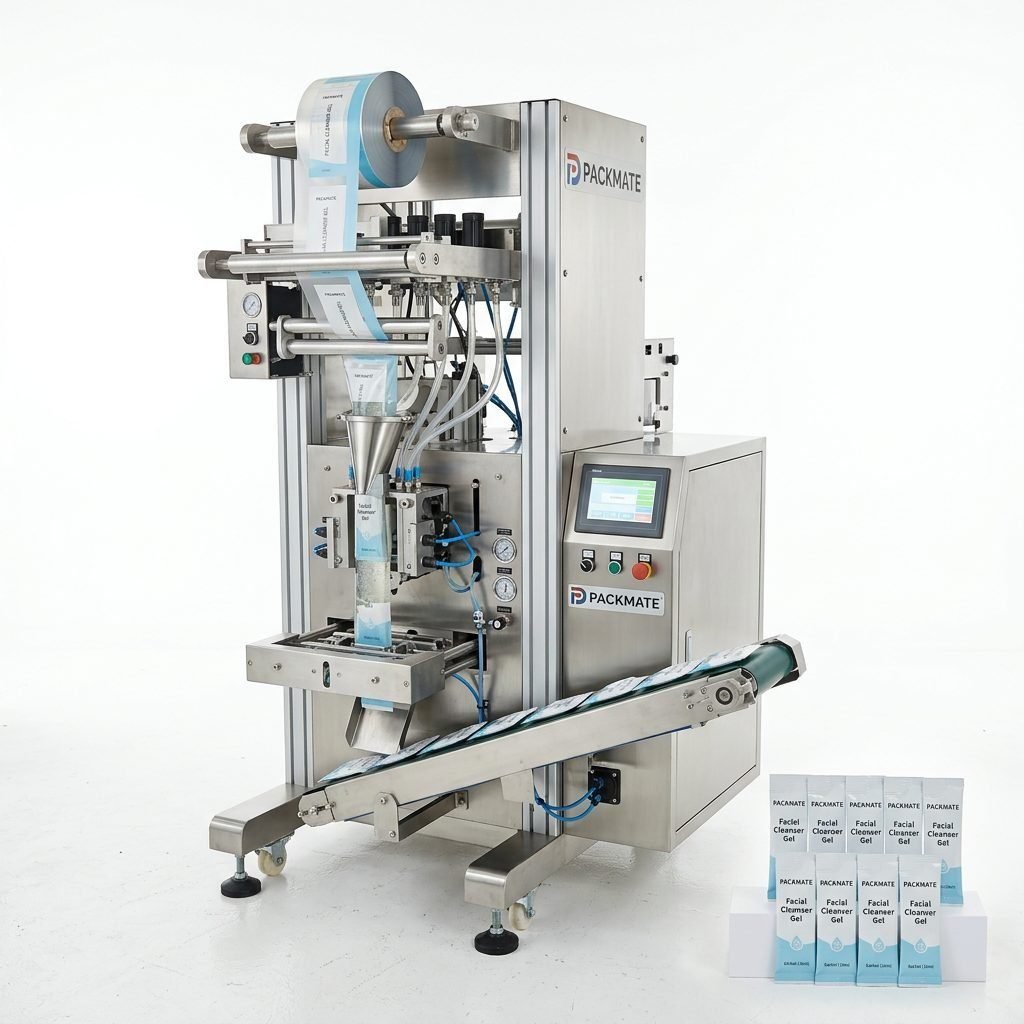
These versatile machines form the package (usually a bag or pouch) from a roll of film, fill it with product, and seal it—all in one continuous operation. They are highly efficient and reduce packaging material inventory.
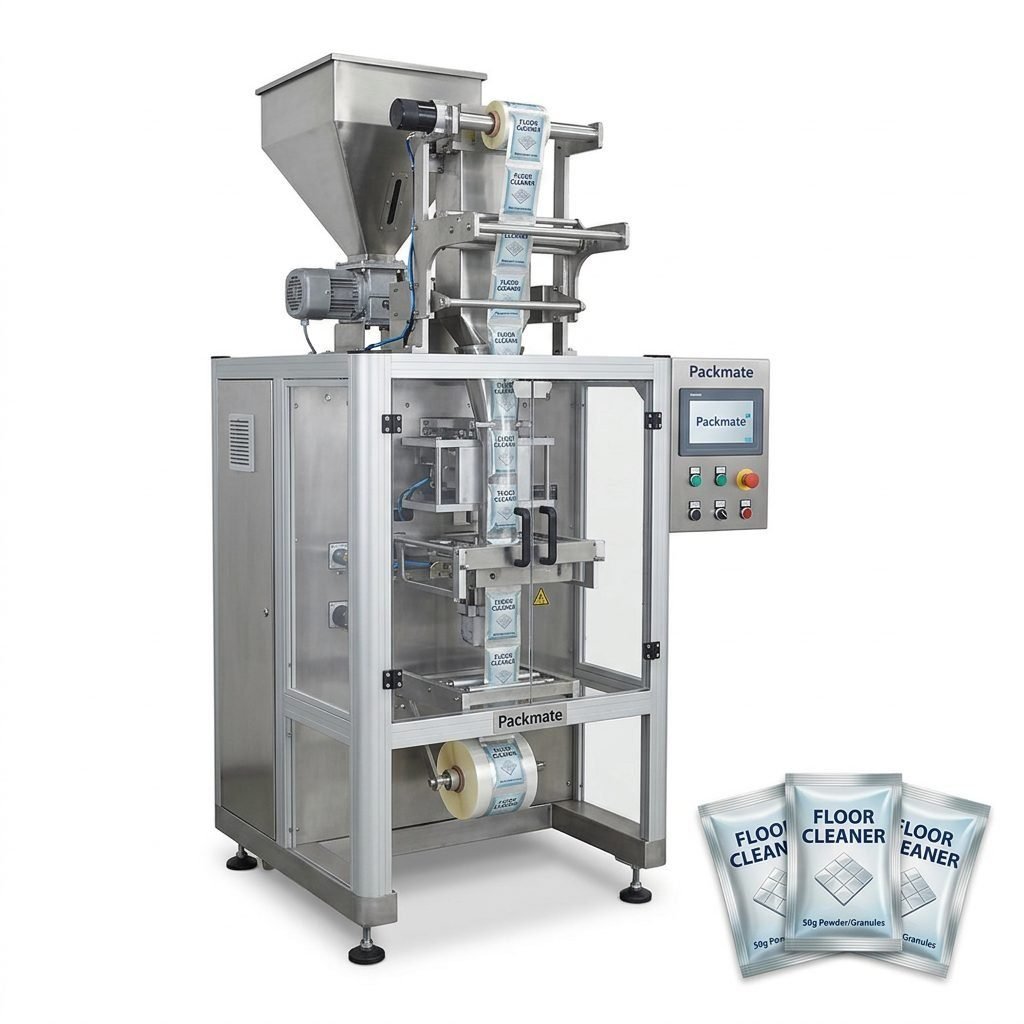
- Vertical Form-Fill-Seal (VFFS): Perfect for packaging powders, granules, and liquids into bags. They create pillow bags, gusseted bags, or block-bottom bags.
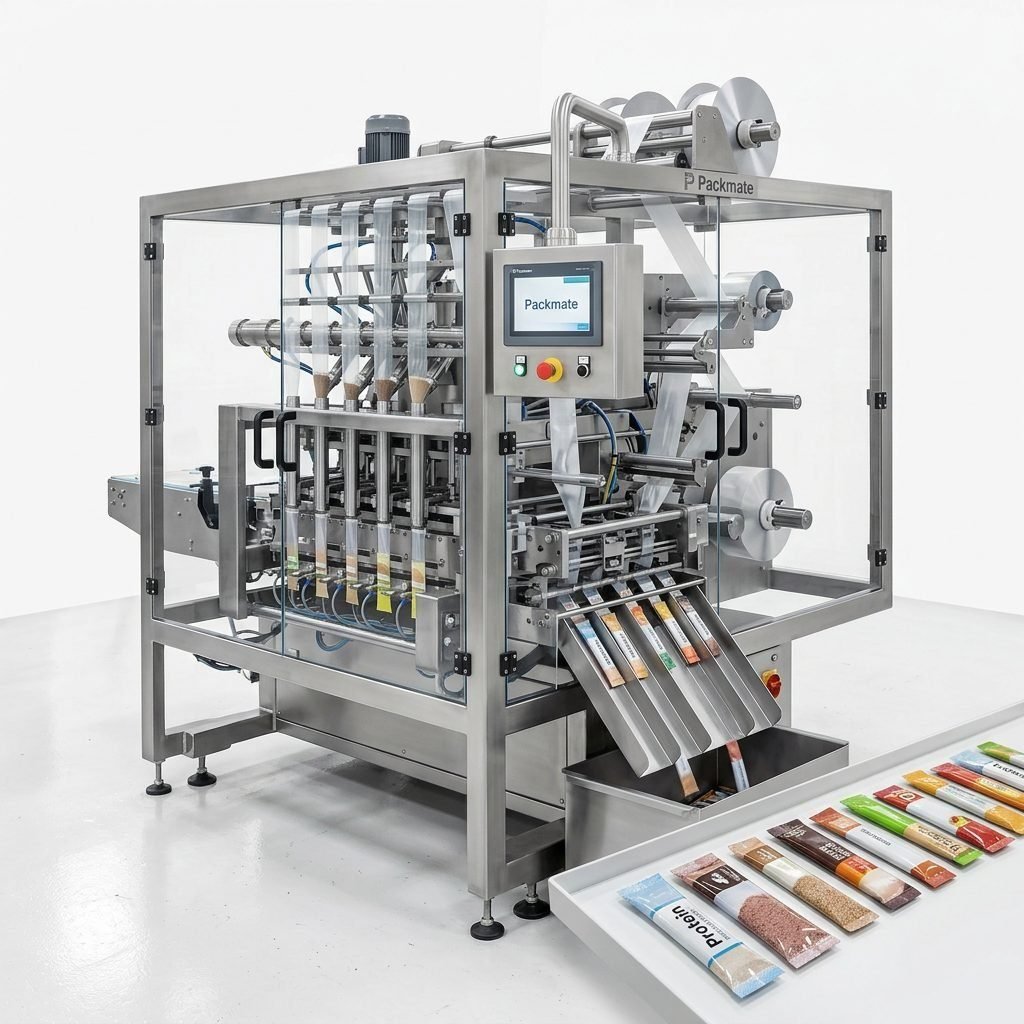
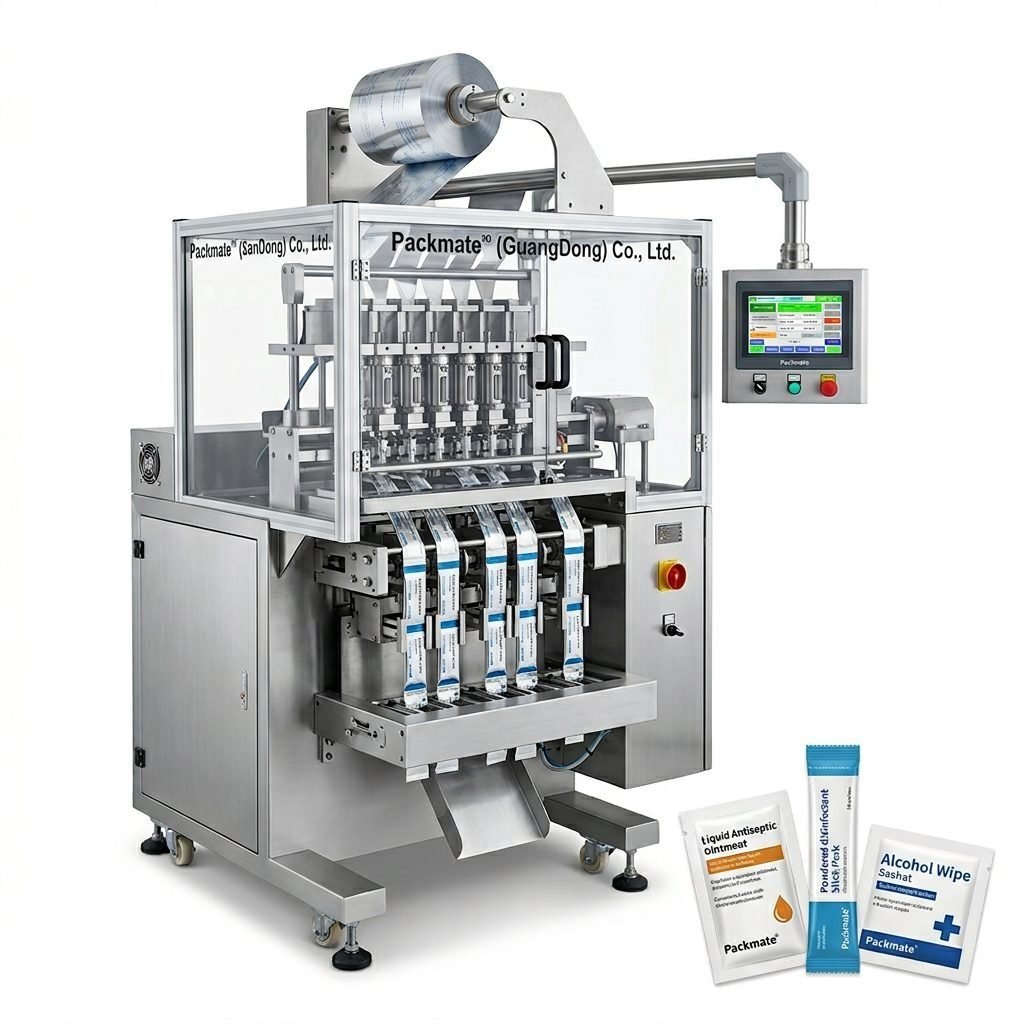
- Horizontal Form-Fill-Seal (HFFS): Often used for portion packs, sachets, or stick packs of chemicals like water treatment powders, desiccants, or single-use reagents. Discover options for sachet and stick pack machines.
4. Capping, Sealing, and Labeling Machines
Downstream equipment is vital for completing the package. This includes:
- Cappers: Apply screw caps, snap caps, or press-on lids to bottles and jars.
- Induction Sealers: Apply a tamper-evident foil liner under a plastic cap, providing an airtight seal critical for moisture-sensitive or volatile chemicals.
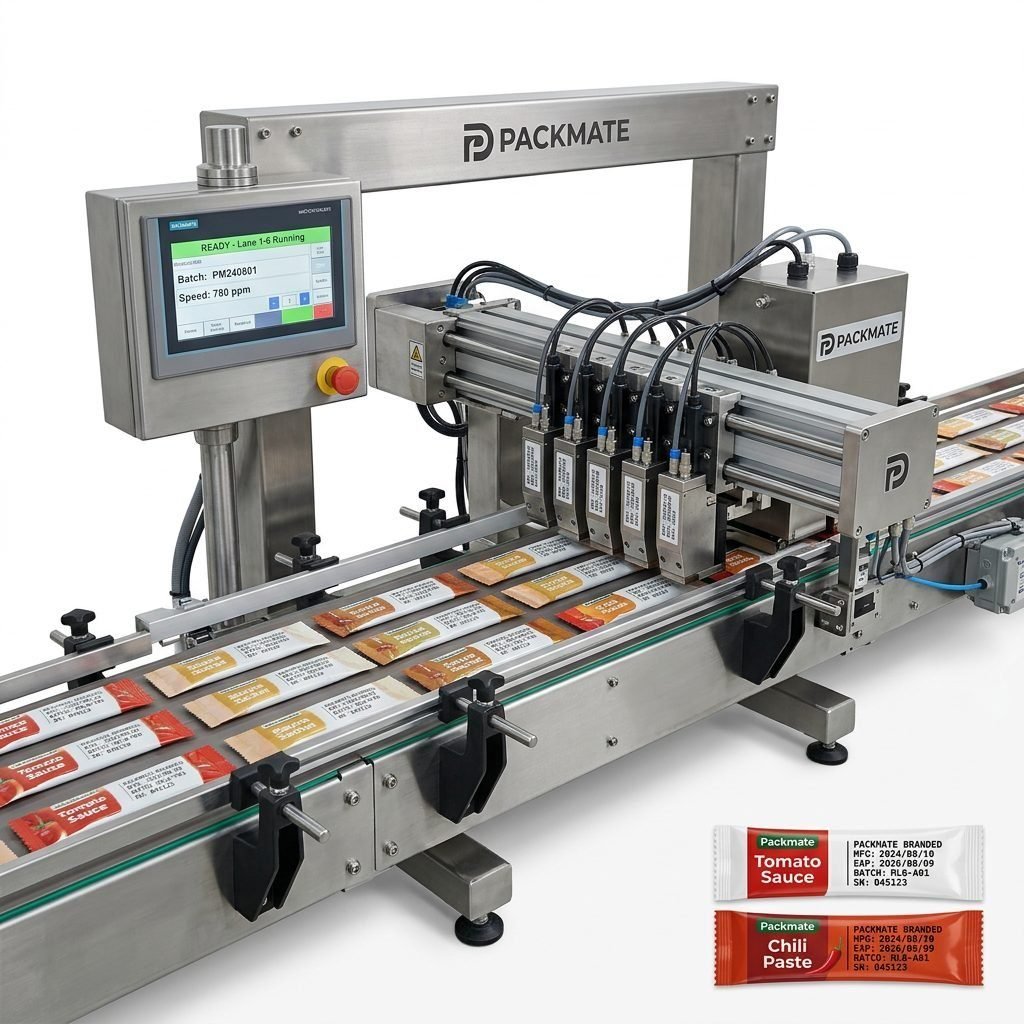
- Labelers: Apply primary product labels with hazard symbols, instructions, and compliance information. Must handle various container shapes and sizes.
Selection Guide: Choosing the Right Machine
Selecting a chemical packaging machine is a significant investment. Follow this step-by-step guide to make an informed decision.
Step 1: Define Your Product & Packaging Specifications
Start with the fundamentals. Clearly document:
- Chemical Properties: State (liquid, powder, granule), viscosity, density, corrosiveness, abrasiveness, flammability, and hygroscopicity.
- Packaging Format: Target container type (bottle, can, pouch, stick pack, bag), material (HDPE, glass, laminated film), and size range.
- Required Output Speed: Packages per minute (PPM) or per hour. This defines the machine’s capacity level.
- Accuracy Tolerance: The acceptable fill weight/volume variation, which is often dictated by regulatory standards or cost control.
Step 2: Evaluate Machine Construction & Compatibility
The machine must be built to last in your environment.
- Material of Contact Parts: Ensure all parts touching the product are made of compatible materials (e.g., 316L stainless steel, PTFE, ceramic) to resist corrosion and contamination.
- Sealing & Safety Features: Look for IP-rated electrical systems, explosion-proof options for volatile atmospheres, and effective dust or fume extraction ports.
- Changeover Ease: How quickly and easily can the machine switch between different container sizes or products? Quick-change parts reduce downtime.
Step 3: Consider Integration and Automation Level
Think about your current and future production line.
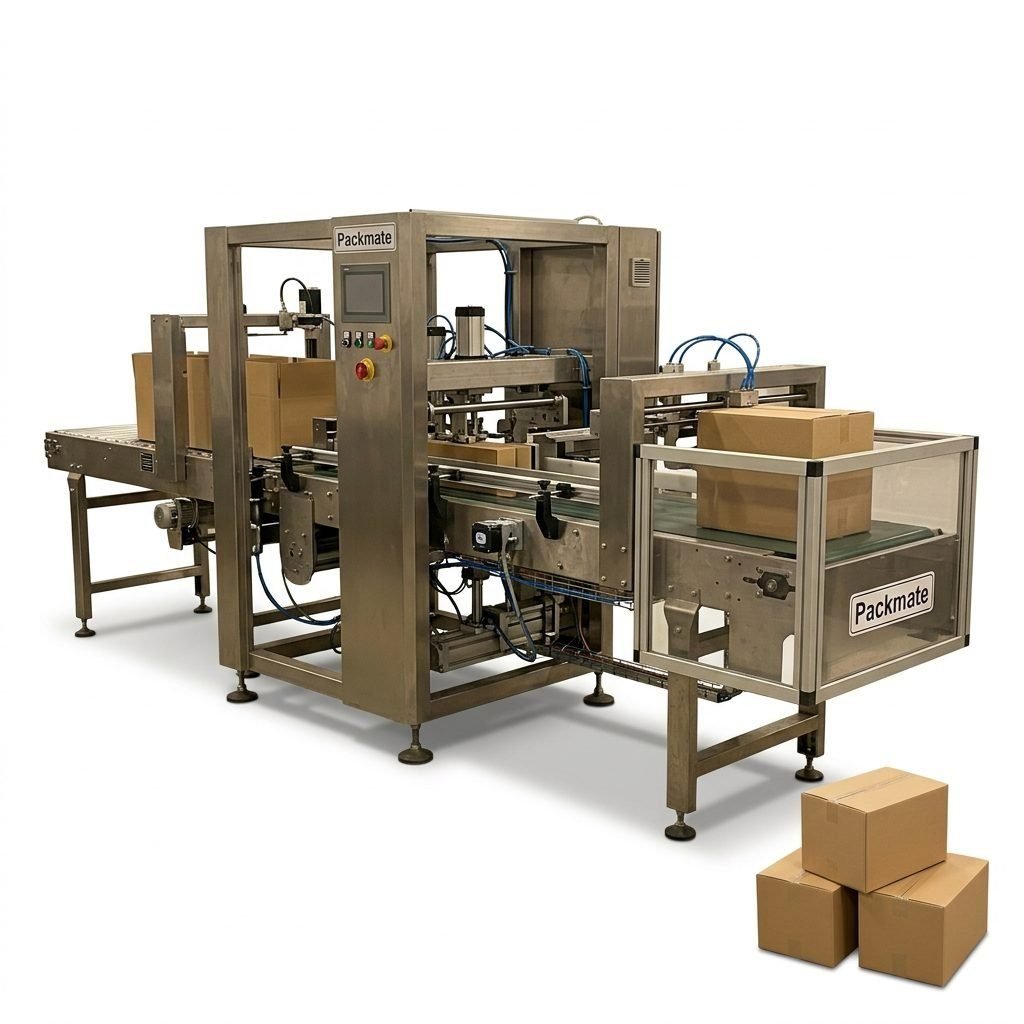
- Stand-alone vs. Integrated Line: Will the machine work alone or as part of a full filling and packaging line with conveyors, coders, and case packers?
- Control System: Modern machines feature PLC controls with touchscreen HMIs for easy operation, recipe storage, and production data tracking.
- Sanitation & Cleanability: Machines should have a hygienic design with smooth surfaces, minimal crevices, and easy access for cleaning—critical for GMP compliance in fine chemicals or pharmaceuticals.
Step 4: Assess Supplier Credentials and Support
The manufacturer is as important as the machine. A company with a strong track record like Packmate, with over 22 years of development, offers significant advantages.
- Industry Experience: Choose a supplier with proven experience in the chemical sector. Review their case studies.
- Testing & Validation: Reputable suppliers offer factory acceptance tests (FAT) using your actual product and packaging.
- After-Sales Service: Ensure they provide comprehensive training, readily available spare parts, and responsive technical support locally or globally.
Conclusion
Investing in the right chemical packaging machinery is a strategic decision that impacts productivity, safety, and profitability. By thoroughly understanding the types of machines available and systematically evaluating your needs against machine capabilities and supplier strengths, you can select a system that delivers reliable, accurate, and safe packaging for years to come. Whether you need a simple filler or a complete turnkey line, prioritizing compatibility, construction quality, and supplier partnership is the formula for success.
Frequently Asked Questions (FAQs)
1. What is the most important factor when choosing a machine for corrosive chemicals?
The single most critical factor is the material compatibility of all product-contact parts. For highly corrosive chemicals, 316L or higher-grade stainless steel, Hastelloy, or specialized coatings/linings like PTFE are mandatory to prevent contamination and machine failure.
2. Can one machine handle both liquid and powder chemicals?
Generally, no. Liquid fillers and powder fillers use fundamentally different dispensing mechanisms (pumps/pistons vs. augers). While some machines can be reconfigured with different filling heads, it is often more efficient to have dedicated machines for each product type to maintain optimal speed and accuracy.
3. How do I ensure accurate filling for expensive or high-precision chemicals?
For the highest accuracy, net weight filling systems are recommended. These systems weigh the container in real-time during the filling process and stop at the exact target weight, compensating for product density variations. This method is superior to volumetric filling for high-value products.
4. What safety features are essential for packaging flammable solvents?
Machines for flammable environments must have explosion-proof (EX-rated) motors, electrical enclosures, and controls to prevent sparks. Additionally, integrated inert gas (nitrogen) purging systems and vapor recovery mechanisms are often necessary to maintain a safe atmosphere.
5. How can I reduce downtime when changing between different package sizes?
Look for machines designed with quick-changeover features. This includes tool-less adjustments, interchangeable parts kits (like augers, funnels, or sealing jaws), and digital controls that store settings for different recipes. This can reduce changeover time from hours to minutes.