In today’s fast-paced manufacturing world, efficiency and cost control are paramount. Automated packaging machines have emerged as a critical solution for businesses aiming to streamline operations, reduce labor costs, and enhance product consistency. This guide delves into the core aspects of automated packaging, exploring how these systems drive efficiency and deliver a significant return on investment.
The Core Driver: Unlocking Operational Efficiency
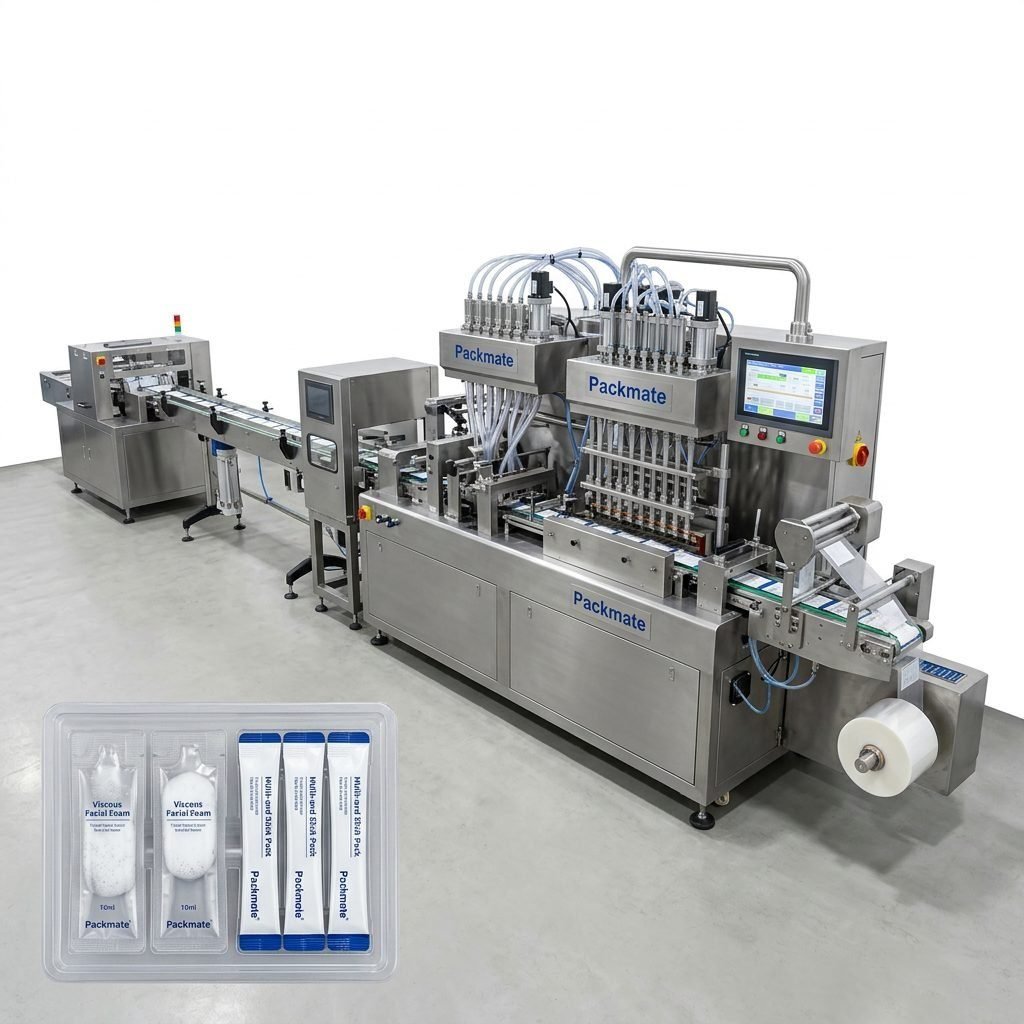
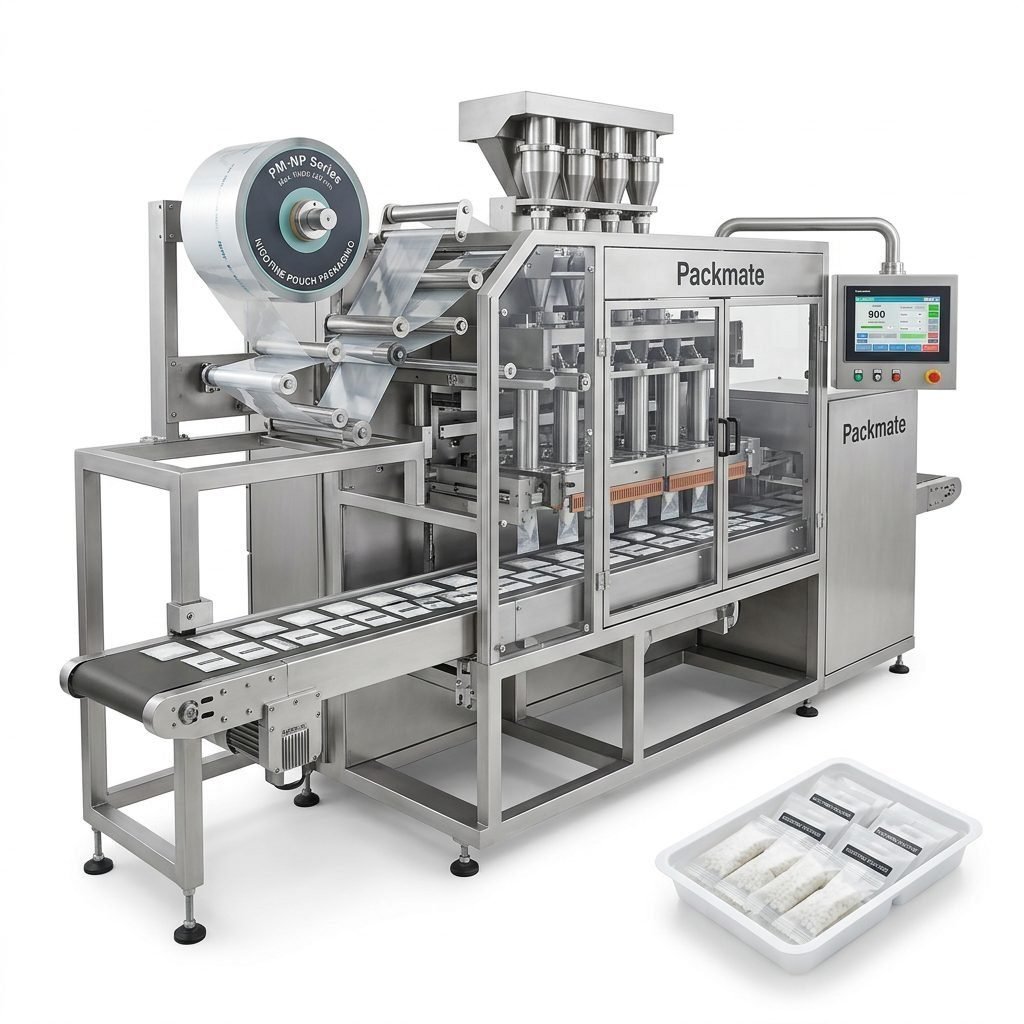
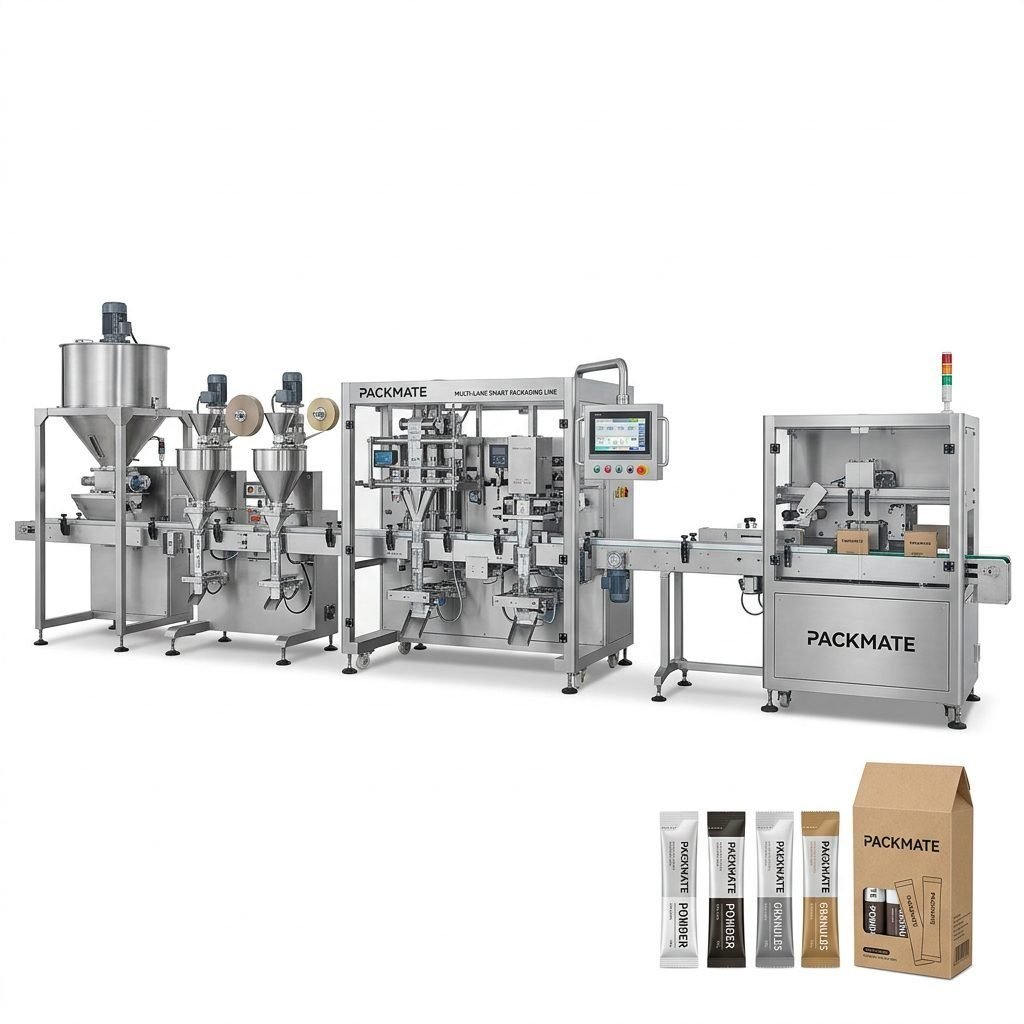
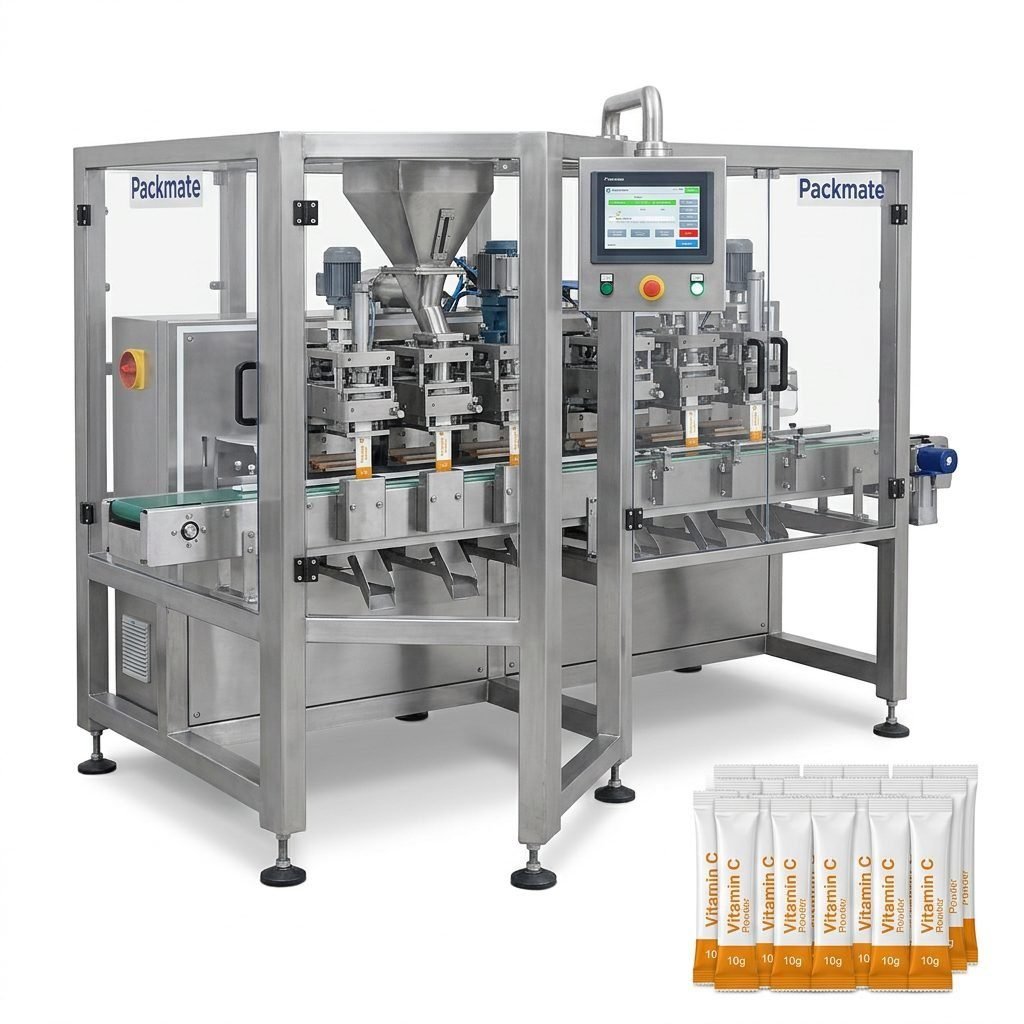
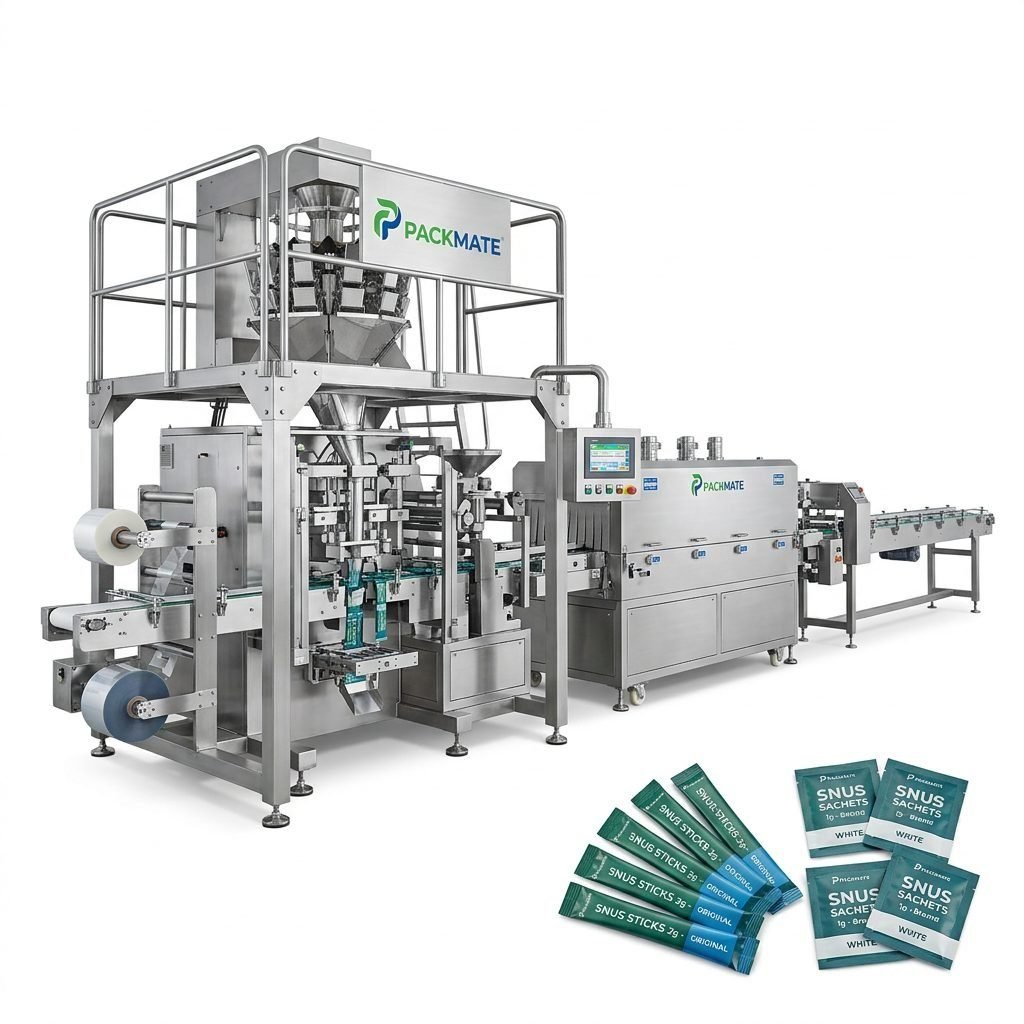
The primary advantage of automated packaging is the dramatic increase in operational efficiency. Manual packaging is slow, inconsistent, and prone to human error. Automated systems, however, operate at a constant, high speed. A single multi-lane stick pack machine can produce thousands of uniform packets per hour, a task that would require multiple human operators. This consistency in speed and output directly translates to higher throughput and the ability to meet tight deadlines and large order volumes.
Key Insight: Beyond raw speed, automation introduces precision. Every package is filled, sealed, and labeled with exact measurements, virtually eliminating product giveaway and ensuring every customer receives the same high-quality presentation. This level of precision is unattainable with manual processes over extended periods.
Strategic Cost Reduction Beyond Labor
While reducing labor costs is an obvious benefit, the financial advantages of automation run much deeper. First, material waste is minimized. Precise filling mechanisms ensure minimal product spillage or overfilling, directly saving on raw material costs. Second, machine reliability reduces downtime and maintenance costs compared to the unpredictability of manual labor schedules and errors.
Furthermore, automated systems optimize floor space. Integrated filling and packaging lines create a compact, continuous workflow, reducing the footprint needed for packaging operations. This allows for better factory layout planning and potential expansion of other production areas.
Choosing the Right Machine for Your Product
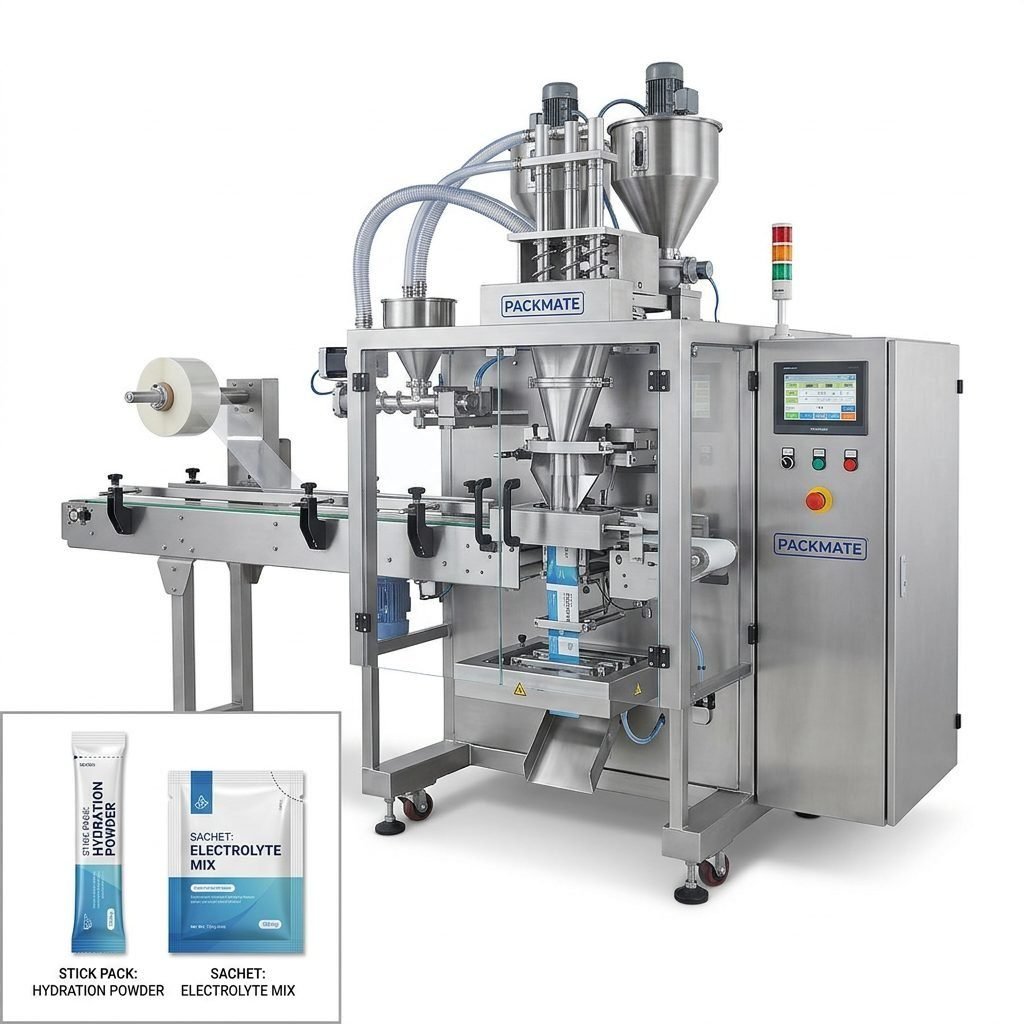
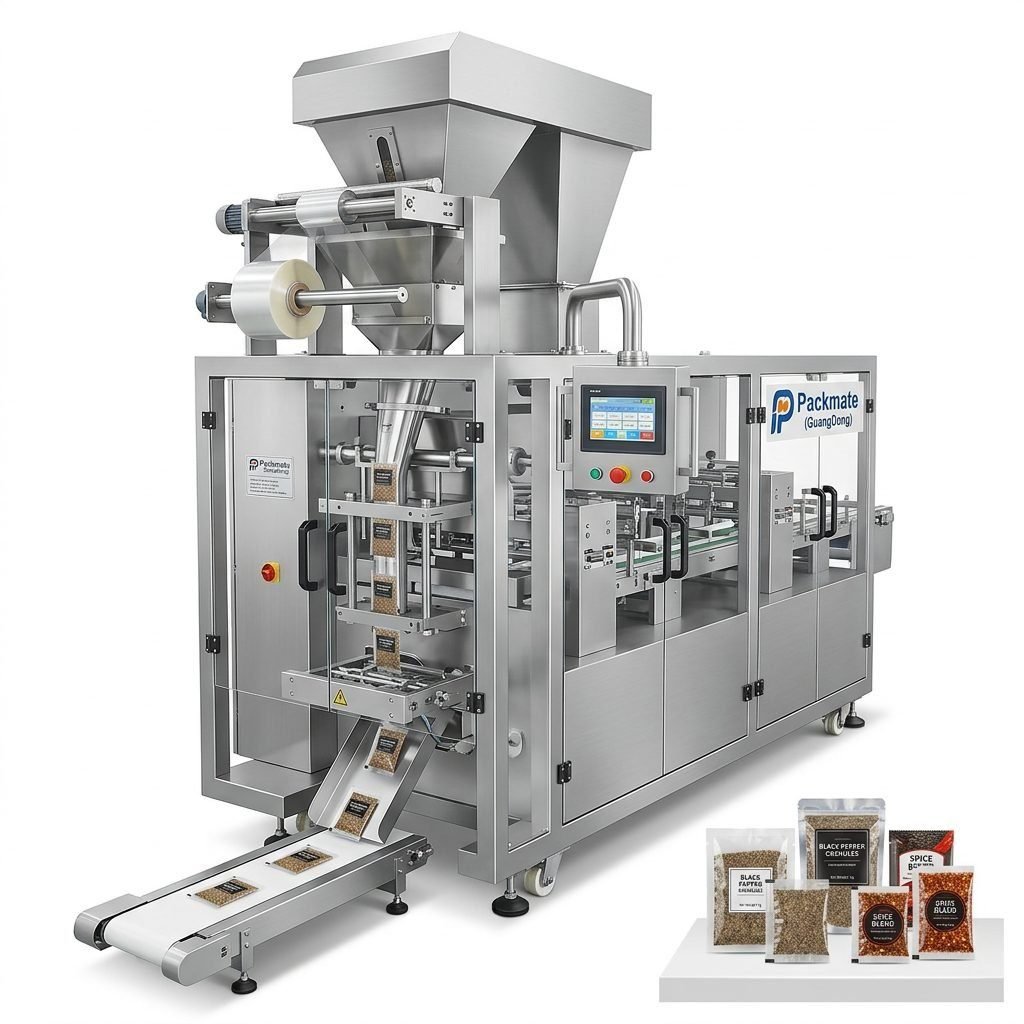
Not all packaging machines are created equal. The choice depends heavily on your product type—whether it’s granules, powders, liquids, or solids. For powdered supplements or instant drinks, a sachet packaging machine with auger filler ensures accurate, dust-free dosing. For granular products like coffee or seeds, a vibratory weighing system provides excellent speed and accuracy.
Pro Tip: Always consider future needs. A modular machine that can handle multiple package sizes or be integrated with downstream equipment (like cartoners) offers greater long-term value and protects your investment against market changes.
Integration: The Path to a Turnkey Solution
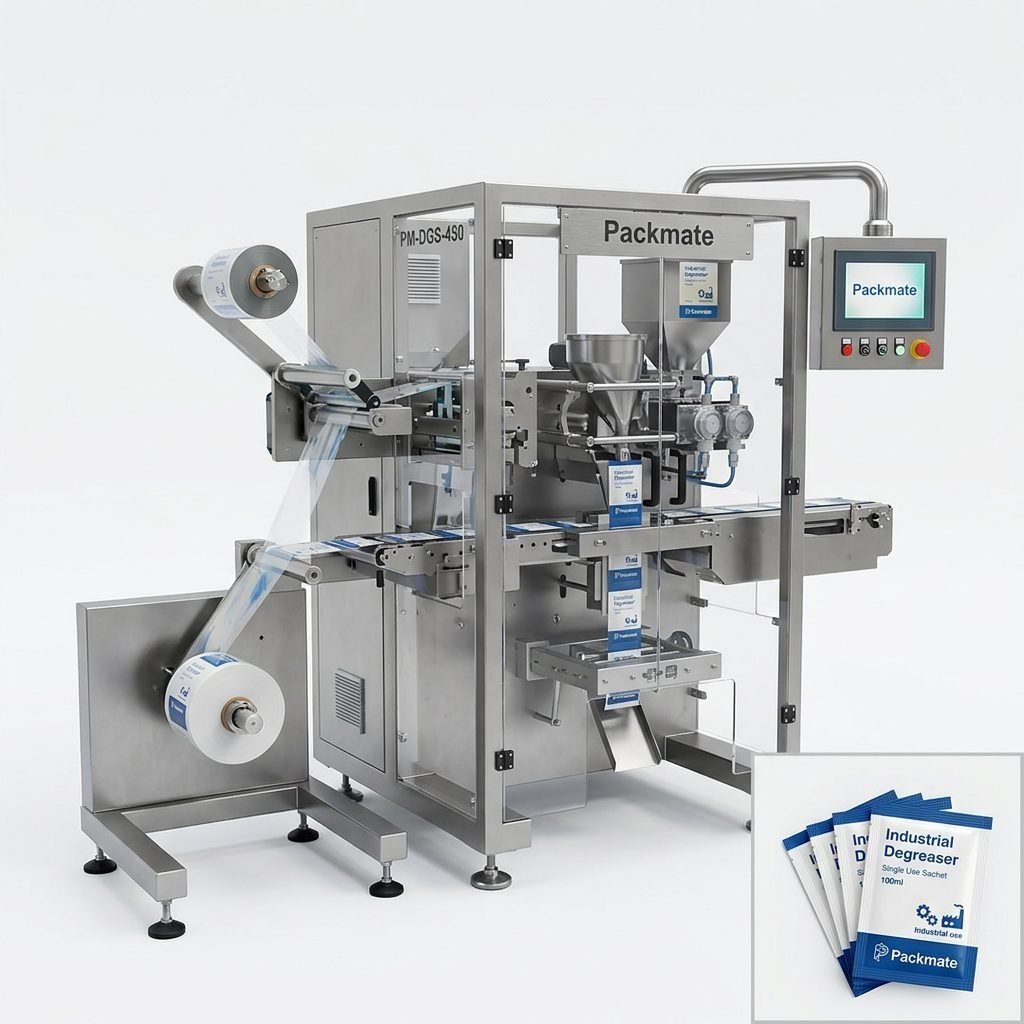
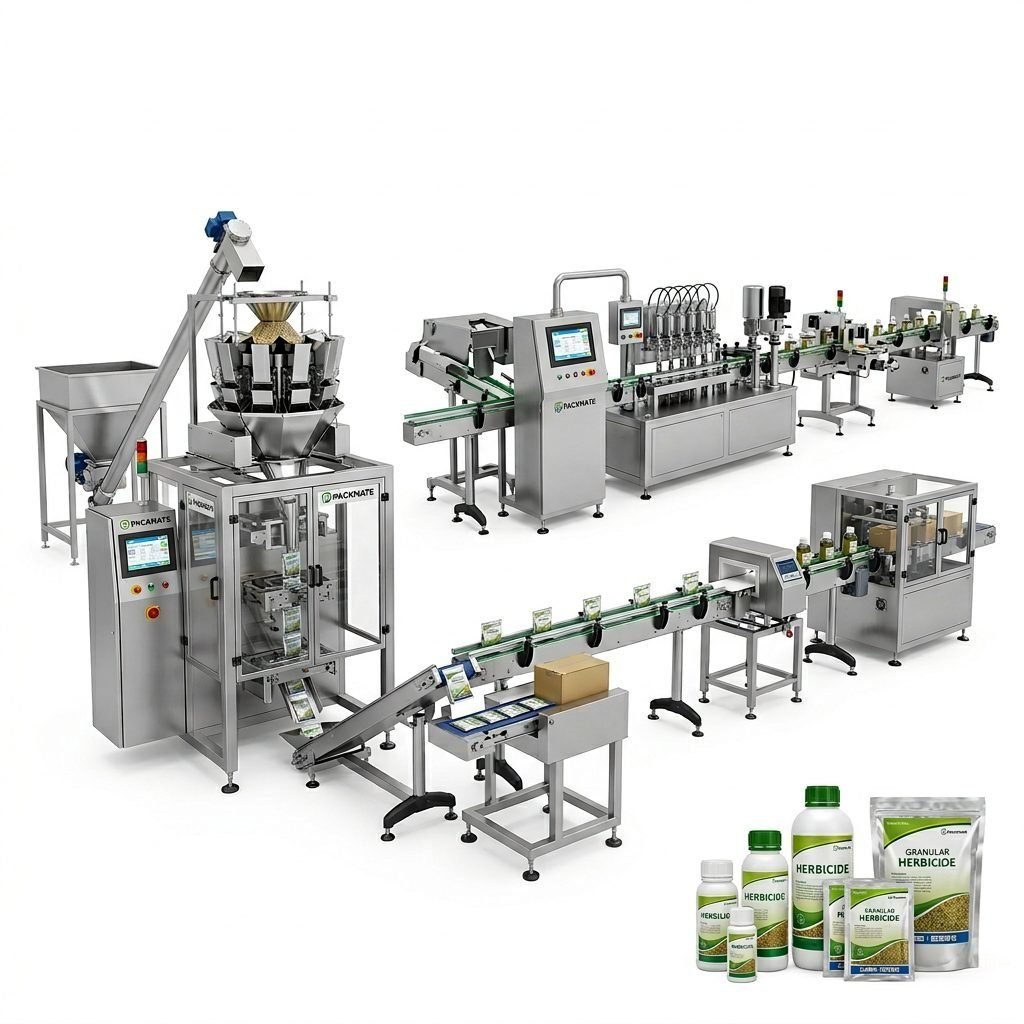
The true power of automation is realized when machines work in harmony. A standalone pouch packer is effective, but connecting it to an automated weighing system, a checkweigher, and a robotic palletizer creates a seamless, end-to-end packaging line. This level of integration, often provided as a complete turnkey solution by experienced manufacturers, eliminates bottlenecks and manual handling between stages, maximizing overall equipment effectiveness (OEE).
The Role of a Trusted Manufacturer
Investing in automated packaging is a significant decision. Partnering with a reputable manufacturer like Packmate Machinery is crucial. With over 30 years of expertise, such a partner provides more than just a machine; they offer application knowledge, reliable after-sales service, and spare parts support. Their experience in designing for diverse industries—from food and pharmaceuticals to health products—ensures the solution is tailored to your specific hygiene, accuracy, and speed requirements.
A manufacturer’s commitment to innovation means you benefit from the latest technological advancements in servo motors, touch-screen HMIs, and data connectivity for Industry 4.0 readiness, ensuring your operation remains competitive.
Calculating Your Return on Investment (ROI)
Justifying the capital expenditure requires a clear ROI analysis. Key factors to calculate include:
• Labor Savings: Reduced number of operators per shift.
• Material Savings: Reduced product giveaway from precise filling.
• Output Increase: Revenue from additional units produced per hour.
• Quality Savings: Reduced costs from returns, reworks, and waste due to consistent sealing and labeling.
Most businesses find the payback period for a well-chosen automated packaging system is surprisingly short, often within 12-24 months.
Future-Proofing Your Packaging Operation
The packaging landscape is evolving. Sustainability demands, e-commerce requirements, and smart factory trends are shaping new machine features. Future-proof machines offer flexibility in using recyclable materials, easy changeover for different e-commerce box sizes, and connectivity for predictive maintenance and production data analytics. Choosing a partner committed to R&D ensures your investment continues to deliver value for years to come.
Frequently Asked Questions (FAQ)
1. What is the typical payback period for an automated packaging machine?
The payback period varies based on machine cost, labor rates, and production volume. However, for many small to medium-sized operations implementing a standard sachet or stick pack line, a return on investment is typically achieved within 1 to 2 years through labor savings, reduced waste, and increased output.
2. How do I know which type of automated packaging machine is right for my product?
The best way is to consult with an experienced manufacturer and provide product samples. Key factors determining the machine type include product form (powder, granule, liquid), desired package style (stick pack, sachet, pouch), required accuracy, and production speed. Reputable suppliers often offer testing services to validate the solution.
3. Can automated machines handle small batch production or frequent product changeovers?
Yes. Modern machines designed with quick-change features, such as tool-less change parts and recipe memory on the HMI, significantly reduce changeover time. This makes automation viable even for producers with multiple SKUs or shorter production runs, enhancing overall flexibility.
4. What kind of maintenance do automated packaging machines require?
Regular preventive maintenance is essential for longevity and uptime. This typically includes daily cleaning, lubrication of moving parts as per the manual, and periodic inspection of seals and wear parts. Choosing a machine from a manufacturer with a clear service and support plan ensures you have access to genuine spare parts and expert technical assistance.
5. How does automation improve packaging quality and consistency?
Automation removes human variability. Machines perform every seal with the same temperature and pressure, every fill with the same weight, and every label placement in the exact same position. This leads to a dramatically lower defect rate, improved product shelf life (through consistent sealing), and a stronger, more professional brand image.