The pharmaceutical industry is undergoing a transformative phase, with packaging machinery solutions at the forefront of innovation. As regulatory demands tighten and consumer expectations evolve, manufacturers are seeking smarter, faster, and more compliant packaging systems. The top trends in this sector are not just about automation; they represent a holistic shift towards intelligence, sustainability, and patient-centric design. This evolution is critical for ensuring drug efficacy, safety, and supply chain integrity on a global scale.
The Rise of Smart and Connected Packaging Lines
Integration of Industrial Internet of Things (IIoT) and data analytics is revolutionizing pharmaceutical packaging. Modern machinery is no longer an isolated unit but a connected node in a smart factory. Sensors collect real-time data on machine performance, production rates, and even environmental conditions within the packaging chamber. This data is crucial for predictive maintenance, preventing costly downtime by alerting technicians to potential issues before a breakdown occurs.
Furthermore, this connectivity enables unparalleled traceability. Each packaged unit can be linked to a digital record containing batch data, machine parameters, and operator details. This level of detail is invaluable for quality control and regulatory compliance, making audits more straightforward and ensuring rapid response in the rare event of a recall. Companies leading in this area, like Packmate Machinery, are developing systems that seamlessly feed data into centralized Manufacturing Execution Systems (MES).
Sustainability: A Core Driver of Material and Machine Design
Environmental responsibility is now a non-negotiable aspect of pharmaceutical operations. The trend extends beyond using recyclable materials to encompass the entire packaging process. Machinery is being designed for efficiency and minimal waste. This includes advanced servo-driven technology that precisely controls film feed, drastically reducing material overuse and trim waste.
There is also a growing demand for machines capable of handling novel, eco-friendly substrates like mono-material films or biodegradable polymers. These materials often have different sealing and handling properties, requiring adaptable and precise engineering in the packaging equipment. The shift supports the industry’s broader goals of reducing its carbon footprint and aligning with global sustainability initiatives.
Flexibility for Small Batch and Personalized Medicine
The era of blockbuster drugs packaged in millions of identical units is being complemented by the need for personalized medicine and small-batch production. Packaging machinery must now be highly flexible. Quick-changeover systems are essential, allowing a single production line to switch between different pouch sizes, formats, or products with minimal downtime and manual adjustment.
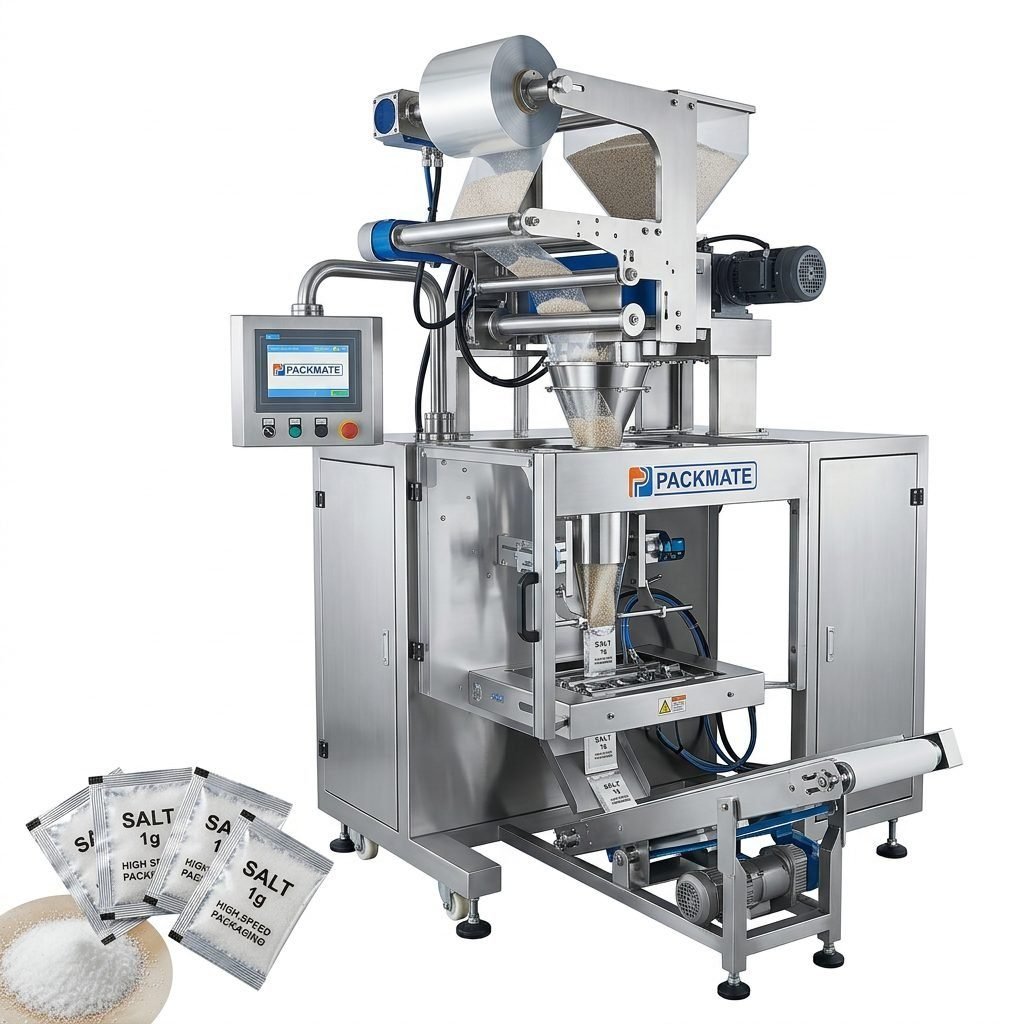
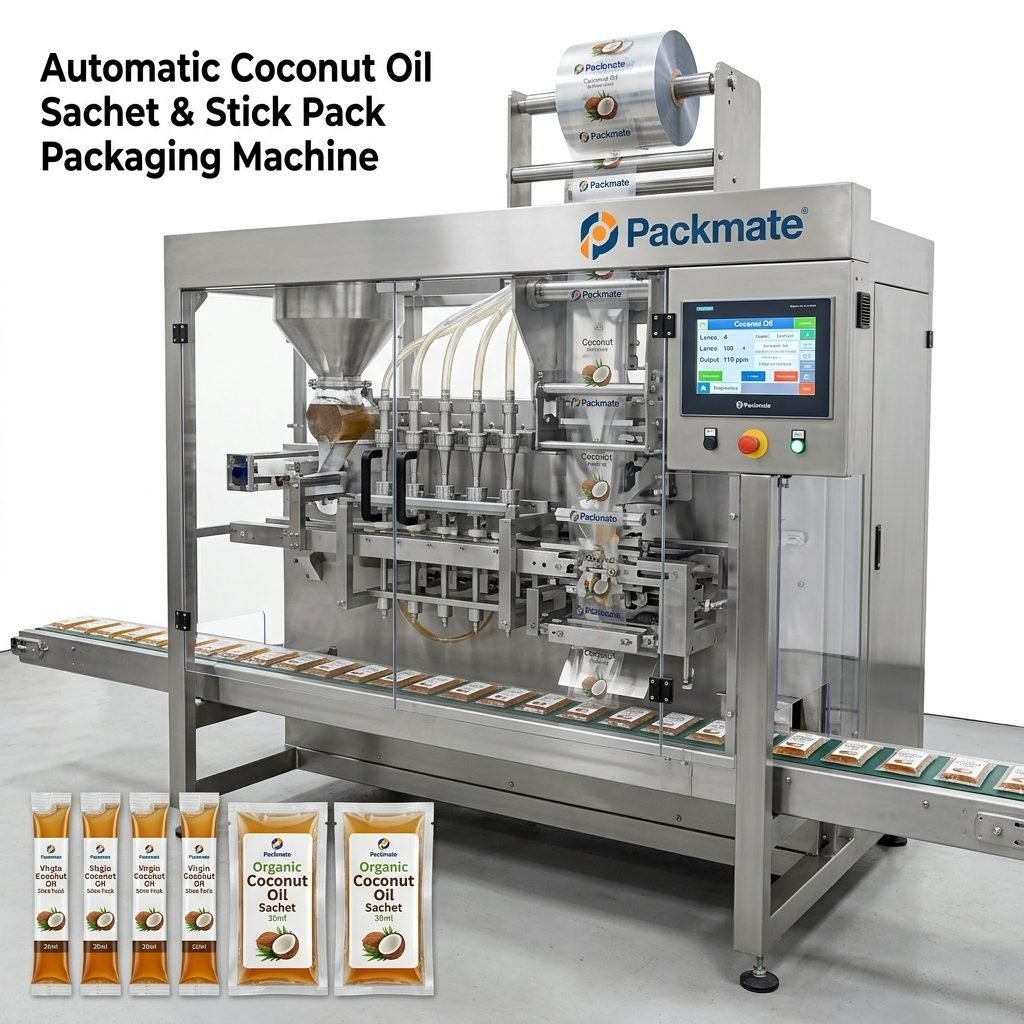
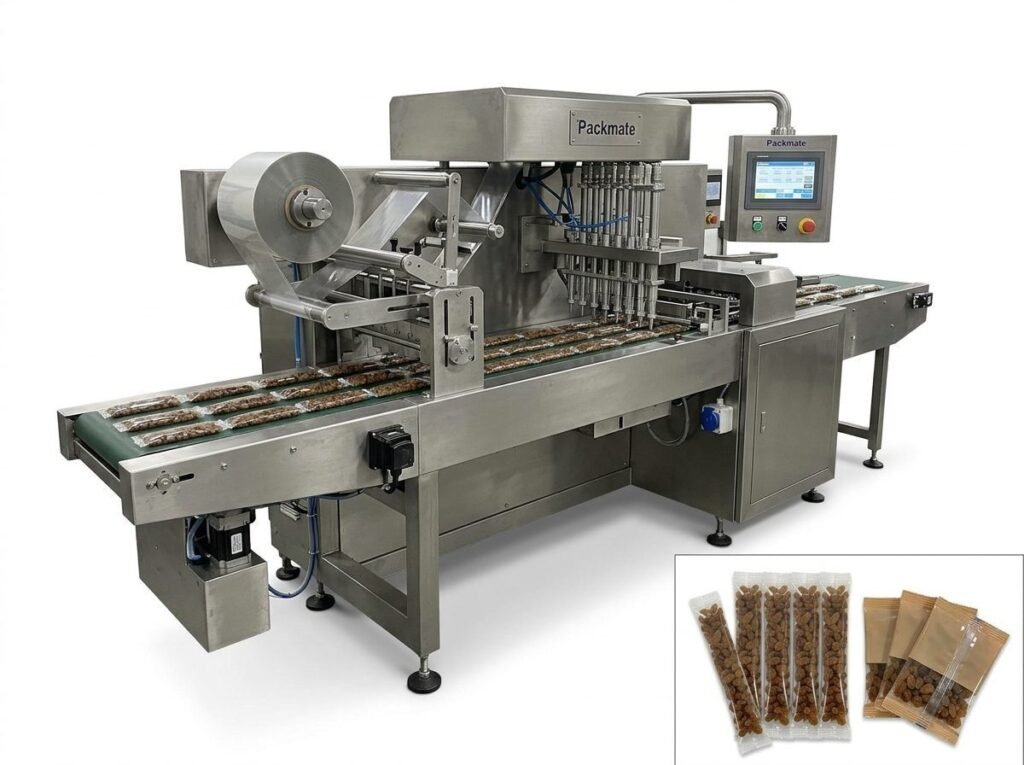
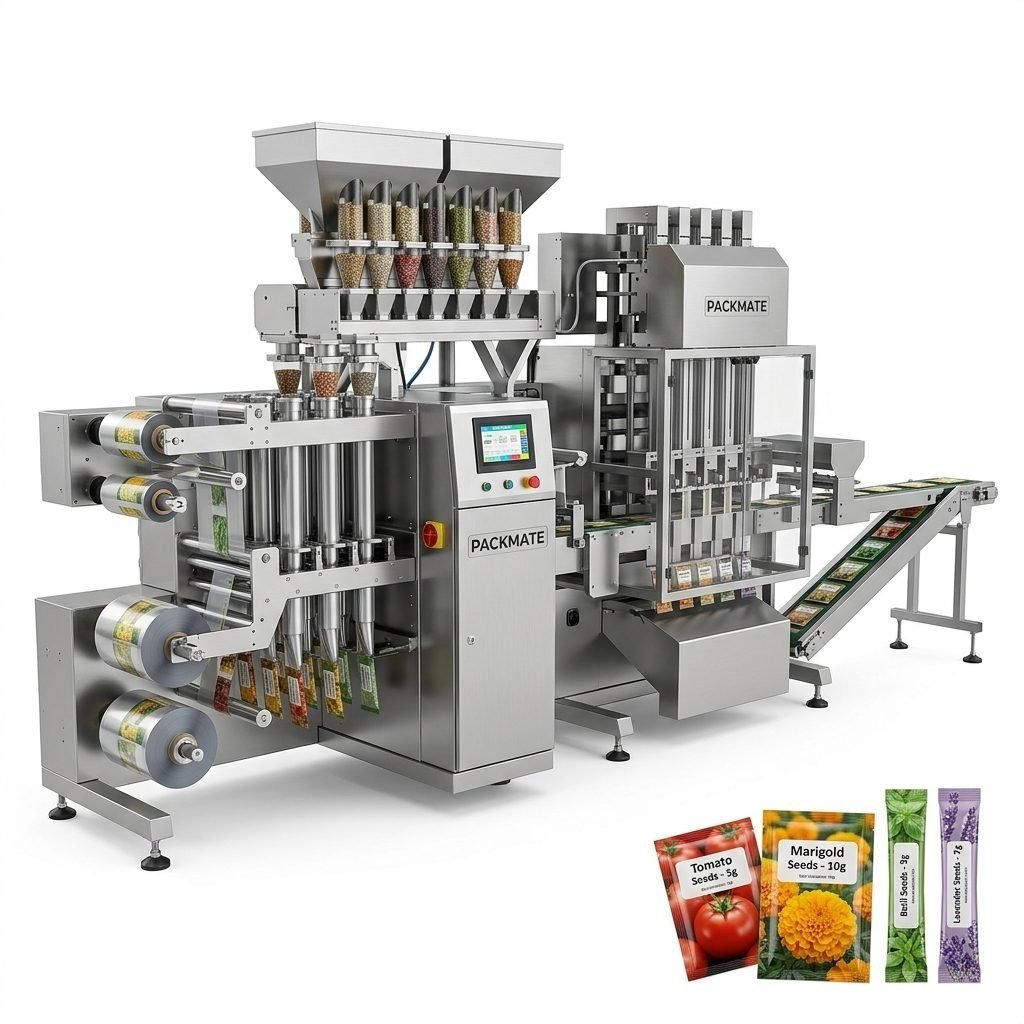
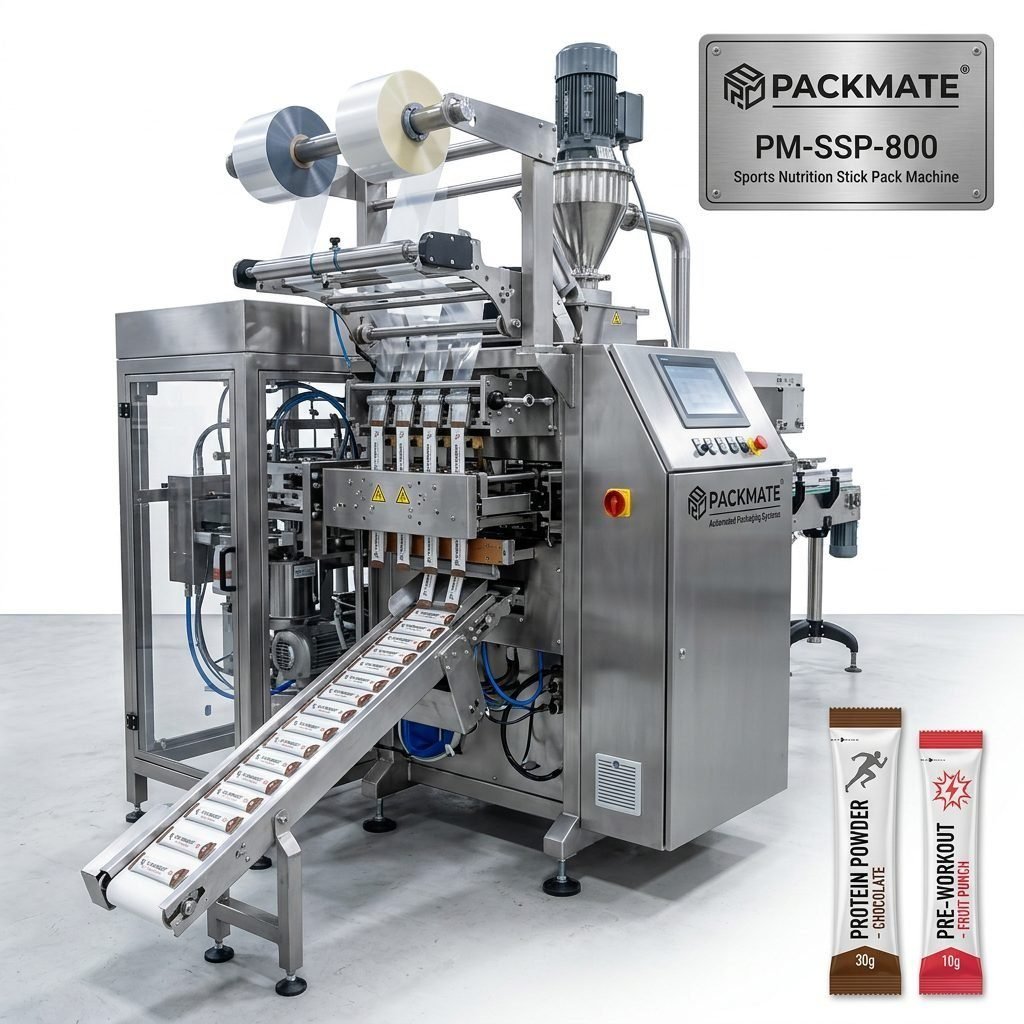
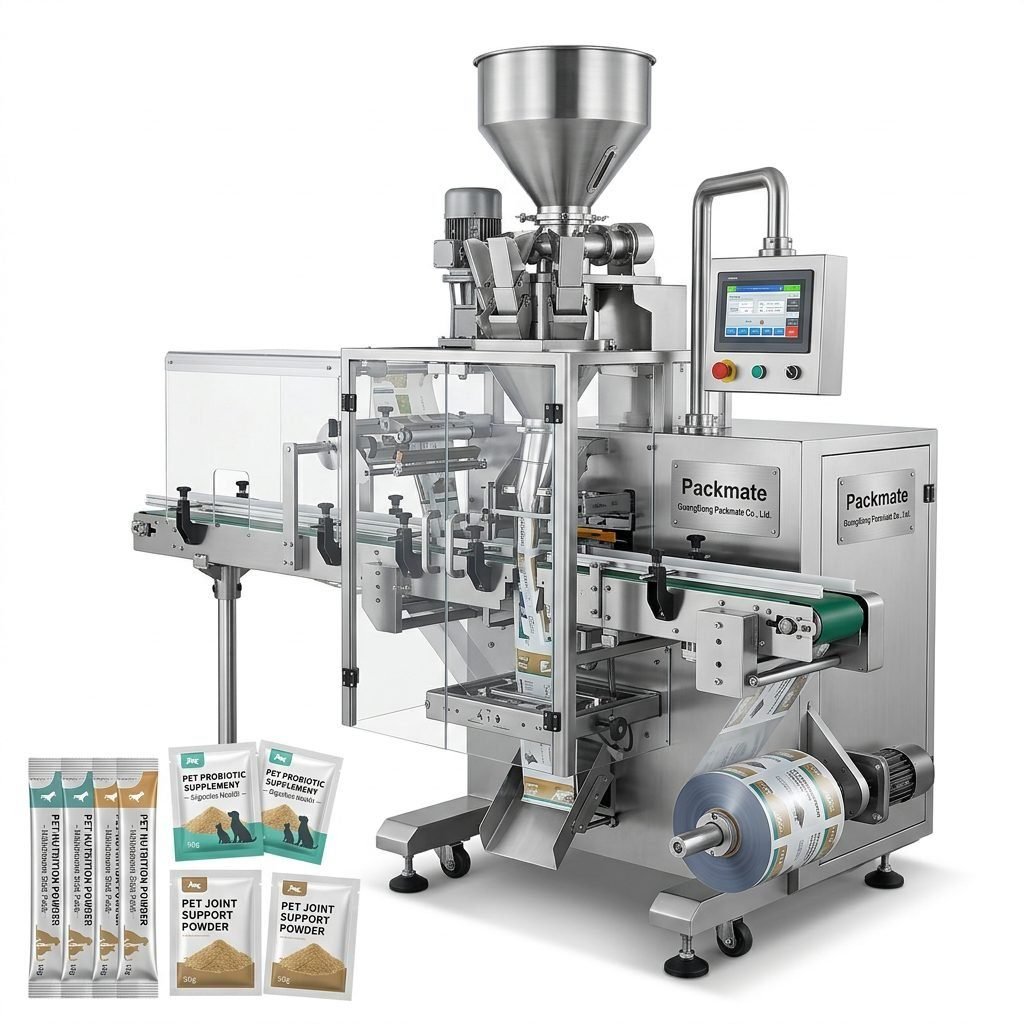
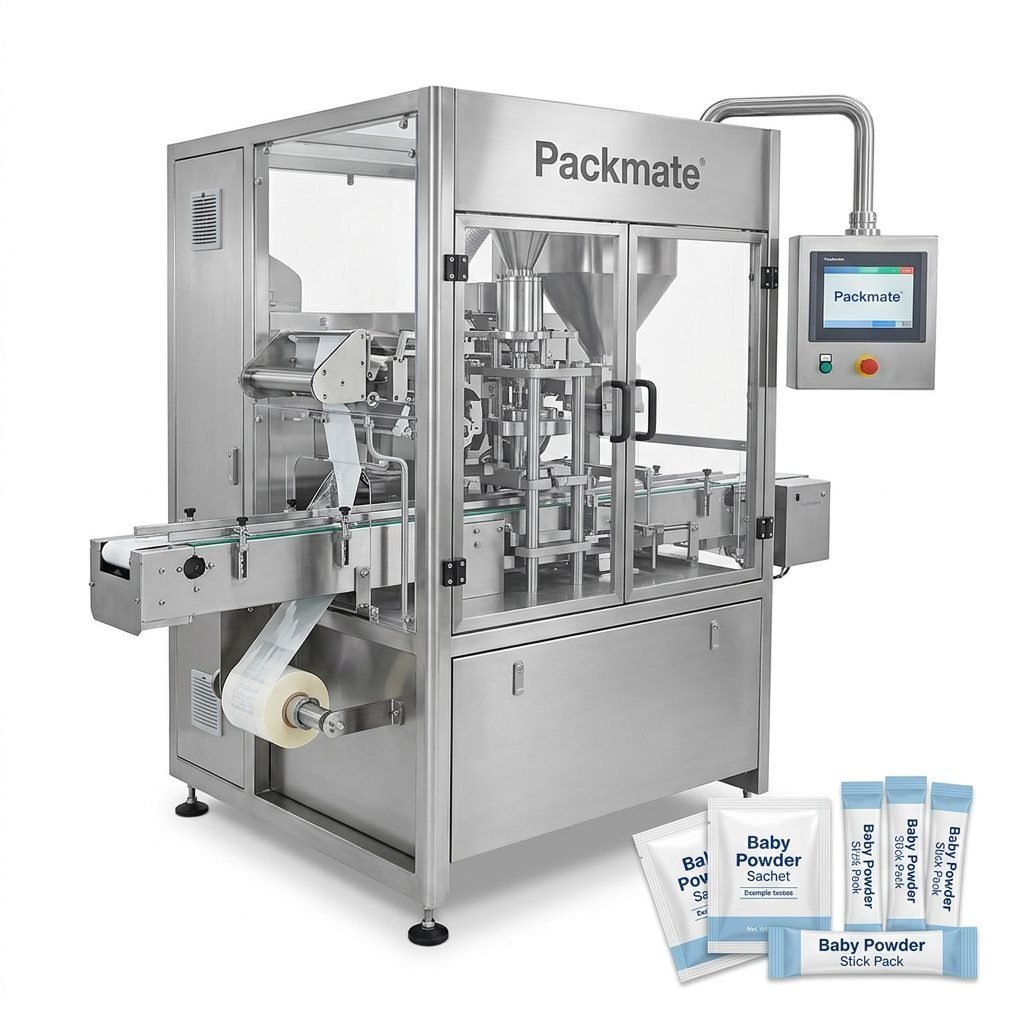
This flexibility is vital for clinical trial packaging, orphan drugs, and personalized dosing. Modern sachet and stick pack machines exemplify this trend, offering precision filling for powders and granules in small, unit-dose formats that enhance patient compliance and dosage accuracy.
Enhanced Safety and Anti-Counterfeiting Features
Patient safety is paramount, making anti-counterfeiting and tamper-evidence critical trends. Packaging machinery is increasingly integrated with technologies that provide overt and covert security features directly during the packaging process. This can include printing unique serialized codes, QR codes, or tamper-evident seals as an integral part of the packaging operation.
Serialization, mandated in many regions like the EU and the US, requires each saleable unit to have a unique identifier. Advanced packaging lines are equipped with high-resolution vision inspection systems and coding units that ensure every code is correctly applied and legible, forming a robust defense against the illicit drug trade.
Advanced Aseptic and Barrier Packaging Solutions
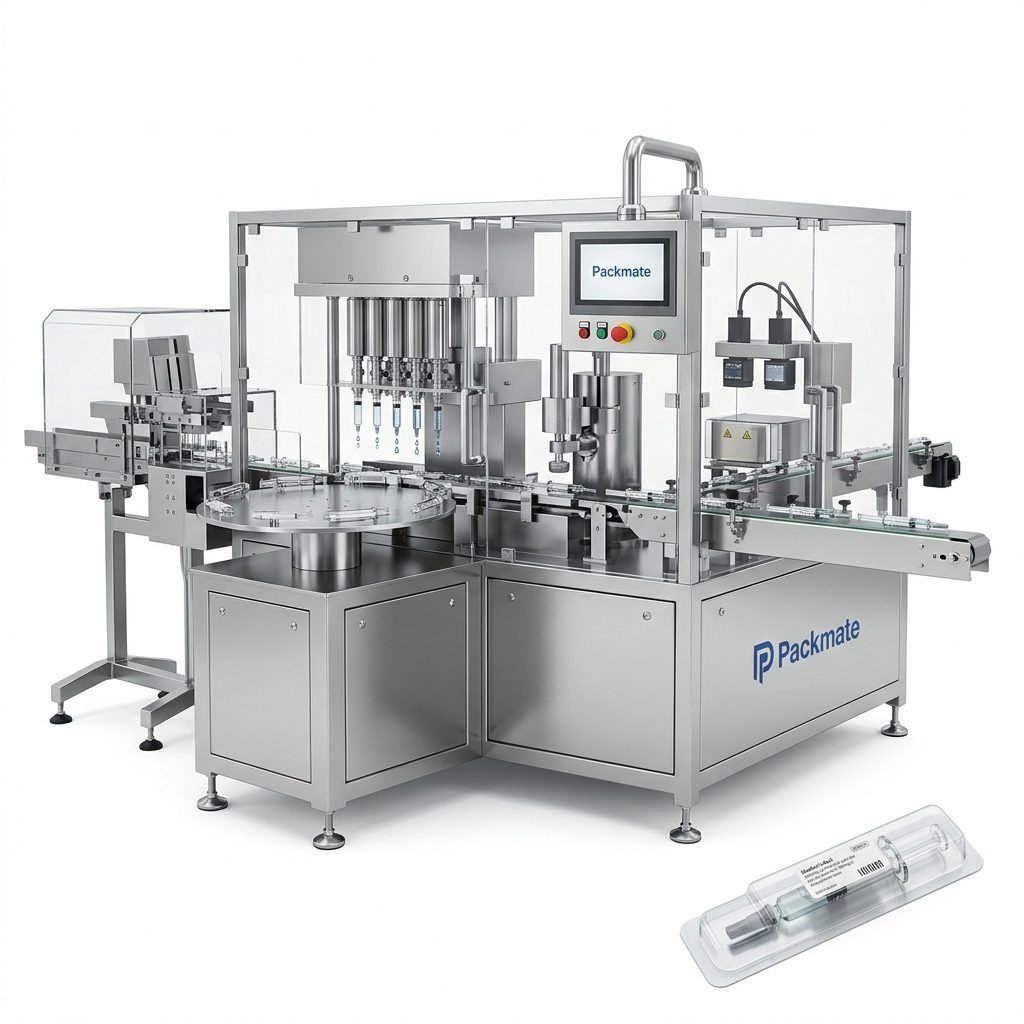
For sensitive pharmaceuticals, such as biologics and injectables, maintaining sterility is the highest priority. The trend is moving towards more sophisticated aseptic packaging technologies that minimize human intervention. Isolator and Restricted Access Barrier System (RABS) technologies are being more commonly integrated with filling and sealing machines to create a sterile environment.
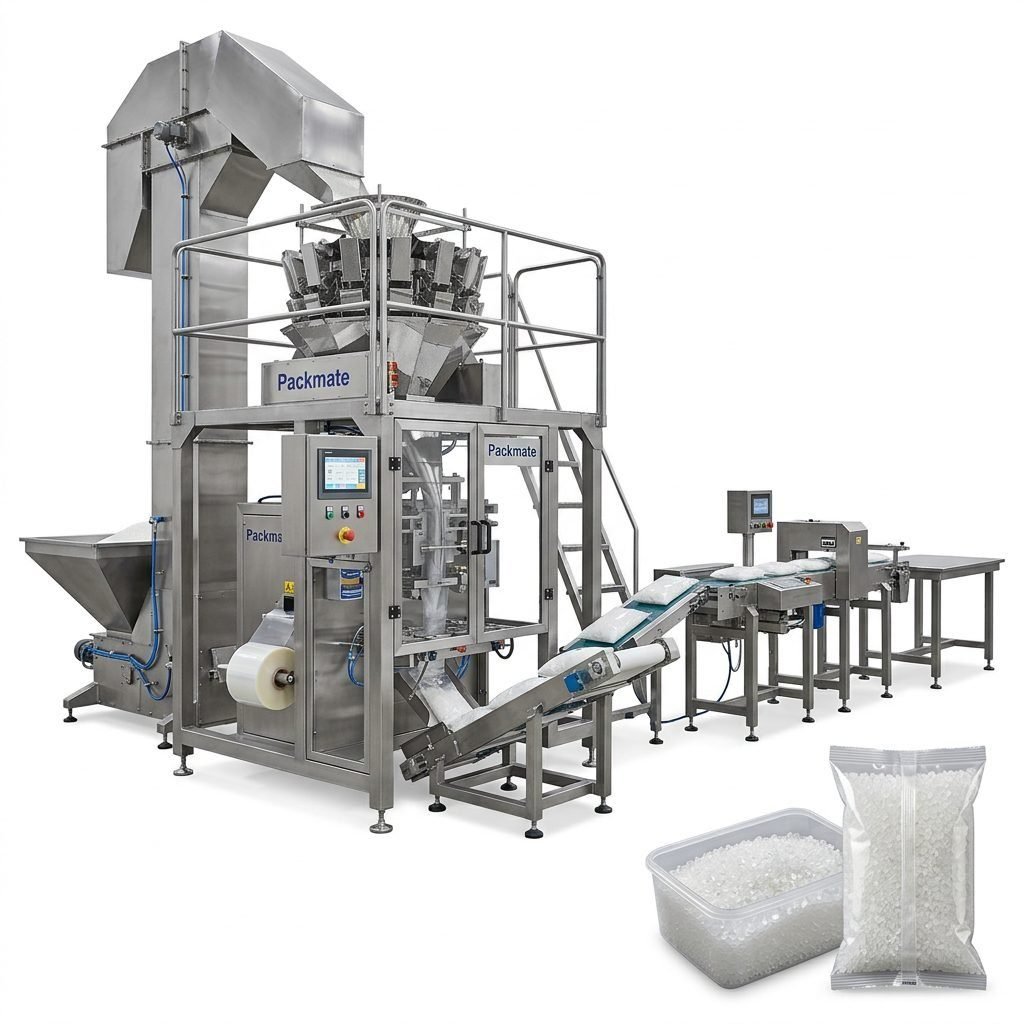
Similarly, the demand for high-barrier packaging that protects drugs from moisture, oxygen, and light is growing. Machinery must be capable of reliably forming and sealing complex multi-layer films without compromising the barrier properties, ensuring the drug’s stability throughout its shelf life. Solutions for complete filling and packaging lines are designed with this critical requirement in mind.
The Integration of Robotics and Collaborative Automation
Robotics are moving from heavy-duty palletizing to more delicate, precise tasks within the packaging line. Collaborative robots (cobots) are being deployed for tasks like loading empty blisters, assembling secondary packaging, or conducting final inspection. They work alongside human operators, taking over repetitive, ergonomically challenging tasks, which increases overall line efficiency and reduces the risk of repetitive strain injuries.
This automation extends to end-of-line processes, where robotic arms can gently handle packaged products for cartoning, case packing, and palletizing, ensuring a smooth, continuous flow from primary packaging to shipment.
In summary, the top trends in pharmaceutical packaging machinery—smart connectivity, sustainability, flexibility, safety, aseptic integrity, and robotics—are converging to create a new paradigm. This new paradigm focuses on data-driven, agile, and responsible production that ultimately safeguards patient health and meets the dynamic needs of the modern pharmaceutical market. Manufacturers who invest in these advanced solutions position themselves for resilience, compliance, and growth.
Frequently Asked Questions (FAQs)
What are the key benefits of IIoT in pharmaceutical packaging machinery?
The key benefits include predictive maintenance to reduce downtime, enhanced traceability for complete batch history, real-time quality monitoring, and data-driven optimization of Overall Equipment Effectiveness (OEE), leading to higher productivity and compliance.
How can packaging machinery support sustainability goals?
Modern machinery supports sustainability through servo-driven precision that reduces material waste, energy-efficient designs, and the capability to run with recyclable or biodegradable mono-material films, helping companies minimize their environmental impact.
Why is flexibility so important in modern packaging lines?
Flexibility is crucial to accommodate small-batch production, personalized medicine, and frequent product changeovers. Quick-changeover systems allow manufacturers to respond rapidly to market demands without sacrificing efficiency or incurring high downtime costs.
What is serialization, and why is it mandatory?
Serialization is the process of assigning a unique identifier (like a barcode or data matrix code) to each saleable drug unit. It is mandated by regulations (e.g., EU FMD, US DSCSA) to combat counterfeiting, enable secure tracking through the supply chain, and facilitate efficient recalls.
What should I consider when choosing a supplier for pharmaceutical packaging equipment?
Consider the supplier’s industry experience, regulatory knowledge (e.g., cGMP, GAMP5), ability to provide validation support, machine reliability, and after-sales service. A partner with a proven track record, like Packmate Machinery with over two decades of expertise, can provide crucial turnkey solutions and long-term support.