In the fast-paced world of manufacturing, efficiency and versatility are paramount. Duplex packaging equipment and systems represent a significant leap forward, allowing producers to handle multiple packaging formats or product types simultaneously on a single line. This comprehensive guide delves into the intricacies of duplex packaging technology, its applications, benefits, and key considerations for implementation.
What is Duplex Packaging?
Duplex packaging refers to a sophisticated configuration where two independent packaging machines or systems are integrated to work in parallel or in a complementary sequence. Unlike a single-line machine, a duplex system can perform two distinct operations at once, such as packaging two different product variants, using two different pouch sizes, or even running two separate production lines from a single infeed source. The core principle is doubling output without doubling the footprint, maximizing floor space and operational efficiency.
Core Components of a Duplex System
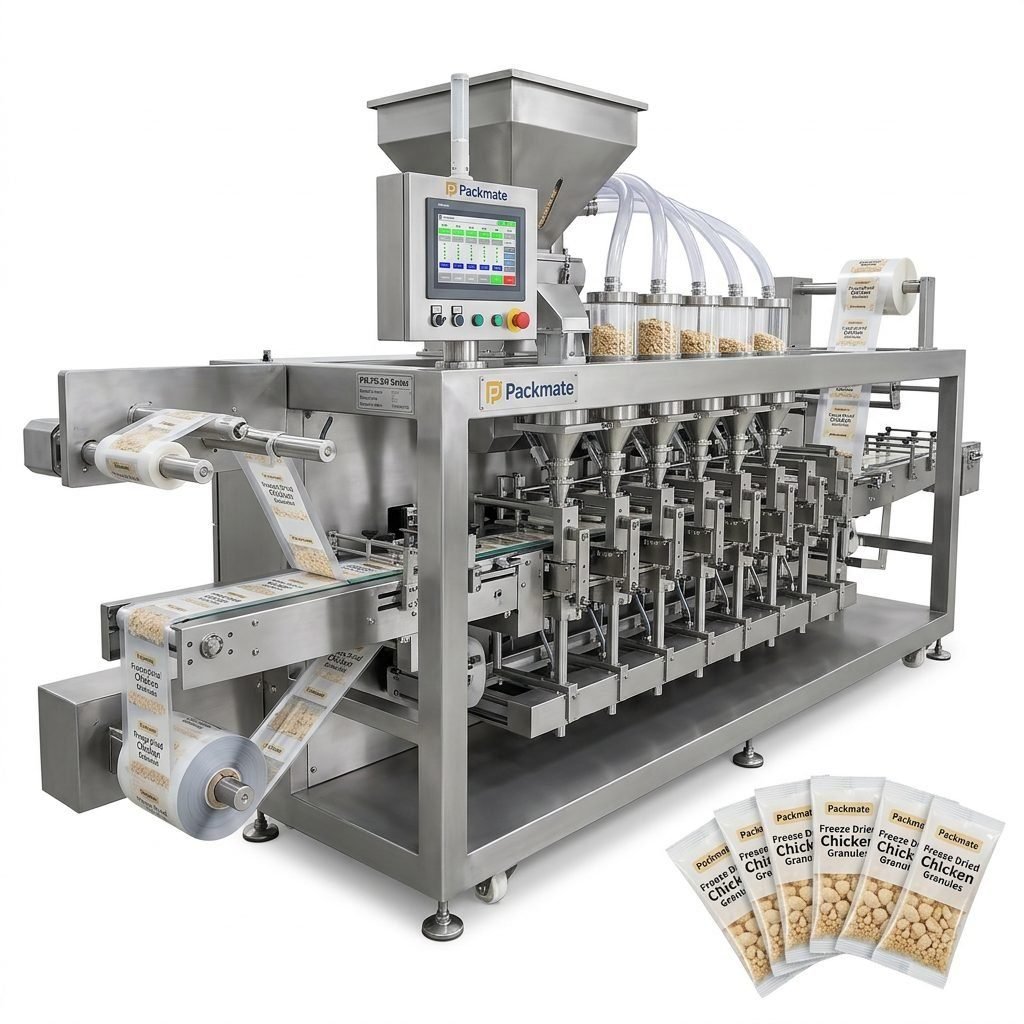
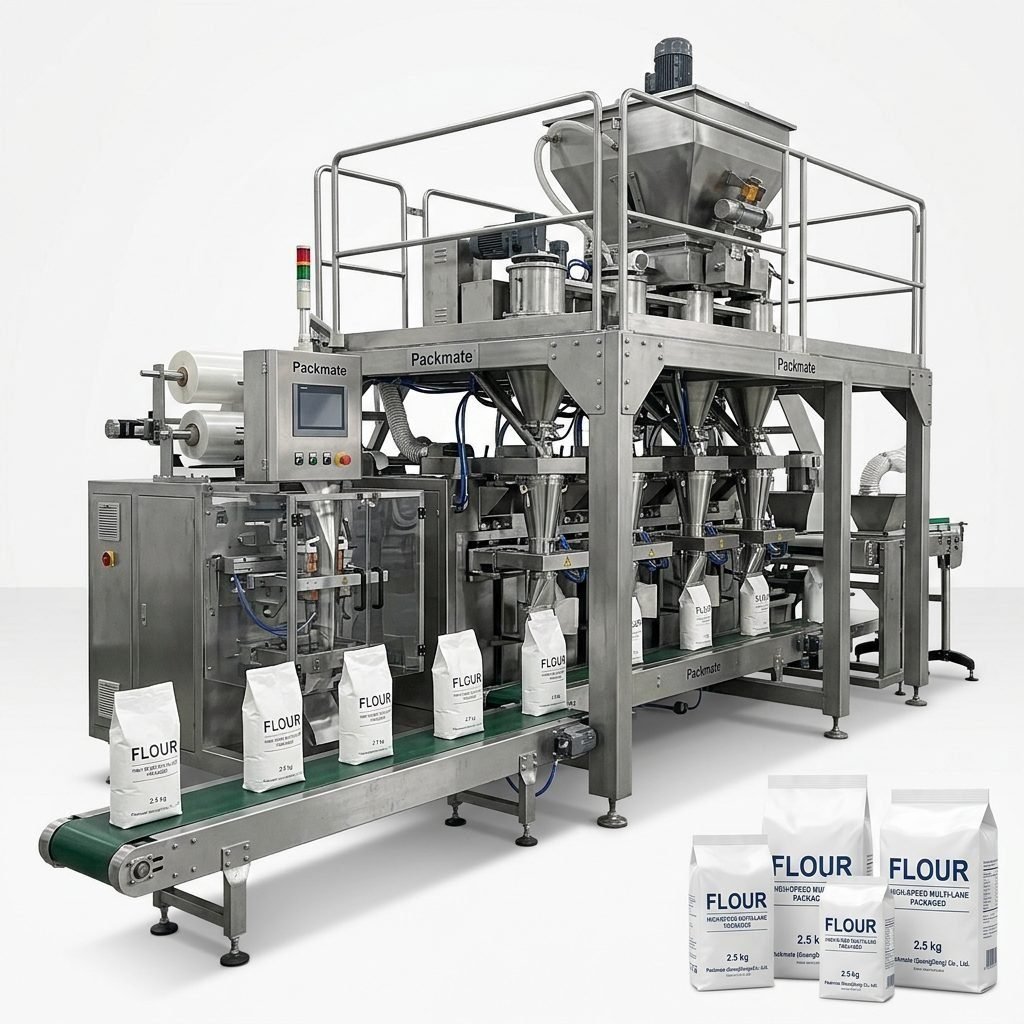
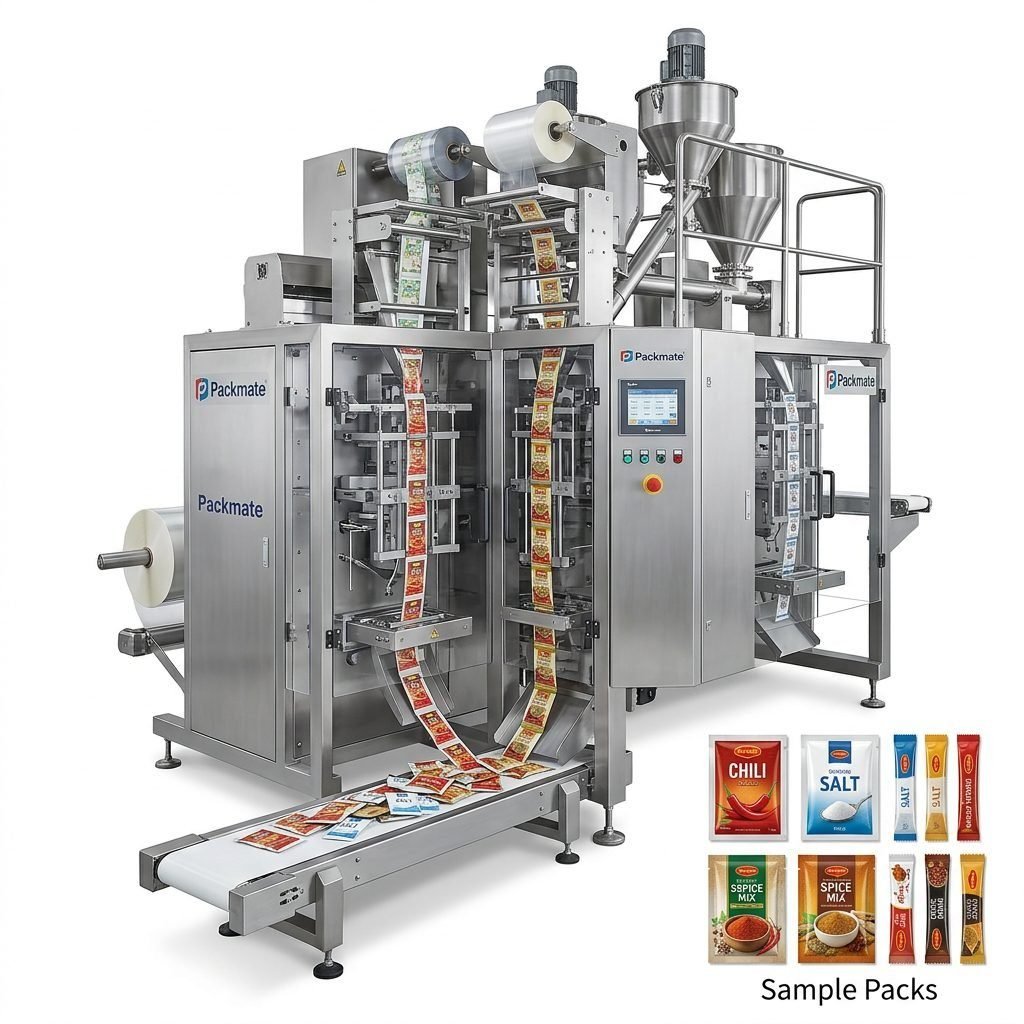
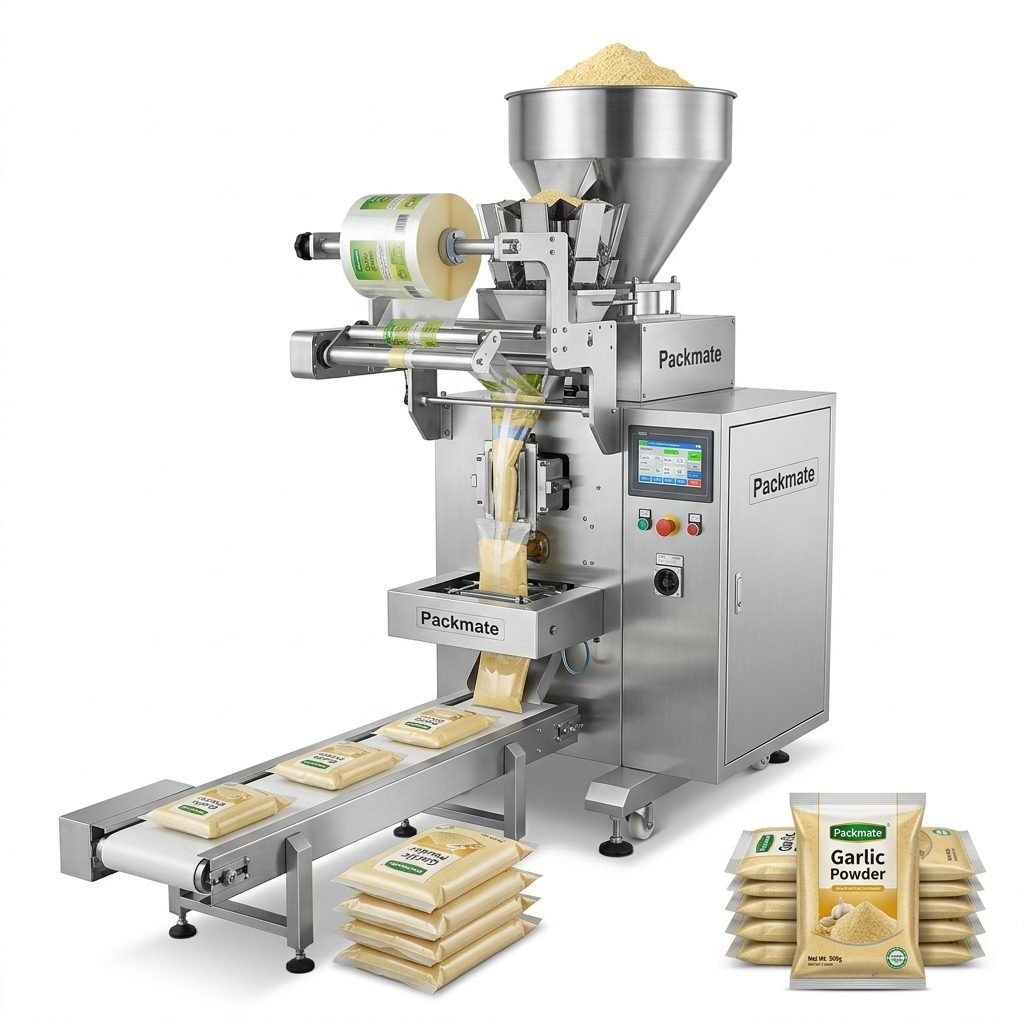
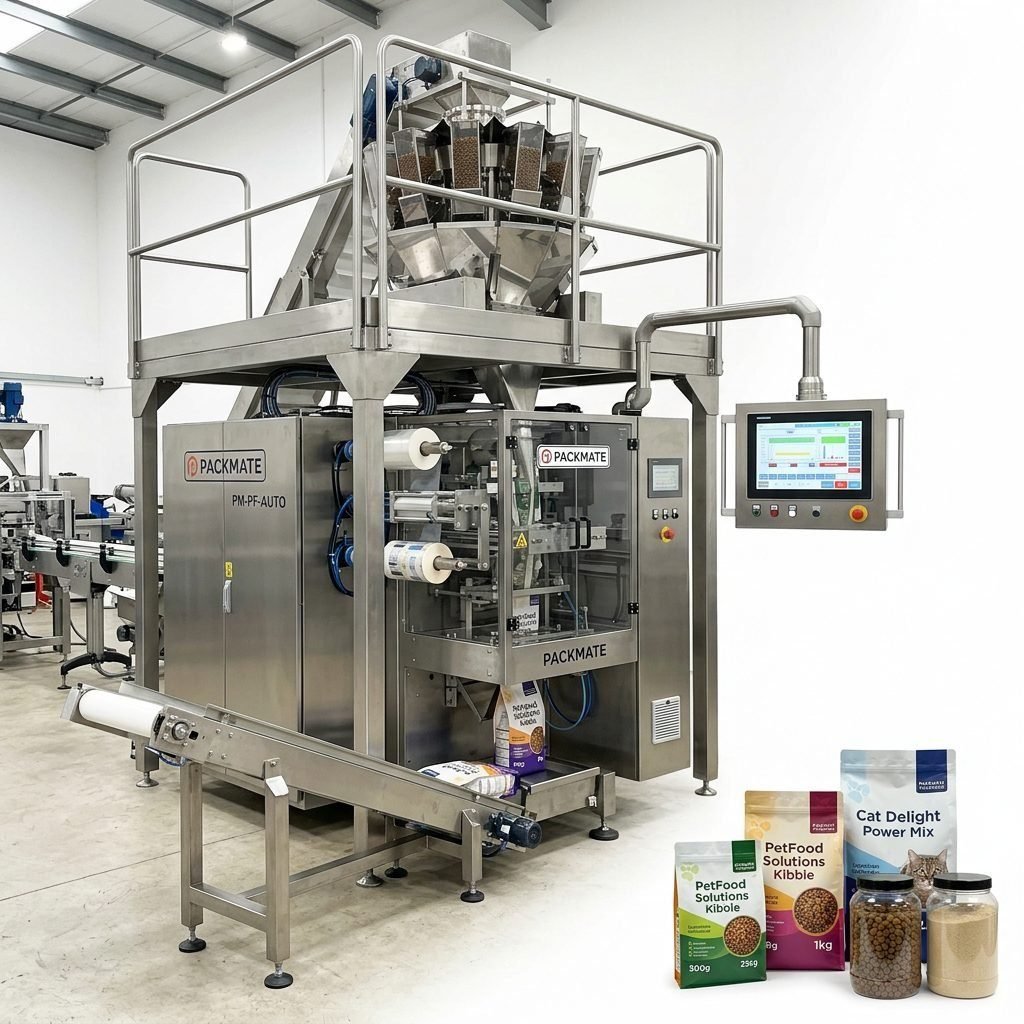
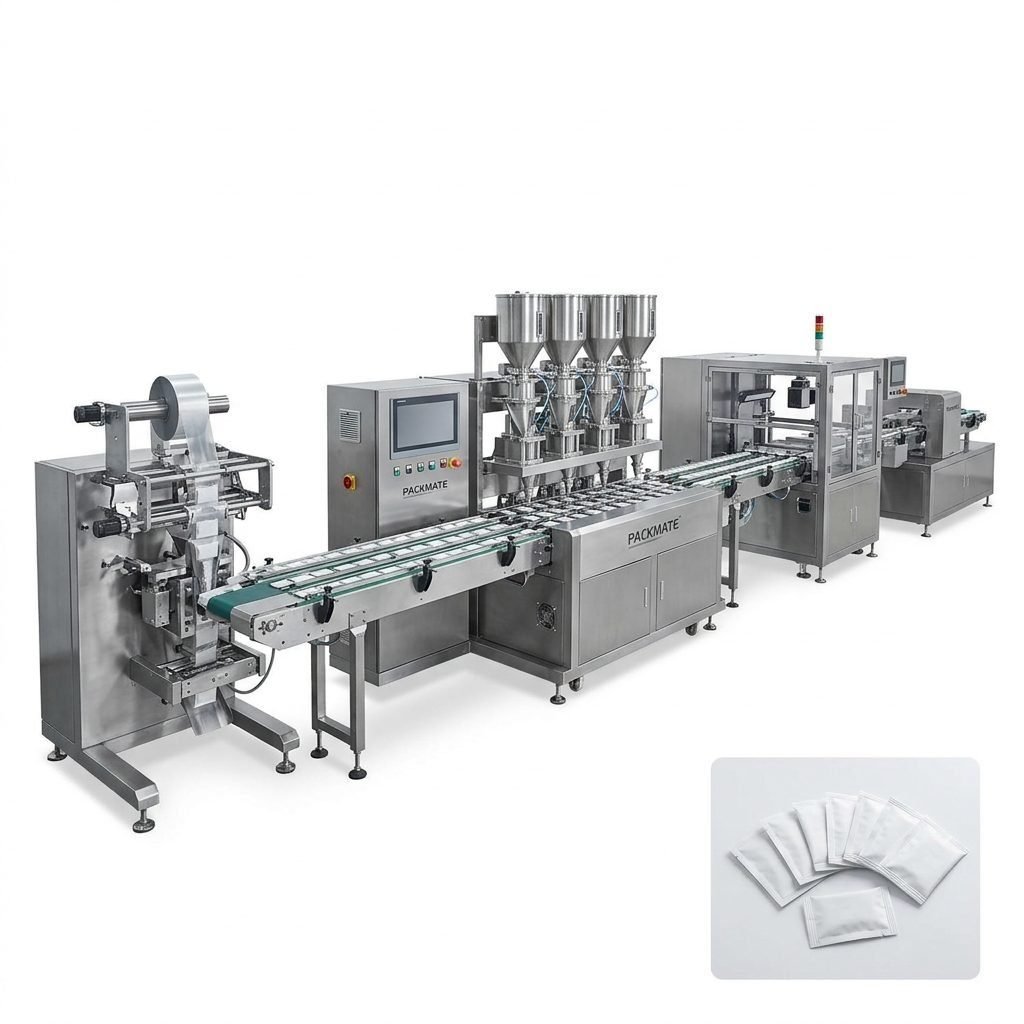
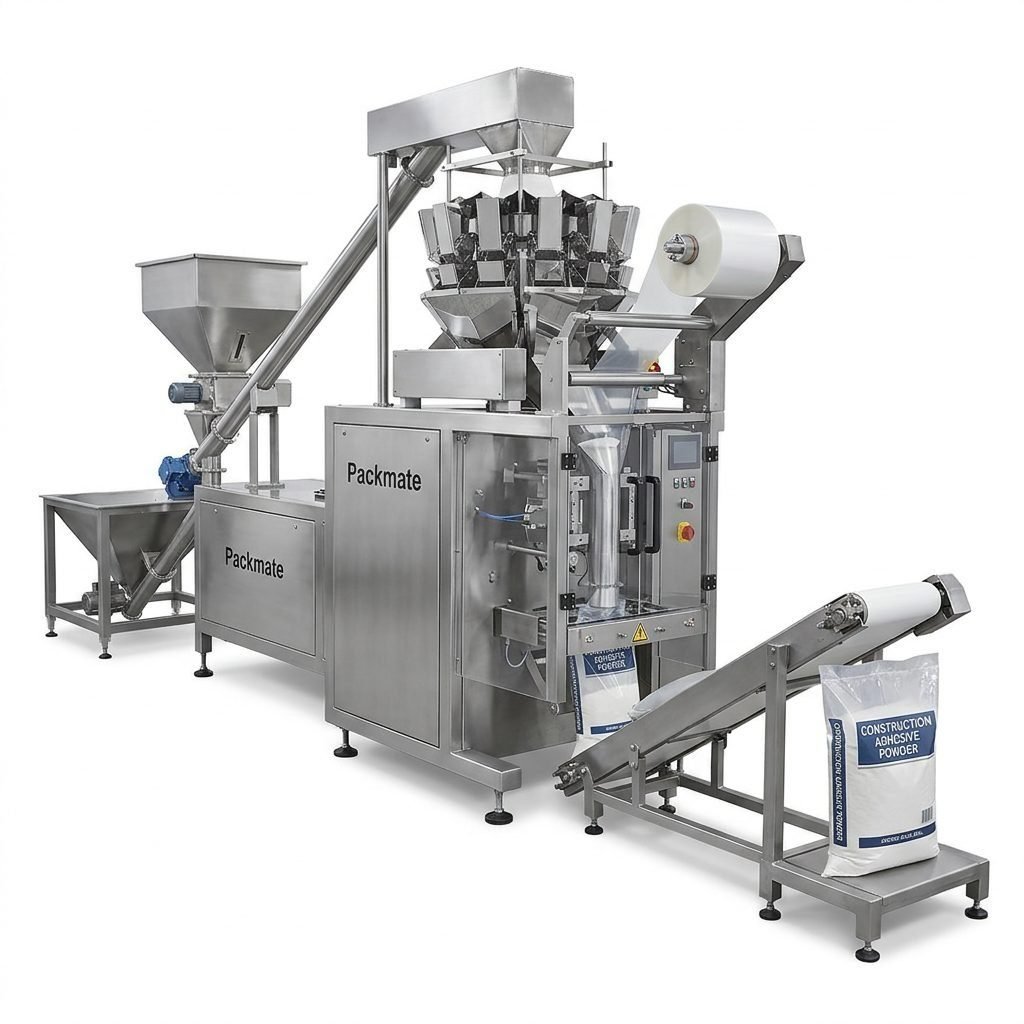
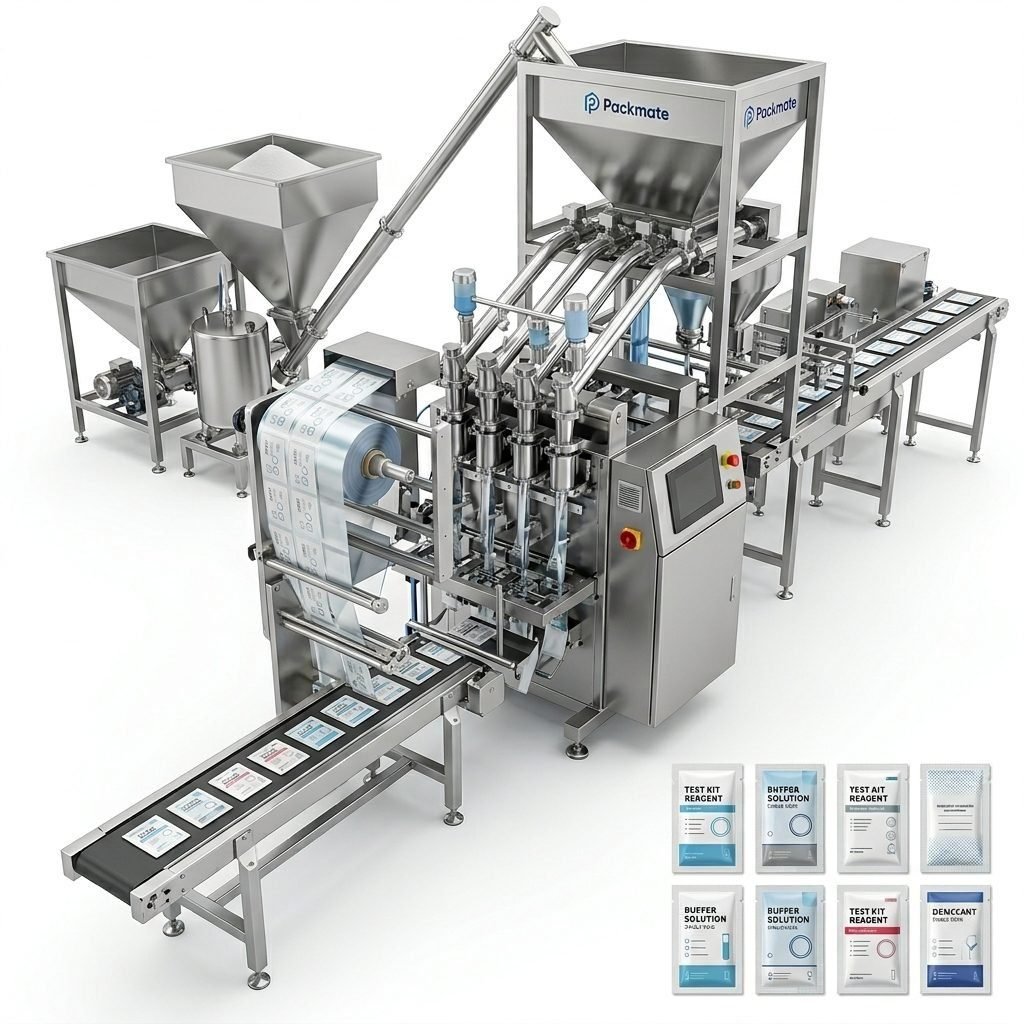
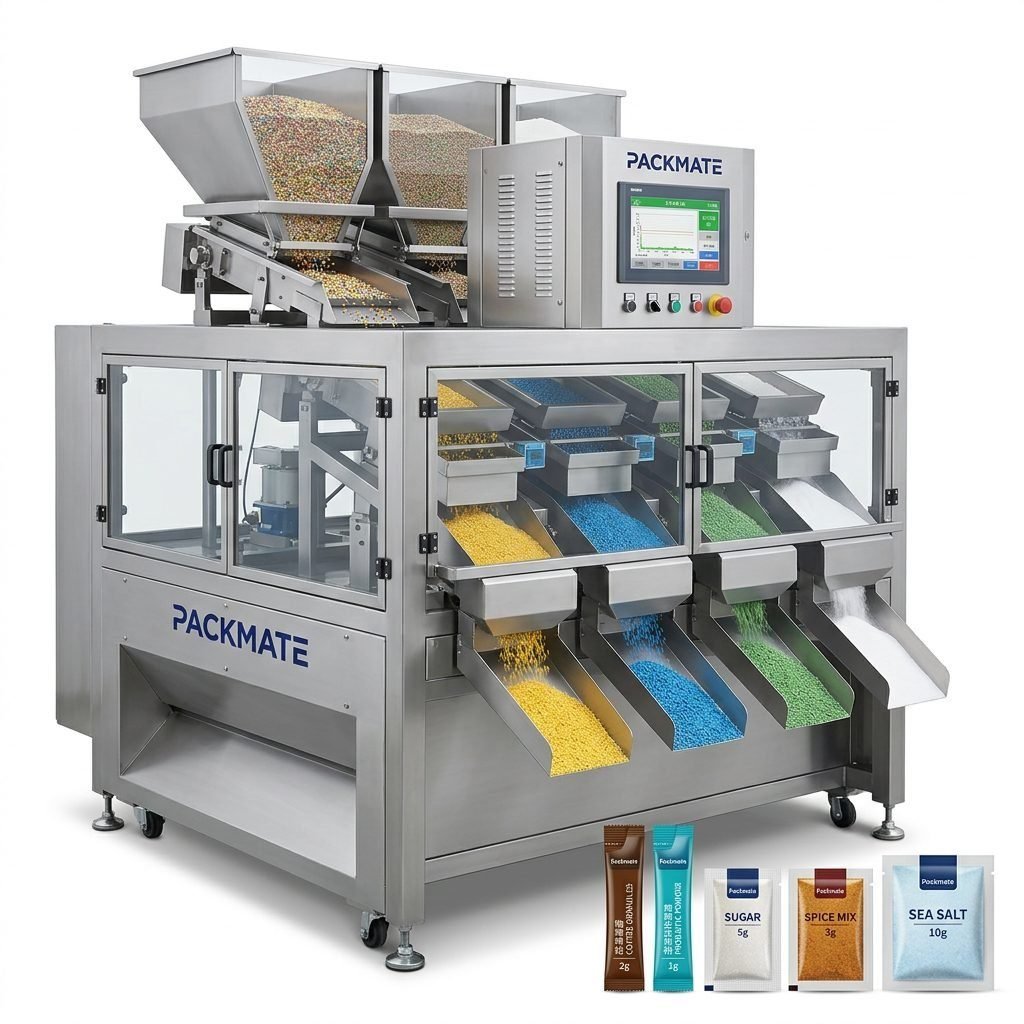
A typical duplex packaging system is built around several key components working in harmony. At its heart are the dual packaging machines, which could be form-fill-seal (FFS) machines, cartoners, or baggers. These are fed by a common product distribution system, like a multi-head weigher or a volumetric feeder designed to split the product stream accurately. A centralized control panel (HMI) manages both machines, synchronizing their operations, monitoring performance, and alerting operators to any issues. Finally, integrated conveying and handling systems ensure smooth product flow from packaging to downstream processes like case packing.
Key Advantage: Flexibility
The most significant benefit of a duplex setup is operational flexibility. Producers can quickly switch between running two identical products at high speed or two different products side-by-side. This is invaluable for manufacturers with diverse SKUs or those who need to package promotional bundles containing different items. This adaptability reduces changeover time and minimizes downtime.
Primary Applications Across Industries
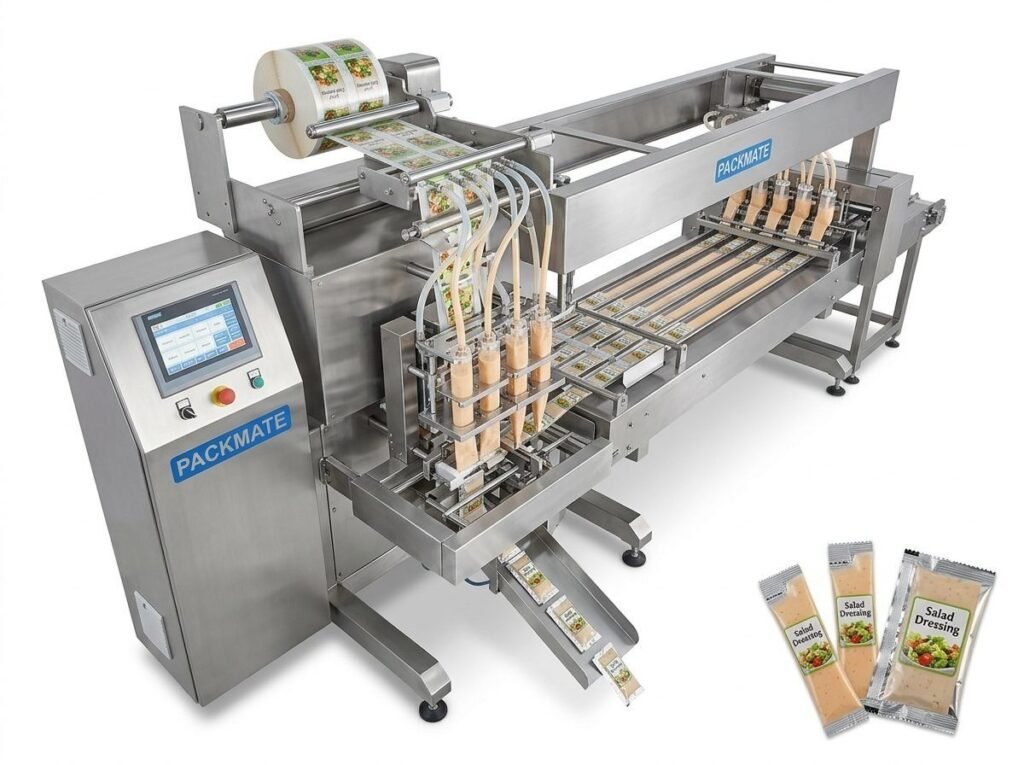
Duplex packaging systems are not limited to one sector; their flexibility makes them ideal for various industries. In the food industry, they are perfect for packaging snack mixes, different flavors of nuts or candies, or combination packs of sauces and spices. The pharmaceutical and nutraceutical sectors use them for packaging different dosage forms (e.g., tablets and capsules) or varied product strengths into multi-dose kits. Furthermore, companies like Packmate Machinery have leveraged over 30 years of expertise to design duplex solutions specifically for granules, powders, and liquids, serving global clients in these demanding fields.
Technical Considerations for Implementation
Implementing a duplex system requires careful planning. Synchronization between the two machines is critical to prevent bottlenecks or product waste. The product feeding system must be precisely calibrated to ensure an even and accurate split of material. Choosing the right level of automation and control software is crucial for managing the complexity of two lines operating as one. It’s also essential to consider maintenance access; the design should allow technicians to service one machine without fully shutting down the other. Partnering with an experienced manufacturer who can provide a complete turnkey packaging solution is often the most reliable path to success.
Economic and Operational Benefits
The investment in duplex packaging technology is justified by substantial returns. The most direct benefit is a dramatic increase in production output, often approaching double that of a single line. This leads to a lower cost per unit due to better utilization of labor, energy, and floor space. The system’s flexibility also results in reduced changeover times and inventory for packaged goods. For businesses looking to scale, adding a duplex line is frequently more space- and cost-effective than installing two separate, standalone lines.
Choosing the Right Duplex Packaging Partner
Selecting a manufacturer is a decision that impacts your operation for years. Look for a partner with a proven track record and deep industry knowledge. A company like Packmate (GuangDong) Co., Ltd., with its 20,000㎡ modern facility and over 50 machine models, exemplifies the capability to engineer reliable, custom solutions. Evaluate their testing protocols, after-sales support, and ability to understand your specific product challenges—whether you need solutions for sachets, stick packs, or large bags.
Future Trends in Duplex Packaging
The future of duplex packaging is intertwined with Industry 4.0. We are moving towards systems with advanced IoT connectivity and data analytics, providing real-time insights into the performance of each machine half, predicting maintenance needs, and optimizing overall equipment effectiveness (OEE). Integration with robotics for automated downstream handling and smarter, self-adjusting feeding systems will further enhance efficiency. The goal is to create fully autonomous, flexible packaging cells that can adapt to production demands with minimal human intervention.
In conclusion, duplex packaging equipment and systems offer a powerful strategy for manufacturers aiming to boost capacity, enhance flexibility, and improve operational economics. By understanding the technology, its applications, and the critical factors for successful integration, businesses can make an informed decision that drives growth and competitive advantage. The journey from a concept in a workshop, much like the origin story of many industry leaders, to a sophisticated factory solution underscores the innovation driving this field forward.
Frequently Asked Questions (FAQs)
1. What is the main difference between a duplex and a twin packaging machine?
A twin machine typically refers to a single frame with two sets of forming tubes and sealing jaws that produce identical packages from a common web of film. A duplex system is more modular, often consisting of two fully independent machines (which could be twins or singles) controlled and fed as a coordinated unit, offering greater flexibility for different products or formats.
2. Can a duplex system handle two completely different products?
Yes, this is one of its key advantages. With proper product handling and feeding systems (like dual weigh scales or separate feeders), a well-configured duplex line can package two distinct products simultaneously—for example, different soup mixes or pharmaceutical components.
3. Is the maintenance for a duplex system twice as complex?
Not necessarily. While there are two machines, a well-designed system from a reputable provider like Packmate Machinery will have standardized components and accessible layouts. Proactive maintenance schedules and centralized monitoring can actually make management more streamlined than maintaining two separate, disparate lines.
4. How does a duplex system impact floor space requirements?
A duplex system is significantly more space-efficient than two separate single lines. It shares common infrastructure like the feeding system, control cabinet, and sometimes downstream conveyors, resulting in a footprint that is much less than double that of a single machine.
5. What types of packaging materials can be used on duplex form-fill-seal lines?
Duplex FFS lines are compatible with a wide range of materials, including laminates (metallized, paper, PET/PE), monofilms, and biodegradable options. The key is that both machines must be configured for the same or similar material specifications unless they are running completely independent product and material reels.