In today’s competitive market, efficient and reliable packaging is crucial for product protection, brand presentation, and operational cost control. For businesses dealing with sensitive, high-value, or irregularly shaped items, foam packaging offers unparalleled cushioning and protection. However, the efficiency of this process hinges entirely on the equipment used. Selecting the right foam packaging equipment solutions can transform your packing line, boosting speed, reducing material waste, and ensuring consistent quality. This article explores the top solutions available to help you optimize your business’s packaging operations.
Understanding Foam Packaging Equipment
Foam packaging equipment encompasses a range of machines designed to dispense, form, or apply protective foam materials—primarily polyurethane (PU) foam—in situ. Unlike pre-molded inserts, in-place foam packaging creates a custom cushion that perfectly conforms to the item being shipped, eliminating movement and absorbing shocks during transit. The core technology involves precisely mixing two liquid chemical components (polyol and isocyanate) which react and expand into foam.
Key Takeaway:
The primary advantage of on-demand foam packaging is its ability to create a perfect, form-fitting protective barrier for any product shape or size, dramatically reducing damage rates and material inventory needs compared to traditional packing methods like loose fill or pre-cut inserts.
Core Types of Foam Packaging Systems
Businesses can choose from several system types based on their volume, product mix, and space constraints.
1. Foam-in-Bag Dispensing Systems
These are among the most popular solutions. The machine dispenses the mixed liquid foam into a plastic bag held within a sealing chamber. The bag is then quickly sealed, and the foam expands inside it, creating a pliable, cushioning pouch. These self-contained foam bags are clean, easy to handle, and can be placed around products within a shipping carton.
2. Foam-in-Place (FIP) Pour Systems
Ideal for larger items or void-fill applications, FIP pour systems dispense the expanding foam directly into a shipping carton containing the product. The foam flows around the item, filling all voids and setting into a rigid, protective mold. This method offers maximum protection for heavy, fragile, or complex items and is excellent for high-volume, automated lines.
3. Loose-Fill (Foam Peanuts) Dispensers
For operations that prefer pre-expanded foam loose fill (commonly known as foam peanuts), automated dispensers meter and inject the material into boxes at high speed. Modern systems often include density control and can be integrated with automated carton erectors and sealers for a complete packaging line.
Critical Factors for Selecting Your Solution
Choosing the best foam packaging equipment requires a careful analysis of your specific needs. Here are the pivotal factors to consider.
Production Volume & Throughput
Your daily or hourly packing volume dictates the machine’s required speed. Low-volume operations might benefit from a compact, semi-automatic auxiliary system, while high-volume distribution centers need fully automated, high-speed integrated packaging lines that can keep pace with conveyor systems.
Product Variety and Size
Do you pack a standard product or hundreds of different SKUs? Equipment with adjustable settings, multiple dispensing heads, or quick-change tooling offers the flexibility needed for diverse product ranges. Consider the maximum and minimum carton sizes your system must accommodate.
Material Efficiency & Cost
Advanced equipment provides precise control over foam volume and density, minimizing waste. Look for systems with programmable settings for different box sizes to ensure you use the exact amount of material required, which directly impacts your operational expenditure (OpEx).
Footprint & Integration
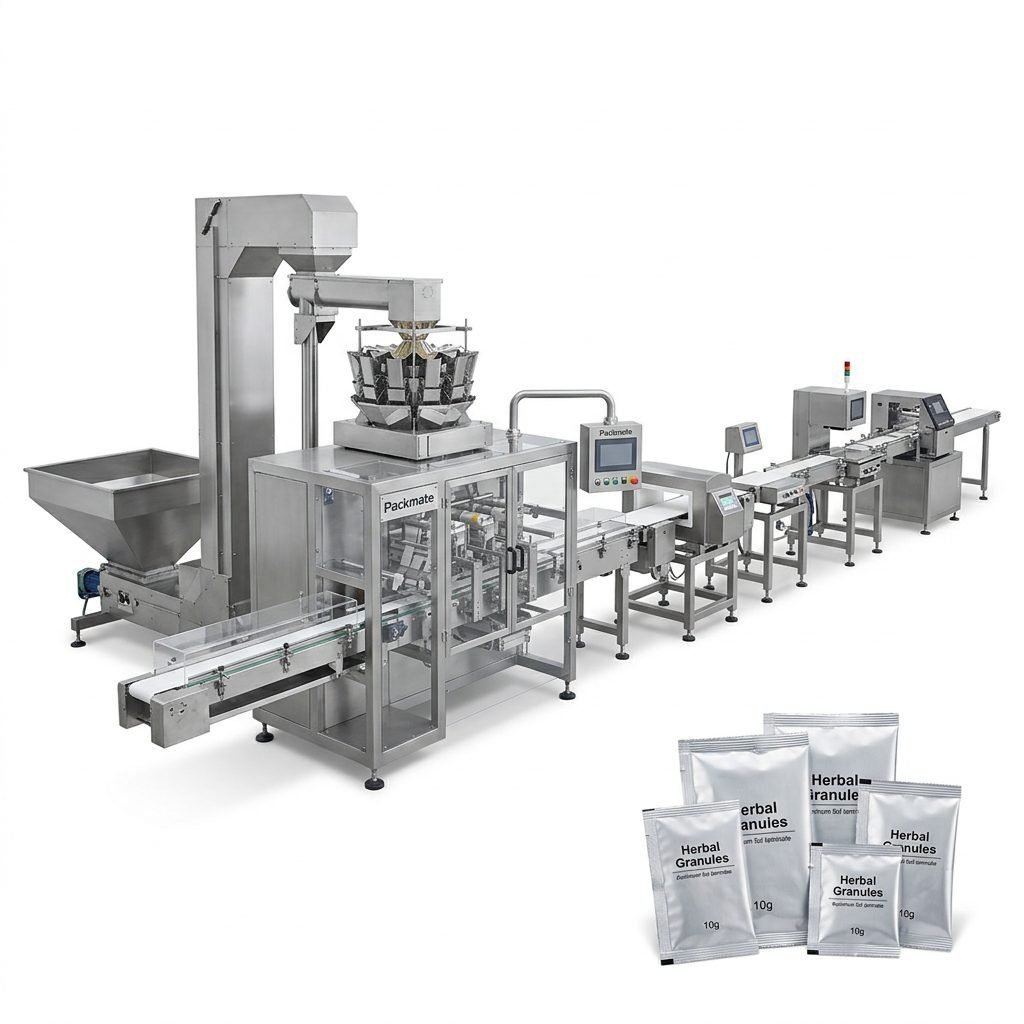
Evaluate the available floor space in your packing area. Modern machines are designed with a compact footprint. Furthermore, consider how the equipment will integrate with your existing workflow—will it be a standalone station or part of a larger, automated weighing and packaging system?
The Business Benefits of Optimized Foam Packaging
Investing in the right equipment delivers a compelling return on investment (ROI) across multiple facets of your business.
Superior Product Protection: The custom cushioning significantly reduces in-transit damage, leading to fewer customer returns, lower replacement costs, and enhanced brand reputation for delivering products in perfect condition.
Reduced Shipping Costs: By minimizing package size and weight through efficient void fill, you can often downsize cartons and reduce dimensional weight (DIM) charges, a major cost factor for carriers.
Enhanced Sustainability Profile: Many modern foam materials are biodegradable or made from renewable resources. Precise dispensing reduces material consumption, and the overall reduction in damaged goods further lowers your operation’s environmental footprint.
Improved Ergonomics & Safety: Automated systems reduce manual labor, repetitive motion, and worker exposure to dust from traditional loose-fill materials, creating a safer and more efficient workplace.
Operational Efficiency: Fast, consistent packaging speeds up your order fulfillment cycle, allowing you to process more orders with the same or fewer labor hours. Consistent pack quality also simplifies training for new staff.
Partnering with an Expert Manufacturer
The success of your packaging automation project often depends on the partner you choose. A manufacturer with deep industry expertise, like Packmate Machinery, brings invaluable benefits. With over 30 years of experience in designing intelligent packaging solutions, they understand the nuances of different industries, from food and pharmaceuticals to electronics. Their commitment to innovation ensures you get access to reliable, technologically advanced equipment. More than just selling a machine, a true partner provides comprehensive support, from initial consultation and system design to installation, training, and after-sales service, ensuring you achieve the desired outcomes for your business. Explore their range of turnkey solutions on their Home page.
Frequently Asked Questions (FAQs)
1. How does foam-in-place packaging compare cost-wise to pre-molded inserts?
While the initial equipment investment is required, foam-in-place (FIP) often has a lower total cost of ownership. It eliminates the need to stock a vast inventory of different sized inserts, reduces storage space, and minimizes material waste. The cost-per-pack can be highly competitive, especially for businesses with diverse product sizes.
2. Is the foam material safe and environmentally friendly?
Modern foam packaging materials have evolved significantly. Many are now formulated to be non-toxic, non-CFC, and biodegradable. Some are even made from plant-based renewable resources. Always check the material specifications with your equipment and chemical supplier to ensure it meets your safety and sustainability goals.
3. What kind of maintenance does foam packaging equipment require?
Regular maintenance is straightforward but essential for consistent performance. It typically includes daily cleaning of dispensing nozzles, periodic checks of fluid lines and filters, and software updates. Reputable manufacturers provide clear maintenance schedules and offer readily available service and support.
4. Can this equipment be integrated into my existing automated packing line?
Yes, most modern foam dispensers are designed for integration. They can be equipped with PLC controls, sensors, and communication protocols (like Ethernet/IP) to seamlessly connect with conveyor systems, carton erectors, and sealers. Discuss your line layout and control requirements with your equipment provider during the planning phase.
5. How do I determine the right foam density for my products?
The optimal density depends on the weight and fragility of your product. Lighter, more fragile items may require a lower density, softer foam, while heavy items need a higher density foam for structural support. Most equipment suppliers can provide testing and recommendations based on your specific products to ensure optimal protection.