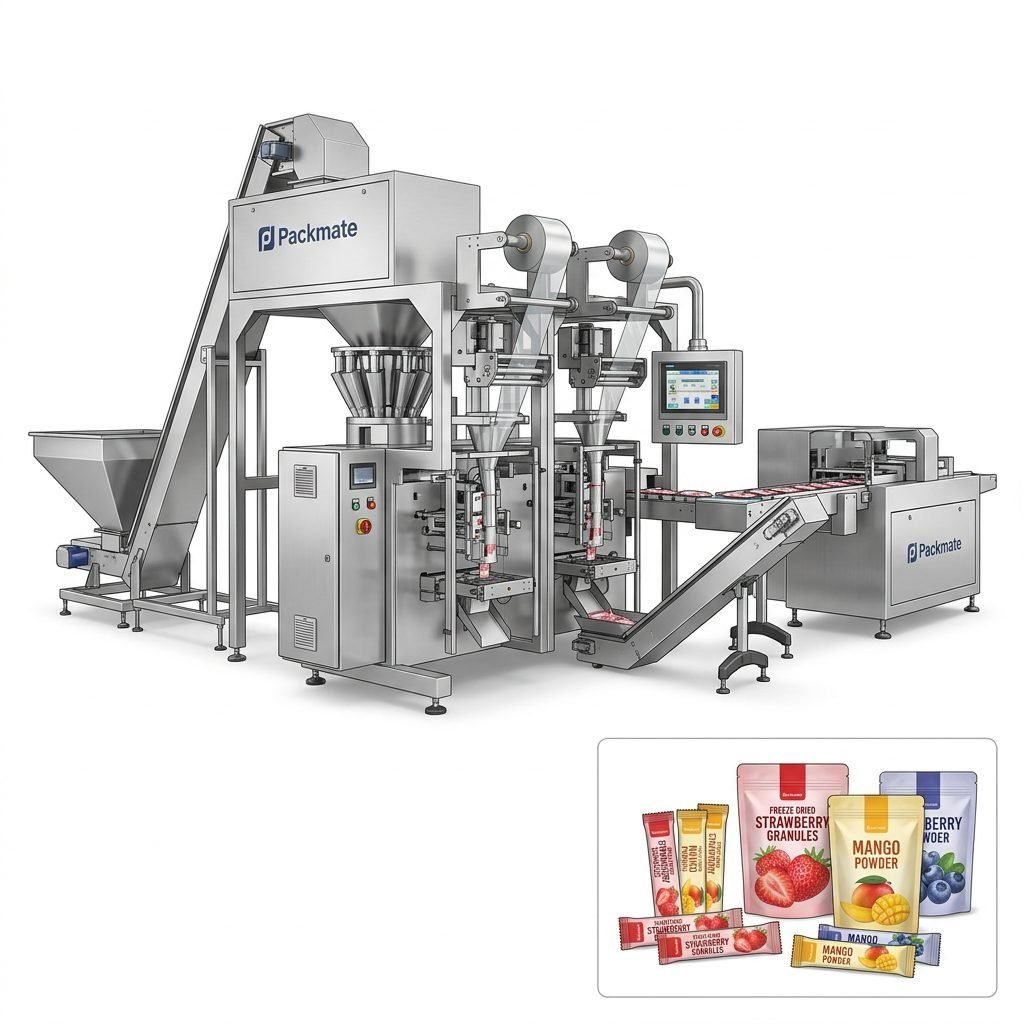
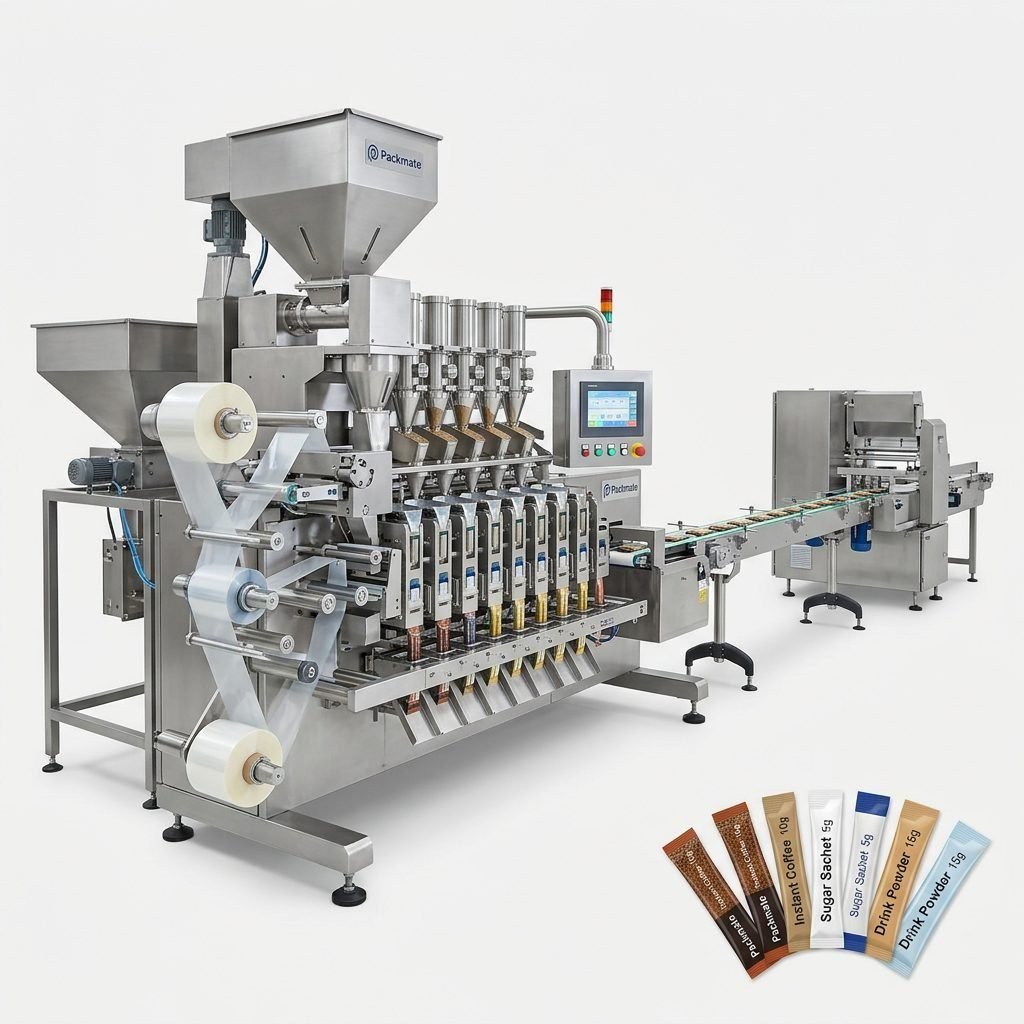
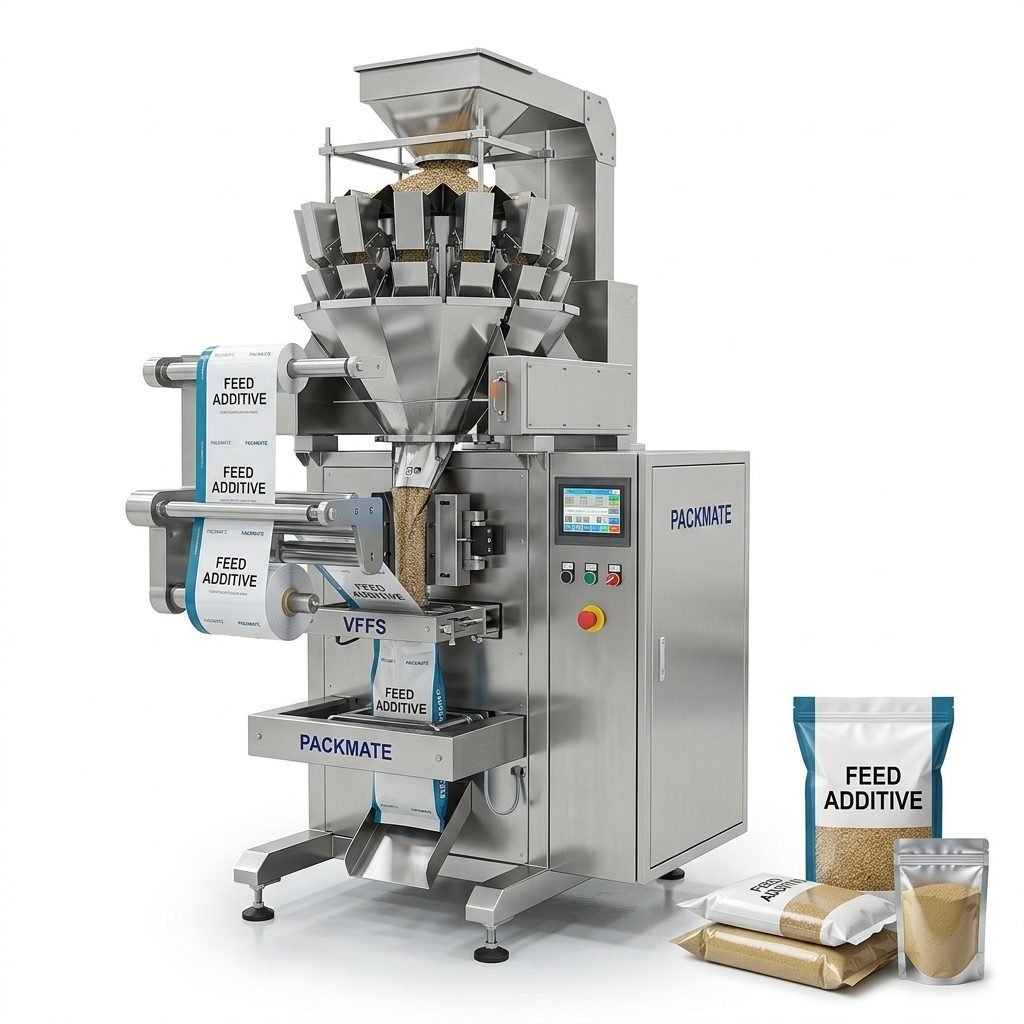
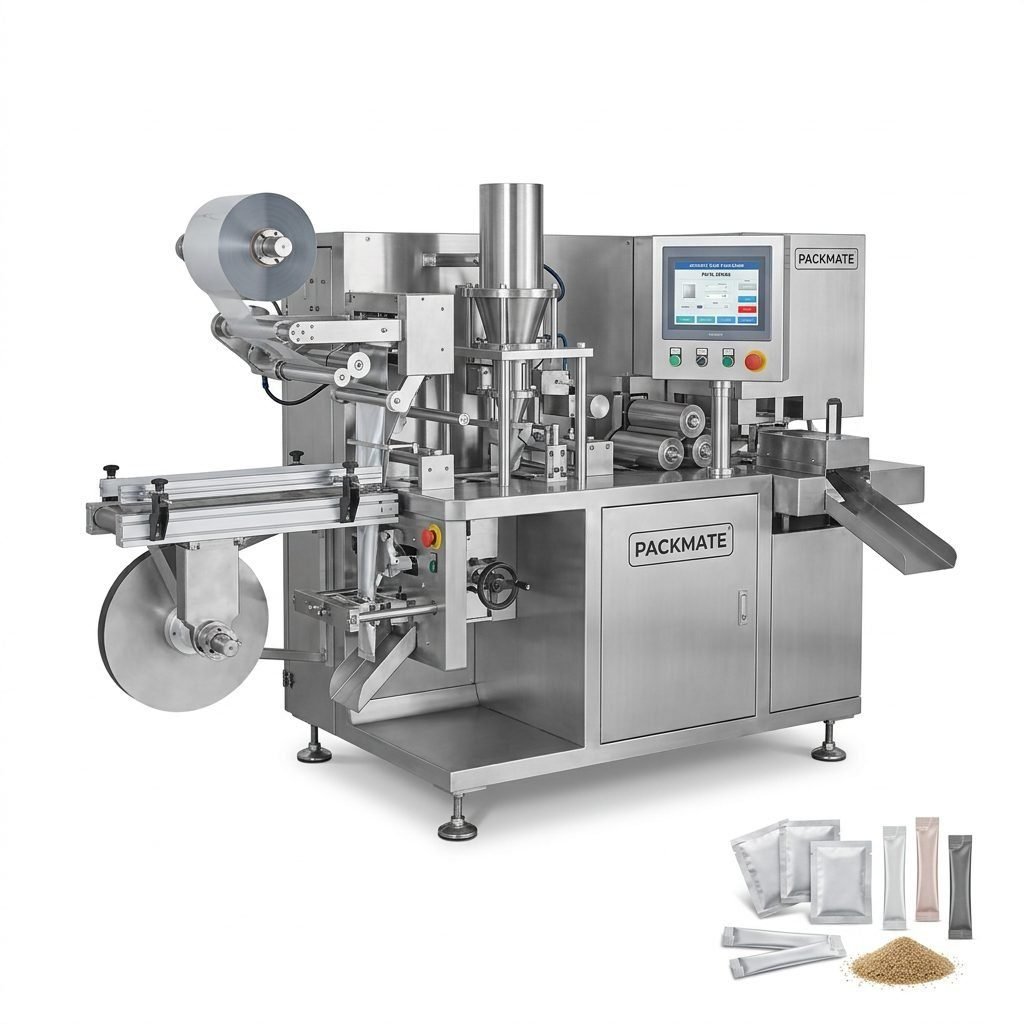
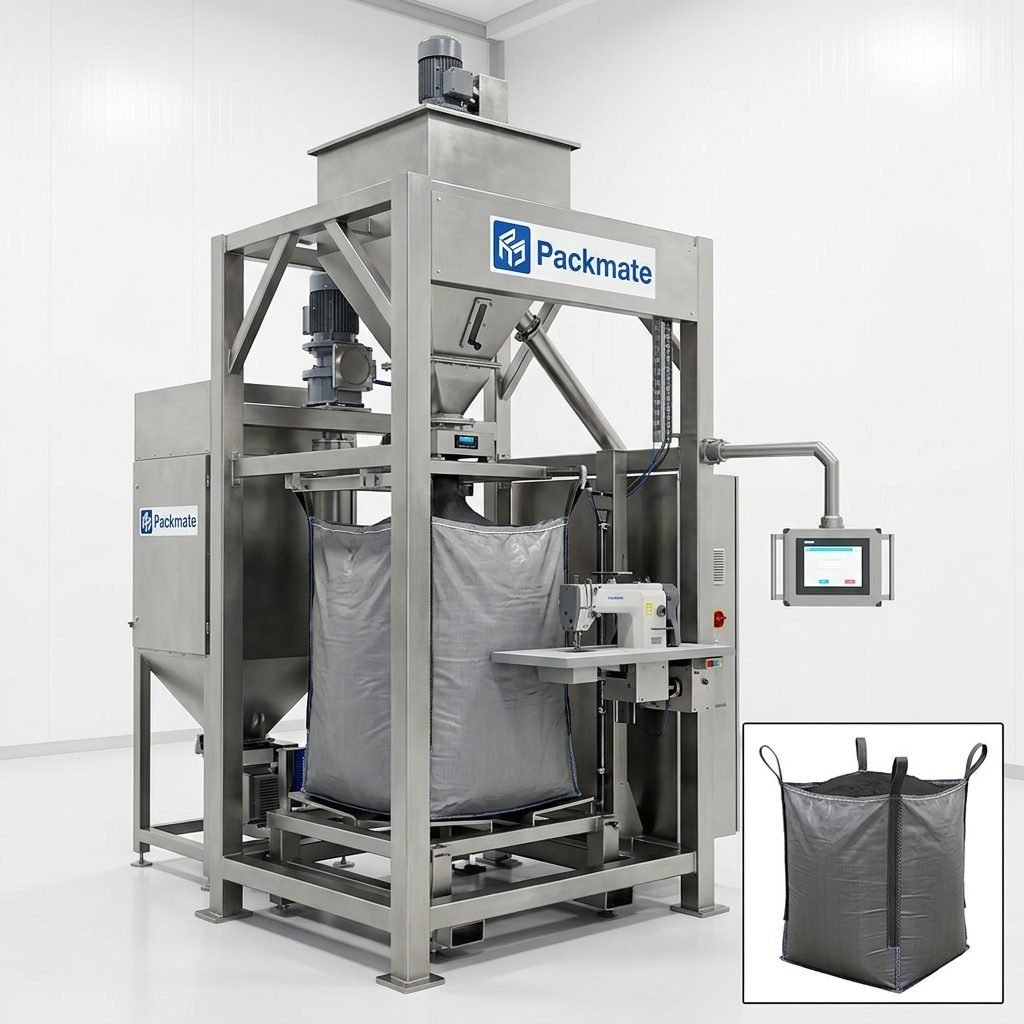
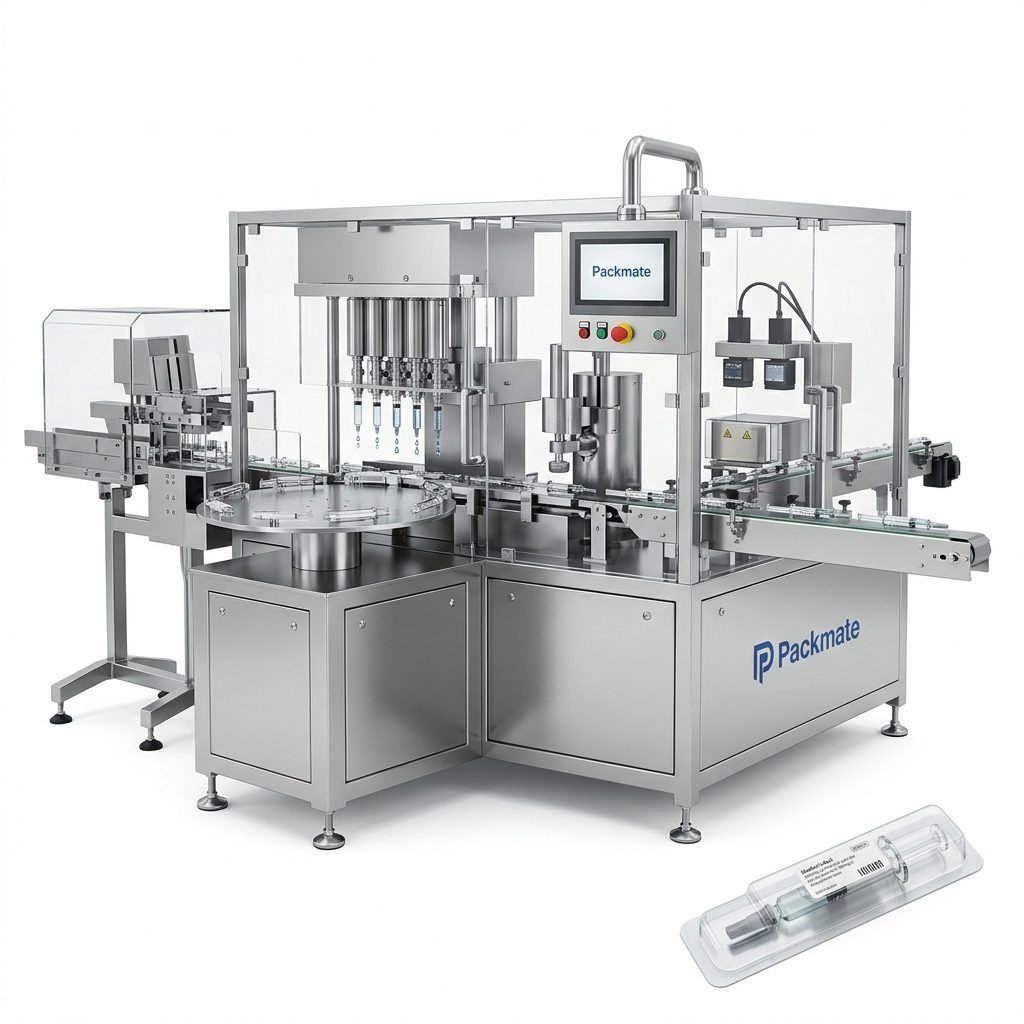
In the competitive landscape of modern manufacturing, the efficiency of a production line can be the defining factor between profit and loss. For industries that rely on metal packaging—from food and beverages to pharmaceuticals and industrial goods—the choice of packaging equipment is paramount. Metal packaging equipment solutions are engineered to streamline operations, enhance product integrity, and maximize output, forming the backbone of efficient production lines.
The Critical Role of Metal Packaging in Modern Production
Metal packaging, encompassing cans, tins, capsules, and foil pouches, offers unparalleled benefits: superior barrier properties, durability, and recyclability. However, these advantages are only fully realized when paired with high-performance, automated equipment. An optimized packaging line must handle forming, filling, sealing, and coding with precision and speed, minimizing downtime and material waste.
The integration of intelligent automation in metal packaging systems is no longer a luxury but a necessity for meeting high-volume demands and stringent quality standards. This shift requires solutions that are not just machines, but cohesive systems designed for seamless integration into existing workflows.
Core Components of an Efficient Metal Packaging Line
A holistic solution comprises several key machines working in concert:
- Forming & Seaming Machines: For creating and hermetically sealing cans and tins.
- Precision Filling Systems: For accurate volumetric or weight-based filling of liquids, powders, or granules.
- Capping & Lidding Equipment: To apply closures securely and consistently.
- Labeling & Coding Units: For product identification, traceability, and branding.
- Conveying & Handling Systems: The logistical network that connects each stage smoothly.
Advantages of Integrated Packaging Solutions
Investing in a unified equipment solution from a single provider, like Packmate Machinery, offers significant operational benefits. It ensures machine compatibility, reduces the complexity of sourcing parts and service, and often comes with comprehensive training and support. This turnkey approach transforms a collection of machines into a synchronized, high-efficiency production asset.
Driving Factors for Equipment Innovation
The push for more efficient metal packaging lines is driven by several market forces:
Consumer Demand for Convenience & Sustainability: Requires equipment that can handle new, lighter-weight metals and shapes.
Stringent Regulatory Compliance: Especially in food and pharma, necessitating equipment with excellent cleanability and validation support.
The Need for Flexibility: Short production runs and frequent product changeovers demand quick-change tooling and programmable settings.
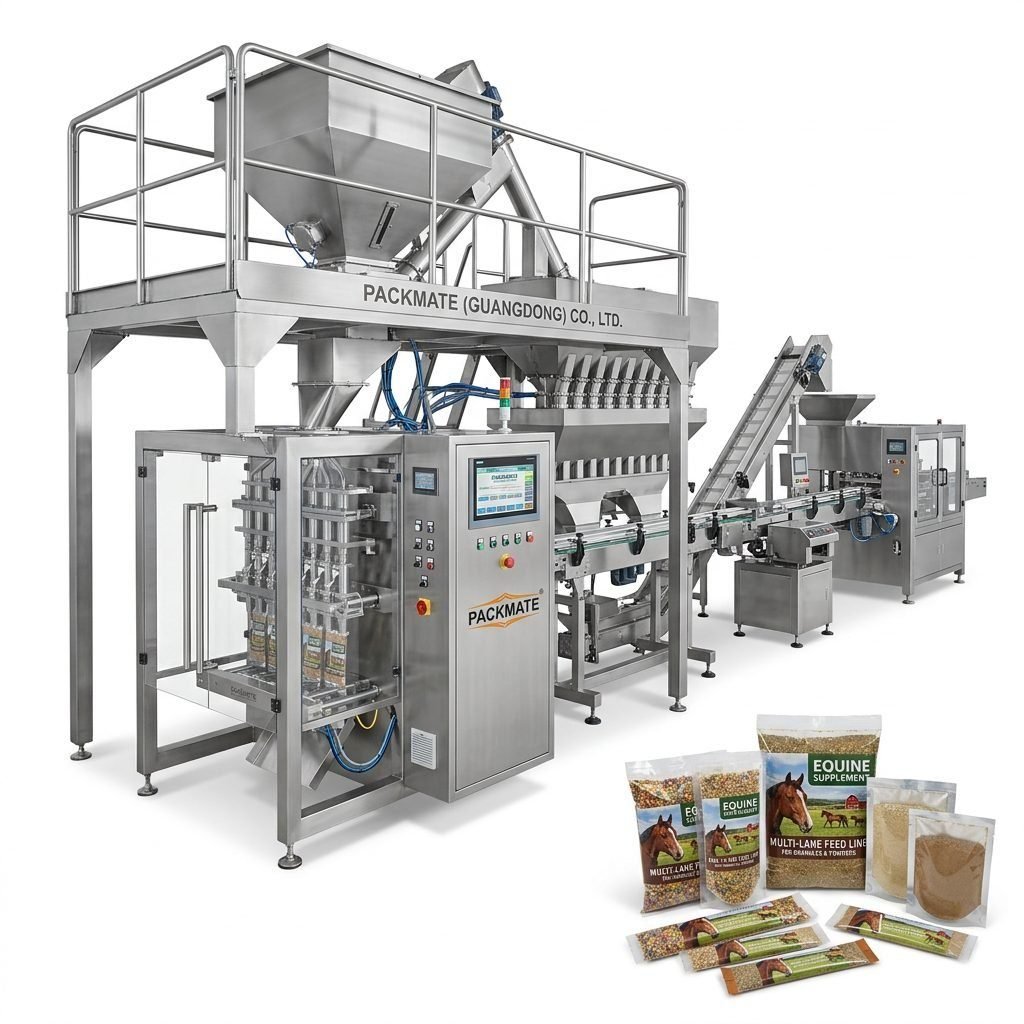
This is where expertise matters. A company with deep industry experience, such as Packmate (GuangDong) Co., Ltd., understands these pressures. With over 30 years of expertise, they design equipment that addresses these very challenges, offering reliable solutions for diverse products from granules to liquids.
The Importance of Precision and Reliability
In metal packaging, a minute sealing defect or a slight filling inaccuracy can lead to significant product loss or compromised shelf life. Therefore, the core of any solution lies in its engineering precision and mechanical reliability. Advanced servo-driven systems, robust seaming heads, and high-accuracy fillers are non-negotiable features for maintaining consistent quality at high speeds.
Case in Point: The Packmate Evolution
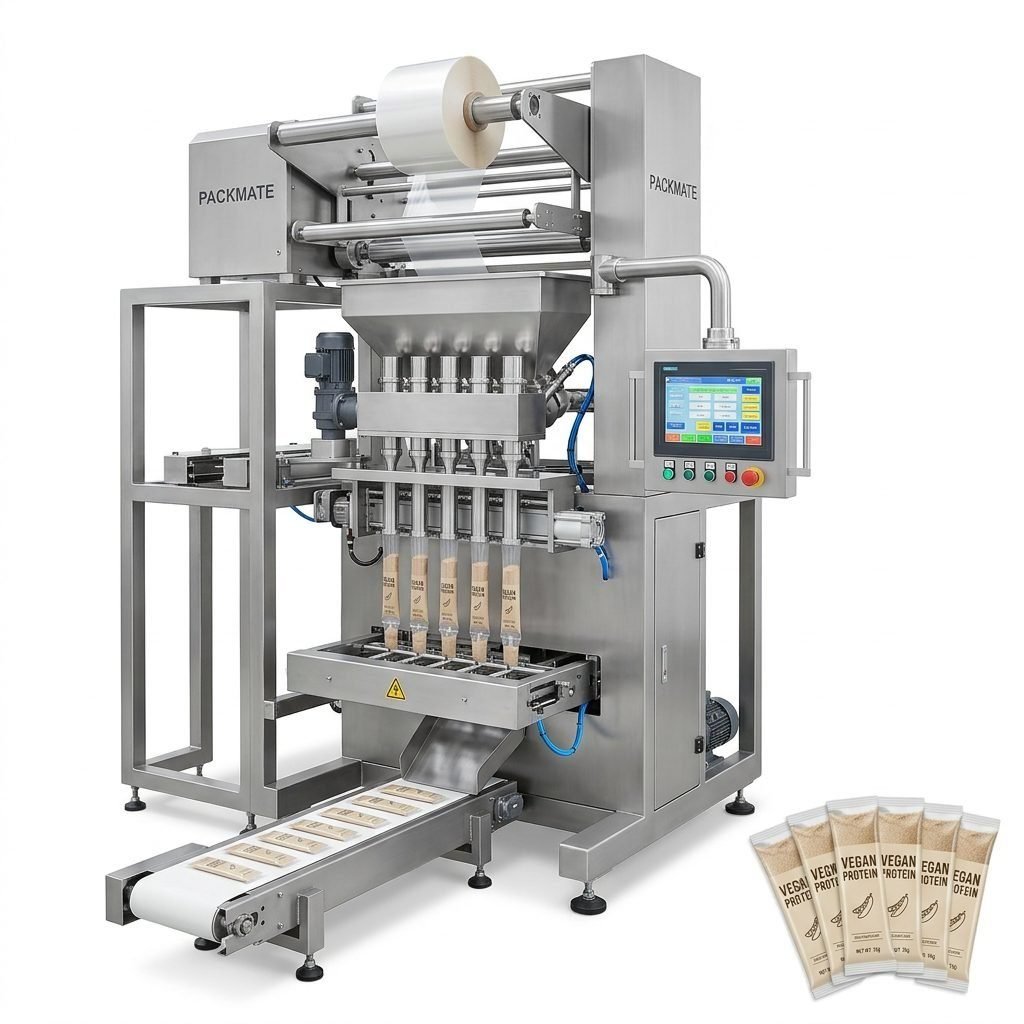
The journey of Packmate Machinery, from a small workshop in 1993 to a leading manufacturer with a 20,000㎡ facility, mirrors the industry’s evolution. Starting with sachet machines and expanding into multi-lane stick pack machines, their growth was fueled by a commitment to solving real production line inefficiencies. This history underscores that effective solutions are born from a profound understanding of the production floor’s needs.
Future-Proofing Your Production Line
Choosing equipment today requires a vision for tomorrow. The most efficient solutions are those built with adaptability in mind. This includes:
- Modular Design: Allowing for easy upgrades or reconfiguration as needs change.
- IoT Connectivity: Enabling predictive maintenance, data collection for OEE (Overall Equipment Effectiveness) analysis, and remote diagnostics.
- Energy-Efficient Drives: Reducing the total cost of ownership and environmental impact.
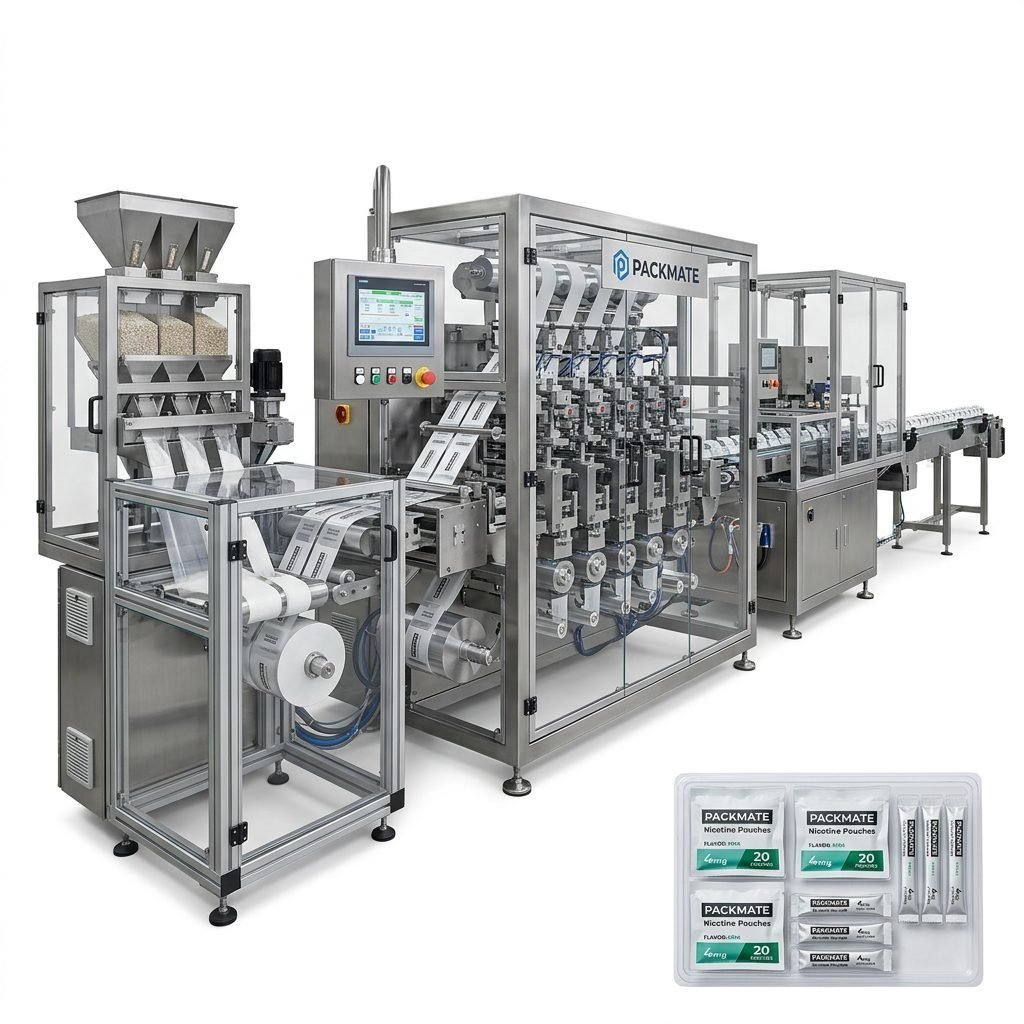
Exploring a manufacturer’s full range, such as their filling & packaging lines, can reveal how integrated systems are designed for future scalability.
Conclusion: Efficiency as a Strategic Investment
Ultimately, metal packaging equipment is more than a capital expense; it is a strategic investment in production capacity, product quality, and brand reputation. Efficient production lines powered by robust, intelligent equipment minimize waste, optimize labor, and ensure timely market delivery. In a global market, this efficiency translates directly into competitive advantage and sustainable growth.
Frequently Asked Questions (FAQs)
1. What are the key benefits of automated metal packaging equipment over manual lines?
Automated equipment delivers vastly superior speed, consistency, and accuracy. It significantly reduces labor costs, minimizes human error and product giveaway, improves hygiene control, and provides scalable output to meet fluctuating demand, offering a much faster return on investment.
2. How can I ensure the new equipment will integrate with my existing production line?
Reputable suppliers conduct thorough line audits and offer customizable, modular solutions. It is crucial to share detailed specifications of your current conveyor heights, speeds, and control systems. Providers like Packmate specialize in creating turnkey solutions that interface seamlessly with both upstream and downstream processes.
3. What maintenance is required for high-speed metal packaging machines?
Regular preventive maintenance is essential. This typically includes daily cleaning and lubrication, weekly checks of seals and sensors, and periodic replacement of wear parts like gaskets and cutting blades. Modern machines often feature self-diagnostic systems and support packages for predictive maintenance to prevent unplanned downtime.
4. Can one machine handle different sizes or types of metal packaging?
Yes, many machines are designed with quick-changeover capabilities. This involves interchangeable forming tools, adjustable filling heads, and programmable settings saved for different products. The degree of flexibility varies by model, so discussing your specific range of package sizes with the equipment manufacturer is vital.
5. What should I look for in a metal packaging equipment supplier?
Prioritize suppliers with a proven industry track record, strong technical support, and a portfolio of reliable machines. Evaluate their after-sales service, availability of spare parts, and willingness to provide references. A partner who understands your industry’s regulatory and operational challenges, like a specialist in food and pharmaceutical packaging, will add greater long-term value.