Selecting the right packaging equipment is a critical decision for any business, impacting efficiency, product integrity, and overall operational costs. This comprehensive guide outlines the essential machines required across various industries, from food and pharmaceuticals to chemicals and consumer goods. Understanding the core functions and applications of each machine type will empower you to build a packaging line that maximizes productivity and ensures your products reach the market in perfect condition.
Core Packaging Machinery Categories
The foundation of any automated packaging operation can be broken down into several key equipment categories. Each plays a specific role in the journey from bulk product to finished, market-ready package.
Filling Machines
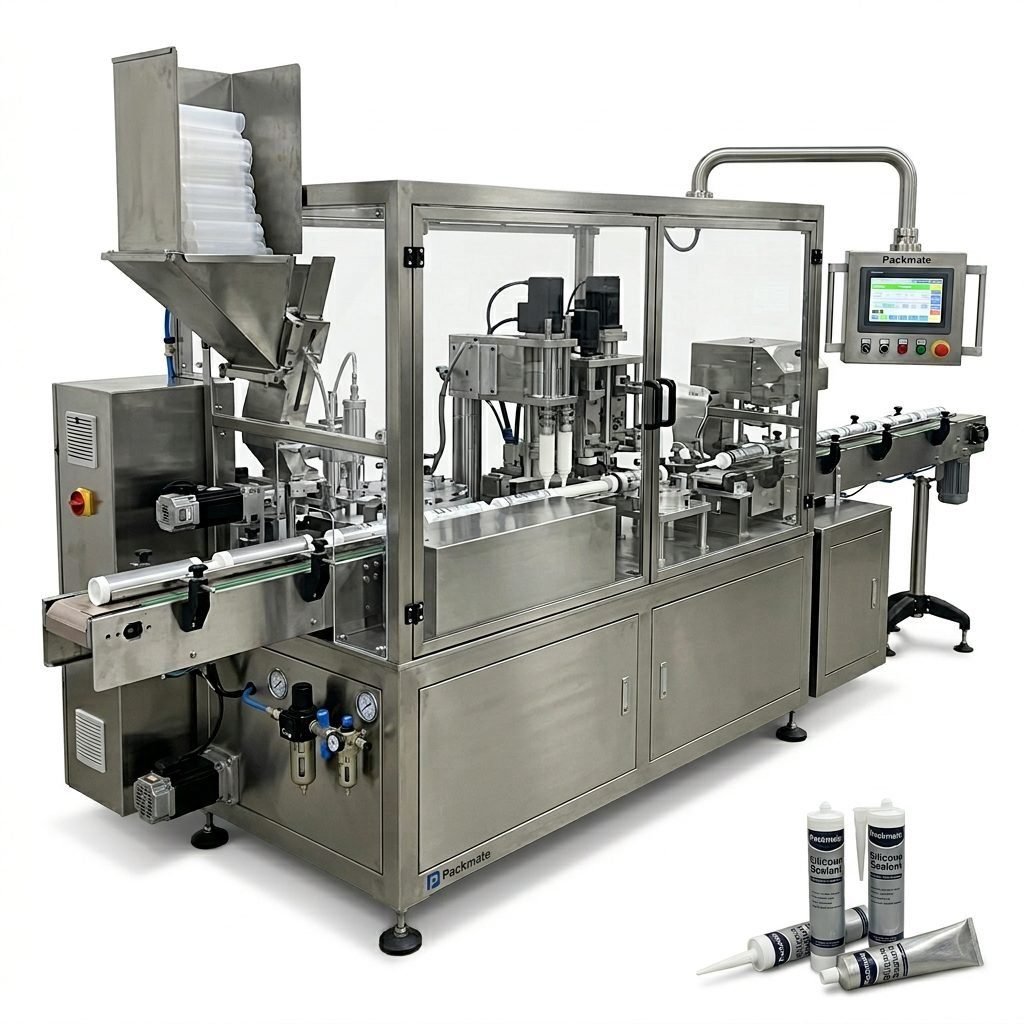
Filling machines are responsible for accurately dispensing a product into its container. The type of filler required depends heavily on the product’s form—liquid, powder, granule, or paste.
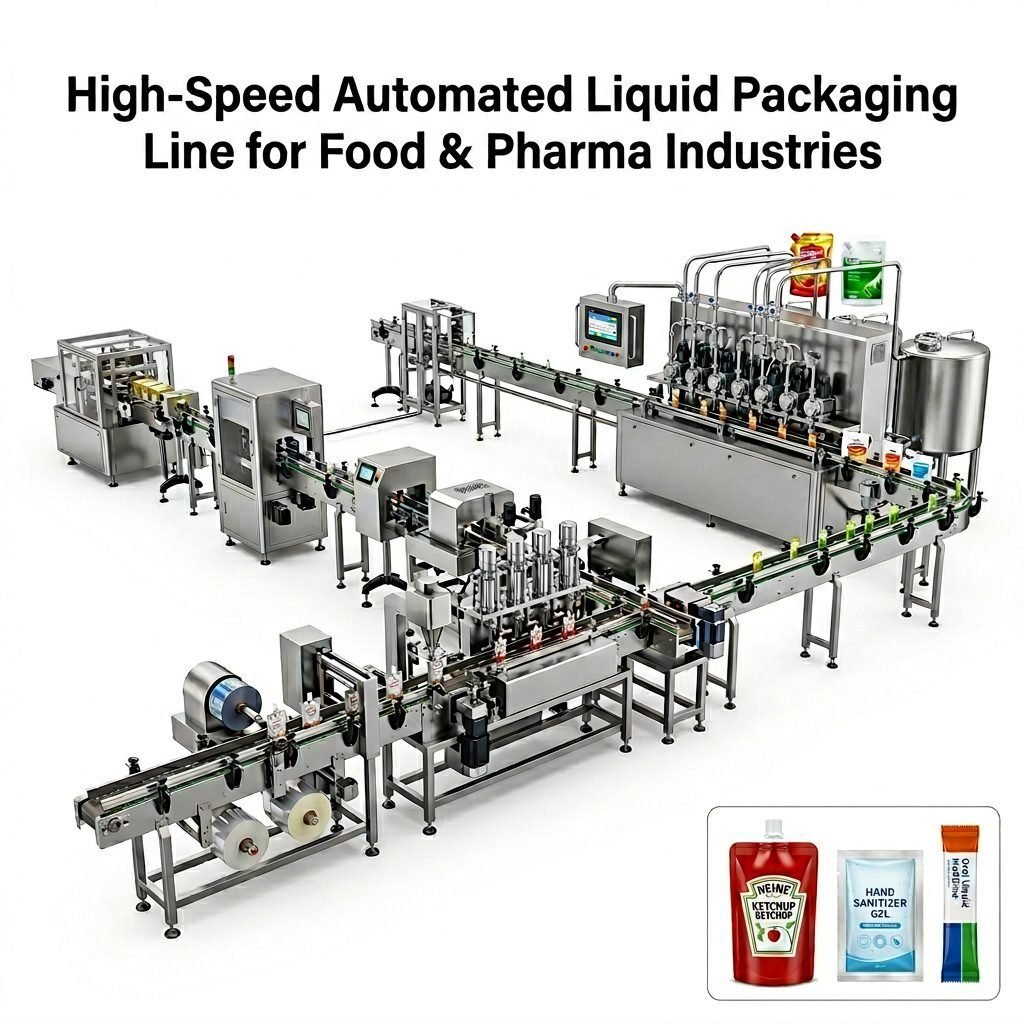
Liquid Fillers: These include piston fillers, gravity fillers, and volumetric fillers, ideal for beverages, oils, and sauces. For high-precision applications in pharmaceuticals or cosmetics, auger fillers are often the preferred choice for powders and creams.
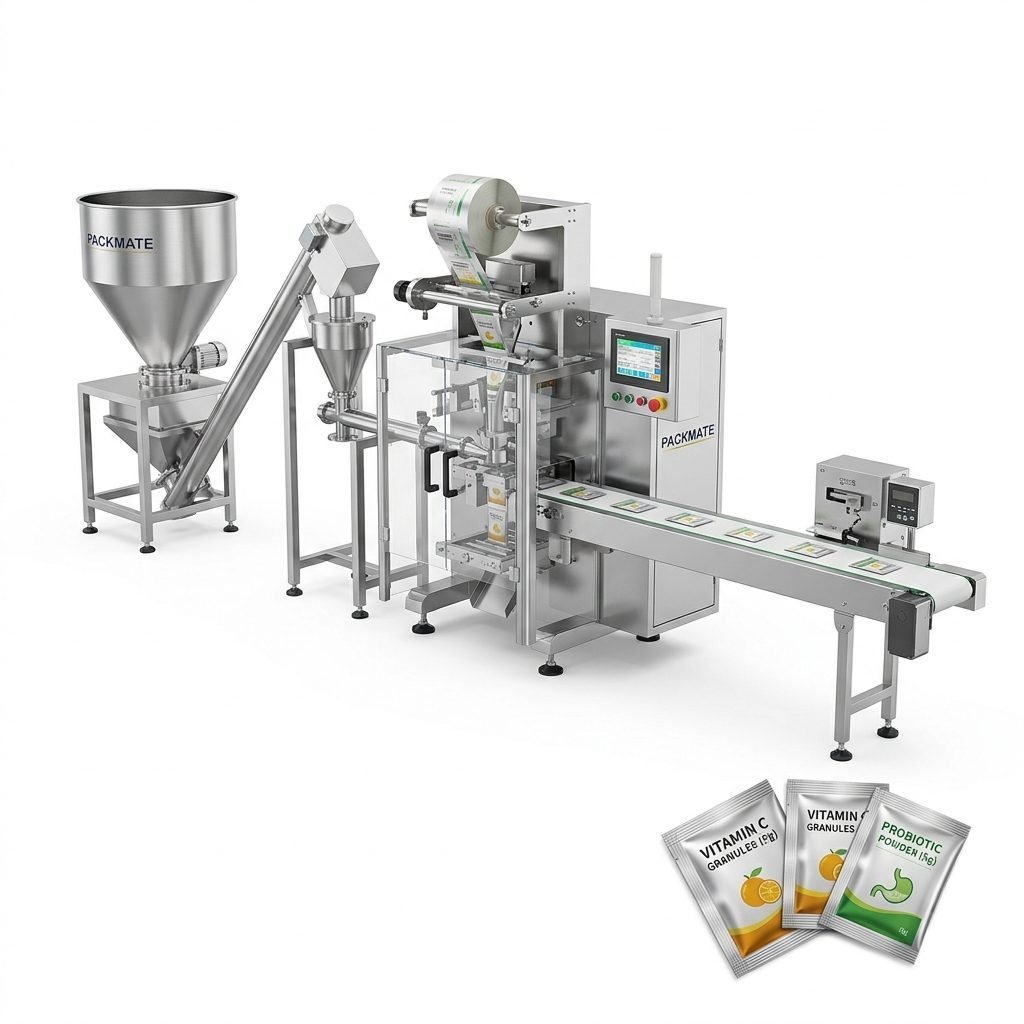
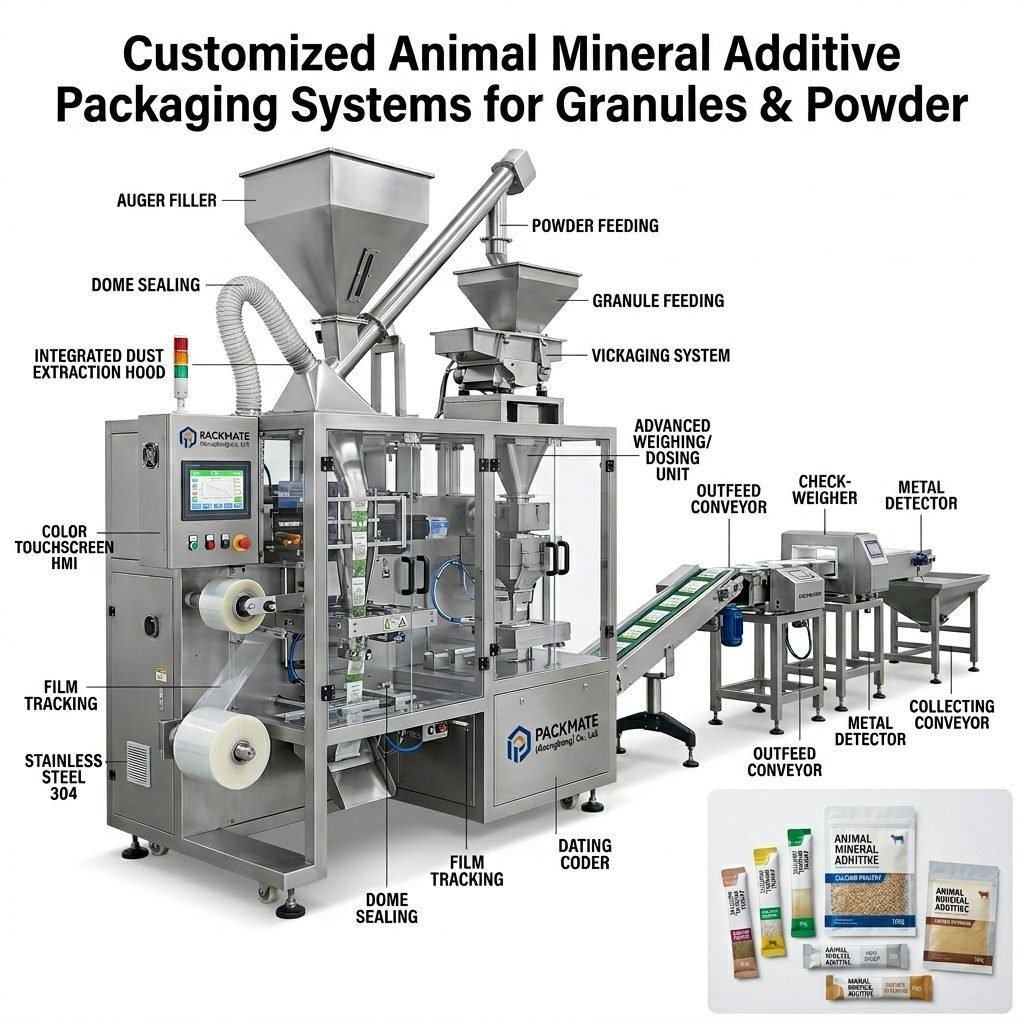
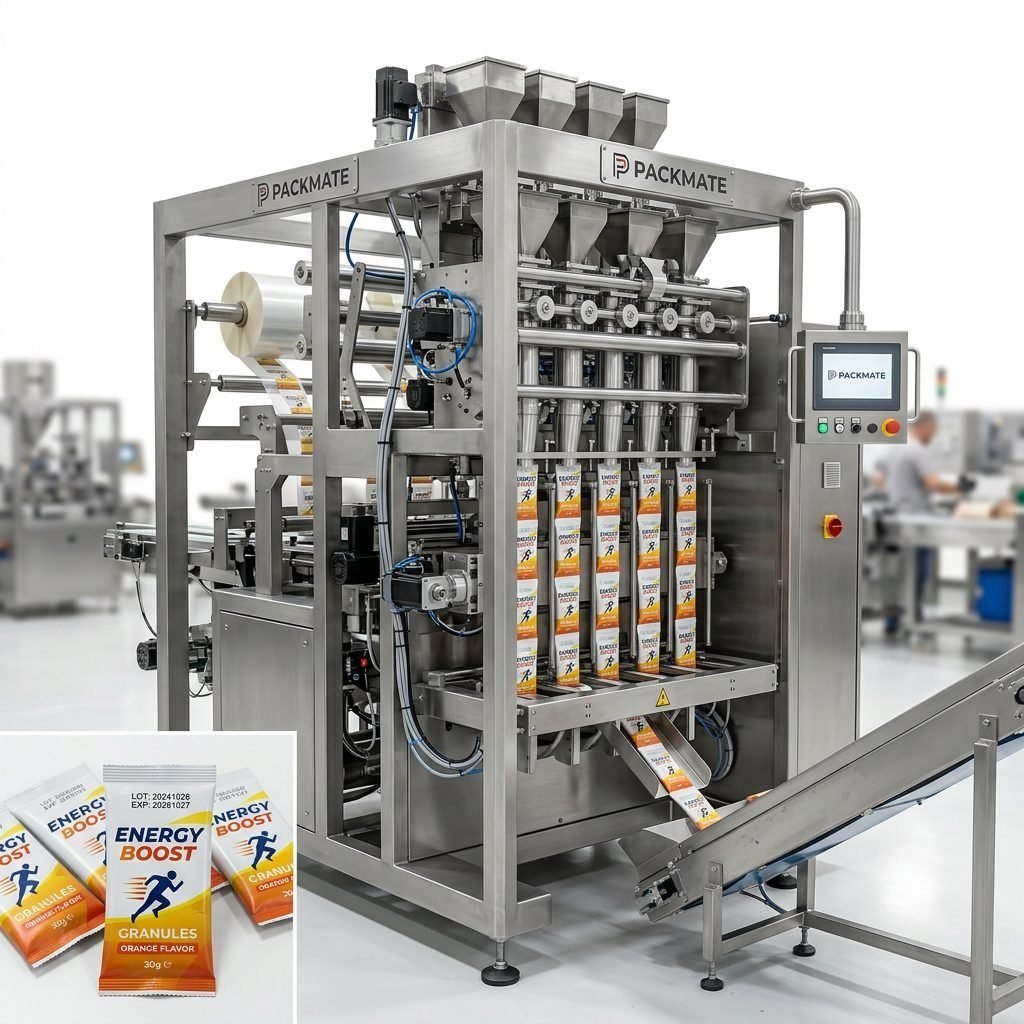
Powder & Granule Fillers: Auger fillers and weigh fillers provide excellent accuracy for free-flowing products like coffee, spices, and powdered supplements. Modern weighing systems integrate multi-head scales for unparalleled speed and precision.
Sealing & Closing Equipment
Once filled, containers must be securely sealed to prevent contamination, preserve freshness, and ensure safety. Sealing technology varies widely.
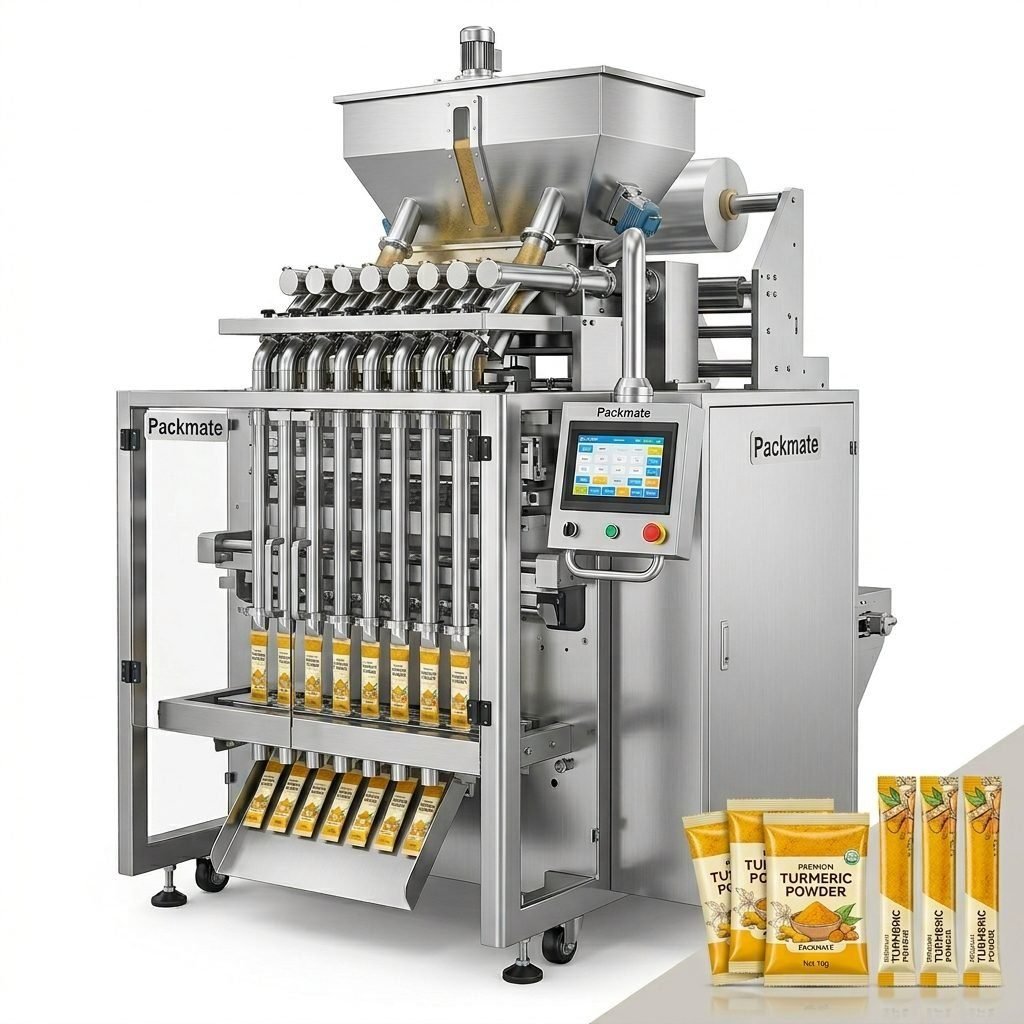
Heat Sealers: The most common method for flexible packaging like pouches and sachets. Impulse sealers, continuous band sealers, and stick pack machines use controlled heat to melt and fuse packaging films together.
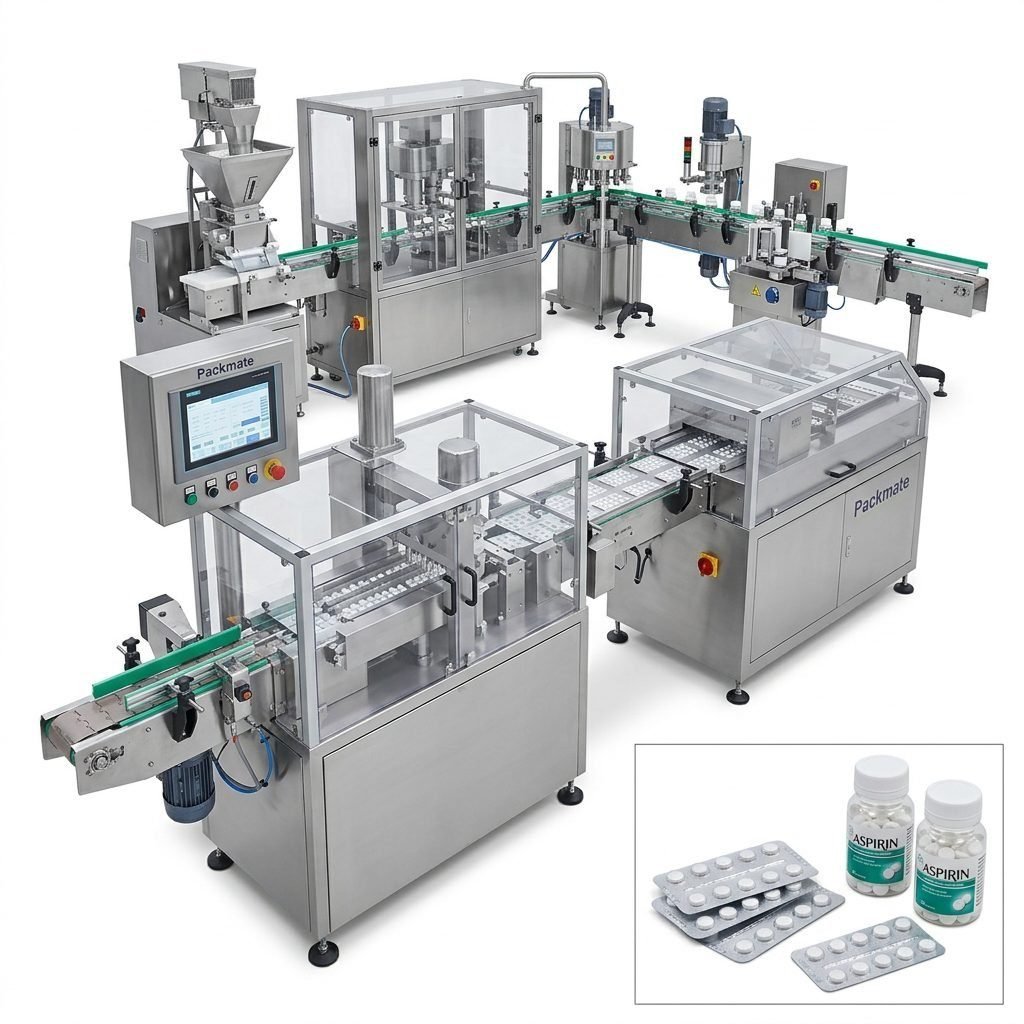
Capping Machines: For rigid containers like bottles and jars, cappers apply screw caps, snap-on lids, or press-on caps. Spindle cappers, chuck cappers, and rotary cappers automate this process at high speeds.
Form-Fill-Seal (FFS) Systems
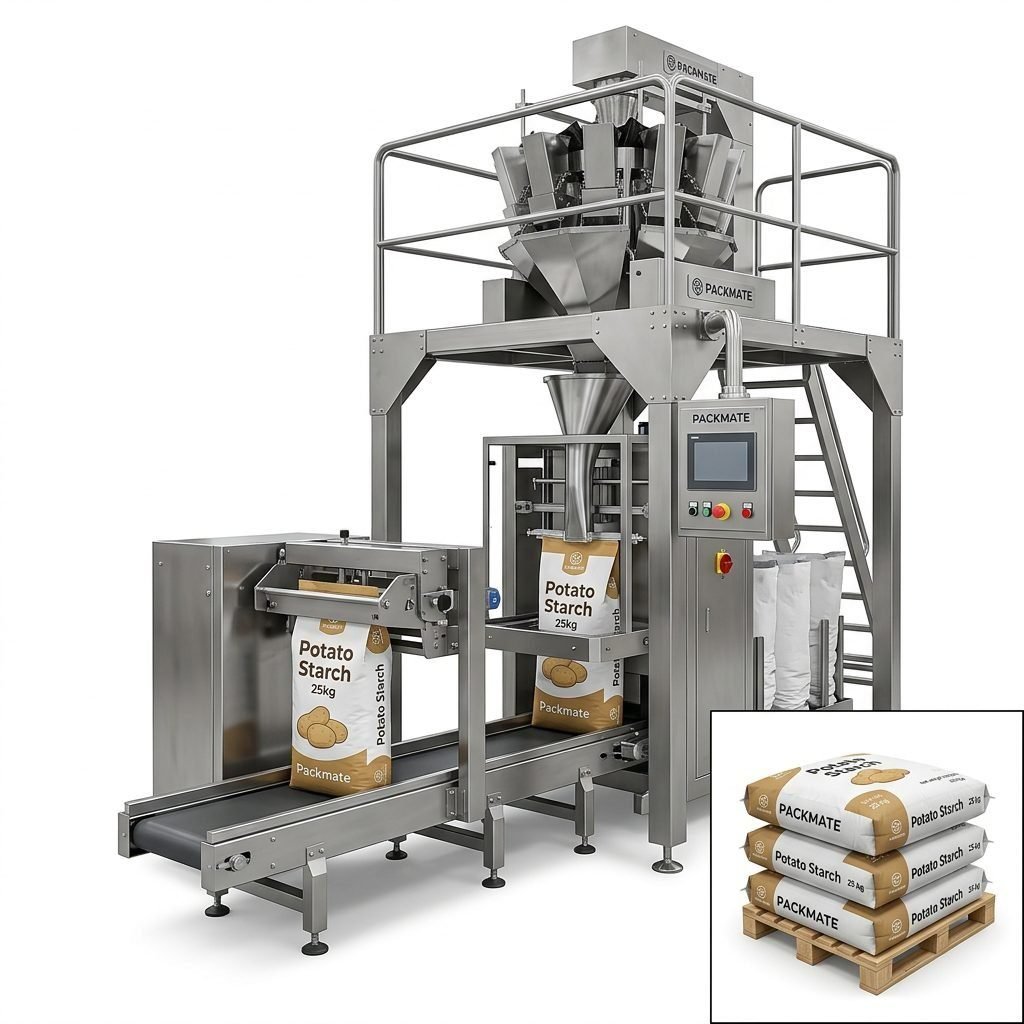
Form-Fill-Seal machines represent the pinnacle of packaging automation. They create the package from a roll of film, fill it with product, and seal it—all in one continuous, integrated operation. This eliminates the need for pre-made bags and drastically improves efficiency.
Vertical Form-Fill-Seal (VFFS)
VFFS machines are incredibly versatile and common. The film is drawn vertically over a forming tube, shaped into a bag, filled, and then sealed horizontally. They are perfect for a vast range of products including snacks, frozen foods, hardware items, and pet food. The ability to handle different bag styles (pillow, gusseted, block-bottom) makes them a cornerstone of modern packaging lines.
Horizontal Form-Fill-Seal (HFFS)
HFFS machines form pouches in a horizontal plane. They are often used for more complex packaging shapes, multi-lane applications (like stick packs for sugar or instant coffee), and products that require precise placement, such as blister packs for pharmaceuticals or nicotine pouches.
Labeling & Coding Machines
Product identification and traceability are non-negotiable. This equipment applies vital information to packages.
Labelers: Apply pressure-sensitive labels, sleeve labels, or wrap-around labels to containers. Options range from simple semi-automatic applicators to high-speed rotary labelers.
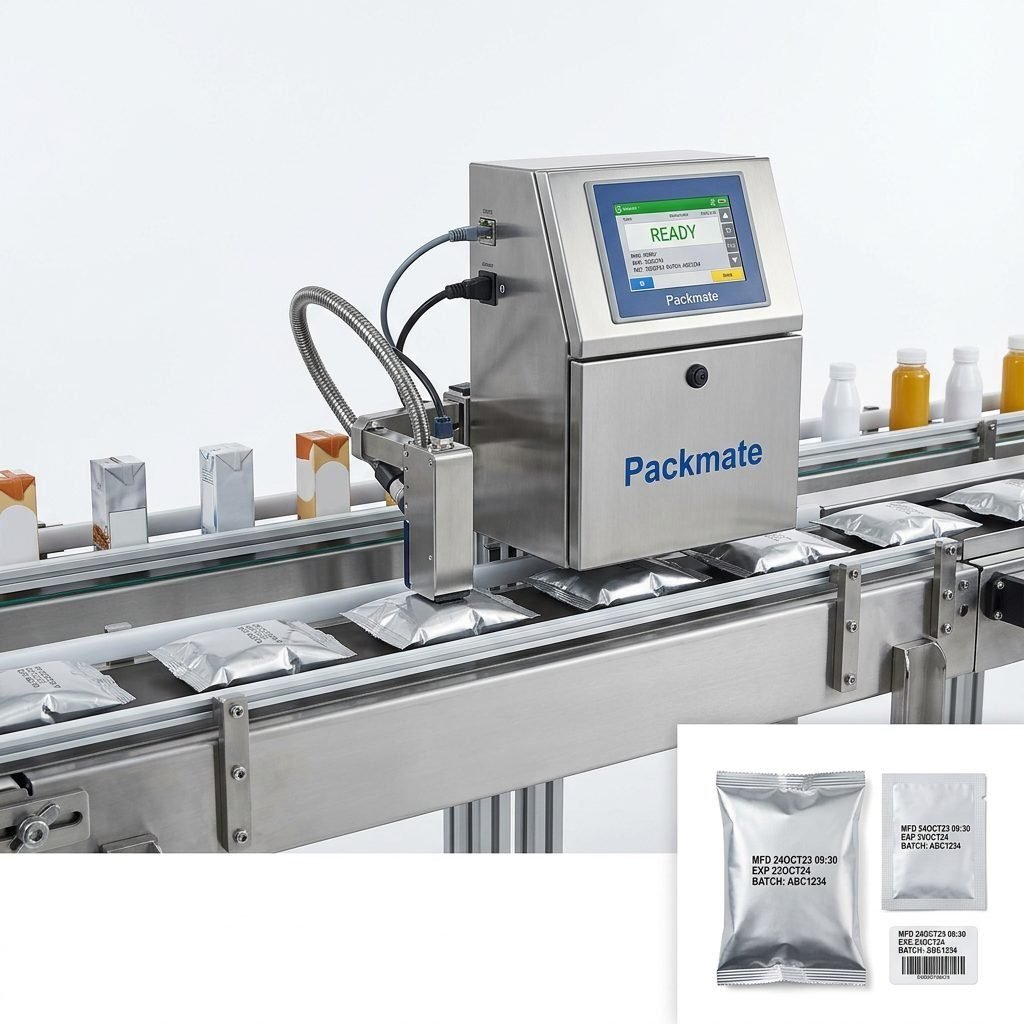
Coders & Markers: Inkjet printers, laser coders, and thermal transfer overprinters (TTOs) print batch codes, expiration dates, barcodes, and logos directly onto packaging film or labels. This is a critical step for compliance and supply chain management.
Essential Support & Auxiliary Equipment
A smooth packaging line relies on more than just the primary machines. Support equipment ensures a consistent flow and handles post-packaging tasks.
Conveying Systems
Belts, rollers, and accumulation tables transport containers between different stages of the packaging process. They are the circulatory system of the production line, and proper design is key to preventing bottlenecks.
Checkweighers & Metal Detectors
These are critical for quality control and safety. Checkweighers verify that each package contains the correct amount of product, protecting against underfills and overfills. Metal detectors and X-ray systems scan products for physical contaminants, ensuring consumer safety and regulatory compliance.
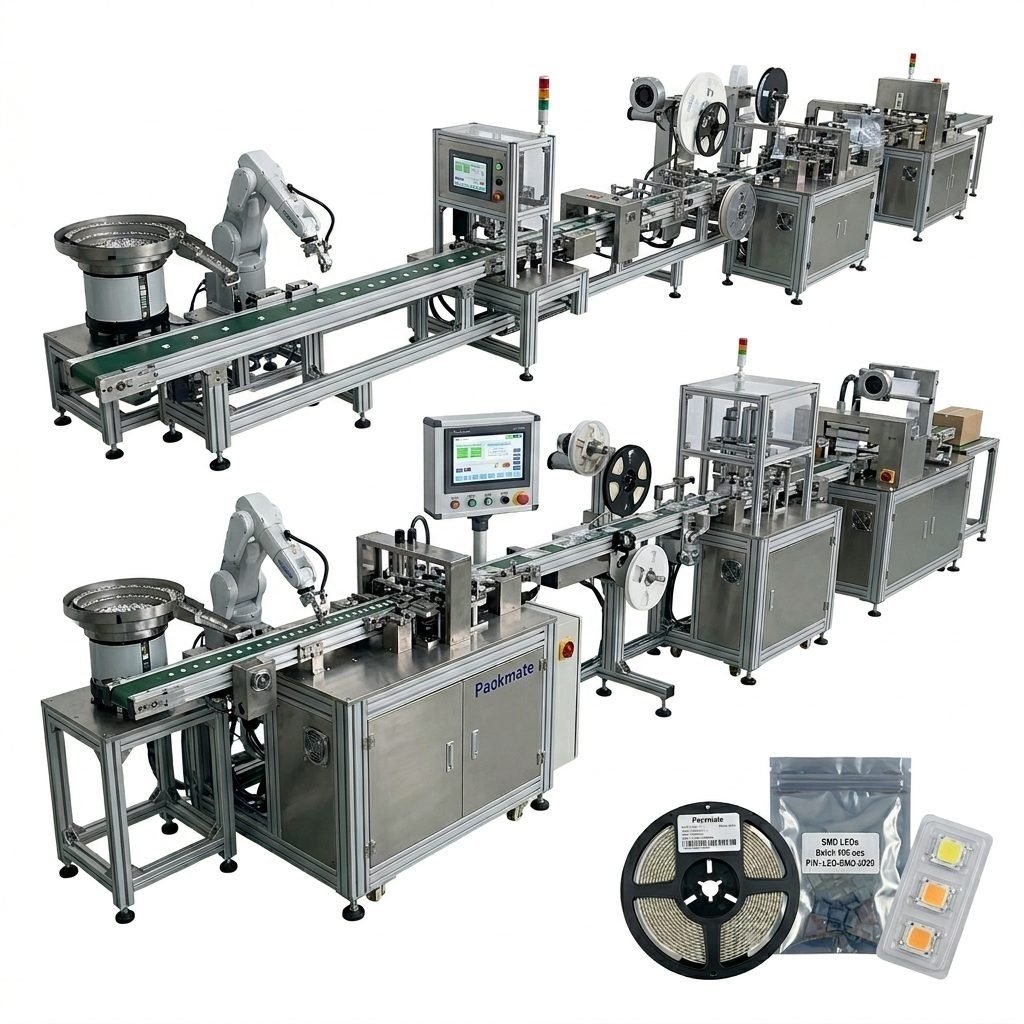
Cartoning & Case Packing: After primary packaging, products often need secondary packaging. Cartoners erect, load, and close cartons, while case packers (or case erectors) place multiple units into shipping cases. These machines, often part of a complete auxiliary equipment suite, prepare orders for palletizing and shipment.
Choosing the Right Partner for Your Equipment
Investing in packaging machinery is a significant decision. Partnering with a reputable manufacturer with proven expertise is crucial. A partner like Packmate Machinery, with over 30 years of experience, offers more than just machines—they provide complete turnkey solutions. From their 20,000㎡ modern facility, they engineer reliable systems for granules, powders, and liquids, serving global clients with a commitment to innovation and quality. Their journey from a small workshop to a leading manufacturer underscores a deep understanding of the practical challenges and technological needs of diverse industries.
Frequently Asked Questions (FAQs)
1. How do I determine whether I need a Vertical (VFFS) or Horizontal (HFFS) form-fill-seal machine?
The choice primarily depends on your product and desired package style. VFFS is generally best for free-flowing products going into stand-up or pillow bags. HFFS is often preferred for delicate items, multi-lane packaging (like stick packs), or when precise product placement within the pouch is required.
2. What are the key factors to consider when selecting a filling machine?
The main factors are: product characteristics (viscosity, flowability, abrasiveness), required accuracy (± tolerance), required speed (packages per minute), and the type of container being used. A reputable supplier will typically request a sample of your product for testing to recommend the optimal solution.
3. Can packaging machinery be integrated into my existing production line?
Yes, most modern packaging equipment is designed for integration. It’s essential to communicate your current line layout, speeds, and control systems to the machinery supplier. They can design machines with compatible interfaces and provide guidance on conveyor links and synchronization.
4. What kind of maintenance do packaging machines require?
Regular preventative maintenance is vital for longevity and uptime. This typically includes daily cleaning, lubrication of moving parts as specified in the manual, inspection of seals and wear parts, and calibration of weighing and dosing systems. Many suppliers offer comprehensive service contracts.
5. Why is partner experience important when investing in packaging automation?
An experienced partner brings invaluable application knowledge. They can help you avoid common pitfalls, design a line that is future-proof, and provide reliable after-sales support, training, and access to spare parts. This reduces long-term risk and ensures your investment delivers a sustained return.