In today’s competitive manufacturing landscape, optimizing operations while managing costs is paramount. One effective strategy many businesses adopt is investing in used packaging equipment. This comprehensive guide explores the various types of pre-owned packaging machinery available, outlines their significant benefits, and provides a practical buying guide to help you make an informed decision for your production line.
Common Types of Used Packaging Equipment
The secondary market for packaging machinery is vast, covering nearly every function found in modern facilities. Understanding the main categories is the first step.
Filling and Sealing Machines
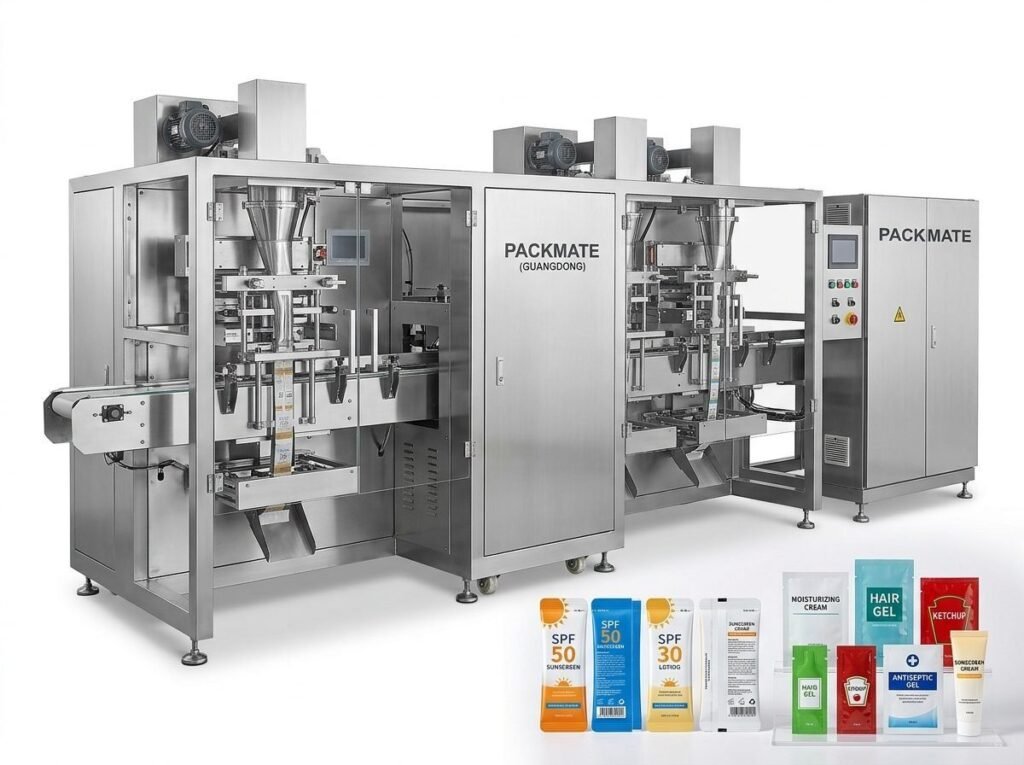
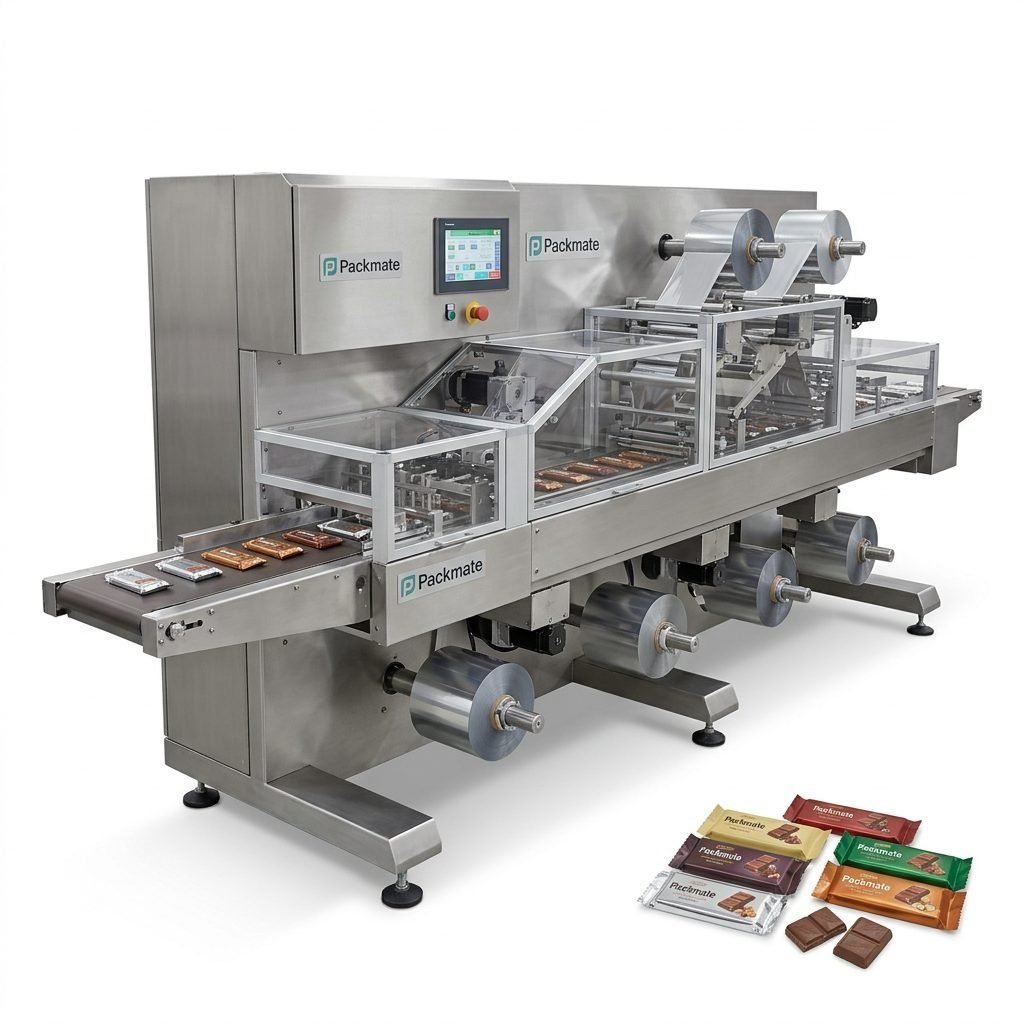
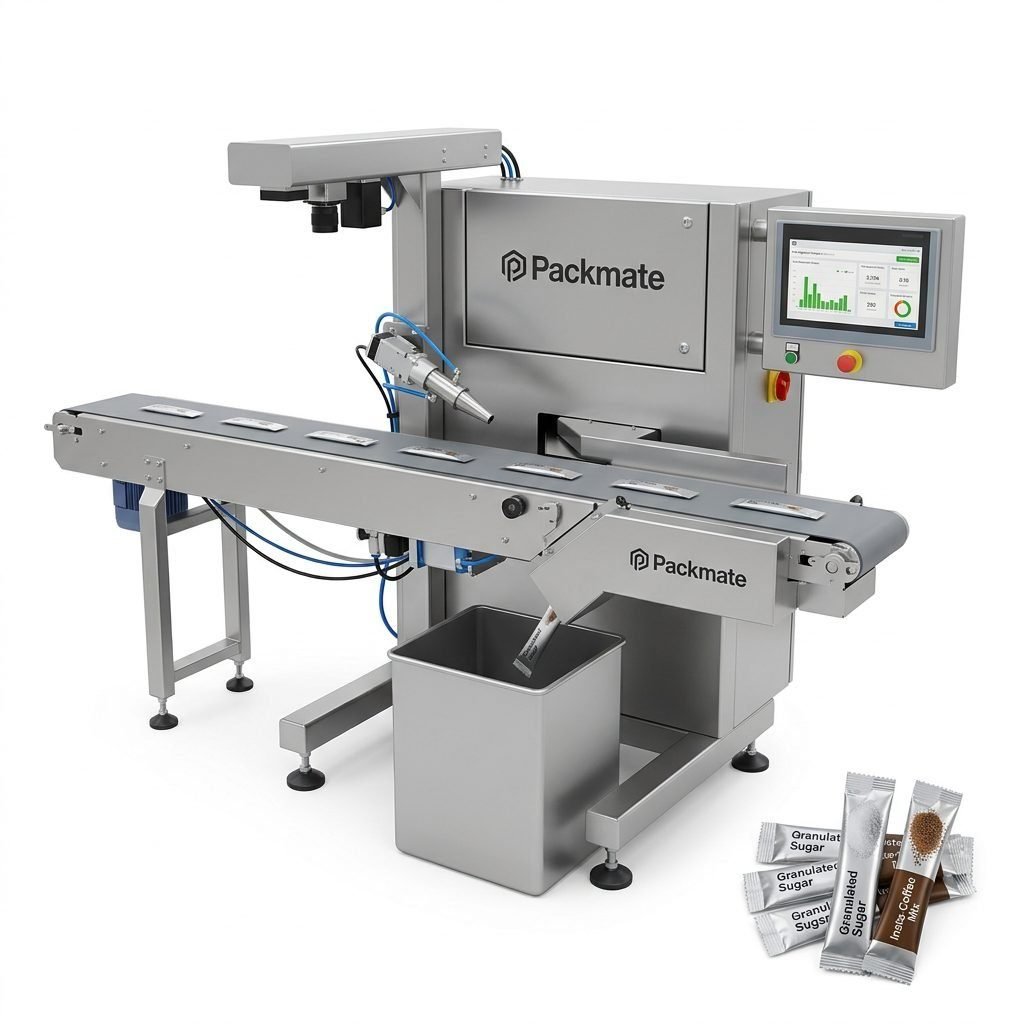
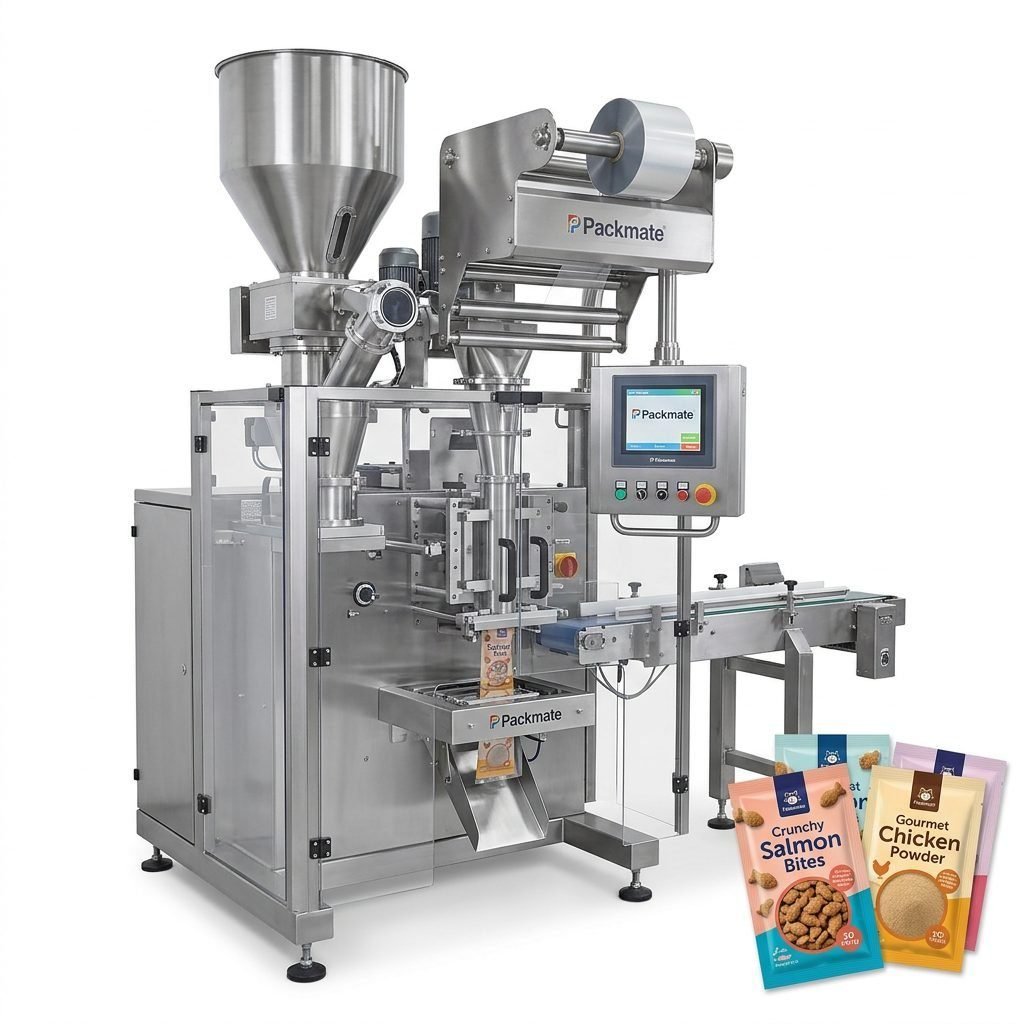
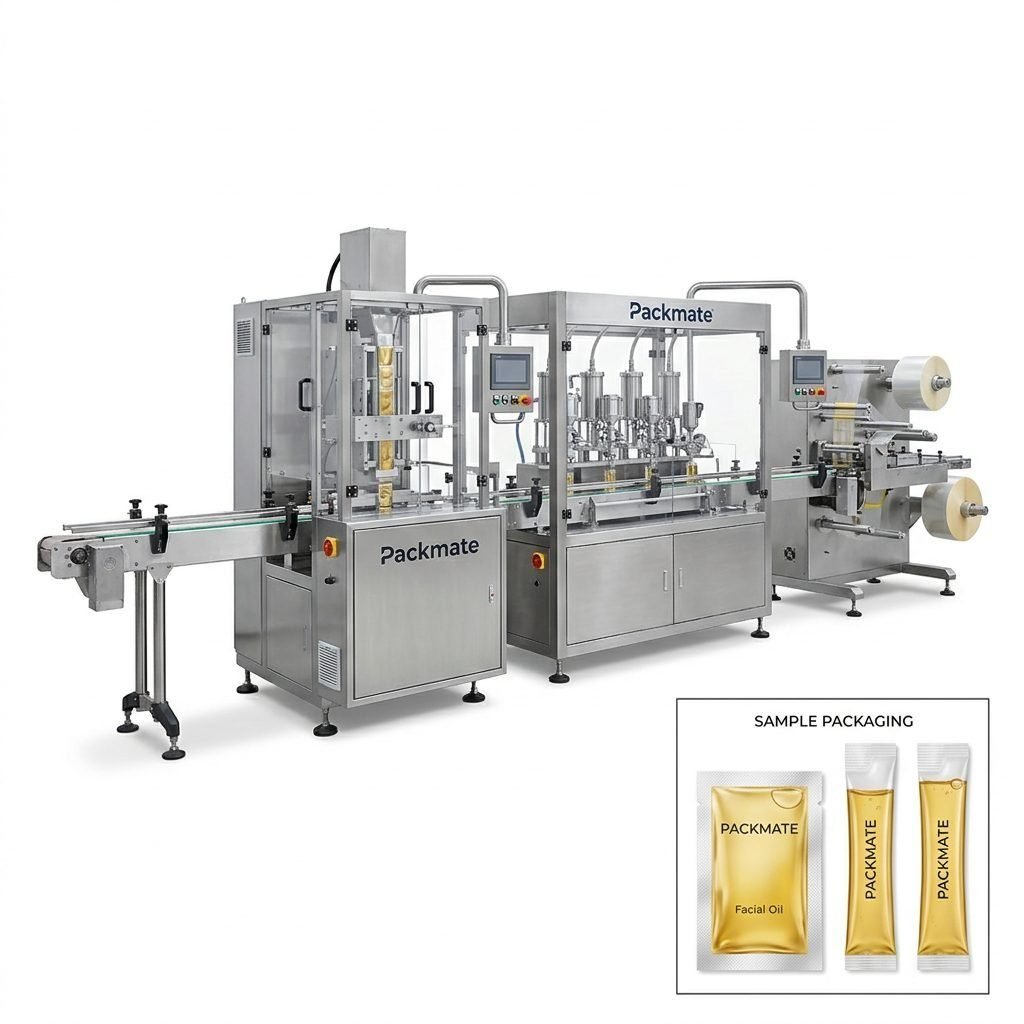
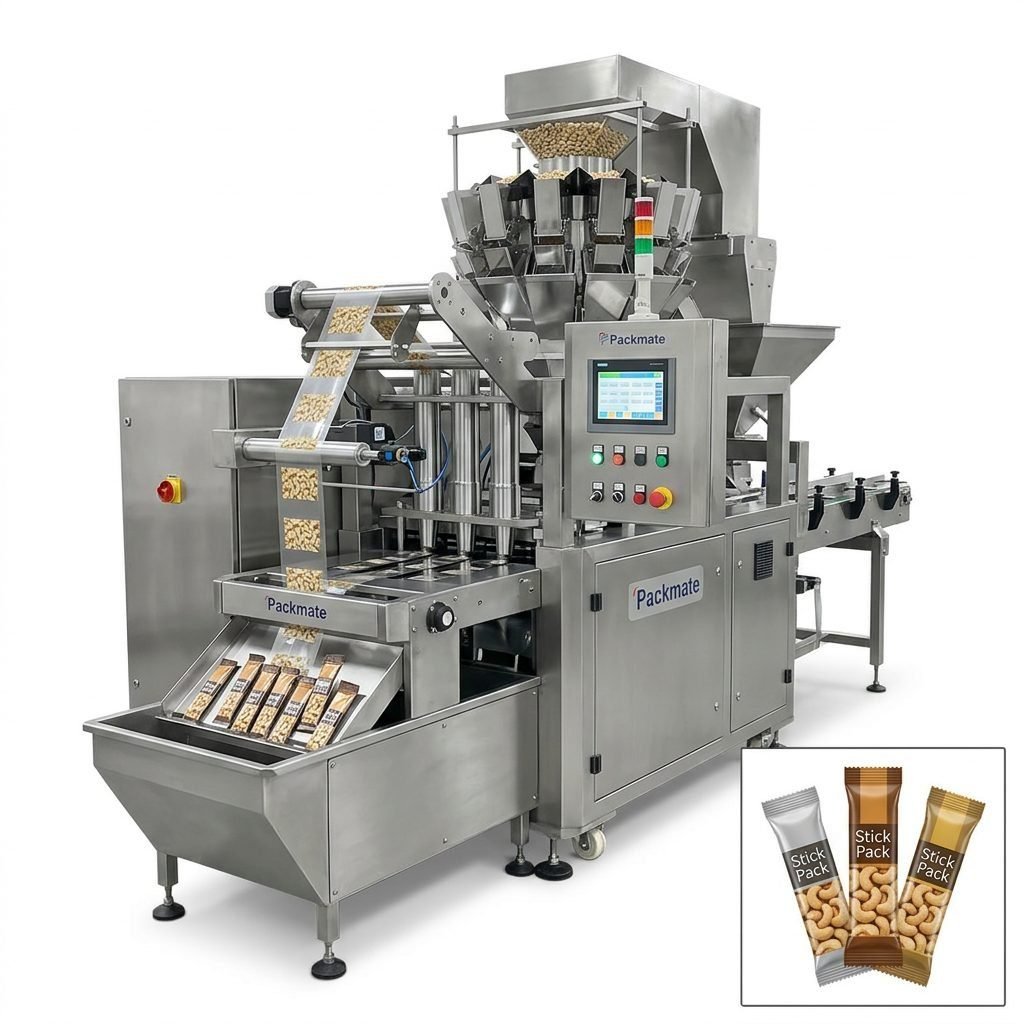
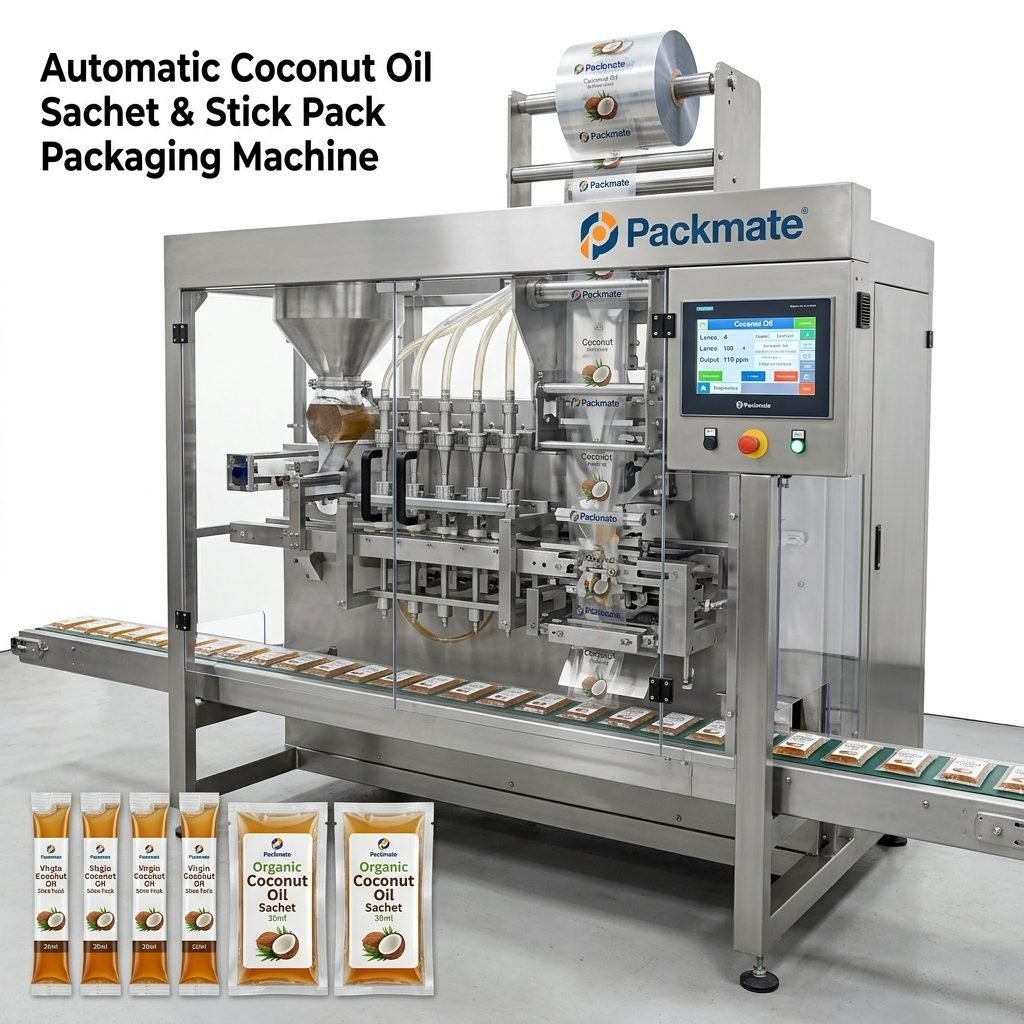
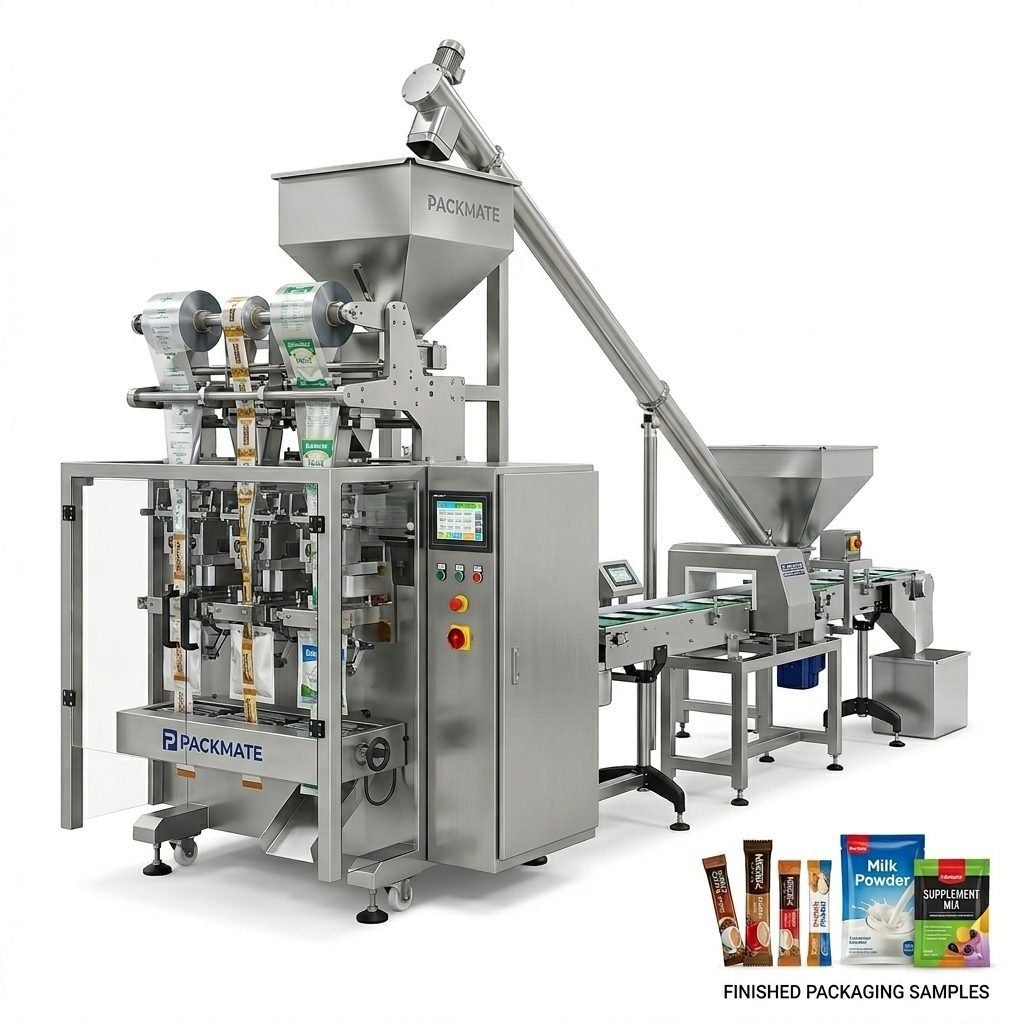
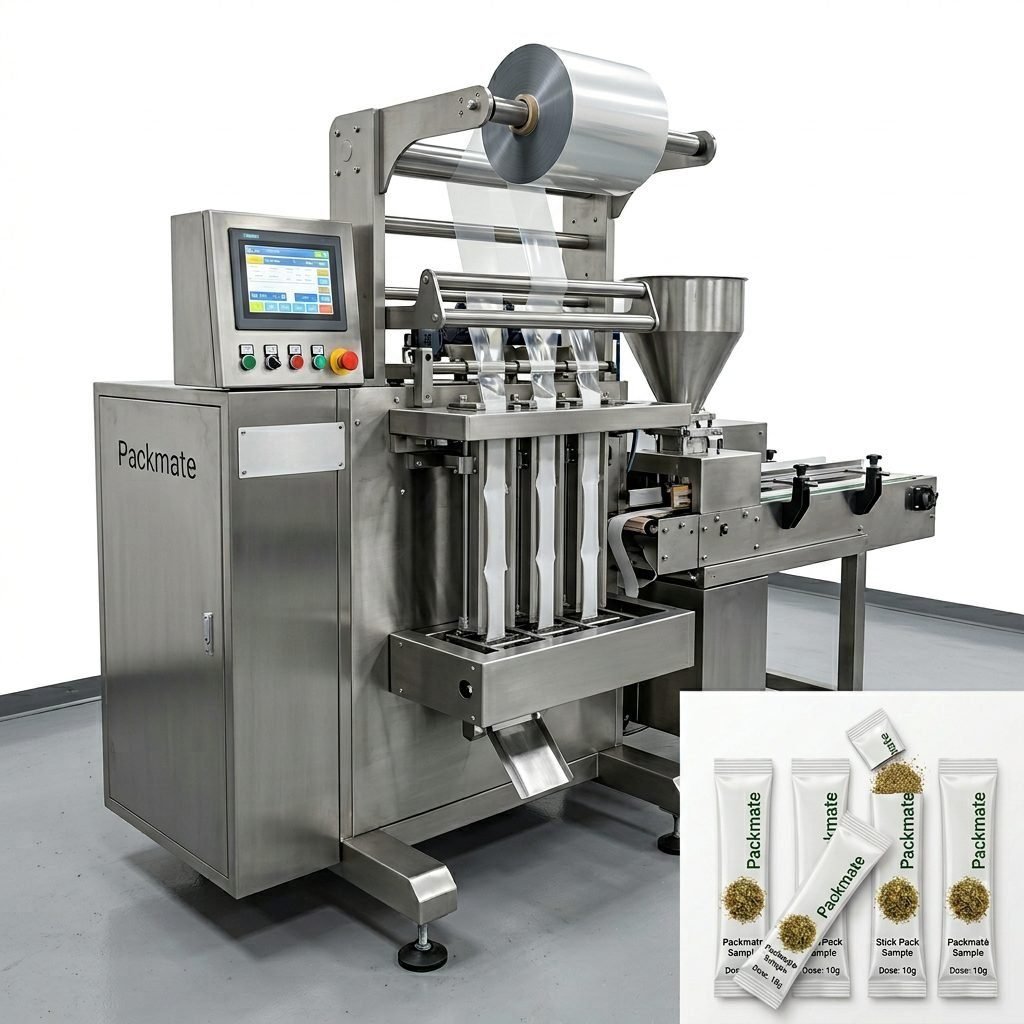
These are workhorses for products like granules, powders, and liquids. Used vertical form-fill-seal (VFFS) machines and horizontal flow wrappers are frequently available. They are ideal for creating pouches, sachets, and stick packs from roll stock film. When considering a used filler, it’s crucial to verify its compatibility with your product’s characteristics, such as viscosity or granule size.
Cartoning and Case Packing Equipment
For secondary packaging, used cartoners and case packers automate the process of placing primary packages into boxes or cases. These machines can significantly boost output in industries like food, pharmaceuticals, and consumer goods. A well-maintained used case packer can offer the same reliability as a new unit at a fraction of the cost.
Labeling and Coding Systems
Used label applicators, inkjet coders, and laser marking systems are common finds. They handle critical tasks like applying product labels, printing batch codes, and expiration dates. The technology in this sector evolves quickly, so a recent-model used machine can offer excellent value without the premium of the latest features you may not need.
Auxiliary and Support Equipment
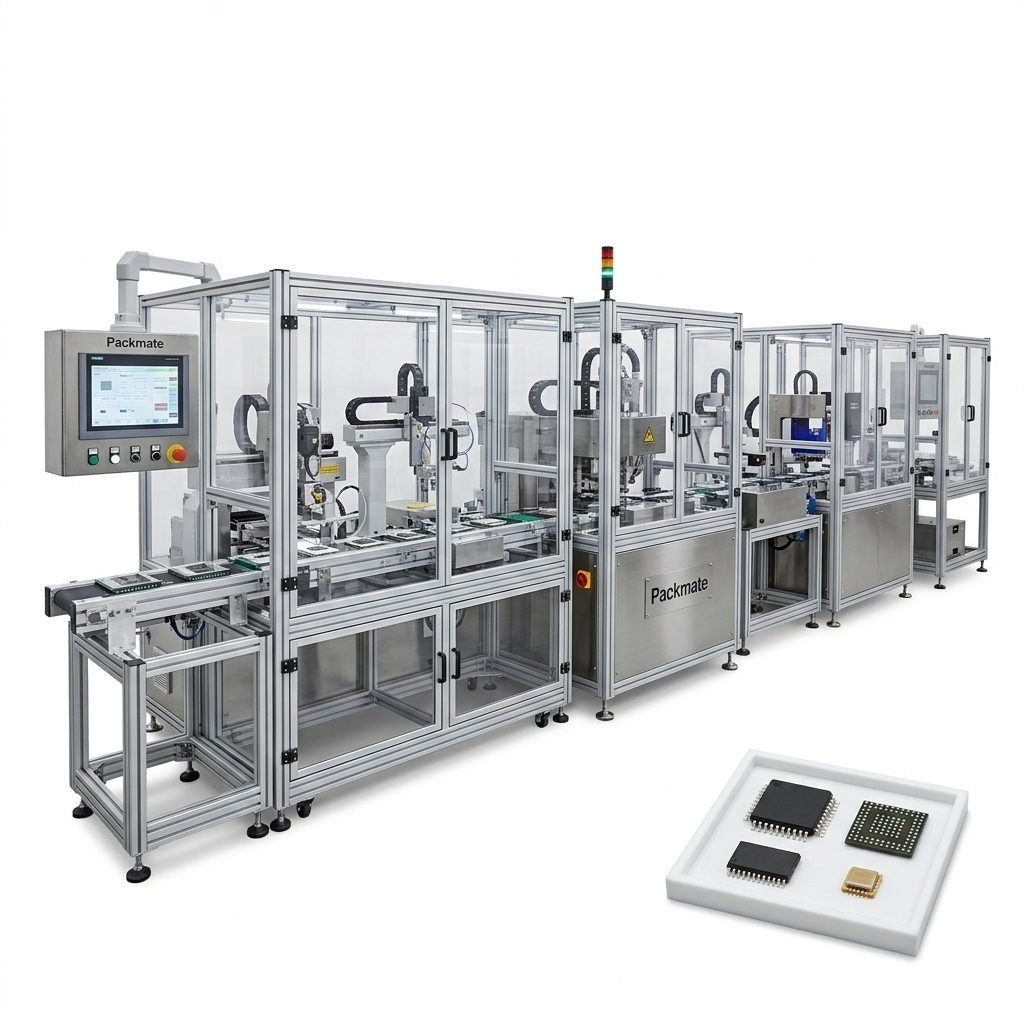
This category includes used checkweighers, metal detectors, conveyors, and accumulators. These machines support the main packaging line, ensuring quality control and smooth material flow. Investing in reliable used auxiliary equipment is a smart way to complete or upgrade a line without overspending.
Key Benefit Spotlight: Cost Savings
The most compelling advantage of buying used is substantial capital expenditure reduction. You can acquire high-quality machinery for 30% to 70% less than the cost of a new equivalent. This frees up capital for other critical business areas like marketing, R&D, or raw material inventory. Furthermore, depreciation on used equipment is typically much lower, offering better long-term financial value on your balance sheet.
Major Benefits of Choosing Used Machinery
Beyond the obvious cost advantage, opting for pre-owned equipment offers several strategic benefits that can enhance your operation’s agility and capability.
Faster Implementation and Proven Reliability: New machines often have long lead times for manufacturing and delivery. Used equipment is usually available for immediate or quick shipment, allowing you to ramp up production or replace a failed machine without lengthy downtime. These machines have a service history, and their performance and common issues are well-understood, reducing operational surprises.
Access to Higher-End or Discontinued Models: The used market sometimes offers access to robust, high-end models from premium brands that might be outside your budget if new. It also provides a source for discontinued models, which is invaluable if you need an identical machine to expand an existing line or maintain spare parts compatibility.
Reduced Risk for Testing New Processes: If you are exploring packaging for a new product line or entering a new market, used equipment presents a lower-risk entry point. You can validate your process and market demand without the full investment in brand-new machinery, making it a prudent step for business diversification.
Essential Buying Guide: How to Purchase Wisely
Purchasing used industrial equipment requires diligence. Following a structured process minimizes risk and ensures you get a machine that delivers value for years.
1. Define Your Requirements Precisely
Before browsing listings, document your exact needs: product type, required speed (packages per minute), bag/pouch size range, materials to be used (film type), and available floor space. This clarity will filter out unsuitable options and focus your search on machinery that truly fits your line. For specialized needs, explore dedicated machinery like sachet & stick pack machines or weighing & packaging systems.
2. Source from Reputable Suppliers
Prioritize established dealers, original equipment manufacturers (OEMs) with refurbishment programs, or reputable auction houses. Companies with a long track record, like Packmate Machinery, which has over 30 years of expertise, often offer reliable used or refurbished units from their own product lines, complete with better support. Check their company history and service offerings thoroughly.
3. Conduct Thorough Inspection and Verification
- Physical Inspection: If possible, visit to inspect the machine. Look for signs of excessive wear, corrosion, or makeshift repairs. Check critical components like seals, gears, and the electrical cabinet.
- Operational Test: Request a video or live demonstration running a material similar to yours. Observe the machine cycle, listen for unusual noises, and check the quality of the output (seal integrity, fill accuracy).
- Documentation Review: Ask for the machine’s manual, maintenance records, and list of replaced parts. A well-documented history is a strong indicator of good care.
4. Understand the Total Cost of Ownership (TCO)
The purchase price is just the beginning. Factor in costs for:
Shipping and Rigging,
Reconditioning/Repairs,
Spare Parts Kit, and
Potential Upgrades (e.g., new PLC, safety guards). Get quotes for these items upfront to avoid budget overruns.
5. Negotiate Support and Warranty
Even for used equipment, some level of support is negotiable. Aim for a short-term warranty (30-90 days) to cover immediate post-installation issues. Ensure you can access technical documentation, wiring diagrams, and—most importantly—readily available spare parts. A supplier with a broad portfolio, such as one offering various packing machines and auxiliary equipment, is more likely to support your machine long-term.
Final Checklist Before Purchase
- Does the machine’s specification match my current AND near-future needs?
- Have I seen it run, either in person or via detailed video?
- Is the seller reputable, and can they provide references?
- Are maintenance records and original manuals available?
- What is the full cost, including shipping, installation, and any necessary repairs?
- What warranty, training, and technical support are included?
- Are spare parts for this specific model still available and affordable?
Frequently Asked Questions (FAQs)
What is the typical lifespan of used packaging equipment?
The lifespan varies greatly by machine type, brand, maintenance history, and operating environment. A well-maintained used machine from a quality manufacturer can often provide 5 to 15 additional years of service. The key factor is not just age, but how it was cared for and how many production cycles it has completed.
Is refurbished equipment better than “as-is” used equipment?
Generally, yes. Refurbished equipment has been inspected, repaired, and tested by professionals to meet specific operational standards. It often comes with a warranty and may include updated components. “As-is” equipment is sold in its current condition, which carries higher risk but can be a fantastic value if you have the in-house expertise to assess and repair it.
How can I verify the condition of a used machine remotely?
Request high-resolution photos and videos from all angles, focusing on wear points and the control panel. Ask for a live video call demonstration where you can direct the camera. Require documentation of any recent repairs or part replacements. A reputable seller will be transparent and provide these materials willingly.
What are the biggest risks when buying used packaging machinery?
The primary risks are hidden mechanical or electrical damage, obsolete controls with unavailable spare parts, and misalignment with your actual production requirements (speed, accuracy, material compatibility). Mitigate these risks by buying from trusted sources, conducting thorough due diligence, and clearly defining your specifications.
Can used equipment be integrated into a modern automated line?
Absolutely, but it requires careful planning. Older machines may need communication upgrades (e.g., adding modern PLCs or sensors) to interface with line controllers and MES/SCADA systems. Consulting with an automation integrator or the original manufacturer during the purchasing process is highly recommended to ensure compatibility.