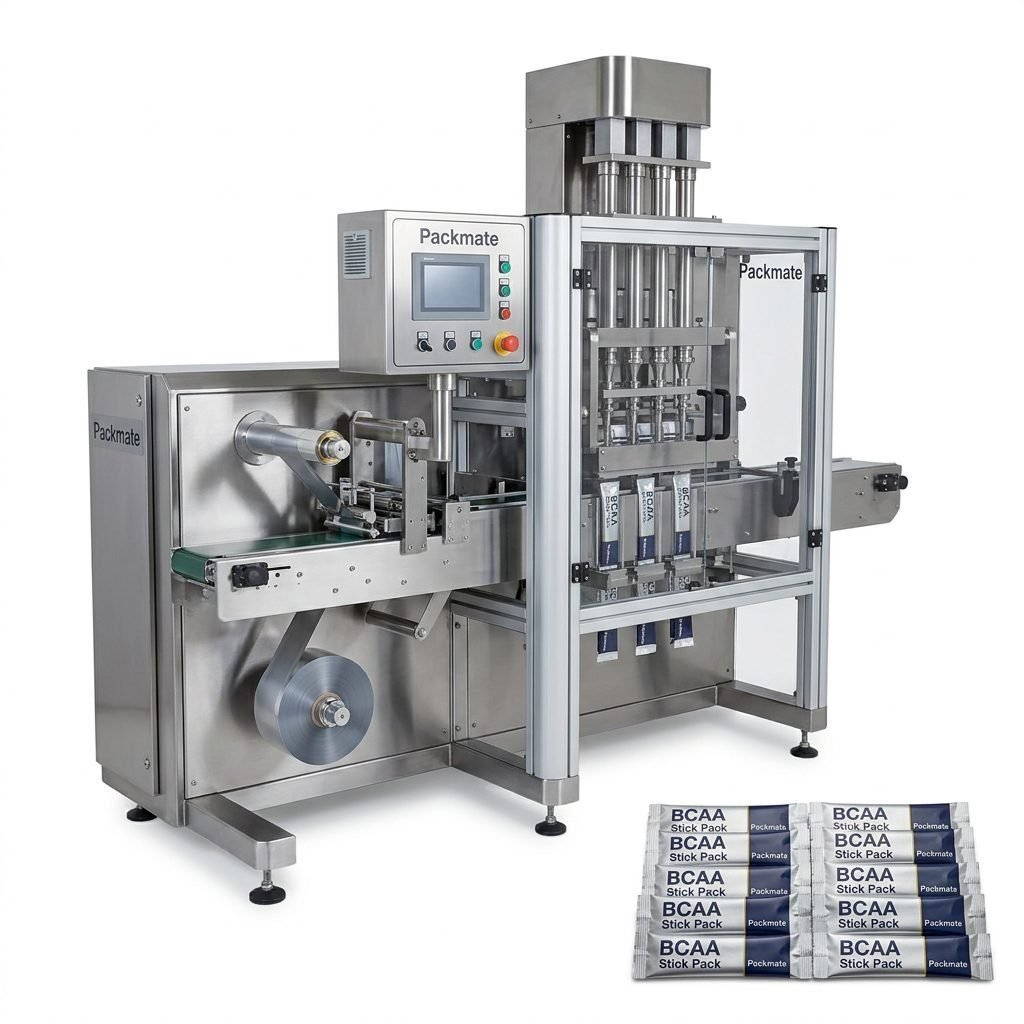
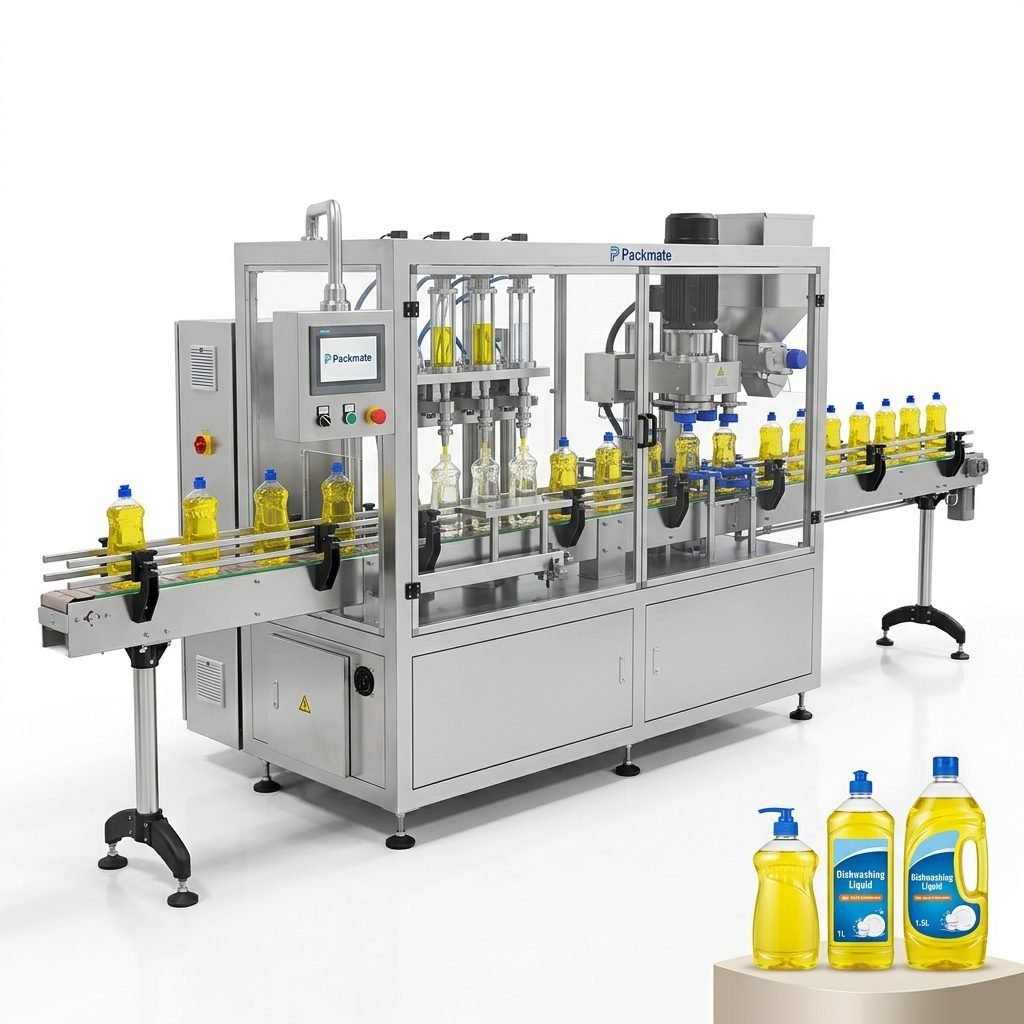
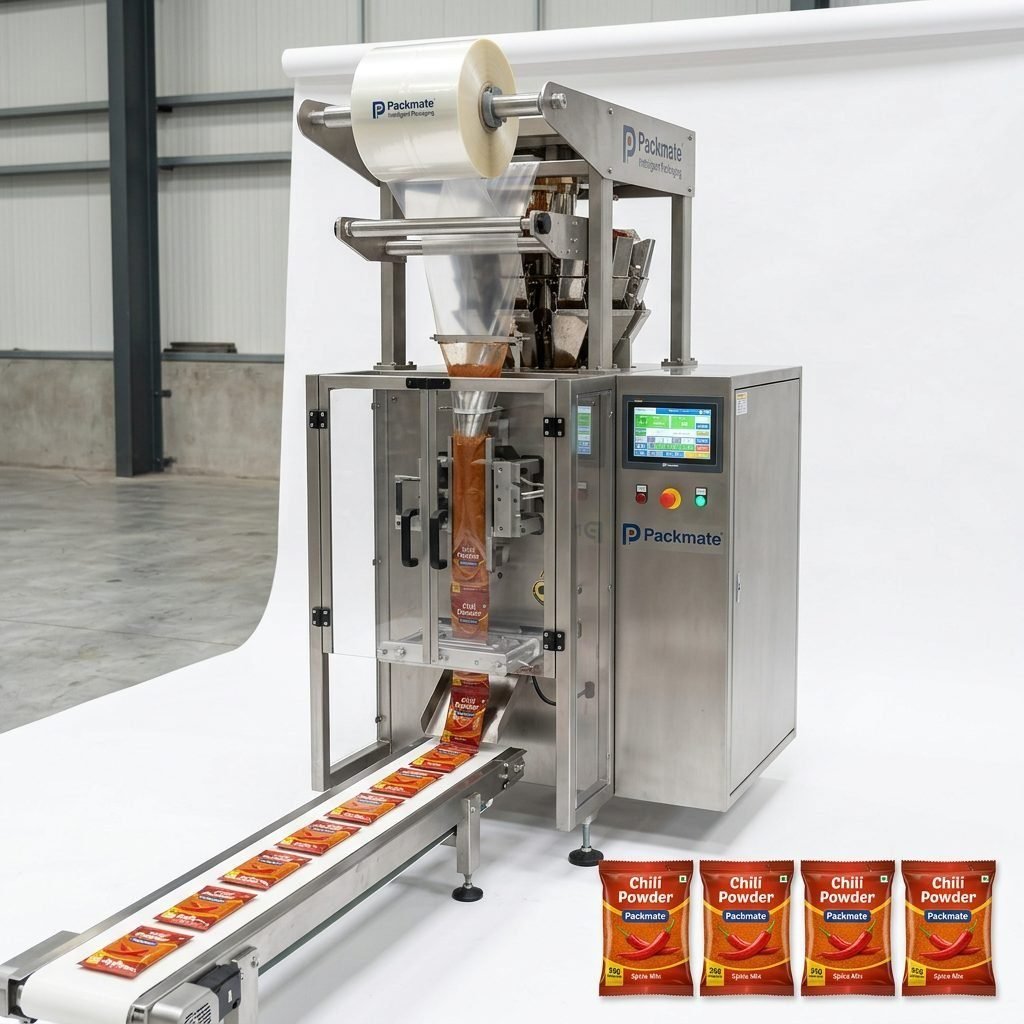
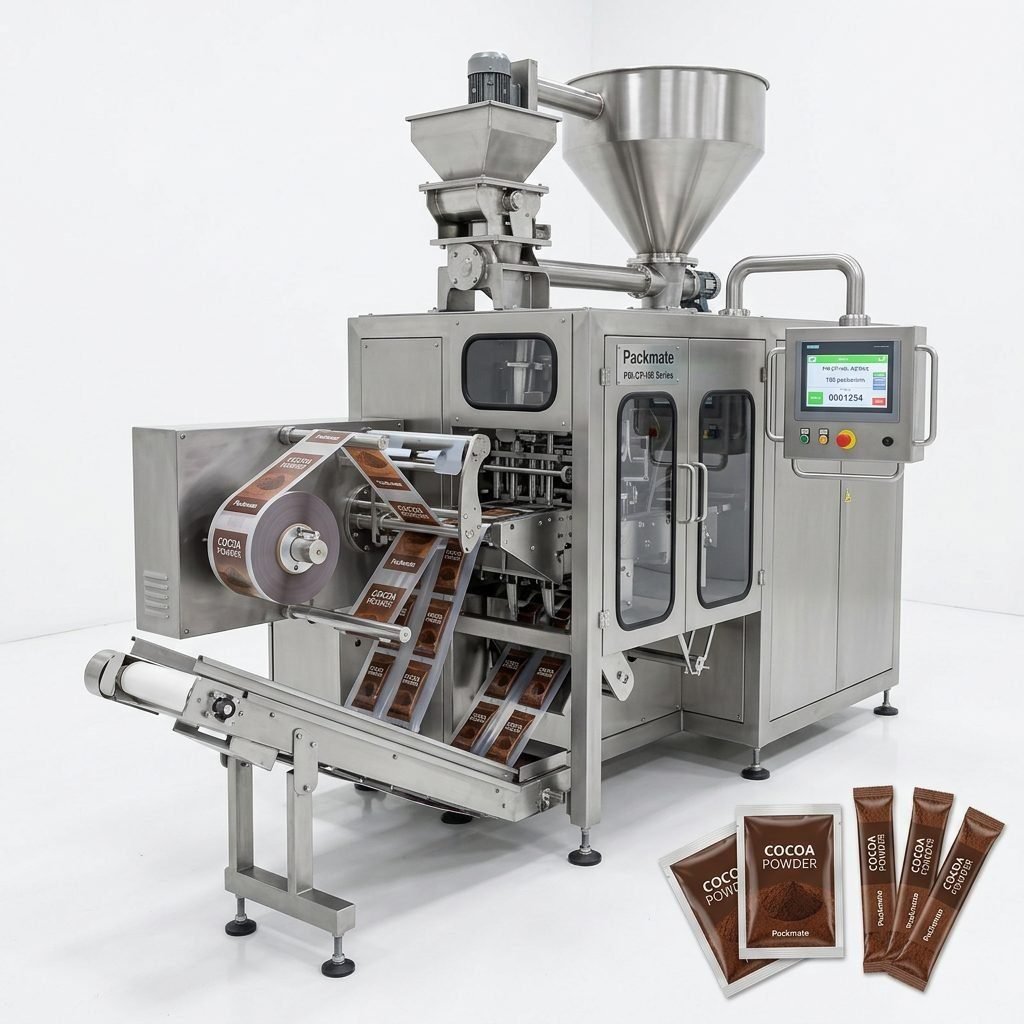
In the fast-paced world of manufacturing, efficiency and reliability are paramount. For businesses handling hardware components—from screws and nails to complex electronic parts—automated packaging is no longer a luxury but a necessity. This guide delves into the world of top automatic hardware packaging machine manufacturers, helping you navigate the key players, technologies, and considerations for selecting the right partner to streamline your operations and protect your products.
The Critical Role of Automation in Hardware Packaging
The hardware industry presents unique packaging challenges. Components are often heavy, sharp, oddly shaped, and require protection from corrosion and damage during transit. Manual packaging is slow, inconsistent, and can lead to high labor costs and product loss. Automatic hardware packaging machines solve these issues by offering:
- Speed and High Volume Output: Machines can package thousands of units per hour, far surpassing manual capabilities.
- Consistency and Accuracy: Every bag, box, or blister pack is sealed identically, ensuring product integrity and a professional appearance.
- Reduced Labor Costs: Automation minimizes reliance on large manual packaging teams, reallocating human resources to more skilled tasks.
- Enhanced Safety: Machines handle sharp or heavy items, reducing workplace injury risks.
- Material Savings: Precise control over film, cardboard, and other materials minimizes waste.
Key Technologies in Modern Hardware Packaging
Leading manufacturers integrate advanced technologies to meet diverse needs. Common systems include:
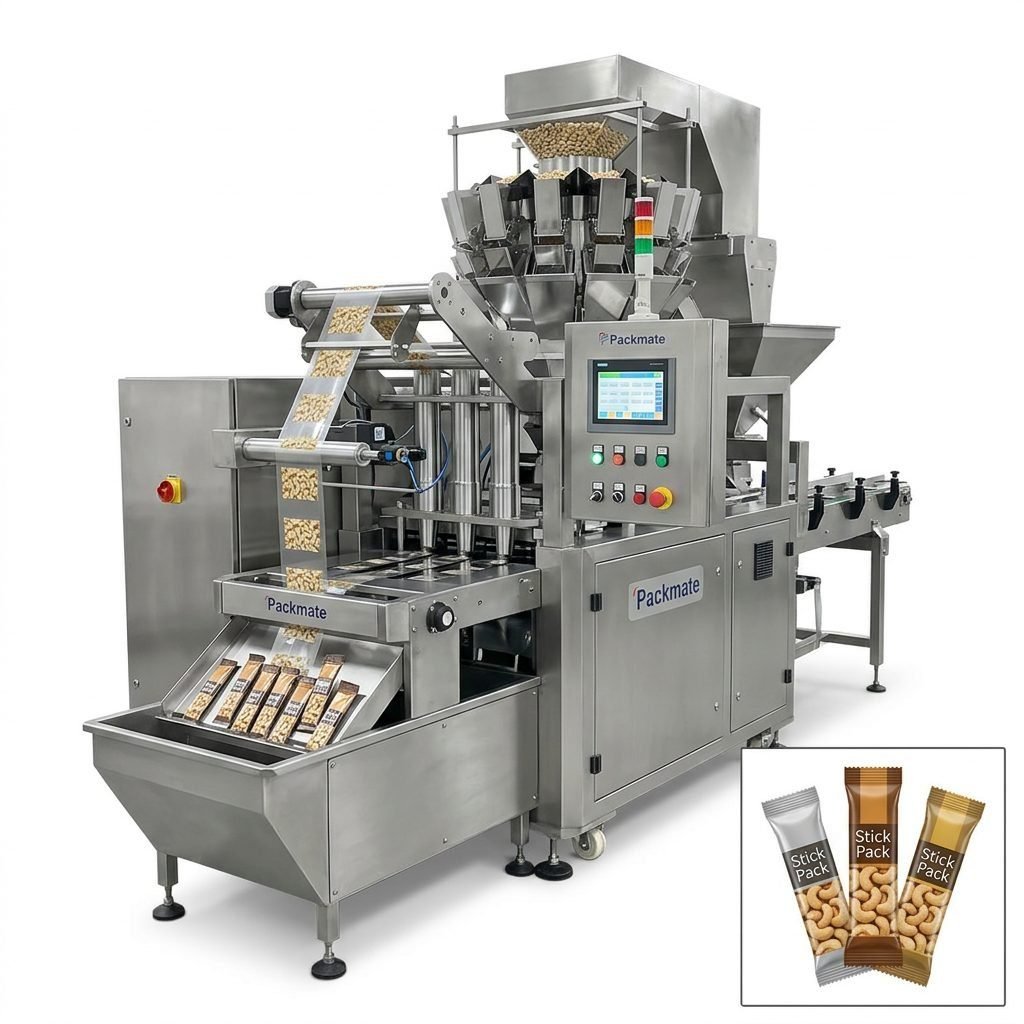
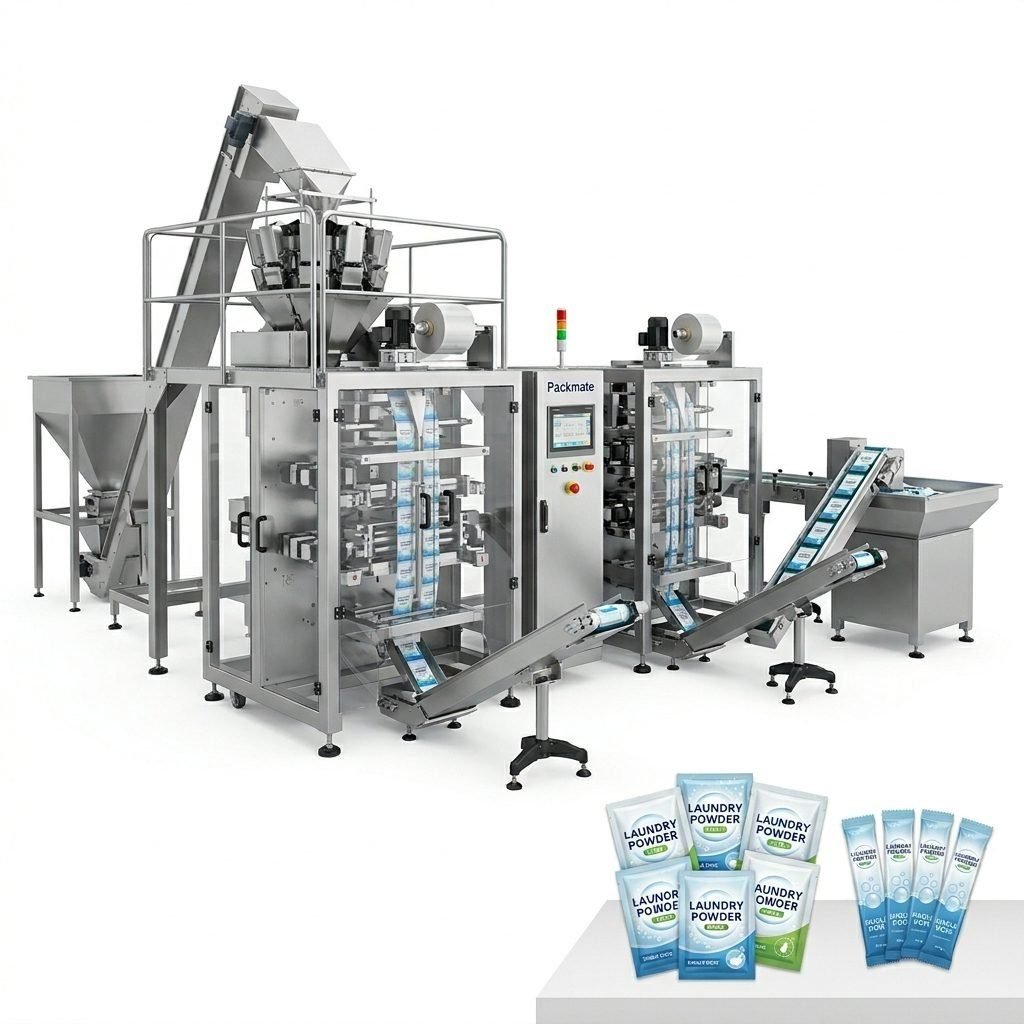
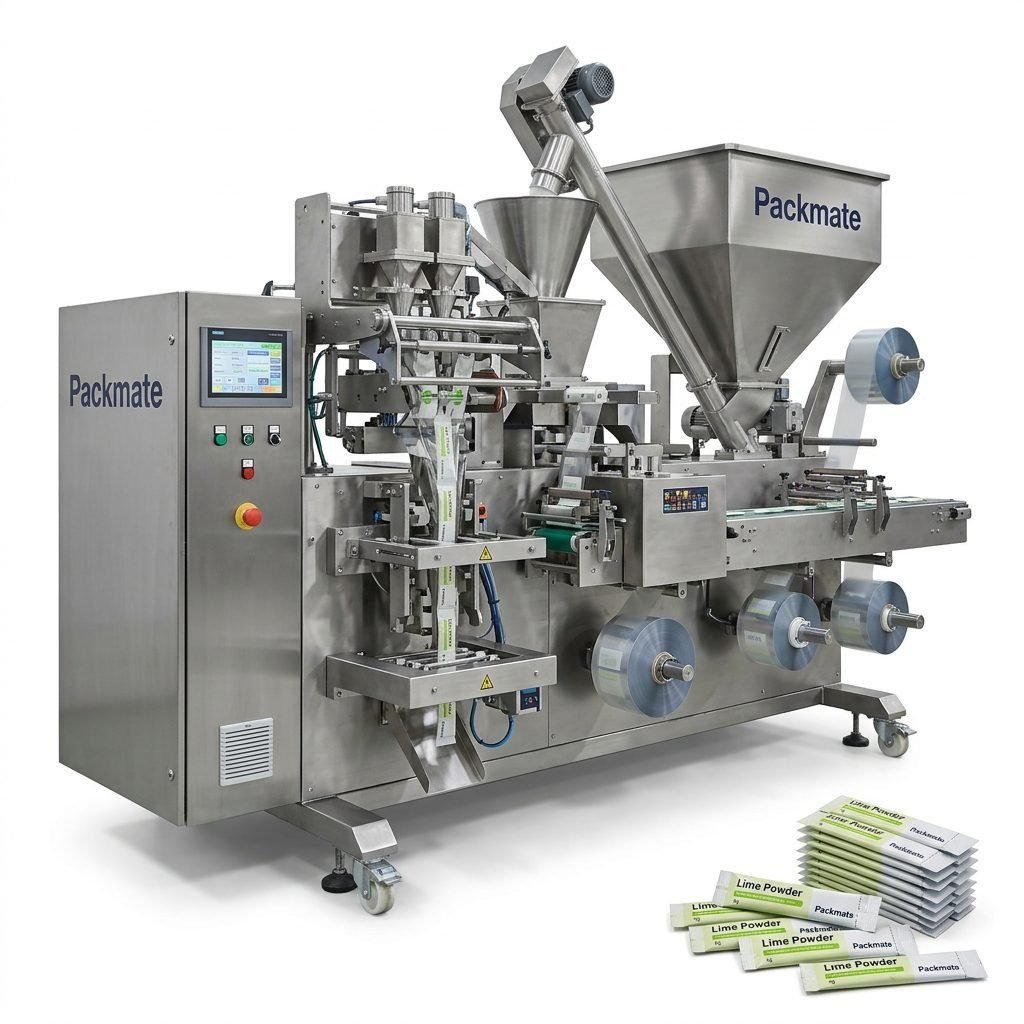
- Vertical Form-Fill-Seal (VFFS) Machines: Ideal for loose items like nails or screws. They form a bag from a roll of film, fill it with a pre-measured volume or count, and seal it—all in one continuous motion.
- Horizontal Flow Wrappers: Used for bundling multiple items or placing products in pre-formed trays before wrapping in film, excellent for tool sets or boxed hardware.
- Cartoning Machines: Automatically erect cardboard cartons, insert products (often with manuals or accessories), and seal them. Crucial for retail-ready packaging.
- Robotic Pick-and-Place Systems: Utilize robotic arms with vision systems to gently handle irregular or delicate components and place them precisely into packaging.
- Counting and Weighing Systems: Integrated scales or advanced counters ensure every package contains the exact number or weight of components, critical for inventory and customer trust.
Evaluating Top Automatic Hardware Packaging Machine Manufacturers
Choosing a manufacturer is a significant investment. Beyond the machine itself, you are selecting a long-term partner for support, parts, and potential future upgrades. Here are the core criteria for evaluation:
1. Industry Experience and Specialization
Look for manufacturers with a proven track record in the hardware or industrial components sector. Their experience translates into an understanding of your specific pain points—whether it’s packaging abrasive materials, preventing small part loss, or creating durable seals for heavy bags. A company like Packmate Machinery, with decades in packaging various solid products, exemplifies deep practical knowledge that informs machine design.
2. Machine Robustness and Customization
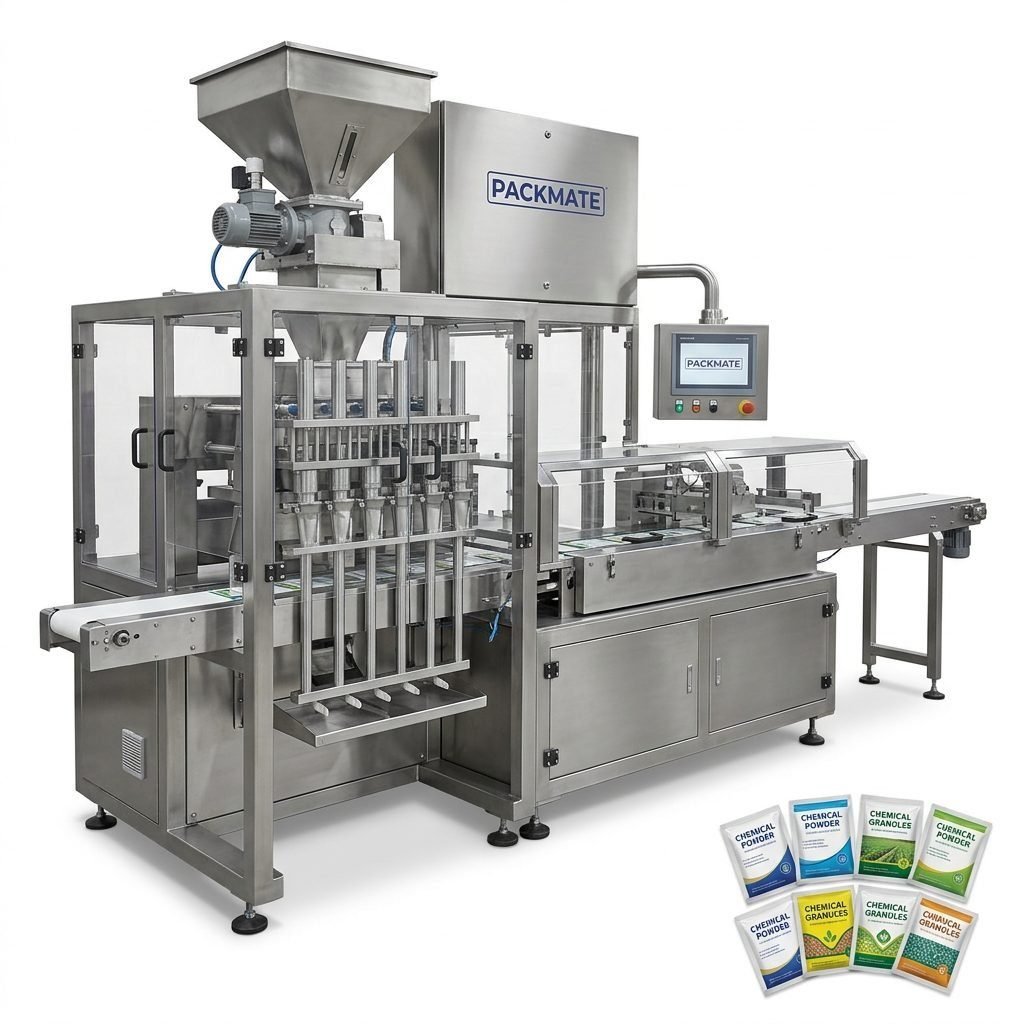
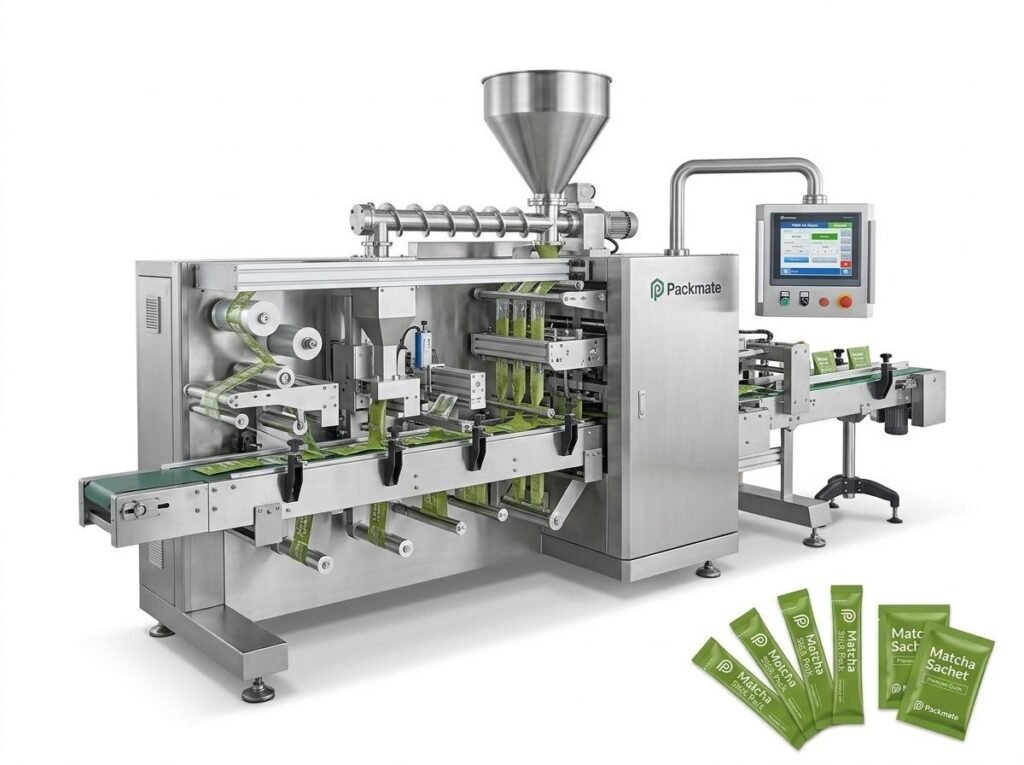
Hardware packaging is demanding. Machines must be built with heavy-duty frames, wear-resistant contact parts, and powerful drives. The best manufacturers offer modular designs that can be customized. Can the machine handle your specific part size and weight? Can it integrate with your existing production line? Explore their range of bag and pouch packaging machines to see examples of adaptable solutions.
3. Innovation and Technological Edge
The packaging landscape evolves. Leading manufacturers invest in R&D to improve speed, precision, and smart features. Look for integration of IoT for predictive maintenance, user-friendly HMI touchscreens, and energy-efficient drives. A commitment to innovation ensures your investment remains viable for years.
4. Global Support and Service Network
A machine is only as good as the support behind it. Evaluate the manufacturer’s installation, training, and after-sales service. Do they have service engineers or partners in your region? What is the warranty period, and how quickly can they supply spare parts? A global presence, like that demonstrated through global exhibitions and international clientele, often indicates a robust support structure.
The Manufacturing Powerhouse: A Closer Look at Capabilities
When assessing manufacturers, delve into their production capabilities. A strong manufacturer operates from a substantial, modern facility. For instance, Packmate (GuangDong) Co., Ltd. operates from a 20,000㎡ manufacturing facility equipped with advanced production and testing lines. This scale allows for stringent quality control at every stage, from machining parts to final assembly and testing. It also signifies the capacity to handle large orders and maintain consistent production quality, which is crucial for your supply chain reliability.
Implementation and Maximizing Your ROI
Purchasing the machine is the first step. Successful implementation is key to realizing a return on investment.
- Site Audit and Planning: Reputable manufacturers often offer pre-sales consultations to audit your facility and plan the integration.
- Comprehensive Training: Ensure operators and maintenance staff receive thorough, hands-on training from the supplier.
- Start with a Pilot or Specific Line: Consider automating one packaging line first to measure gains and work out processes before full-scale rollout.
- Leverage Data: Use the machine’s data output (counts, downtime reports) to identify bottlenecks and further optimize your overall production flow.
For complex projects, inquire about complete filling and packaging lines, where the manufacturer can provide a synchronized system from filling to cartoning, ensuring seamless operation.