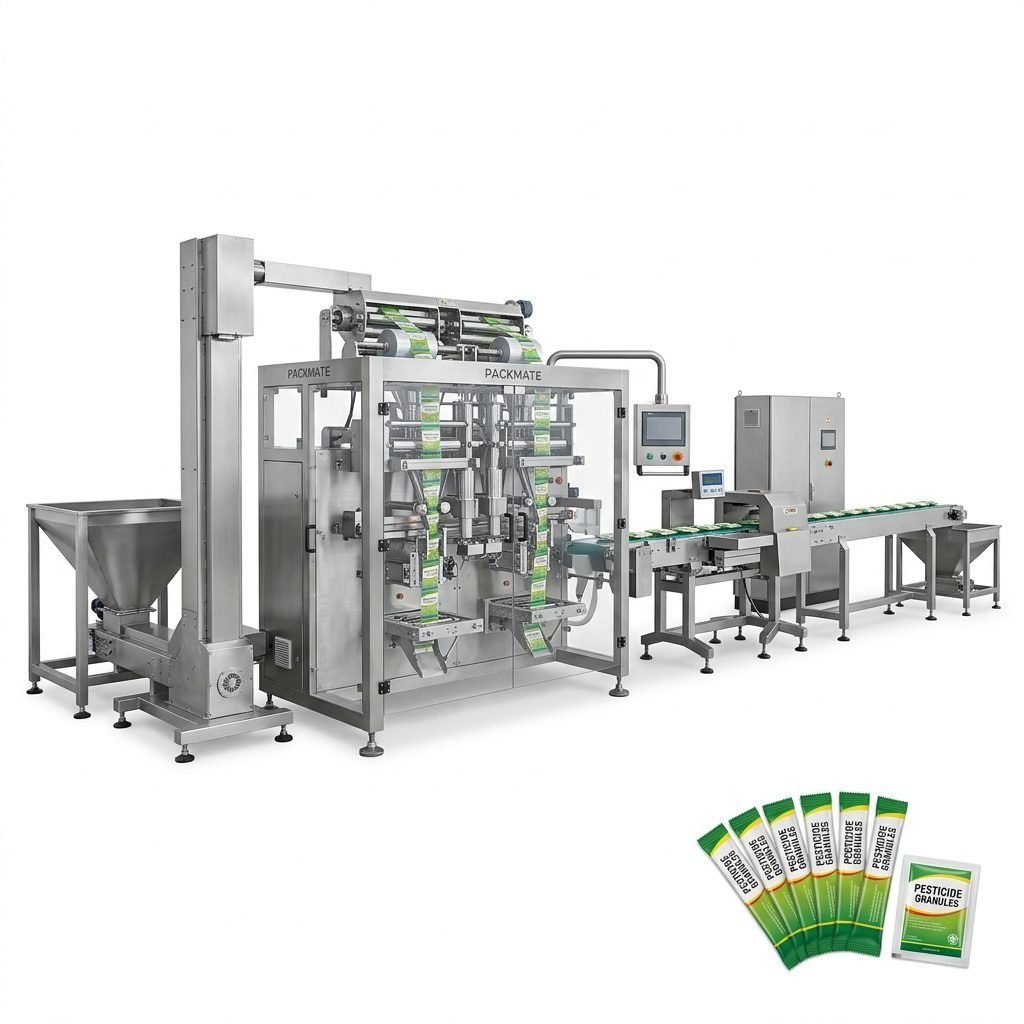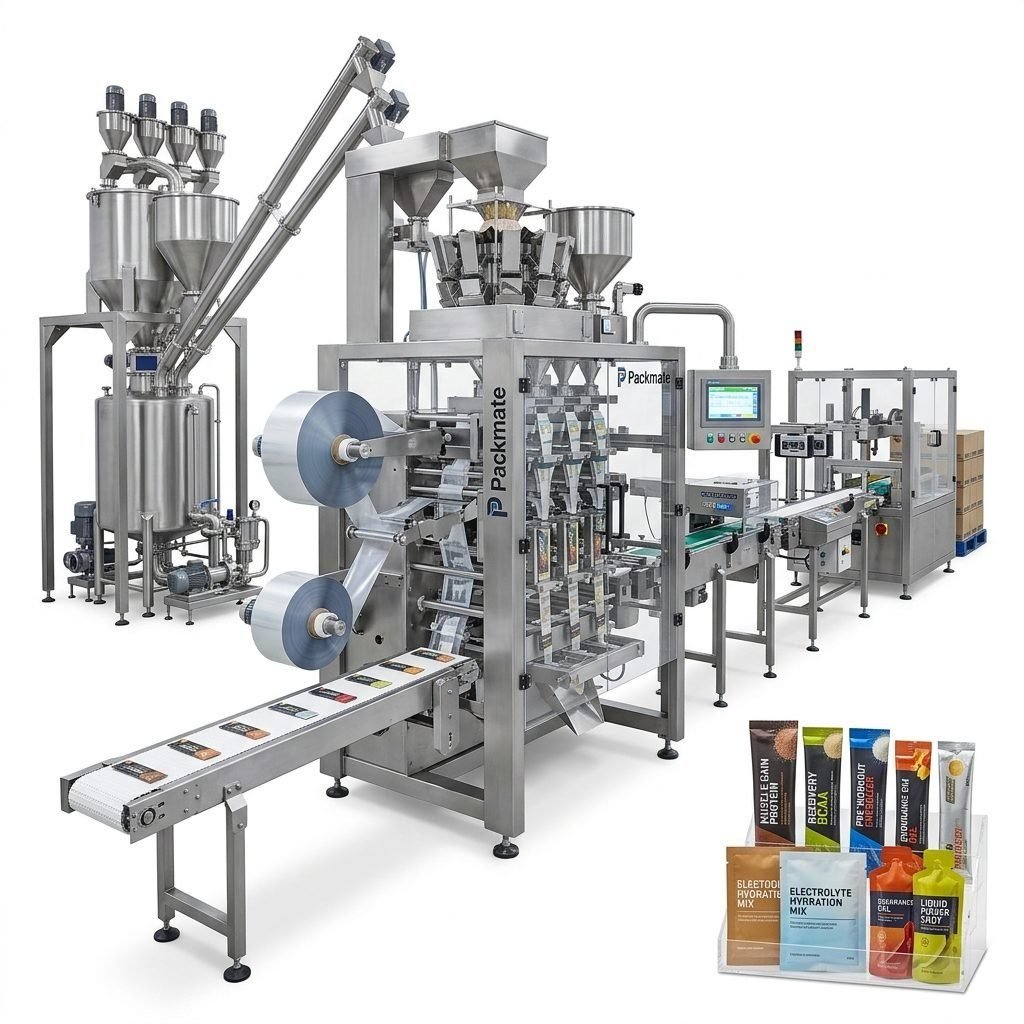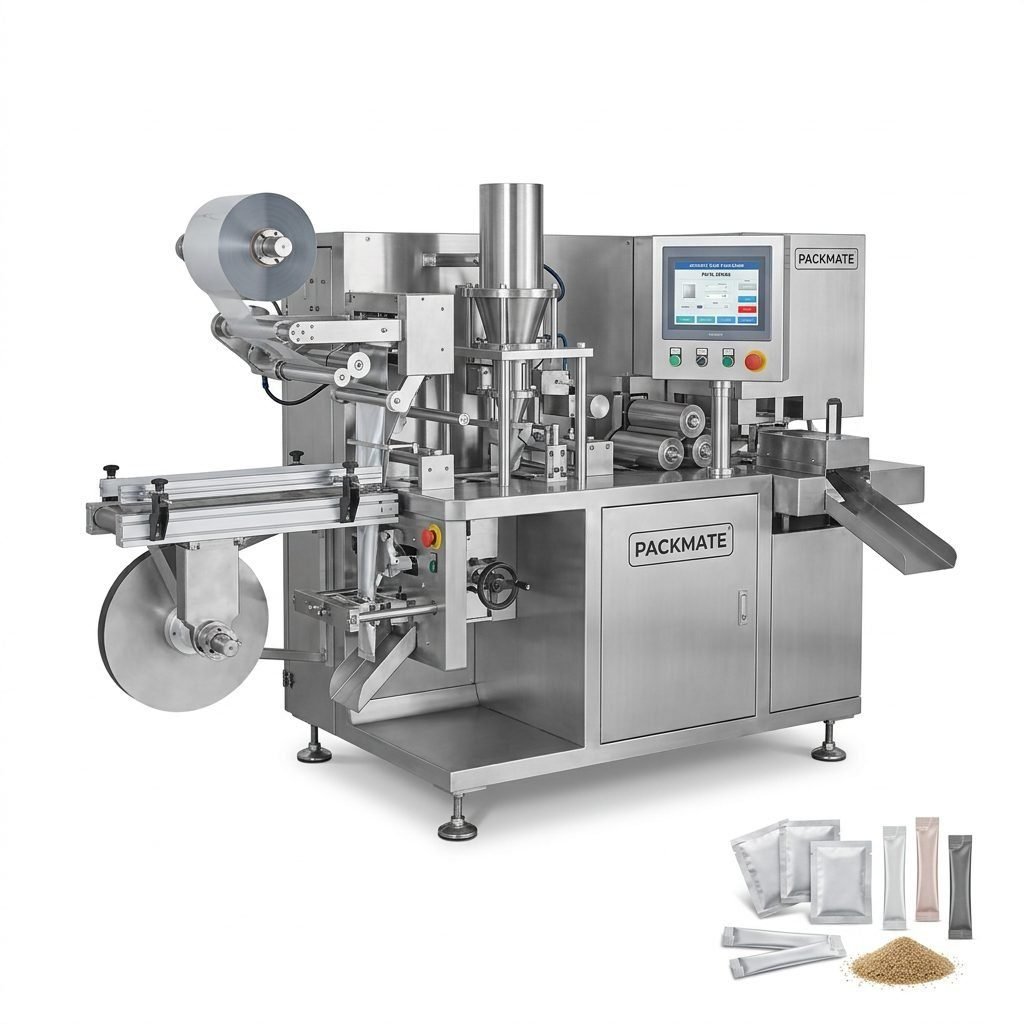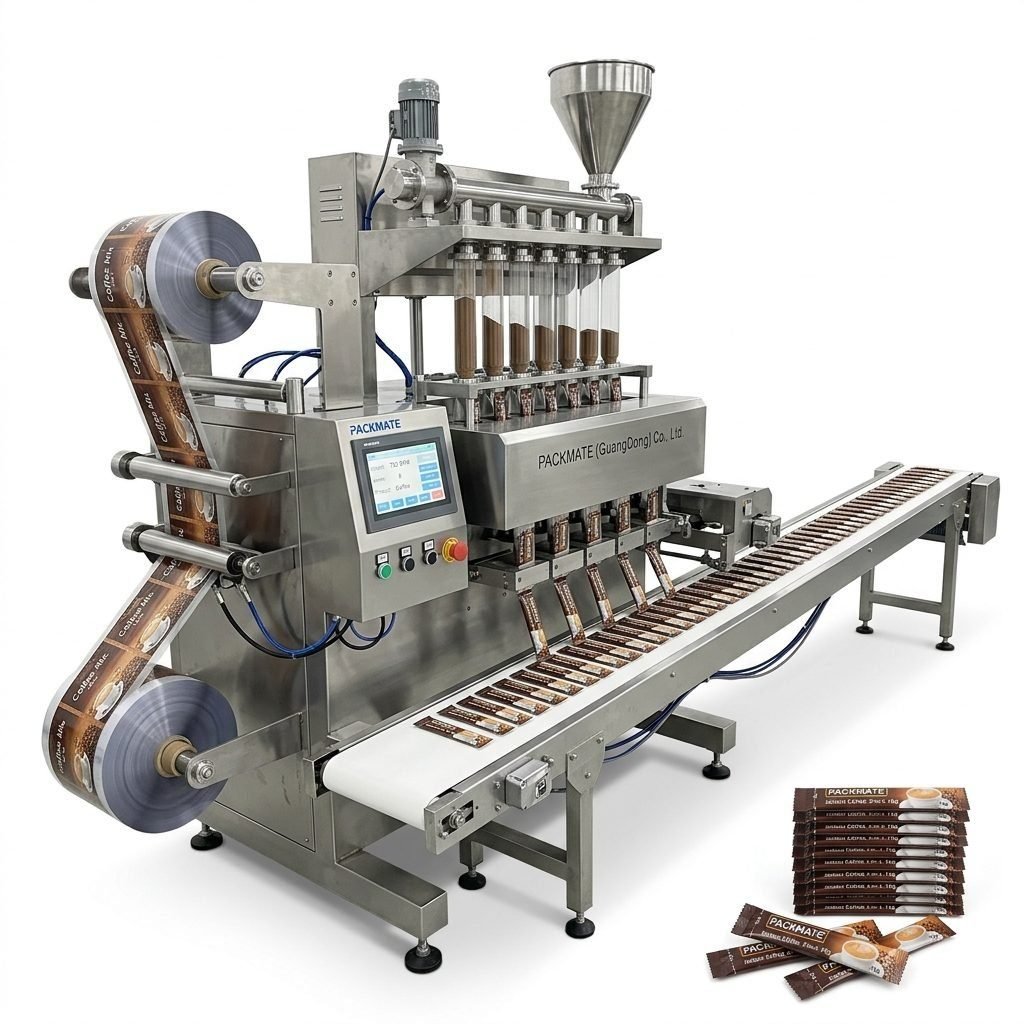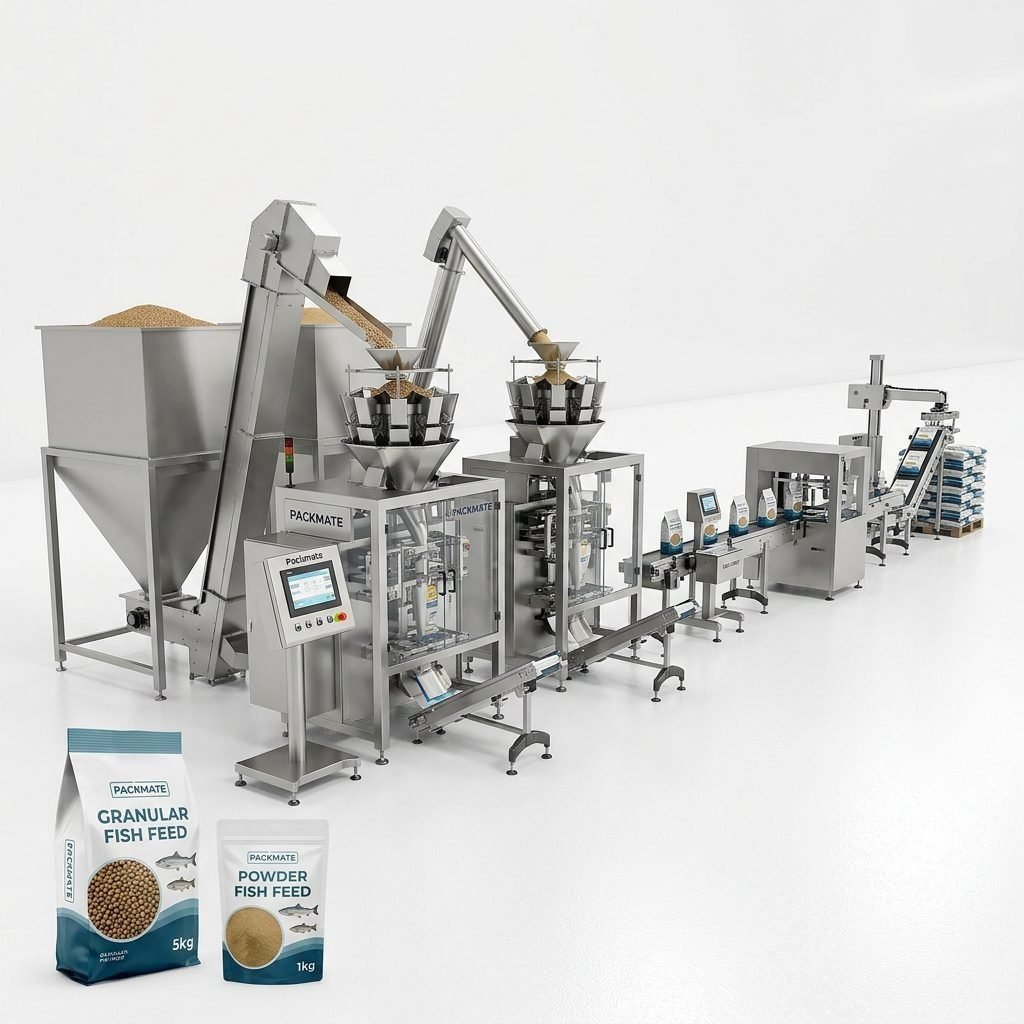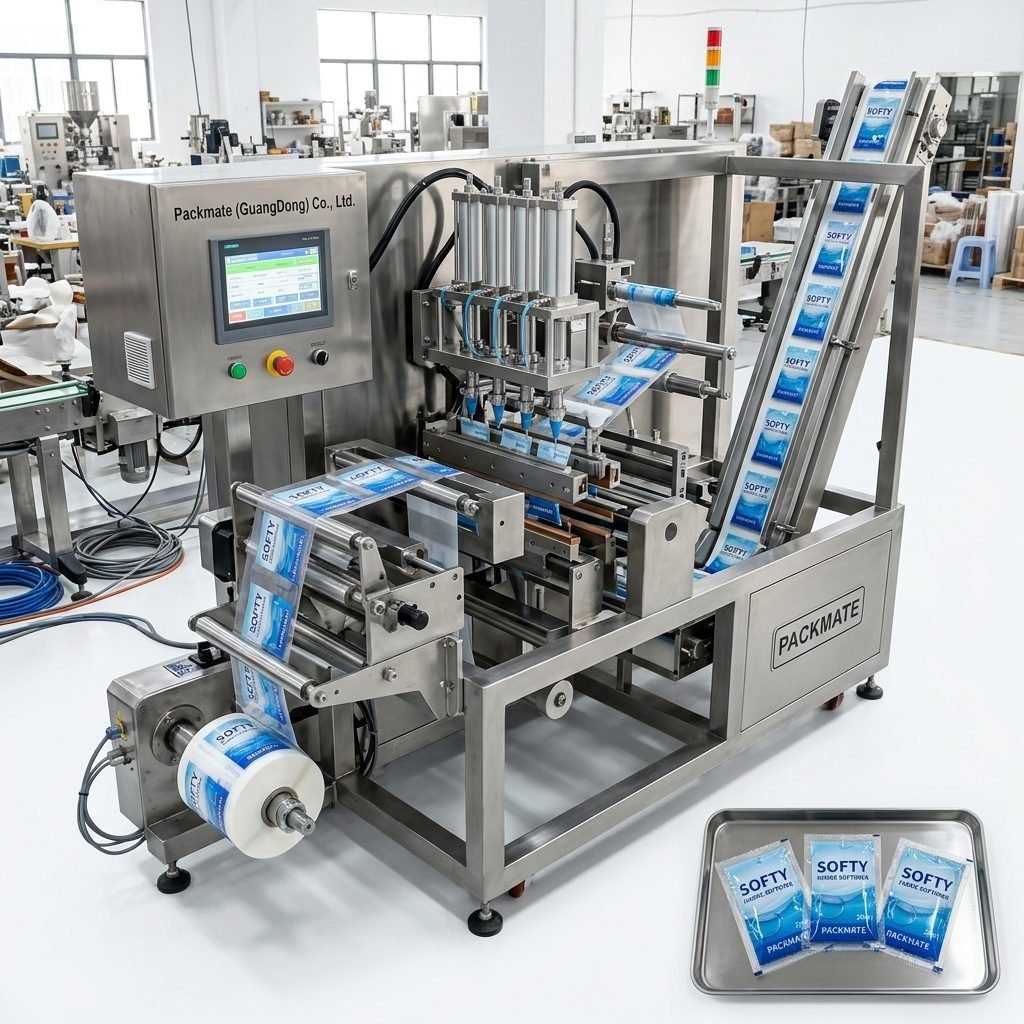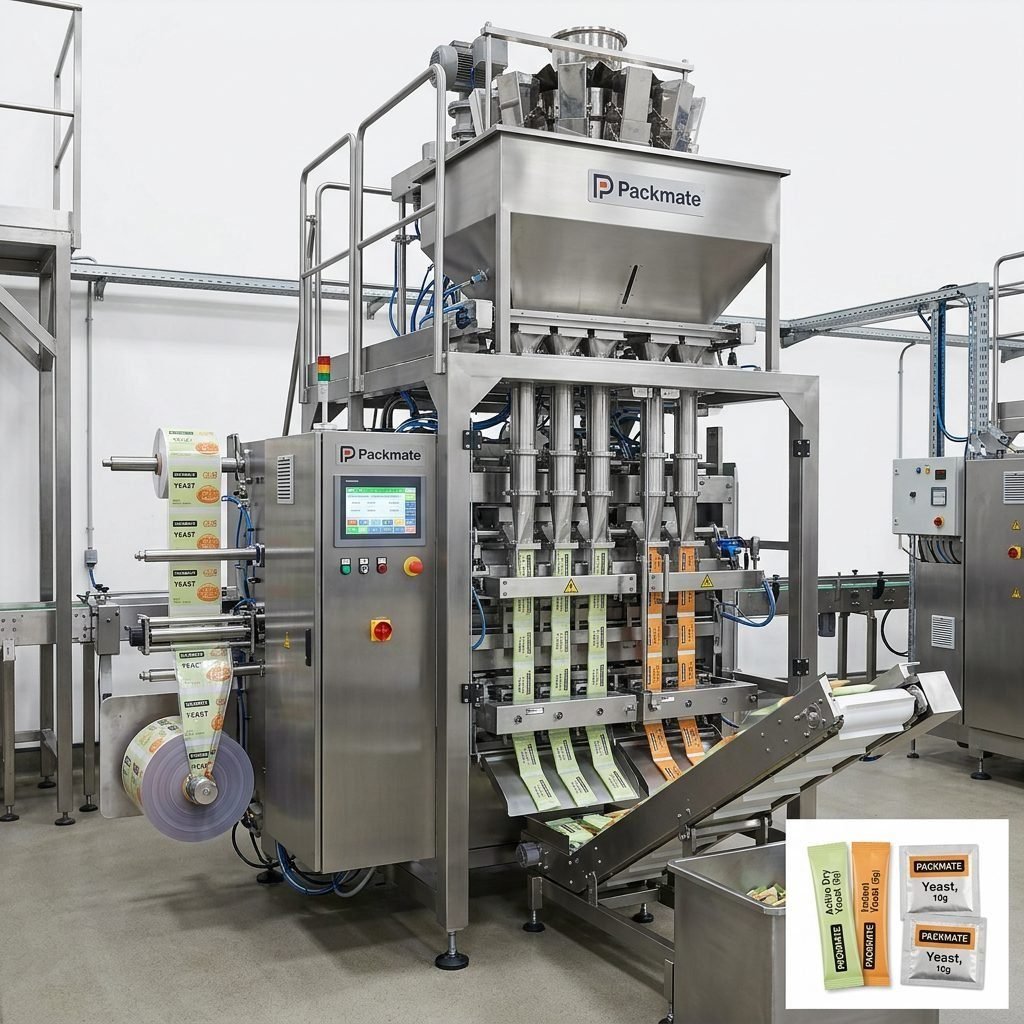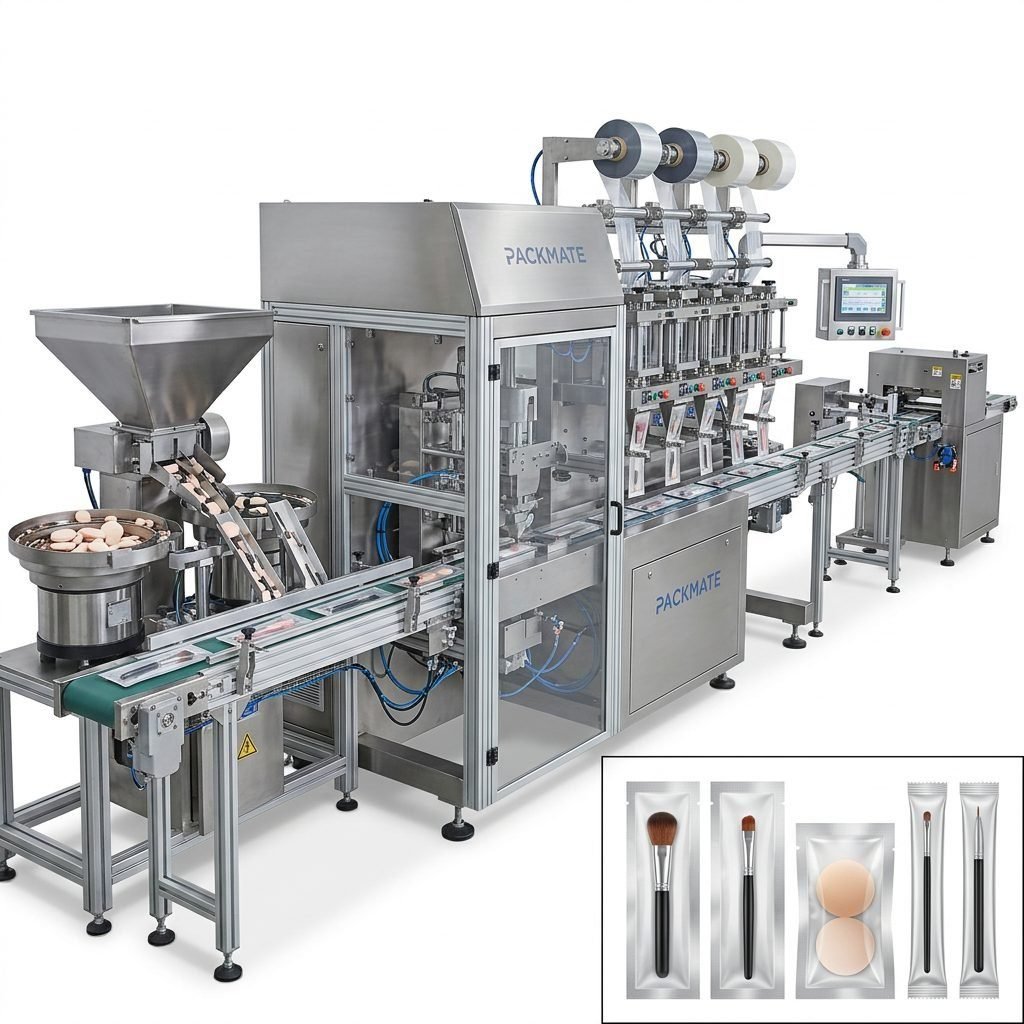
In the fast-paced world of food, pharmaceutical, and health product manufacturing, efficiency and precision are paramount. The cornerstone of achieving this lies in the packaging process, specifically the machinery used to portion and seal products. Feed packaging machines are the specialized equipment designed to automate the handling, measuring, and packaging of various feed forms—from granules and powders to liquids and pastes. This guide delves deep into the world of these machines, exploring their types, significant benefits, and crucial factors to consider before making an investment, ensuring your production line is equipped for success.
Understanding Feed Packaging Machines
At their core, feed packaging machines are automated systems that measure a predetermined amount of product from a bulk supply (the “feed”) and dispense it into a packaging format. This process replaces manual scooping and weighing, dramatically increasing speed, accuracy, and hygiene. These machines are integral to creating consistent, market-ready packages, whether they are small sachets for condiments, stick packs for supplements, or larger pouches for powdered drinks. The evolution of this technology, driven by companies with decades of experience like Packmate Machinery, has transformed packaging from a labor-intensive task into a streamlined, high-output operation.
Key Takeaway: The primary function of a feed packaging machine is to automate the precise measurement and transfer of product from a hopper or bulk container into the final packaging, ensuring each unit is identical and free from contamination.
Primary Types of Feed Packaging Machines
The market offers a diverse range of feed packaging machines, each tailored to specific product characteristics, packaging styles, and production volumes. Choosing the right type is the first critical step.
Volumetric Cup Fillers
These machines use precisely calibrated cups to scoop and dispense a consistent volume of product. They are ideal for free-flowing granules and powders like coffee, sugar, or spices. Their simplicity makes them cost-effective and easy to maintain for many standard applications.
Auger Fillers
Auger fillers employ a rotating screw (auger) within a tube to move product from the hopper to the discharge point. They excel at handling fine powders, non-free-flowing products, and sticky substances such as flour, protein powder, or cosmetic creams. They offer excellent accuracy and are highly adjustable for different fill weights.
Liquid & Paste Fillers
Designed for viscous products, these machines use piston pumps, peristaltic pumps, or gravity to dispense liquids, oils, sauces, and pastes. Precision is critical here to avoid spillage and ensure exact fill levels in bottles, sachets, or tubes.
Multi-Lane & High-Speed Machines
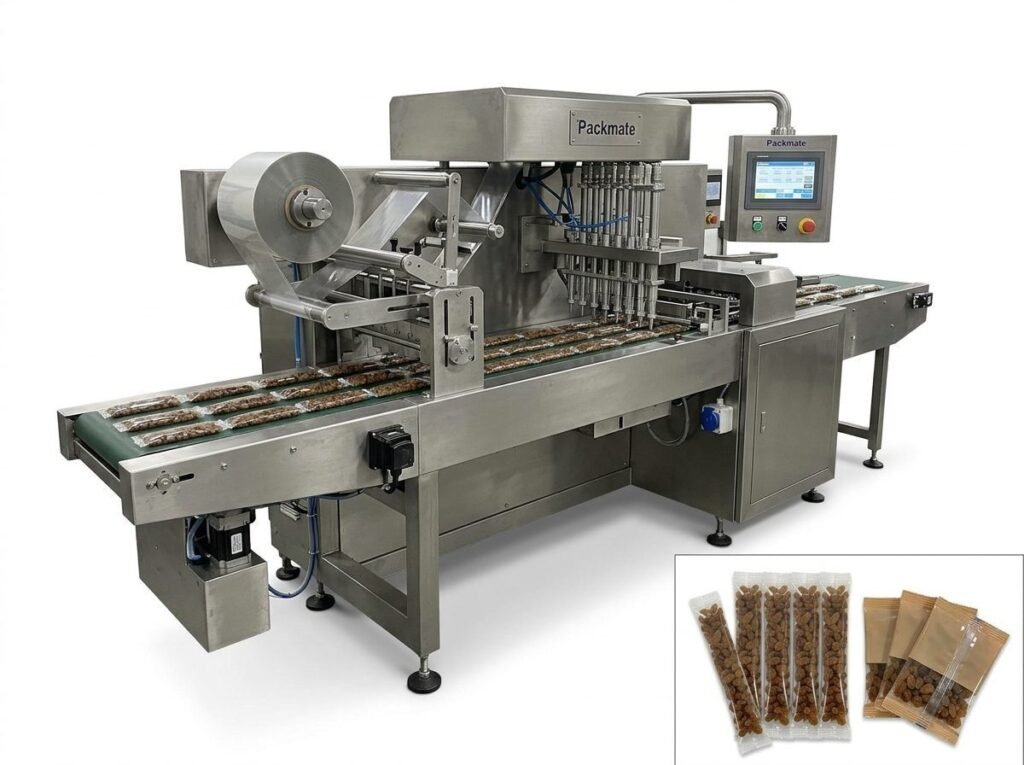
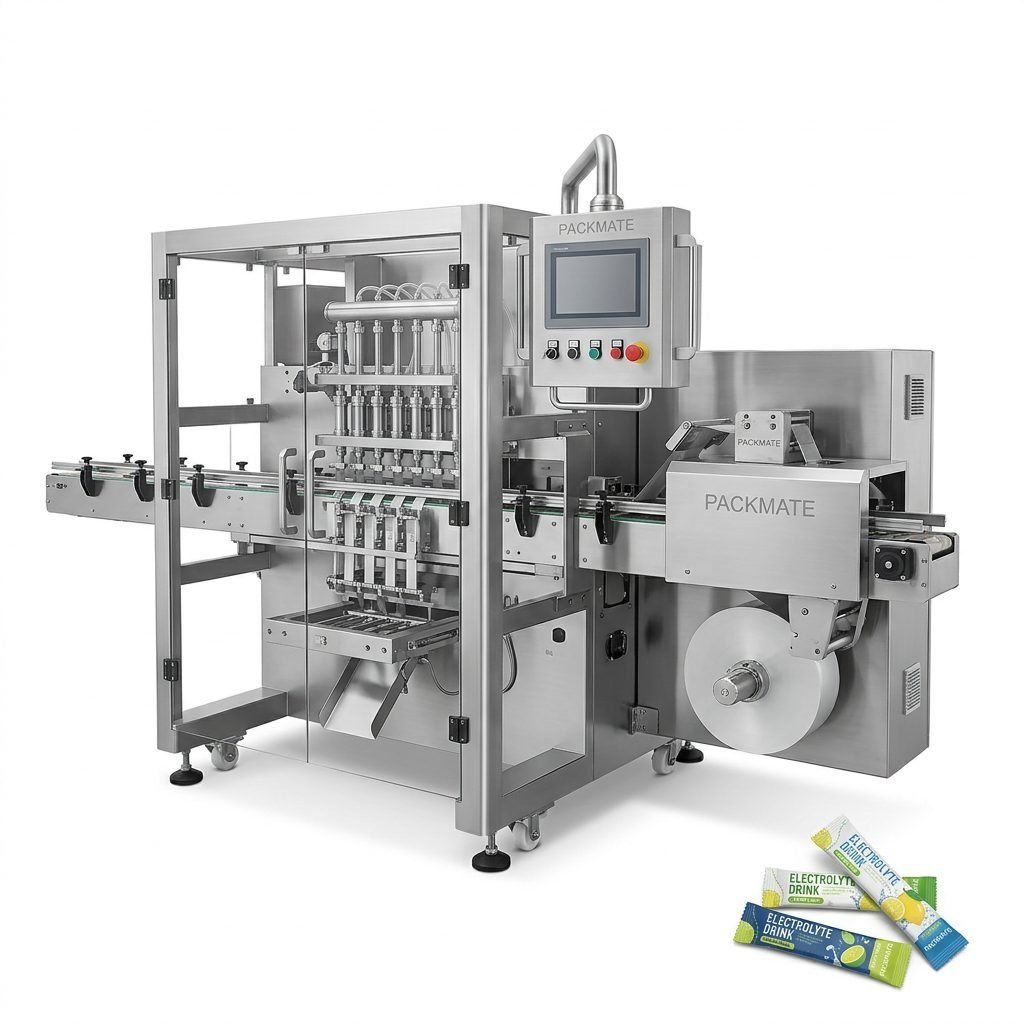
For large-scale production, multi-lane machines package multiple units simultaneously. A prime example is the multi-lane stick pack machine, which can produce dozens of sealed stick packs per minute. These systems represent the pinnacle of output efficiency for items like instant drink mixes, pharmaceutical powders, or single-serving condiments.
Integrated Weighing & Packaging Systems
For the utmost accuracy, especially with high-value products, systems combine multi-head weighers with packaging machines. The weigher dynamically measures the exact weight before the product is fed into the bag-making and sealing unit. Explore advanced weighing and packaging systems for applications where weight compliance is strictly regulated.
Tangible Benefits of Automating Your Feed Packaging
Investing in an automated feed packaging system goes beyond just speeding up production. The benefits permeate every aspect of your business operations.
Unmatched Speed and Increased Output: Machines operate continuously at a constant pace, far surpassing manual capabilities. This allows you to meet high market demand, fulfill large orders on time, and scale your production up effortlessly.
Superior Accuracy and Consistency: Human error in measurement is eliminated. Every sachet, pouch, or stick pack contains the exact same amount of product, which is crucial for maintaining brand trust, complying with net content regulations, and reducing costly product giveaways.
Enhanced Hygiene and Product Safety: Automated, enclosed systems minimize direct human contact with the product. This is a non-negotiable advantage in the food and pharmaceutical industries, reducing the risk of contamination and ensuring a safer product for the end consumer.
Significant Labor and Cost Savings: While requiring an initial investment, automation reduces long-term reliance on manual labor for repetitive tasks. This translates to lower labor costs, decreased training overhead, and the ability to reallocate human resources to more value-added roles like quality control and machine supervision.
Reduced Material Waste: Precise filling means less product spillage and overfilling. Combined with efficient packaging material handling, this leads to substantial savings on both raw product and packaging film over time, improving your overall profit margins.
The Packmate Advantage: Built on Experience
When evaluating machinery, the manufacturer’s pedigree matters. Packmate Machinery brings over 30 years of focused expertise to the table. Starting from a foundational passion for automation, the company has grown into a leader with a 20,000㎡ modern facility and a portfolio of over 50 machine models. This journey from a small workshop to a provider of complete turnkey packaging lines underscores a commitment to innovation and reliability that directly benefits the end-user through durable, well-engineered equipment.
Essential Buying Tips for Your Feed Packaging Machine
Selecting the right machine is a strategic decision. Here are key factors to guide your purchase.
1. Precisely Define Your Product and Packaging
This is the starting point. What is the physical form of your product (granule, powder, liquid)? What are its properties (flowability, abrasiveness, hygroscopicity)? Equally important is your desired final package: sachet, stick pack, pouch, or bag? The machine must be compatible with both.
2. Evaluate Your Required Production Capacity
Calculate your current and projected future output in packages per minute or hour. Don’t under-specify and create a bottleneck, but also avoid overpaying for excessive speed you won’t use. Consider shift patterns and potential business growth.
3. Prioritize Accuracy and Flexibility
Determine the acceptable weight or volume tolerance for your product. If you plan to run multiple products or package sizes, ensure the machine allows for quick changeovers with minimal tooling and adjustment time. Flexibility future-proofs your investment.
4. Assess Build Quality and Supplier Support
Inspect the construction materials (e.g., food-grade stainless steel contact parts). Research the manufacturer’s reputation, availability of spare parts, and quality of after-sales service, technical support, and operator training. A machine is a long-term partner.
5. Consider the Total Cost of Ownership (TCO)
Look beyond the initial purchase price. Factor in installation costs, energy consumption, maintenance requirements, and the potential cost of downtime. A slightly more expensive, robust machine from a reputable supplier like Packmate often has a lower TCO than a cheaper, less reliable alternative.
Frequently Asked Questions (FAQs)
Q1: What type of feed packaging machine is best for fine, non-free-flowing powder?
A: An auger filler is typically the best choice. Its screw mechanism provides positive displacement, effectively moving lightweight and cohesive powders that might bridge or clump in other types of fillers, ensuring consistent and accurate fills.
Q2: Can one machine handle both sachets and stick packs?
A: Generally, sachet and stick pack machines are designed for specific packaging formats due to different film path and sealing mechanisms. However, some advanced models from specialized manufacturers may offer convertible tooling or modules. It’s best to consult directly with suppliers like Packmate about your specific needs.
Q3: How important is after-sales service when buying this equipment?
A: It is critically important. Packaging machines are complex and require maintenance. Reliable access to spare parts, remote or on-site technical support, and thorough operator training are essential for minimizing unplanned downtime and ensuring the longevity and productivity of your machine.
Q4: What are the key hygiene features to look for in a machine for food products?
A> Prioritize machines with easy-clean designs: smooth, polished stainless steel surfaces, minimal crevices, and easily removable parts. Look for features like CIP (Clean-in-Place) capabilities, protective covers, and compliance with relevant food safety standards (e.g., FDA, EU regulations).
Q5: How can I estimate the potential ROI (Return on Investment) for a new feed packaging machine?
A> Calculate the savings from increased output (more units sold), reduced labor costs, and decreased product waste. Compare this to the total cost of the machine, installation, and operating expenses. Most reputable suppliers can help you model this based on your production data, demonstrating the machine’s payback period.