In the fast-paced world of fast food, efficiency isn’t just a goal—it’s the core of profitability and customer satisfaction. Every second saved in the kitchen translates to faster service, reduced operational costs, and a better bottom line. One of the most critical yet often overlooked areas for achieving this efficiency is the packaging stage, specifically for a menu staple: the hamburger. The right hamburger packaging machine can transform your back-of-house operations, ensuring consistency, speed, and hygiene from grill to guest.
Why Specialized Hamburger Packaging is Non-Negotiable
Simply wrapping a burger in paper is a task of the past. Modern fast-food demands require machines that do much more. A top-tier hamburger packaging machine preserves food temperature and freshness, prevents sogginess from condensation, and presents the product in an appealing, brand-consistent manner. More importantly, it automates a repetitive task, freeing up valuable staff for customer interaction and other critical duties. This automation directly tackles labor shortages and minimizes human error, ensuring every burger is wrapped perfectly, every time.
Key Features to Demand from Your Machine
When evaluating hamburger packaging machines, look for these essential features that separate adequate equipment from exceptional investments:
High-Speed Throughput: Machines should handle hundreds, if not thousands, of units per hour to keep up with peak demand.
Versatile Wrapping: The ability to handle different burger sizes, from sliders to double patty premiums, with quick changeover settings.
Hygienic Design: Constructed with food-grade stainless steel and designed for easy, thorough cleaning to meet strict health codes.
Integrated Safety Systems: Emergency stops, safety guards, and sensors to protect operators.
Minimal Downtime: Built with robust, reliable components and supported by accessible service and parts networks.
The Engine of Efficiency: Advanced Machine Types
The market offers several types of hamburger packaging machines, each suited to different operational scales and needs. Understanding these will guide you to the perfect fit for your restaurant or chain.
Automatic Flow-Wrap Machines
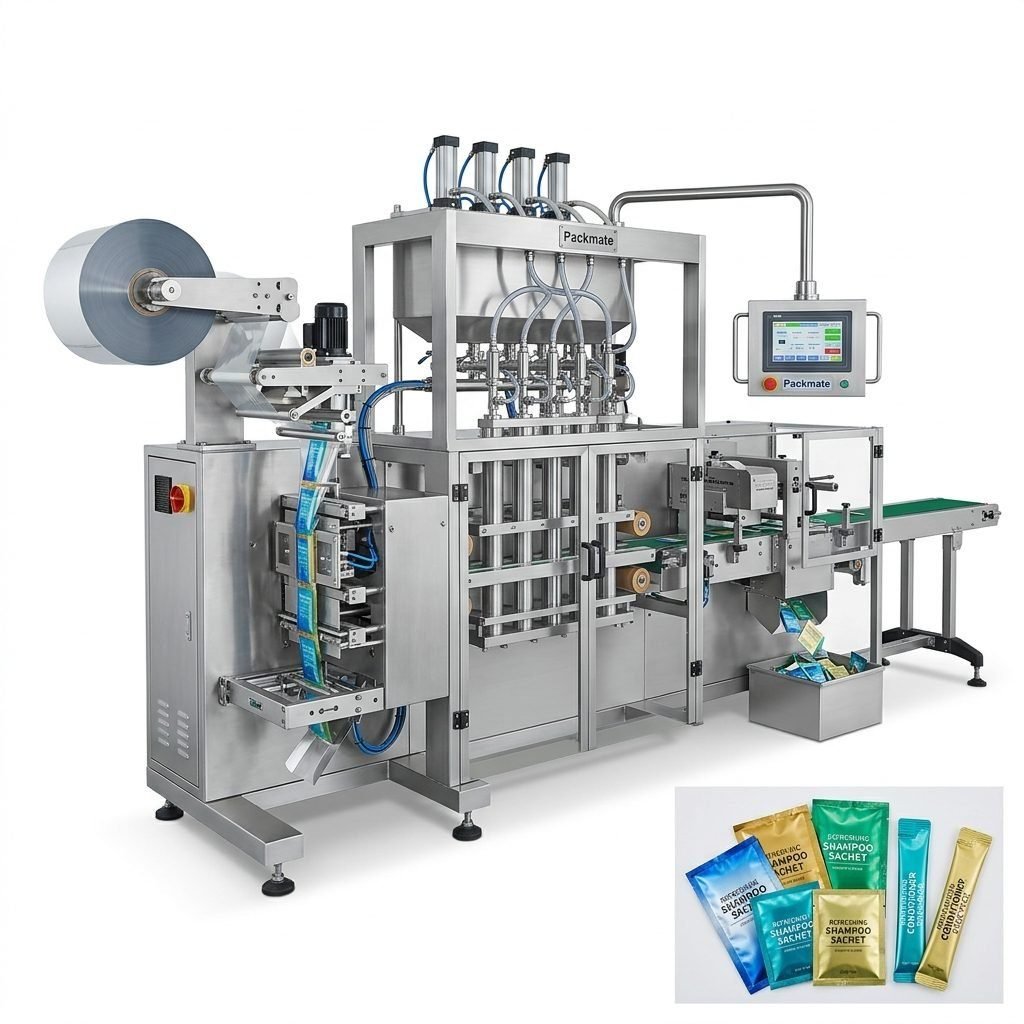
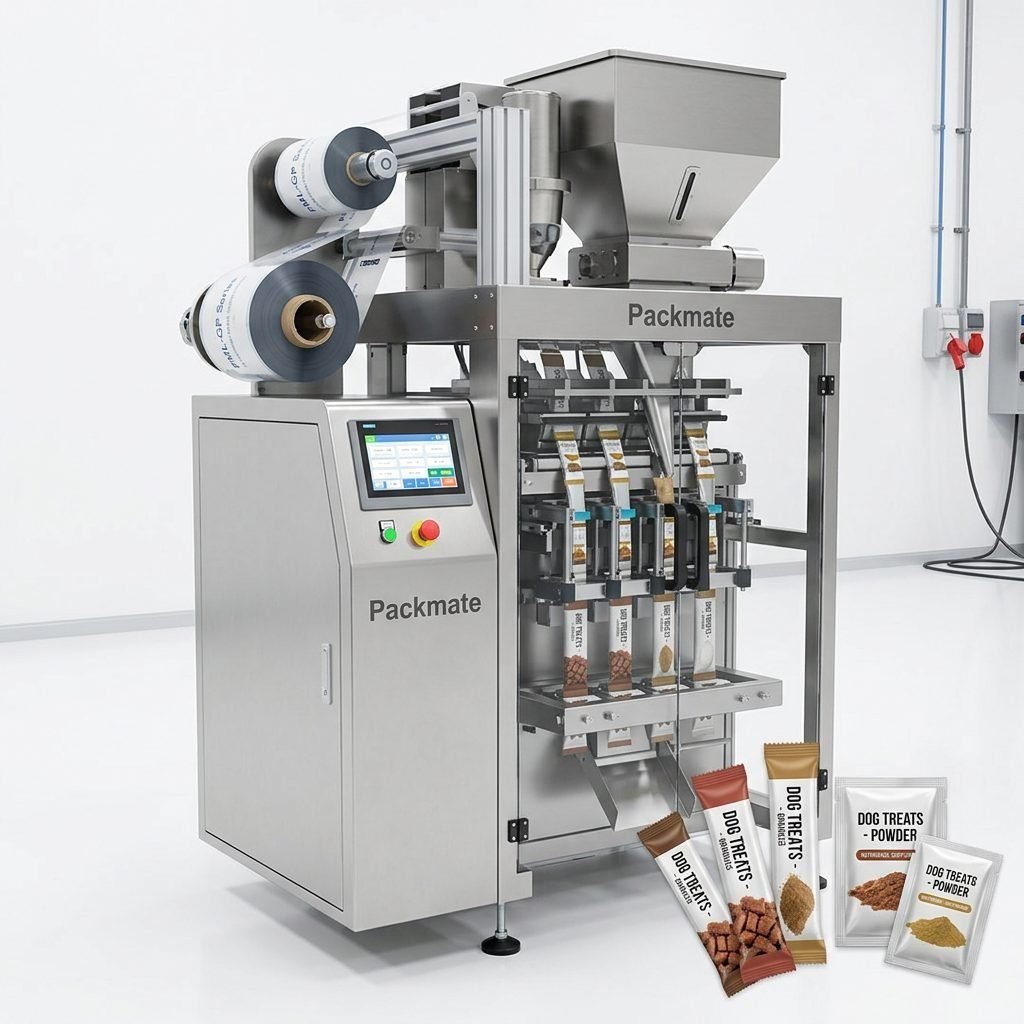
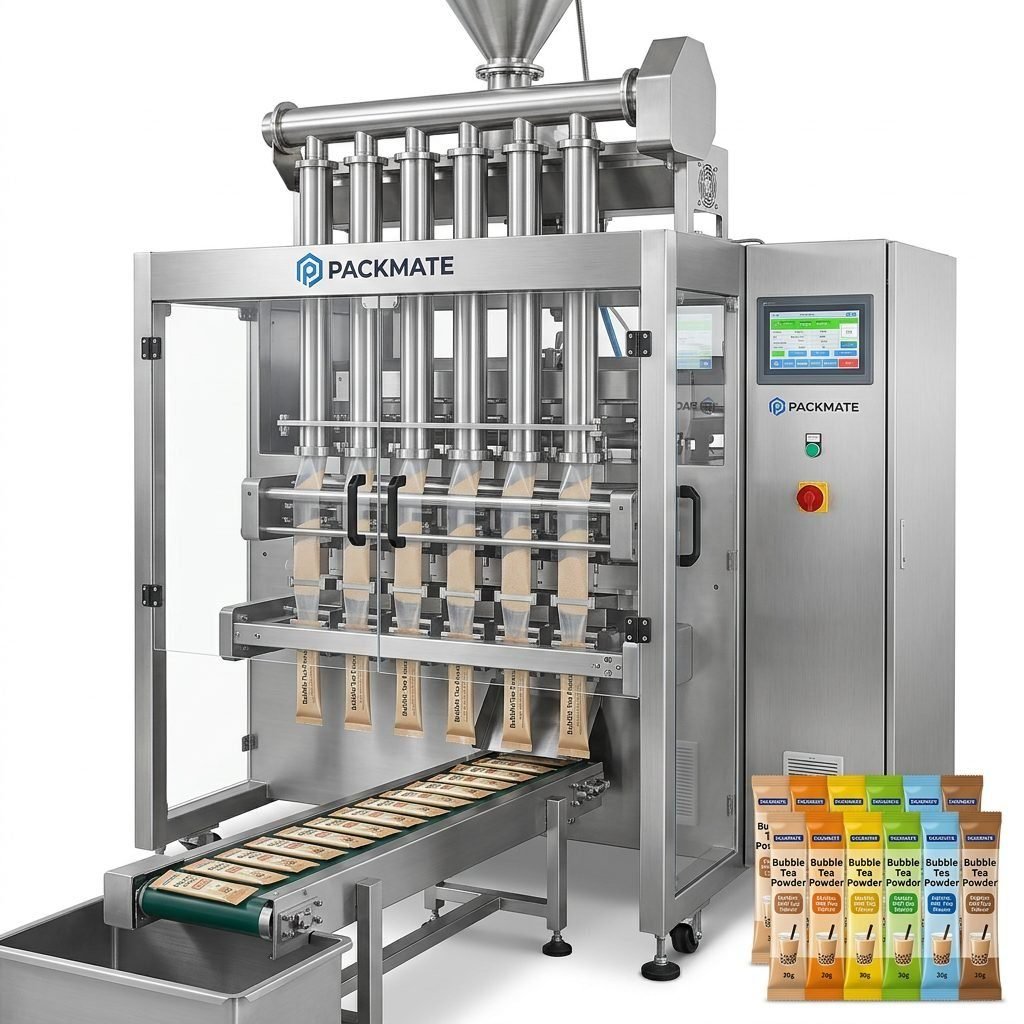
These are the workhorses of high-volume fast-food chains and central production kitchens. They automatically feed, wrap, and seal burgers in a continuous motion using a roll of packaging film. They offer the highest speed and consistency, ideal for standardizing output across multiple locations. For operations looking to scale, integrating such automation is a strategic move. Companies like Packmate Machinery specialize in creating such intelligent, high-speed packaging lines that can be tailored to specific food products.
Semi-Automatic Clamshell Sealers
Perfect for fast-casual restaurants or establishments with a diverse menu, these machines require an operator to place the burger into a pre-formed clamshell container. The machine then automatically applies a lid and heat-seals or secures it. This type offers excellent product presentation and protection, especially for burgers with generous toppings or sauces. It’s a significant upgrade from manual closing, ensuring a tamper-evident, leak-resistant seal every time.
Portion-Control & Integrated Weighing Systems
For the ultimate in operational control, some advanced systems integrate weighing and portioning directly before packaging. This ensures every burger patty meets exact weight specifications, controlling food costs with precision while automating the packaging step. This level of integration is often part of a larger weighing and packaging system, representing a significant investment that pays off through remarkable waste reduction and consistency.
Beyond the Burger: The Complete Packaging Ecosystem
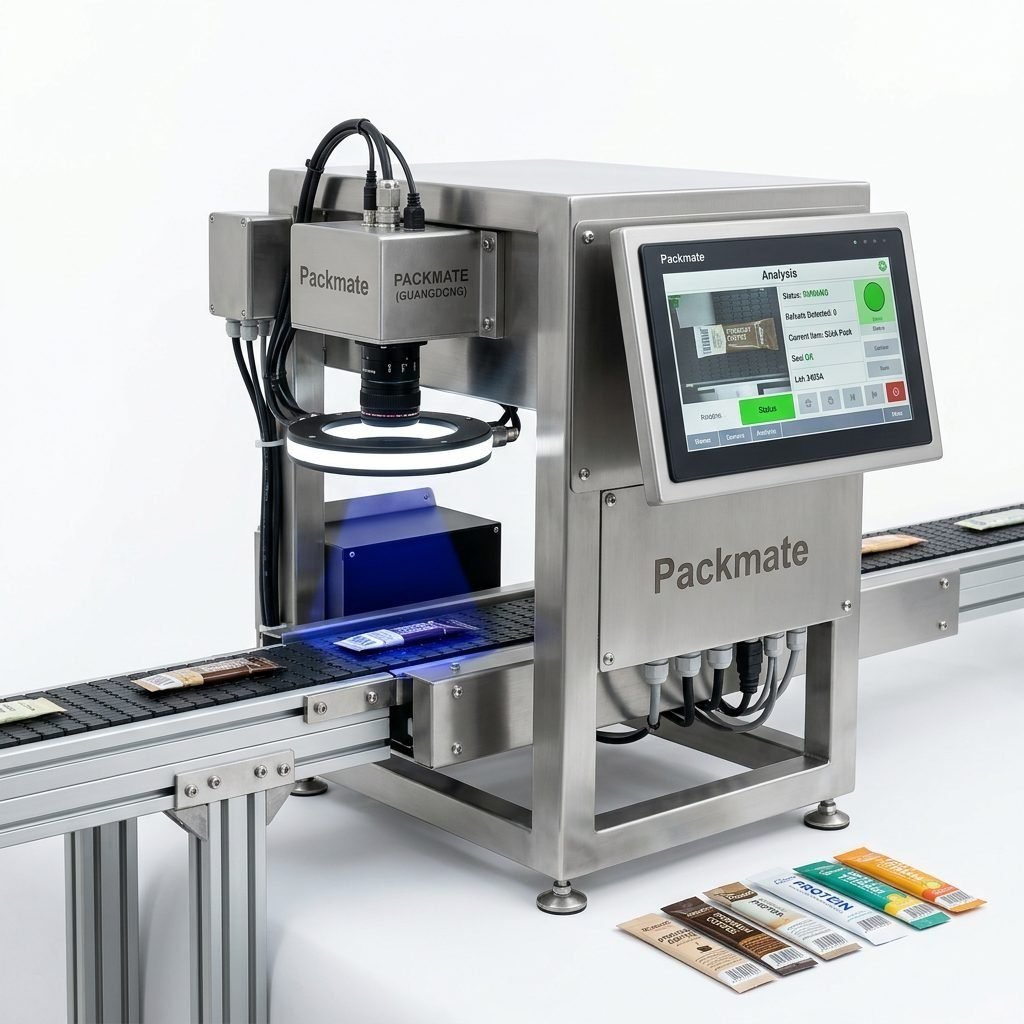
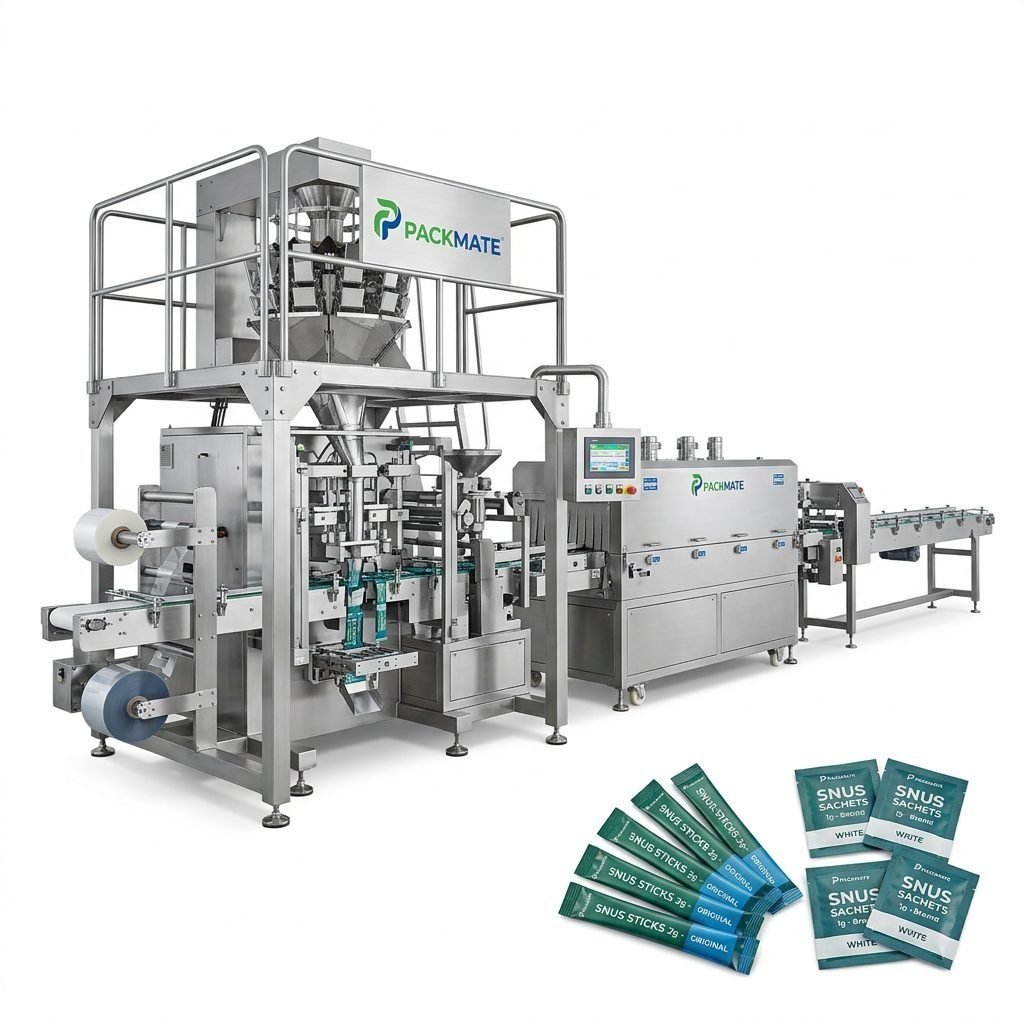
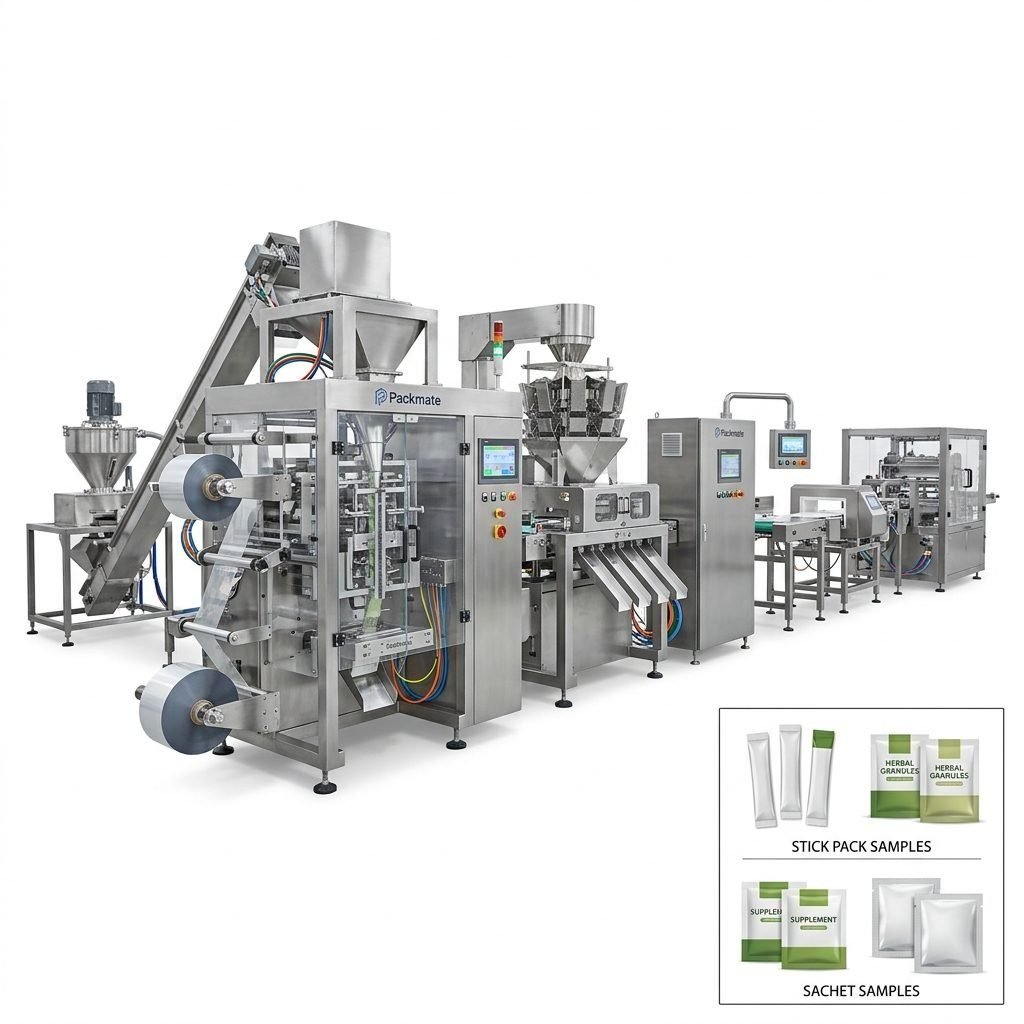
Efficiency rarely comes from a single machine operating in isolation. The true power is unlocked when your hamburger packager is part of a synchronized line. Consider how it interfaces with upstream equipment like patty formers and grills, and downstream systems like labeling, cartoning, or sorting. A complete filling and packaging line approach, designed as a cohesive unit, minimizes bottlenecks and maximizes throughput. Furthermore, don’t forget the critical role of auxiliary equipment like conveyors, metal detectors, and checkweighers, which ensure safety and quality control without slowing down the process.
Calculating Your Return on Investment (ROI)
Investing in an automated hamburger packaging machine is a strategic financial decision. The ROI is calculated not just on the price of the machine, but on the value it creates. Key factors include:
Labor Savings: Quantify the hours spent on manual wrapping. Automation can often reduce this labor by 70-90%, allowing staff reallocation.
Reduced Packaging Material Waste: Automated systems use film or containers more precisely than manual methods, cutting material costs by 5-15%.
Consistency in Food Costing: Precise wrapping and integrated portion control prevent “over-serving” of ingredients.
Enhanced Customer Satisfaction: Faster service and consistently well-presented food lead to repeat business and positive reviews.
Scalability: A machine that can grow with your business prevents costly reinvestment later.
Selecting the Right Partner for Your Packaging Needs
Choosing a machine is also about choosing a manufacturer. Look for a partner with a proven track record in the food industry, particularly with fast-food applications. They should offer robust after-sales support, training, and readily available spare parts. A manufacturer that provides a portfolio of case studies and the opportunity to see machines in operation is demonstrating transparency and confidence in their equipment. The goal is a long-term partnership that supports your growth.
Conclusion: Wrapping Up Success
The journey to fast-food efficiency is built on smart investments in technology. A top hamburger packaging machine is far more than a wrapper; it is a strategic tool that enhances speed, ensures quality, controls costs, and supports your brand. By carefully evaluating your needs, understanding the different machine types, and partnering with a reliable manufacturer, you can implement a solution that delivers immediate operational benefits and a strong return on investment, keeping your business competitive in a demanding market.
Frequently Asked Questions (FAQs)
1. How fast can a typical automatic hamburger packaging machine operate?
Speeds vary by model and complexity of the wrap, but modern automatic flow-wrap machines can typically package between 40 to 120 burgers per minute. High-speed models designed for large-scale production can even exceed this range. The key is to match the machine’s speed with your peak hourly output requirements.
2. Can one machine handle different sizes of burgers and sandwiches?
Yes, most semi-automatic and many automatic machines are designed with adjustable settings or quick-change tooling (like forming shoulders and sealing jaws) to accommodate a range of product sizes. It’s crucial to discuss your full product range with the supplier to ensure the machine’s versatility meets your menu needs.
3. What are the main maintenance requirements for these machines?
Daily cleaning of food contact surfaces is essential. Regular maintenance typically includes lubricating moving parts, checking and replacing worn seals or cutting blades, and ensuring sensors are clean and calibrated. A reputable supplier will provide a clear maintenance schedule and training for your staff.
4. How does automated packaging improve food safety and hygiene?
Automation minimizes direct human contact with the finished food product, reducing the risk of contamination. Machines built with smooth, food-grade stainless steel are easier to clean and sanitize thoroughly than complex manual stations. Many also operate within enclosed or hooded areas, further protecting the product.
5. Is the investment worthwhile for a single restaurant, or only for chains?
While chains benefit enormously from standardization, a single high-volume restaurant can also see a compelling ROI. The calculation depends on your current labor costs for wrapping, your volume, and your goals for consistency and speed. Semi-automatic machines offer an excellent entry point for independent restaurants seeking to upgrade their efficiency and presentation.