The global demand for hand sanitizer has surged, making efficient and reliable packaging a critical component of production lines. A hand sanitizer packaging machine is specialized equipment designed to fill, seal, and sometimes label containers with hand sanitizer liquid or gel. Choosing the right machine impacts your production speed, product integrity, and overall operational cost.
Main Types of Hand Sanitizer Packaging Machines
Selecting the appropriate machine depends on your container type, desired output, and product viscosity. Here are the primary categories:
Liquid Filling Machines
These are the most common for sanitizers. They accurately dispense liquid into bottles of various shapes and sizes. Sub-types include:
Gravity Fillers: Simple and cost-effective, using the force of gravity. Best for free-flowing, non-foaming liquids.
Piston Fillers: Highly accurate for thicker gels or creams. A piston draws a precise volume from a product hopper and dispenses it into the container.
Pump Fillers: Ideal for foamy liquids or products that cannot be exposed to air. They use a rotary or linear pump mechanism.
Automatic Bottling Lines
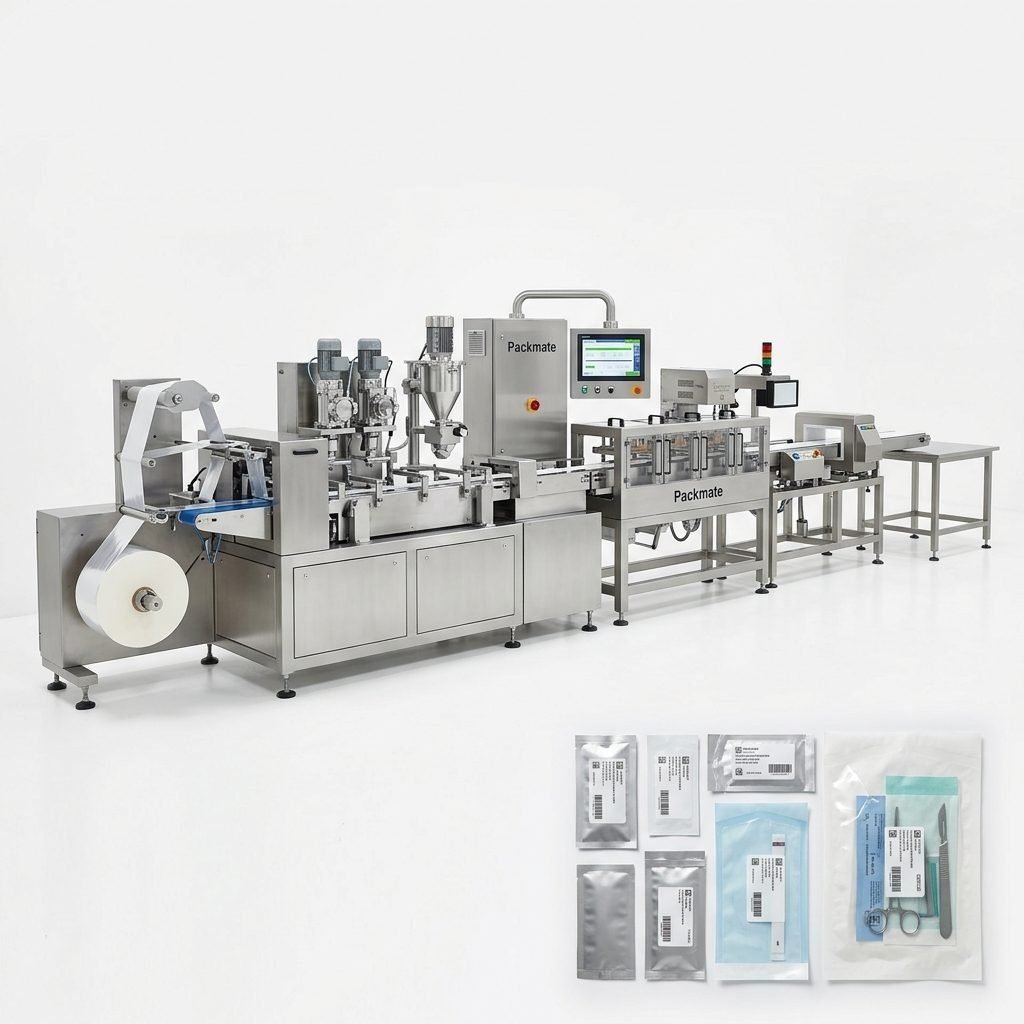
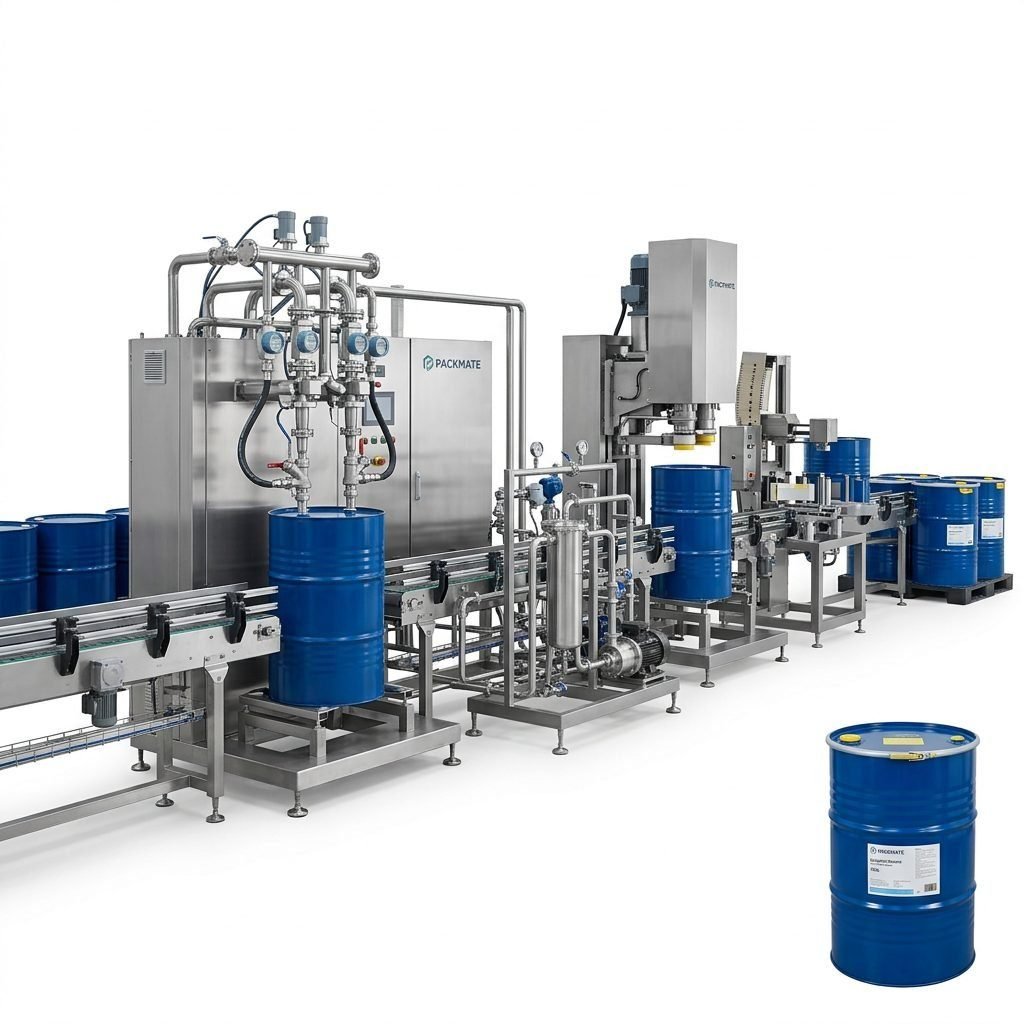
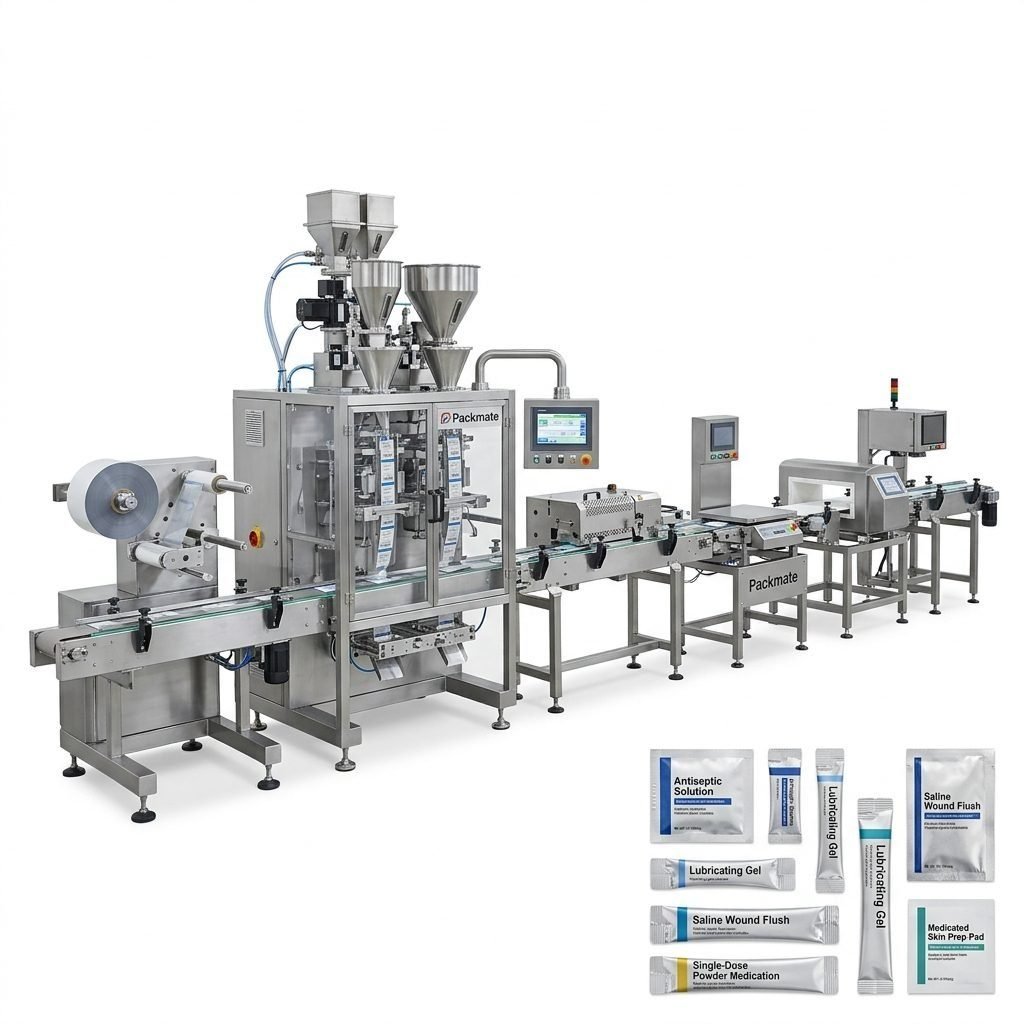
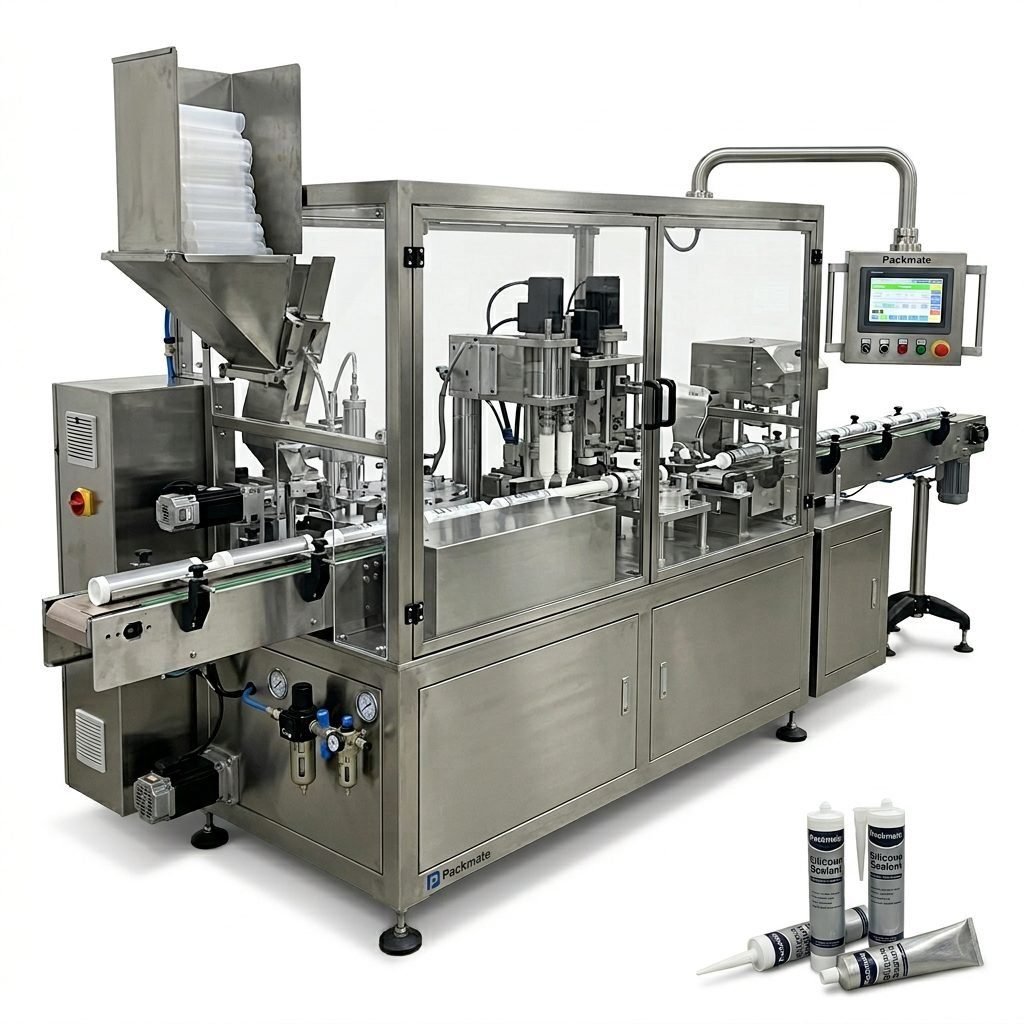
For high-volume production, an integrated line automates the entire process. A typical line from a supplier like Packmate’s filling & packaging lines might include an unscrambler, filler, capper, labeler, and conveyor system.
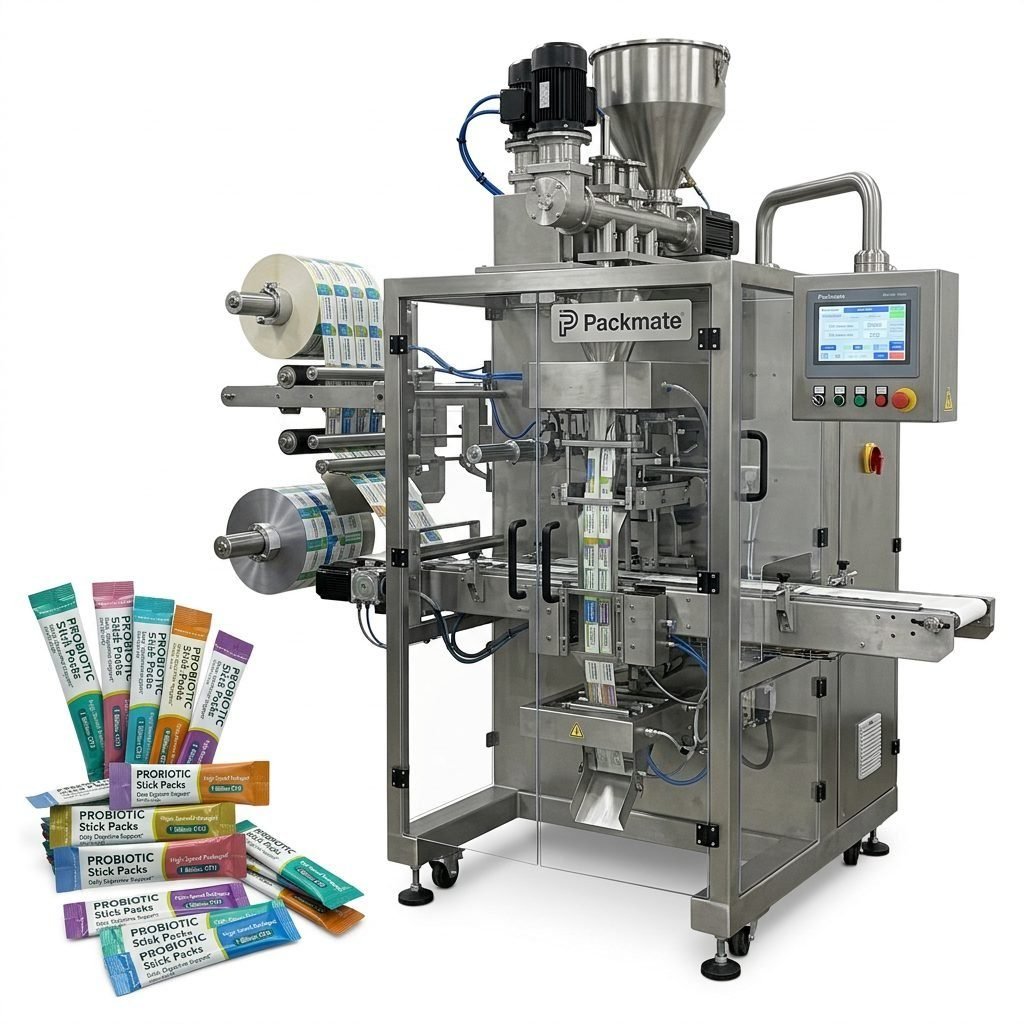
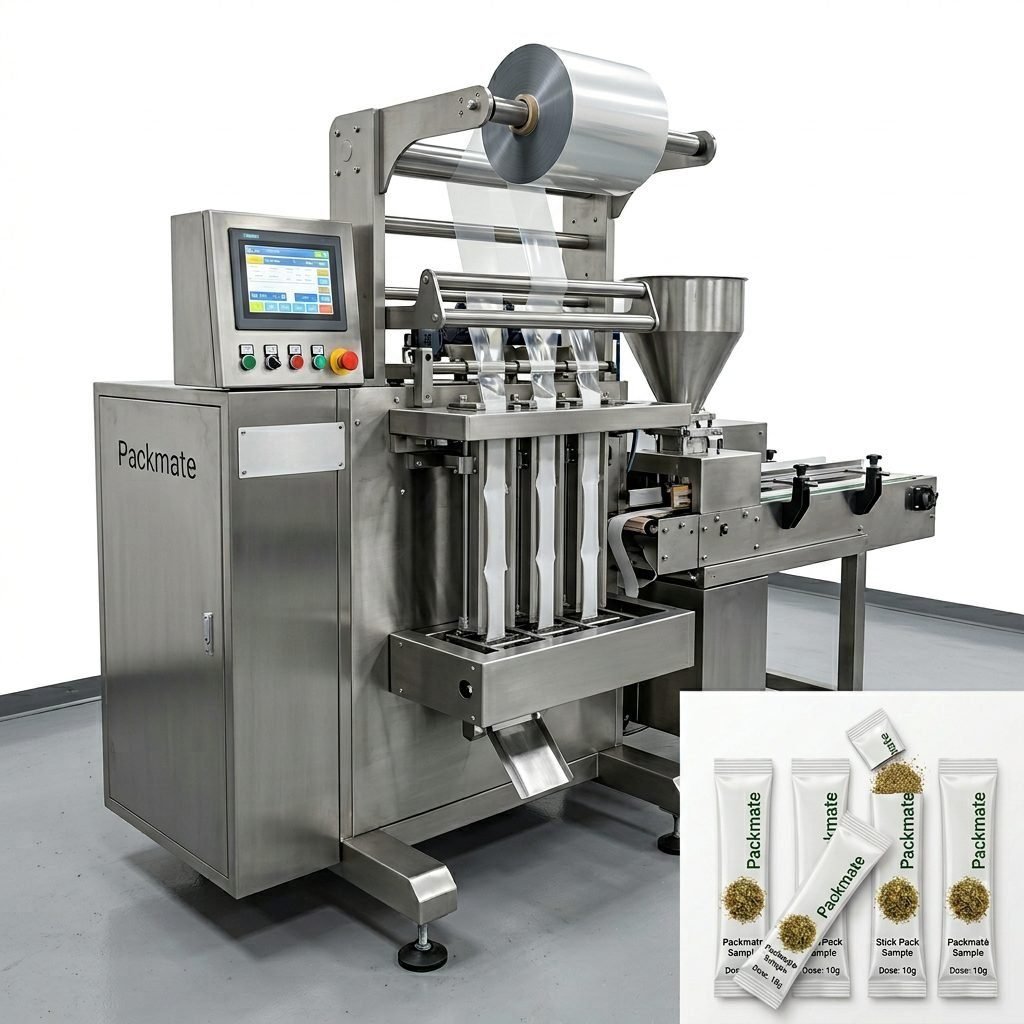
Sachet & Stick Pack Machines
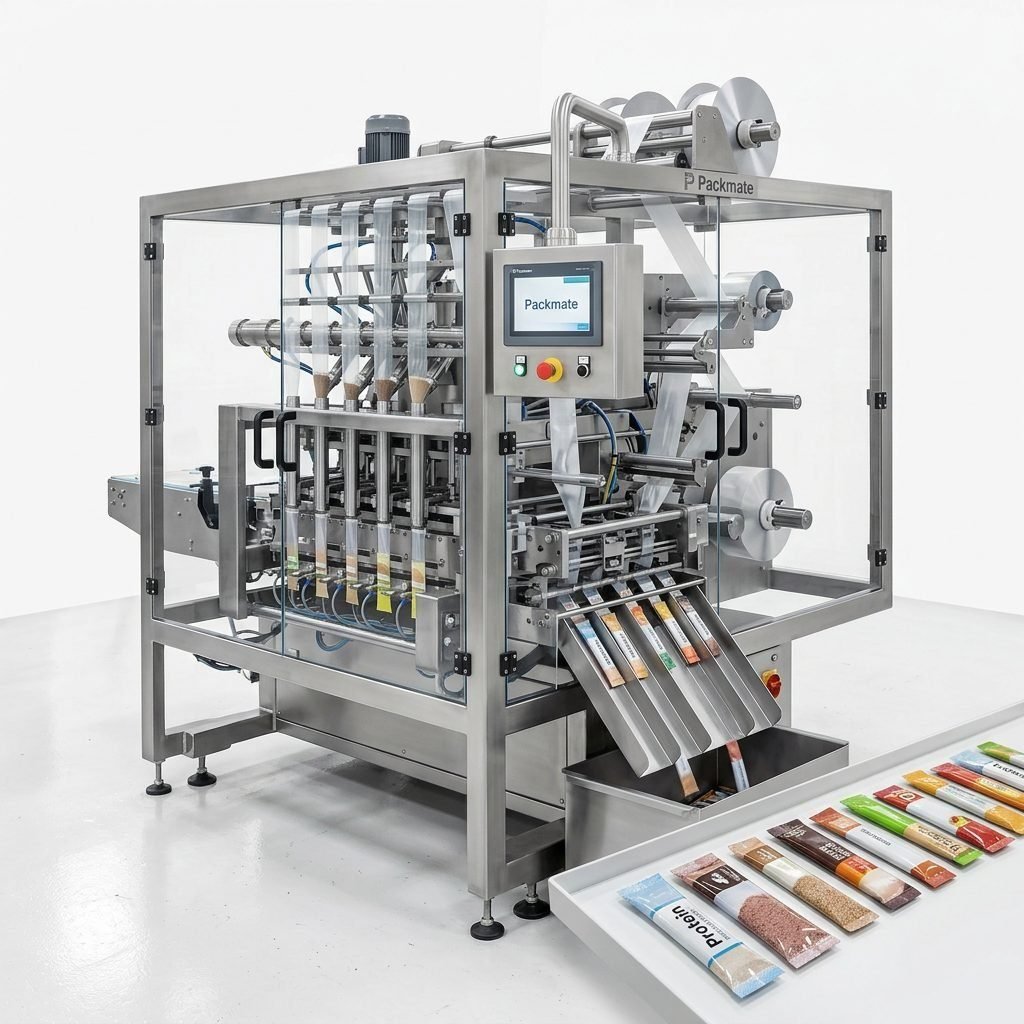
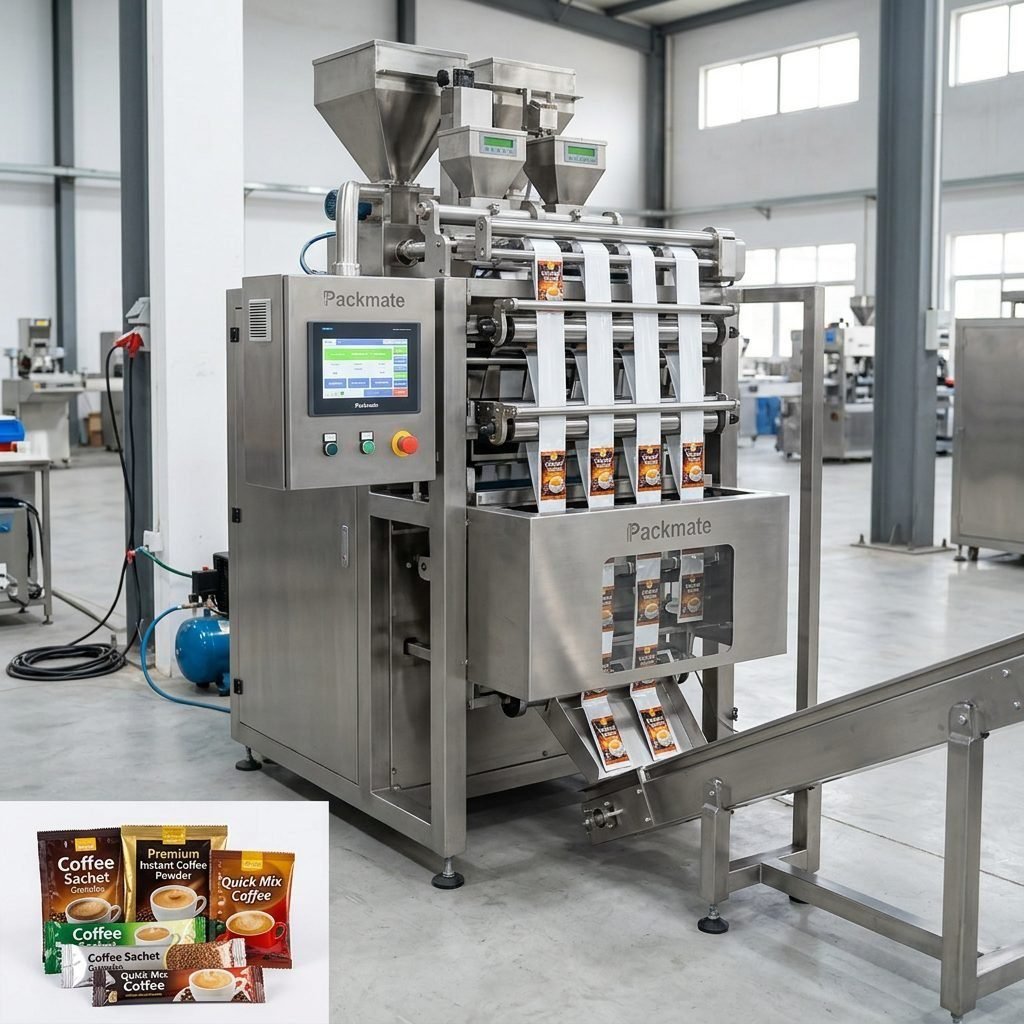
For single-use or travel-sized portions, machines that form, fill, and seal small pouches are essential. These sachet and stick pack machines offer excellent barrier properties and are highly efficient for mass distribution.
Key Features to Consider
Beyond the basic type, several features define a machine’s capability and suitability for your sanitizer production.
Filling Accuracy and Speed
Accuracy ensures consistent volume in every bottle, preventing giveaway and meeting regulatory standards. Speed, measured in containers per minute (CPM), directly impacts your output. High-speed rotary fillers can exceed 300 CPM.
Material Compatibility
The machine’s contact parts must be compatible with alcohol-based sanitizers to prevent corrosion. Look for stainless steel (304 or 316 grade) and food-grade plastics.
Automation Level and Ease of Use
Modern machines feature PLC (Programmable Logic Controller) touchscreens for easy operation, recipe storage, and changeover. Automated CIP (Clean-in-Place) systems can drastically reduce downtime.
Flexibility and Changeover
Can the machine handle different bottle sizes and shapes with minimal tooling change? Quick-change parts are vital for production lines running multiple SKUs.
Comprehensive Buying Guide
Investing in packaging machinery is a significant decision. Follow this structured guide to make an informed choice.
1. Assess Your Production Requirements
Start by defining your needs:
- Output Volume: Current daily/weekly output and projected growth.
- Container Details: Bottle/Pouch material, size, shape, and closure type (cap, spray pump, flip-top).
- Product Characteristics: Viscosity (thin liquid vs. thick gel), alcohol content, and any particulates.
2. Set a Realistic Budget
Consider the total cost of ownership, not just the purchase price. Factor in installation, training, maintenance, spare parts, and potential future upgrades. Reliable machinery from established manufacturers like Packmate Machinery may have a higher upfront cost but offers better long-term value through durability and support.
3. Research and Shortlist Reputable Manufacturers
Look for companies with a proven track record in liquid packaging, especially with sanitizers or similar chemicals. Evaluate their:
Industry Experience: Companies with decades of experience, such as Packmate with over 30 years, have refined their designs for reliability.
Technical Support: Availability of installation, training, and after-sales service is crucial.
Client Portfolio: Ask for case studies or references from similar industries.
4. Request Demos and Quotations
Always request a live or video demonstration using a product similar to yours. This tests filling accuracy, speed, and ease of operation. Compare detailed quotations that specify all components, warranties, and delivery timelines.
5. Plan for Installation and After-Sales
Ensure your facility has the necessary utilities (power, compressed air, space). Clarify who handles installation—the supplier or a third party. Understand the warranty terms and the availability of technical service and spare parts.
Why Choose a Specialist Manufacturer?
Partnering with a specialist in packaging machinery, rather than a general equipment dealer, provides distinct advantages. A specialist understands the nuanced challenges of packaging volatile liquids like hand sanitizer, including vapor recovery, material compatibility, and high-speed sealing. They can offer tailored solutions, from a single machine to a complete weighing and packaging system.
Manufacturers with strong R&D departments continuously innovate, offering machines with higher efficiency, better hygiene design, and smarter controls. This expertise ensures your investment remains productive and adaptable to future market changes.
Frequently Asked Questions (FAQs)
What is the typical production speed of a hand sanitizer filling machine?
Speeds vary widely. A semi-automatic single-head filler may manage 20-40 bottles per minute (BPM), while a fully automatic 16-head rotary filler can achieve 200+ BPM. The speed depends on bottle size, filling volume, and machine configuration.
Can one machine package both gel and liquid hand sanitizer?
Yes, but it requires the right filling technology. A piston filler is typically versatile enough to handle both viscosities by adjusting the piston cylinder and valves. However, a change in product may require a thorough cleaning and possibly part changes to maintain optimal performance.
How do I ensure the packaging is leak-proof?
Leak-proof packaging depends on two factors: accurate filling (to avoid overfilling) and reliable sealing. Ensure the capping or sealing station of your machine applies consistent torque (for caps) or heat/pressure (for pouches). The quality of the container and closure themselves is also critical.
What maintenance does a hand sanitizer packaging machine require?
Daily cleaning of product contact parts is essential due to alcohol’s properties. Regular maintenance includes lubricating moving parts (with food-grade lubricant), checking seals and gaskets for wear, and calibrating the filling and weighing systems as per the manufacturer’s schedule.
Are there machines suitable for small to medium-sized businesses (SMBs)?
Absolutely. Many manufacturers offer compact, semi-automatic, or tabletop models that are affordable and perfect for lower-volume production or pilot runs. These machines offer a lower entry point while still ensuring good accuracy and hygiene.