Investing in a packaging machine is a significant decision for any business, and understanding the cost factors is crucial for budgeting and planning. The price of a packaging machine is not a single figure; it varies widely based on machine type, automation level, production capacity, and additional features. This comprehensive guide breaks down all the elements that influence packaging machine pricing, helping you make an informed investment.
Key Factors Determining Packaging Machine Costs
The final price tag of a packaging machine is a sum of several variables. Let’s explore the primary cost drivers in detail.
1. Machine Type and Technology
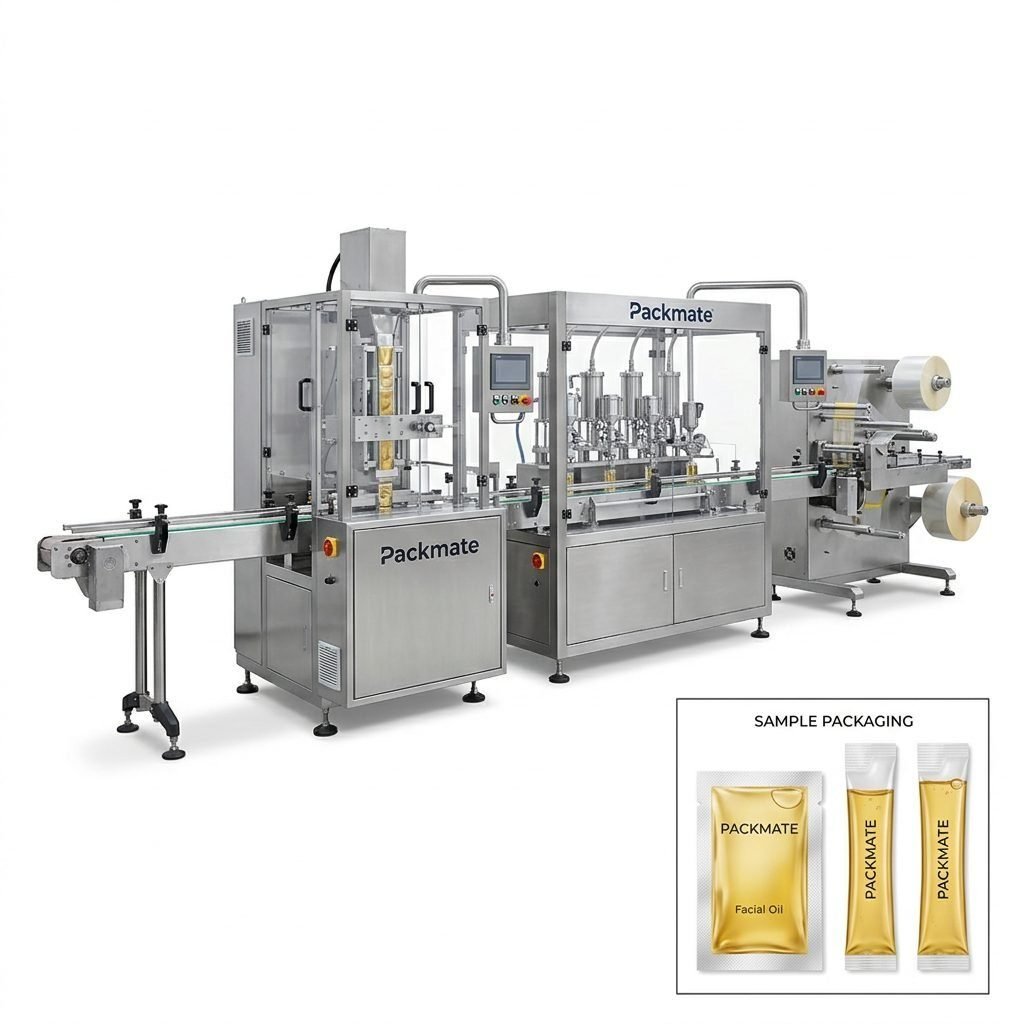
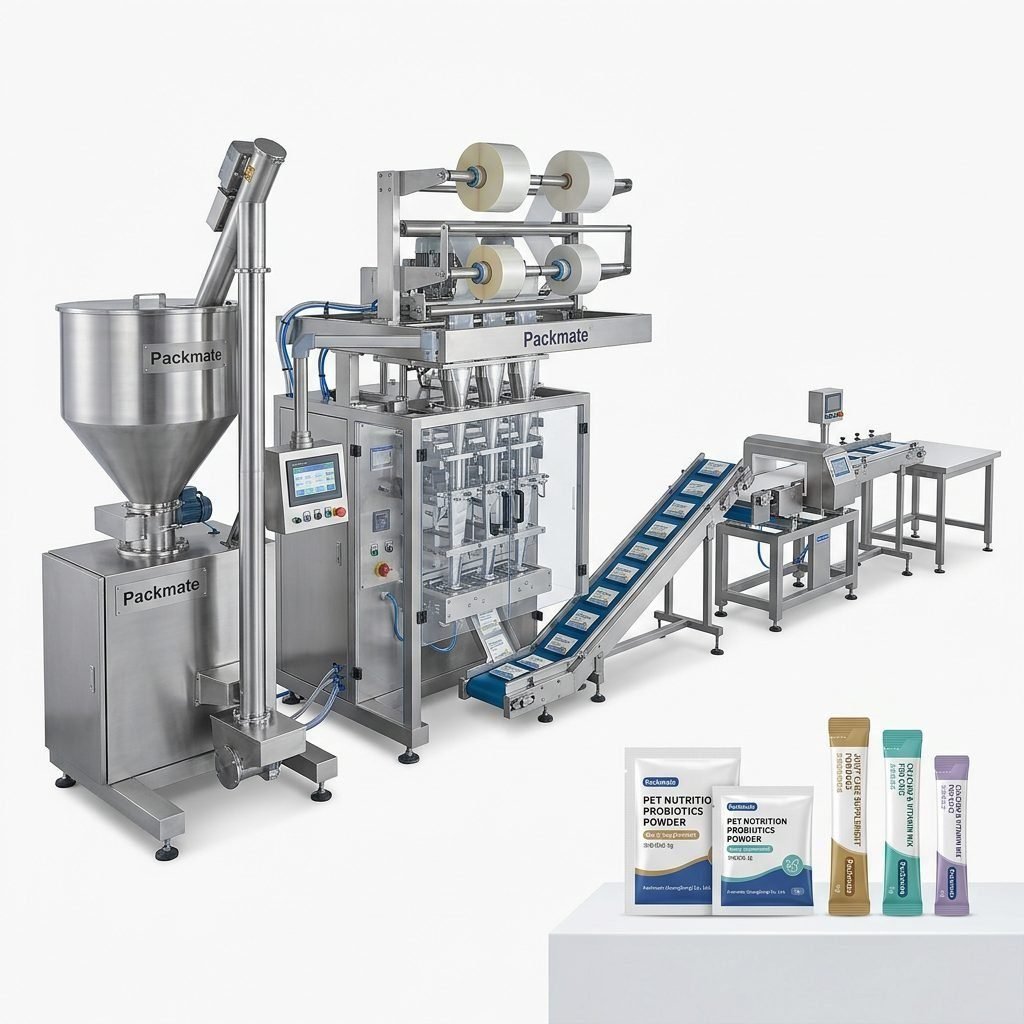
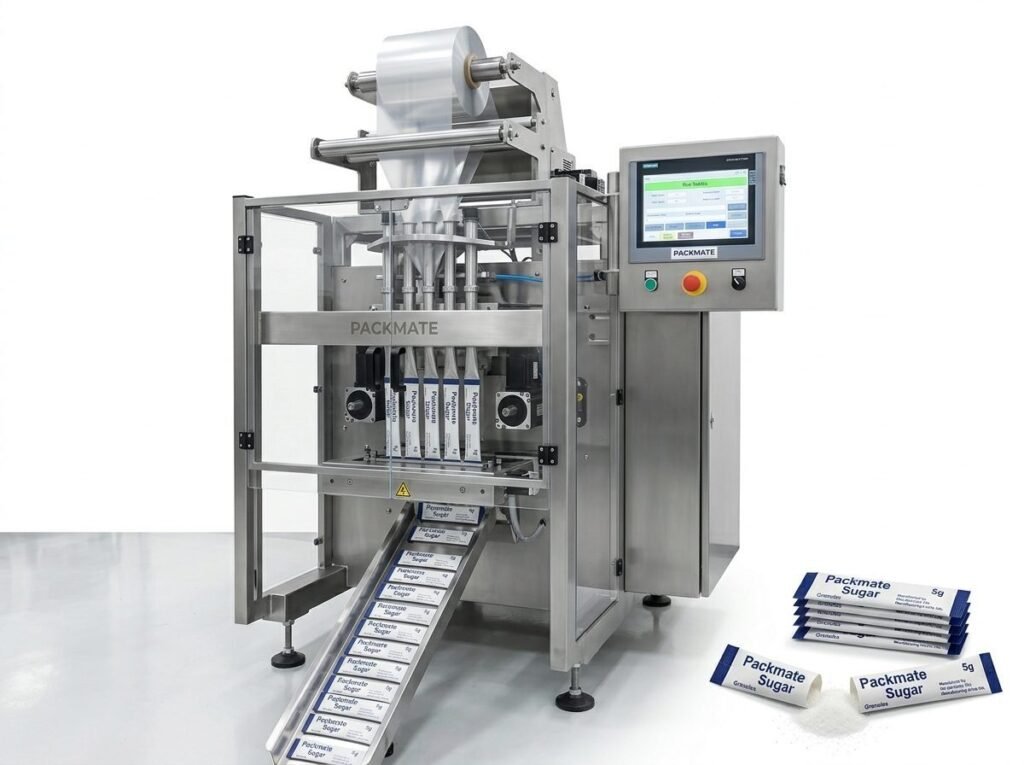
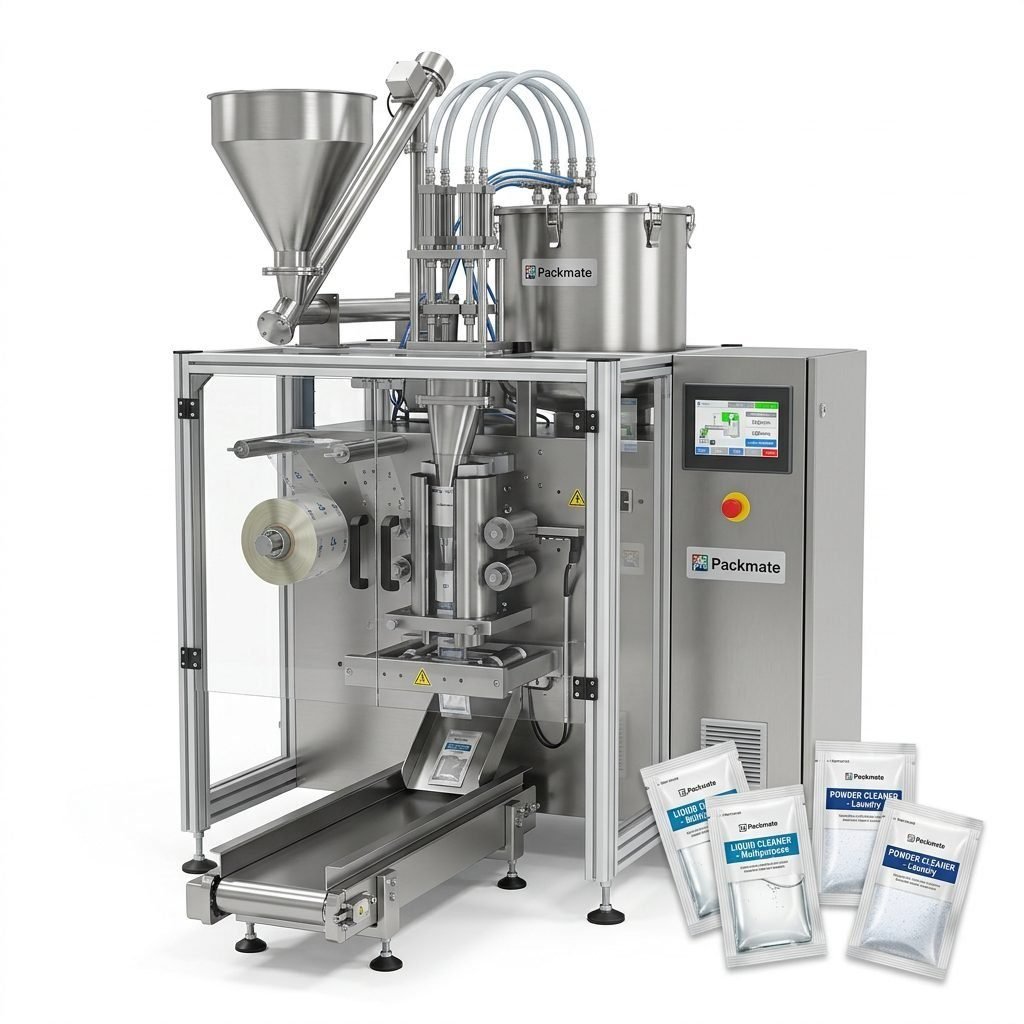
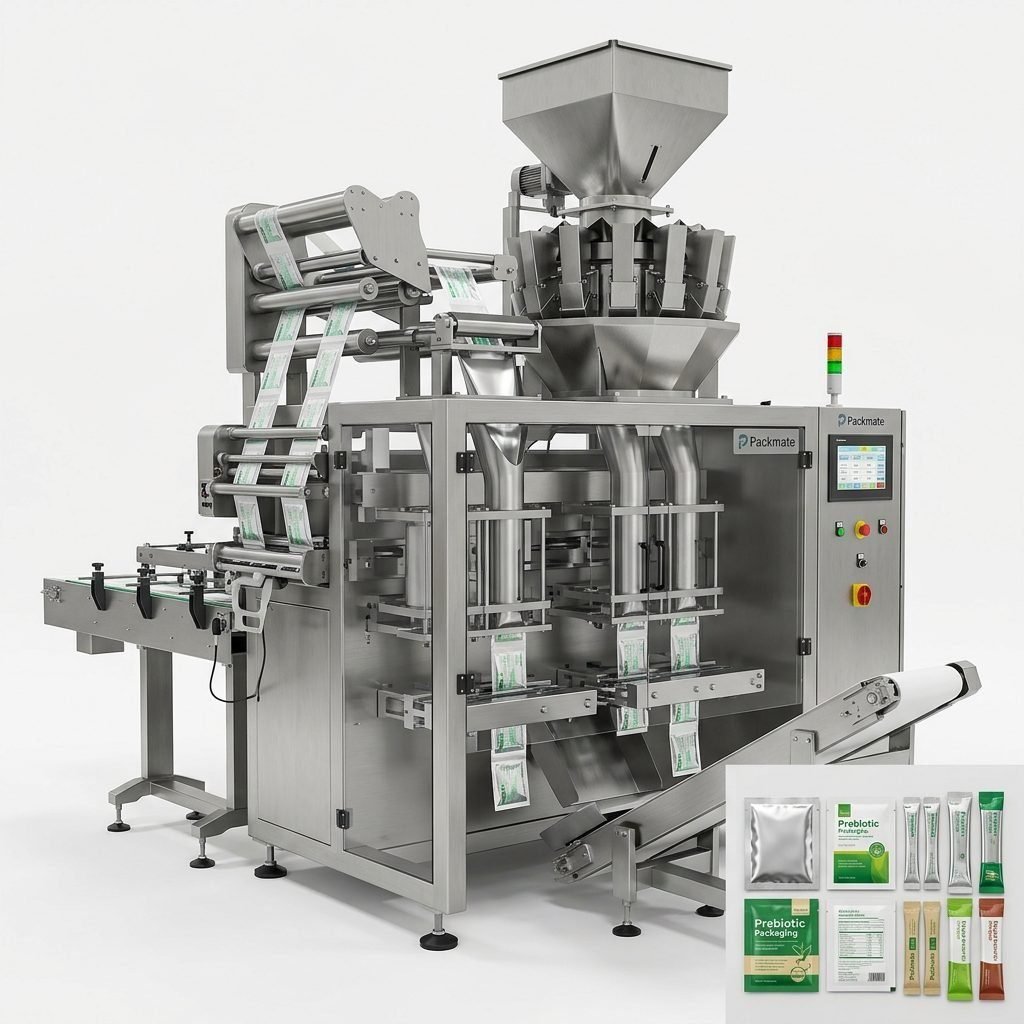
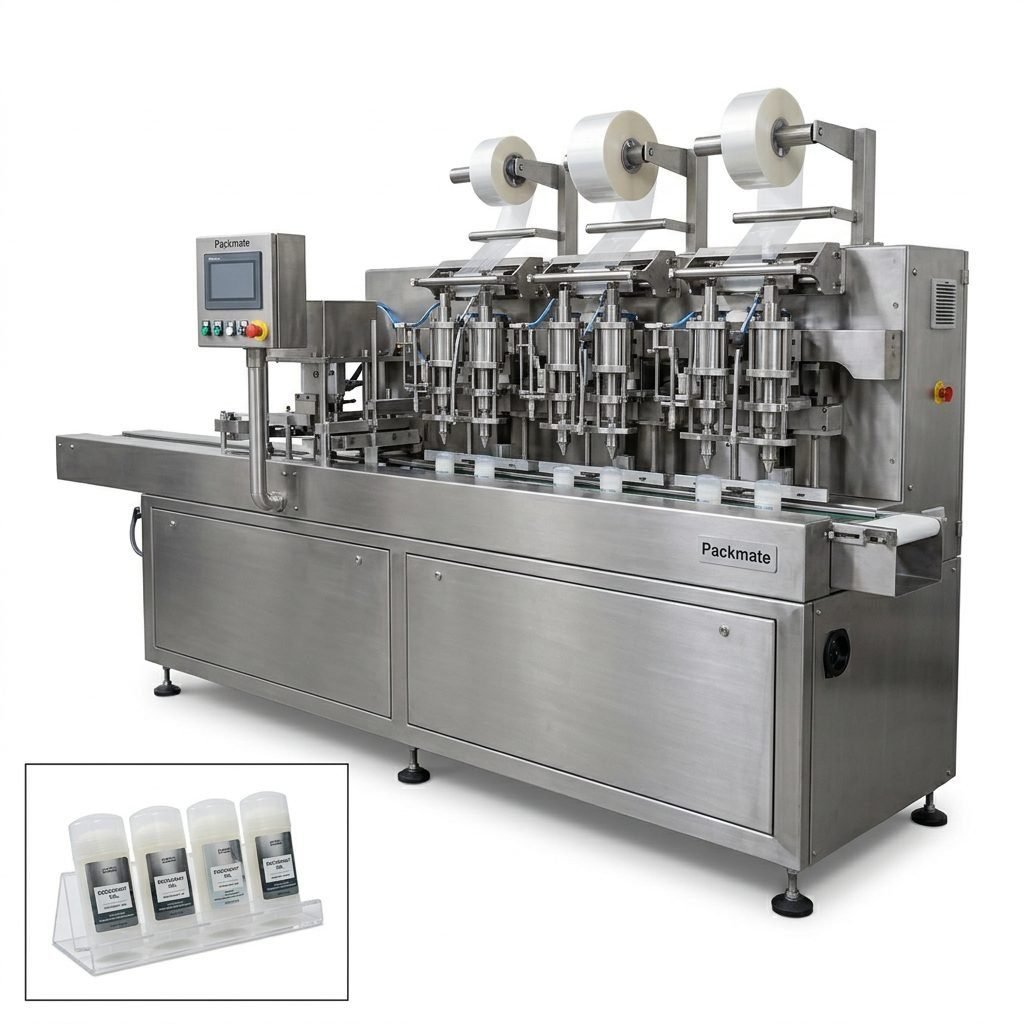
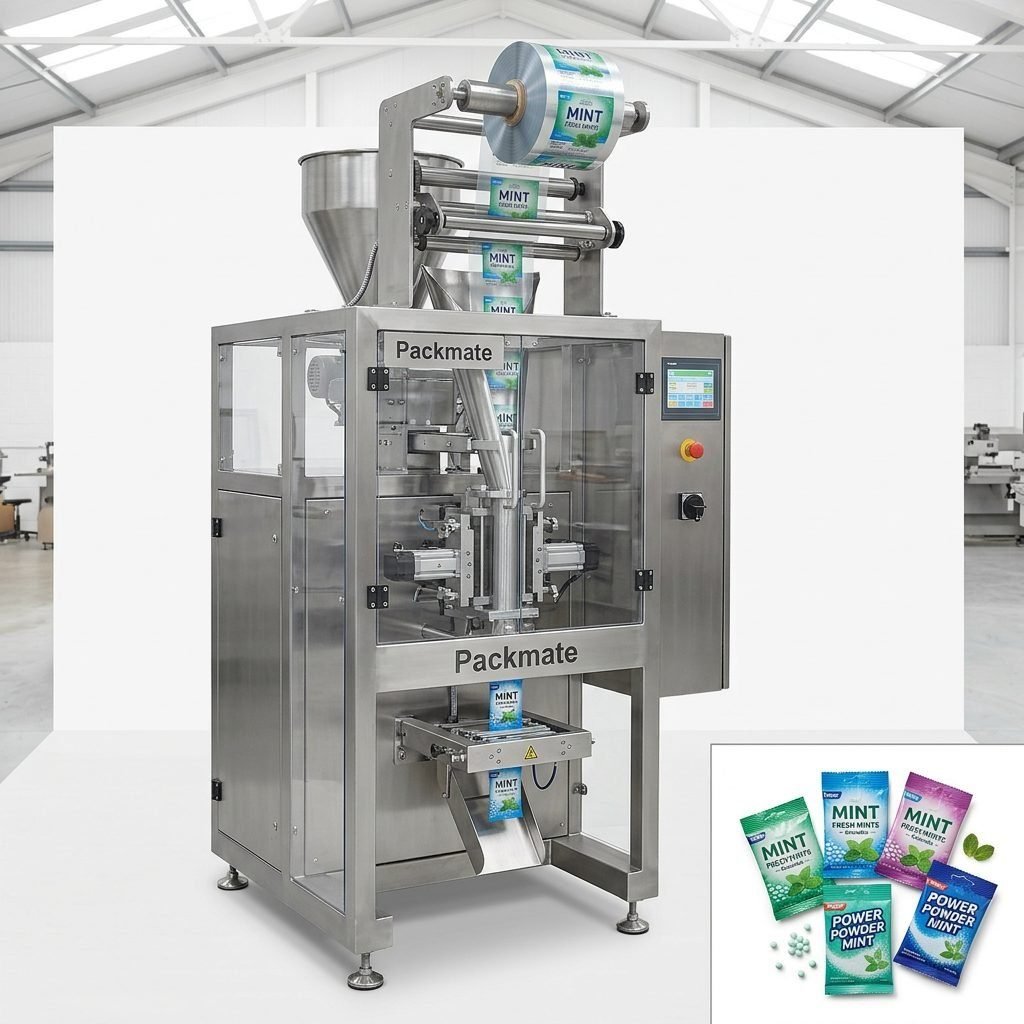
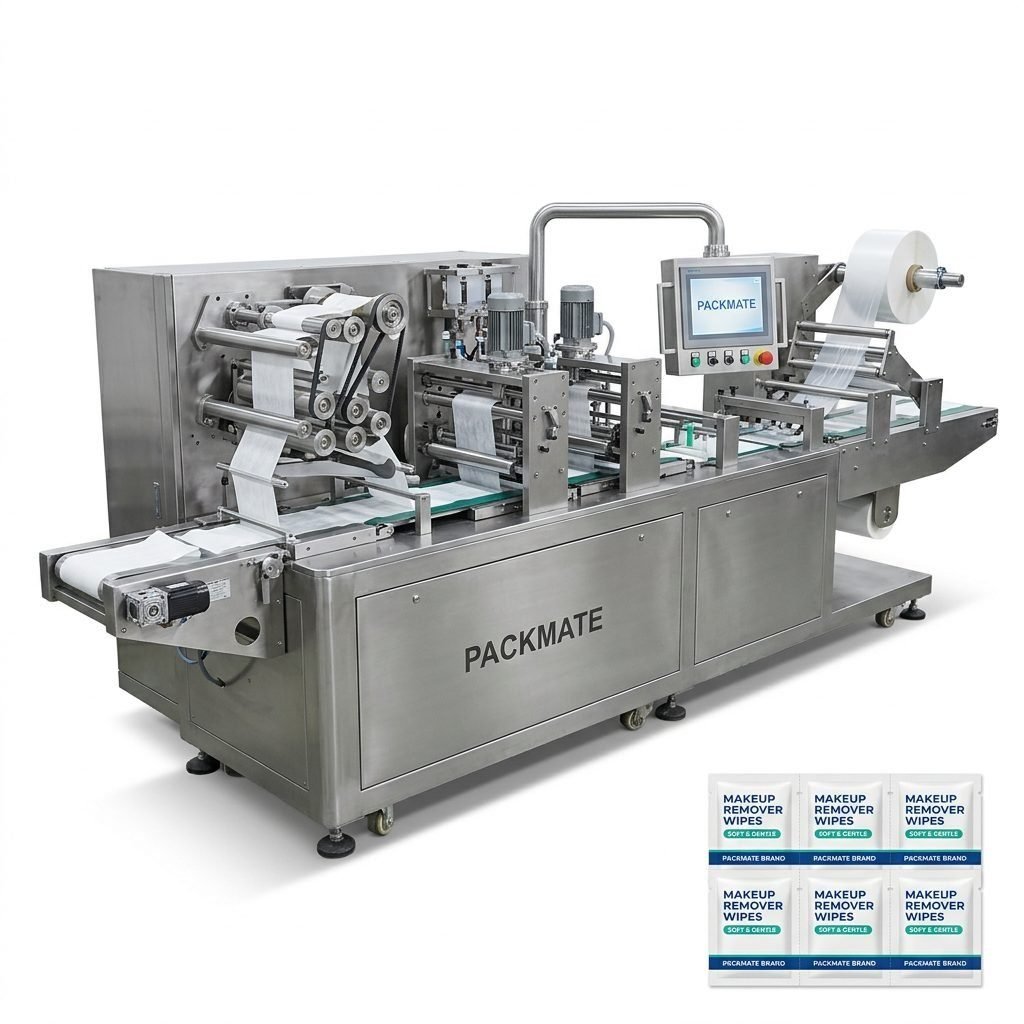
The most fundamental cost factor is the type of packaging machine. Basic sachet and stick pack machines for low-volume production are generally more affordable. In contrast, fully integrated, high-speed filling and packaging lines with robotic arms and advanced vision systems command a premium. The technology embedded—such as servo motors, touch-screen PLC controls, and data tracking software—directly impacts the price.
Pro Tip: While advanced technology increases upfront cost, it often leads to significant long-term savings through higher efficiency, less material waste, and reduced downtime. Consider the total cost of ownership, not just the purchase price.
2. Level of Automation
Automation is a major price differentiator. Machines can be categorized as:
- Semi-Automatic: These require operator intervention for tasks like loading product or bags. They are the most budget-friendly option, suitable for startups or businesses with variable production runs.
- Fully Automatic: These machines handle the entire process from feeding to sealing with minimal human oversight. They offer higher output and consistency but come at a higher cost.
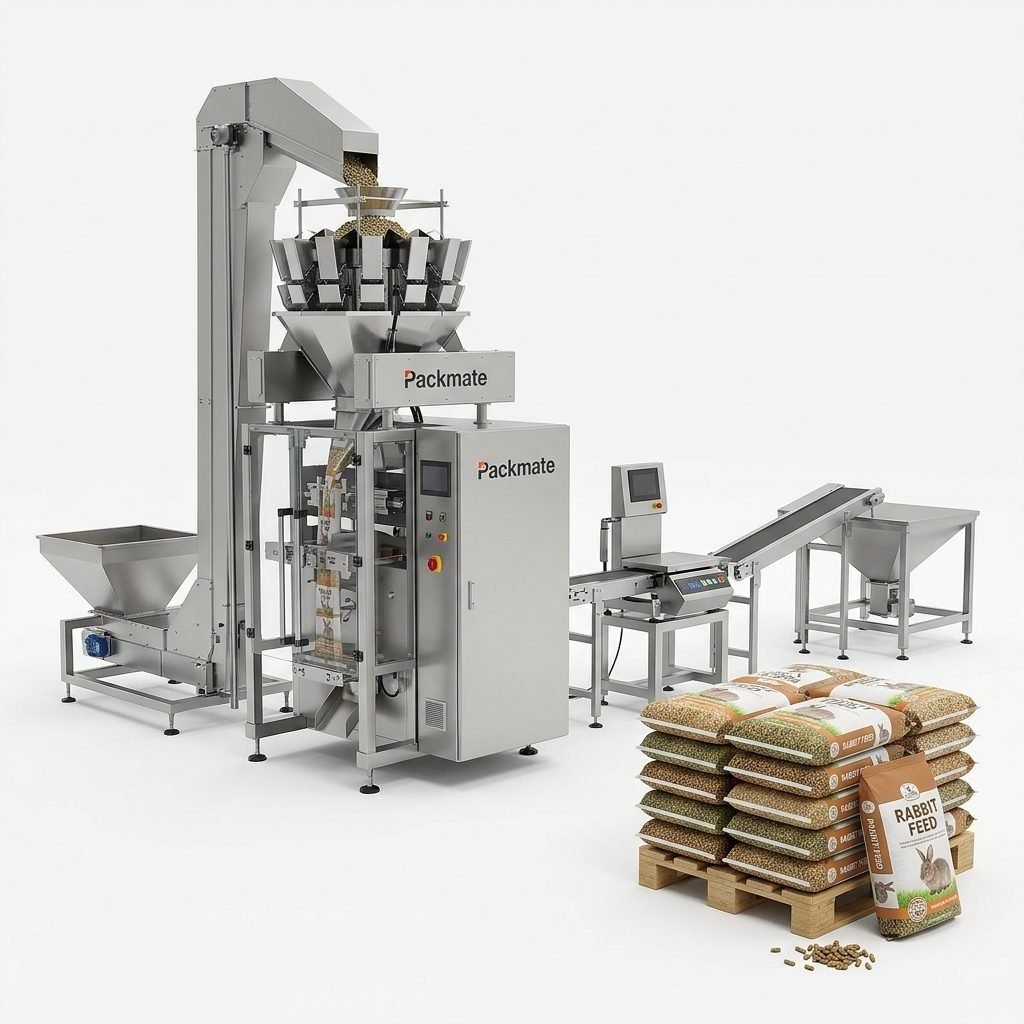
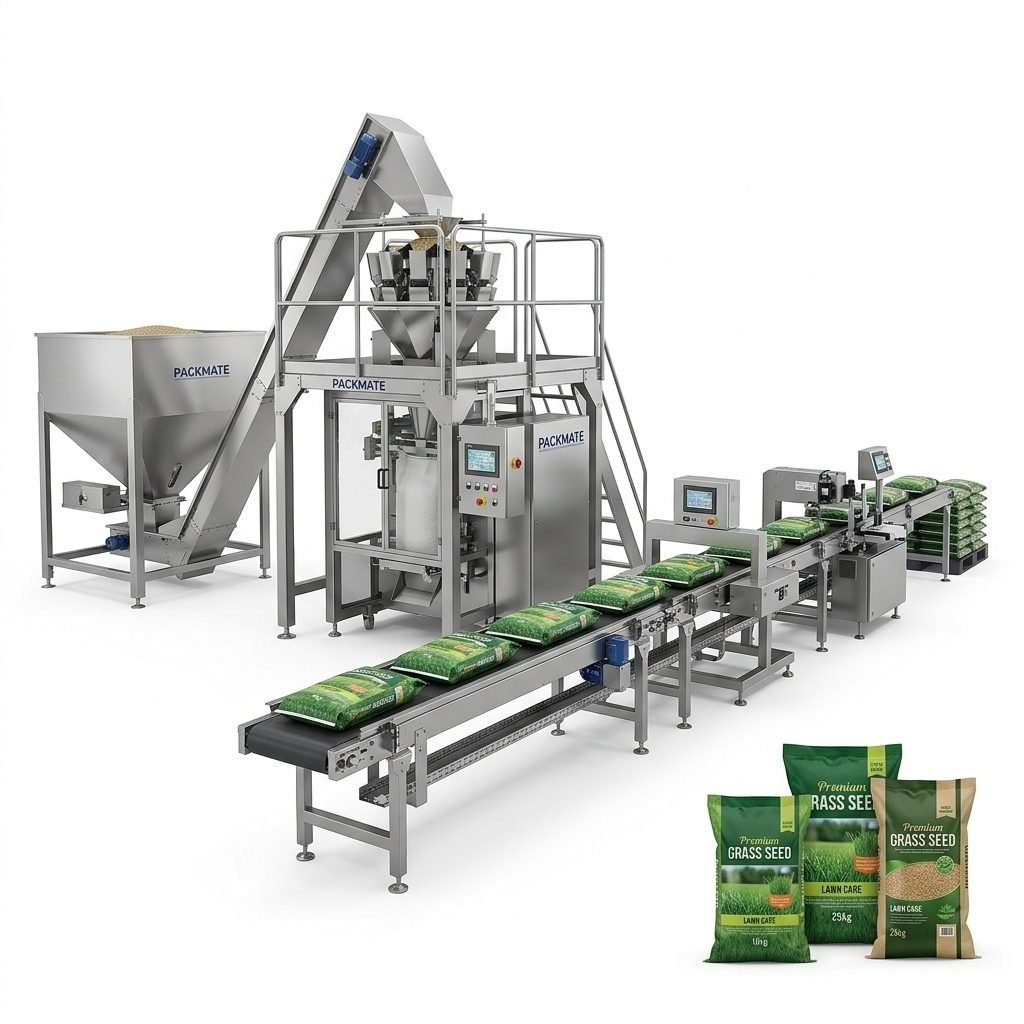
- Turnkey Systems: This is the pinnacle of automation, involving a complete, synchronized production line. Companies like Packmate Machinery specialize in designing these integrated solutions, which include conveyors, checkweighers, and case packers, representing the highest investment tier.
3. Production Capacity and Speed
Speed sells, and in packaging machinery, it significantly affects cost. A machine rated for 50 bags per minute will be priced lower than one capable of 400 bags per minute. The engineering required to maintain precision, stability, and product integrity at high speeds is complex and costly. Assess your current and future volume needs carefully to avoid overpaying for capacity you won’t use or underinvesting and creating a bottleneck.
4. Materials and Build Quality
The construction materials directly influence durability, hygiene, and price. Machines built with high-grade stainless steel (e.g., SS304 or SS316) for food and pharmaceutical applications are more expensive than those using carbon steel or aluminum. Premium components from renowned brands for seals, sensors, and drives also add to the cost but enhance reliability and lifespan.
Breakdown of Price Ranges by Machine Category
To give you a clearer picture, here are approximate price ranges for common types of packaging machines. These are estimates, and final quotes depend on the specific configuration and optional features.
Beyond the Sticker Price: Hidden and Ongoing Costs
The initial purchase is just one part of the financial picture. A savvy buyer must account for the total cost of ownership.
Installation and Training
Professional installation and operator training by the supplier’s engineers ensure optimal performance. This service may be included or quoted separately.
Maintenance and Spare Parts
Regular maintenance is non-negotiable. Budget for annual service contracts and a stock of common spare parts to minimize unexpected downtime.
Utilities and Consumables
Machines consume electricity and compressed air. Also, factor in the cost of packaging materials (film, spools) specific to the machine.
Customization and Tooling
If your product requires unique handling, custom-made forming tubes, sealing jaws, or filling nozzles will add to the project cost.
The Value of Partnering with an Experienced Manufacturer
Choosing a supplier like Packmate (GuangDong) Co., Ltd. goes beyond buying a machine. With over 30 years of expertise and a 20,000㎡ modern facility, they offer more than 50 machine models. Their value lies in:
- Reliable Engineering: Decades of experience translate into robust, dependable machines that reduce long-term operational headaches.
- Comprehensive Support: From initial consultation and factory testing to after-sales service and spare parts supply, a full-service partner protects your investment.
- Future-Proof Solutions: A reputable manufacturer designs machines that can be upgraded or integrated into larger systems as your business grows.
Viewing the machine as part of a long-term partnership, rather than a simple transaction, often yields a better return on investment. You can explore their successful case studies to see practical applications.
How to Get an Accurate Quote and Negotiate
To receive a meaningful quote, provide suppliers with detailed specifications: product type, bag/pouch dimensions, desired speed, film material, and factory floor plan. Be prepared to discuss your budget range openly. Remember, the cheapest quote may hide compromises on quality or support. Negotiate on the total package—price, warranty terms, delivery time, and included services.
Frequently Asked Questions (FAQs)
1. What is the typical lifespan of a packaging machine?
A well-maintained packaging machine from a quality manufacturer can last 15 to 20 years or more. The key is regular preventive maintenance and using genuine spare parts.
2. Can I get financing for a packaging machine?
Yes, many machinery suppliers and third-party financial institutions offer leasing or financing options to help businesses manage cash flow and spread the cost over time.
3. How long does it take from order to installation?
Lead time depends on machine complexity and customization. For standard models, it can be 8-12 weeks. For fully custom turnkey lines, it may take 4-6 months or longer, including factory acceptance testing.
4. What after-sales services should I expect?
You should expect installation supervision, comprehensive operator training, a detailed machine manual, a warranty period (typically 12-24 months), and access to technical support and spare parts.
5. Is a used packaging machine a good option to save cost?
It can be, but carries risks. It’s crucial to inspect the machine’s condition, maintenance history, and ensure parts and technical support are still available. For critical production, a new machine with a full warranty is often the safer long-term investment.