In the highly regulated and precision-driven pharmaceutical industry, packaging is far more than just a final step—it’s a critical component of product integrity, safety, and operational efficiency. The right medication packaging machine can dramatically enhance production speed, ensure compliance with stringent global standards, and minimize waste. This article explores the top 10 medication packaging machines that are pivotal for achieving pharmaceutical efficiency, helping manufacturers select equipment that meets their specific needs for accuracy, speed, and versatility.
1. High-Speed Blister Packaging Machines
Blister packaging remains one of the most common and trusted methods for unit-dose medication. Modern high-speed blister packaging machines are engineered for maximum output with impeccable accuracy. These machines form, fill, and seal tablets or capsules into pre-formed blisters at remarkable speeds, often exceeding 300 blisters per minute. Key features include advanced vision inspection systems to detect missing or broken product and integrated data logging for complete batch traceability, which is essential for FDA and EMA compliance.
2. Automatic Cartoning Machines
Once medications are blister-packed or bottled, they need secure secondary packaging. Automatic cartoning machines efficiently erect, load, and seal cartons. The latest models offer flexible changeover, handling various carton sizes with minimal downtime. Look for machines with gentle product handling to prevent damage and integrated leaflet feeders for automatic insertion of patient information leaflets, a crucial requirement for pharmaceutical compliance.
3. Bottle Filling and Capping Lines
For liquid medications, powders, or tablets in bulk bottles, integrated filling and capping lines are indispensable. These systems typically consist of an unscrambler, filler, capper, and labeler. High-precision auger or peristaltic pumps ensure accurate fill volumes, while torque-controlled cappers guarantee perfect seal integrity. Efficiency is boosted by synchronized conveyor systems that maintain a continuous, smooth flow from start to finish.
4. Stick Pack Packaging Machines
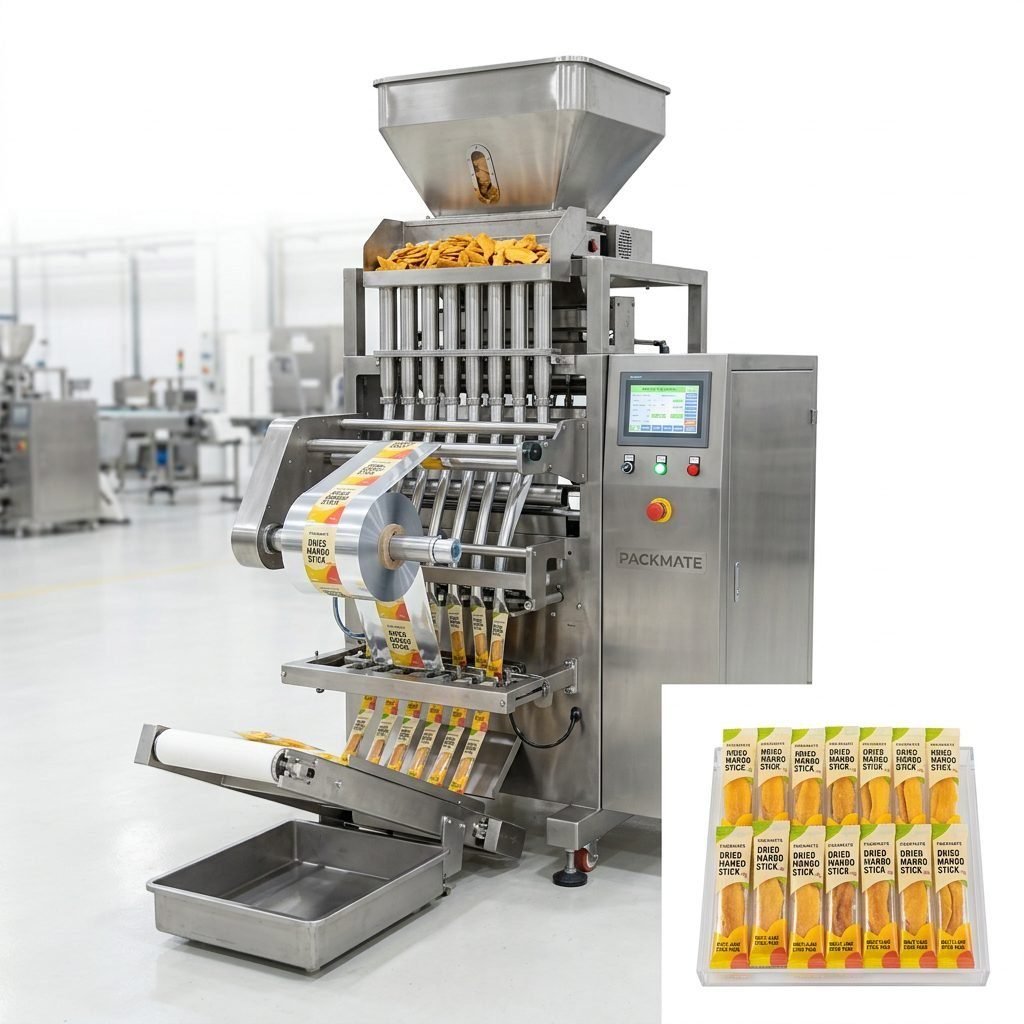
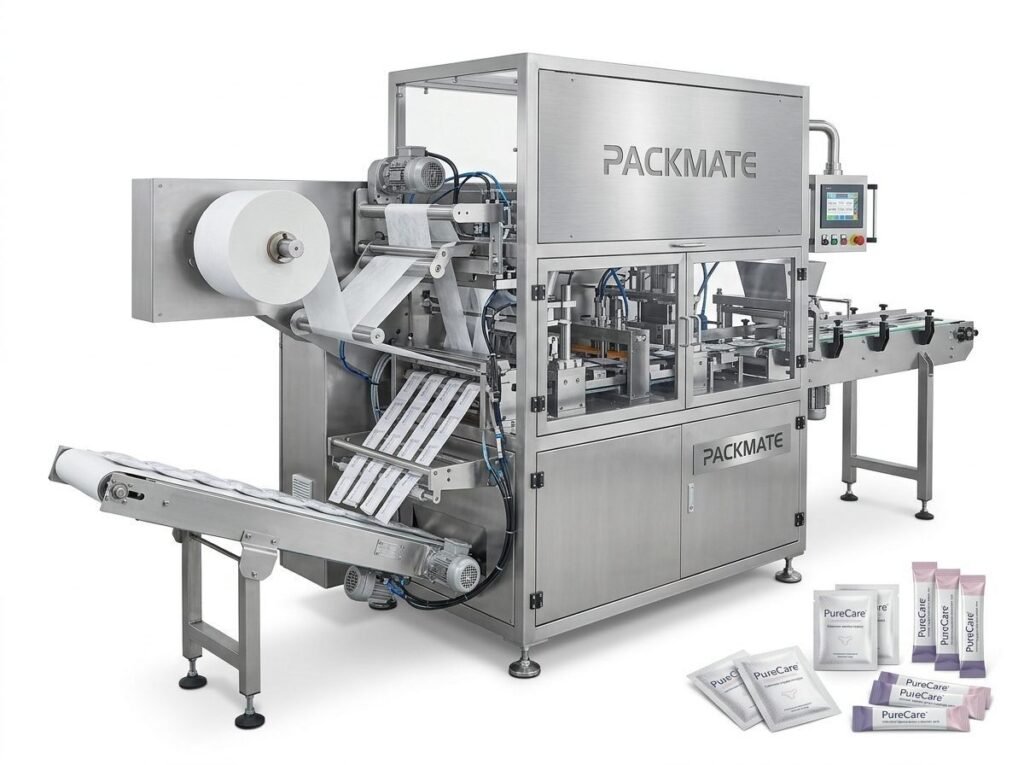
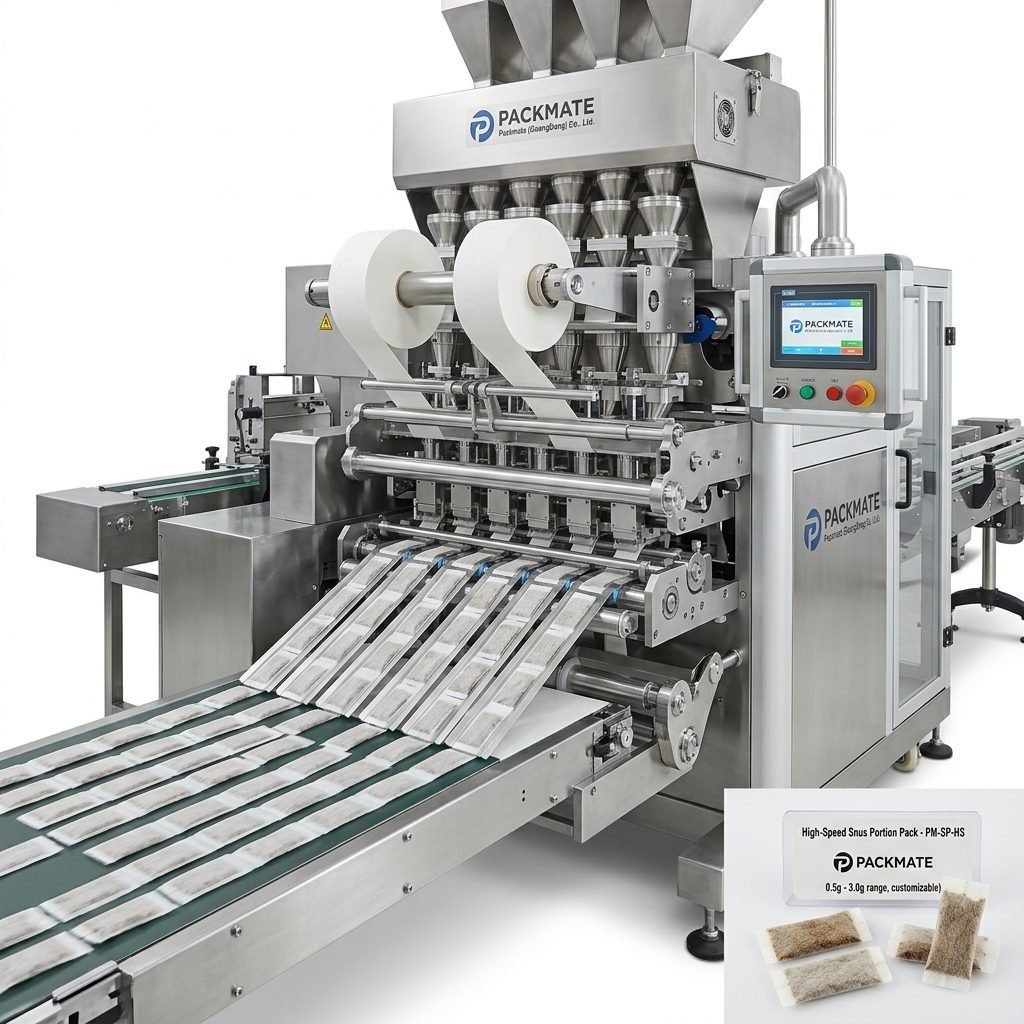
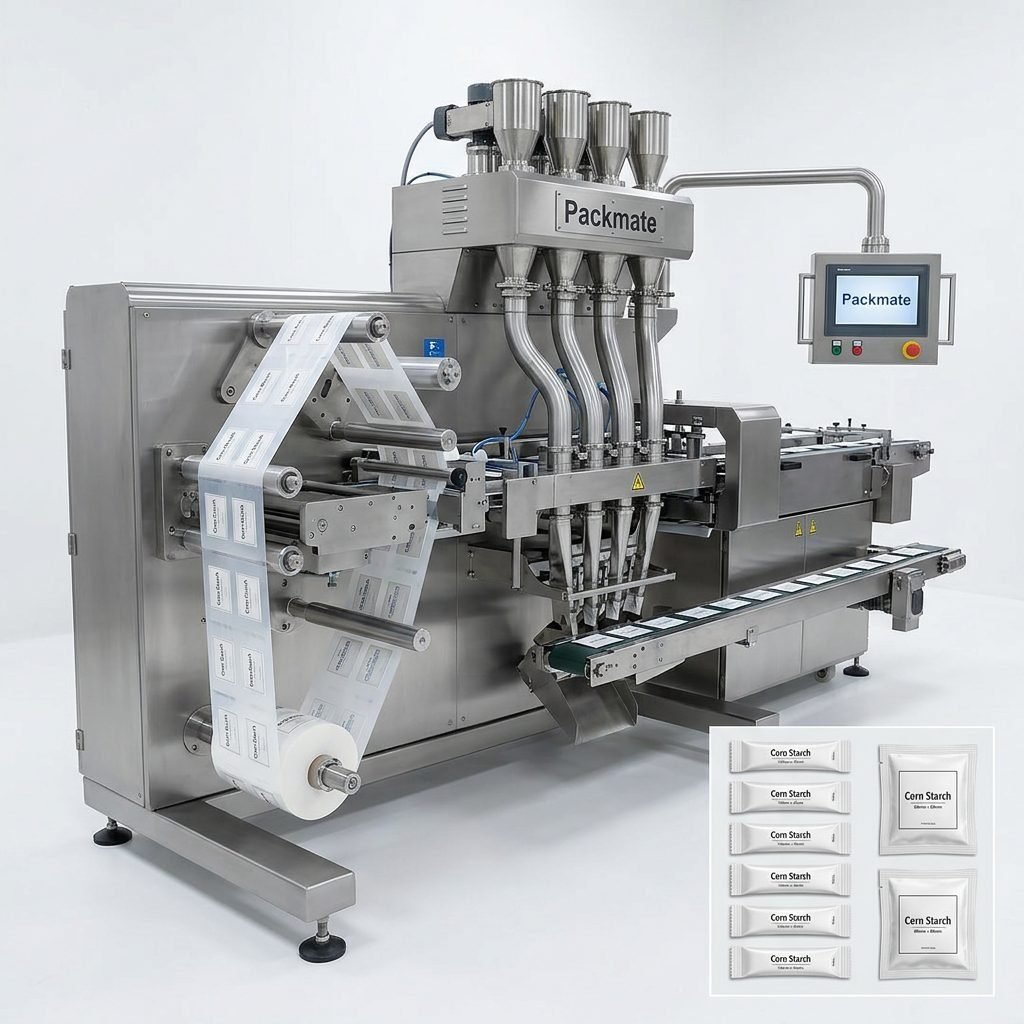
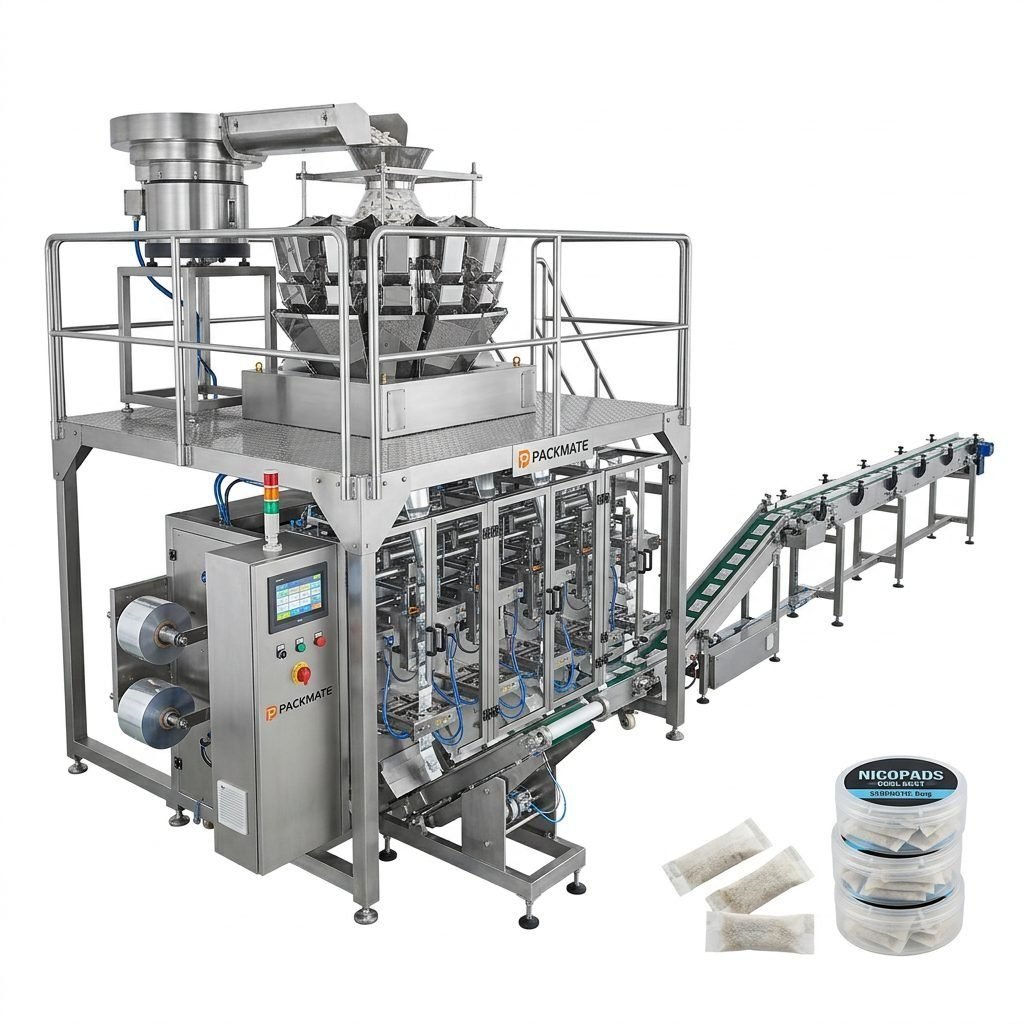
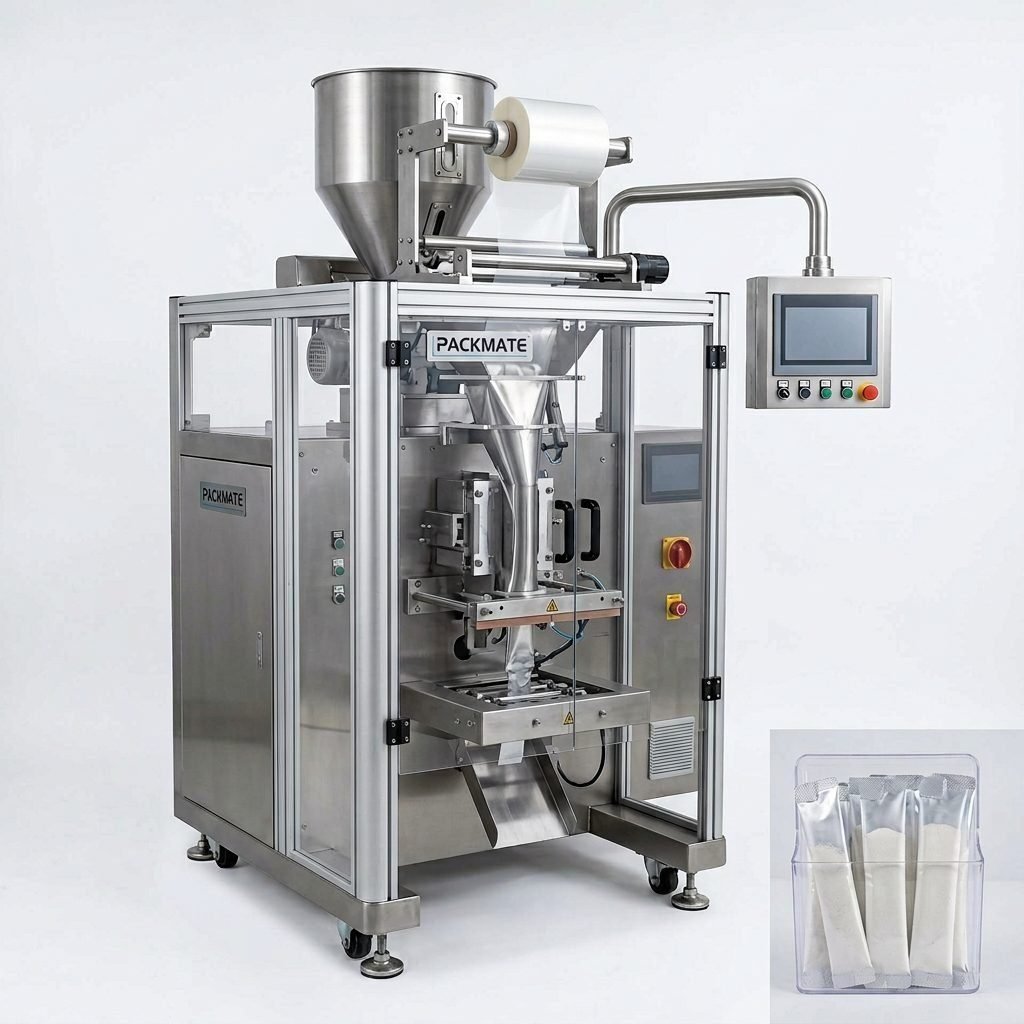
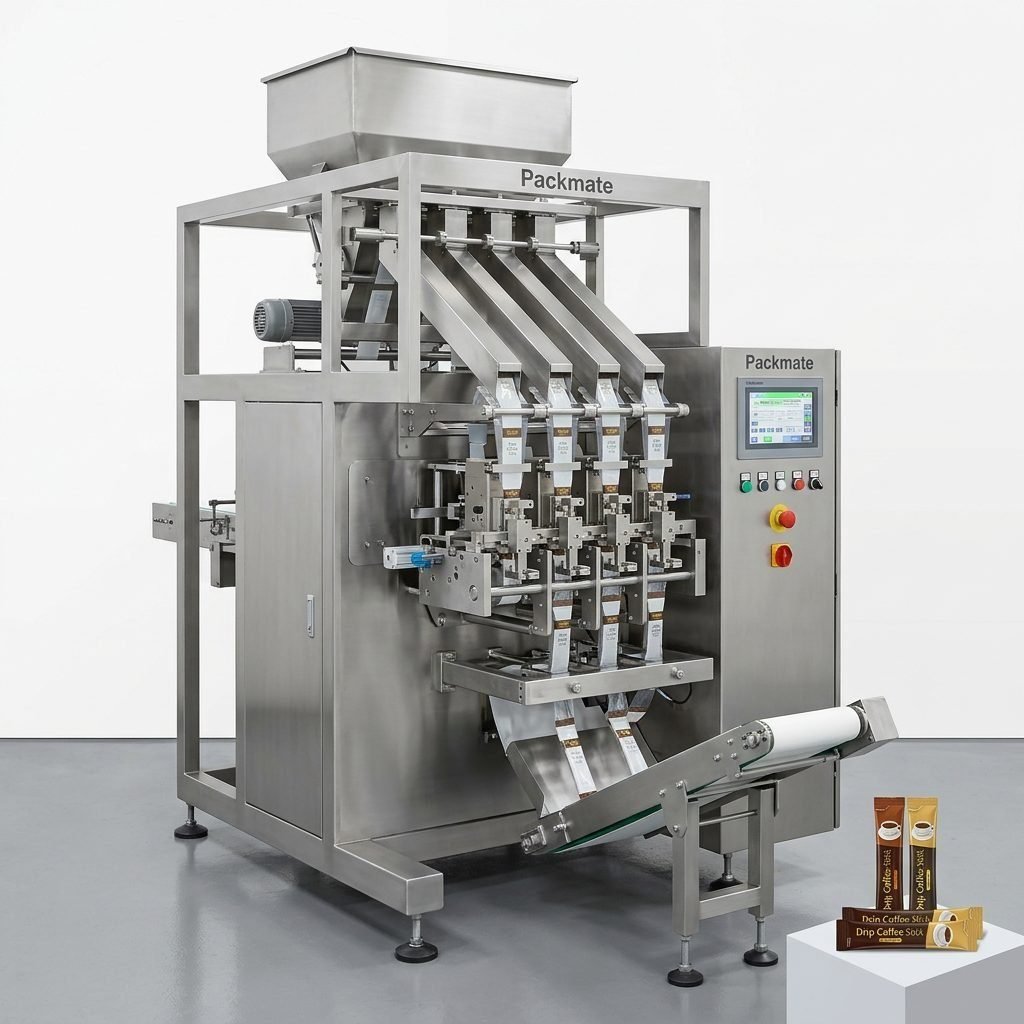
Stick packs are ideal for single-dose powders, granules, or liquids, such as effervescent tablets or oral rehydration salts. Multi-lane stick pack machines, like those offered by industry leaders such as Packmate Machinery, can produce dozens of sticks simultaneously. Their compact, hygienic design and ability to handle sensitive products make them a top choice for enhancing efficiency in pharmaceutical sachet production.
5. Sachet Packaging Machines
Similar to stick packs but often wider, sachets are perfect for larger single doses or multi-component medication kits. Modern sachet machines provide excellent barrier properties to protect medication from moisture and oxygen. Features like servo-driven film feed and precision heat sealing ensure consistent pouch quality and high-speed operation, which you can explore in detail on the Sachet & Stick Pack Machines page.
6. Thermoform-Fill-Seal (TFS) Machines
A versatile alternative to blister packaging, TFS machines form the packaging cavity from a roll of base film, fill it with product, and seal it with a lidding material—all in one continuous process. This method is highly efficient for irregularly shaped items and allows for greater material savings and design flexibility compared to traditional blister packs.
7. Powder Dosing and Packaging Systems
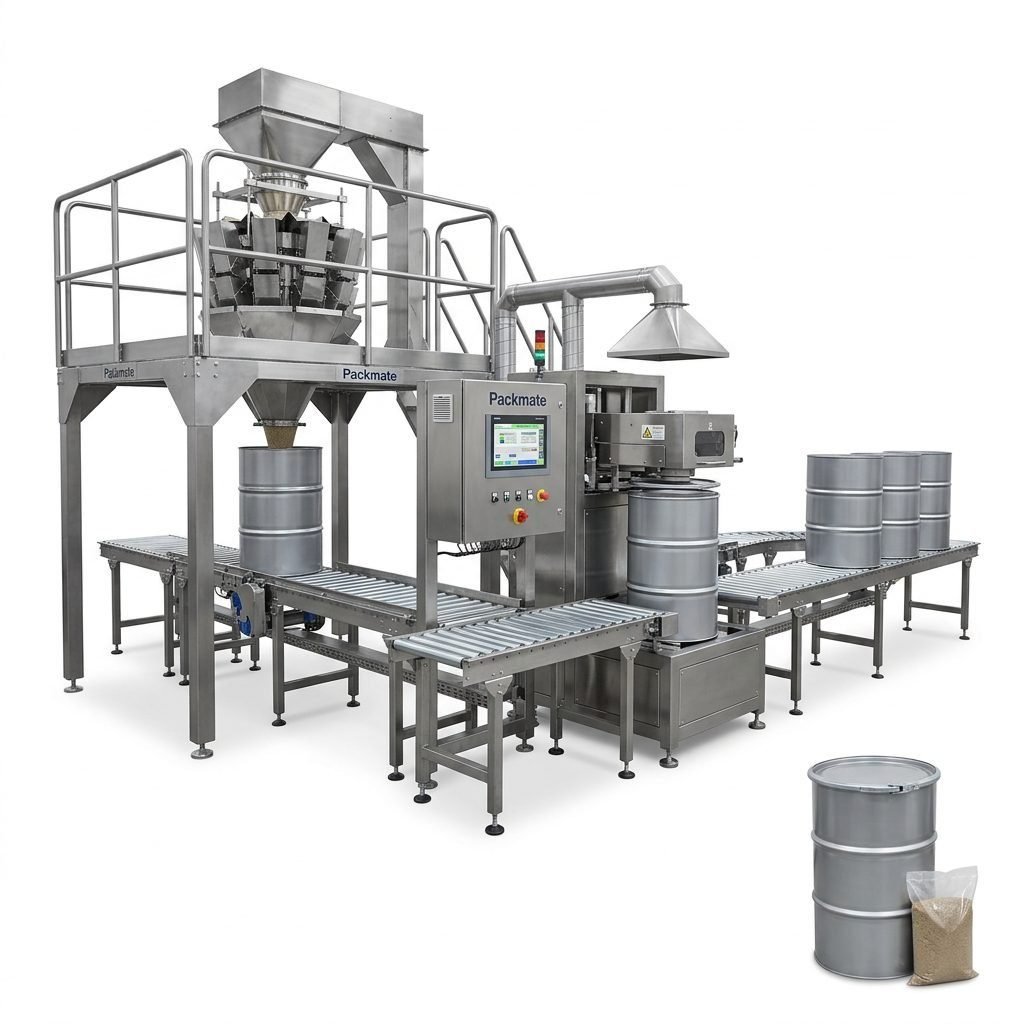
Accurate dosing of powdered APIs (Active Pharmaceutical Ingredients) is a major challenge. Advanced powder dosing systems utilize weight-checking technology and vibration-assisted filling to achieve remarkable accuracy, often with tolerances within ±1%. These systems are integral to comprehensive weighing and packaging lines, ensuring every sachet or stick pack contains the exact prescribed dose.
8. Serialization and Aggregation Equipment
With track-and-trace regulations like the U.S. Drug Supply Chain Security Act (DSCSA) and the EU Falsified Medicines Directive, serialization is non-negotiable. This equipment prints unique 2D data matrix codes on each saleable unit, then aggregates those units into cases and pallets. Integrating this technology directly into your packaging line is the most efficient way to ensure compliance without creating bottlenecks.
9. Vertical Form-Fill-Seal (VFFS) Machines
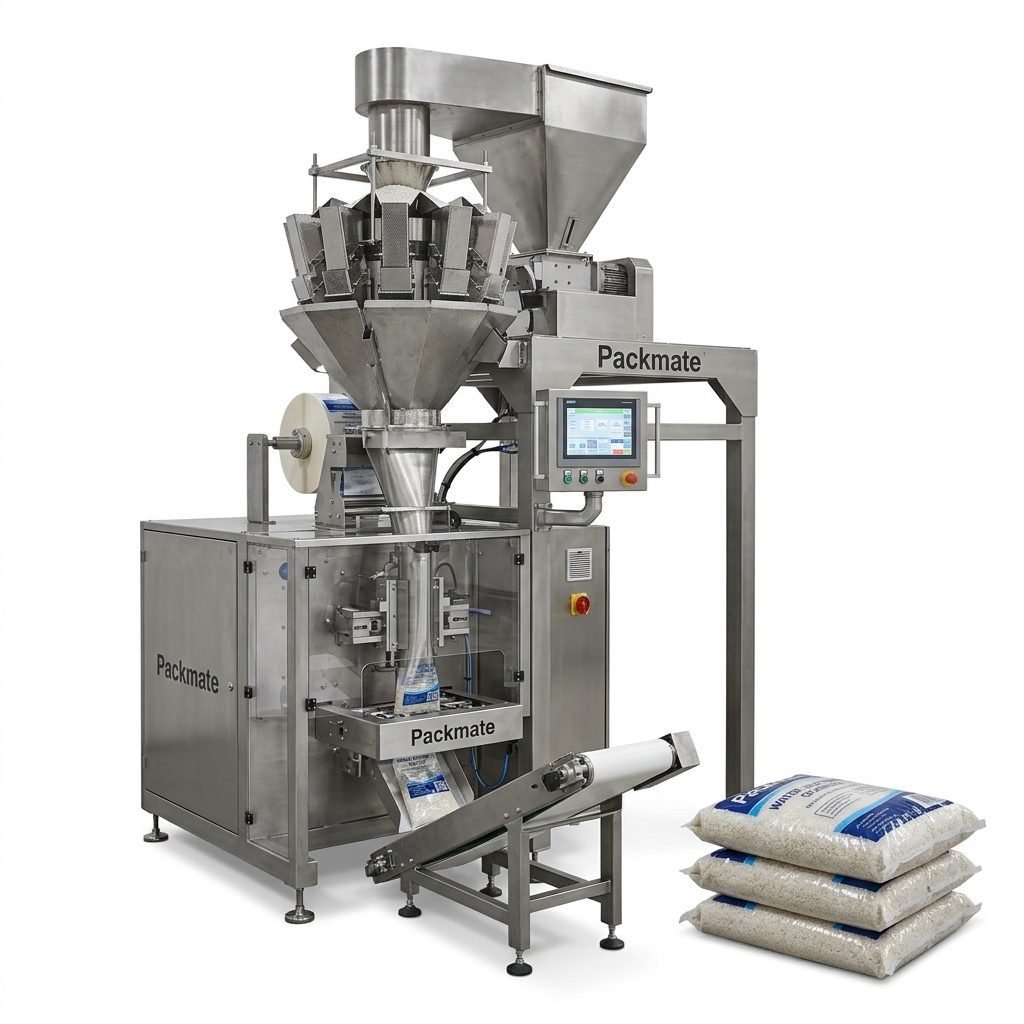
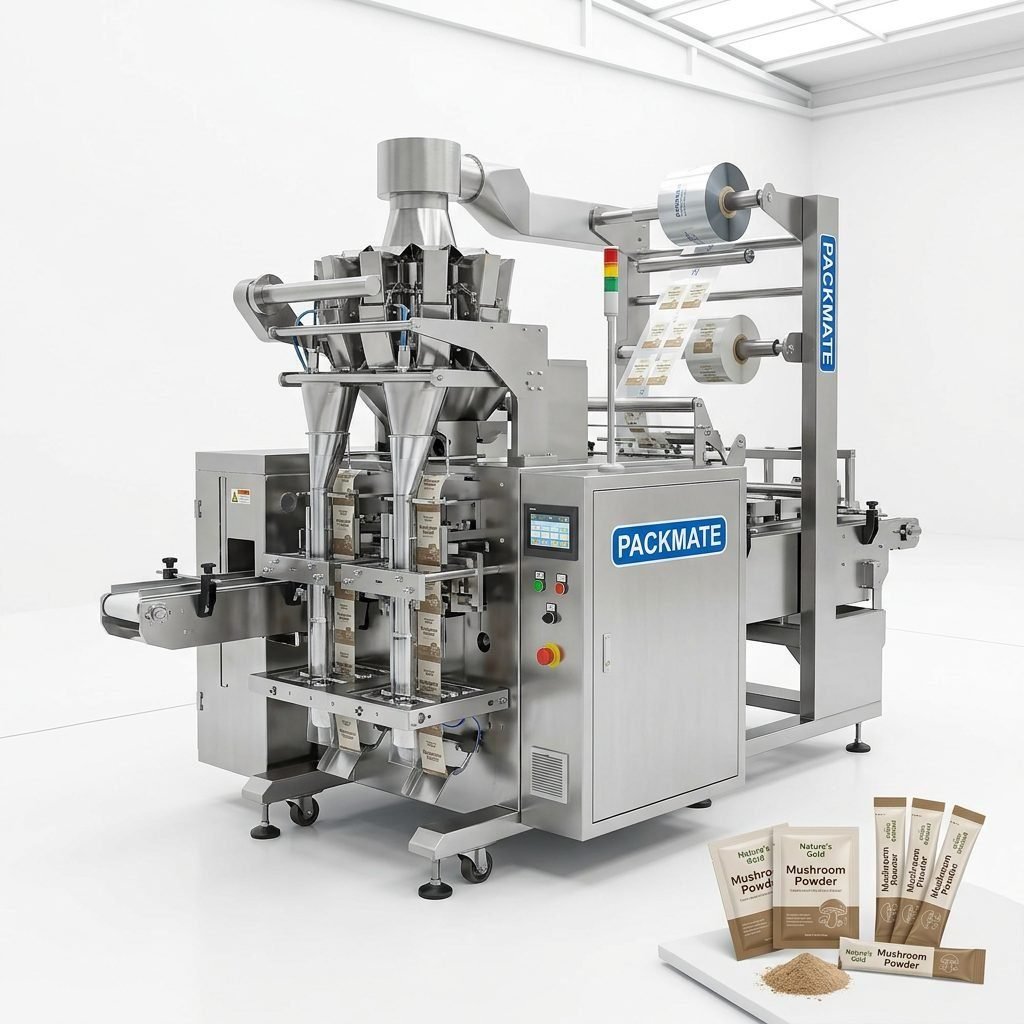
VFFS machines are the workhorses for packaging free-flowing powders, granules, and tablets into pillow bags or gusseted bags. They form the bag from a roll of film, fill it, and seal it in a vertical orientation, saving valuable floor space. Modern pharmaceutical-grade VFFS machines are built with stainless steel contact parts and easy-clean designs to meet GMP standards, a feature highlighted in many bag and pouch packaging machine specifications.
10. Labeling and Inspection Systems
No packaging line is complete without accurate labeling and final inspection. High-speed labelers apply primary and secondary labels with precision, while integrated vision systems perform 100% inspection for label presence, correctness, and readability. These systems are the final gatekeepers, ensuring that only perfectly packaged and labeled products proceed to shipping, thereby eliminating costly recalls and protecting brand reputation.
Choosing the Right Machine for Your Needs
Selecting from these top machines depends on several factors: your product form (tablet, liquid, powder), required output speed, regulatory environment, and available factory space. Partnering with an experienced manufacturer who understands pharmaceutical needs is crucial. Companies with deep industry expertise, such as Packmate Machinery, which operates a 20,000㎡ modern facility and has over two decades of development, can provide valuable guidance and reliable, turnkey solutions.
Future Trends: Smart Packaging and Sustainability
The future of medication packaging lies in smart, connected machines and sustainable materials. Industry 4.0 integration allows for real-time monitoring of machine performance, predictive maintenance, and seamless data exchange with MES (Manufacturing Execution Systems). Simultaneously, there is a growing push towards using recyclable or biodegradable films without compromising the critical barrier properties needed for drug stability.
Frequently Asked Questions (FAQ)
What is the most important factor when choosing a pharmaceutical packaging machine?
The foremost factor is compliance with regulatory standards (e.g., FDA, cGMP, EMA). The machine must be constructed with appropriate materials (like stainless steel), be easy to validate and clean, and provide the necessary documentation for audit trails. Accuracy and product safety are non-negotiable in pharma.
How can I improve the efficiency of my existing packaging line?
Efficiency gains often come from integrating automation to reduce manual handling, upgrading to servo-driven machines for faster changeovers, and implementing integrated vision inspection systems to catch defects early and reduce waste. Regular maintenance and operator training are also key.
Are stick pack and sachet machines suitable for all types of medication?
They are excellent for unit-dose powders, granules, and liquids. However, their suitability depends on the product’s sensitivity to moisture, light, and oxygen, as well as the required barrier properties of the packaging film. A packaging expert can help determine the best format.
What is serialization, and is it mandatory?
Serialization is the process of assigning a unique identifier to each saleable unit of prescription medication. It is mandatory in major markets like the United States and the European Union to combat drug counterfeiting and ensure supply chain security. Packaging lines must be equipped to apply and verify these codes.
Can one machine handle multiple packaging formats?
Many modern machines are designed with modularity and quick-change capabilities. For instance, some cartoners can be adjusted for different sizes, and some VFFS machines can produce different bag styles. However, significant format changes (e.g., from blisters to bottles) typically require dedicated or extensively reconfigured lines.