In the fast-paced world of manufacturing, efficiency is not just a goal—it’s a necessity. For businesses handling liquids, from beverages and sauces to pharmaceuticals and cosmetics, the choice of packaging machinery can make or break operational productivity. Selecting the best liquid packaging machines is crucial for achieving high-speed, accurate, and reliable filling, which directly impacts output quality, cost savings, and market competitiveness.
Key Factors Defining Efficiency in Liquid Packaging
Efficiency in liquid filling transcends mere speed. It encompasses a holistic blend of accuracy, versatility, reliability, and integration capabilities. A truly efficient machine minimizes product waste through precise volumetric or weight-based filling, adapts to different viscosities and container types, and operates consistently with minimal downtime. Modern solutions often incorporate intelligent automation and easy-to-clean designs, which are essential for maintaining hygiene standards and facilitating quick changeovers between production runs.
The Role of Precision and Speed
The core of any efficient liquid packaging line is its filling technology. Whether using piston fillers for thick pastes, gravity fillers for free-flowing liquids, or advanced vacuum fillers for foamy products, precision is paramount. Even a minor deviation can lead to significant giveaway or underfill over thousands of units. Therefore, the best machines offer exceptional accuracy, often within a fraction of a milliliter, coupled with speeds that match high-volume production demands without compromising on fill consistency.
Exploring Top Machine Types for Liquid Filling
The market offers a diverse range of liquid packaging machines, each suited to specific applications. Understanding these types is the first step toward making an informed investment.
Automatic Rotary Liquid Fillers
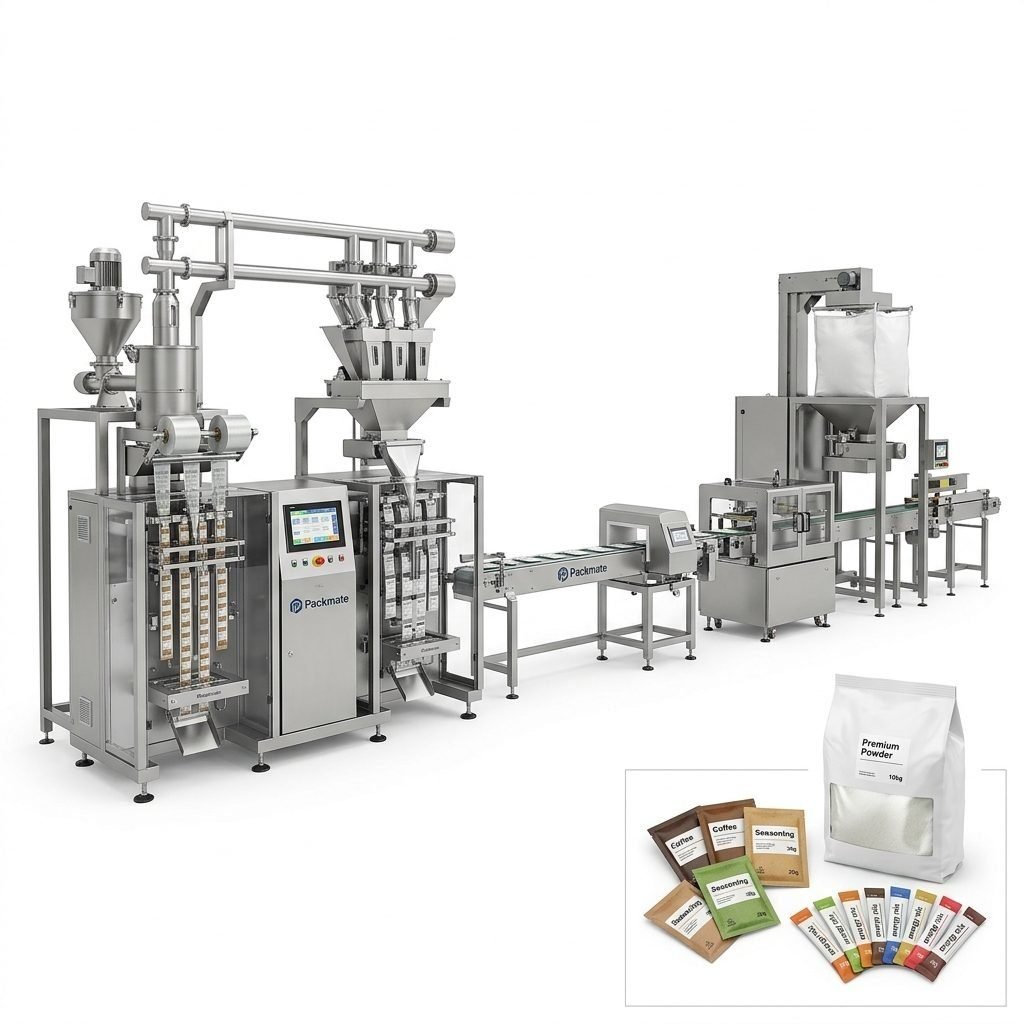
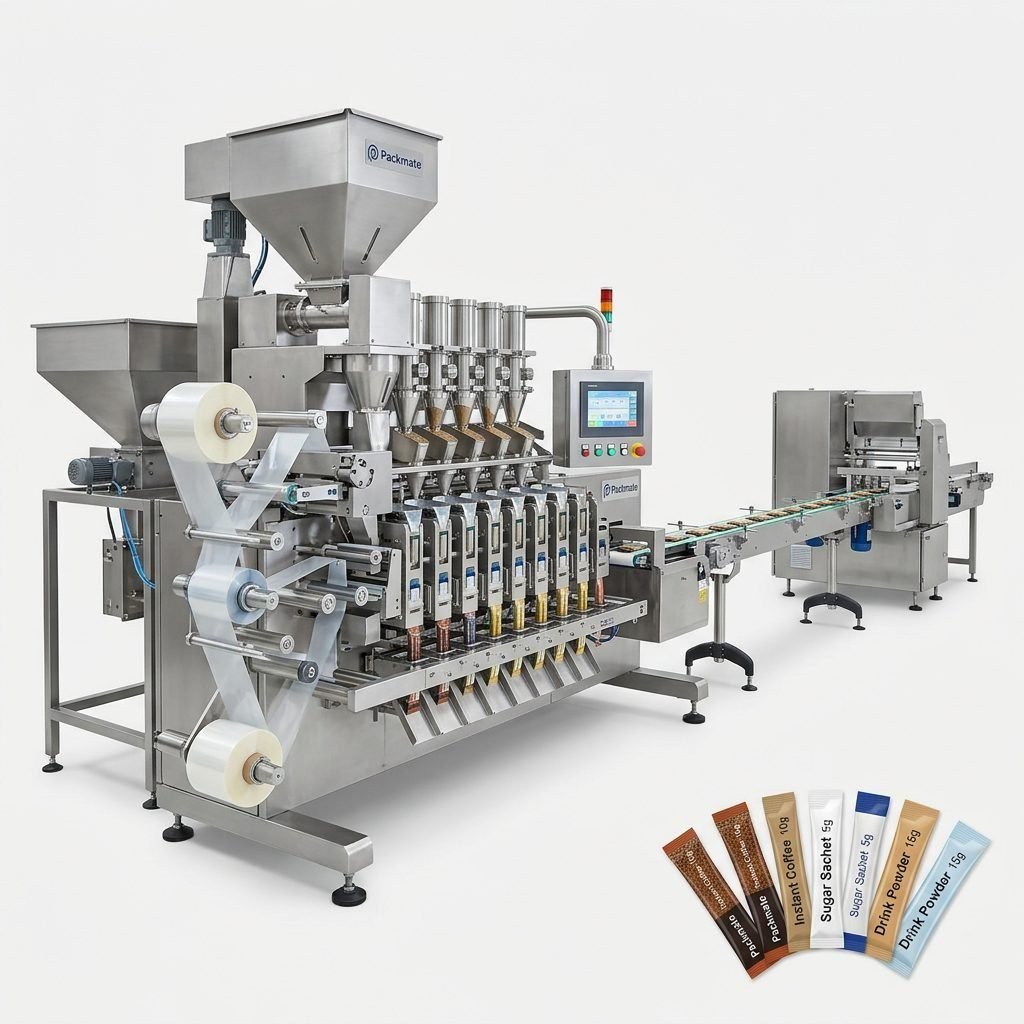
Ideal for high-volume production, these machines feature a rotating carousel that moves containers through various stations—filling, capping, sealing—in a continuous, synchronized motion. They are the workhorses for industries like bottled water, juices, and dairy, offering unmatched throughput and seamless integration with conveyor systems. For businesses looking to scale, exploring comprehensive filling & packaging lines can provide a complete turnkey solution.
Inline Piston Fillers
Renowned for handling viscous products like sauces, creams, and oils, piston fillers use a cylindrical chamber and piston to draw and dispense a precise product volume. Their strength lies in handling products with particulates and maintaining accuracy regardless of viscosity changes. This makes them a cornerstone in many food and personal care production facilities.
Why Versatility Matters
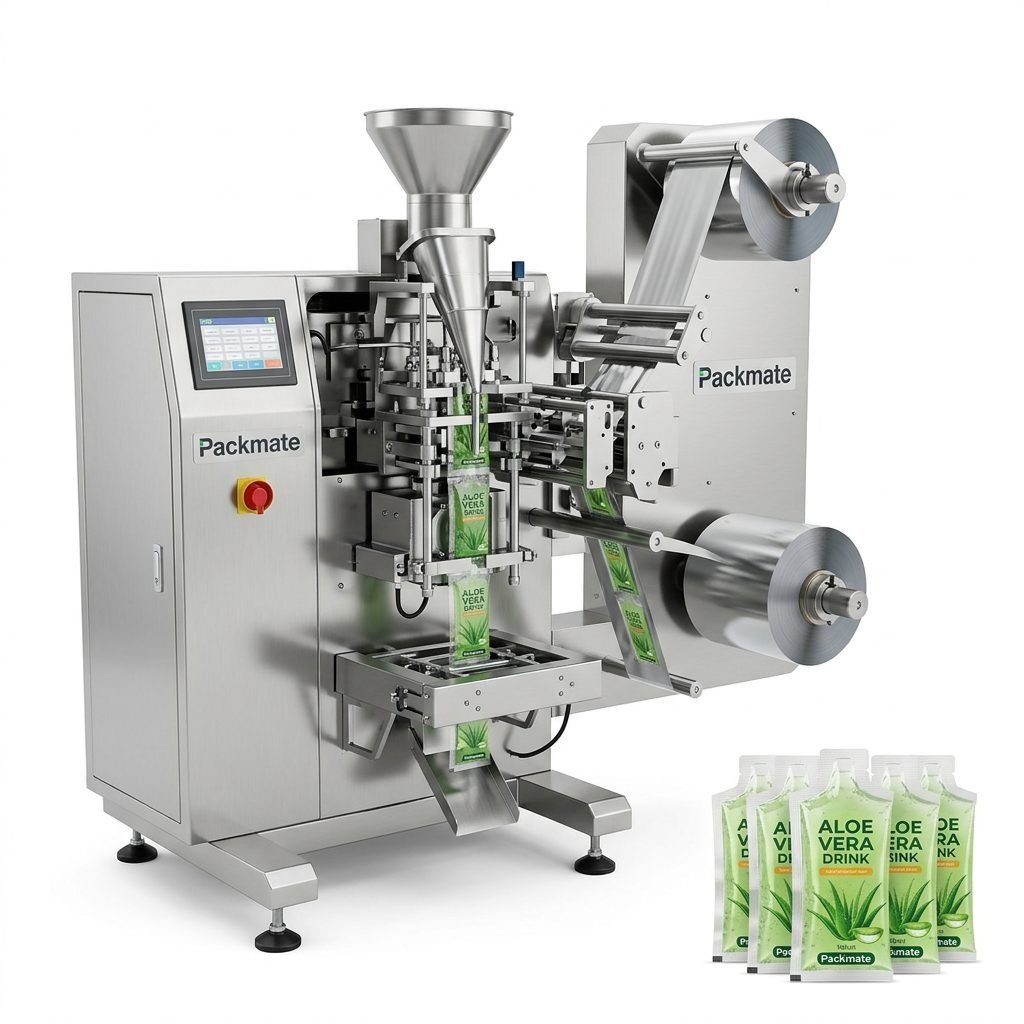
In today’s market, consumer demands shift rapidly. A machine that can only handle one bottle size or product type is a liability. The most efficient liquid packaging machines are designed for quick changeovers and easy adjustment. Look for features like tool-less parts replacement, programmable recipes stored in a PLC, and compatibility with a wide range of materials, from glass and plastic to flexible pouches. This adaptability is key for manufacturers producing multiple SKUs.
Aseptic and Clean-Fill Systems
For the pharmaceutical and certain high-end food sectors (like liquid baby food or nutritional supplements), maintaining sterility is non-negotiable. Aseptic filling machines create a sterile environment, often using techniques like HEPA filtration and sterile air showers, to fill products into pre-sterilized containers. These systems, while complex, are the pinnacle of efficiency for sensitive products, ensuring shelf stability and safety without preservatives.
The Integration Advantage: Beyond the Filler
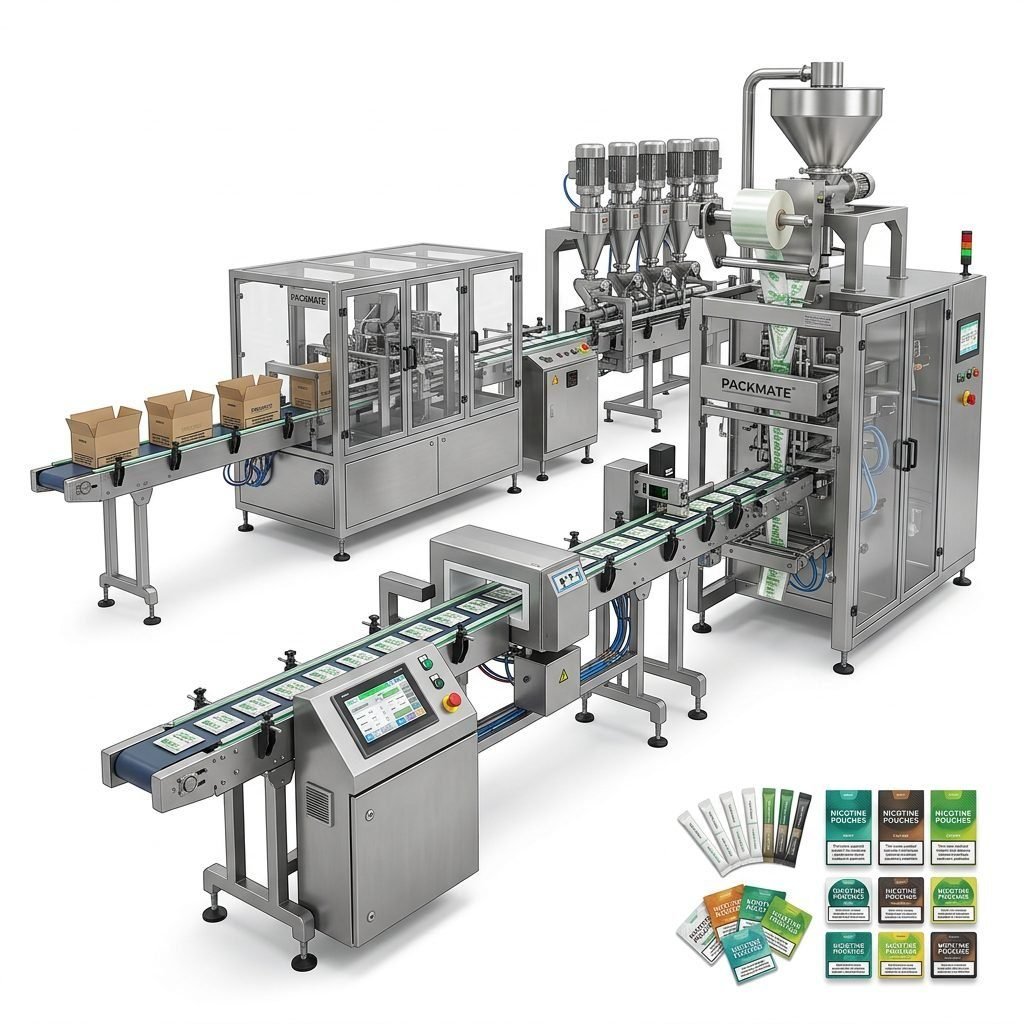
An efficient filler alone does not guarantee an efficient line. Its performance is amplified when seamlessly integrated with upstream and downstream equipment. This includes automatic bottle unscramblers, air cleaners, capping machines, labeling systems, and case packers. A well-synchronized line minimizes manual handling, reduces labor costs, and creates a smooth, continuous flow from empty container to palletized product. Investing in a cohesive system from a provider with expertise in weighing & packaging systems ensures all components work in harmony.
The Importance of Smart Controls and Data
Modern efficient machines are data hubs. Touchscreen HMIs (Human-Machine Interfaces) allow for intuitive operation and monitoring. More importantly, they collect data on output counts, downtime reasons, and maintenance schedules. This connectivity, often referred to as Industry 4.0, enables predictive maintenance and real-time optimization, preventing unexpected breakdowns and providing actionable insights to push efficiency boundaries further.
Choosing a Partner for Long-Term Efficiency
Selecting the best machine is also about choosing the right manufacturer. A partner with a strong track record, like Packmate Machinery, brings invaluable expertise. With over 30 years in designing intelligent packaging solutions, such a partner understands that efficiency is built on reliability. They offer robust machines backed by comprehensive technical support, readily available spare parts, and training—factors that ensure your machine remains efficient for its entire lifecycle, not just on day one.
Their commitment to innovation means they continuously refine their packing machines to meet evolving industry standards and client needs, ensuring your investment is future-proof.
Conclusion: Investing in Sustainable Productivity
Ultimately, the quest for the best liquid packaging machines for efficient filling is an investment in sustainable productivity. It requires balancing initial cost with long-term value, considering not only fill speed but also accuracy, flexibility, and total cost of ownership. By focusing on precision engineering, smart integration, and partnering with a reputable manufacturer, businesses can build a packaging operation that is resilient, adaptable, and consistently delivers high-quality products to market. This strategic approach transforms packaging from a cost center into a competitive advantage.
Frequently Asked Questions (FAQs)
What is the most important feature to look for in an efficient liquid filling machine?
While speed is often highlighted, consistent accuracy is arguably the most critical feature. A machine that fills precisely minimizes product giveaway (overfilling) and prevents underfilling, which can lead to customer complaints. This precision directly protects your profit margins and brand reputation, making it a cornerstone of true efficiency.
Can one machine handle both thin liquids (like water) and thick pastes (like ketchup)?
Some advanced machines are designed with this versatility in mind, often utilizing piston filling technology which is effective across a wide viscosity range. However, it typically requires a change of filling heads or cylinders. It’s crucial to discuss your specific product portfolio with the machine supplier to ensure the chosen model can efficiently handle all your required products with minimal changeover time.
How does machine automation impact filling efficiency?
Automation dramatically boosts efficiency by increasing speed, reducing human error, and enabling continuous operation. Automated systems can handle tasks like container feeding, filling, capping, and labeling in one seamless flow. This not only increases output but also improves workplace safety and allows skilled operators to focus on supervision and quality control rather than repetitive manual tasks.
What kind of maintenance do efficient liquid packaging machines require?
Regular preventative maintenance is key to sustaining efficiency. This includes daily cleaning to prevent product buildup and cross-contamination, weekly checks of seals and gaskets for wear, and lubrication of moving parts as per the manufacturer’s schedule. Modern machines often have automated maintenance alerts. Choosing a supplier with strong after-sales support ensures you have access to guidance and genuine spare parts.
Is it better to buy a standalone filler or a complete integrated packaging line?
The choice depends on your current and future production scale. A standalone filler is suitable for lower volumes or manual/semi-automatic processes. For medium to high-volume production, an integrated line is far more efficient in the long run. It reduces labor, minimizes handling damage, and ensures consistent throughput. A reputable provider can help you design a scalable line that meets your present needs with the option to expand later.