Selecting the right packaging machine integrator is a pivotal decision that can define the efficiency, scalability, and profitability of your production line for years to come. It’s about more than just buying a machine; it’s about forging a strategic partnership with a company that understands your vision, your challenges, and your market. A true system partner provides not only hardware but also the engineering expertise, ongoing support, and innovative thinking necessary to navigate the complexities of modern packaging. This guide will walk you through the critical factors to consider, helping you identify a partner who can deliver a complete, reliable, and future-proof packaging solution.
Beyond the Machine: The Role of a True System Integrator
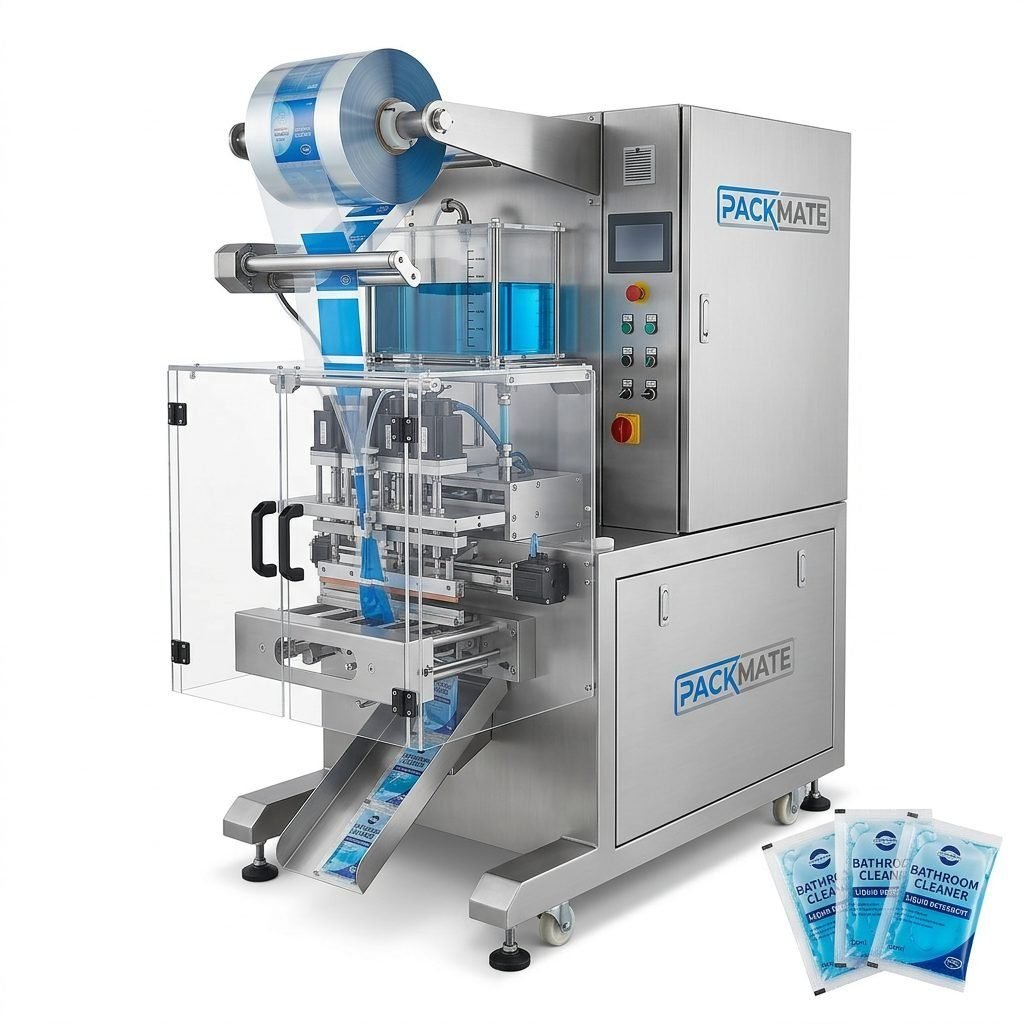
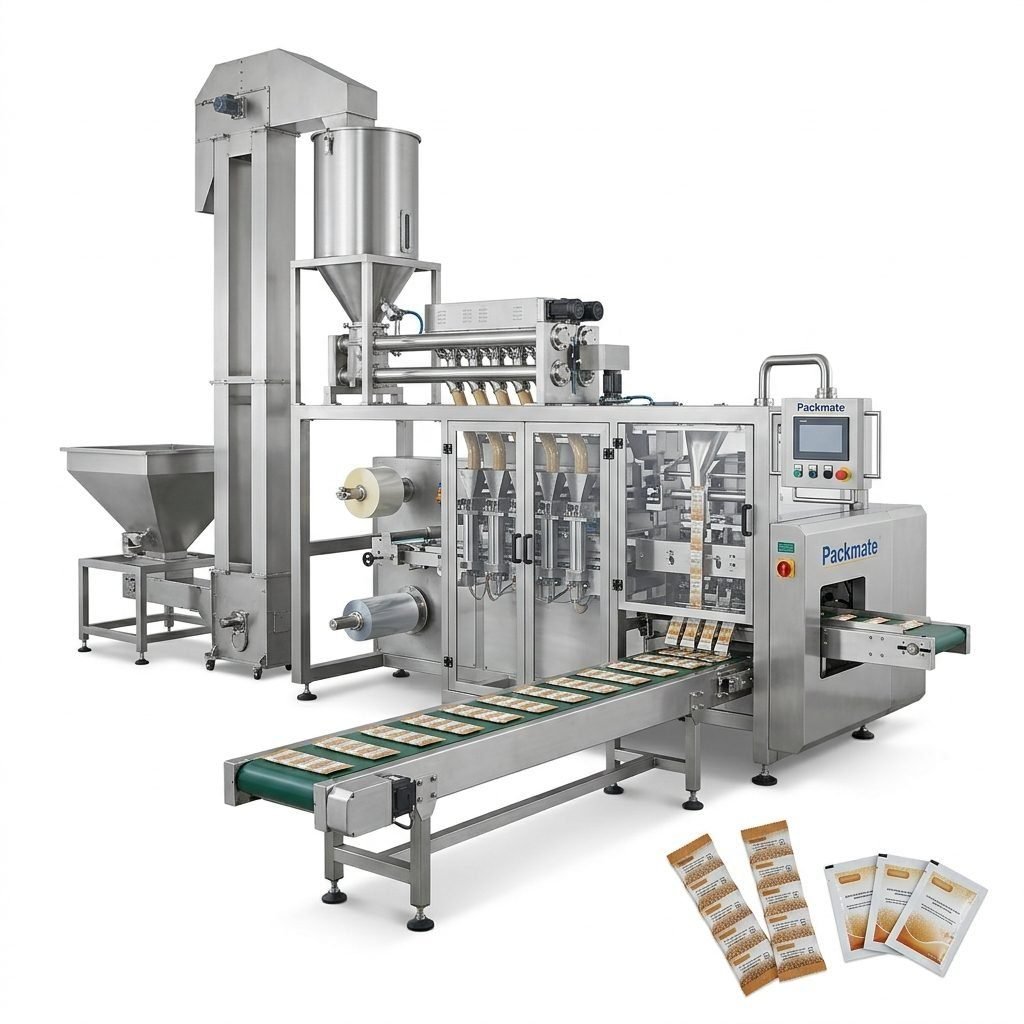
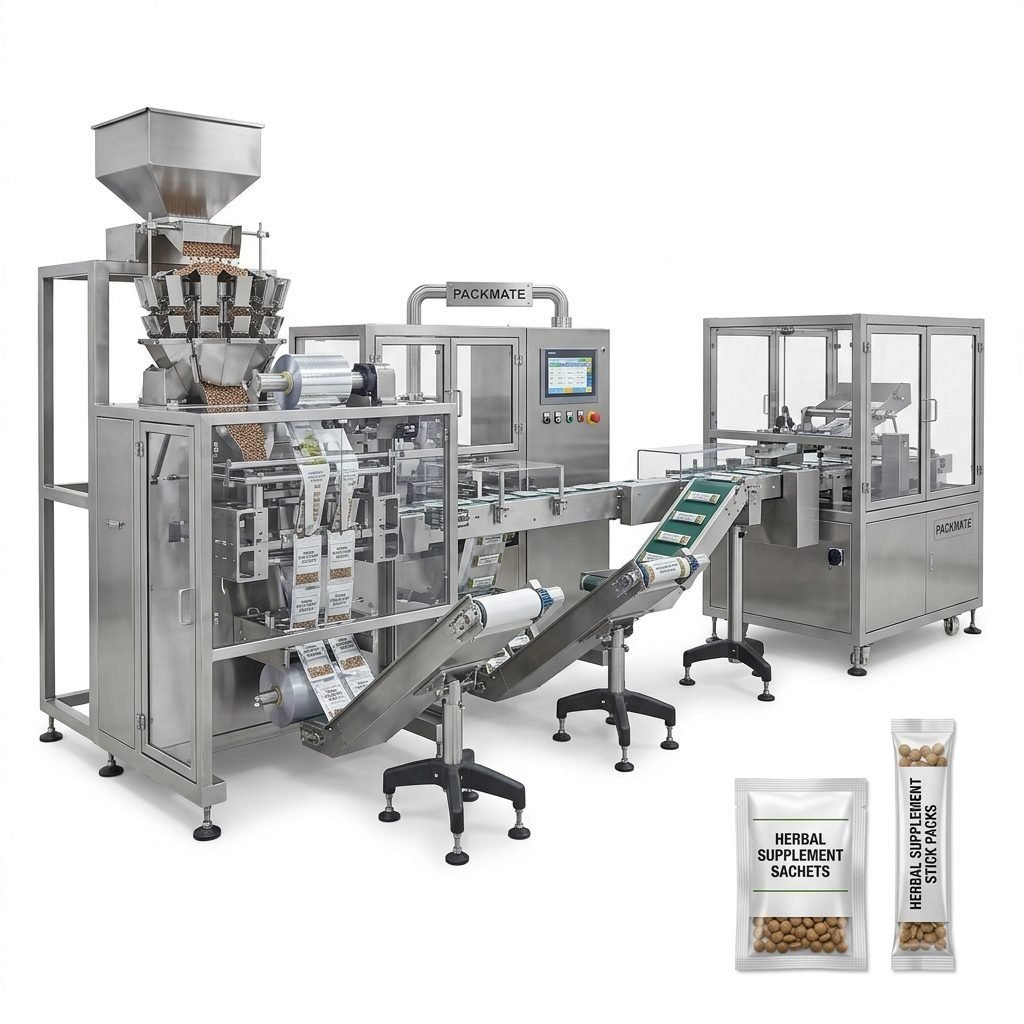
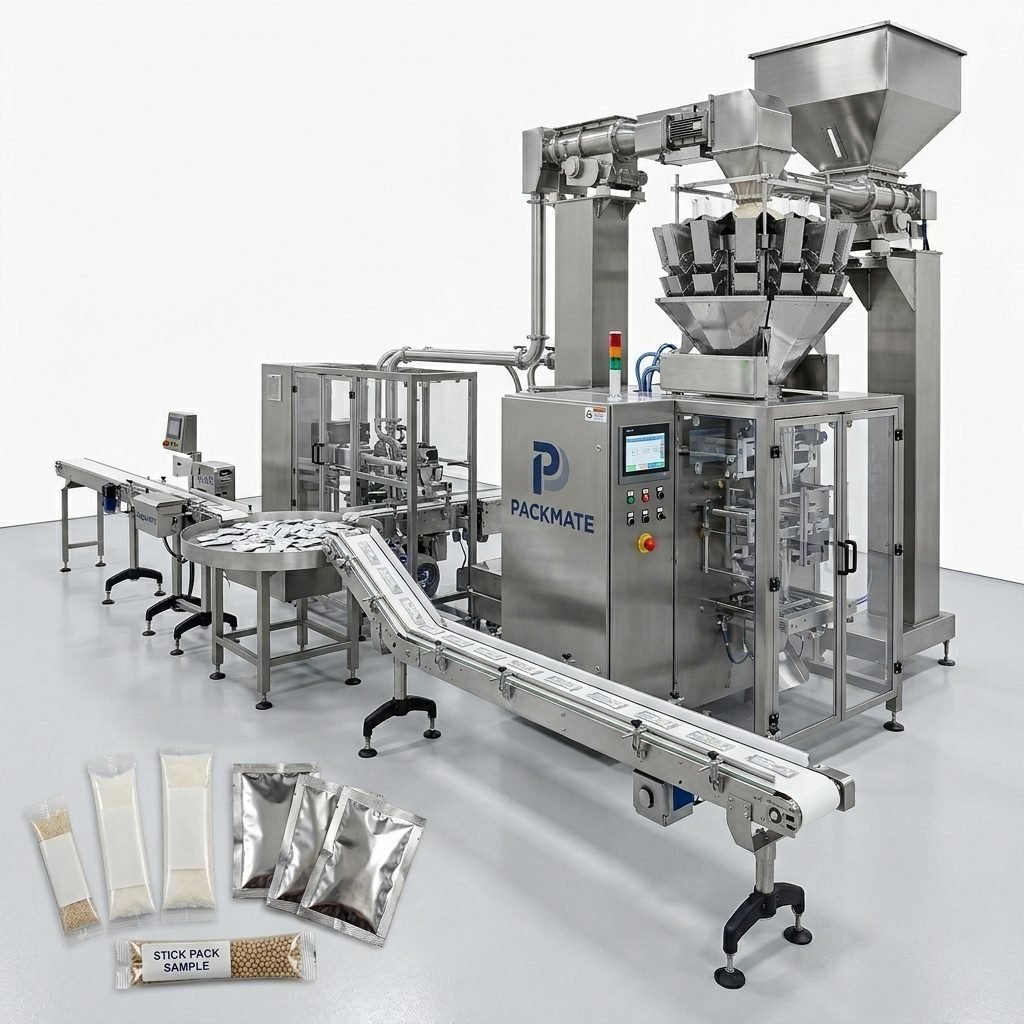
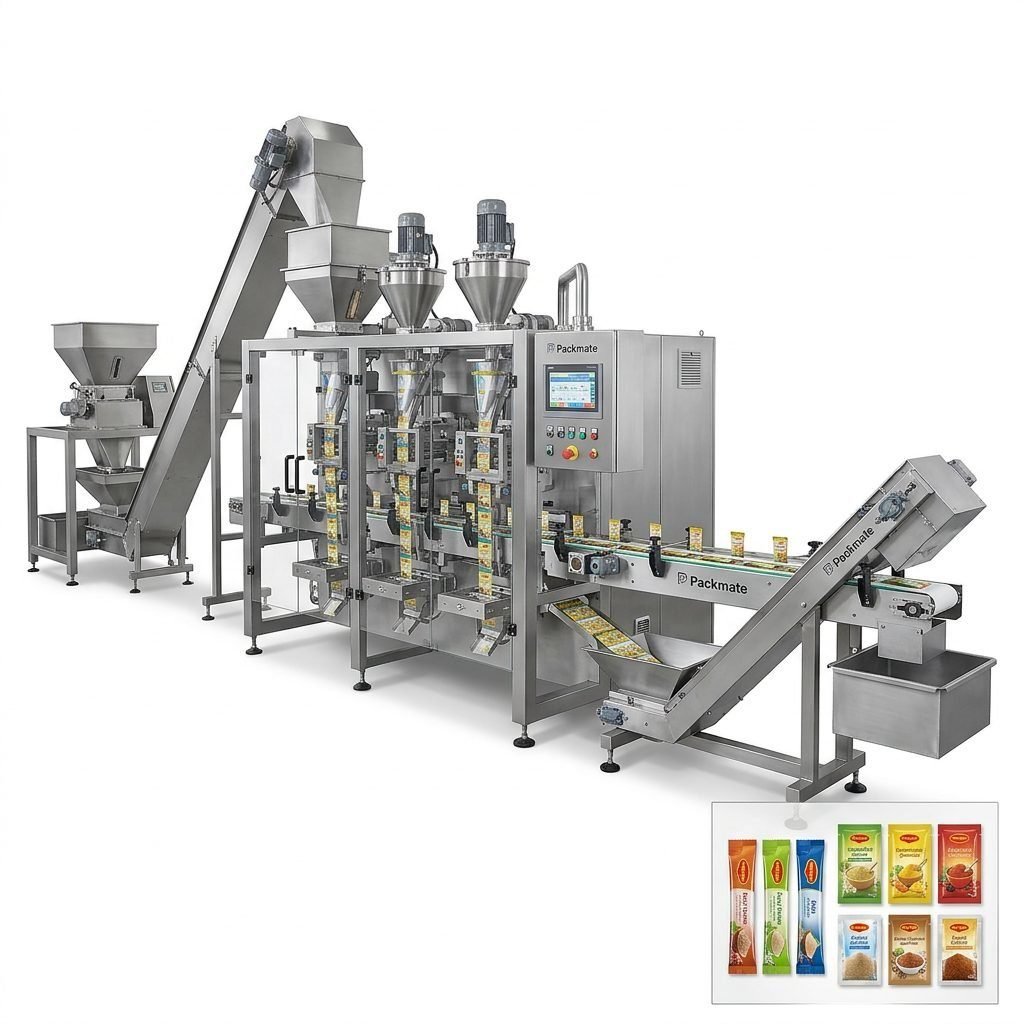
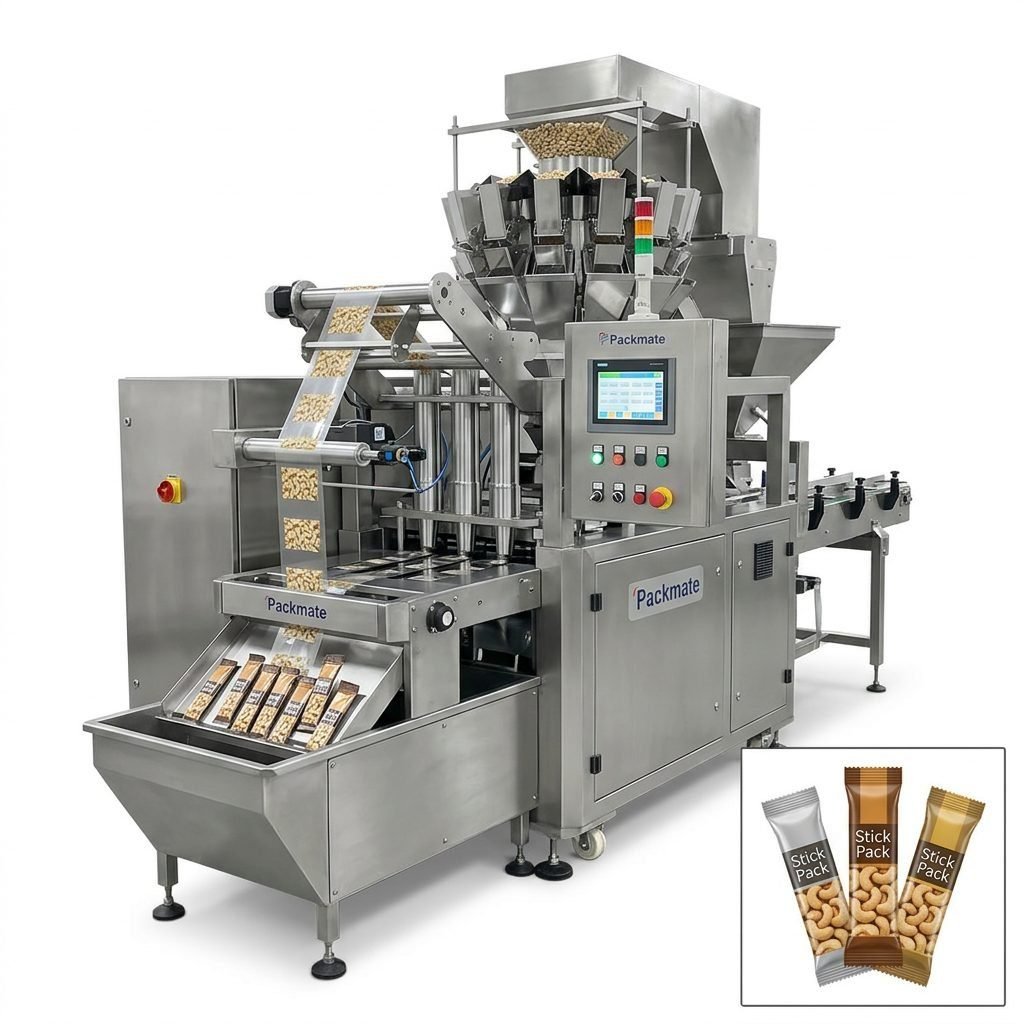
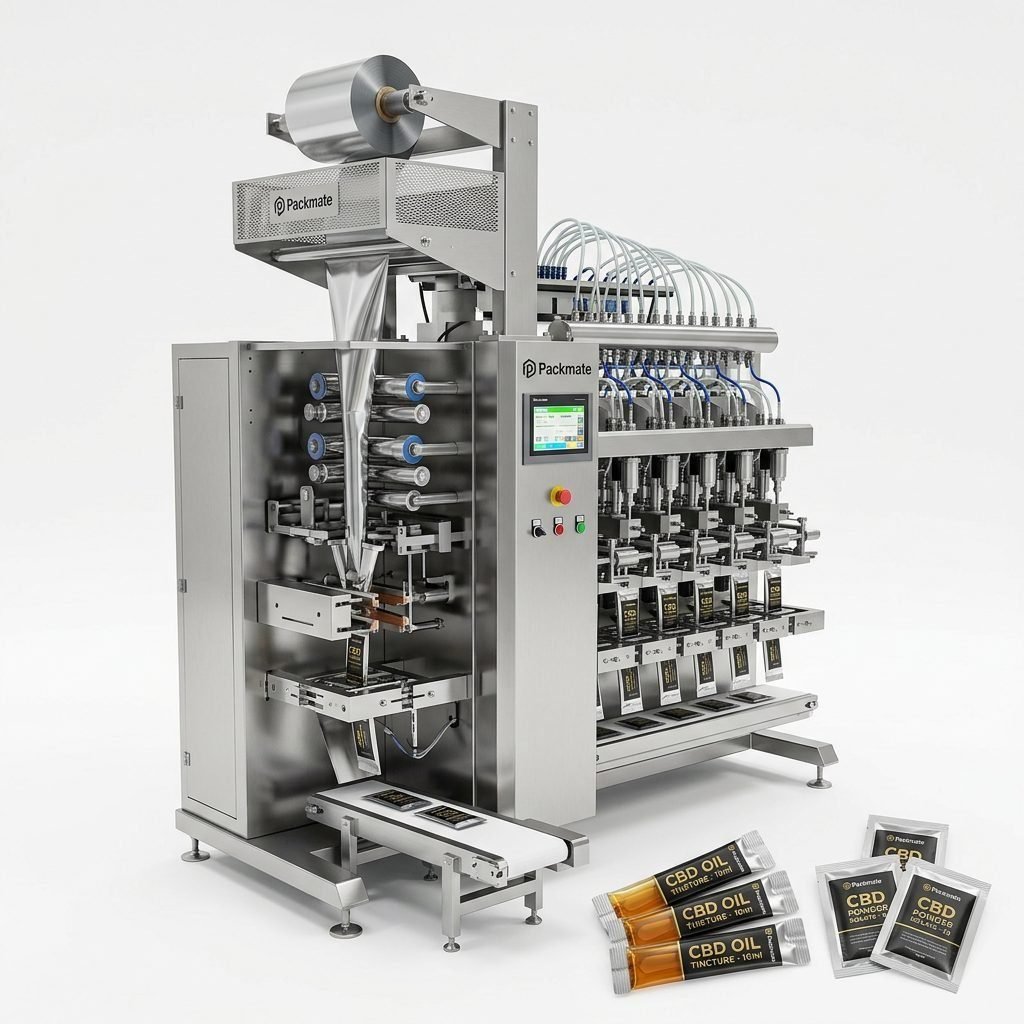
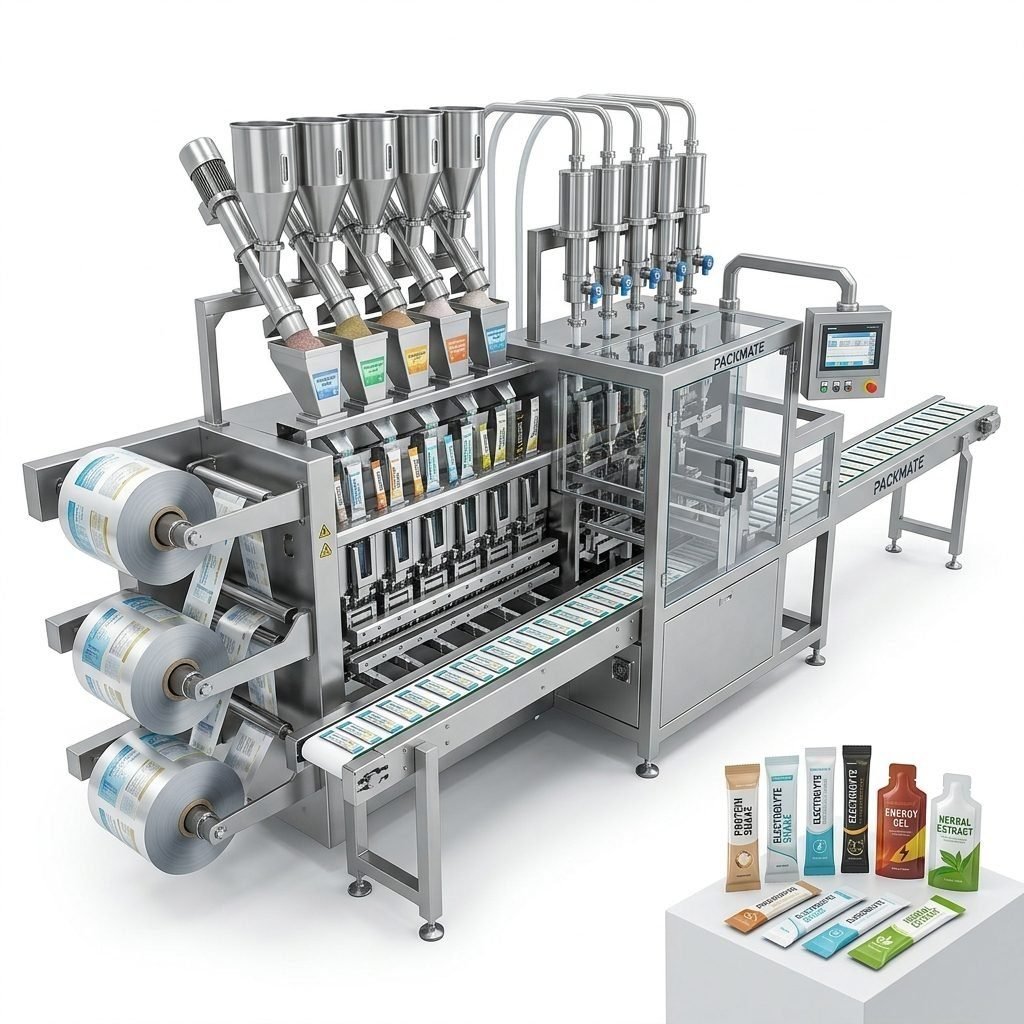
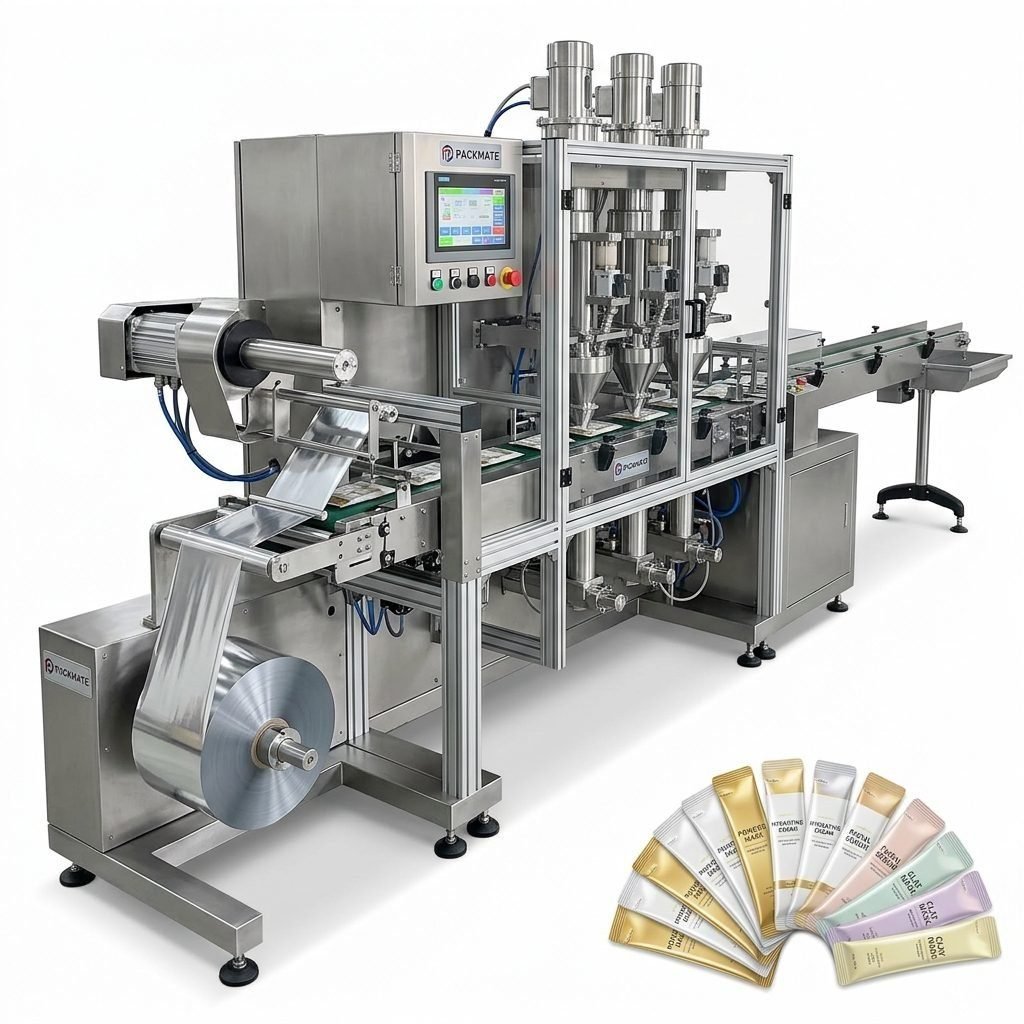
An integrator’s role transcends simple equipment supply. They act as the architect of your packaging process, responsible for designing, sourcing, assembling, and commissioning a cohesive system where all components—from feeders and fillers to sealers and coders—work in perfect harmony. The goal is a seamless, automated line that maximizes output, minimizes waste, and ensures consistent product quality. This requires deep technical knowledge across mechanical, electrical, and software disciplines. A premier packaging machinery manufacturer like Packmate, with over two decades of development, embodies this integrative approach, transforming standalone machines into synchronized production powerhouses.
Key Integration Capabilities to Look For:
Holistic Line Design: Ability to design the entire workflow, ensuring compatibility between all units.
Controls & Software Mastery: Expertise in PLC programming, HMI design, and data integration for monitoring and control.
Material Handling Expertise: Understanding of how to smoothly transport your specific product (powders, granules, liquids) through each stage.
Validation & Documentation: Providing the necessary documentation and support for industry compliance and validation protocols.
Critical Evaluation Criteria for Your Potential Partner
Choosing a partner is a multi-faceted process. You must look beyond glossy brochures and assess tangible proof of capability and commitment.
1. Proven Experience & Industry Specialization
Look for a partner with a documented history in your specific sector—be it food, pharmaceuticals, or health products. Specialization matters because regulations, hygiene standards, and product characteristics vary drastically. A company like Packmate, which focuses on intelligent packaging for these sensitive industries, brings pre-validated knowledge to the table. Review their case studies and client list. Have they successfully integrated lines for products similar to yours? Their project portfolio is the most credible testament to their practical experience.
2. Technical Depth & Innovation Pipeline
Assess their engineering strength. How large and experienced is their R&D team? Do they actively develop new technologies or merely assemble off-the-shelf components? A partner invested in innovation, like one operating from a 20,000㎡ modern facility with over 100 advanced production equipment units, is more likely to offer cutting-edge solutions that provide a competitive edge. Inquire about their approach to common challenges like quick changeovers, recipe management, or integration with weighing and packaging systems.
3. Manufacturing & Quality Control Infrastructure
The quality of the integration is directly tied to the quality of the manufacturing behind it. Can they control the entire build process in-house? Partners with their own extensive manufacturing facilities, CNC machining centers, and assembly lines have superior control over quality, lead times, and cost. Insist on understanding their quality management system. Certifications (like CE, ISO) are a baseline. Ask about their testing protocols—do they run full factory acceptance tests (FAT) with your product simulants before shipment?
The Packmate Advantage: A Case Study in Partnership
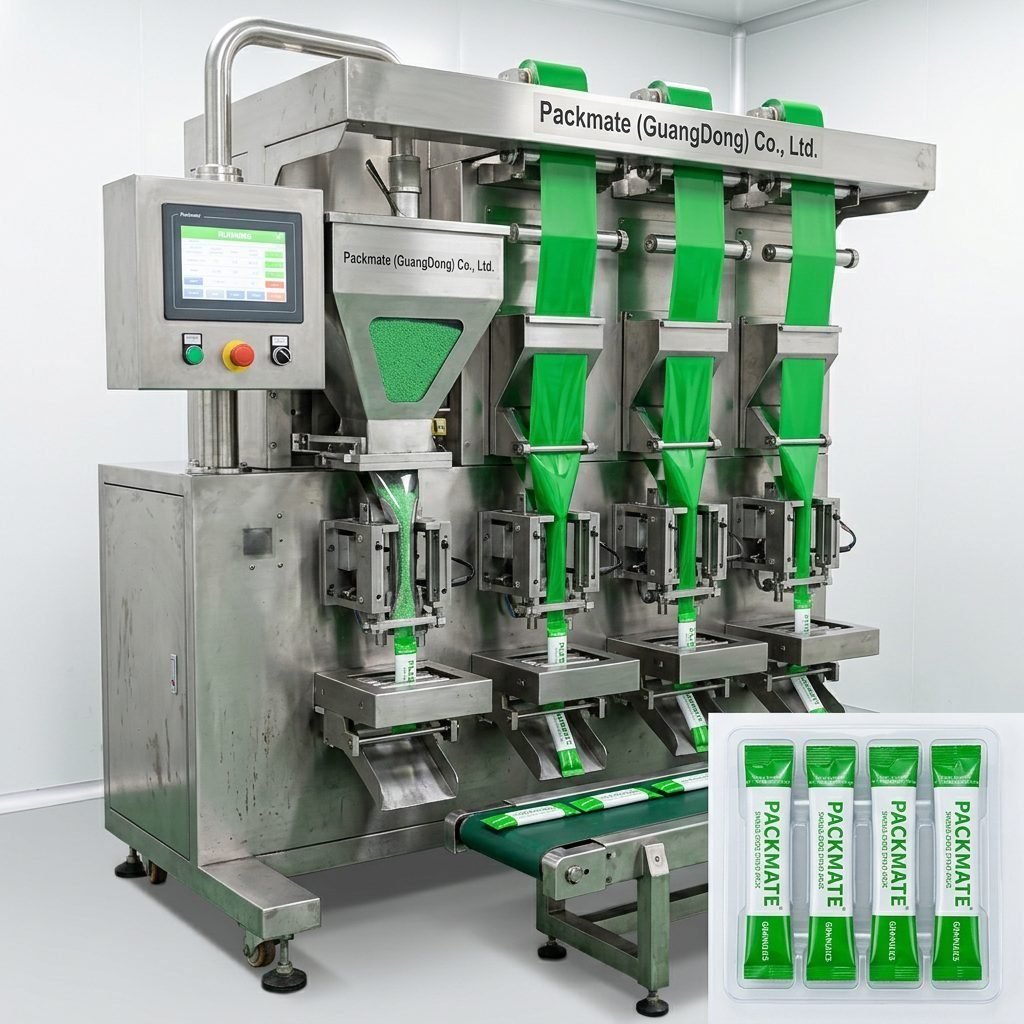
Founded on a vision of automation and productivity in a small workshop, Packmate’s evolution into Packmate (GuangDong) Co., Ltd. mirrors the journey of a true integrator. Starting with sachet machines, they expanded to complex multi-lane stick pack lines and full turnkey systems. This growth was driven by solving client problems, not just selling machines. Their 22+ years of company development is built on a foundation of collaboration, where their 125+ professional team members work closely with clients to engineer solutions that fit unique operational needs. This history demonstrates a long-term commitment to being a system partner, not just a vendor.
4. Comprehensive Service & Lifecycle Support
The relationship begins at installation, not ends there. Your partner must offer robust after-sales support. What is their response time for technical support? Do they provide readily available spare parts, detailed maintenance manuals, and operator training programs? Can they offer remote diagnostics and support? A global service network or a dedicated, responsive service team is crucial for minimizing downtime. Ensure they view the project lifecycle as a long-term commitment to your operational success.
5. Financial Stability & Cultural Fit
A partner must be a stable entity you can rely on for the 10-15 year lifespan of your equipment. Evaluate their financial health and market reputation. Equally important is cultural fit. Do they communicate clearly and transparently? Is their project management style proactive? Do they listen to your needs and demonstrate flexibility? The partnership should feel collaborative, with open dialogue and shared goals for the project’s success.
The Selection Process: From RFQ to Successful Commissioning
Navigate the selection with a structured approach. Start with a detailed Request for Quotation (RFQ) that outlines your current process, desired output, product specs, and future growth plans. Evaluate proposals not just on price, but on the proposed solution’s technical merit, clarity, and the value-added services included. Always request and visit reference sites. Finally, ensure the contract clearly defines scope, timelines, performance guarantees, payment terms, and support agreements.
Conclusion: Building a Foundation for Future Growth
The right packaging machine integrator becomes an extension of your own team—a trusted advisor and problem-solver. By prioritizing proven experience, technical depth, quality manufacturing, and unwavering support, you invest in more than a production line; you invest in operational resilience, product quality, and the agility to adapt to future market demands. This strategic partnership is the cornerstone upon which efficient, scalable, and profitable packaging operations are built.
Frequently Asked Questions (FAQs)
What is the main difference between a machine supplier and a system integrator?
A machine supplier typically provides standalone units. A system integrator designs, engineers, and commissions a complete, automated production line where all components (conveyors, fillers, sealers, robots, etc.) are synchronized and controlled as one cohesive system to optimize efficiency and output.
Why is industry-specific experience so important for an integrator?
Different industries have unique requirements: food needs hygienic design and easy cleaning (CIP/SIP), pharmaceuticals demand validation and traceability, and chemicals may require explosion-proofing. An integrator with specific experience already understands these regulatory and operational constraints, leading to a more compliant and efficient design from the start.
What should be included in a Factory Acceptance Test (FAT)?
A comprehensive FAT allows you to witness the integrated system running at the integrator’s facility before shipment. It should demonstrate that the line meets all agreed-upon performance specifications (speed, accuracy, changeover time) using your actual product or a close simulant. It’s the final quality checkpoint before installation.
How do I ensure the integrated system can scale with my future growth?
Discuss future capacity needs upfront with your integrator. A good partner will design modularity and scalability into the system—for example, leaving space for additional packaging lanes, choosing controls that can accommodate more nodes, or selecting feeders that can be upgraded for higher speed. This foresight protects your investment.
What post-installation support is critical?
Essential support includes detailed training for your operators and maintenance staff, comprehensive documentation (manuals, electrical diagrams, PLC code), a readily available spare parts program, and access to responsive technical support—preferably offering both remote diagnostics and on-site service capabilities to minimize downtime.