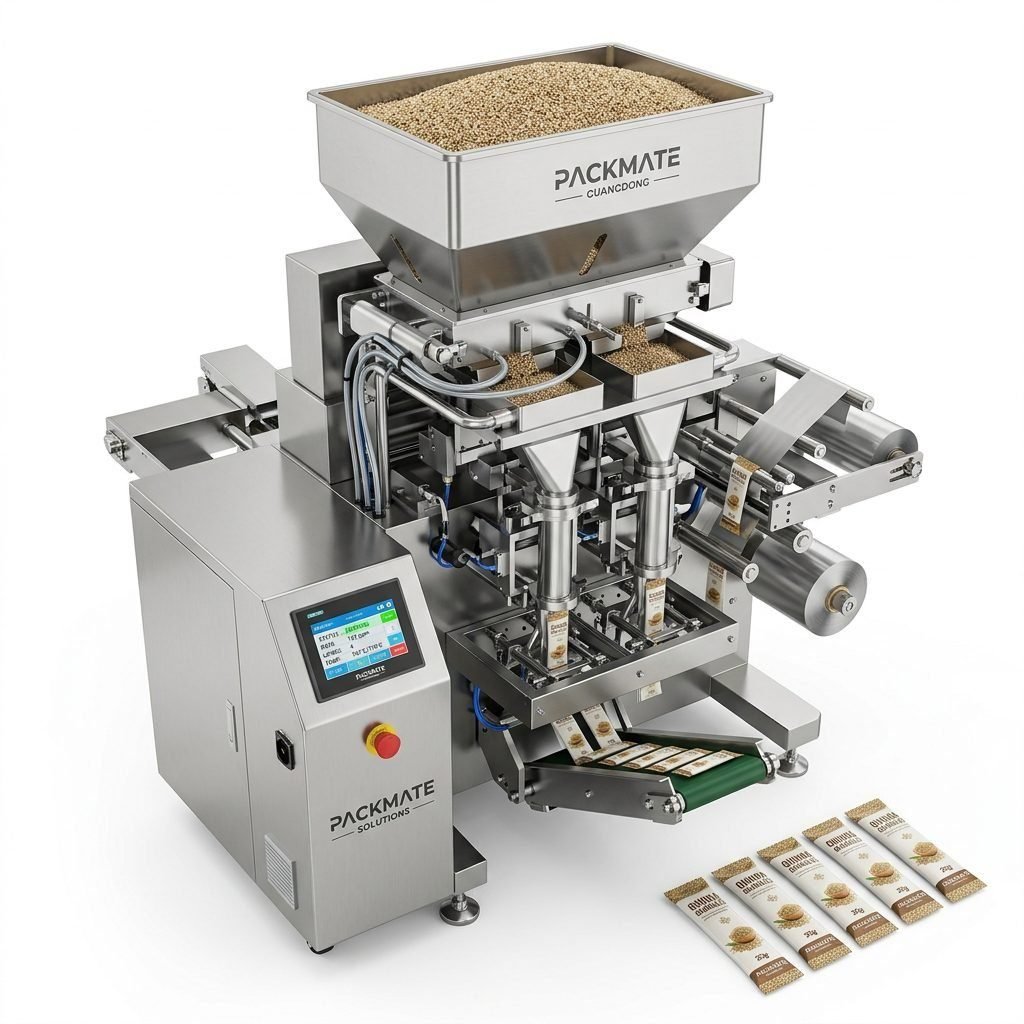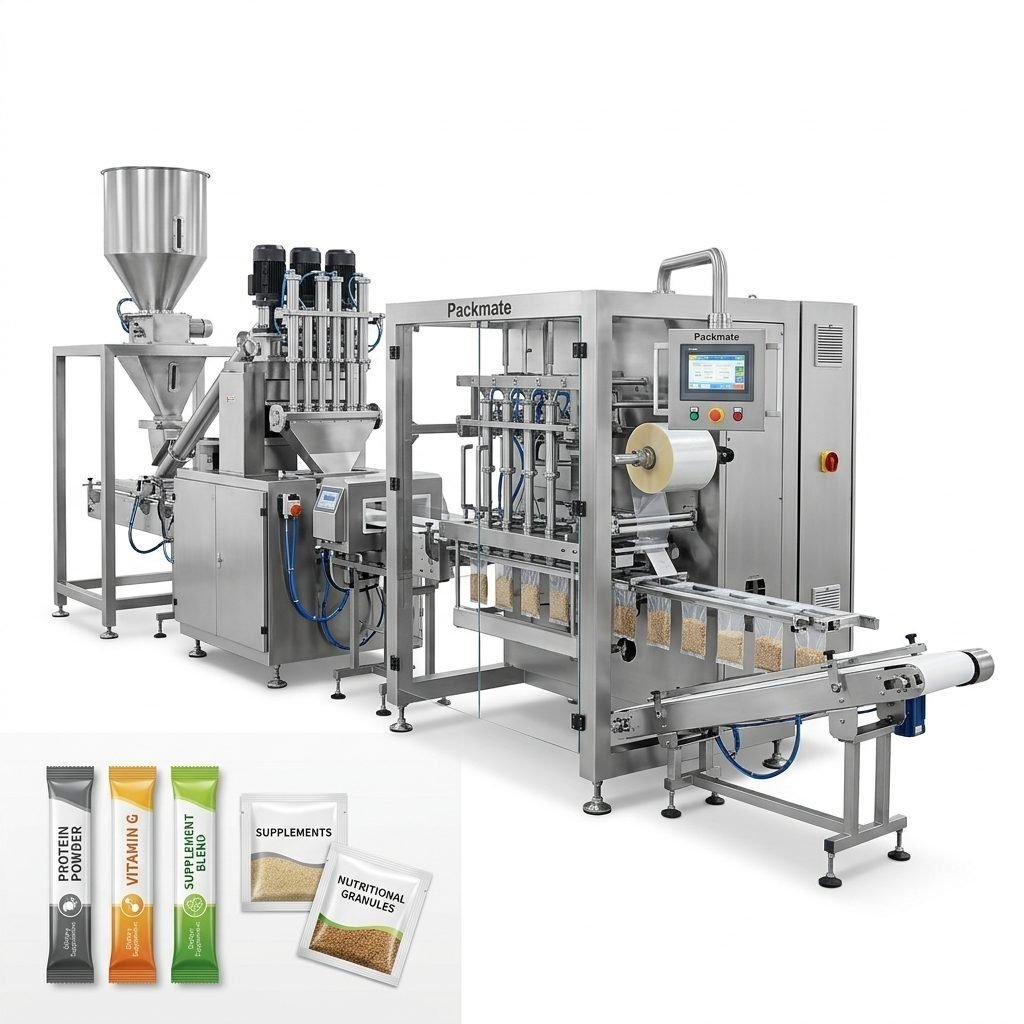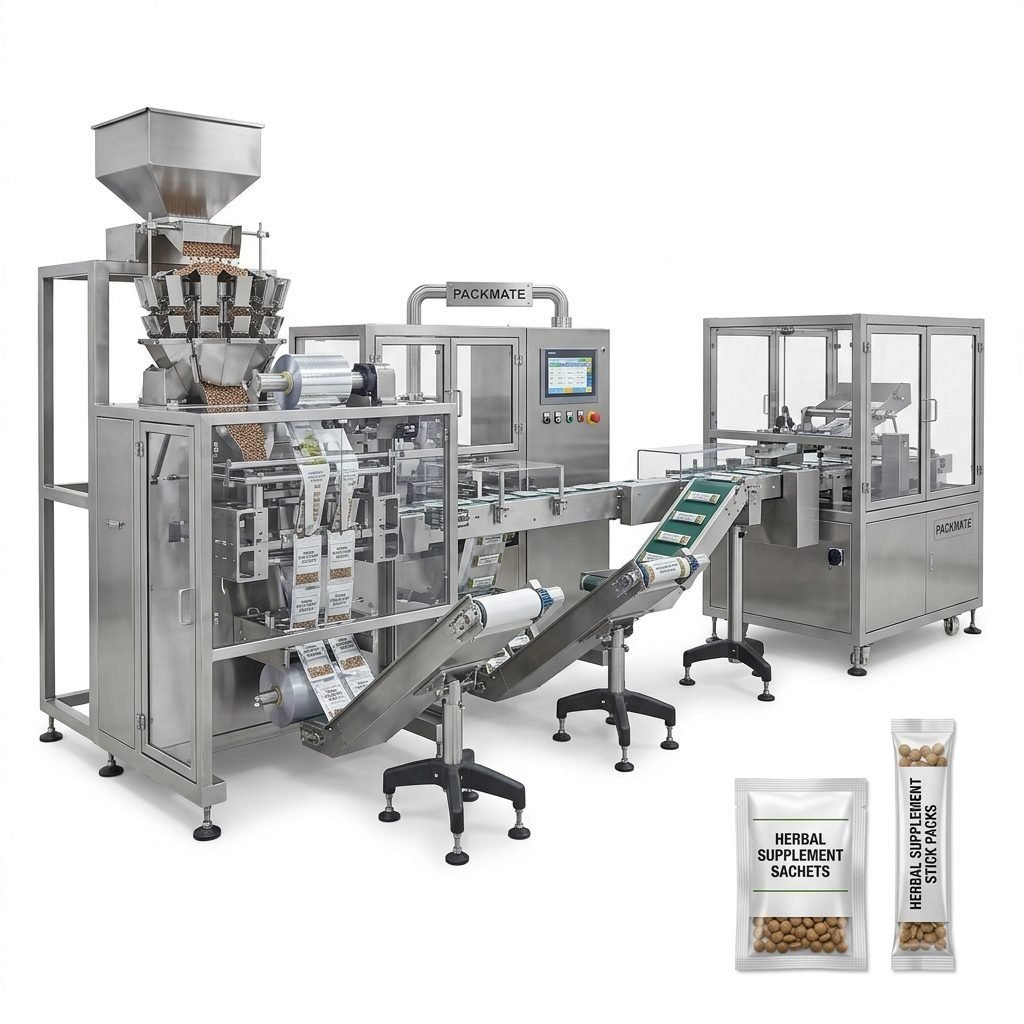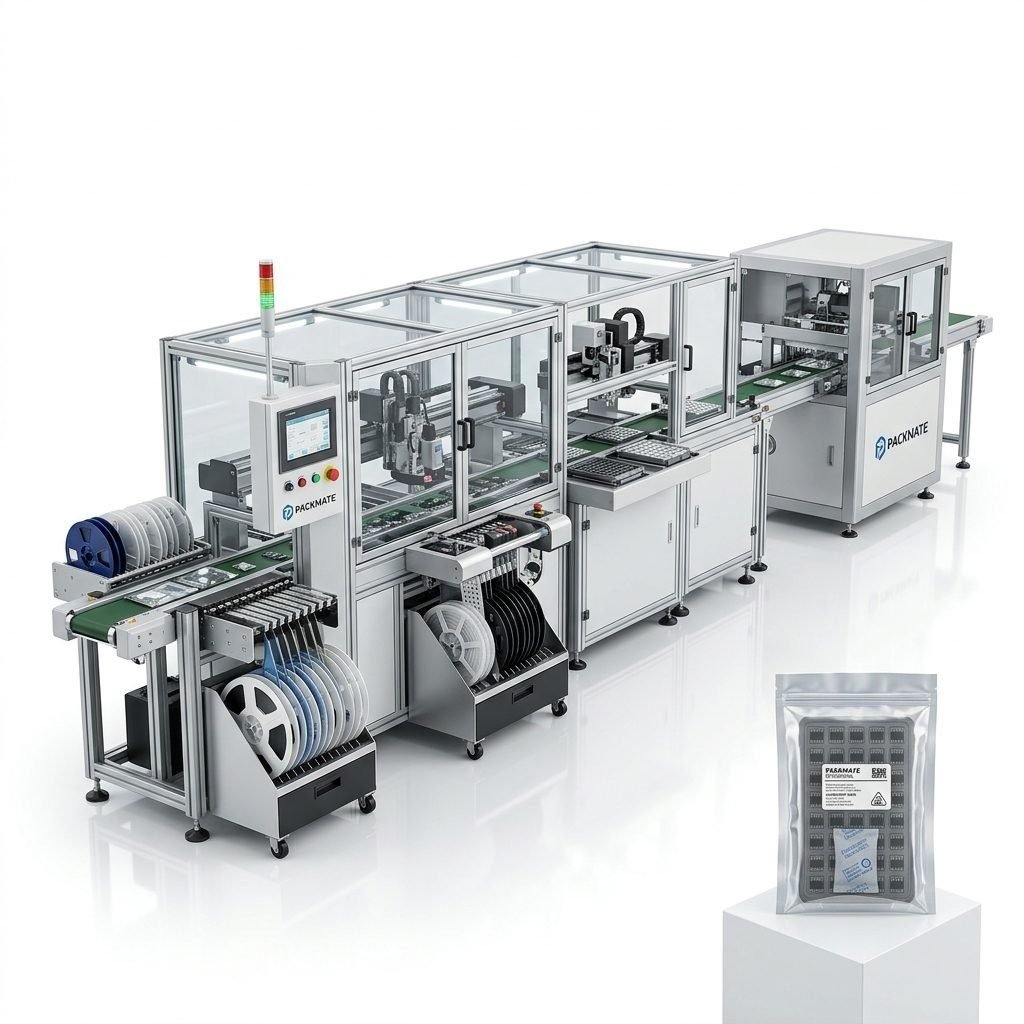
In the dynamic world of industrial manufacturing, efficiency, reliability, and product integrity are paramount. Shrink packaging machines play a crucial role in achieving these goals, providing a secure, tamper-evident, and visually appealing finish for a vast array of products. From consumer goods and food items to pharmaceuticals and hardware, the right shrink packaging solution can streamline operations, reduce material costs, and enhance brand presentation on the shelf. Selecting a top-tier manufacturer is therefore not just a purchase; it’s a strategic investment in your production line’s future.
Key Factors in Choosing a Shrink Packaging Machine Manufacturer
Navigating the market for industrial packaging equipment requires a clear understanding of your specific needs and the capabilities of potential suppliers. The decision impacts your daily output, maintenance costs, and long-term scalability.
Technical Expertise and Machine Reliability
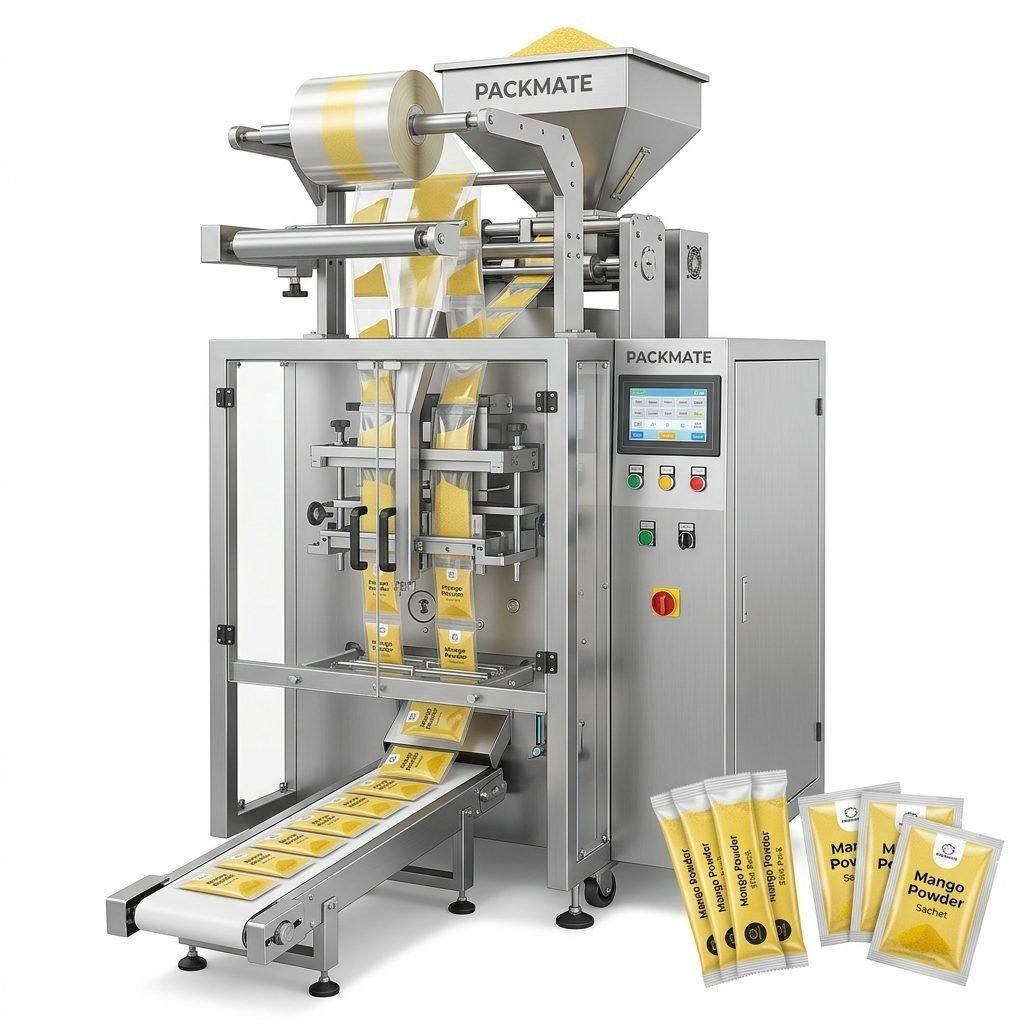
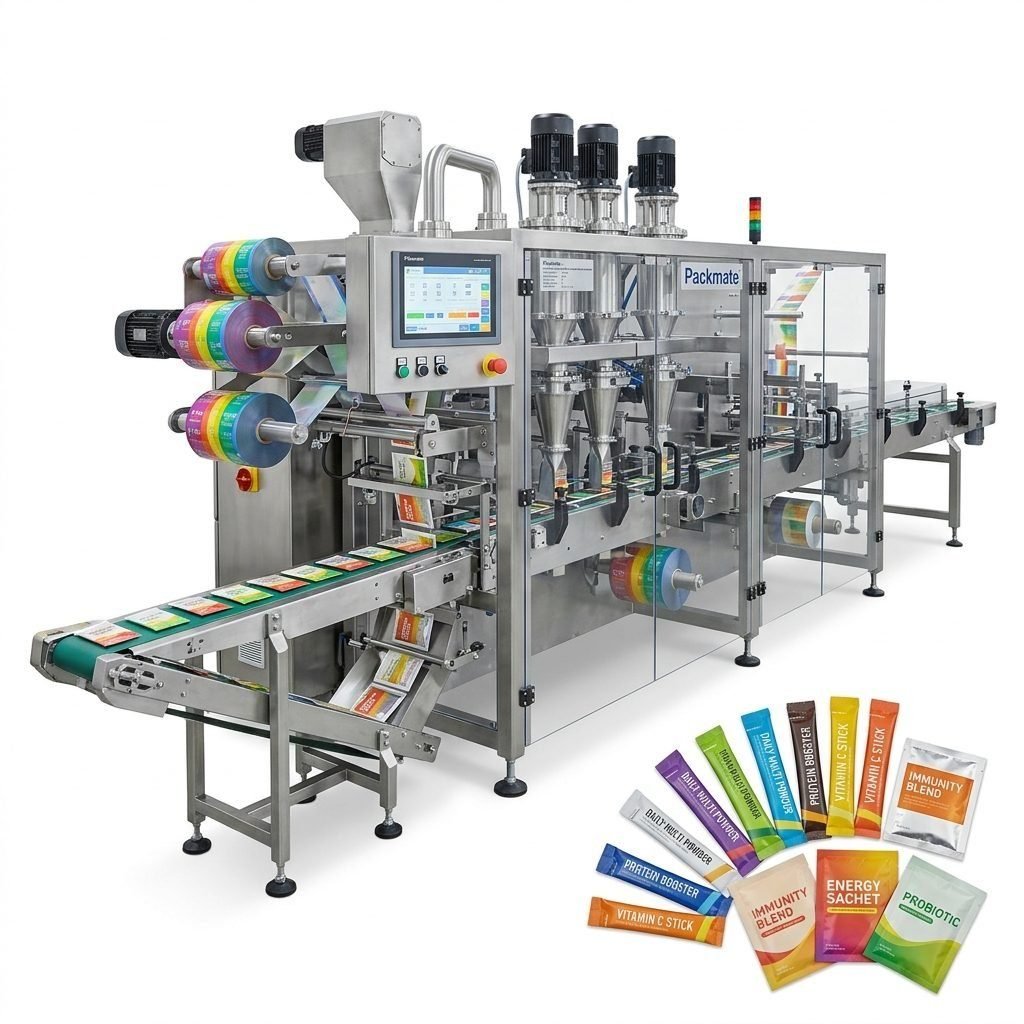
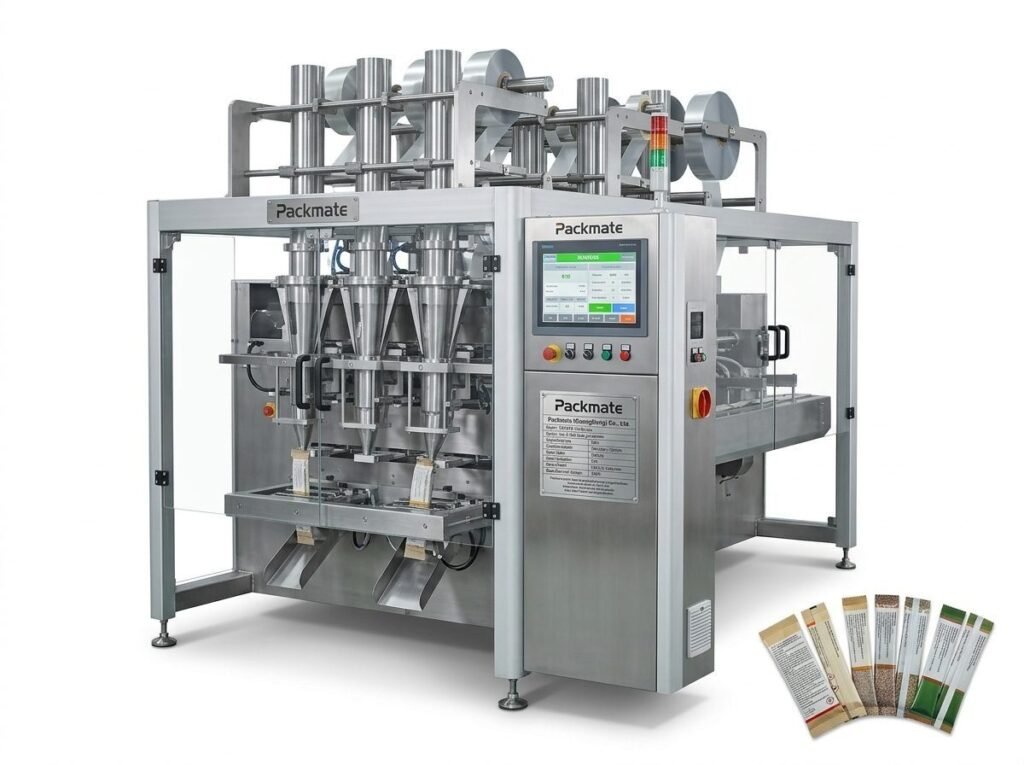
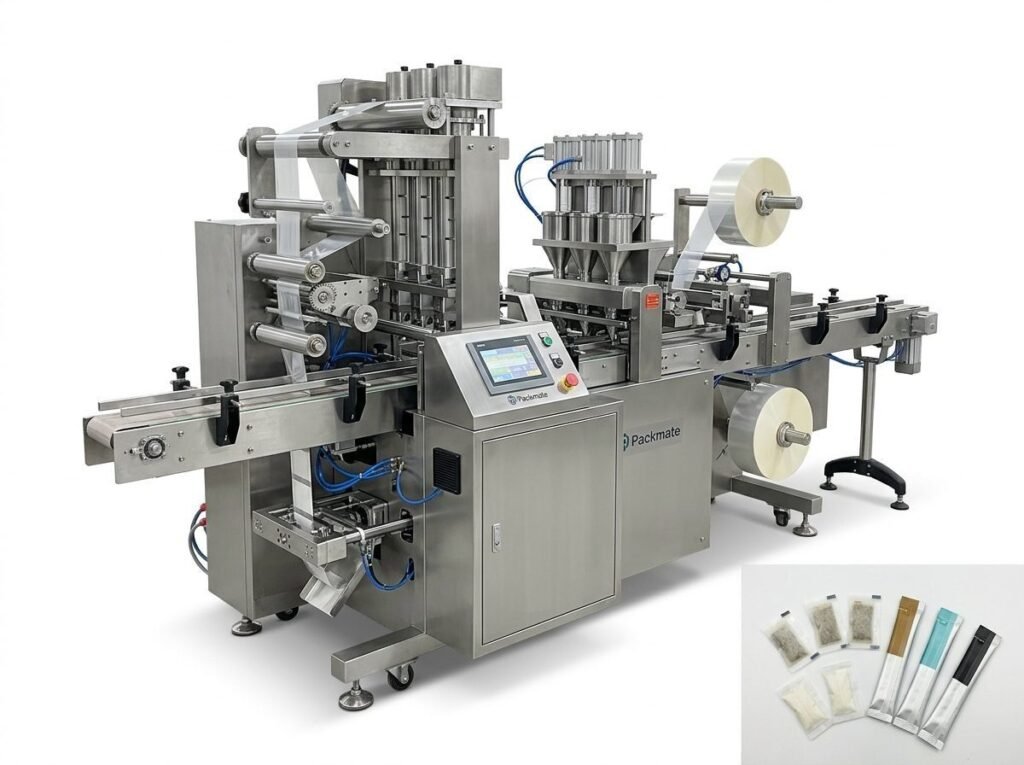
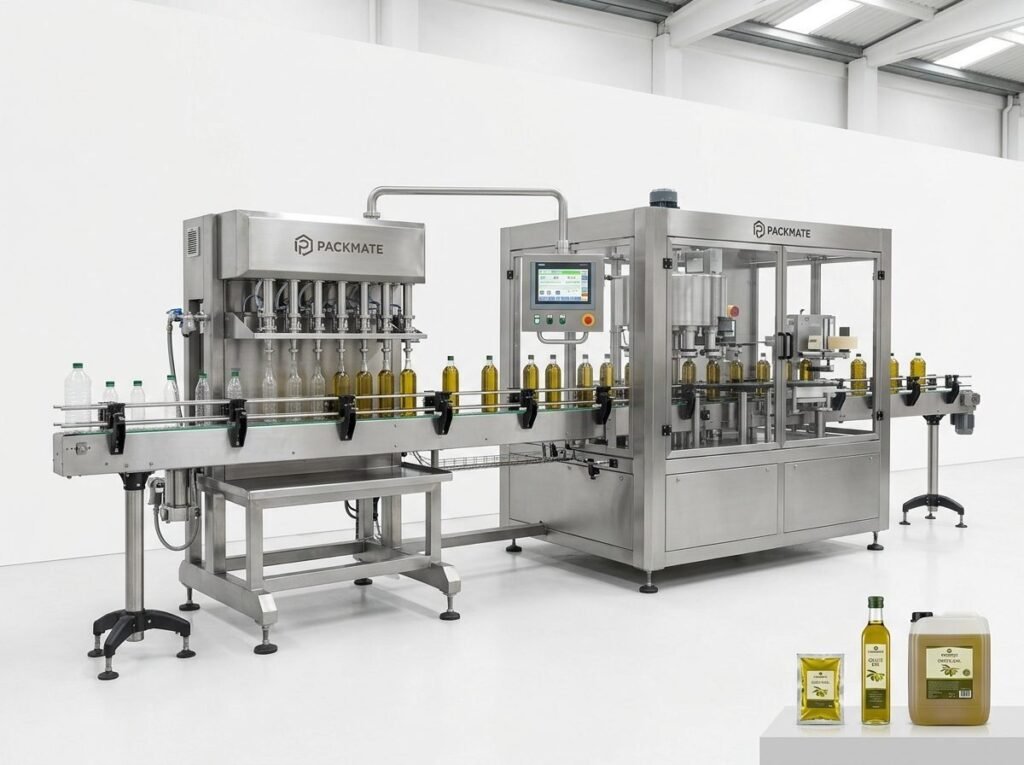
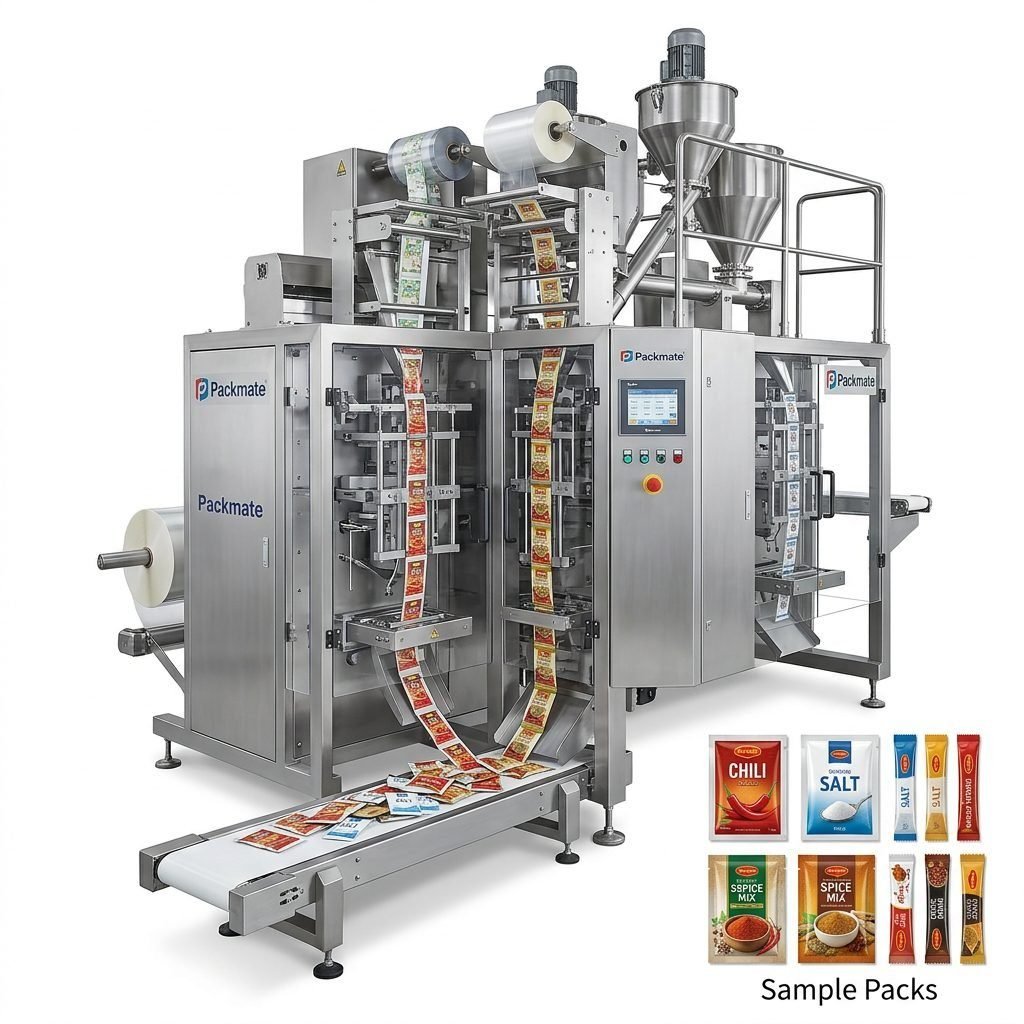
The core of any great manufacturer lies in its engineering prowess and commitment to quality. A reliable machine minimizes downtime, ensures consistent seal integrity, and operates efficiently at high speeds. Look for companies with a proven track record of innovation and robust construction. For instance, manufacturers with decades of experience, like Packmate Machinery, often build their reputation on designing durable equipment that withstands the rigors of 24/7 industrial environments. Their journey from a small workshop to a company with a 20,000㎡ modern facility underscores a deep-rooted focus on technical excellence and production reliability.
Range of Solutions and Customization
No two production lines are identical. The best manufacturers offer a diverse portfolio of machines, from basic L-sealers to advanced automated tunnels and sleeve wrappers. More importantly, they provide customization options to tailor the equipment to your specific product dimensions, film type, and integration needs with existing conveyor systems. Whether you need a standard bag packaging machine or a complex turnkey line, the ability to adapt is key.
After-Sales Support and Global Service Network
Industrial equipment requires ongoing maintenance, parts, and technical support. A manufacturer’s value is heavily tested after the sale. Prioritize partners with a strong global service network, comprehensive training programs, and readily available spare parts. This ensures that any operational hiccups are resolved swiftly, keeping your production on schedule. A commitment to customer service is often reflected in a company’s mission, as seen in firms dedicated to long-term collaboration and support.
The Hallmarks of Industry-Leading Manufacturers
Beyond the basic specifications, top manufacturers distinguish themselves through intangible qualities that drive long-term success for their clients.
Commitment to Innovation and R&D
The packaging industry is constantly evolving with new materials, sustainability demands, and smart technology. Leading manufacturers invest significantly in Research and Development to pioneer energy-efficient heaters, smarter PLC controls, and compatibility with recyclable films. This forward-thinking approach, born from a passion for automation and productivity, ensures their machines remain relevant and valuable assets for years to come.
Quality Assurance and Certifications
Adherence to international quality and safety standards is non-negotiable. Reputable manufacturers operate with certifications like ISO, CE, or UL, which validate their manufacturing processes and machine safety. This formalized quality management system provides peace of mind, guaranteeing that the equipment meets rigorous performance and safety benchmarks before it reaches your factory floor.
Proven Track Record and Client Portfolio
A manufacturer’s existing clientele speaks volumes. Companies that successfully serve a wide range of industries—from food and beverage to pharmaceuticals and electronics—demonstrate versatility and reliability. Reviewing case studies or client testimonials can offer practical insights into machine performance, support quality, and the overall partnership experience.
Integrating the Right Machine into Your Workflow
Choosing the manufacturer is the first step; successfully integrating the shrink packaging machine into your existing operation is the next critical phase.
Conducting a Thorough Needs Analysis
Before engaging with suppliers, internally audit your requirements. Determine your required speed (packages per minute), product size range, film material specifications, and desired level of automation (manual, semi-automatic, or fully automatic). This clarity will lead to more productive conversations and accurate quotations from manufacturers.
Planning for Installation and Training
A smooth installation is vital for a quick return on investment. Top manufacturers typically provide detailed installation manuals and may offer on-site technician support. Equally important is comprehensive operator and maintenance training to ensure your team can run the machine efficiently and perform basic troubleshooting, maximizing uptime from day one.
Considering Long-Term Operational Costs
The initial purchase price is just one part of the total cost of ownership. Evaluate the machine’s energy consumption, its efficiency in film usage (minimizing waste), and the availability and cost of consumable parts like sealing wires and Teflon sheets. An energy-efficient, low-waste machine from a quality manufacturer often proves more economical over its lifespan.
Conclusion: Partnering for Packaging Excellence
Selecting a top shrink packaging machine manufacturer is a strategic decision that impacts your operational efficiency, product quality, and bottom line. By prioritizing technical expertise, reliable support, and a commitment to innovation, you form a partnership that extends beyond a simple transaction. Manufacturers that have grown through dedication to their craft, such as those with over 30 years of expertise in creating intelligent packaging solutions, offer not just a machine, but a reliable component of your production success. Investing time in the selection process ensures your packaging line is robust, adaptable, and ready to meet future challenges.
Frequently Asked Questions (FAQs)
What are the main types of shrink packaging machines available?
The primary types include L-sealers (for center-folded film), sleeve wrappers (for pre-made bags), and shrink tunnels (which apply heat to shrink the film). The choice depends on your product type, volume, and packaging style. You can explore various packing machine options to see specific configurations.
How do I determine the right machine speed for my production line?
Machine speed, measured in packages per minute (PPM), should align with your upstream and downstream equipment. Calculate your current or desired output rate and discuss it with the manufacturer. They can recommend a model that meets your speed requirements while allowing for some future capacity growth.
What kind of maintenance do shrink packaging machines require?
Regular maintenance typically includes cleaning heat seals and tunnels, checking and replacing sealing elements or Teflon covers, and lubricating moving parts as per the manual. A robust service and support program from the manufacturer is invaluable for maintaining optimal performance.
Can these machines handle different packaging film materials?
Most quality machines are designed to work with common shrink films like Polyolefin (POF), Polyvinyl Chloride (PVC), and Polyethylene (PE). However, it’s crucial to confirm with the manufacturer, as temperature settings and sealing parameters may need adjustment for different materials.
What should I look for in a manufacturer’s warranty and support?
Look for a clear warranty period covering parts and labor. More importantly, assess the support structure: availability of technical assistance (phone, online, on-site), lead times for spare parts, and the existence of training resources. A strong support system is a hallmark of a reliable partner.