In industries where product integrity and safety are paramount, such as pharmaceuticals, medical devices, and certain food sectors, sterile packaging is not just a preference—it’s an absolute necessity. A sterile packaging machine is the cornerstone of this critical process, ensuring that products are sealed in an environment free from contaminants like bacteria, viruses, and particulates. This guide provides a comprehensive overview of sterile packaging machines, detailing their various types, primary uses, and essential factors to consider when making a purchase.
Understanding Sterile Packaging
Sterile packaging refers to the method of enclosing a product within a package that has been subjected to a validated process to eliminate all viable microorganisms. The goal is to maintain sterility from the point of packaging until the moment the product is opened for use. This is crucial for preventing infections and ensuring product efficacy, especially for items like surgical instruments, implants, and injectable drugs.
The process typically involves three key stages: cleaning, sterilization, and aseptic sealing. Machines automate and control these stages within controlled environments, often using technologies like HEPA filtration to maintain an ISO Class 5 (or better) clean air zone around the critical sealing area.
Core Principles of Sterile Barrier Systems
At the heart of sterile packaging is the creation of a reliable sterile barrier system (SBS). An SBS is the package that allows sterilization, maintains sterility, and permits aseptic presentation of the product. The machine’s role is to form, fill, and seal this barrier consistently and without compromise. Materials used, such as Tyvek® and medical-grade plastics, are chosen for their breathability (to allow sterilization gases like Ethylene Oxide to penetrate) and their impermeability to microorganisms post-sterilization.
Primary Types of Sterile Packaging Machines
The choice of machine depends heavily on the product form, volume, and the specific sterilization method to be employed later. Here are the main categories:
1. Thermoform-Fill-Seal (TFFS) Machines
These are highly common in medical device packaging. A TFFS machine uses a roll of bottom web material (often a formable plastic laminate) which is heated and drawn into cavities using a mold. The product is placed into the formed cavities, a top web (like Tyvek®) is laid over it, and the two webs are sealed together under heat and pressure. This creates individual, robust pouches or blisters with excellent barrier properties. They are ideal for high-volume production of consistent items.
2. Blister Packaging Machines
Similar in concept to pharmaceutical blister packs for tablets, sterile blister machines form rigid cavities from a plastic web. After filling, a lidding material is sealed on top. These are excellent for protecting fragile or sharp medical instruments, providing rigid support and clear visibility of the contents. The sealing process is critical to ensure a complete, hermetic seal.
3. Pouch Form-Fill-Seal (FFS) Machines
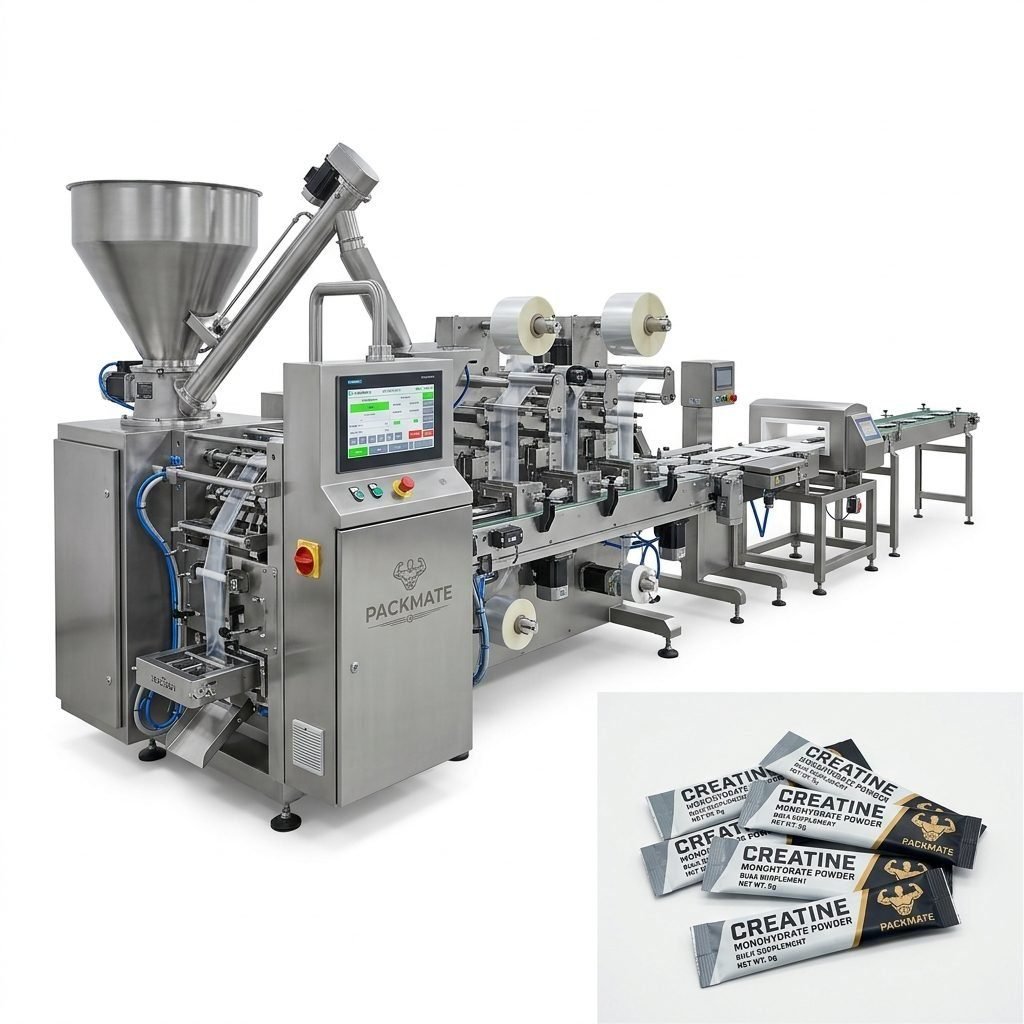
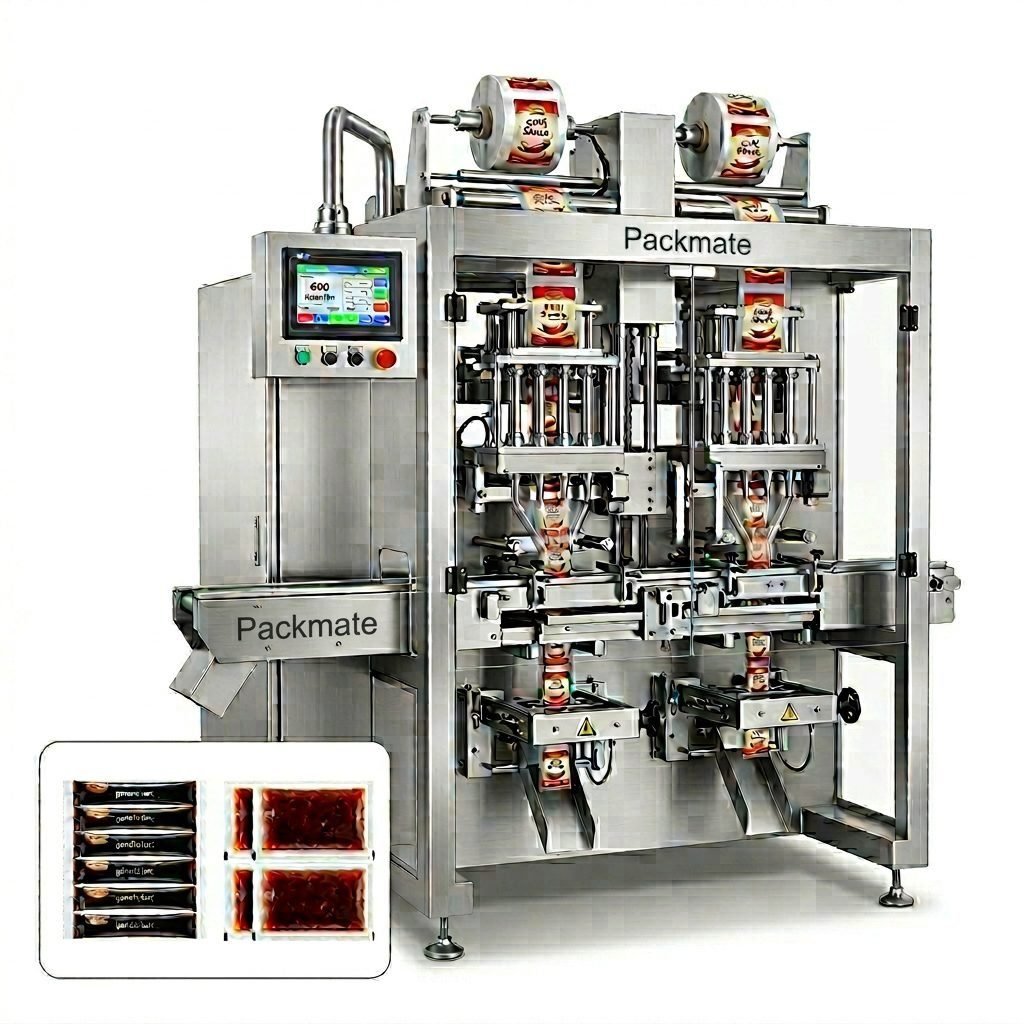
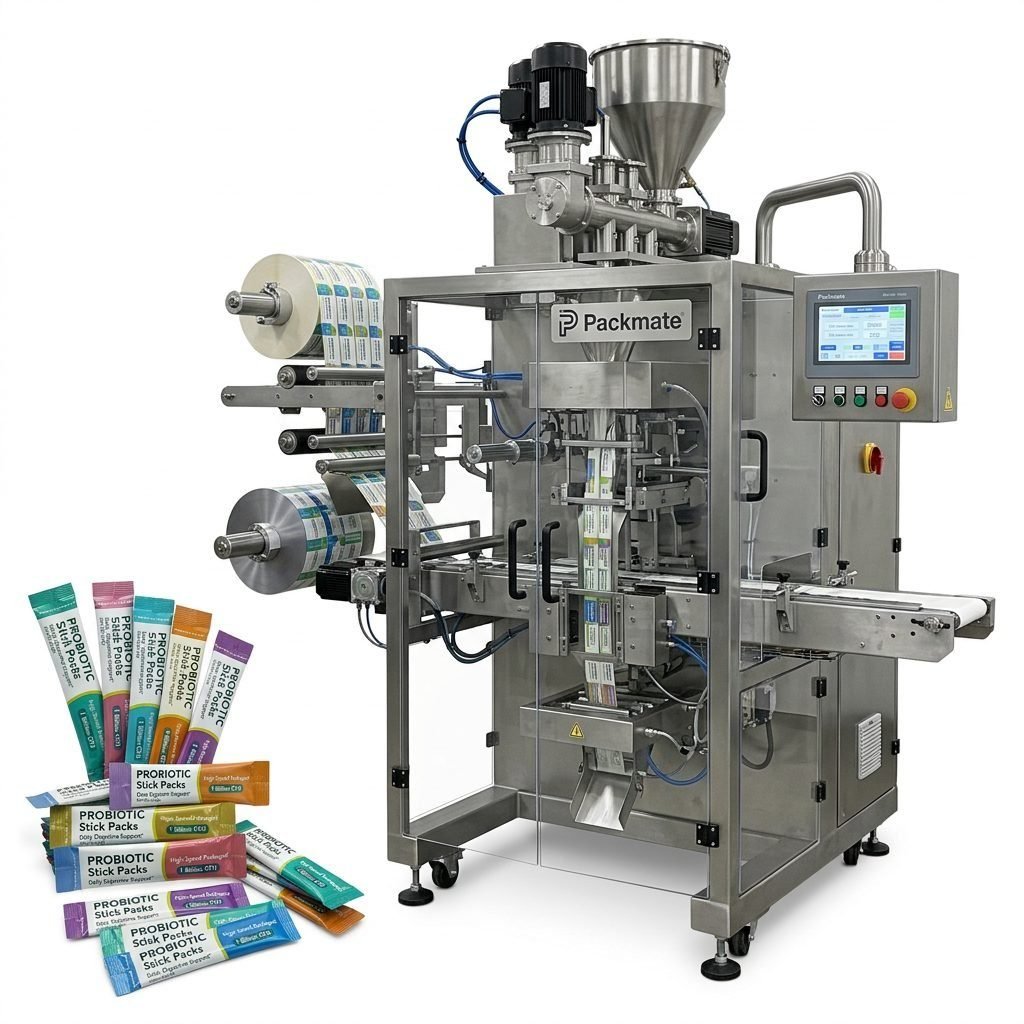
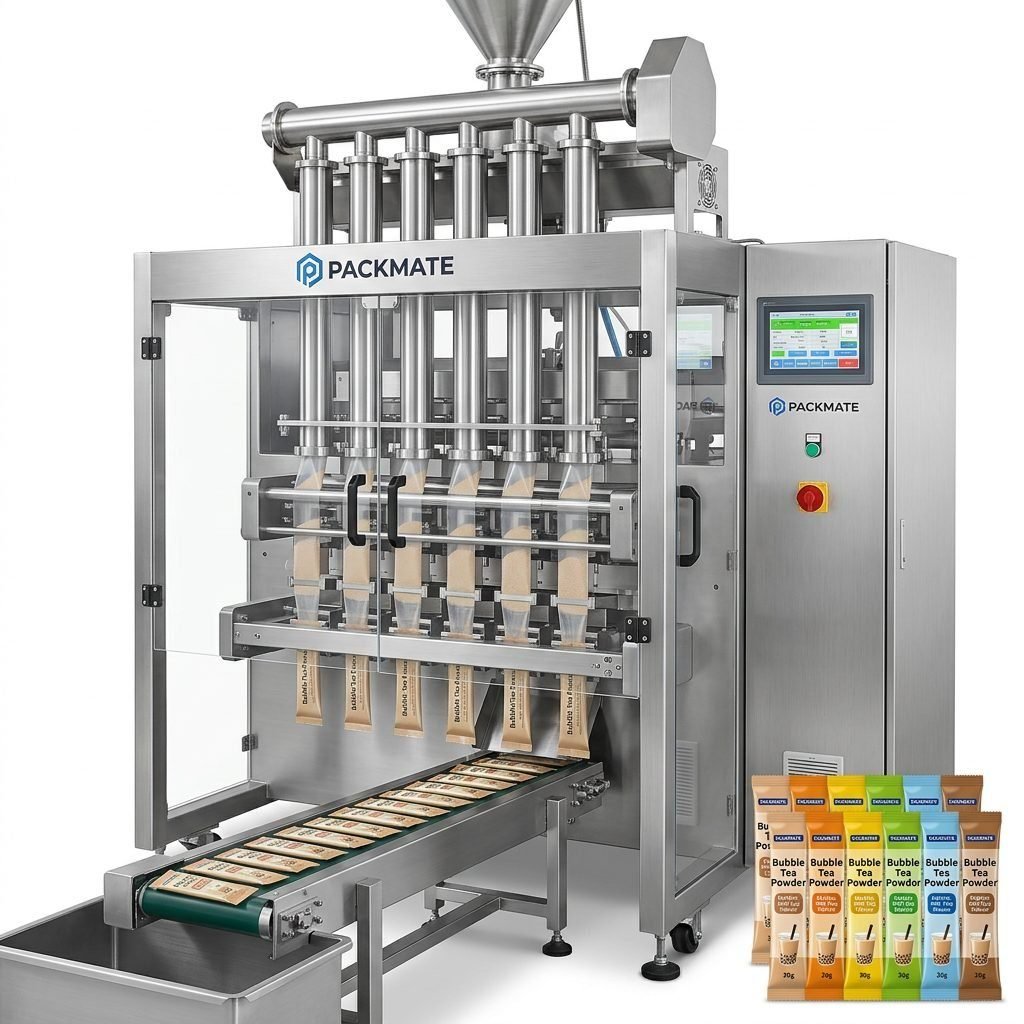
These machines create pouches from a roll of flat film, fill them with the product, and then seal them in a continuous vertical or horizontal motion. While often associated with food, sterile versions are used for kits, gowns, drapes, and other soft goods. The machinery must operate in a controlled environment to maintain sterility during the forming and sealing process. For companies looking for versatile pouch solutions, exploring bag and pouch packaging machines can provide a broader context of available automation.
4. Pre-made Pouch & Tray Sealers
For lower volumes or more flexible operations, pre-made sterile pouches or trays are used. Machines in this category are primarily sealers. They open the pre-sterilized pouch or tray, often in a laminar airflow hood, allow for manual or automated product loading, and then apply a precise heat seal to close the package. These are crucial in settings like hospital central sterile supply departments (CSSD).
Key Industries and Applications
Sterile packaging machines serve a vital function across several regulated industries:
Medical Devices & Surgical Tools: This is the largest application. Every item from a simple scalpel to a complex orthopedic implant requires sterile packaging. Machines must handle various shapes and sizes without damaging the product.
Pharmaceuticals: Beyond oral drugs, sterile packaging is critical for injectables, ophthalmic solutions, and IV kits. Aseptic filling lines, which are a highly specialized subset, integrate sterile packaging directly after product filling in a cleanroom.
Food & Beverage (Aseptic Packaging): While not “sterile” in the medical sense, aseptic packaging machines for liquid foods (milk, juice, soup) use ultra-high temperature (UHT) processing to sterilize the product and package separately, then combine them in a sterile environment. This extends shelf life without refrigeration. Manufacturers in this sector often require robust filling and packaging lines.
Laboratory & Diagnostics: Sterile packaging is used for petri dishes, pipette tips, and diagnostic test kits to prevent cross-contamination and ensure accurate results.
Critical Buying Considerations
Investing in a sterile packaging machine is a significant decision. Here are the essential factors to evaluate:
1. Compliance and Validation Support
This is non-negotiable. The machine must be designed to meet relevant regional and international standards, such as ISO 11607 (for medical device packaging), FDA 21 CFR Part 211 (for pharmaceuticals), and GMP guidelines. The supplier should provide a validation support package (IQ/OQ/PQ protocols) to help you prove the machine consistently produces a safe, sterile barrier.
2. Machine Flexibility and Changeover
Consider your product mix. How quickly and easily can the machine switch between different pouch sizes, blister formats, or products? Look for features like tool-less changeovers, servo-driven adjustments, and recipe storage to minimize downtime, especially if you run multiple SKUs.
3. Cleanroom Integration and Design
The machine must be built for the cleanroom environment. This includes smooth, crevice-free surfaces (often stainless steel), sealed motors and drives, and minimal particle generation. It should be compatible with integration into laminar airflow stations or isolators. For high-precision weighing of components before sterile packaging, complementary weighing and packaging systems are often part of the larger line.
4. Throughput and Efficiency
Match the machine’s speed (cycles per minute) to your production volume needs. Also, evaluate its yield and waste. Efficient machines minimize film waste and have high uptime reliability. Consider automation for feeding and unloading to reduce manual intervention in the critical zone.
5. Supplier Expertise and Support
Choose a manufacturer with proven experience in sterile packaging, not just general packaging. Their expertise in material science, seal integrity testing, and regulatory pathways is invaluable. Assess their global service network, spare parts availability, and training offerings. A partner like Packmate Machinery, with decades of engineering focus, brings essential turnkey solution expertise to the table.
Remember: The cheapest machine can become the most expensive if it fails validation, causes product recalls, or suffers from chronic downtime. Total cost of ownership (TCO), which includes validation, maintenance, and operational efficiency, is a far more important metric than initial purchase price.
Frequently Asked Questions (FAQ)
What is the difference between “sterile” and “clean” packaging?
Sterile packaging means the complete absence of viable microorganisms, validated by sterility assurance levels (SAL). Clean packaging refers to a controlled low-particulate environment but does not guarantee sterility. Sterile is a absolute state required for invasive medical products.
Can I use any heat sealer for sterile pouches?
No. Standard sealers cannot provide the consistent, validated seal integrity required. Sterile pouch sealers must have precise, calibrated temperature and pressure control, often with real-time seal monitoring and documentation features to meet regulatory requirements.
How often does a sterile packaging machine need re-validation?
Re-validation is typically required after any significant change to the machine, tooling, or packaging material. Periodic re-validation (e.g., annually) is also a core part of quality systems to ensure ongoing compliance, even if no changes have been made.
What are the most common causes of sterile package failure?
The most common failures are seal defects (incomplete seals, channels, weak seals) and package integrity breaches (pinholes, tears). These are often related to incorrect machine settings, poor maintenance, or incompatible packaging materials.
Is operator training important for sterile packaging machines?
Extremely important. Operators must understand cleanroom protocols, aseptic handling techniques, machine operation, and basic troubleshooting. Improper handling during loading is a major contamination risk. Comprehensive training from the machine supplier is a critical investment.