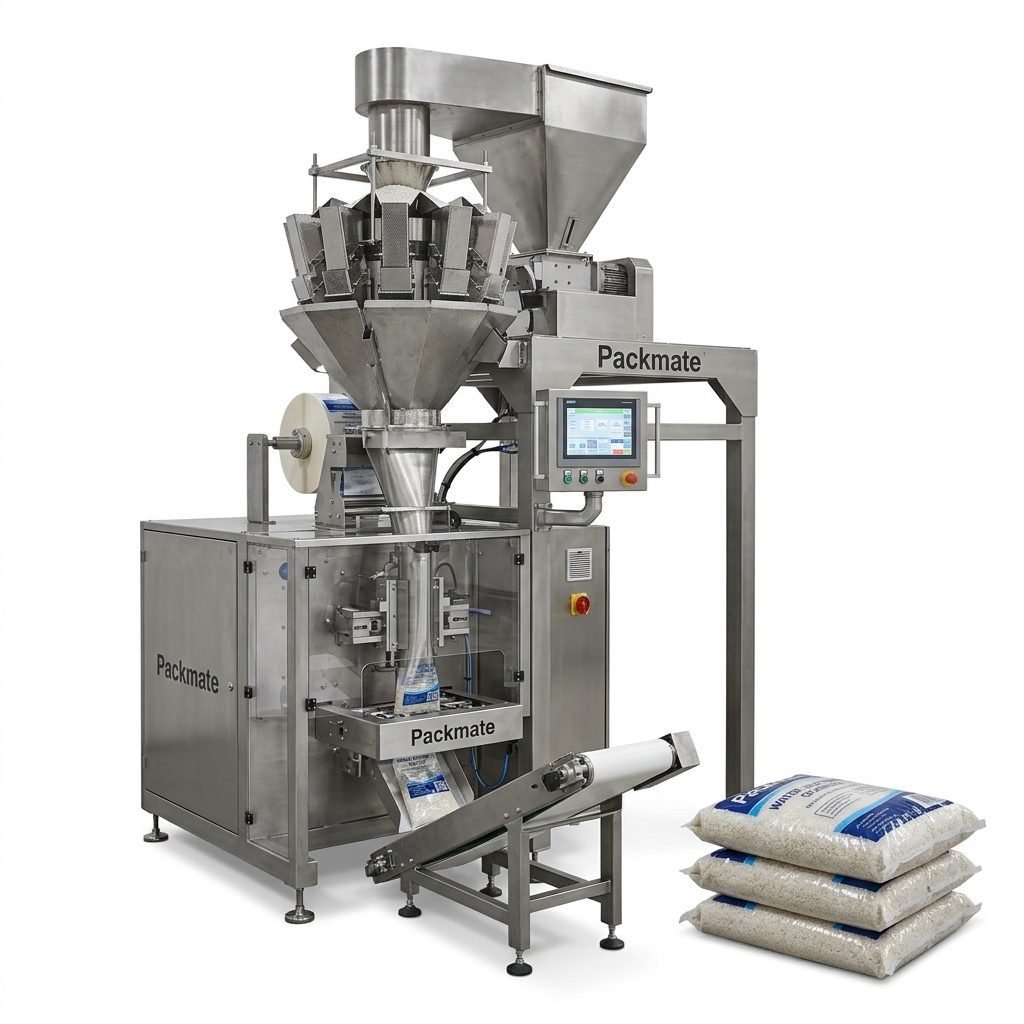
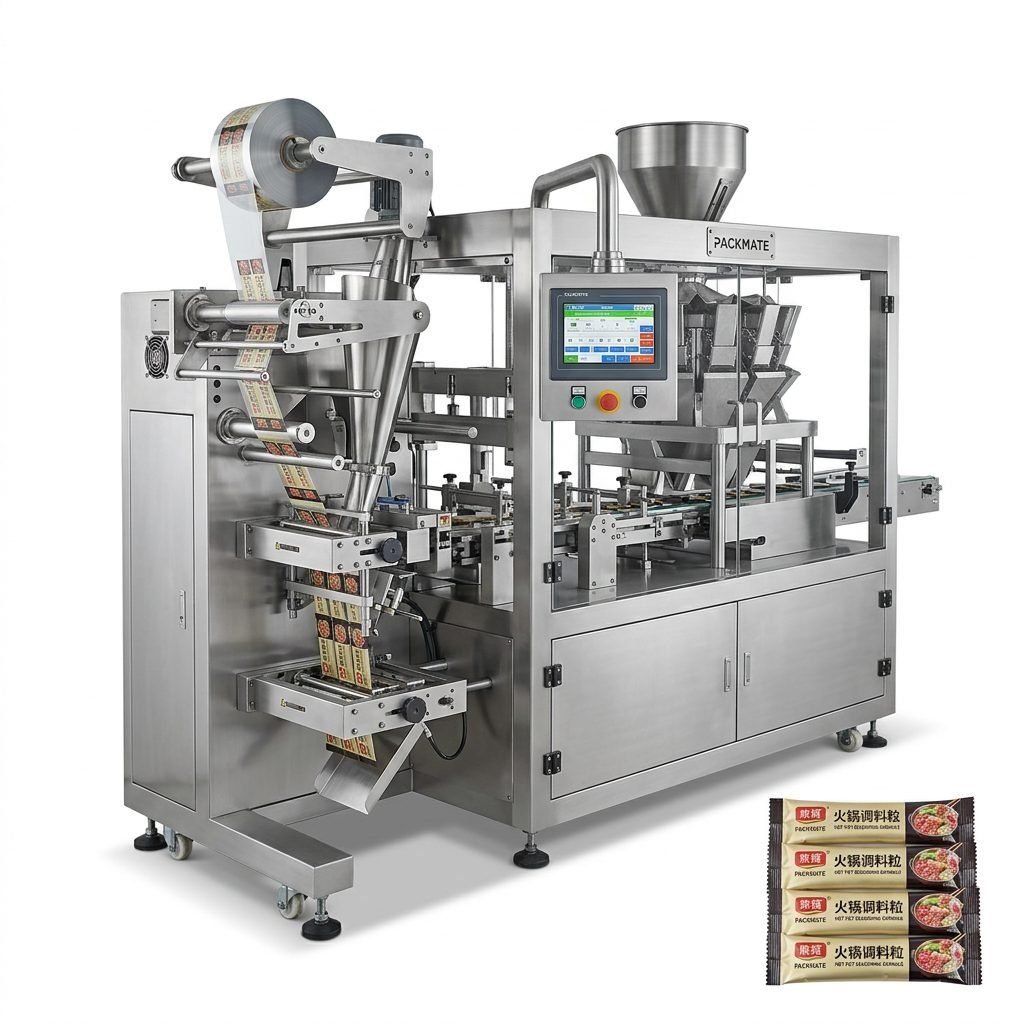
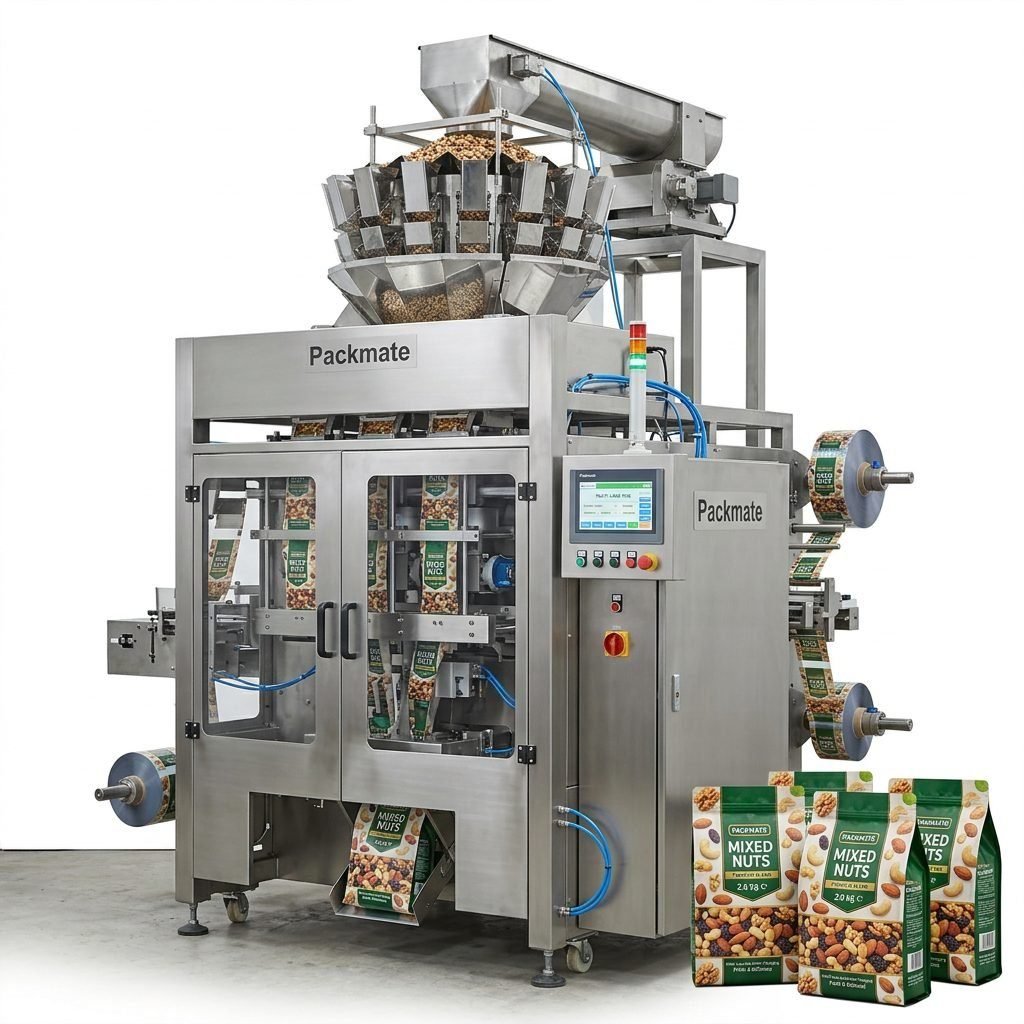
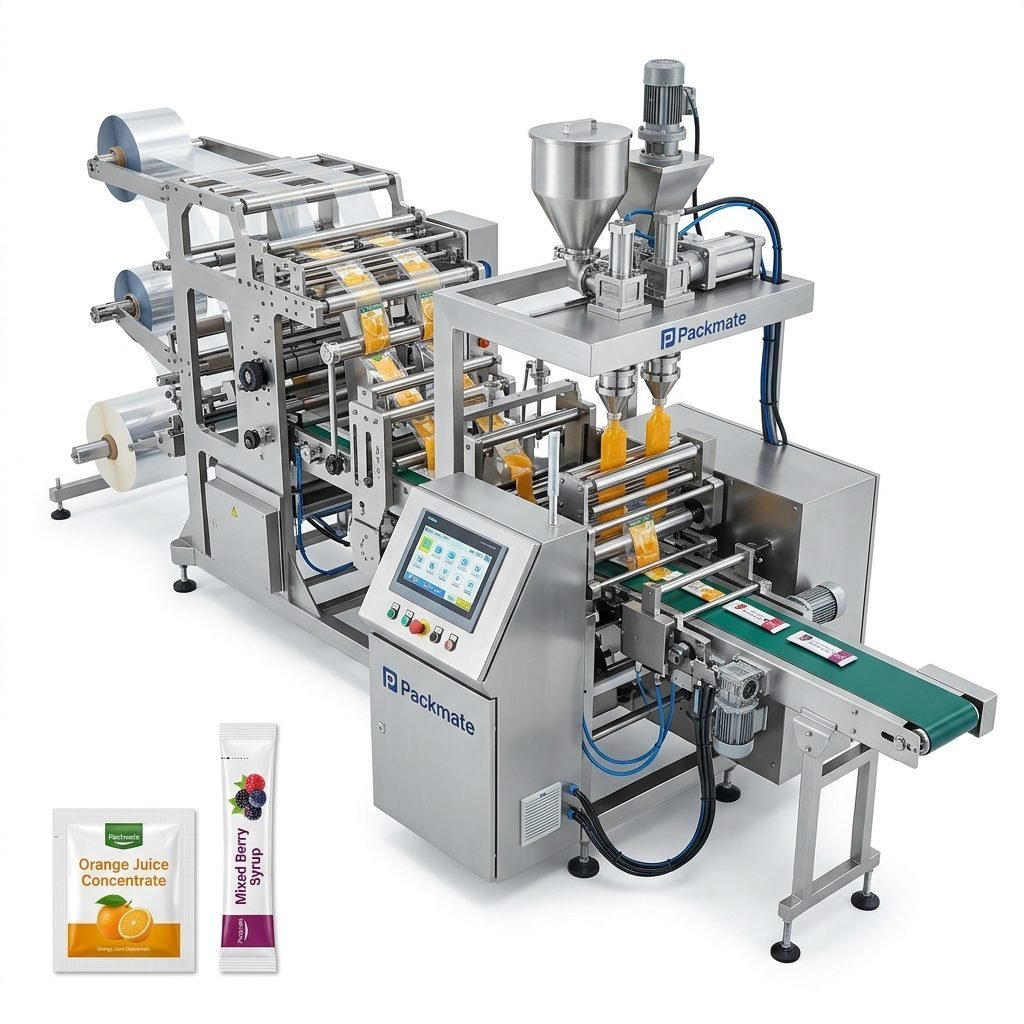
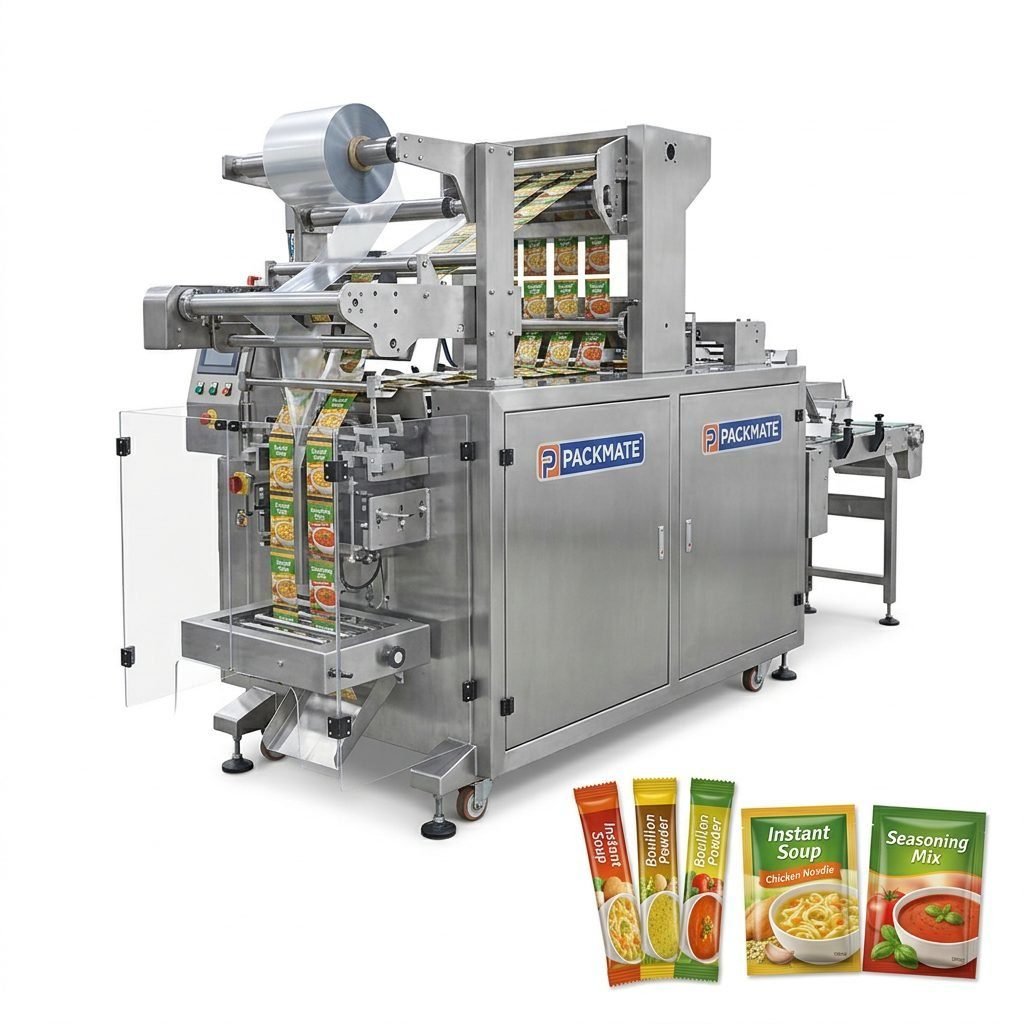
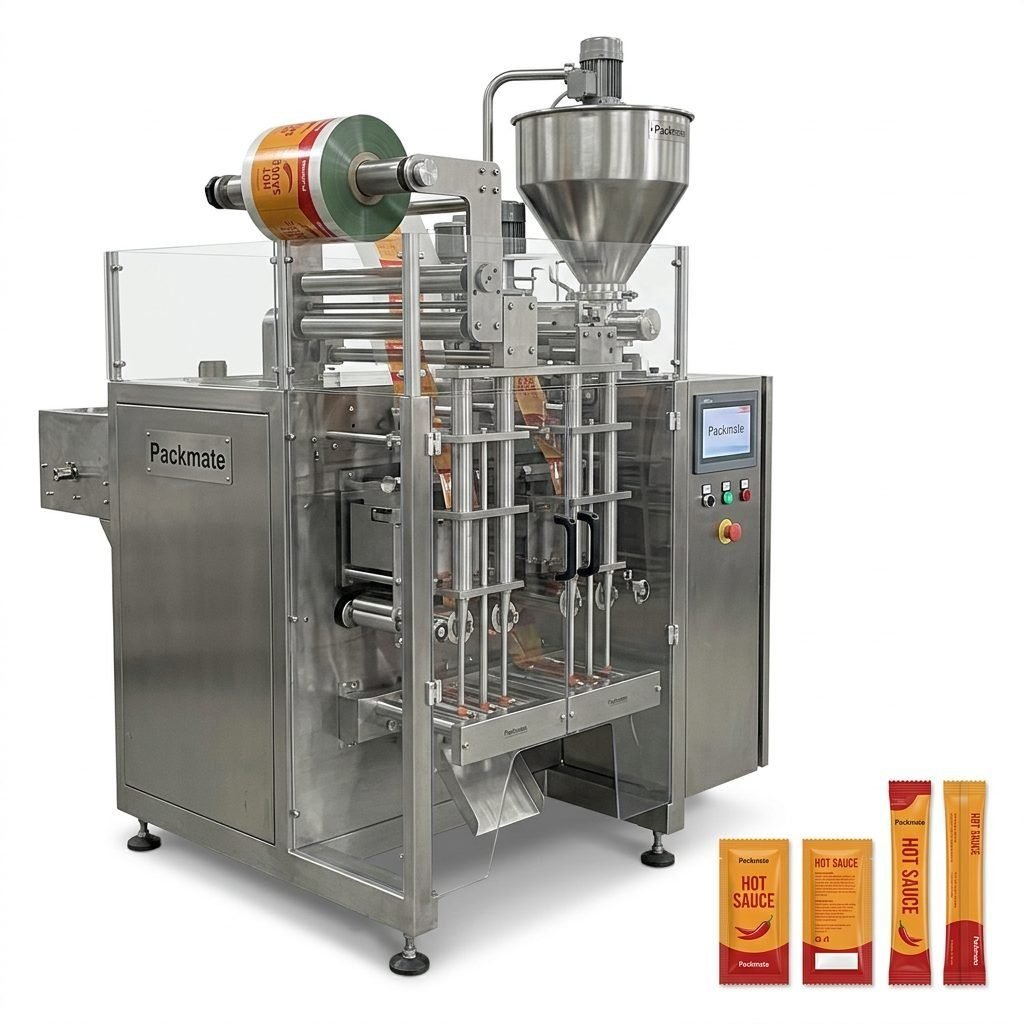
In the fast-paced world of product manufacturing and distribution, efficiency, consistency, and presentation are paramount. Strap packaging machines, a crucial component in the final stages of packaging, play a vital role in bundling products securely for transit and retail display. This guide delves into the various types of strap packaging machines, their diverse applications across industries, and essential tips for making an informed purchase.
Understanding Strap Packaging Machines
At its core, a strap packaging machine automates the process of applying a strap—typically made of plastic, metal, or cord—around one or more items to form a secure bundle. This process replaces manual strapping, offering superior speed, uniformity, and tension control. The primary function is to unitize products, preventing movement and damage during handling and shipping while also creating a neat, professional package for the end consumer.
Key Benefit: Automated strapping significantly reduces labor costs and physical strain on workers while ensuring every bundle meets the same tight, secure standard.
Primary Types of Strap Packaging Machines
The market offers a range of strap packaging machines, each suited to different production volumes, product types, and strapping materials. Choosing the right type is the first critical step.
Semi-Automatic Strapping Machines
These machines require an operator to place the strap around the package and initiate the strapping cycle (tensioning, sealing, and cutting). They are ideal for low to medium production volumes or operations where package sizes vary frequently. They offer a great balance between cost-effectiveness and the benefits of automation.
Fully Automatic Strapping Machines
Designed for high-volume production lines, these systems integrate seamlessly with conveyor belts. The machine automatically detects the package, applies the strap, and ejects the finished bundle without manual intervention. They are the backbone of large-scale distribution centers and manufacturing facilities.
Choosing Between Semi & Full Automation
Your decision hinges on throughput needs. For consistent, high-speed bundling of uniform products, a fully automatic system is indispensable. For smaller batches or mixed sizes, a semi-automatic model provides necessary flexibility.
Horizontal vs. Vertical Strappers
This classification refers to the direction of the strap application. Horizontal strappers apply straps around the perimeter of a package, ideal for bundling boxes, cartons, or securing pallet loads. Vertical strappers apply straps in a vertical orientation, often used for bundling elongated products like pipes, profiles, or printed materials.
Common Uses and Industry Applications
The versatility of strap packaging makes it a fixture in numerous sectors. Its application goes far beyond simple bundling.
- Publishing & Printing: Bundling newspapers, magazines, and brochures for distribution.
- Food & Beverage: Securing multi-packs of bottles, cans, or food boxes. Hygiene and material safety (e.g., FDA-approved straps) are critical here.
- Construction: Bundling bricks, tiles, lumber, and PVC pipes for shipment to retail or job sites.
- Logistics & Distribution: Unitizing cartons on pallets to stabilize loads and prevent boxes from shifting during transport.
- Pharmaceuticals: Bundling boxes of medicine or medical supplies, often requiring clean, dust-free operation.
For industries like food and pharmaceuticals where hygiene and precision are non-negotiable, partnering with an experienced manufacturer like Packmate Machinery ensures access to machines designed for these stringent environments.
Critical Buying Tips for Your Strap Packaging Machine
Investing in a strap packaging machine is a significant decision. Here are key factors to consider to ensure you select the right equipment for your needs.
1. Analyze Your Production Requirements
Start with a clear assessment: What is your average and peak hourly/daily output? What are the typical dimensions (min/max) of your packages? What types of products are you bundling? This data will directly inform the machine type (semi vs. fully automatic) and its required specifications.
2. Choose the Right Strapping Material
The machine must be compatible with your chosen strap. Polypropylene (PP) is economical and common for light-duty bundling. Polyester (PET) offers higher tensile strength and better resistance to stretching, suitable for heavy loads. Steel strapping is used for the heaviest, most rigid loads. Some machines are versatile, while others are dedicated to a specific material type.
3. Evaluate Machine Features and Durability
Look for robust construction—a sturdy frame and high-quality components minimize downtime. Key features to consider include adjustable tension controls, easy strap reloading, and user-friendly control panels. Reliability is paramount; a machine that frequently jams or breaks down cripples your entire line. Manufacturers with a long track record, such as Packmate, often provide more reliable and well-tested equipment.
The Importance of After-Sales Support
Never underestimate the value of service. Ensure the supplier offers comprehensive technical support, readily available spare parts, and operator training. A machine is a long-term investment, and having reliable after-sales service protects that investment. Explore a manufacturer’s service commitments before purchasing.
4. Consider Integration and Future Growth
Will the machine need to integrate with existing conveyors or other packaging equipment? Consider future needs as well. A slightly higher-capacity machine may be a wiser purchase if you anticipate business growth, preventing the need for a premature upgrade.
5. Compare Total Cost of Ownership (TCO)
Look beyond the initial purchase price. Factor in the cost of strapping material, energy consumption, maintenance, and potential downtime. A slightly more expensive machine with lower operating costs and higher reliability often proves more economical over its lifespan.
Frequently Asked Questions (FAQs)
Q1: What is the main difference between polypropylene and polyester strapping?
A: Polypropylene (PP) is a lighter, more elastic, and generally lower-cost option suitable for light to medium-duty bundling. Polyester (PET) strapping is stronger, exhibits less stretch (higher tensile strength), and has better resistance to UV light and moisture, making it ideal for heavy-duty or outdoor applications.
Q2: Can one machine handle multiple strap sizes or materials?
A: Some semi-automatic and automatic models are designed to be adjustable and can accommodate a range of strap widths (e.g., from 5mm to 15mm). However, switching between fundamentally different materials like plastic and steel typically requires a dedicated machine or significant component changes.
Q3: How often does a strap packaging machine require maintenance?
A: Regular daily cleaning and weekly visual inspections are recommended. Professional preventive maintenance, depending on usage, is typically suggested every 6 to 12 months. This includes checking seals, blades, and moving parts for wear. Following the manufacturer’s maintenance schedule is crucial for longevity.
Q4: Is operator training complicated for these machines?
A: For semi-automatic machines, basic operation (loading strap, placing packages, initiating cycle) can often be learned in under an hour. Fully automatic systems integrated into a production line require more comprehensive training on operation, troubleshooting, and safety protocols. Reputable suppliers should provide thorough training.
Q5: What safety features should I look for?
A: Essential safety features include emergency stop buttons, protective guarding around tensioning and sealing mechanisms, and sensors that prevent operation if guards are open. Always ensure the machine complies with relevant local and international safety standards for industrial equipment.