Vacuum packaging is a cornerstone of modern food preservation, extending shelf life by removing air and sealing products in specialized bags. The effectiveness of this process hinges not only on the machine but critically on the bags used. This guide delves into the world of vacuum packaging machine bags, exploring their types, materials, selection criteria, and best practices to ensure optimal food preservation for both commercial and home use.
Understanding Vacuum Packaging Bags
Vacuum packaging bags are engineered to withstand the rigors of the vacuum sealing process. Unlike ordinary plastic bags, they are constructed from multi-layered, food-grade materials that provide an impermeable barrier against oxygen, moisture, and contaminants. The primary goal is to create an anaerobic environment that drastically slows down the growth of spoilage-causing bacteria, yeast, and mold.
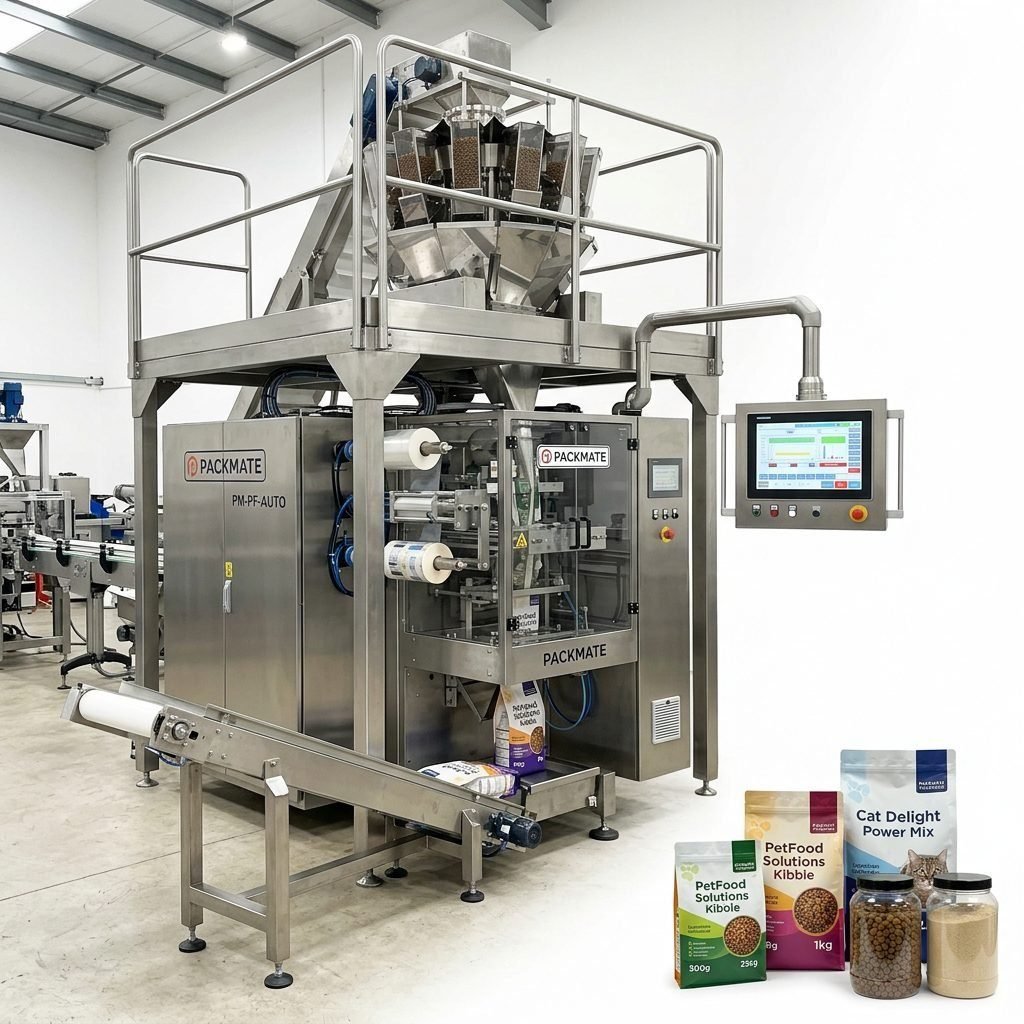
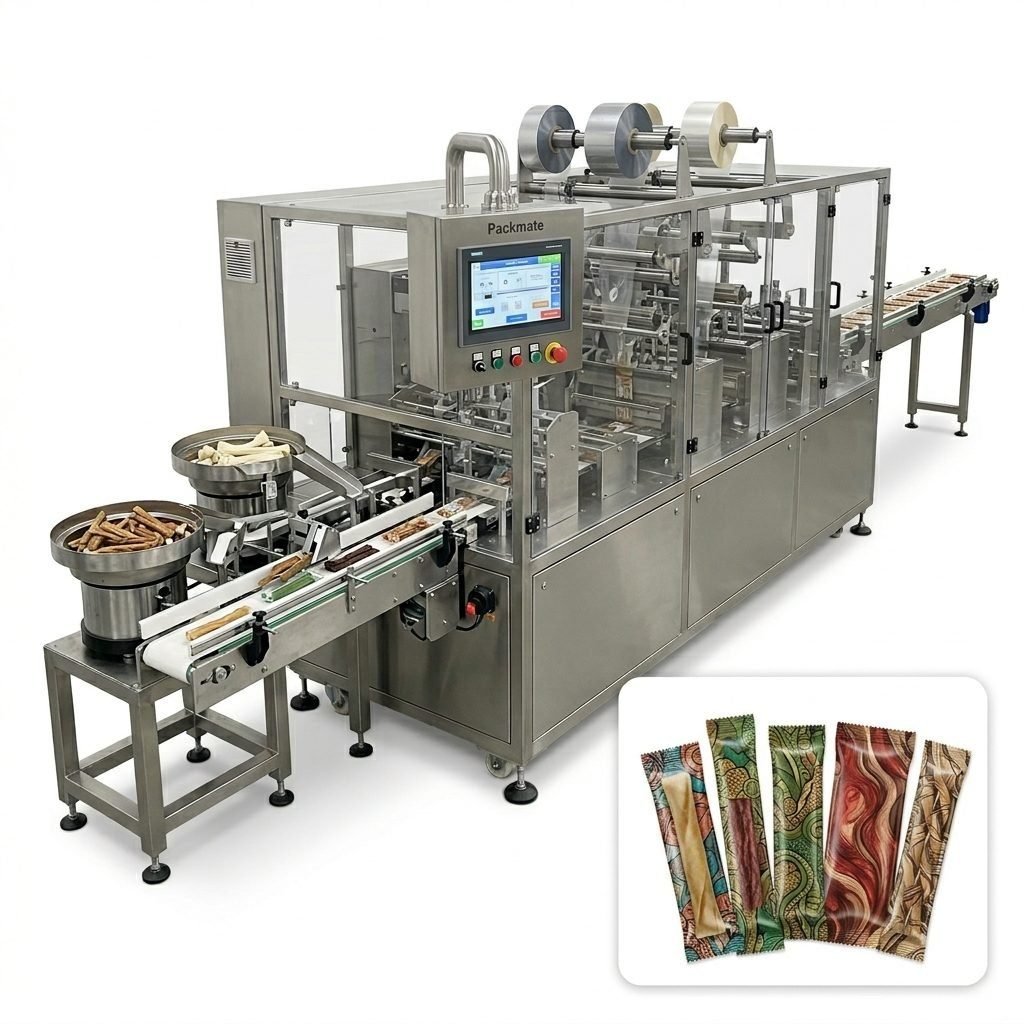
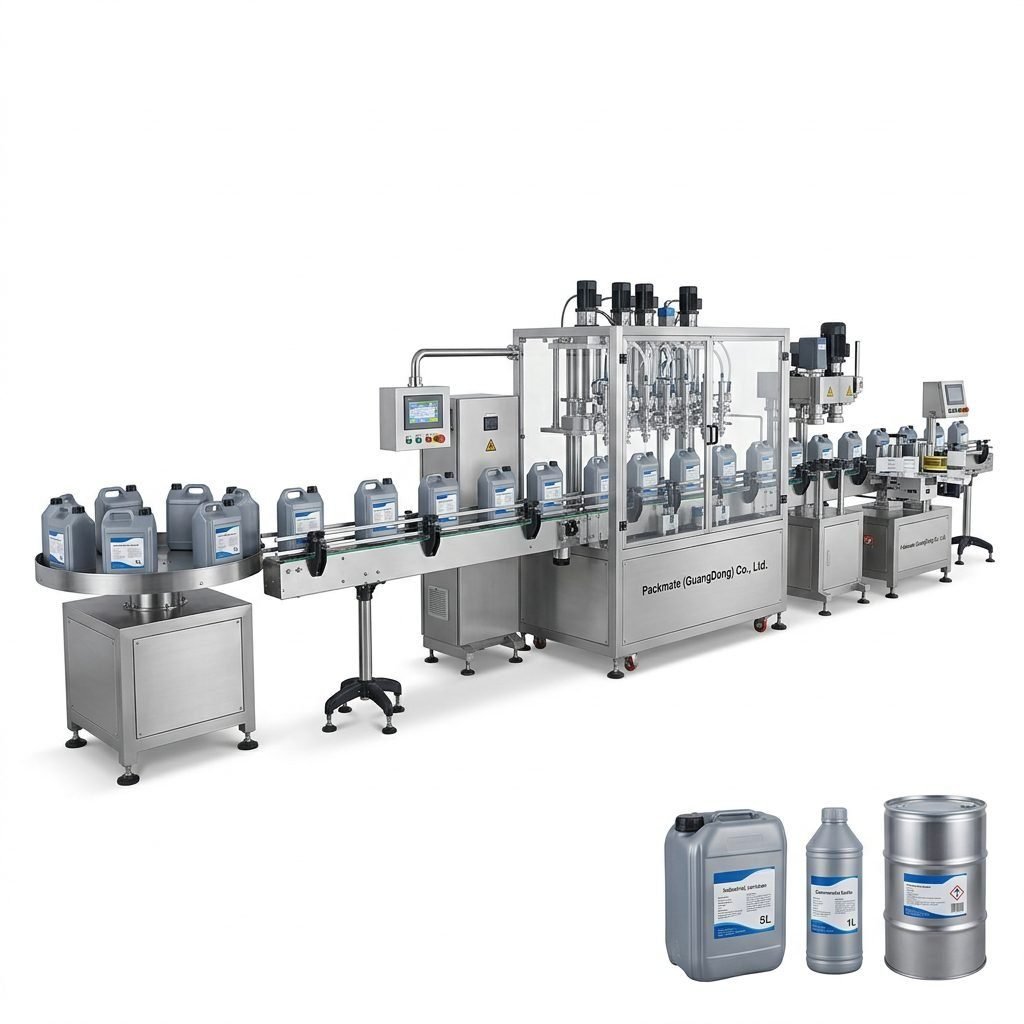
Key Benefit: By removing oxygen, vacuum sealing prevents oxidation, which is responsible for rancidity in fats and oils, color loss in meats and vegetables, and nutrient degradation. This process is essential for businesses like those showcased in our case studies, where product integrity is paramount.
Core Materials and Their Properties
The performance of a vacuum bag is determined by its material composition. Most high-quality bags are laminates of different plastics, each serving a specific function.
- Polyethylene (PE): Often used as the inner, food-contact layer. It is flexible, durable at low temperatures, and provides a good moisture barrier.
- Nylon (PA): Commonly used as the outer layer for its exceptional strength, puncture resistance, and ability to withstand high temperatures.
- Ethylene Vinyl Alcohol (EVOH): A superior gas barrier material frequently sandwiched between other layers. It is highly effective at blocking oxygen transmission, making it crucial for long-term preservation.
- Polyester (PET): Offers excellent clarity, stiffness, and temperature resistance, often used in pre-formed rigid bags or as a structural layer.
A typical high-barrier vacuum bag might have a structure like: Nylon / EVOH / Polyethylene. This combination offers toughness, an oxygen barrier, and sealability.
Types of Vacuum Packaging Bags
Choosing the right bag type is essential for efficiency and product presentation.
Roll Stock Bags
Supplied on continuous rolls, these bags allow users to cut and create custom-sized pouches. They are highly economical for operations with products of varying sizes and are a staple for many bag and pouch packaging machines. Ideal for bulk packaging of meats, cheeses, and hardware items.
Pre-Made Pouches (Three-Side Seal Bags)
These are ready-to-use bags sealed on three sides, leaving one side open for filling. They offer a neat, professional finish and are faster to use than roll stock for consistent product sizes. Perfect for retail-ready packaging of snacks, coffee, or frozen foods.
Chamber Vacuum Bags
Specifically designed for chamber vacuum machines, these bags have a textured surface (micro-grooves) on one side. This texture allows air and liquids to be channeled out of the bag during the vacuum process, preventing liquid from being sucked into the machine’s pump. Essential for packaging wet or juicy products like marinated meats, soups, and fresh produce.
Boil-in-Bags and Retort Pouches
Constructed from ultra-strong, heat-resistant laminates (often including aluminum foil layers), these bags can withstand the high temperatures of boiling water or retort sterilization (121°C/250°F). This enables shelf-stable preservation without refrigeration, common for ready-to-eat meals and pet food.
Selecting the Right Bag: A Practical Checklist
Follow this checklist to match your bag to your application:
- Product Compatibility: Is your product dry, moist, oily, acidic, or sharp? Choose puncture-resistant nylon for bones or a high-barrier EVOH layer for oily snacks.
- Preservation Goal: For short-term freezer storage, a standard PE/nylon bag may suffice. For long-term shelf stability or protection against delicate flavors, a bag with an EVOH oxygen barrier is non-negotiable.
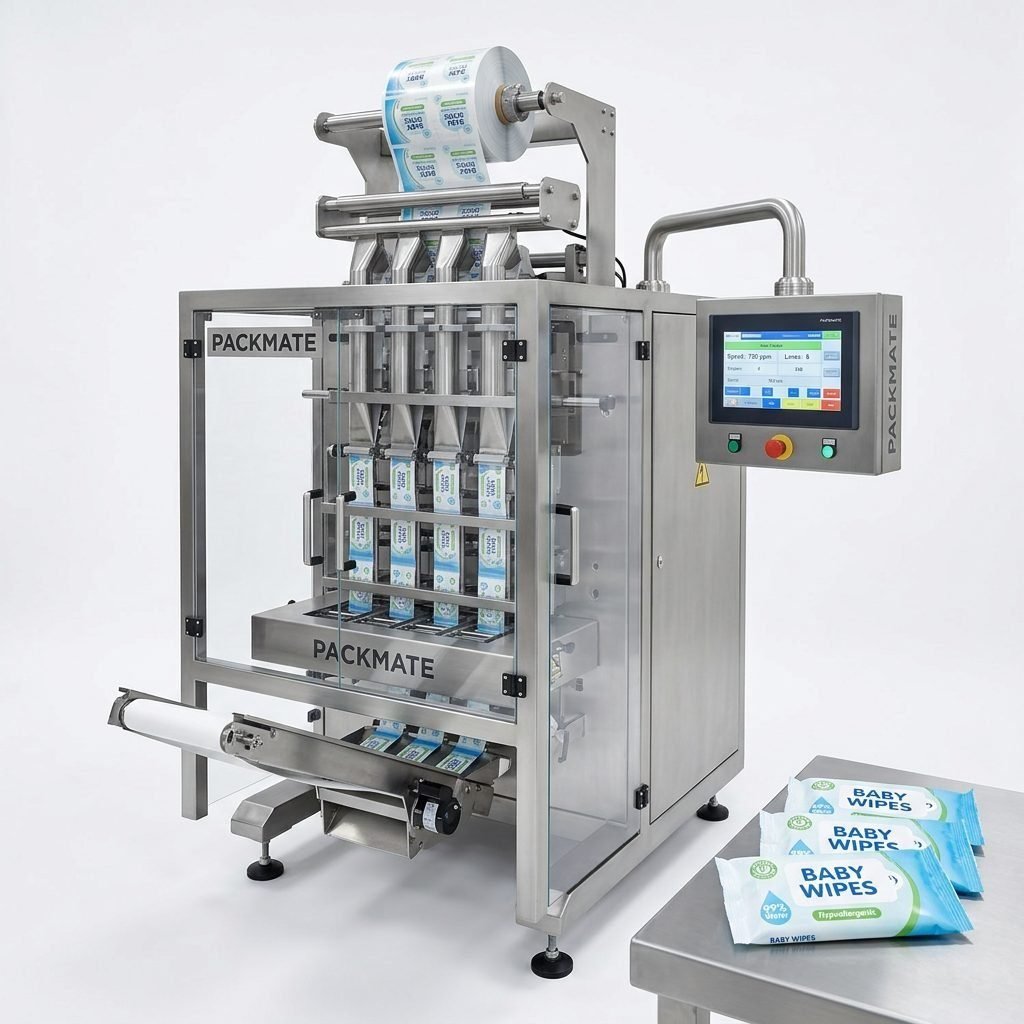
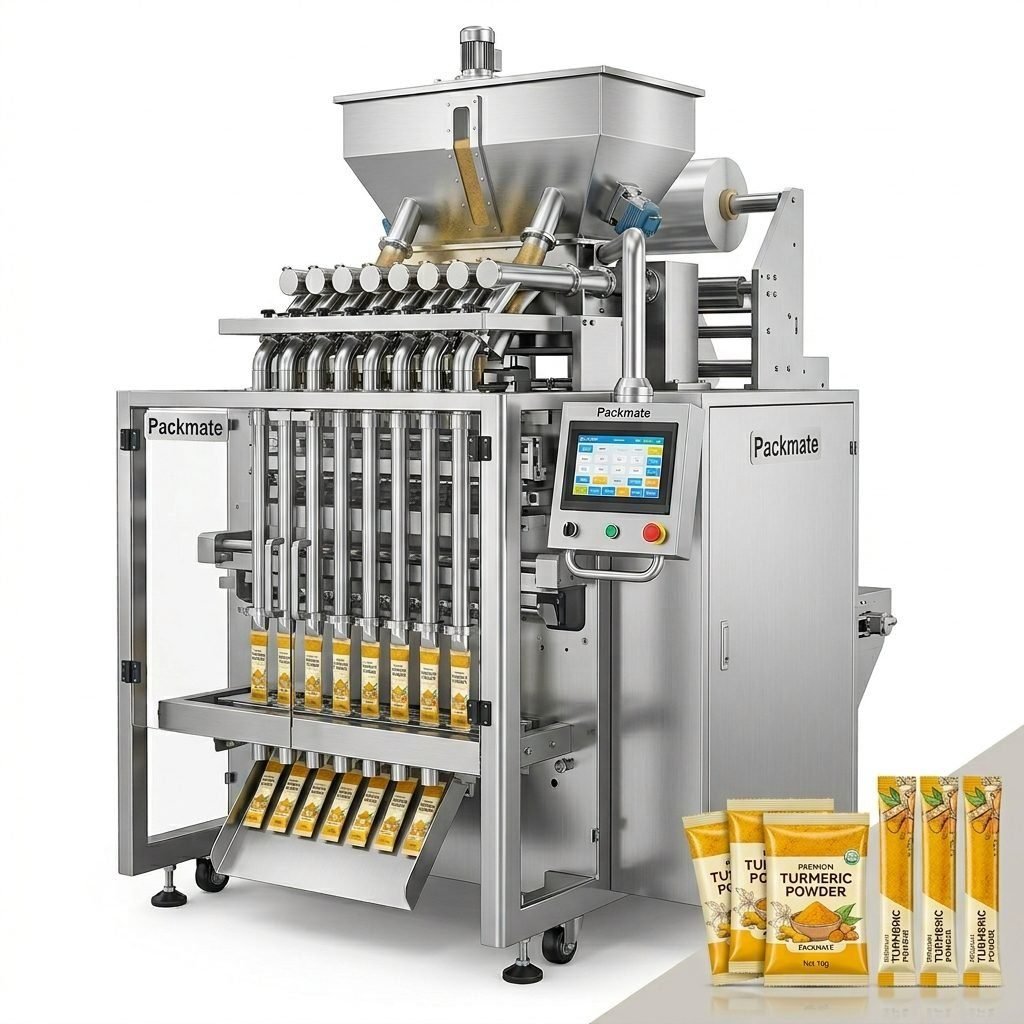
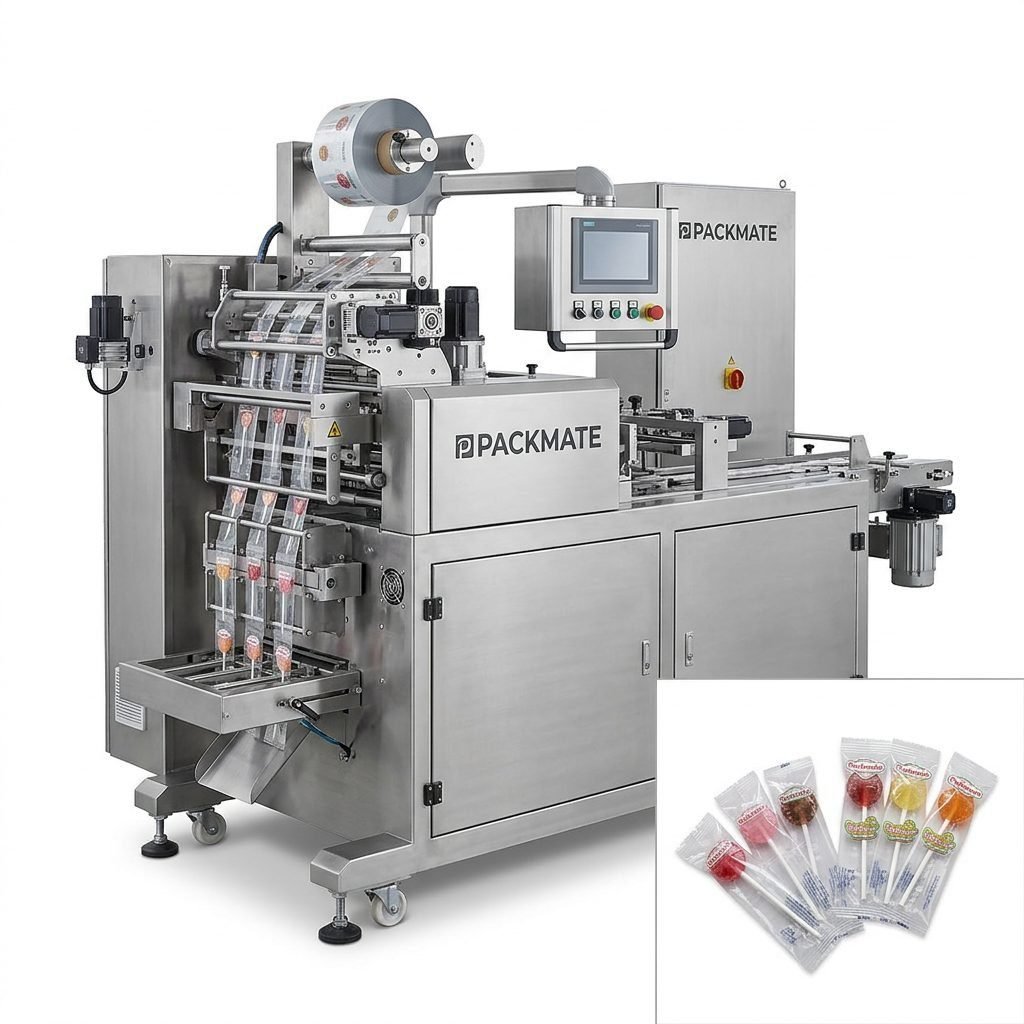
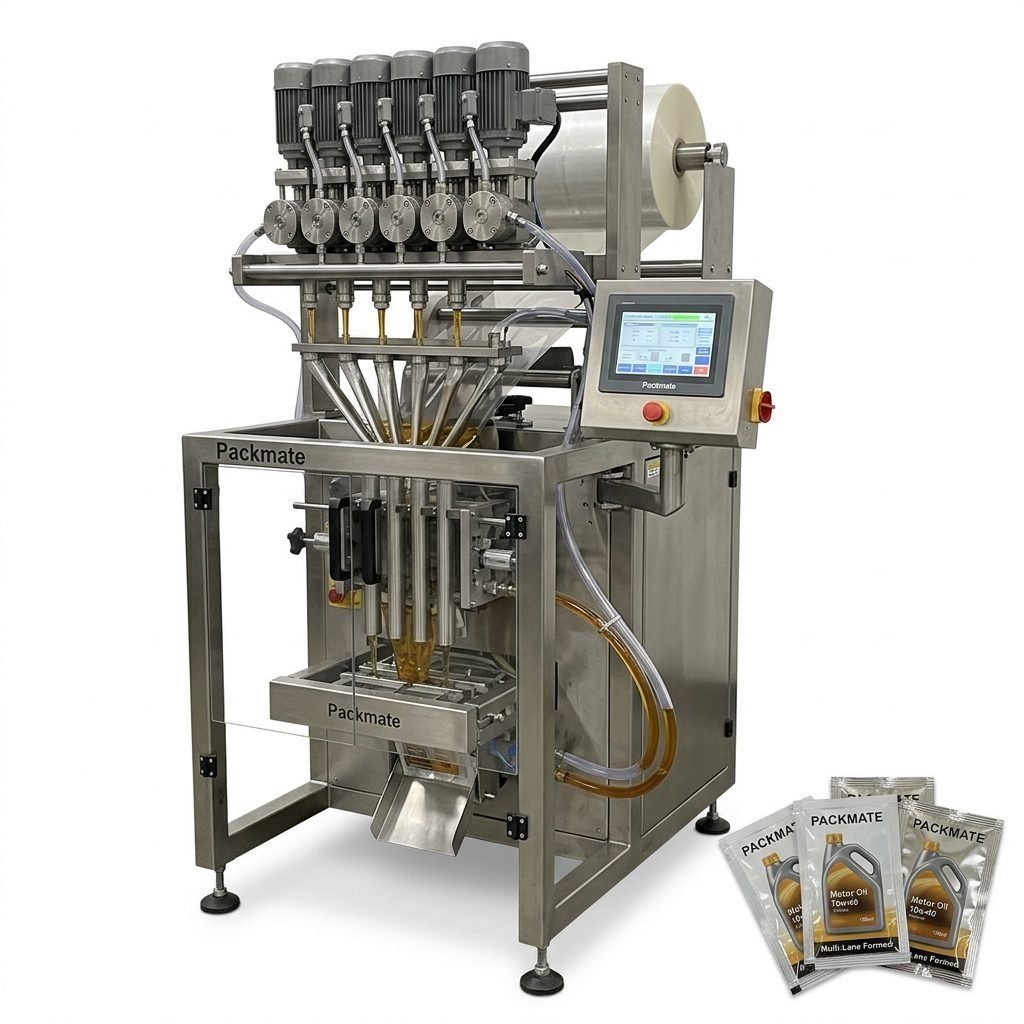
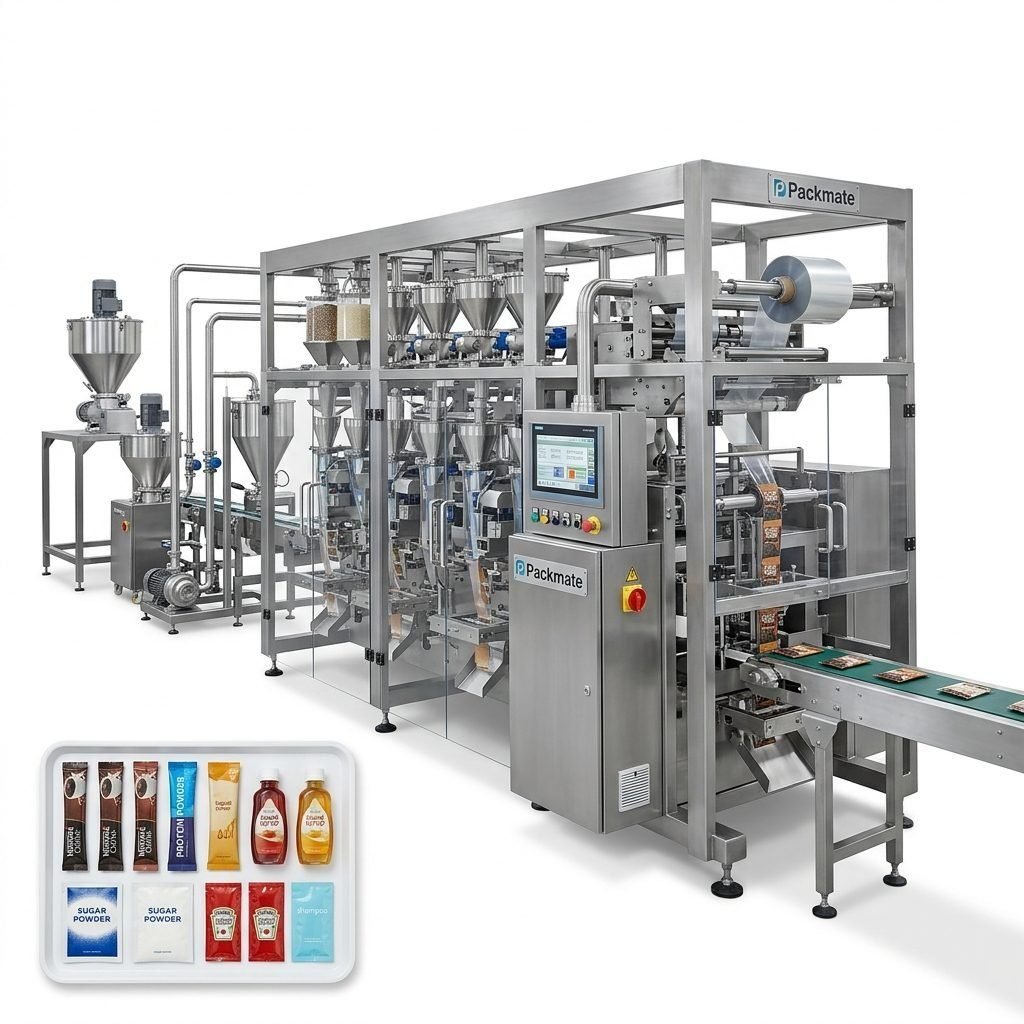
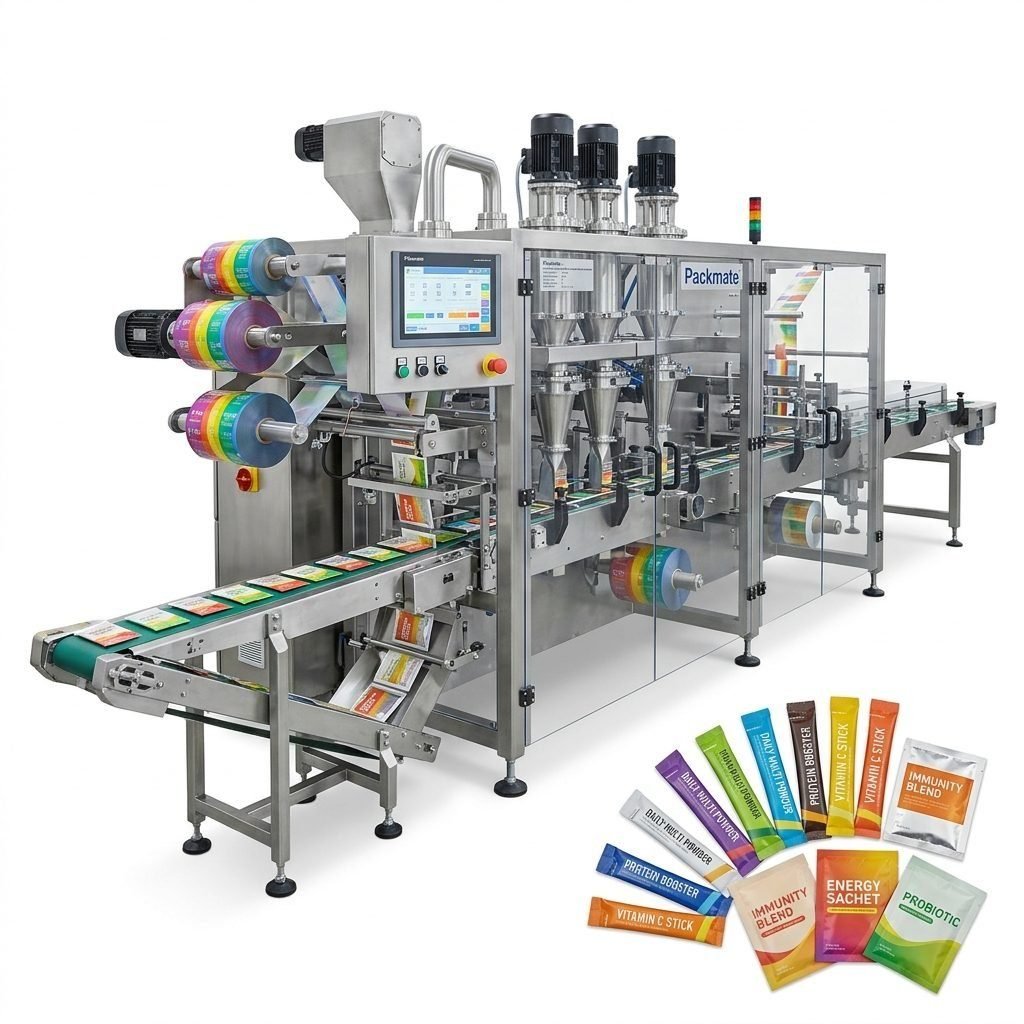
- Machine Compatibility: Ensure the bag material’s melting point matches your sealer’s temperature. Chamber machines require textured bags. For automated lines, consult with experts like Packmate Machinery to ensure bag film runs reliably on equipment like our sachet & stick pack machines.
- Visual & Functional Needs: Do you need crystal clarity (high-gloss PET), matte finish, or printing capability? Consider grip tabs for easy opening.
Best Practices for Using Vacuum Bags
Proper technique maximizes the bag’s performance and the food’s shelf life.
Preparation is Key
Always start with clean, dry products and bags. Moisture on the sealing area is the leading cause of seal failure. For liquids or very moist foods, pre-freeze them solid or use chamber vacuum bags designed to handle liquids. Leave enough space (typically 2-3 inches) between the product and the top of the bag to ensure a clean, strong seal.
The Sealing Process
Wipe the sealing area clean and dry. Place the bag’s open end evenly across the heat seal bar. For chamber machines, ensure the textured side faces the product. Allow the machine to complete its full cycle—do not interrupt the vacuum or sealing process. A proper seal should be smooth, uniform, and airtight.
Post-Sealing Handling and Storage
Inspect seals immediately. For added security, especially with heavy or sharp items, you can create a double seal. Label bags with contents and date. Store vacuum-sealed dry goods in a cool, dark place. For perishables, immediate refrigeration or freezing is still required; vacuum sealing extends shelf life but does not eliminate the need for cold storage.
Common Mistakes to Avoid
- Overfilling Bags: This stresses the seal and can cause leaks.
- Using the Wrong Bag Type: Attempting to seal liquids with smooth bags on an external vacuum sealer will damage the machine.
- Ignoring Seal Bar Cleanliness: Residue buildup can weaken seals.
- Storing in Direct Sunlight: UV light can degrade plastic polymers over time, compromising the barrier.
Frequently Asked Questions (FAQs)
Q1: Can I reuse vacuum sealing bags?
A: It is generally not recommended. Washing can compromise the bag’s barrier layers and create micro-tears. Furthermore, reheating a used seal is unreliable and highly likely to fail. For cost-effectiveness and food safety, use new bags for each sealing session.
Q2: What is the difference between bags for external suction sealers and chamber vacuum machines?
A: The critical difference is the surface texture. Chamber bags have one textured side to facilitate liquid and air evacuation inside the vacuum chamber. Bags for external sealers are smooth. Using the wrong type will lead to liquid spillage into an external sealer or poor air removal in a chamber.
Q3: How long can food last in a vacuum-sealed bag?
A: Shelf life varies dramatically. In the freezer, vacuum-sealed meats can last 2-3 years vs. 6-12 months with conventional wrapping. In the refrigerator, hard cheeses may last 4-8 months, and cooked meats 1-2 weeks. Always follow safe food handling guidelines and inspect food before consumption.
Q4: Are all vacuum bags safe for boiling or microwaving?
A: No. Only bags specifically labeled as “boil-in-bag” or “microwave-safe” are designed for such use. Standard vacuum bags can melt, leach chemicals, or rupture under high heat. For reheating, it is safest to remove the food from the vacuum bag first.
Q5: My business needs to package powders and granules. What should I consider?
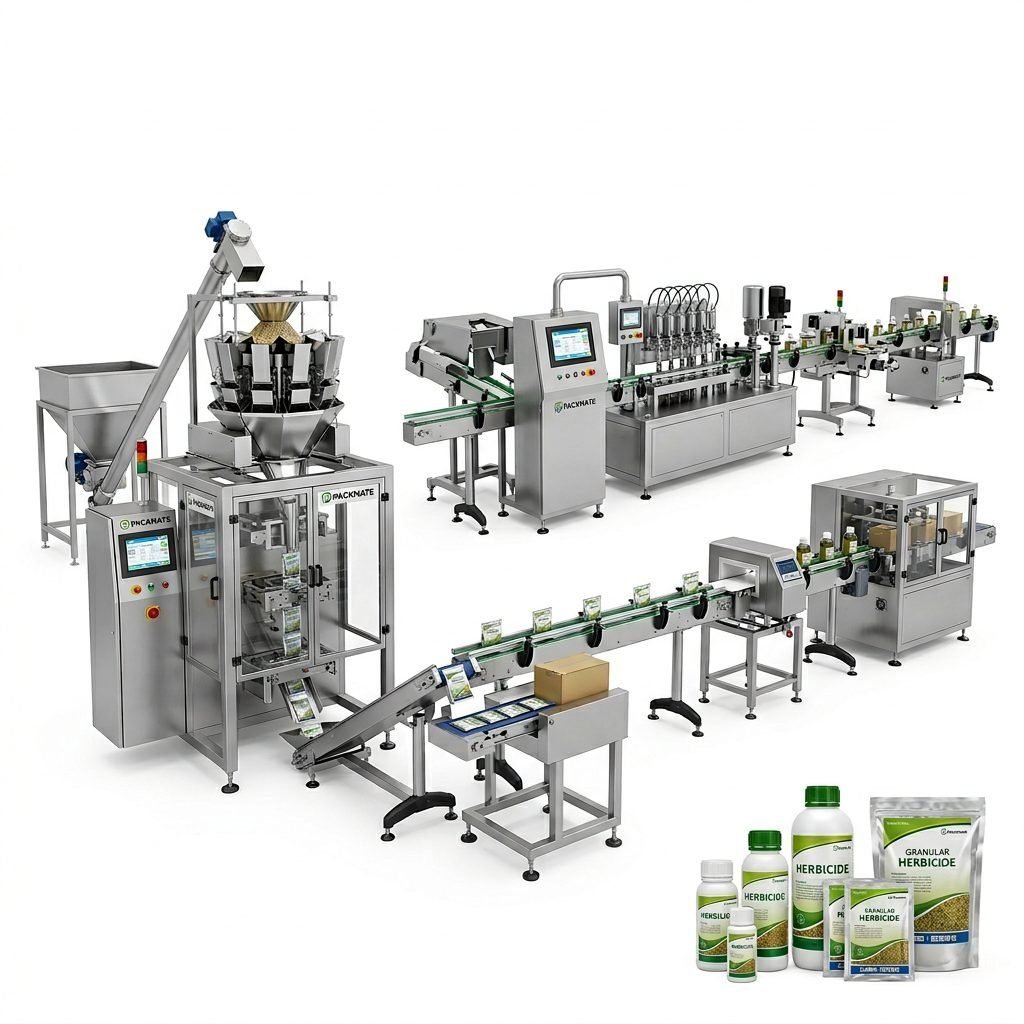
A: For powders like spices, protein powders, or instant drinks, you need bags with excellent barrier properties to prevent clumping and flavor loss. Furthermore, the packaging machinery must be precisely calibrated to handle fine materials without spillage. Exploring automated weighing and packaging systems designed for such products can ensure accuracy, speed, and minimal waste.