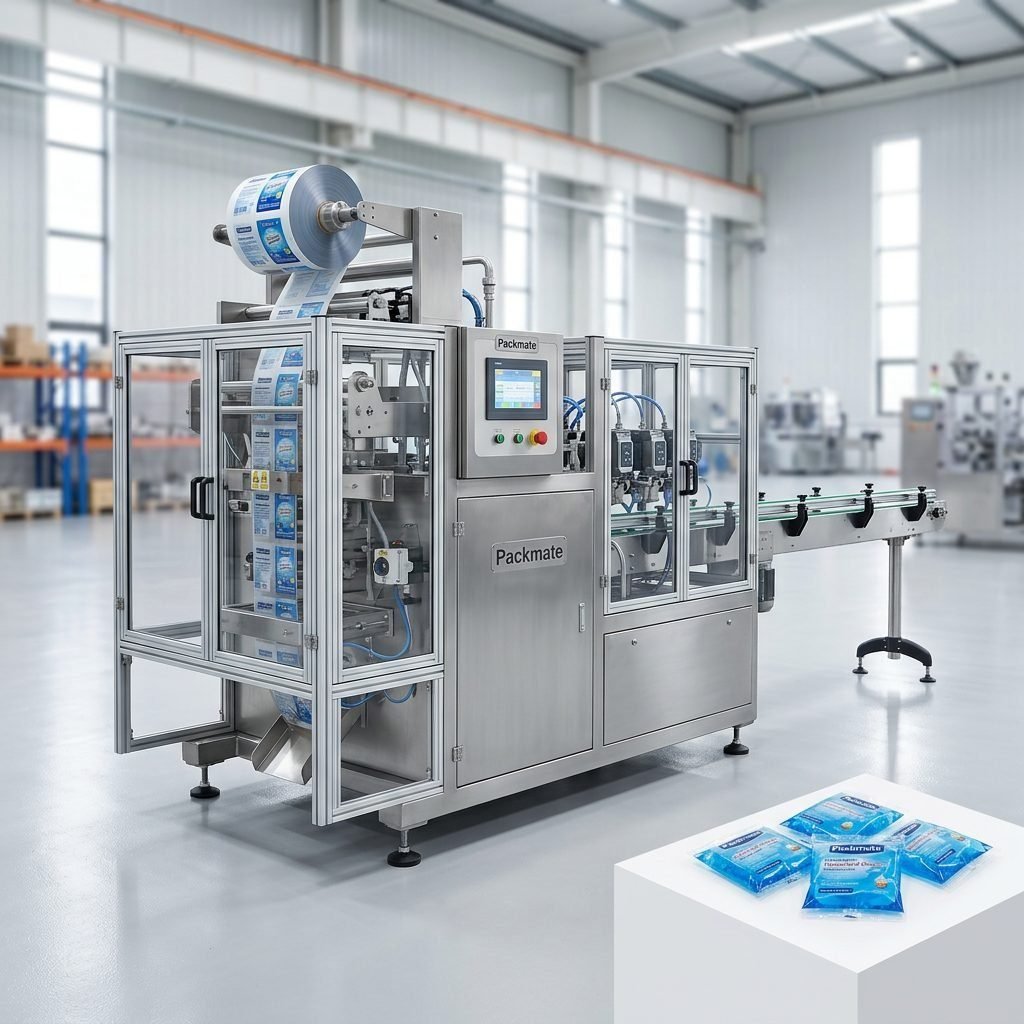
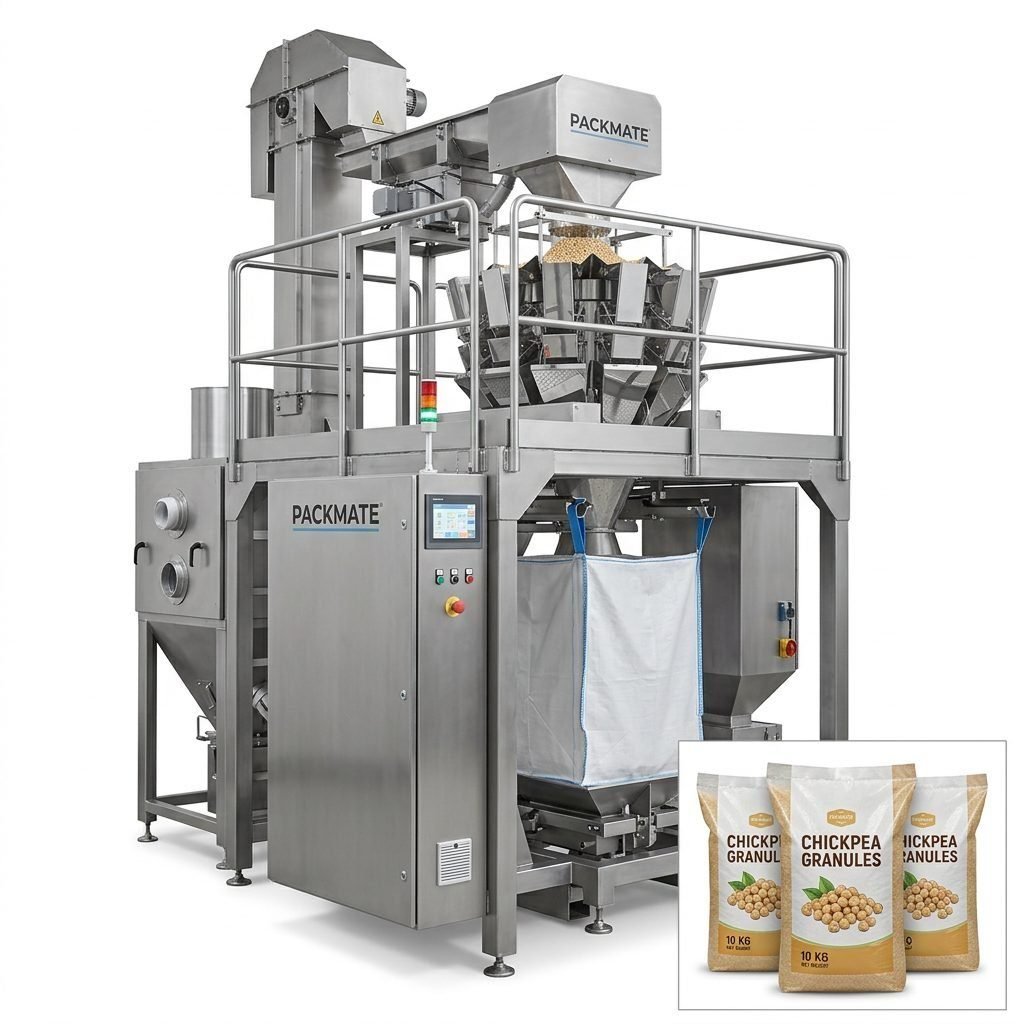
In the dynamic landscape of modern manufacturing, efficiency, hygiene, and speed are paramount. For food producers, selecting the right processing and packaging machinery is not just an operational decision; it’s a strategic investment that directly impacts product quality, shelf life, and market competitiveness. This guide delves into the critical aspects of machinery selection, technological trends, and best practices to help manufacturers navigate this complex field.
The Core Pillars of Modern Food Machinery
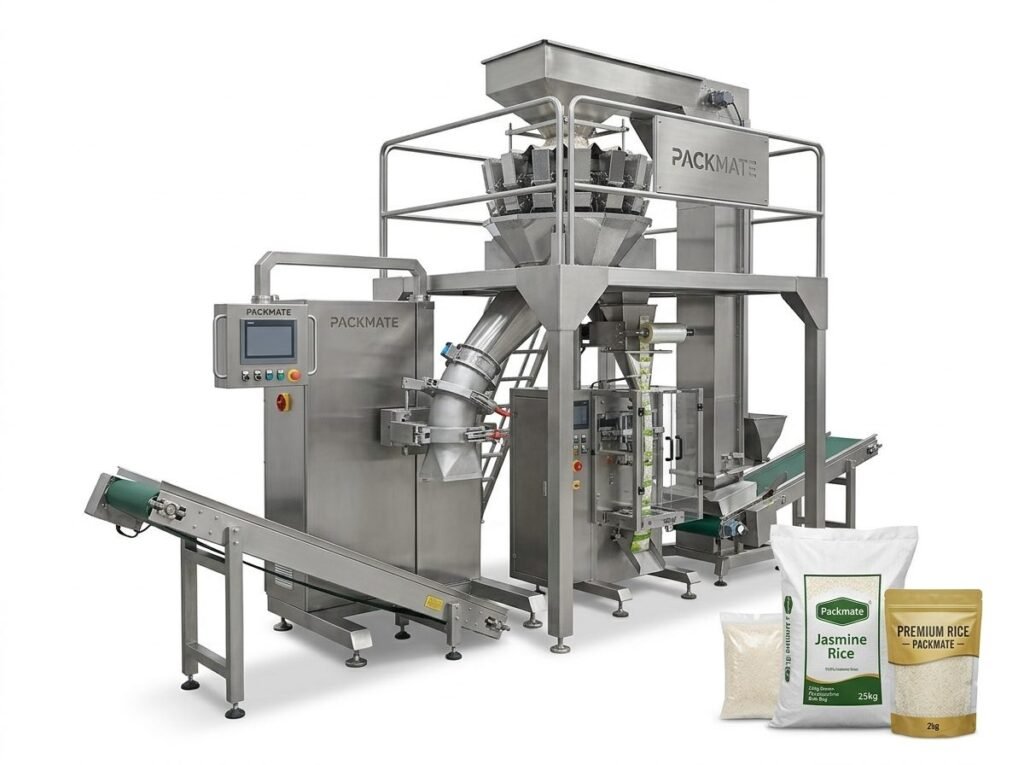
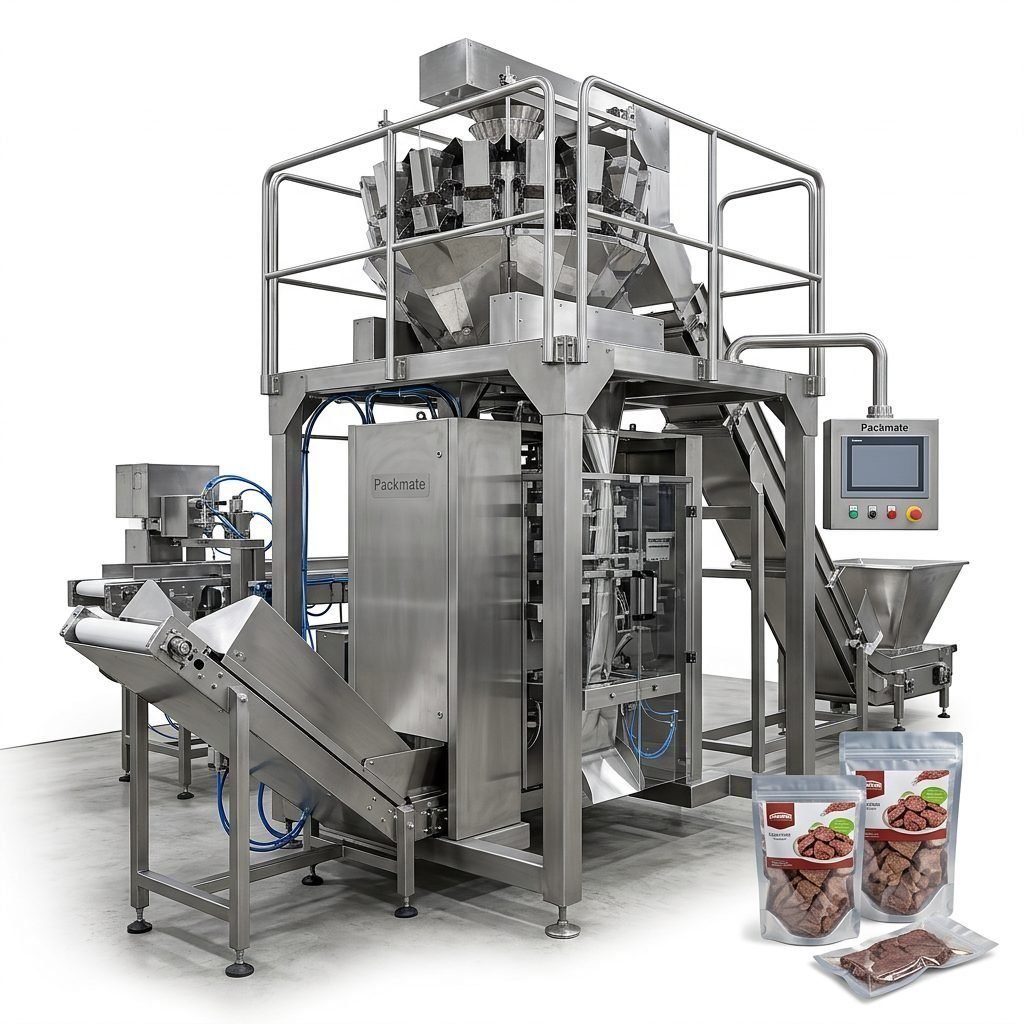
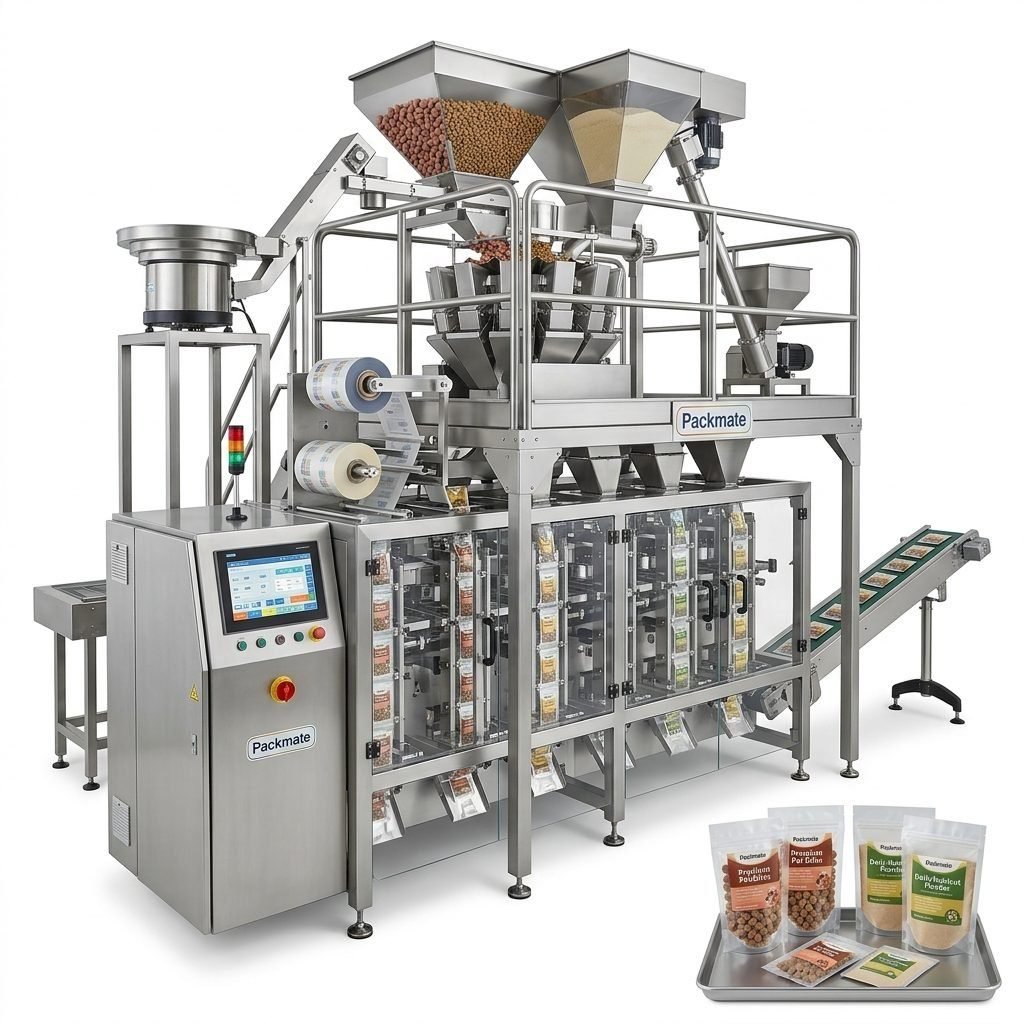
The journey from raw ingredient to packaged product rests on two interconnected pillars: processing and packaging. Processing machinery handles tasks like mixing, cooking, cutting, and cooling, transforming ingredients into a final, consumable form. This stage is crucial for food safety and consistency. Following this, packaging machinery takes over, responsible for portioning, sealing, and protecting the product. The synergy between these systems determines the overall production line’s throughput and reliability.
A seamless integration between processing and packaging equipment minimizes downtime and contamination risks. For instance, a perfectly calibrated weighing and packaging system can directly receive product from a mixer, ensuring accurate fills and consistent bag weights every time.
Key Technological Advancements Shaping the Industry
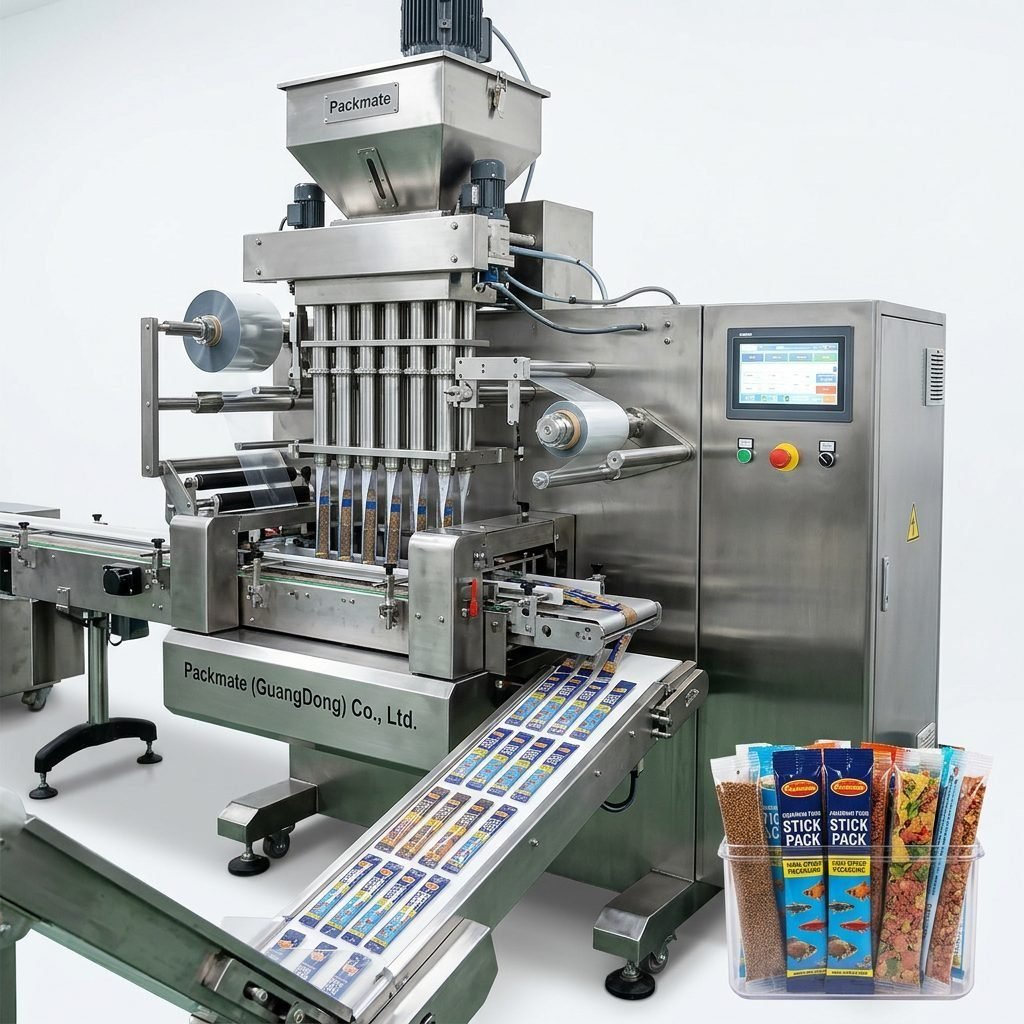
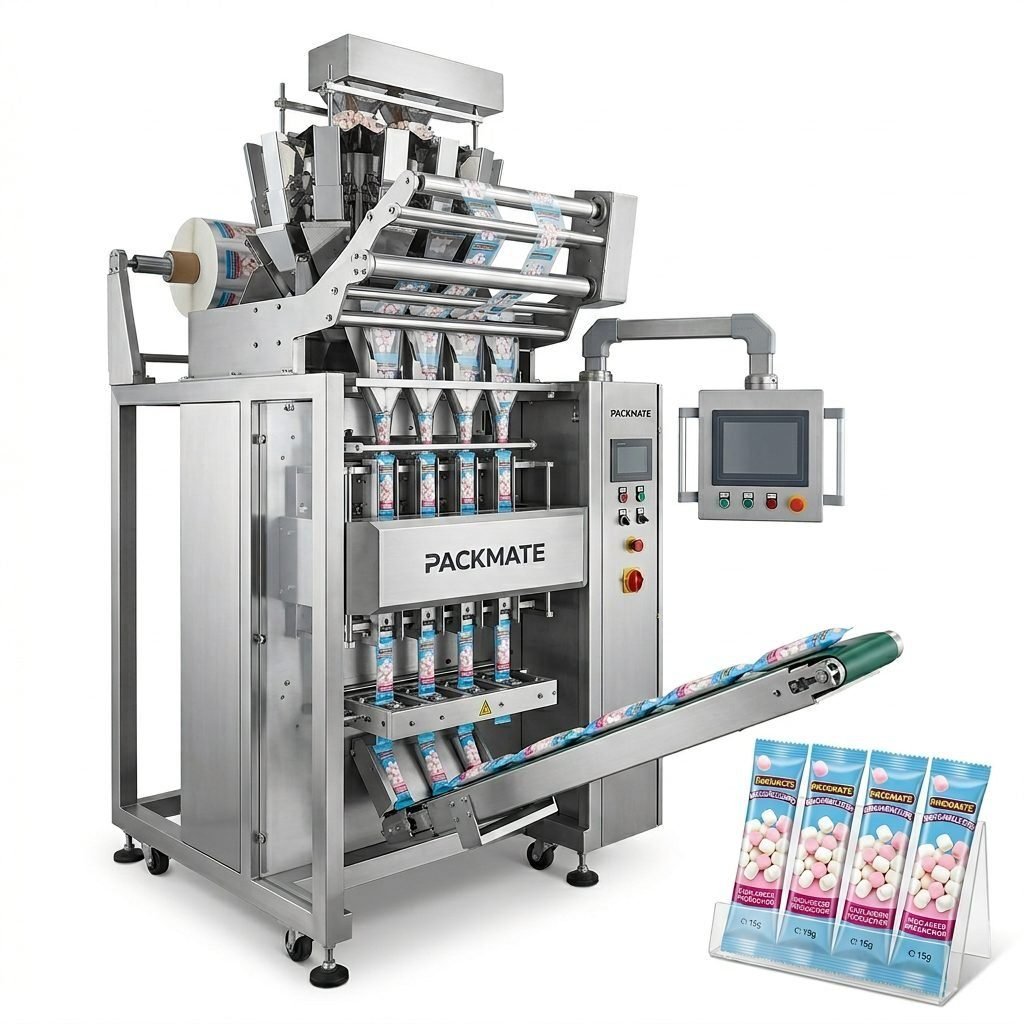
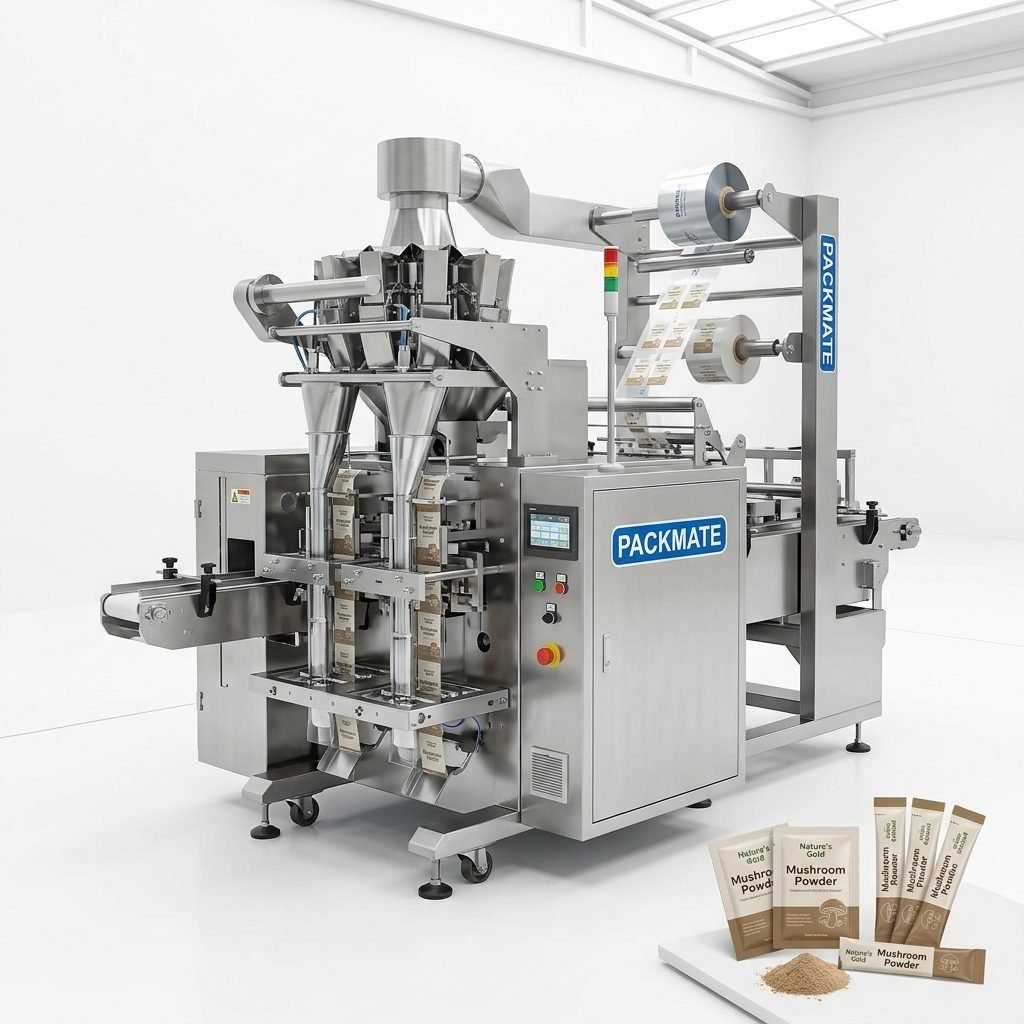
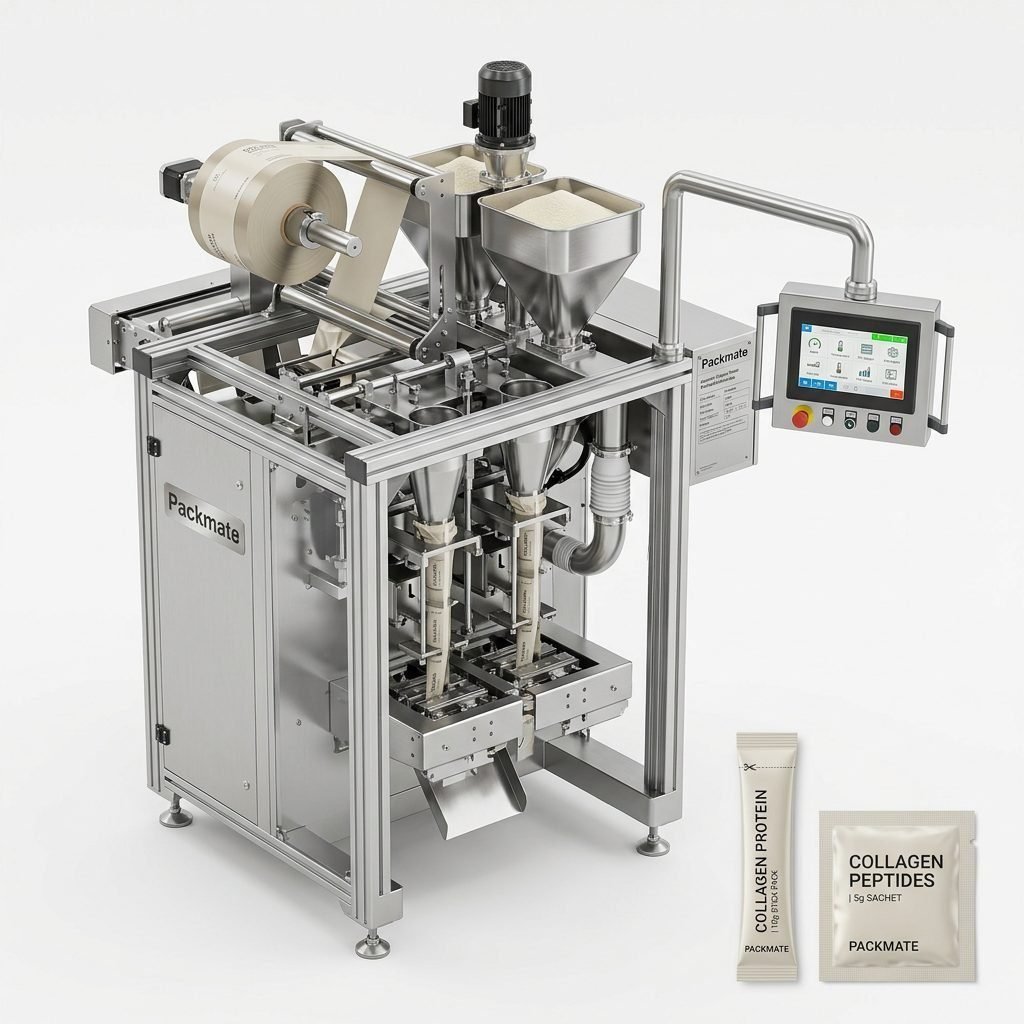
Today’s machinery is defined by intelligence and flexibility. Automation and IoT (Internet of Things) are at the forefront, enabling machines to self-monitor, predict maintenance needs, and optimize performance in real-time. This leads to significant reductions in waste and unplanned stoppages. Another major trend is the rise of flexible packaging formats. Consumers demand convenience, driving the need for machinery that can efficiently produce stand-up pouches, sachets, and stick packs. Specialized equipment, such as high-speed sachet and stick pack machines, are essential for serving the single-serve and on-the-go market segments.
Hygienic design has also evolved from a best practice to a non-negotiable standard. Modern machines feature easy-clean surfaces, minimal crevices, and are often constructed with food-grade stainless steel to meet stringent global safety regulations.
Selecting the Right Machinery Partner
Choosing equipment is as much about the machine as it is about the manufacturer. A partner with deep industry experience brings invaluable insight. Consider a company like Packmate Machinery, which has over 30 years of expertise in building intelligent packaging solutions. Their journey, beginning in a small workshop in 1993 and growing into a company with a 20,000㎡ modern facility, underscores a commitment to innovation and practical problem-solving. This historical depth often translates into more reliable and user-centric machine design.
Critical Selection Criteria Checklist:
- Output Capacity & Speed: Does the machine meet your current and projected production volumes?
- Product Compatibility: Can it handle your specific product type (e.g., granules, powder, liquid, viscous) without degradation?
- Format Flexibility: How quickly can you changeover between different bag sizes or pouch styles?
- Hygiene & Safety Compliance: Does the design meet relevant standards (e.g., FDA, CE, GMP) for your target markets?
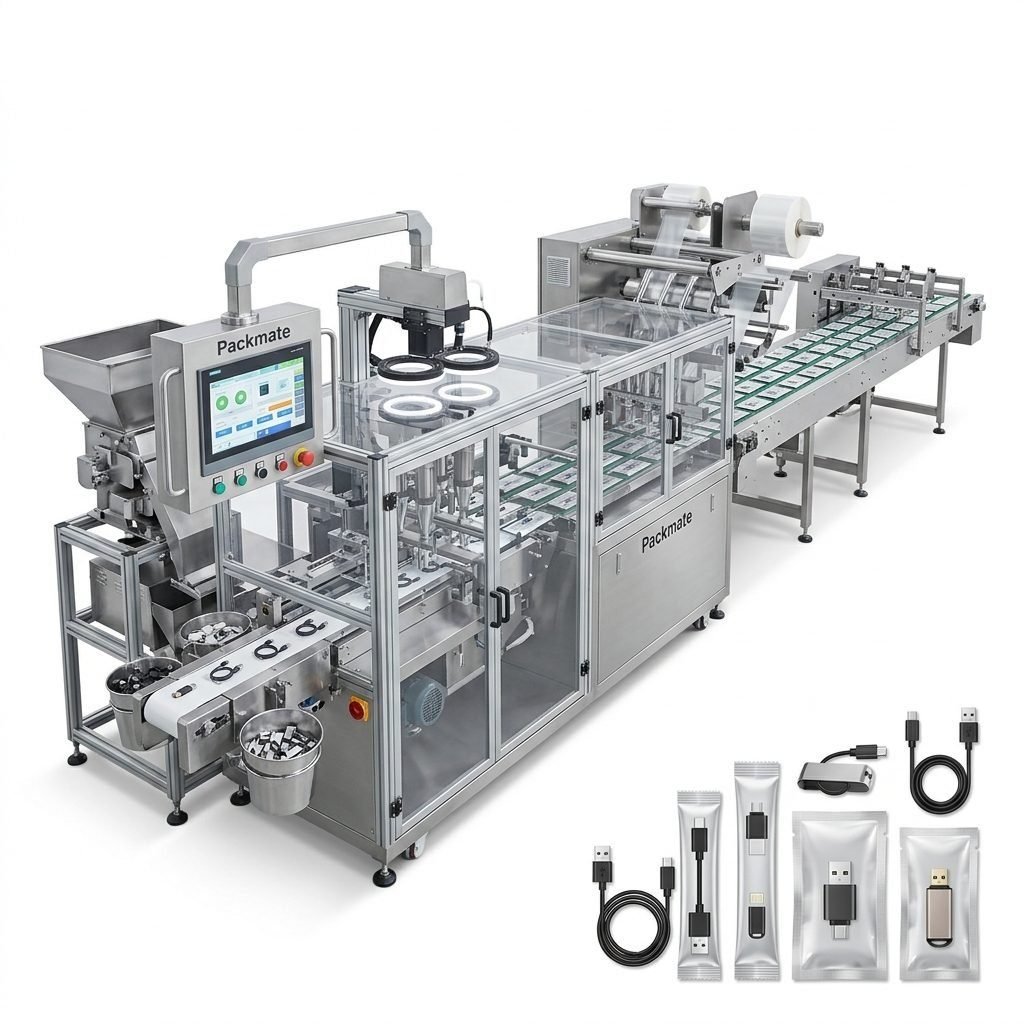
- Integration Capability: Can it be easily integrated into your existing line or future filling and packaging lines?
- Supplier Support: What is the availability of technical support, spare parts, and training?
Optimizing Your Packaging Line for Maximum ROI
Investing in machinery is the first step; optimizing its operation is where long-term value is created. Regular preventive maintenance is the cornerstone of longevity. This goes beyond lubrication to include software updates for programmable logic controllers (PLCs) and calibration of sensors and scales. Training your operators thoroughly ensures they understand not just how to run the machine, but also how to perform basic troubleshooting, which drastically reduces minor stoppages.
Furthermore, consider the total cost of ownership (TCO). A slightly higher initial investment in a more efficient, durable machine from a reputable supplier like Packmate often results in lower long-term costs through energy savings, less material waste, and higher uptime. Exploring auxiliary packaging equipment—like checkweighers or batch coders—can also enhance line efficiency and traceability.
Future-Proofing Your Investment
The food industry is subject to rapid changes in consumer preference and regulation. Future-proof machinery is modular and scalable. Look for equipment that allows for upgrades, such as adding vision inspection systems or connectivity modules for Industry 4.0 data collection. Partnering with a manufacturer committed to R&D ensures you have access to technological evolutions that can keep your line competitive for years to come.
Conclusion: Building a Foundation for Growth
For modern food manufacturers, processing and packaging machinery is the engine of growth. By prioritizing advanced technology, hygienic design, and a strategic partnership with an experienced equipment provider, businesses can build a production foundation that ensures quality, maximizes efficiency, and adapts to future market demands. The right machinery is a silent partner in brand building, ensuring that every product that leaves the factory meets the highest standards of safety and presentation.
Frequently Asked Questions (FAQs)
What is the most important factor when choosing food packaging machinery?
The most critical factor is ensuring the machine is compatible with your specific product (e.g., viscosity, abrasiveness, particle size) and your required packaging format. A machine designed for coffee granules may not work well for a sticky sauce. Always request a product test with your actual material.
How can I improve the sustainability of my packaging line?
Modern machinery contributes to sustainability by reducing material waste through high-accuracy filling, minimizing energy consumption with efficient drives, and enabling the use of recyclable or thinner packaging films. Choosing equipment designed for quick changeovers also reduces product waste during line switches.
What does a “turnkey packaging solution” mean?
A turnkey solution means the supplier provides a complete, ready-to-operate line. This includes all machinery (from feeding to primary packaging and cartoning), integration, installation, commissioning, and operator training. It offers a single point of responsibility and can significantly speed up your project timeline.
How do I ensure my machinery meets international food safety standards?
Work with manufacturers who design and build equipment to global standards like CE (Europe) or have experience with FDA requirements (USA). Key design aspects include using food-grade materials (e.g., 304 or 316 stainless steel), having smooth, easy-to-clean surfaces, and providing documentation like machinery risk assessments.
Is automation always the right choice for a small or medium-sized food manufacturer?
Not always. The decision should be based on a clear ROI analysis. While automation boosts speed and consistency, it requires a higher capital investment. Semi-automatic machines can be an excellent starting point for smaller batches or start-ups, offering flexibility at a lower cost. The key is to plan for future scalability.