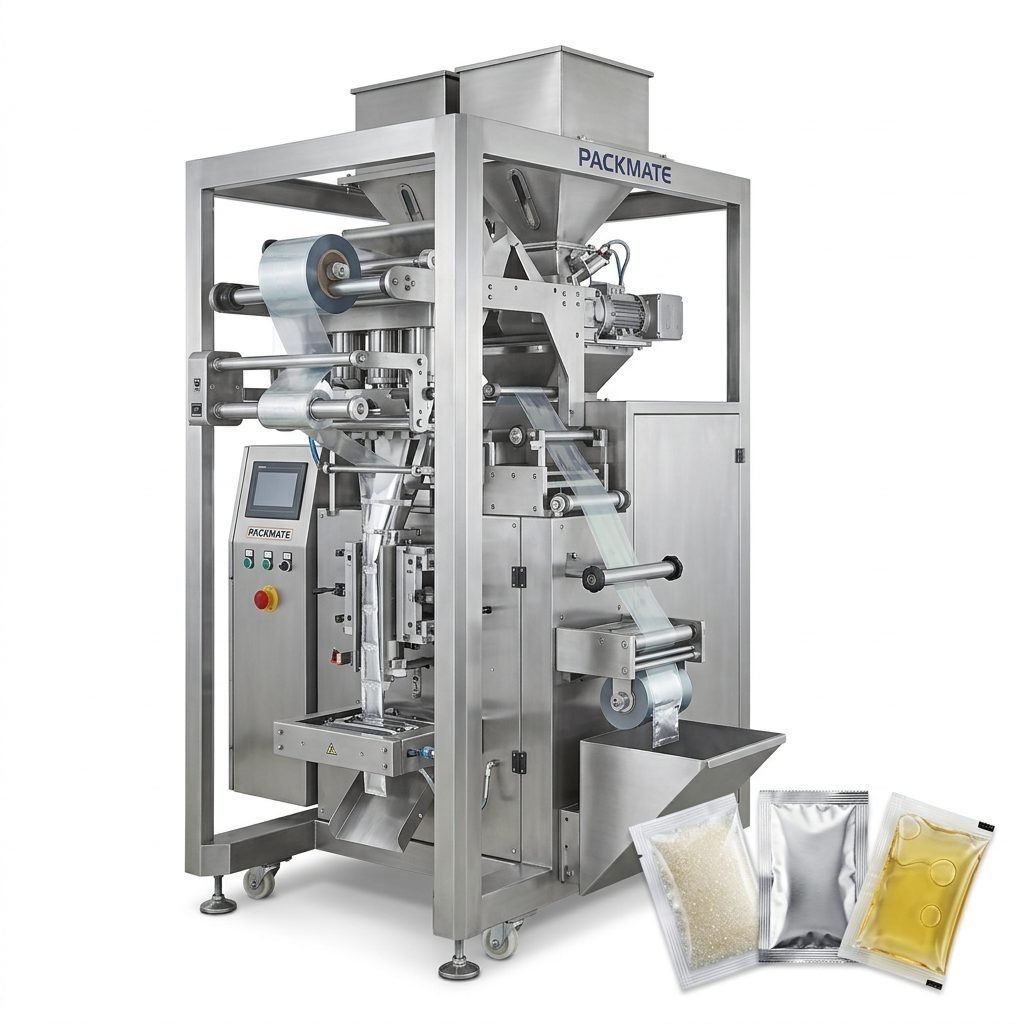
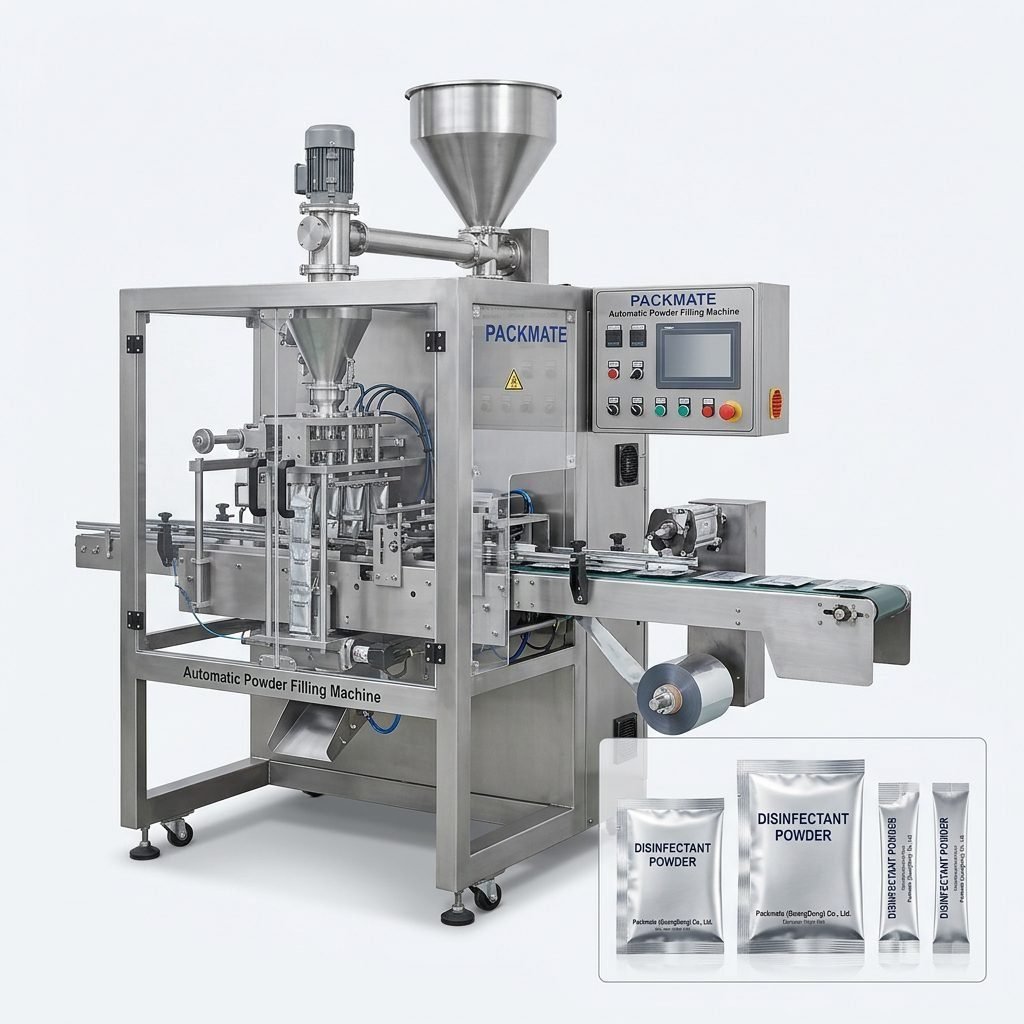
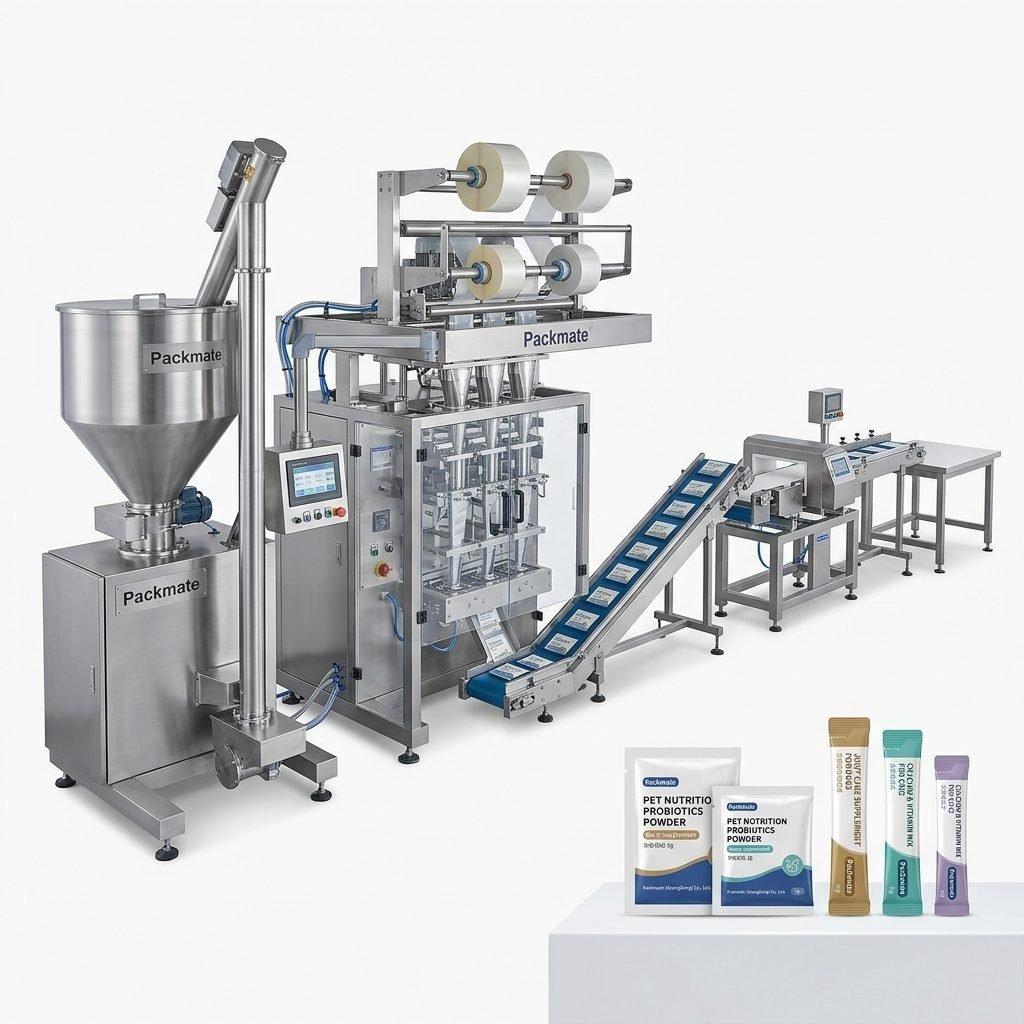
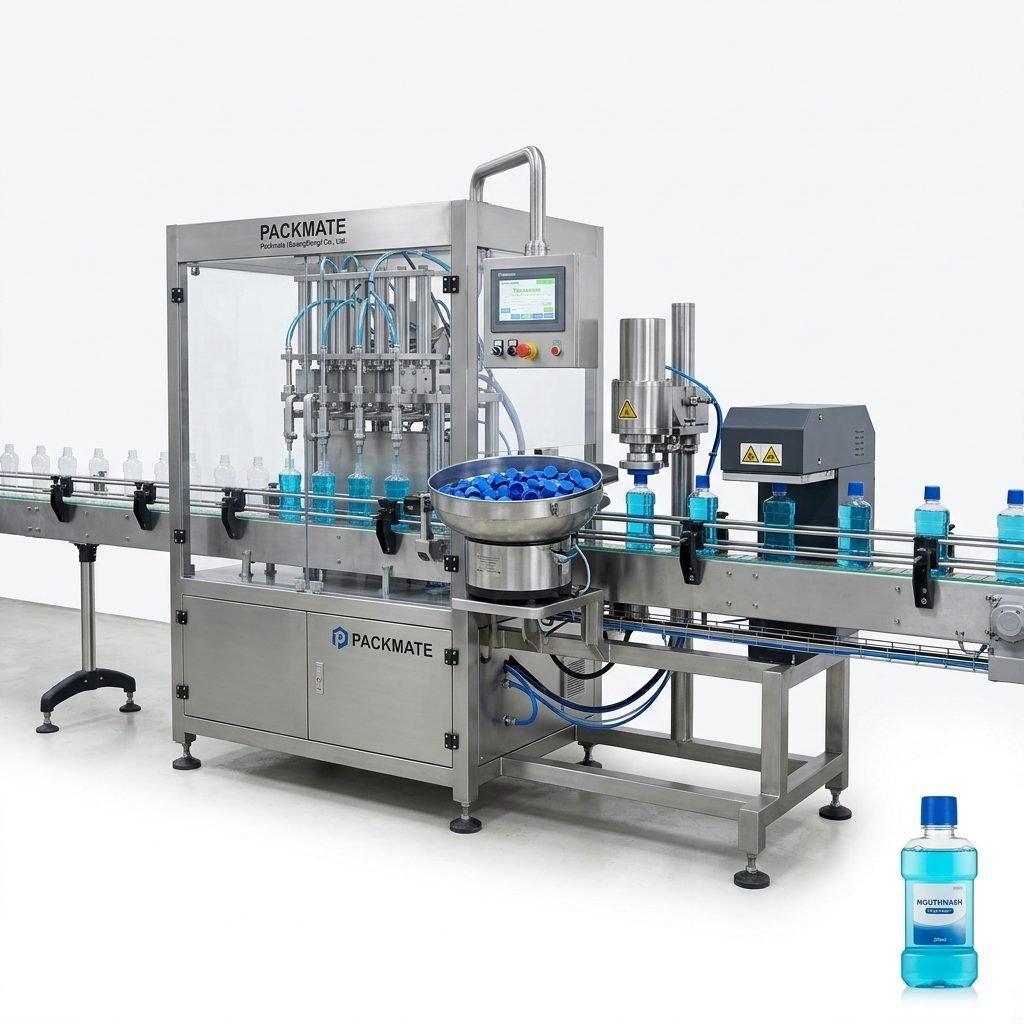
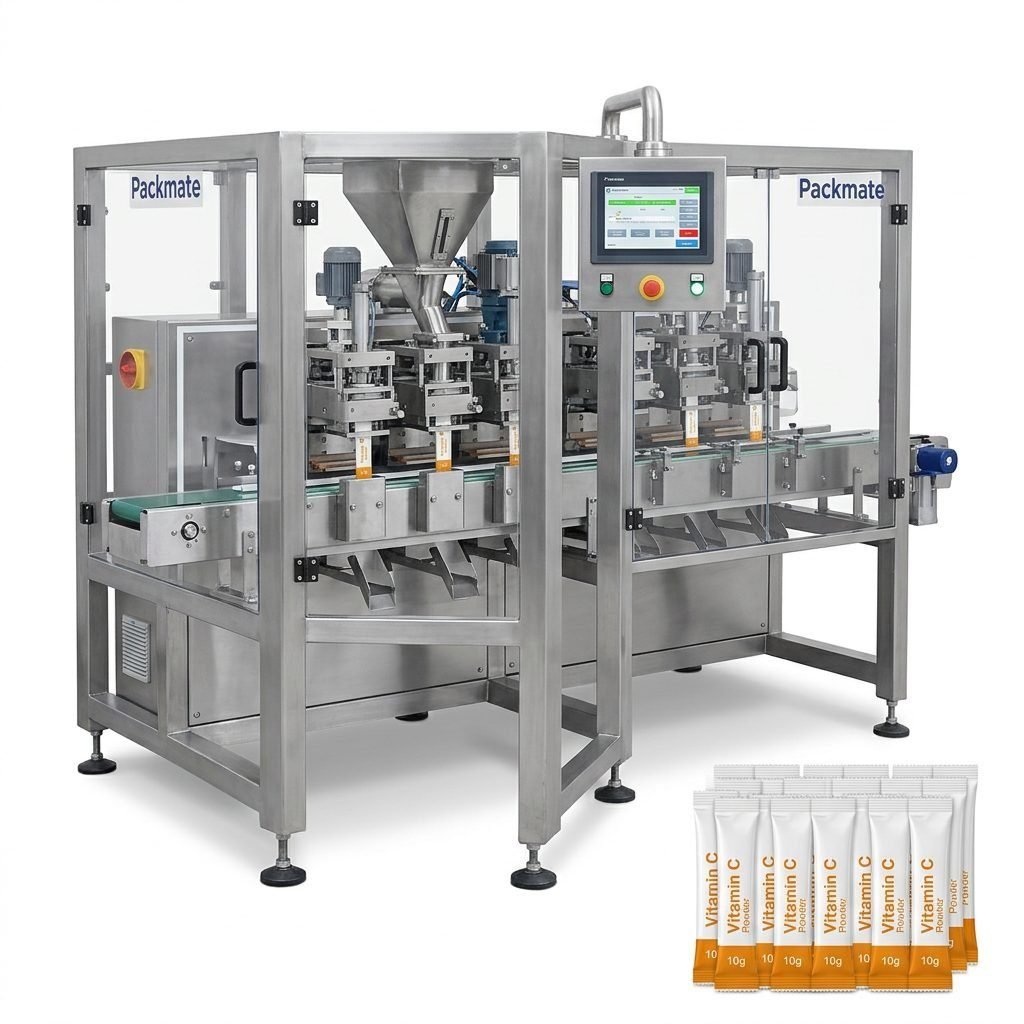
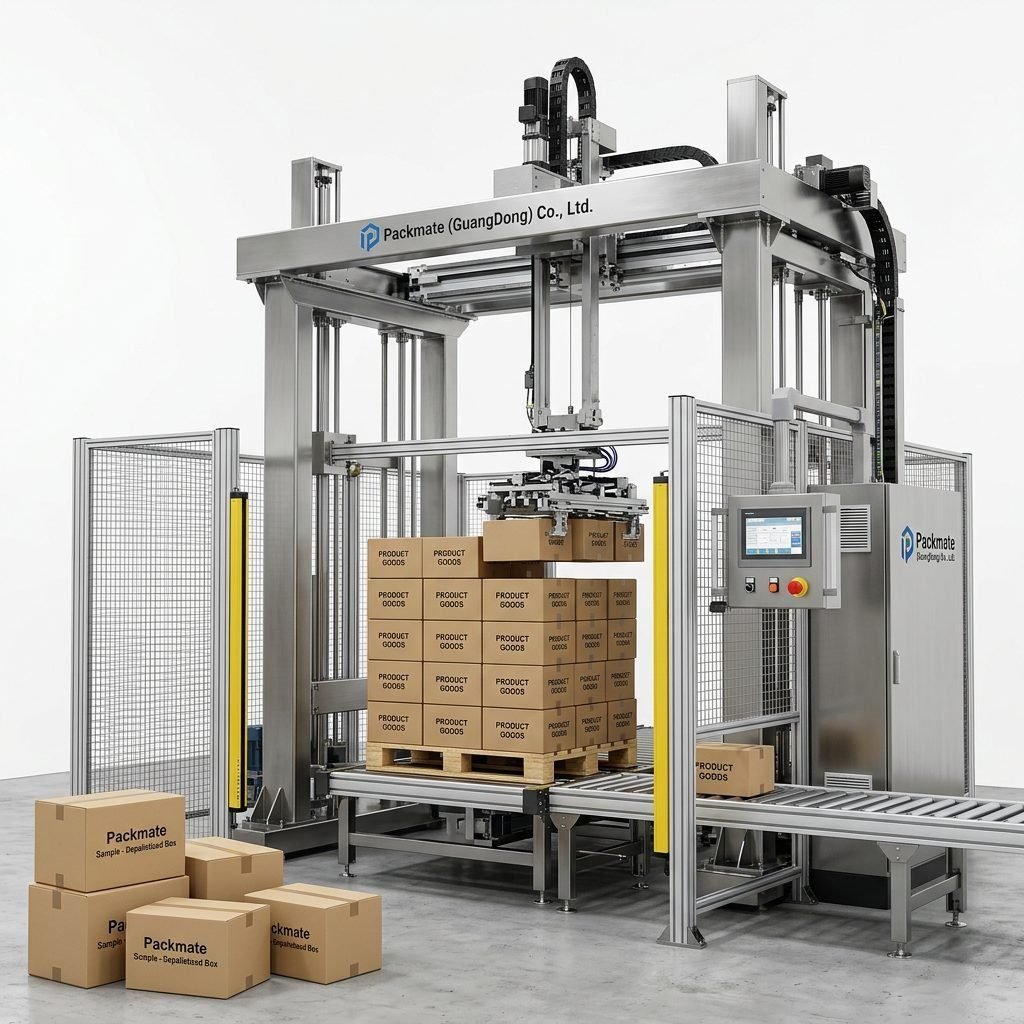
The global packaging machinery market stands as a critical pillar of modern manufacturing and supply chain logistics. As consumer demand for convenience, product safety, and sustainability intensifies, the machinery that packages everything from food and pharmaceuticals to electronics and industrial goods is undergoing a profound transformation. This analysis delves into the key growth trends, technological drivers, and regional dynamics shaping this multi-billion dollar industry, offering insights for businesses looking to invest, innovate, or optimize their packaging operations.
Current Market Landscape and Size
The packaging machinery market is experiencing robust growth, driven by the relentless expansion of e-commerce, the need for extended shelf life, and stringent regulatory requirements across sectors like food and pharmaceuticals. The market is segmented by machine type—including filling, labeling, form-fill-seal (FFS), palletizing, and wrapping machines—and by end-use industry. The food and beverage sector remains the largest consumer, closely followed by pharmaceuticals and personal care. The shift towards automation and smart factory (Industry 4.0) integration is no longer a luxury but a necessity for maintaining competitiveness, reducing labor costs, and ensuring consistent quality.
Key Technological Drivers of Growth
Innovation is the primary engine of market expansion. Several technological trends are defining the next generation of packaging equipment:
Smart Packaging & IoT Connectivity: Modern machines are embedded with sensors and IoT capabilities, enabling real-time monitoring of performance, predictive maintenance, and data collection for optimizing production efficiency and minimizing downtime.
Sustainability-Driven Design: There is a surging demand for machinery that can handle recyclable, biodegradable, and lightweight materials. Equipment that reduces material waste, optimizes energy consumption, and facilitates the use of mono-materials for easier recycling is gaining significant traction. Manufacturers like Packmate Machinery are at the forefront, developing solutions that align with global sustainability goals.
Flexibility and Quick Changeover: The need for shorter production runs and personalized packaging requires machines that can quickly switch between different package sizes, shapes, and materials without lengthy downtime. This flexibility is crucial for brands responding to fast-changing market demands.
Advanced Robotics and Cobots: Collaborative robots (cobots) are increasingly deployed for tasks like pick-and-place, palletizing, and quality inspection, working safely alongside human operators to enhance speed and precision.
Regional Market Analysis and Trends
Growth patterns vary significantly across regions, influenced by local industrialization, consumer behavior, and regulatory landscapes.
Asia-Pacific: This region is the fastest-growing market, dominated by China, Japan, and India. Rapid urbanization, a booming middle class, and massive investments in manufacturing infrastructure are key drivers. In China, for instance, the government’s “Made in China 2025” initiative strongly promotes industrial automation, directly benefiting the packaging machinery sector. Local manufacturers, such as those based in Guangdong’s Greater Bay Area, leverage this policy support and decades of expertise to produce competitive, intelligent equipment for global clients. Companies like Packmate, with its 20,000㎡ modern facility, exemplify the region’s manufacturing prowess.
North America and Europe: These are mature markets characterized by high adoption of advanced technologies. Growth is fueled by a strong focus on pharmaceutical packaging compliance (e.g., serialization), premium food packaging, and the rapid growth of e-commerce fulfillment centers requiring high-speed automated packaging lines.
Latin America and Middle East & Africa: These are emerging markets with high growth potential, primarily driven by increasing foreign investment in food processing and packaging industries and a gradual shift from manual to automated packaging processes.
Challenges and Opportunities
The market faces challenges, including high initial capital investment for advanced machinery, a shortage of skilled technicians to operate and maintain complex systems, and the constant pressure to comply with diverse and evolving international packaging regulations. However, these challenges present corresponding opportunities. The rise of servitization models, where machinery is offered with comprehensive maintenance and data analytics services, creates new revenue streams for manufacturers. Furthermore, the growing need for complete turnkey packaging solutions that include design, installation, and training offers a significant competitive advantage to integrated suppliers.
The Future Outlook: Integration and Intelligence
The future of the packaging machinery market is inextricably linked to deeper digital integration. We are moving towards fully connected packaging lines where machinery, auxiliary equipment, and enterprise resource planning (ERP) systems communicate seamlessly. Artificial Intelligence (AI) and machine learning will play a larger role in quality control, identifying defects invisible to the human eye, and optimizing production schedules in real-time. The focus will be on creating agile, data-driven, and sustainable packaging ecosystems that deliver unparalleled efficiency and traceability from the production line to the end consumer.
Frequently Asked Questions (FAQs)
What is the biggest factor driving the growth of the packaging machinery market?
The largest driver is the global shift towards automation across all manufacturing sectors, primarily to increase efficiency, ensure consistency, reduce labor costs, and meet the high-volume demands of modern retail and e-commerce logistics.
Which end-use industry is the largest consumer of packaging machinery?
The food and beverage industry remains the dominant consumer, due to its massive scale, the need for hygiene and shelf-life extension, and continuous product innovation requiring flexible packaging formats.
How important is sustainability in new packaging machinery purchases?
Extremely important. Manufacturers are increasingly seeking machinery that can handle eco-friendly materials, minimize film and energy waste, and support circular economy goals. This is now a key decision-making criterion alongside speed and reliability.
What should a company look for when choosing a packaging machinery supplier?
Key factors include the supplier’s industry experience, technological capability, after-sales service and support, ability to provide customized or turnkey solutions, and proven track record with similar applications. Evaluating their project case studies can provide valuable insights.
Is the packaging machinery market affected by global supply chain issues?
Yes, like all capital equipment sectors, it has faced challenges with component availability and logistics. Leading manufacturers mitigate this by building resilient supply chains, holding strategic inventory, and designing modular machines for easier maintenance and part replacement.