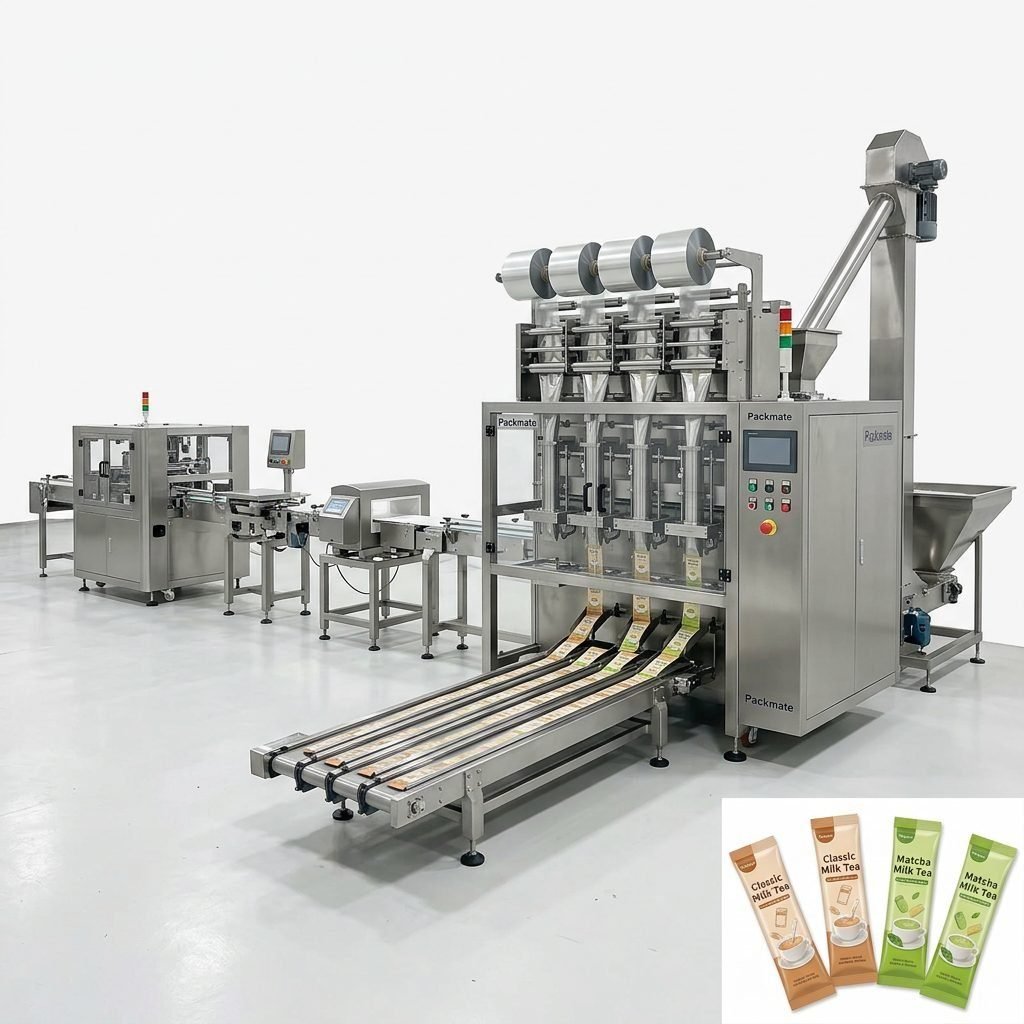
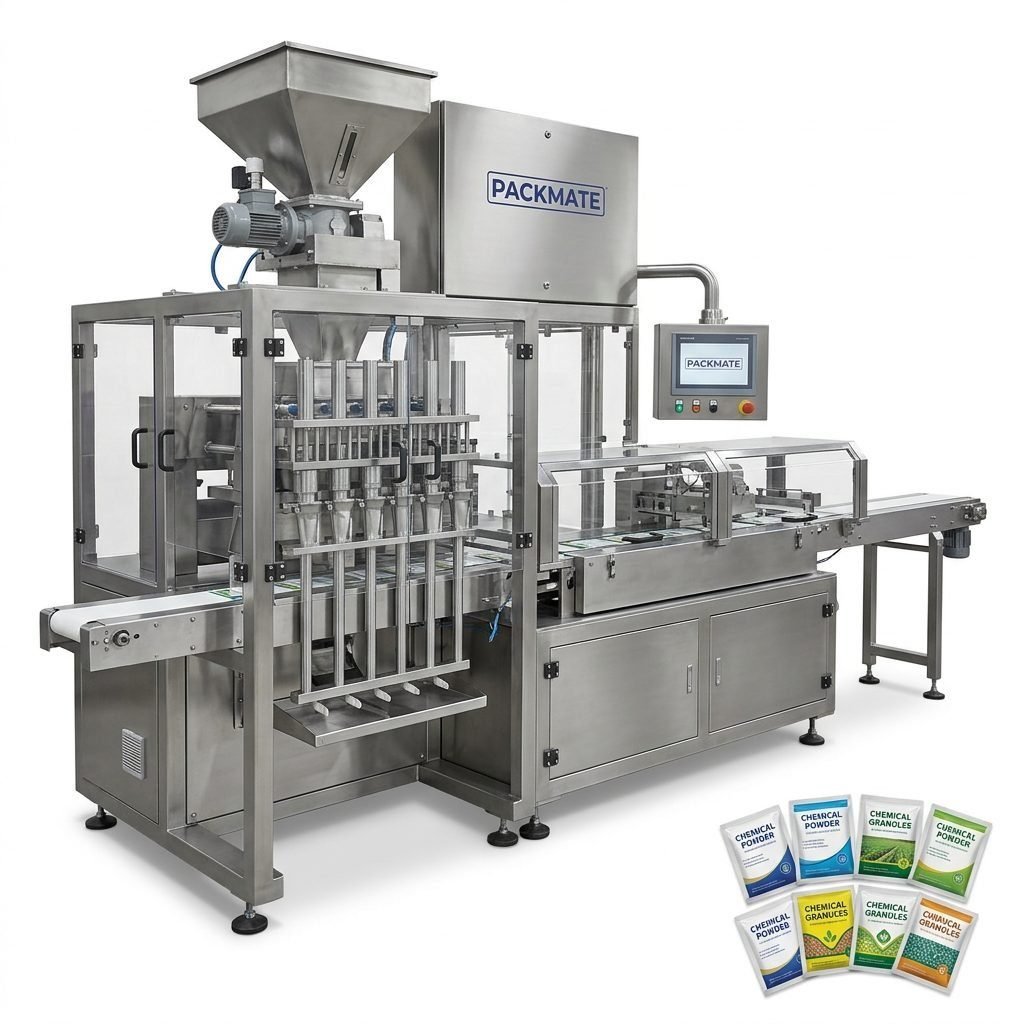
Purchasing second-hand packaging machinery can be a strategic and cost-effective decision for businesses looking to expand their production capabilities without the significant capital investment required for new equipment. This comprehensive guide is designed to navigate you through the entire process, from initial consideration to final purchase and implementation.
Why Consider Second-Hand Packaging Machinery?
The primary advantage is, of course, cost savings. High-quality packaging machines from reputable manufacturers like Packmate Machinery are built to last for decades. A well-maintained used machine can offer 60-80% of the performance of a new one at a fraction of the price. This allows businesses to allocate funds to other critical areas such as marketing, raw materials, or workforce development.
Additionally, the lead time for delivery and installation is often significantly shorter compared to waiting for a custom-built new machine. For companies needing to ramp up production quickly to meet sudden market demand or fulfill a large contract, this can be a decisive factor.
Key Benefits at a Glance
- Substantial Capital Investment Reduction: Free up cash flow for other business operations.
- Proven Technology and Reliability: The machine has a track record you can research.
- Faster Market Entry: Deploy production capacity almost immediately.
- Potential for Higher-End Brands: Afford machinery from top-tier manufacturers that might be out of budget when new.
Critical Pre-Purchase Considerations
Jumping into a purchase without due diligence is the biggest risk. A thorough evaluation is non-negotiable.
1. Define Your Exact Requirements
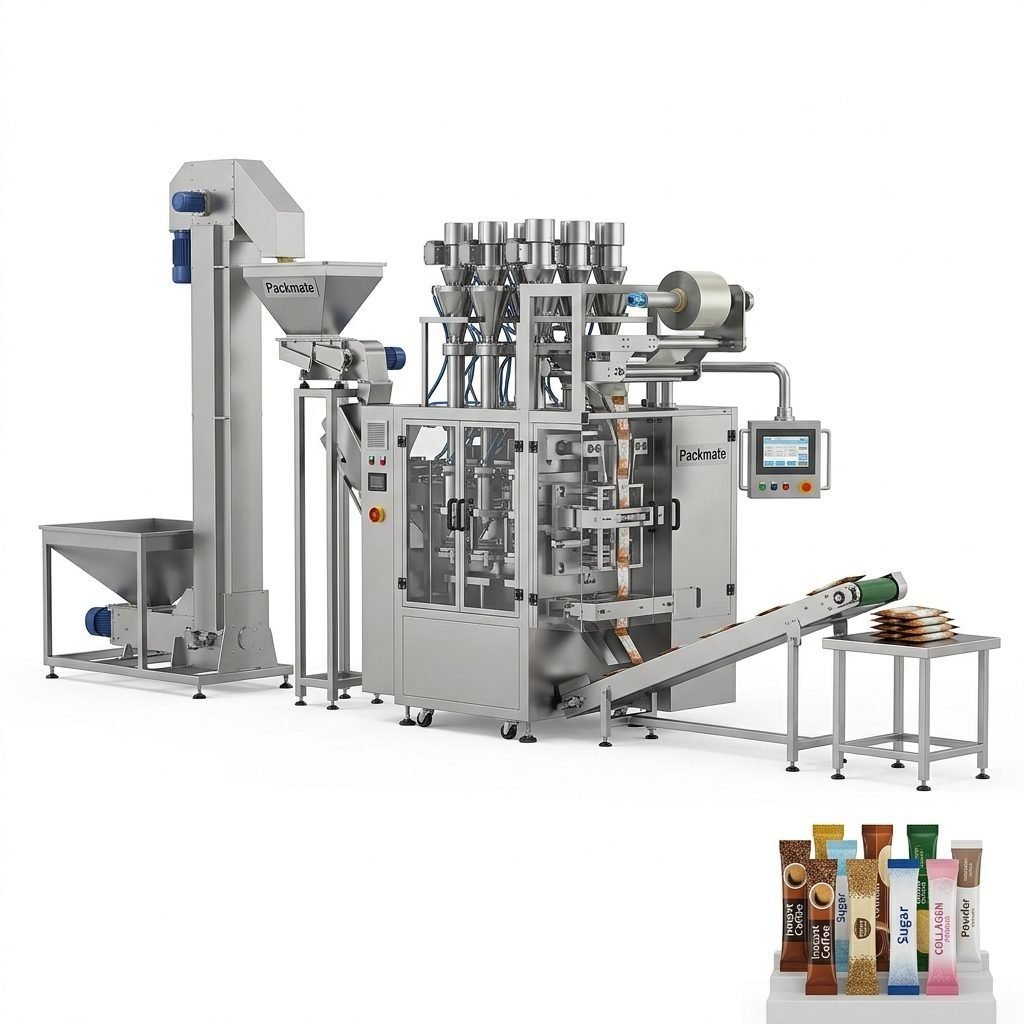
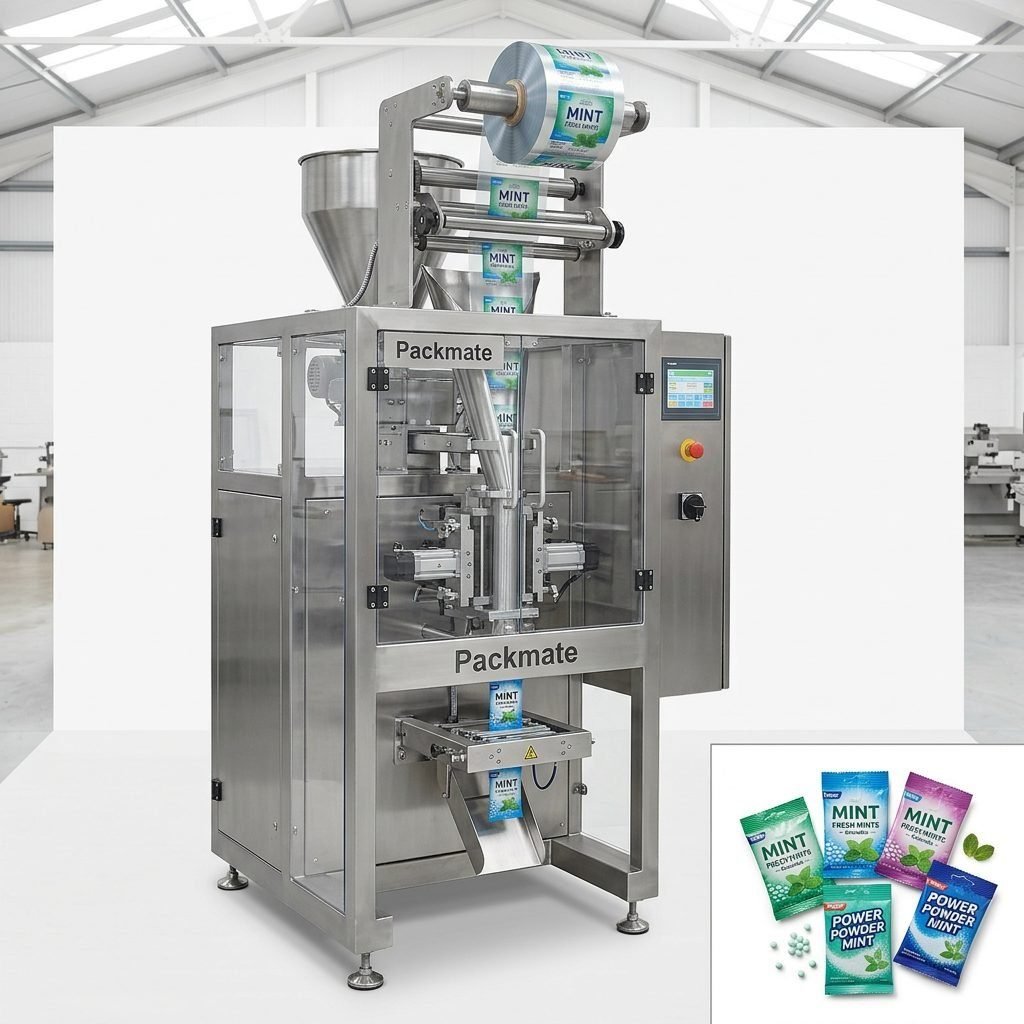
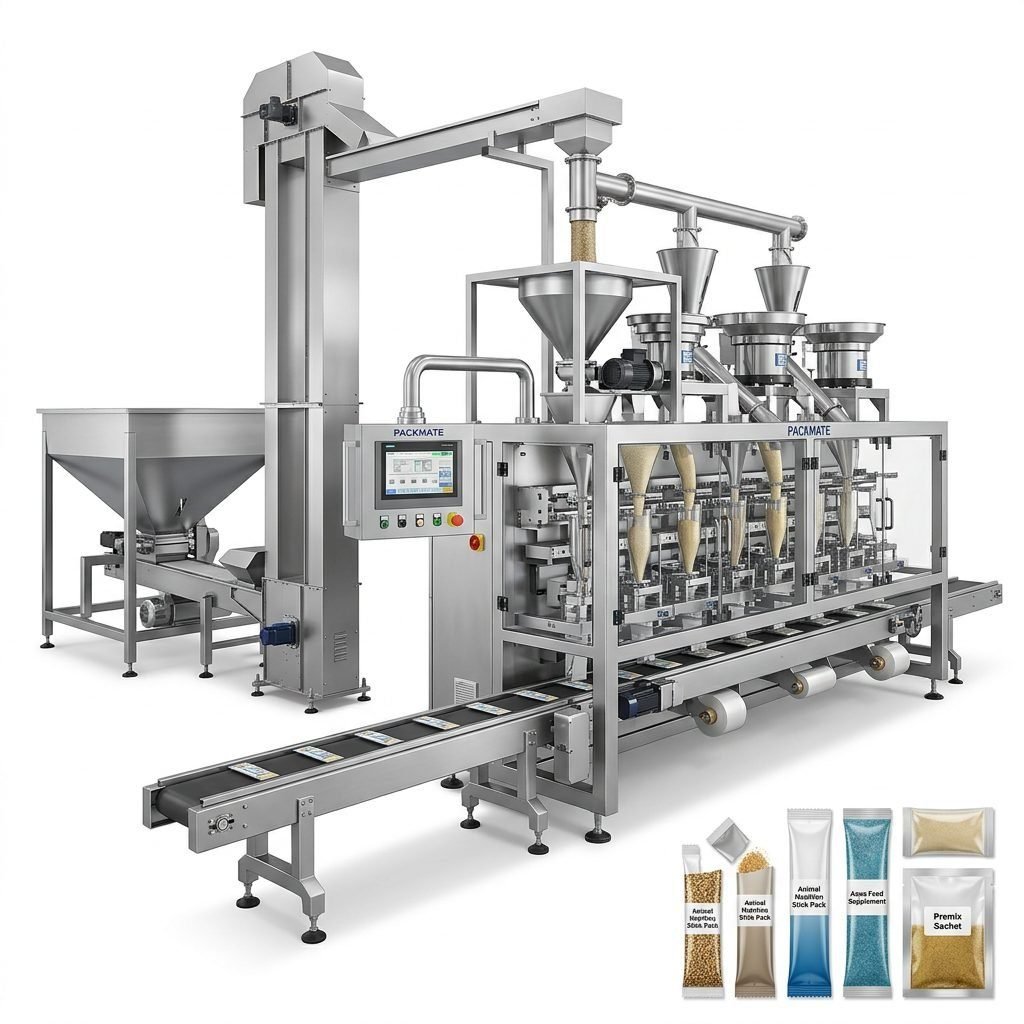
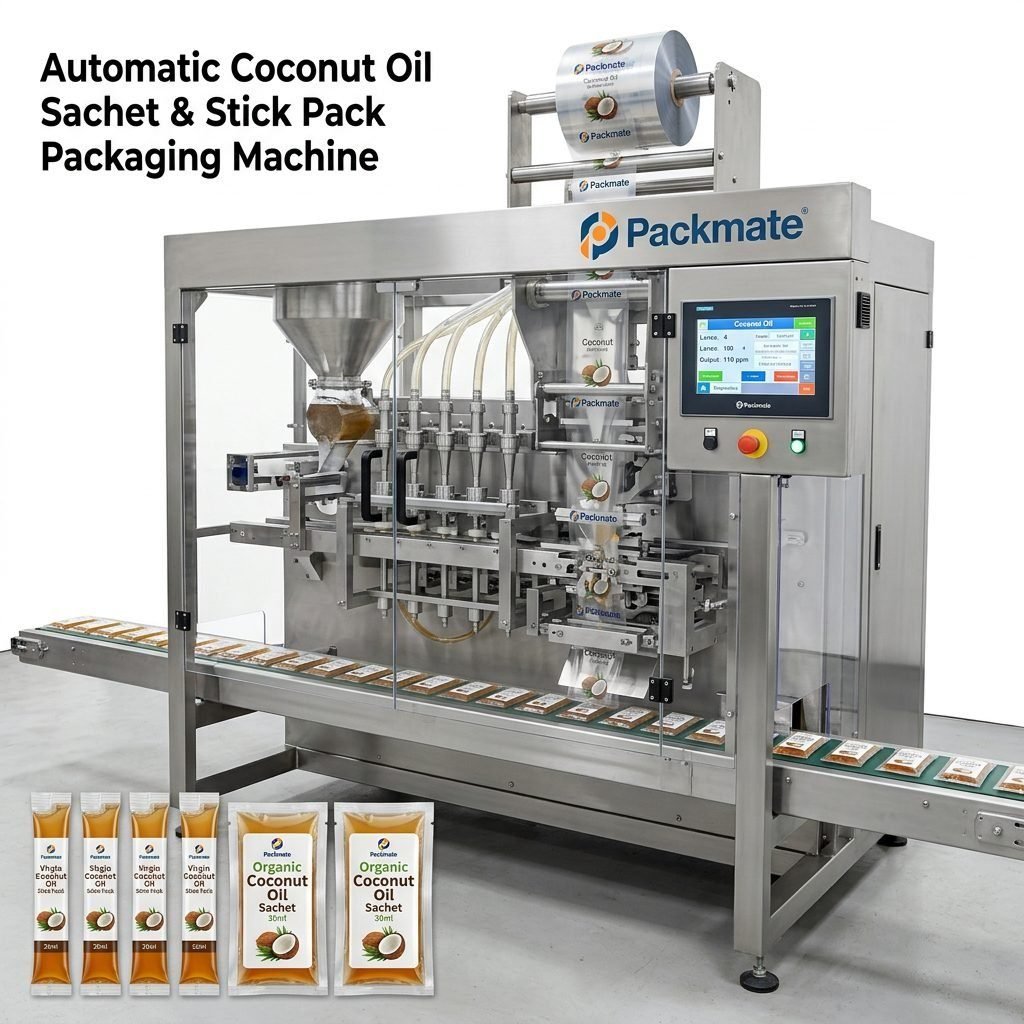
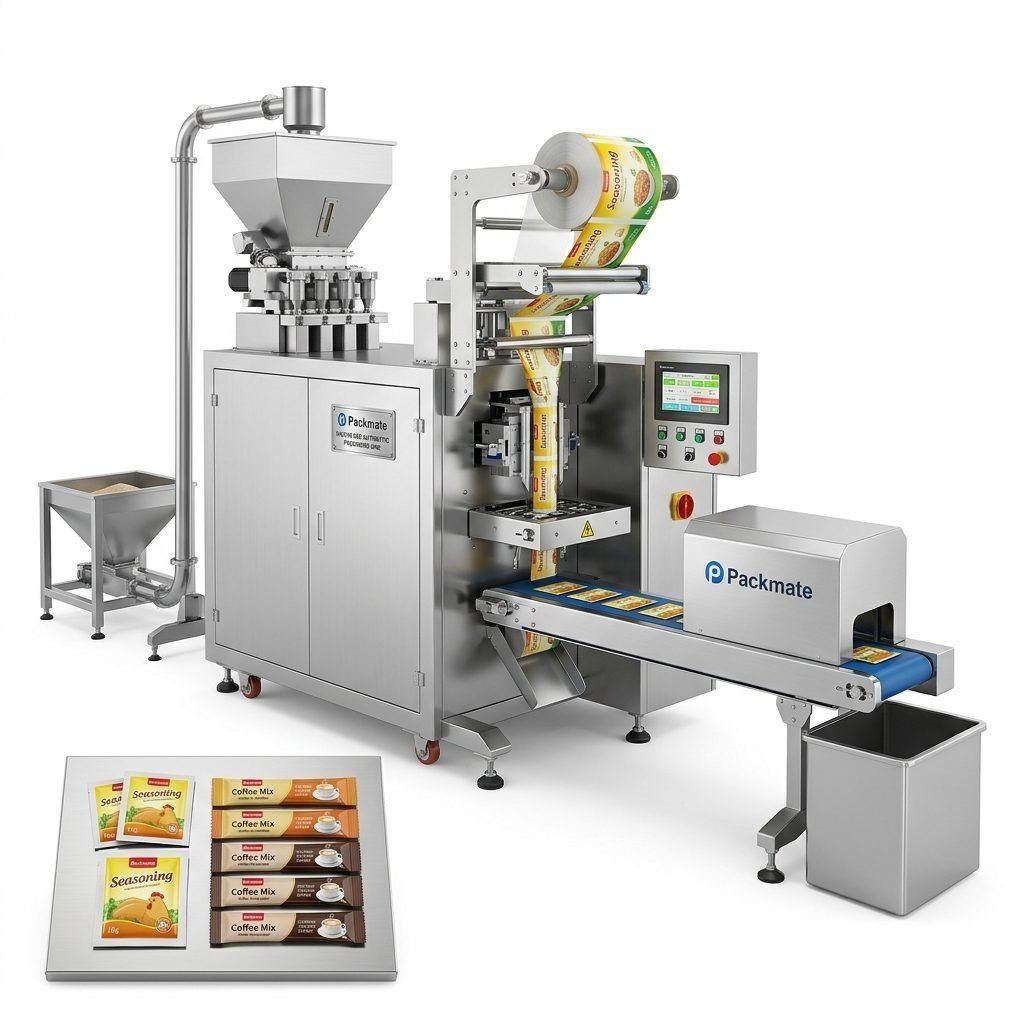
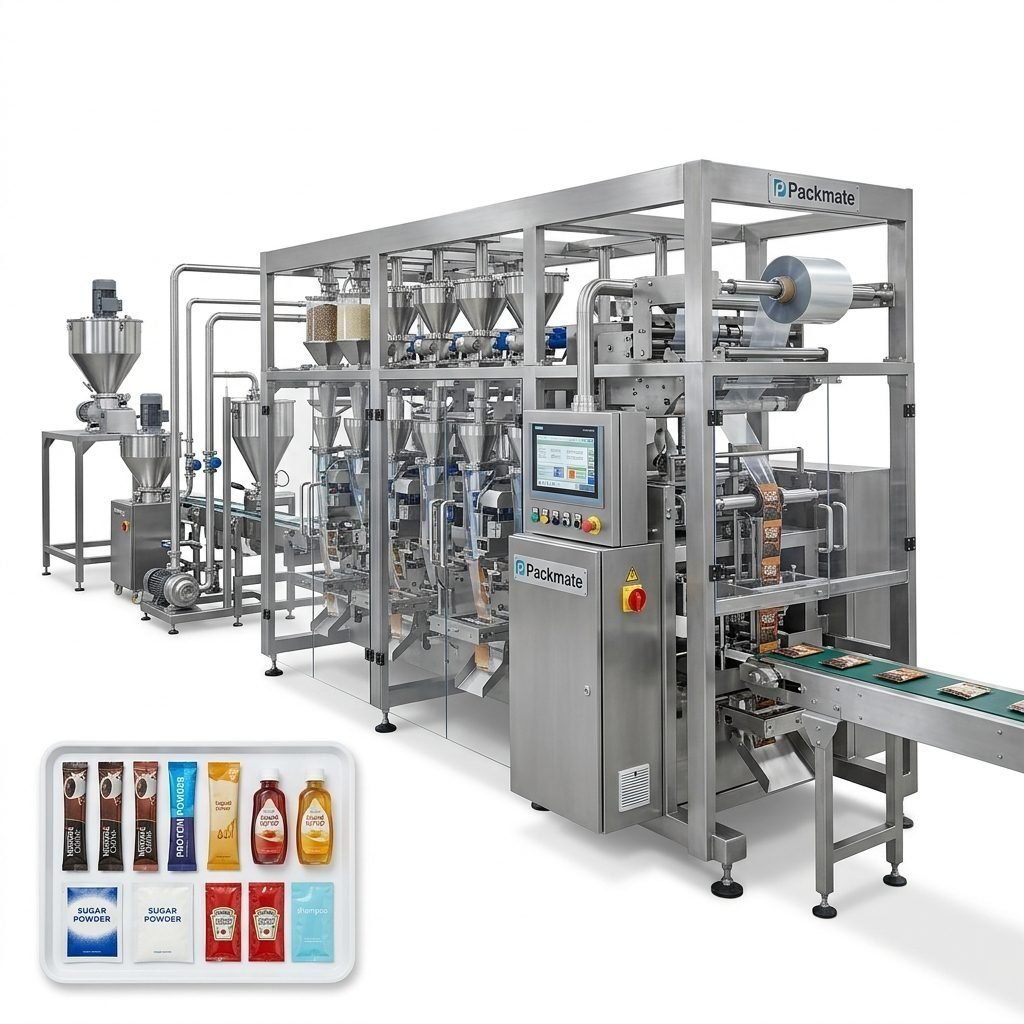
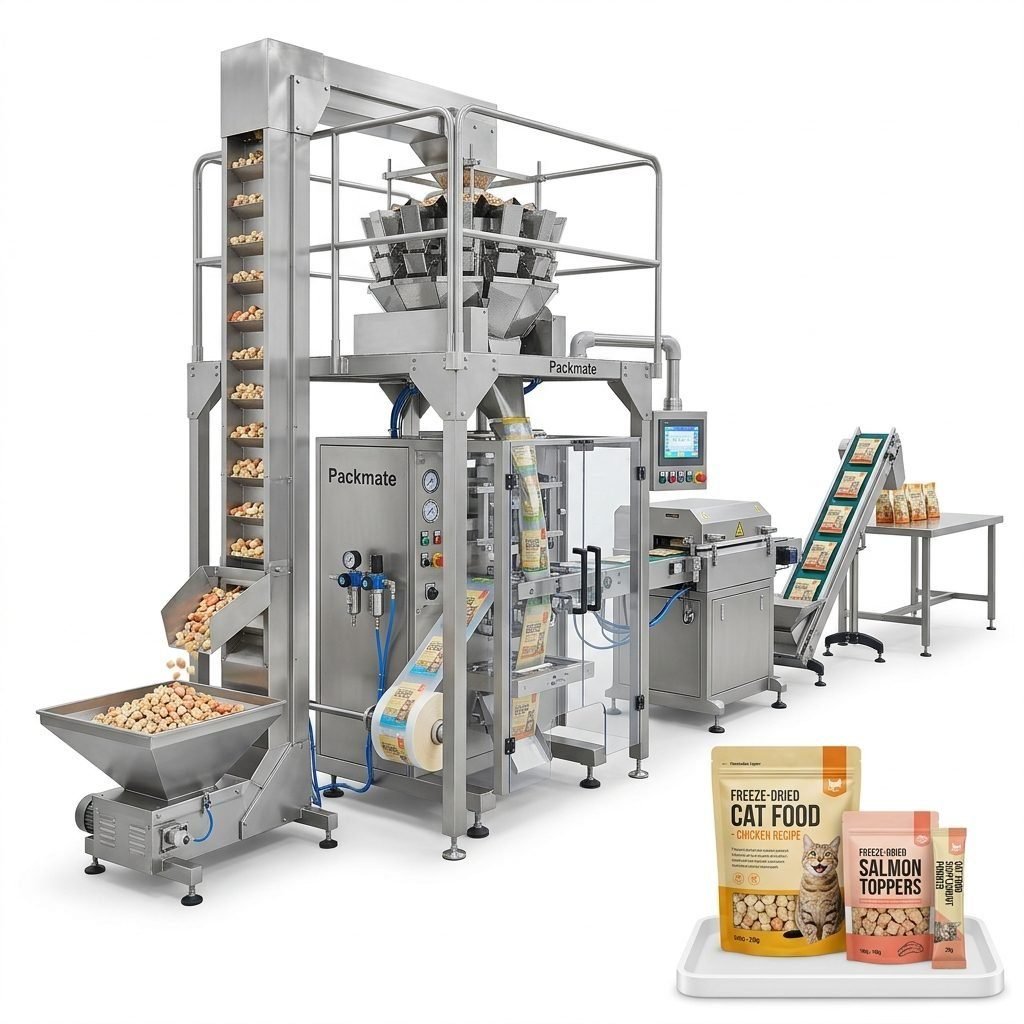
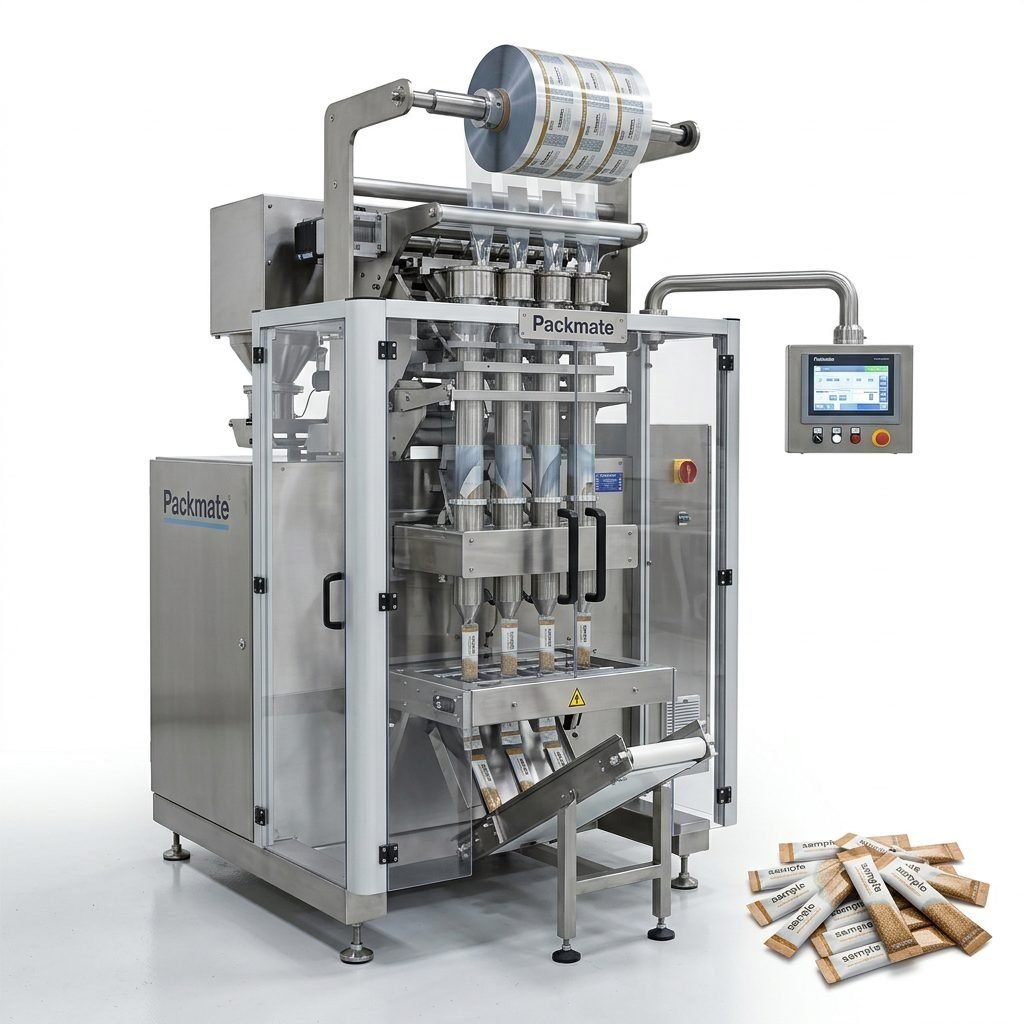
What are you packaging? Product type (powder, granules, liquid), packaging format (sachet, stick pack, pouch), and required output speed are the foundational questions. Be clear on your current and near-future needs to avoid buying an under or over-specified machine. For specific formats, explore dedicated equipment lines like sachet & stick pack machines or bag & pouch packaging machines to understand the technology.
2. Research the Machine’s History
This is paramount. Request all available documentation: maintenance logs, service records, manuals, and parts lists. Inquire about the machine’s operational history—how many shifts it ran, what product it packaged, and why it is being sold. A machine from a single-shift, food-grade environment is typically a better bet than one from a 24/7 chemical plant.
3. Conduct a Physical and Operational Inspection
If possible, always inspect the machine while it is running under power. Listen for unusual noises, observe the mechanical movement for smoothness, and check for signs of excessive wear on critical components like seals, gears, and forming parts. Look for leaks, corrosion, or makeshift repairs. Testing it with a material similar to your own is ideal.
Inspection Checklist
- Frame & Structure: Check for cracks, welds, or structural damage.
- Control System: Power up the PLC/HMI. Are all functions accessible? Is the software original?
- Critical Wear Parts: Examine forming shoulders, sealing jaws, cutters, and augers/fillers.
- Hygiene & Cleanliness: Residual product or grime can indicate poor maintenance.
- Safety Features: Verify that guards, emergency stops, and interlocks are present and functional.
Where to Source Reliable Used Machinery
Finding the right seller is as important as finding the right machine.
Direct from Manufacturers: Some OEMs, like Packmate, occasionally offer refurbished or traded-in models from their own fleet. These often come with updated components and a limited warranty, providing greater peace of mind. Checking a manufacturer’s main products page can give you a baseline for what models exist.
Specialized Dealers and Brokers: Reputable dealers add value by inspecting, sometimes reconditioning, and testing machines before sale. They have industry networks and can help source specific models.
Auctions and Liquidations: These can offer the lowest prices but carry the highest risk. Inspection opportunities may be limited, and machines are sold “as-is, where-is” with no recourse.
Understanding Costs Beyond the Purchase Price
The sticker price is just the beginning. A comprehensive budget must include:
- Dismantling, Shipping, and Re-installation: These can be complex and costly, especially for international purchases.
- Reconditioning and Replacement Parts: Budget for replacing worn seals, belts, heaters, and other consumables immediately.
- Electrical and Site Modifications: The machine may require different voltage, pneumatics, or floor space configuration.
- Training and Spare Parts Inventory: Operators and maintenance staff will need training. Building an initial stock of critical spare parts is essential for minimizing downtime.
Negotiation and Finalizing the Deal
Use your inspection findings as leverage in negotiations. Itemize any necessary repairs or part replacements and factor their cost into your offer. Clearly define the terms of sale: What is included (spare parts, manuals, tools)? What are the payment terms? Who is responsible for crating and loading? Get everything in writing in a formal sales agreement.
Post-Purchase: Installation and Integration
Plan the installation meticulously. Ensure your facility’s infrastructure (power, air, floor load) is ready. If you lack in-house expertise, consider hiring a technician from the OEM or a specialized integrator for the initial setup and commissioning. Running extensive trials with your actual product and packaging materials is crucial to fine-tune the machine and train your team.
Frequently Asked Questions (FAQs)
1. What is the biggest risk when buying used packaging machinery?
The greatest risk is hidden mechanical or control system damage that is not apparent during a basic inspection. This can lead to prolonged, expensive downtime after installation. Mitigate this by conducting a thorough running test and purchasing from a reputable source that offers some form of guarantee.
2. How can I verify the condition and history of a machine if the seller is overseas?
Request a detailed video of the machine running through all its functions. Use a third-party inspection service located near the seller to conduct a professional assessment on your behalf. Always review the company’s background; a manufacturer with a long public history, like Packmate with over 30 years in the industry, generally provides more reliable information.
3. Are spare parts readily available for older used machines?
This varies. For machines from major, long-standing manufacturers, common wear parts are often still produced or have interchangeable alternatives. For obsolete brands or models, parts may need to be custom-machined, which is costly and time-consuming. Always research parts availability before purchasing.
4. Is it worth buying a used machine and then having it fully refurbished?
This can be an excellent middle-ground strategy. It involves purchasing a solid but worn “core” machine at a low price and then investing in a comprehensive rebuild by a specialist. The total cost is usually still below a new machine, but you end up with a unit that performs like new, with updated key components and a new warranty period.
5. How do I calculate the true Total Cost of Ownership (TCO) for a used machine?
The TCO includes: Purchase Price + Shipping/Installation + Immediate Reconditioning Costs + Estimated Annual Maintenance/Parts + Potential Downtime Cost + Training. Compare this calculated TCO against the TCO of a new machine (including financing costs) to make a truly informed financial decision.