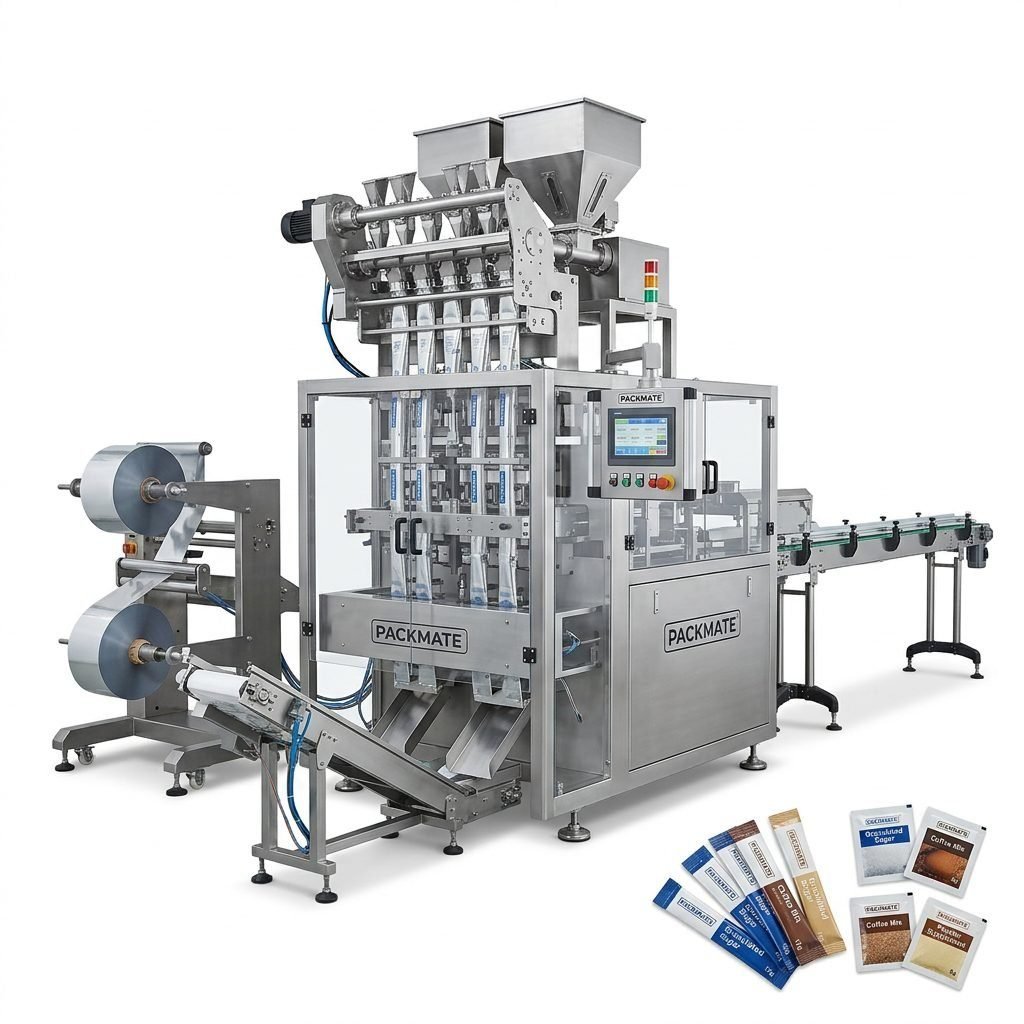
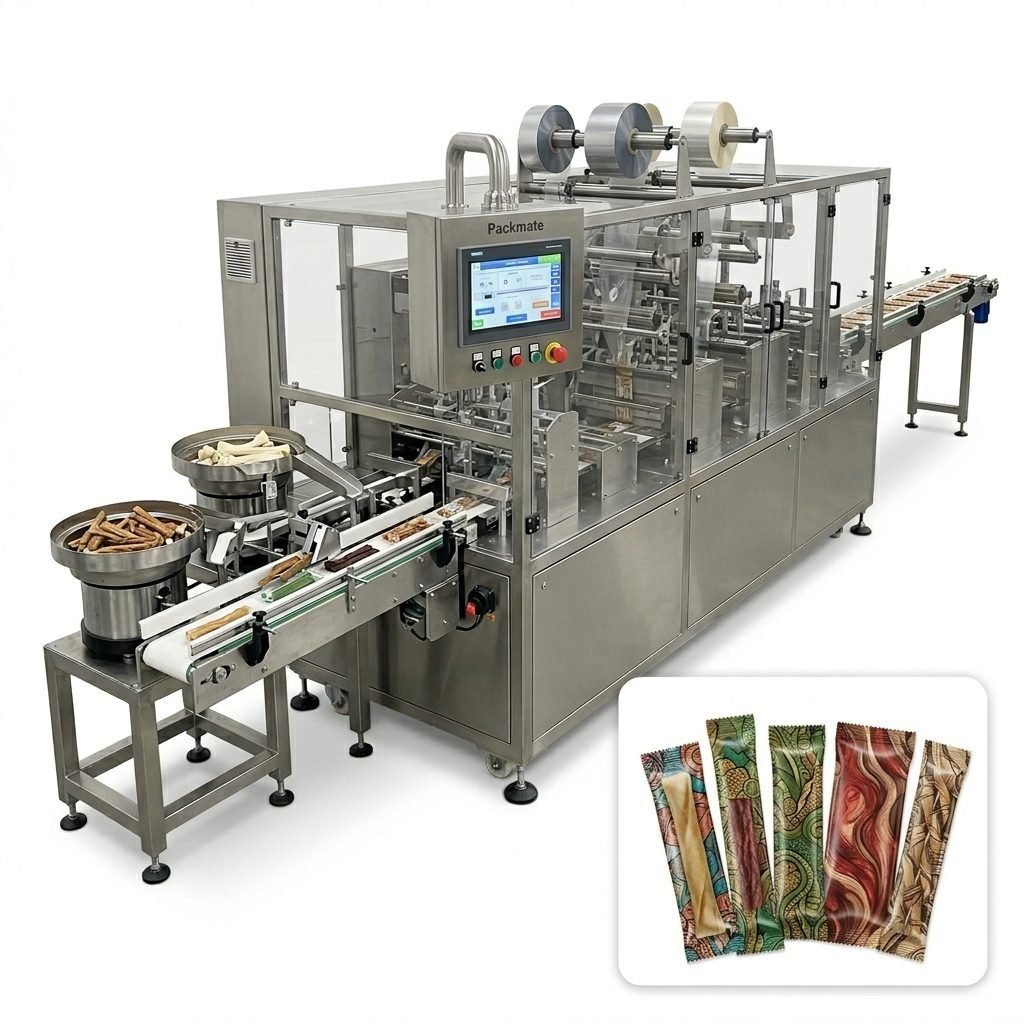
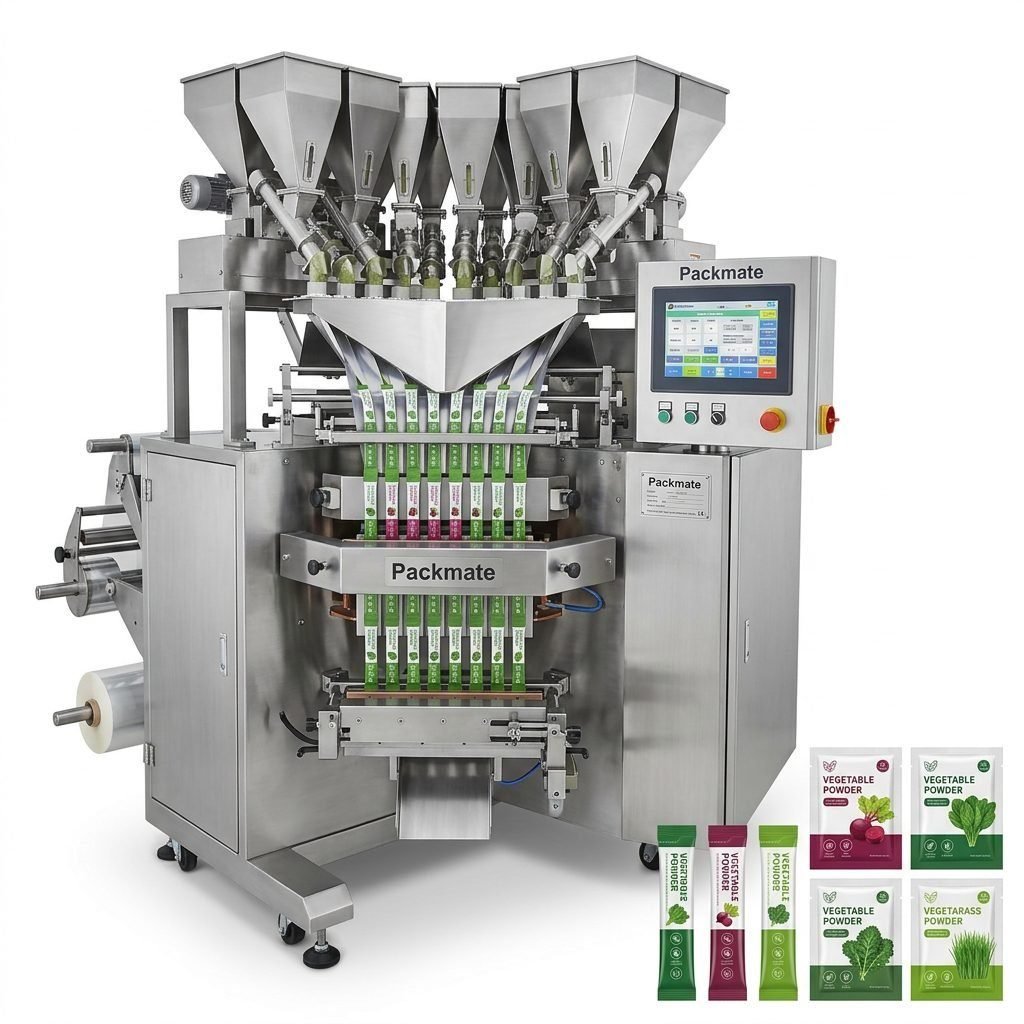
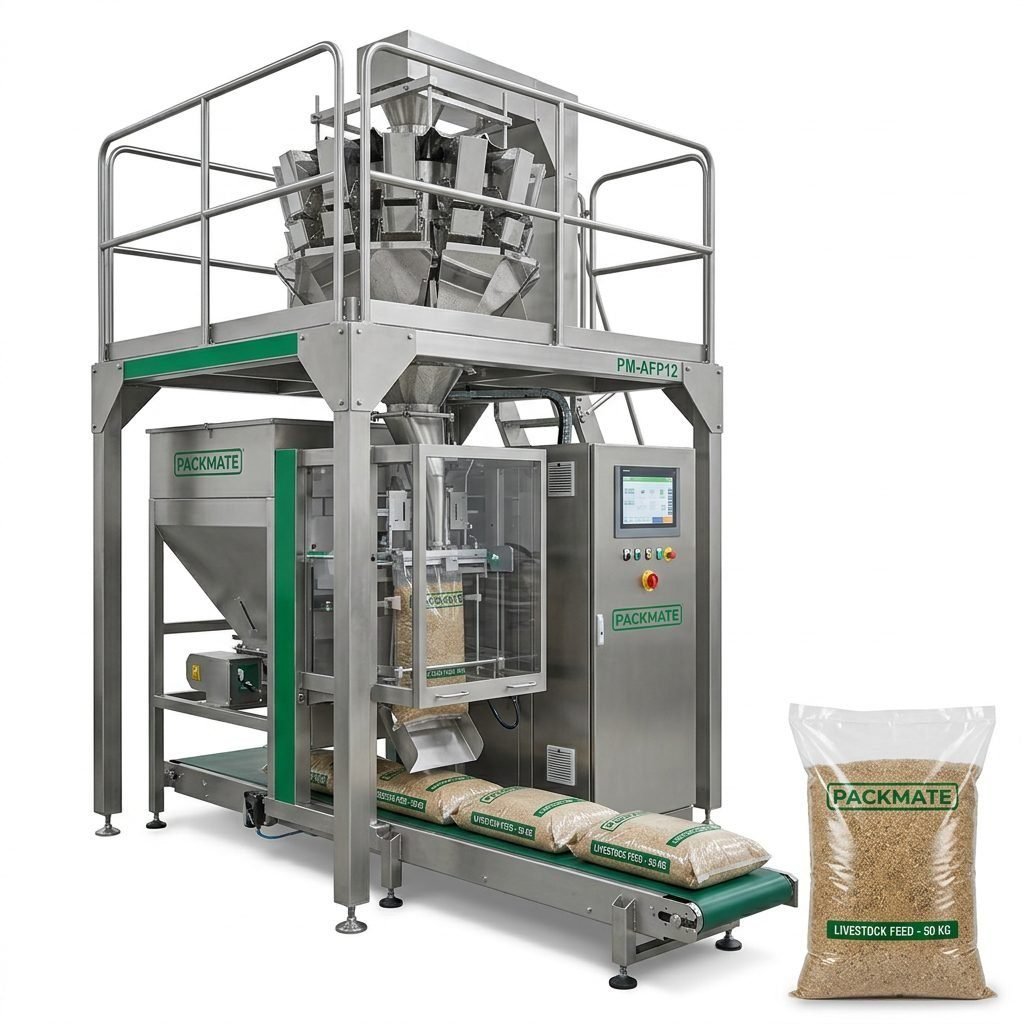
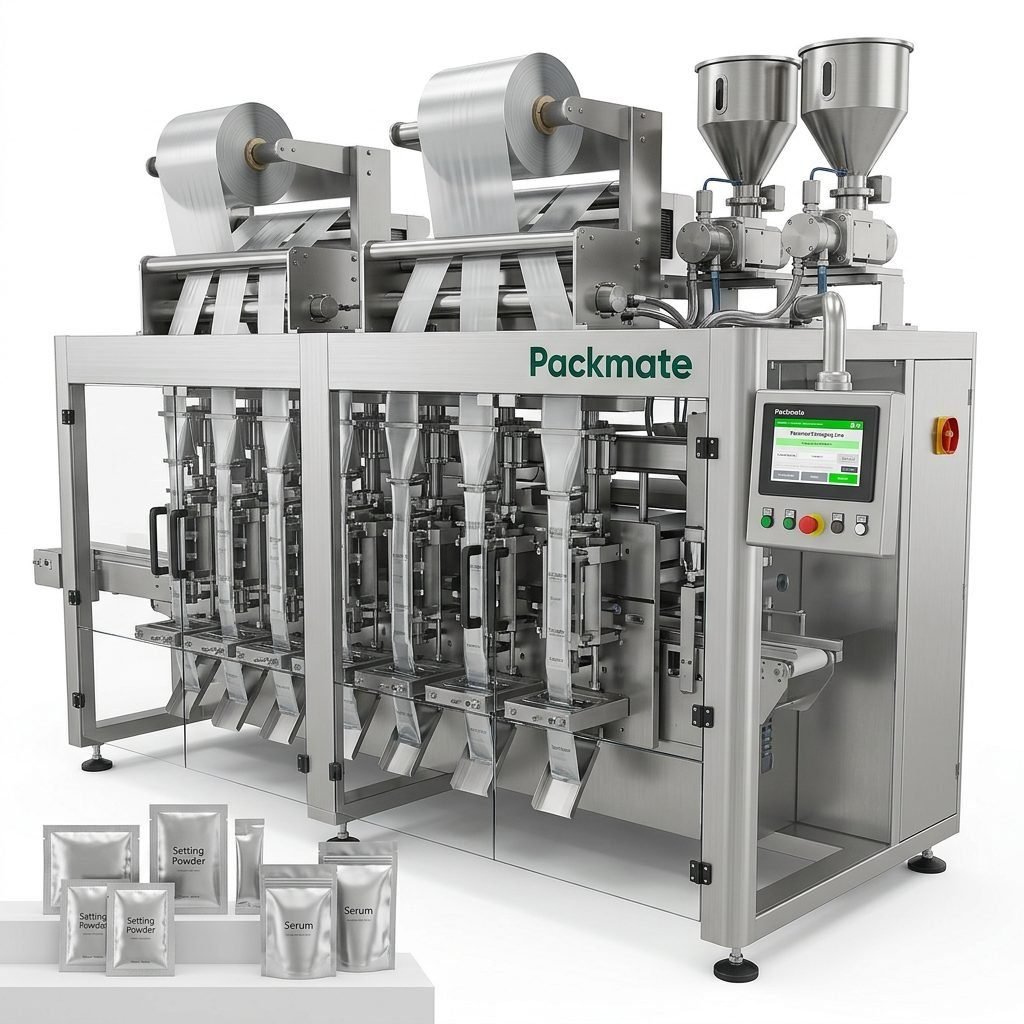
In today’s competitive manufacturing landscape, efficiency is not just a goal—it’s a necessity for survival and growth. Production lines across industries face relentless pressure to increase output, reduce costs, and maintain impeccable quality. At the heart of this challenge lies the packaging process, a critical stage that can become a significant bottleneck if not optimized. Bulk packaging automation solutions have emerged as the definitive answer, transforming packaging from a manual, labor-intensive task into a seamless, high-speed, and precise component of the production workflow.
The Core Components of a Bulk Packaging Automation System
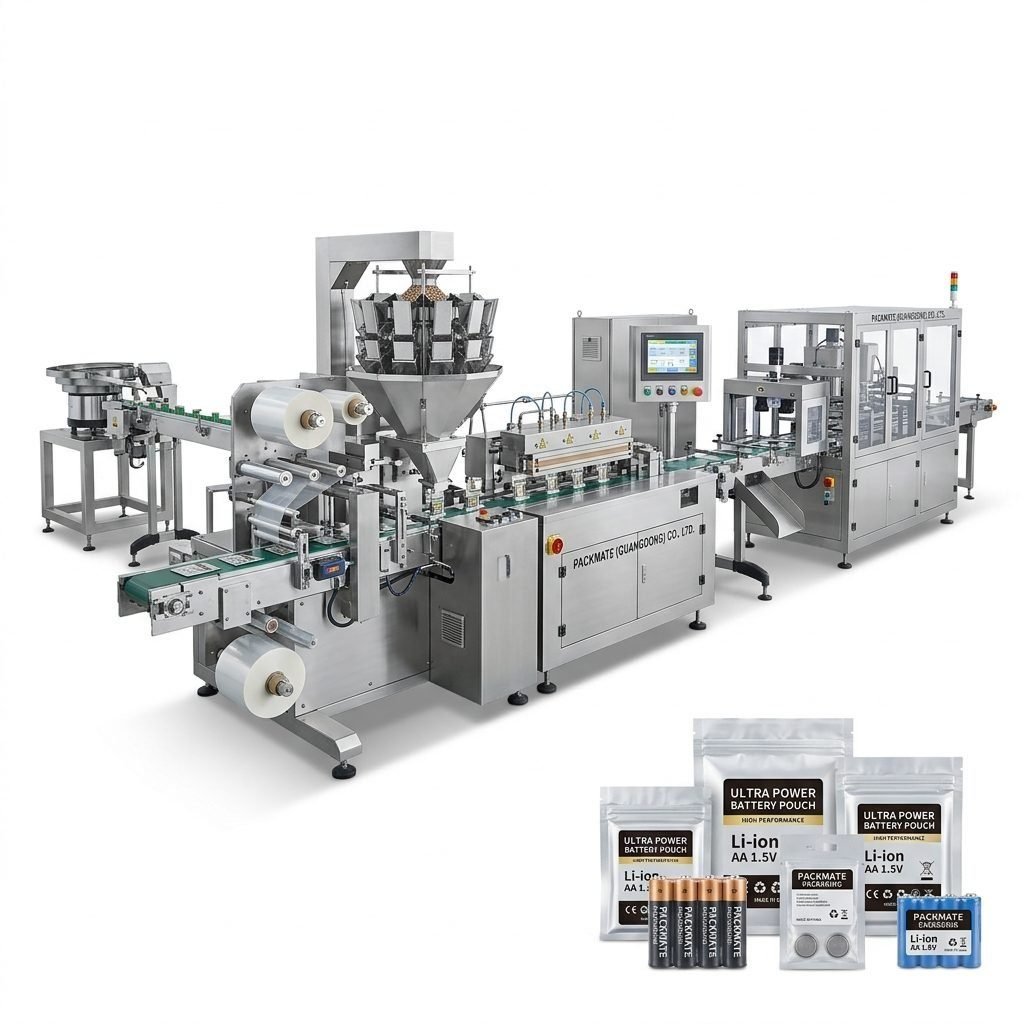
A truly efficient automated packaging line is more than just a single machine; it’s a symphony of integrated systems working in unison. The journey begins with automated product handling and feeding systems, which ensure a consistent and reliable flow of materials—be it granules, powders, or liquids—into the packaging stage. This is followed by precision weighing and filling stations, crucial for maintaining product consistency and meeting strict regulatory requirements, especially in the food and pharmaceutical sectors.
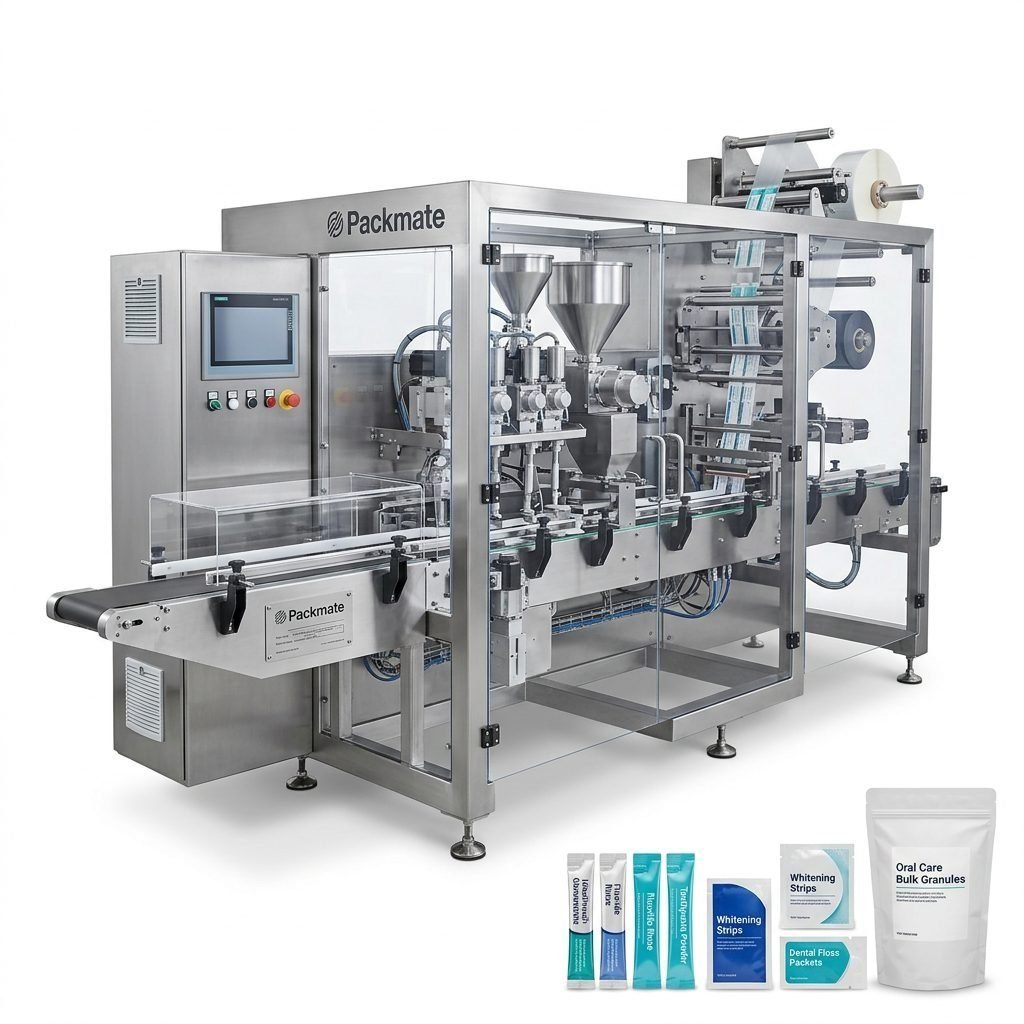
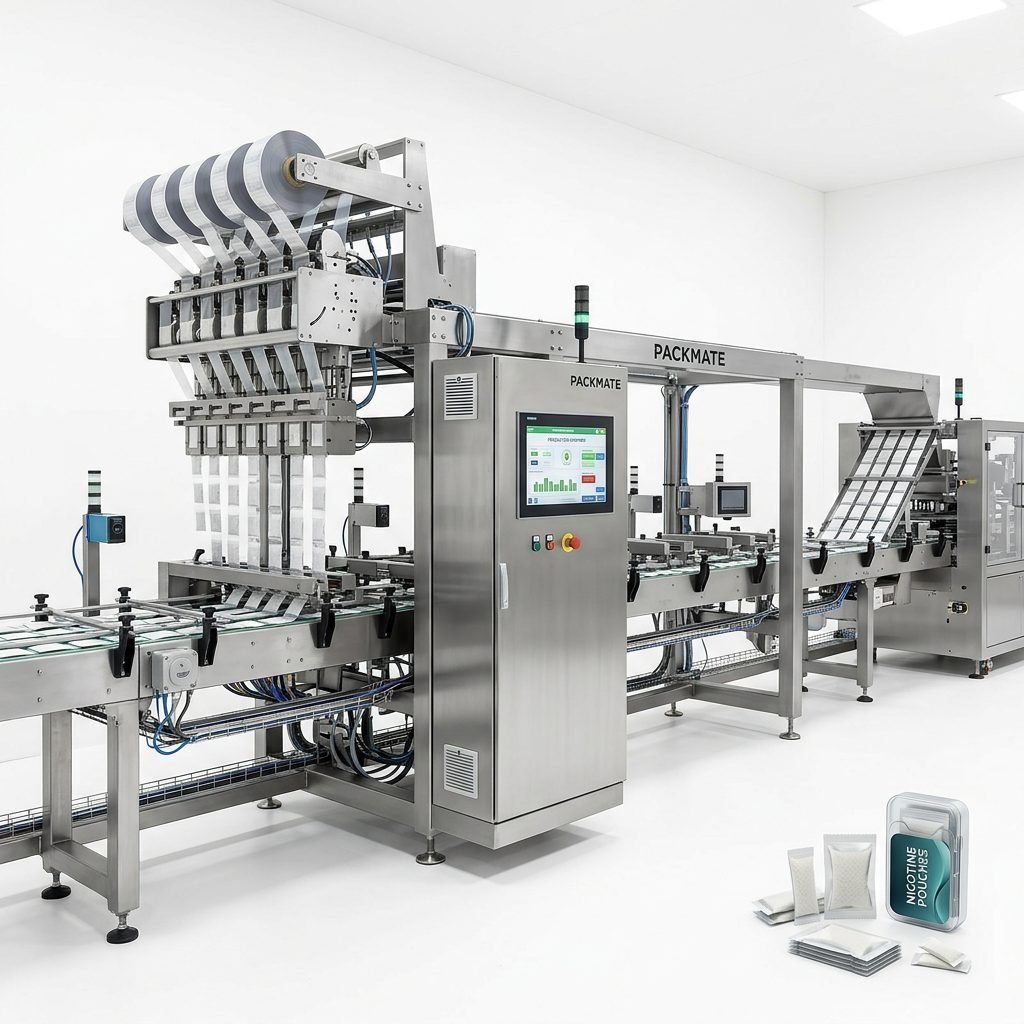
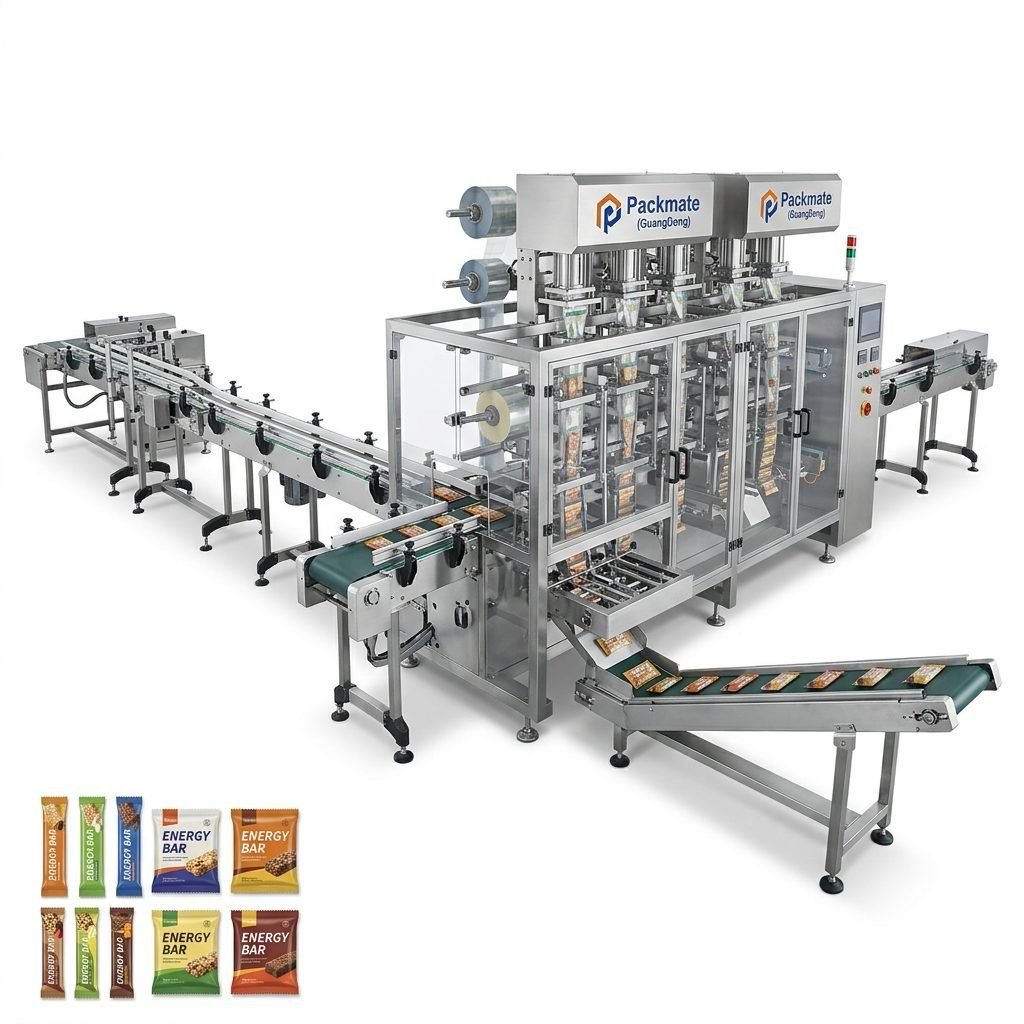
The formation, filling, and sealing (FFS) unit is the workhorse of the line. Modern bag and pouch packaging machines can operate at astonishing speeds, creating packages from roll stock, accurately dispensing product, and hermetically sealing them with minimal downtime. Finally, automated case packing, palletizing, and end-of-line robotics take over, preparing finished goods for shipment with minimal human intervention, thereby reducing physical strain and potential for damage.
Tangible Benefits for Your Production Bottom Line
Implementing bulk packaging automation delivers a powerful return on investment across multiple dimensions. The most immediate impact is a dramatic increase in production speed and throughput. Automated systems can operate 24/7, significantly outpacing manual operations and eliminating slowdowns due to operator fatigue.
Equally important is the enhancement of accuracy and consistency. Automated weighing and filling eliminate product giveaway (overfilling) and underfilling, leading to substantial raw material savings. Every package meets exact weight and volume specifications, bolstering brand reputation and compliance. Furthermore, automation drastically reduces labor costs associated with repetitive packaging tasks, allowing skilled personnel to be redeployed to more value-added roles like quality control, maintenance, and process optimization.
Overcoming Implementation Challenges
Transitioning to an automated system requires careful planning. A primary consideration is the initial capital investment. While significant, this cost must be evaluated against the long-term savings in labor, materials, and increased capacity. Choosing the right technology partner is critical. A partner like Packmate Machinery, with over 30 years of expertise, can provide not just equipment but complete turnkey packaging solutions tailored to your specific product and output goals.
Another challenge is system integration—ensuring the new packaging line communicates flawlessly with upstream and downstream processes. Modular and scalable solutions are key, allowing for future expansion. Finally, a comprehensive plan for operator training and maintenance is essential to ensure smooth operation and maximize the lifespan of the equipment.
Industry-Specific Applications and Innovations
The versatility of modern automation makes it applicable across a wide spectrum of industries. In the food sector, it ensures hygiene, speed, and portion control for items like spices, instant beverages, and snacks. For pharmaceuticals and nutraceuticals, automation guarantees the precision and traceability required for patient safety, handling powders for sachets or liquids for stick packs with utmost accuracy.
Innovation continues to drive the field forward. The integration of Industrial Internet of Things (IIoT) sensors and data analytics allows for predictive maintenance, real-time monitoring of Overall Equipment Effectiveness (OEE), and remote troubleshooting. Advanced vision inspection systems automatically reject defective packages, ensuring only perfect products leave the line. Furthermore, the rise of flexible and hybrid systems allows producers to quickly switch between different package formats and sizes, catering to the demand for smaller batch runs and personalized products without sacrificing efficiency.
The Future is Automated and Connected
The trajectory for bulk packaging is clear: towards greater intelligence, flexibility, and connectivity. Future lines will be self-optimizing, using AI to adjust parameters in real-time for peak performance. Sustainability will also be a core driver, with automation enabling the efficient use of lighter, recyclable materials and minimizing waste throughout the process. Embracing these solutions is no longer an option for forward-thinking manufacturers; it is the strategic imperative to build a resilient, efficient, and profitable production operation for the decades to come.
Frequently Asked Questions (FAQs)
1. What is the typical ROI period for a bulk packaging automation system?
The return on investment period varies based on the scale of the system, labor costs, and production volume. However, many operations see a full ROI within 1 to 3 years through savings in labor, reduced material waste, and increased production capacity that leads to higher sales.
2. Can automated systems handle different package sizes and materials?
Yes, modern systems are designed for flexibility. Many sachet and stick pack machines offer quick-changeover features, allowing producers to switch between different bag sizes and materials (like laminated films) with minimal downtime, making them ideal for varied production runs.
3. How does automation ensure packaging quality and consistency?
Automation eliminates human error from repetitive tasks. Precision servo motors control every movement, from film feeding to sealing jaw pressure. Integrated checkweighers and vision systems inspect every single package, automatically rejecting any that do not meet strict weight, fill-level, or seal integrity standards.
4. What kind of support can we expect after installation?
Reputable suppliers provide comprehensive after-sales support. This includes detailed operator and maintenance technician training, readily available spare parts, and remote or on-site technical support. For example, you can explore the support services offered by visiting the Service page of a trusted provider.
5. Are automated packaging lines suitable for small to medium-sized businesses (SMBs)?
Absolutely. The market now offers scalable and modular automation solutions designed for SMBs. Companies can start with a semi-automated core machine and add automated feeding, cartoning, or palletizing modules as their business grows, making automation an accessible and strategic investment at any scale.