The world of manufacturing is in a constant state of evolution, driven by consumer demands, regulatory changes, and the relentless pursuit of efficiency. At the heart of this evolution for countless industries—from food and pharmaceuticals to health supplements and beyond—lies advanced packaging machinery. These sophisticated systems are no longer just about wrapping a product; they are the critical nexus of productivity, quality assurance, and brand integrity. This expert guide delves into the core solutions, technological innovations, and strategic considerations that define modern advanced packaging machinery, providing a roadmap for businesses aiming to optimize their operations and secure a competitive edge.
The Core Pillars of Advanced Packaging Solutions
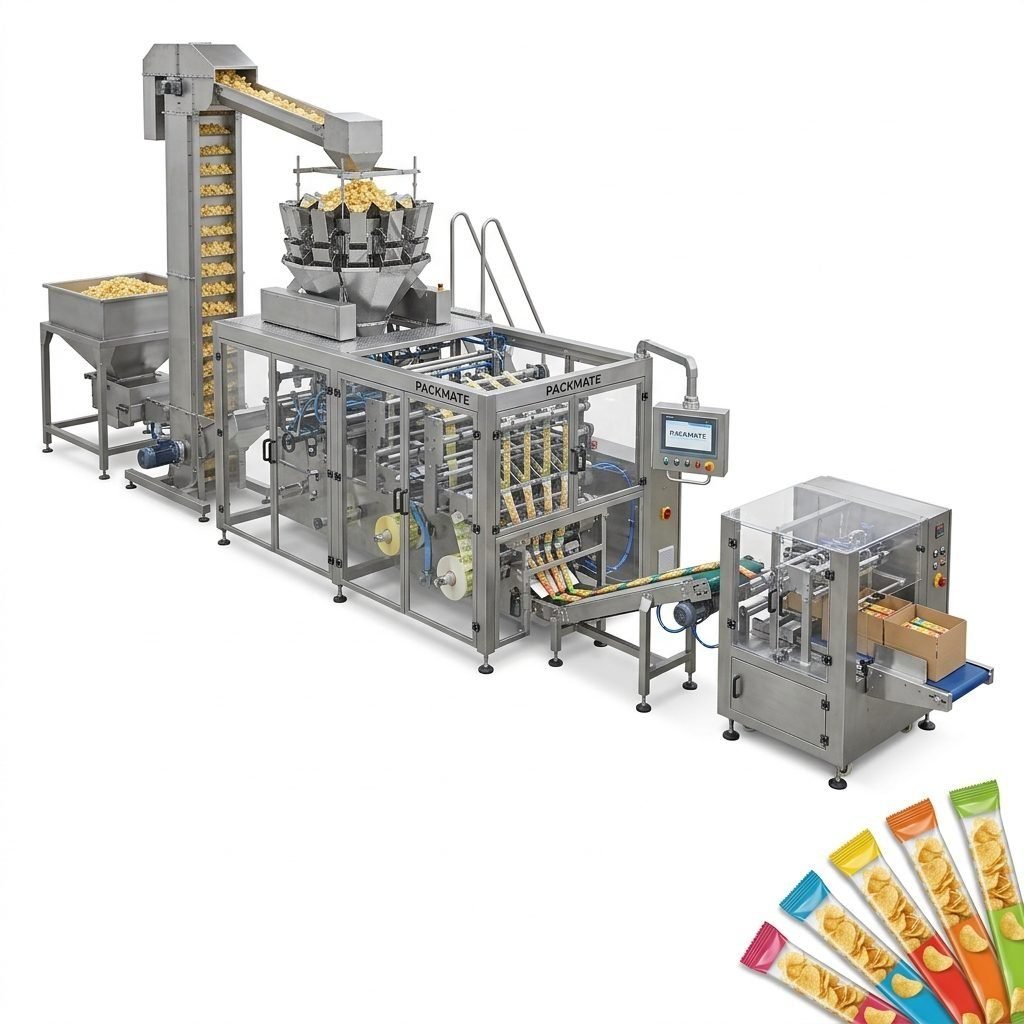
Modern packaging lines are integrated ecosystems. Understanding the fundamental components is key to selecting the right machinery for your specific needs, whether you’re handling granules, powders, or liquids.
1. Precision Form-Fill-Seal (FFS) Systems
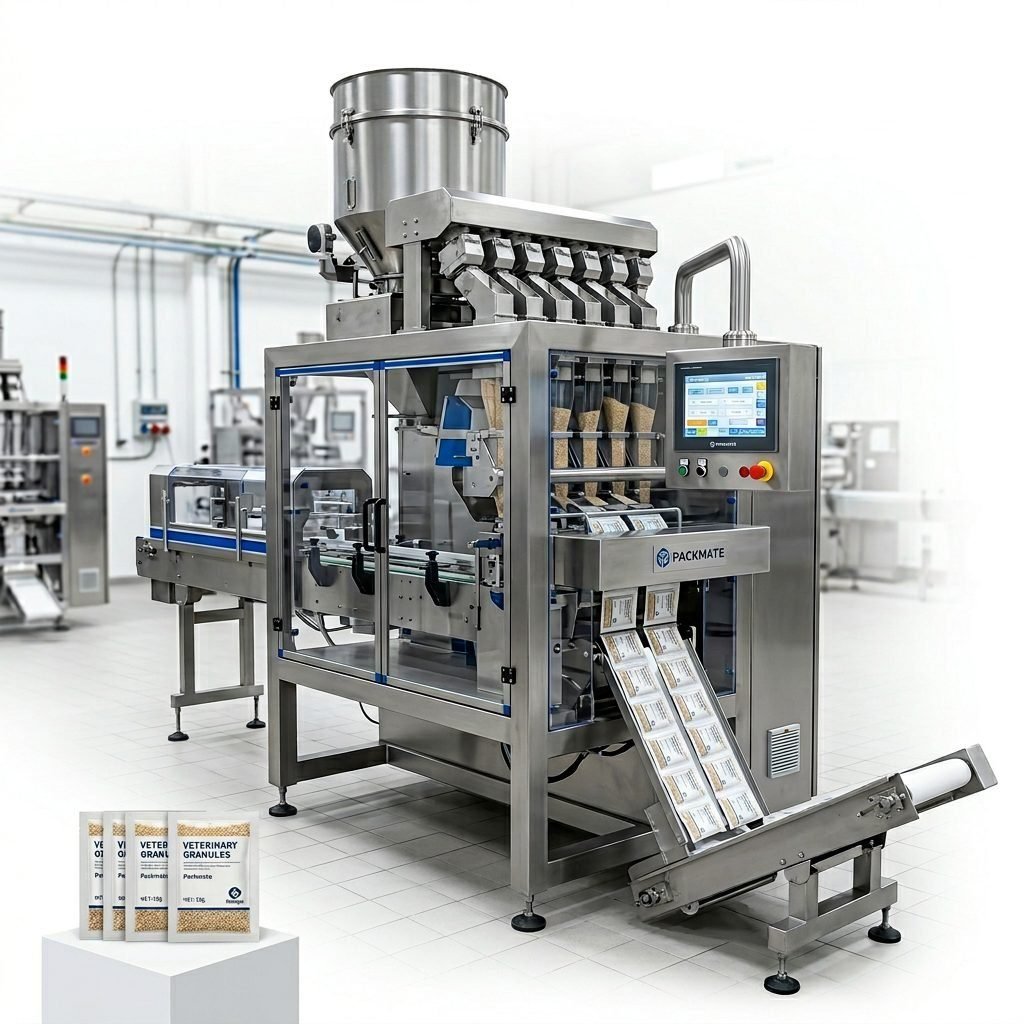
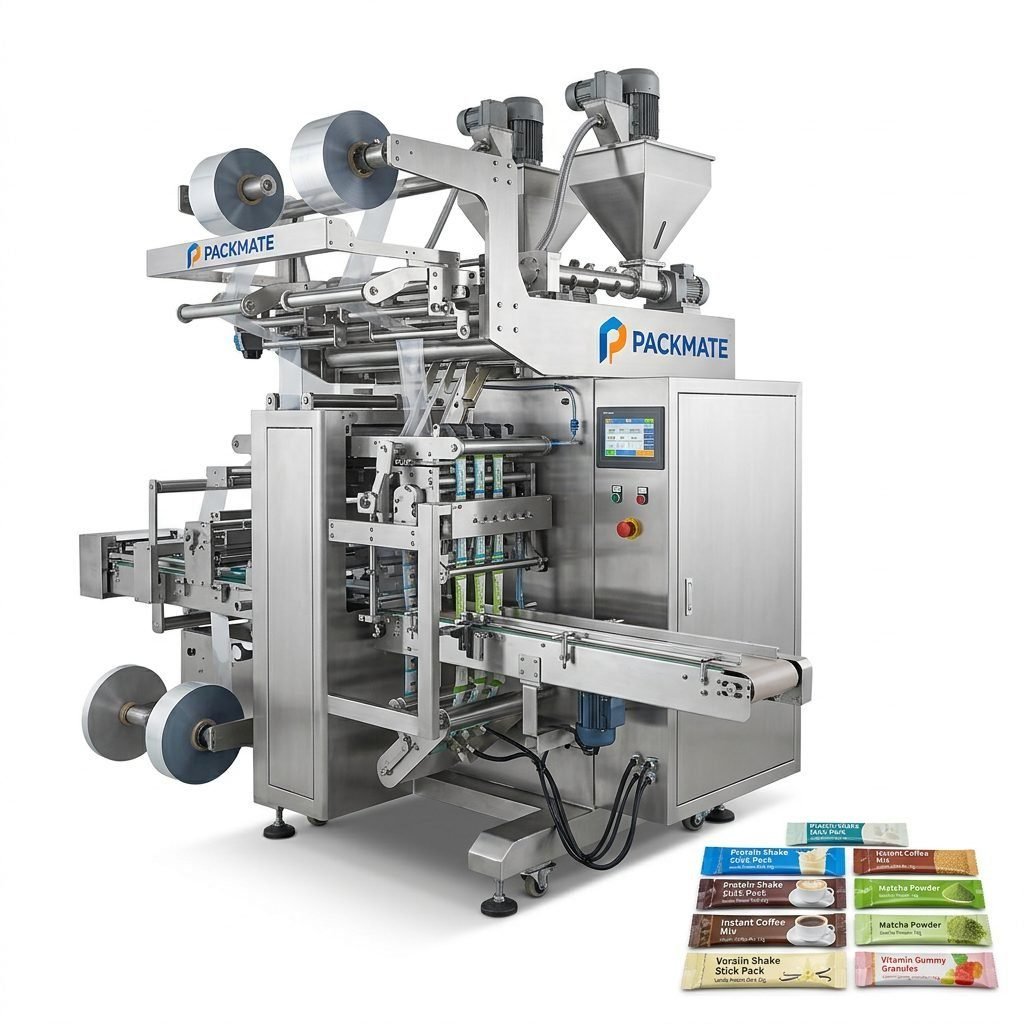
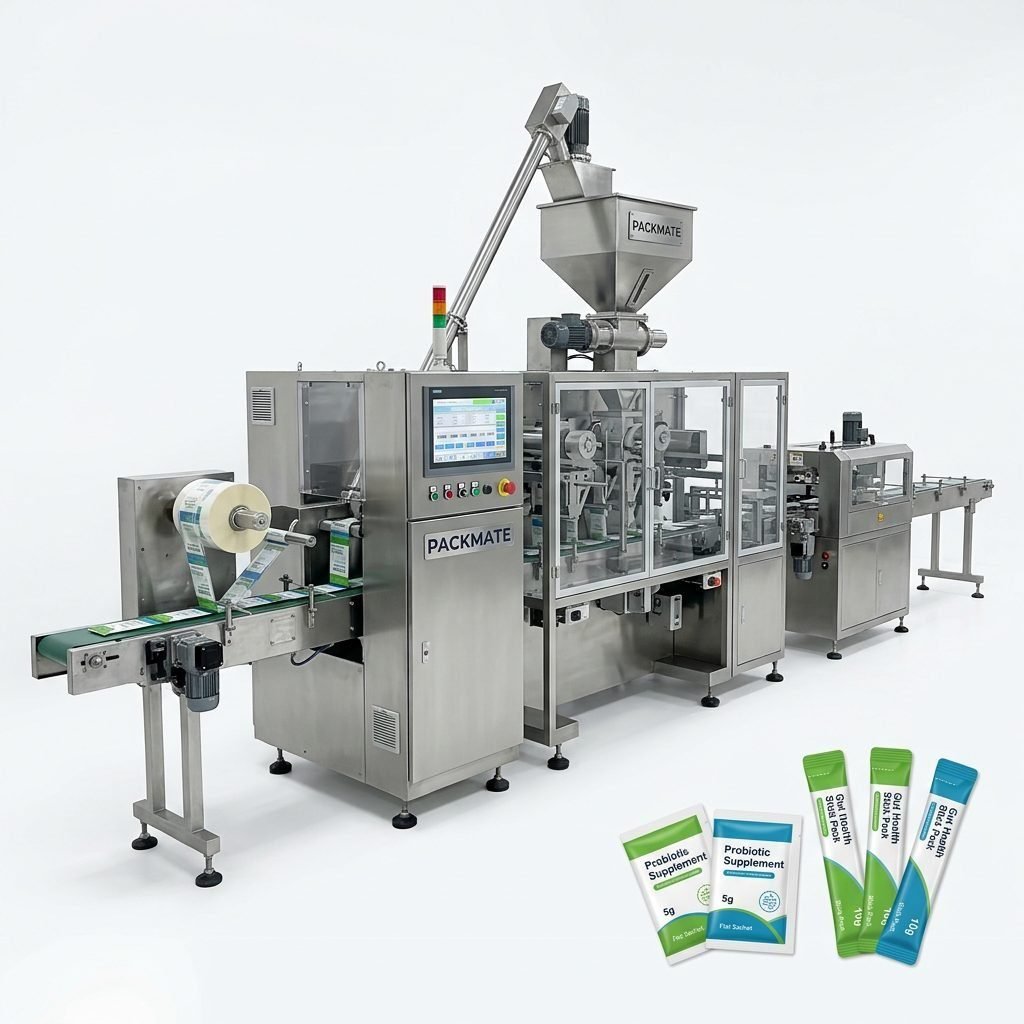
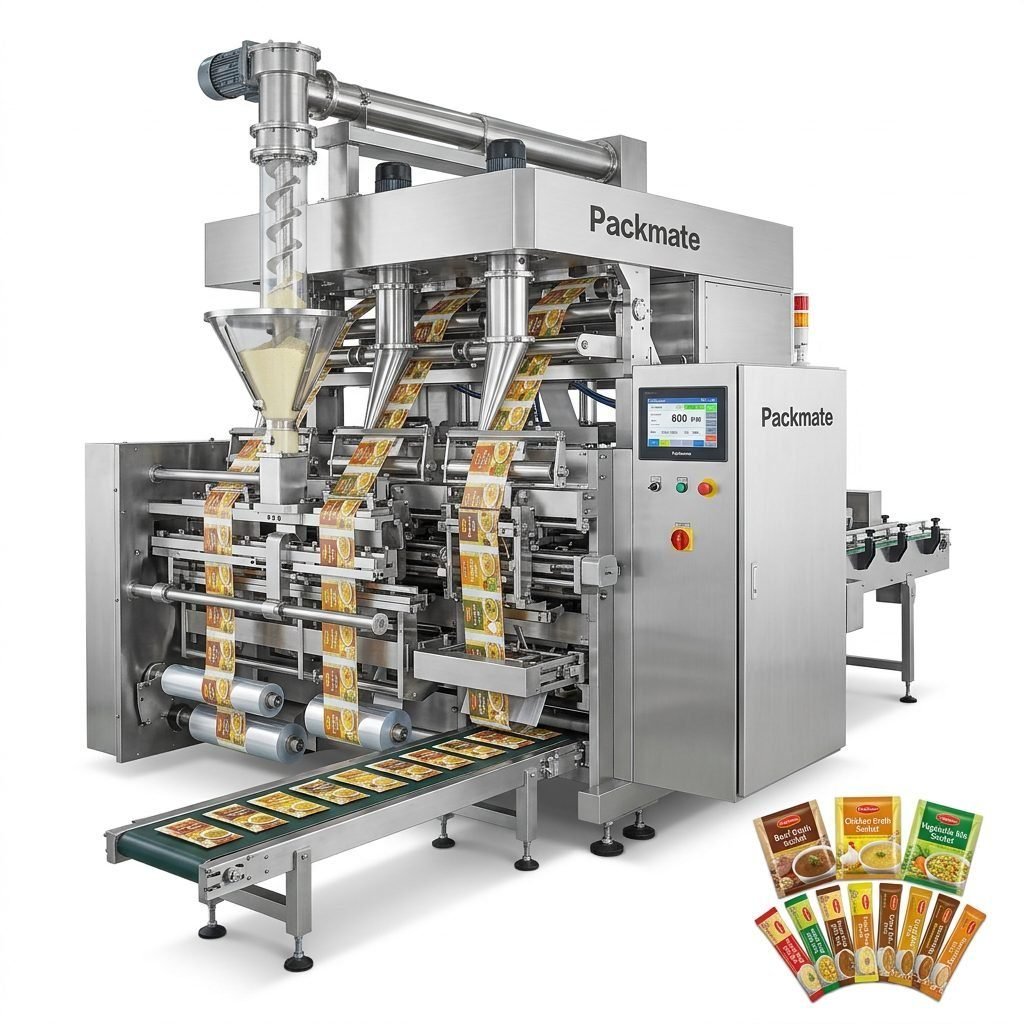
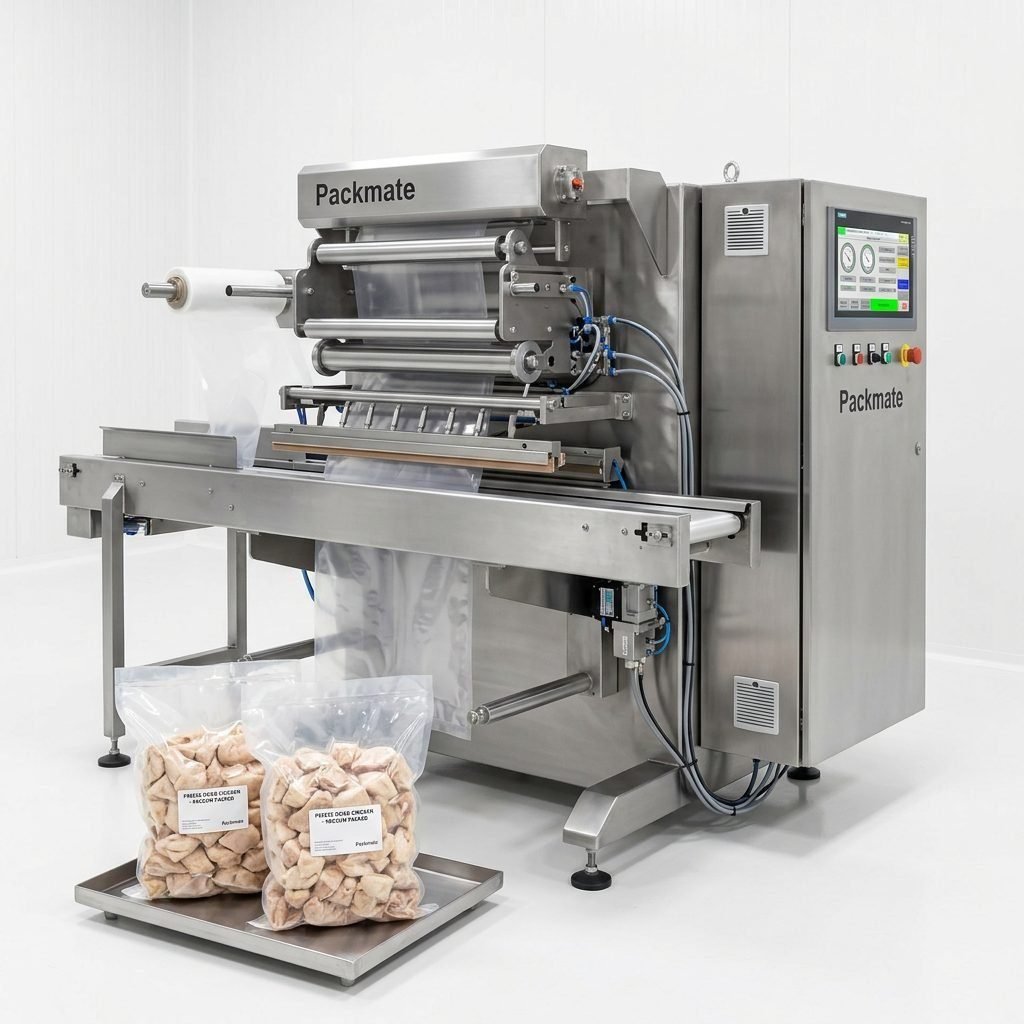
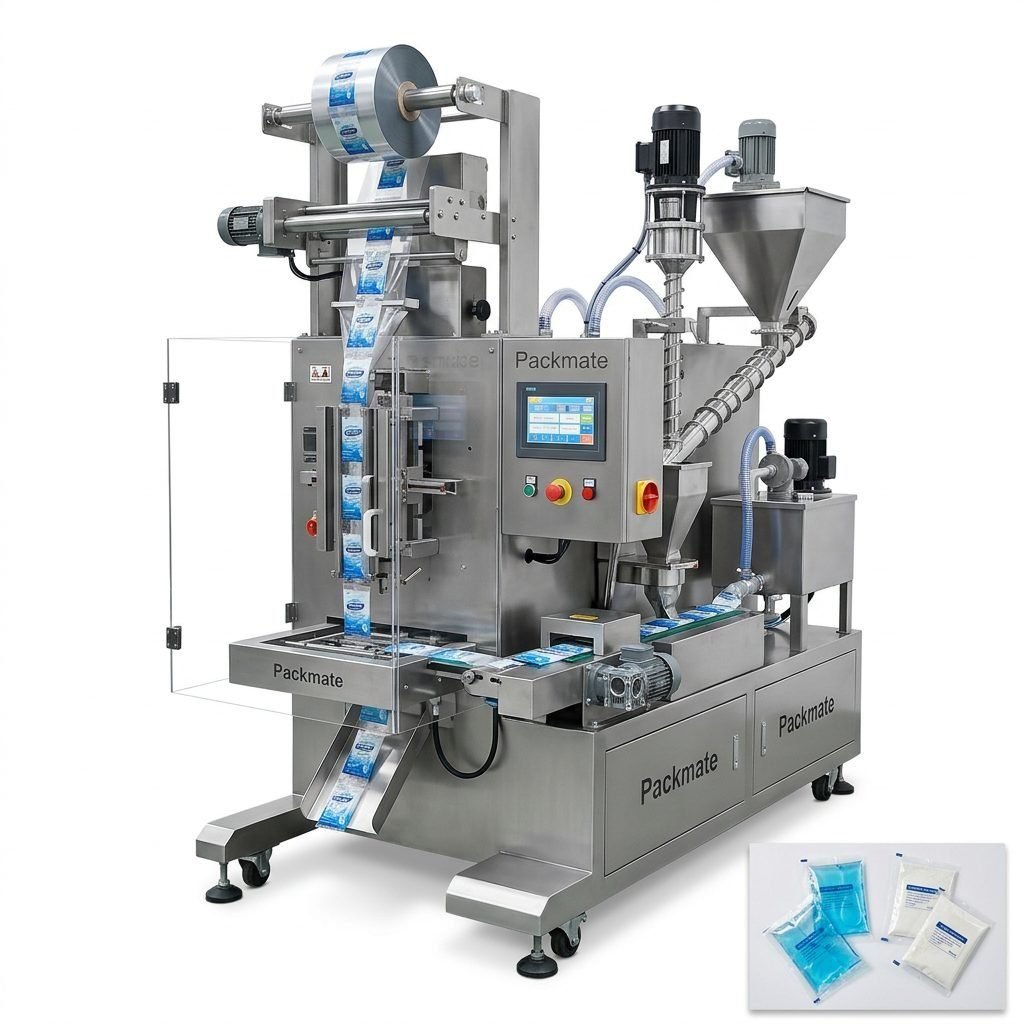
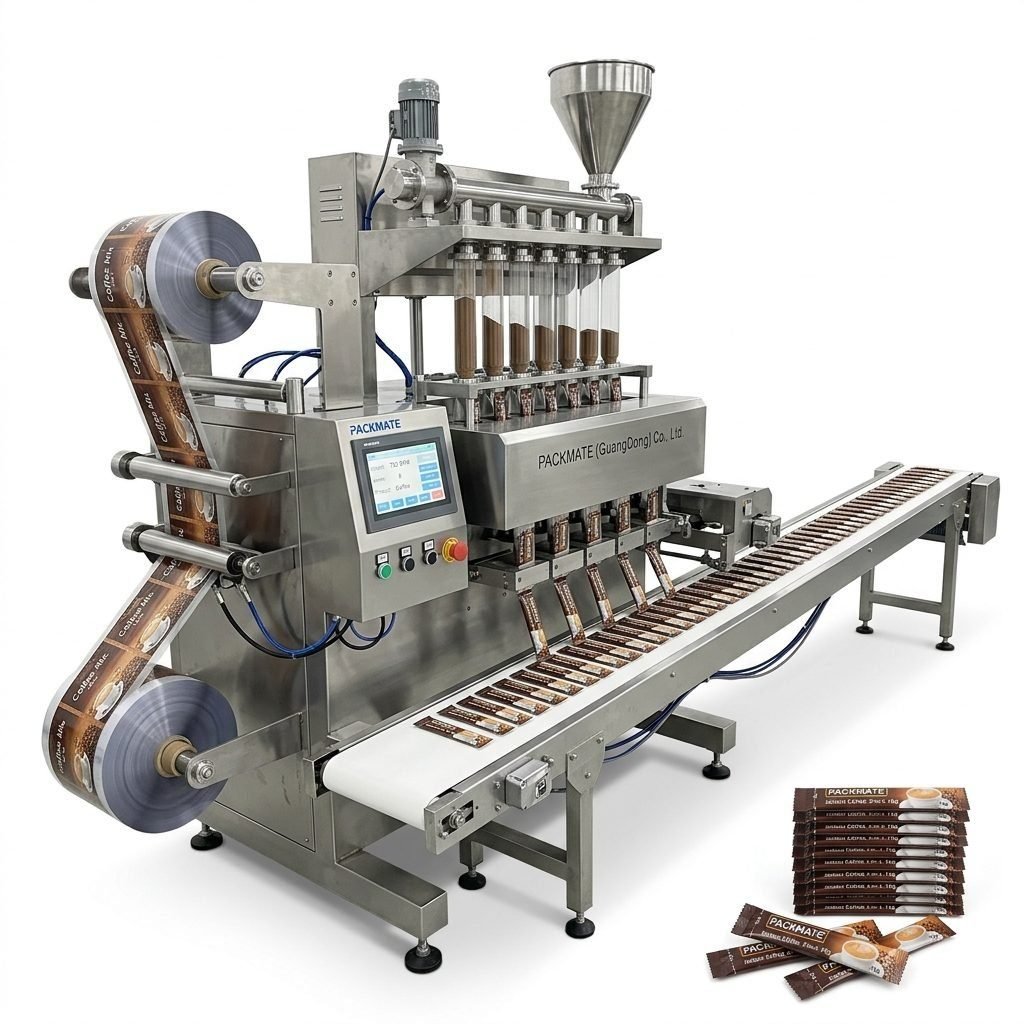
These are the workhorses of flexible packaging. Advanced FFS machines create the pouch from a roll of film, accurately dose the product, and hermetically seal it—all in one continuous, high-speed operation. The latest systems offer unparalleled precision in weight control and sealing integrity, crucial for product freshness and compliance, especially in sensitive sectors like pharmaceuticals.
2. Intelligent Weighing & Dosing Technology
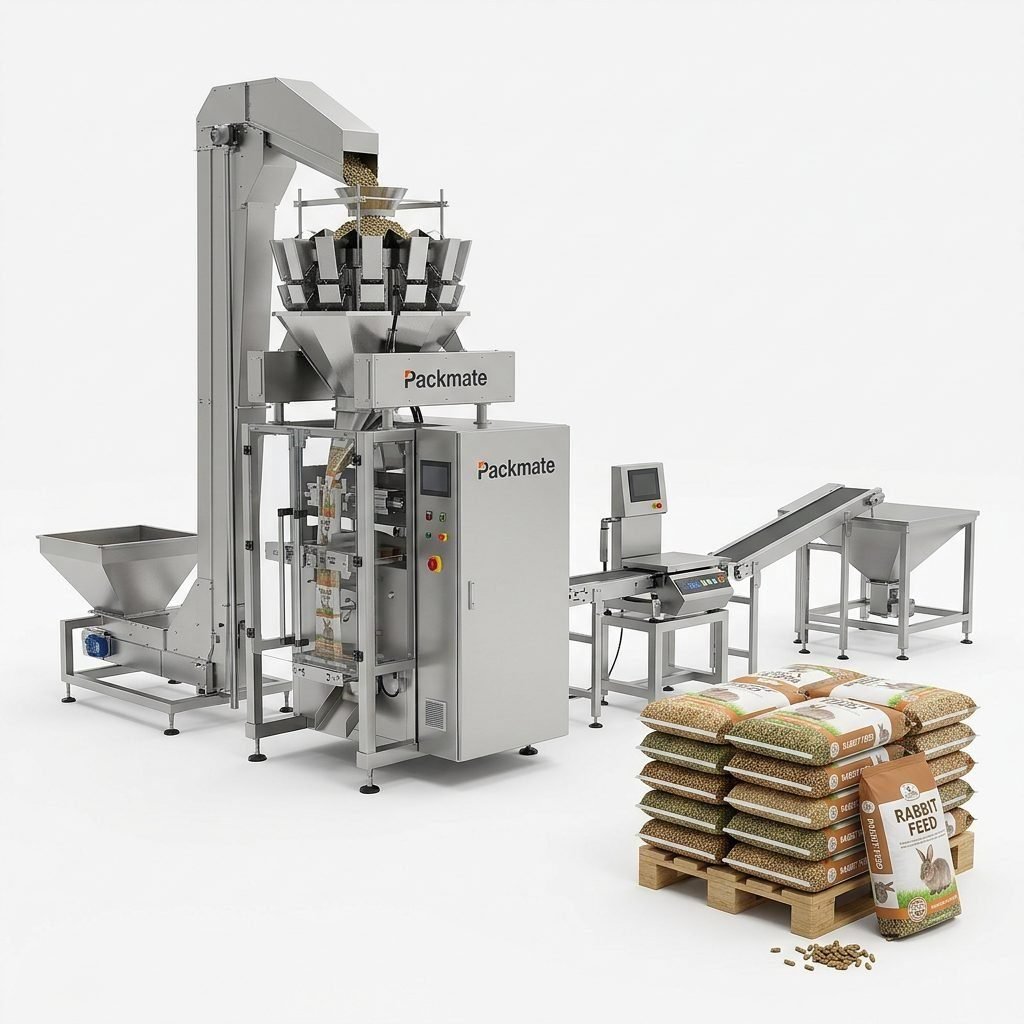
Accuracy is non-negotiable. Modern multi-head weighers and volumetric fillers are equipped with sophisticated sensors and software that make real-time adjustments. This ensures each stick pack, sachet, or large bag contains the exact specified amount, minimizing give-away and maximizing profit margins while adhering to strict regulatory standards.
3. Integrated Robotics & End-of-Line Automation
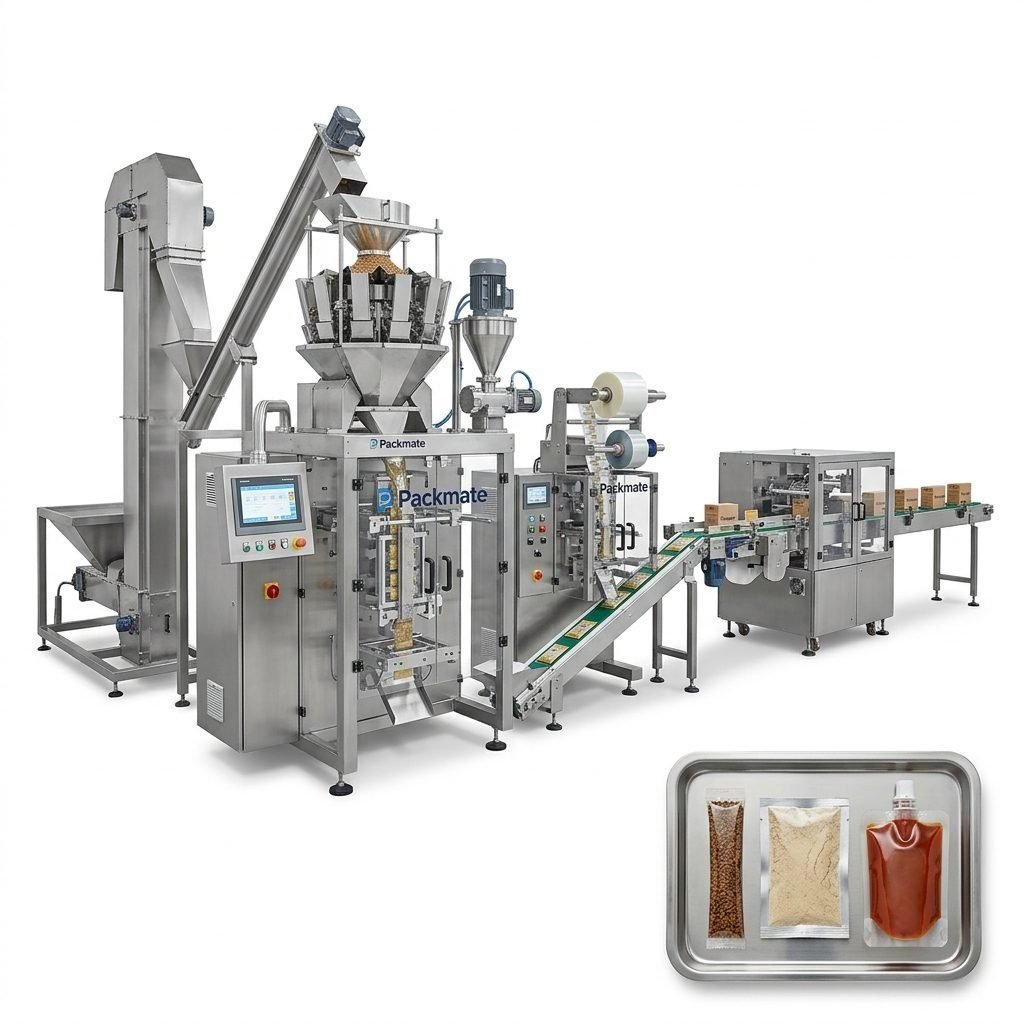
To achieve true turnkey solutions, primary packaging must be seamlessly connected to secondary and tertiary stages. Advanced lines incorporate robotic arms for precise cartoning, case packing, and palletizing. This reduces labor costs, minimizes handling damage, and creates a smooth, continuous flow from production to dispatch.
Key Technological Innovations Driving the Industry
The leap from basic automation to intelligent packaging is powered by several key technologies.
Industrial Internet of Things (IIoT) & Data Analytics: Today’s machines are data hubs. They collect vast amounts of operational data—speed, downtime, maintenance alerts, quality checks. This data, accessible via cloud platforms, enables predictive maintenance, optimizes production schedules, and provides actionable insights for continuous improvement.
Advanced Vision Inspection Systems: Integrated high-resolution cameras perform 100% inline inspection. They check for seal defects, label accuracy, fill levels, and even particulate contamination, ensuring that only perfect products proceed down the line. This is a critical component of any robust quality assurance protocol.
Flexibility & Quick Changeover (QCO): Market trends change rapidly. Advanced machinery is designed for flexibility, allowing producers to switch between different pouch sizes, packaging formats, or products with minimal downtime through recipe management and tool-less adjustments.
Strategic Considerations for Implementation
Investing in advanced packaging machinery is a strategic decision. Beyond the technical specifications, several factors determine long-term success.
Total Cost of Ownership (TCO): Look beyond the initial purchase price. Consider energy efficiency, maintenance costs, required spare parts, and the machine’s expected lifespan. A reliable, durable machine from an established manufacturer like Packmate Machinery often offers a lower TCO despite a potentially higher upfront investment.
Scalability and Future-Proofing: Your chosen solution should not only meet today’s needs but also accommodate future growth. Can the line’s speed be upgraded? Is the control system capable of integrating with new modules or auxiliary equipment? Planning for scalability protects your investment.
Supplier Partnership & Support: The relationship with your machinery provider is paramount. Evaluate their after-sales service, availability of technical support, training programs, and spare parts logistics. A true partner, such as one with over 30 years of industry expertise, will ensure your line remains productive for years to come.
Applications Across Core Industries
The versatility of advanced packaging solutions allows for tailored applications in critical sectors.
Food & Beverage: Here, speed, hygiene, and extended shelf life are paramount. Solutions range from high-speed stick packs for instant coffee to nitrogen-flushed pouch lines for snacks, all designed to meet stringent food safety standards.
Pharmaceutical & Nutraceutical: This sector demands absolute precision and traceability. Machines must comply with cGMP standards, offer wash-down designs, and provide impeccable documentation. Blister packaging, precise powder filling for supplements, and sterile sachet filling are common applications.
Consumer Goods & Chemicals: From single-dose detergent pods to lubricants, packaging must be durable, tamper-evident, and user-friendly. Robust bag and pouch packaging machines handle a wide range of viscosities and aggressive materials safely.
Conclusion: Building a Foundation for Growth
Implementing advanced packaging machinery is not merely an equipment purchase; it is a strategic investment in your company’s operational backbone. It enhances efficiency, ensures consistent quality, reduces waste, and provides the agility needed to respond to market changes. By focusing on core technological pillars, embracing innovation like IIoT, and partnering with a reliable, experienced manufacturer, businesses can build a packaging operation that drives profitability and sustains growth in an increasingly competitive global marketplace. The right machinery transforms packaging from a cost center into a powerful tool for brand enhancement and market leadership.
Frequently Asked Questions (FAQs)
1. What is the most important factor when choosing an advanced packaging machine?
While specifications like speed and accuracy are vital, the most critical factor is matching the machine’s capabilities to your specific product and long-term production goals. A detailed product analysis and consultation with an experienced supplier are essential first steps.
2. How can I ensure my packaging line is future-proof?
Opt for machinery with a modular design and open-architecture control systems from manufacturers committed to R&D. This allows for easier integration of future upgrades, new technologies, and additional line components as your needs evolve.
3. What does a “turnkey packaging solution” include?
A true turnkey solution goes beyond supplying individual machines. It encompasses the complete design, integration, installation, and commissioning of the entire production line—from the infeed of raw materials to the outfeed of ready-to-ship packaged products—ensuring it works as one optimized system.
4. How does IIoT connectivity benefit my packaging operation?
IIoT enables real-time monitoring, predictive maintenance (preventing unexpected breakdowns), remote diagnostics, and data collection for OEE (Overall Equipment Effectiveness) analysis. This leads to higher uptime, better planning, and continuous operational improvement.
5. What support should I expect after purchasing the machinery?
Comprehensive after-sales support includes detailed operator training, readily available technical assistance (often remotely), a clear spare parts supply chain, and scheduled preventive maintenance services. Always clarify the support package before purchase.