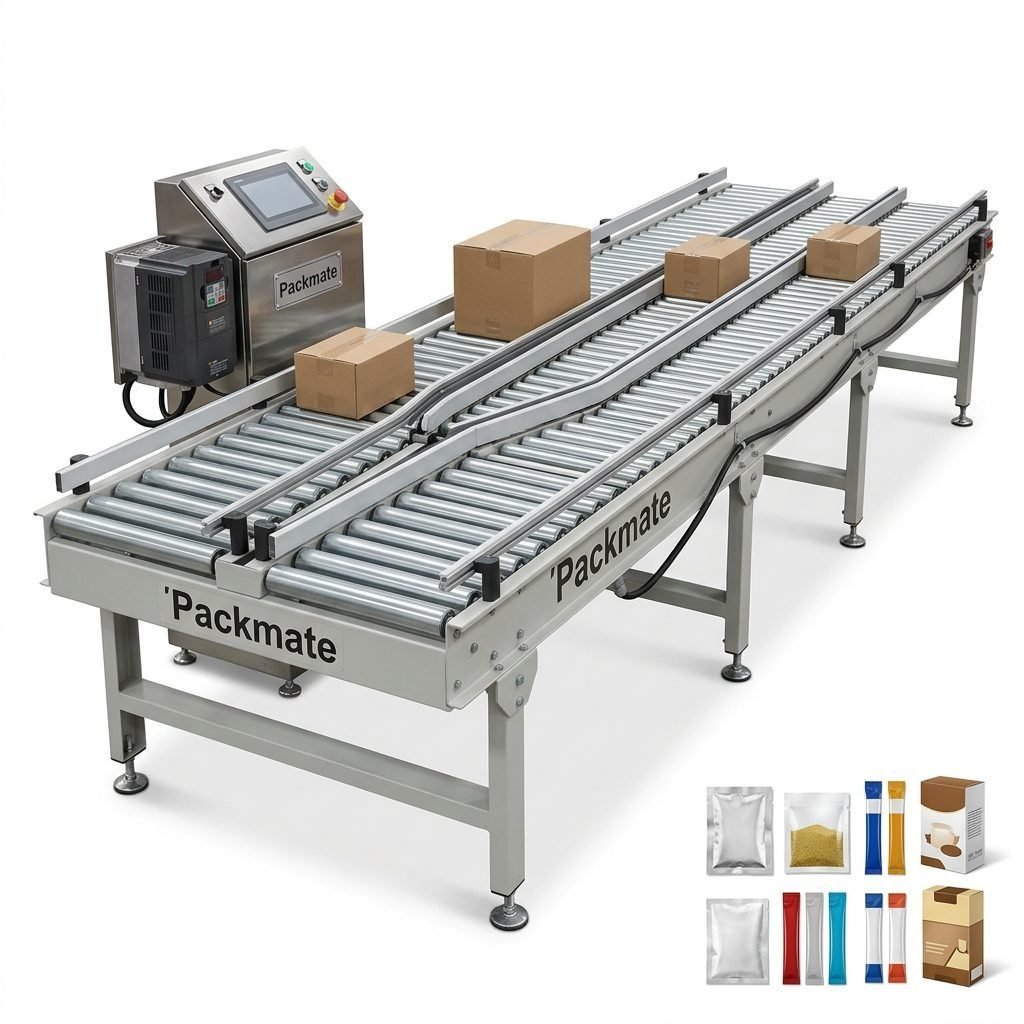
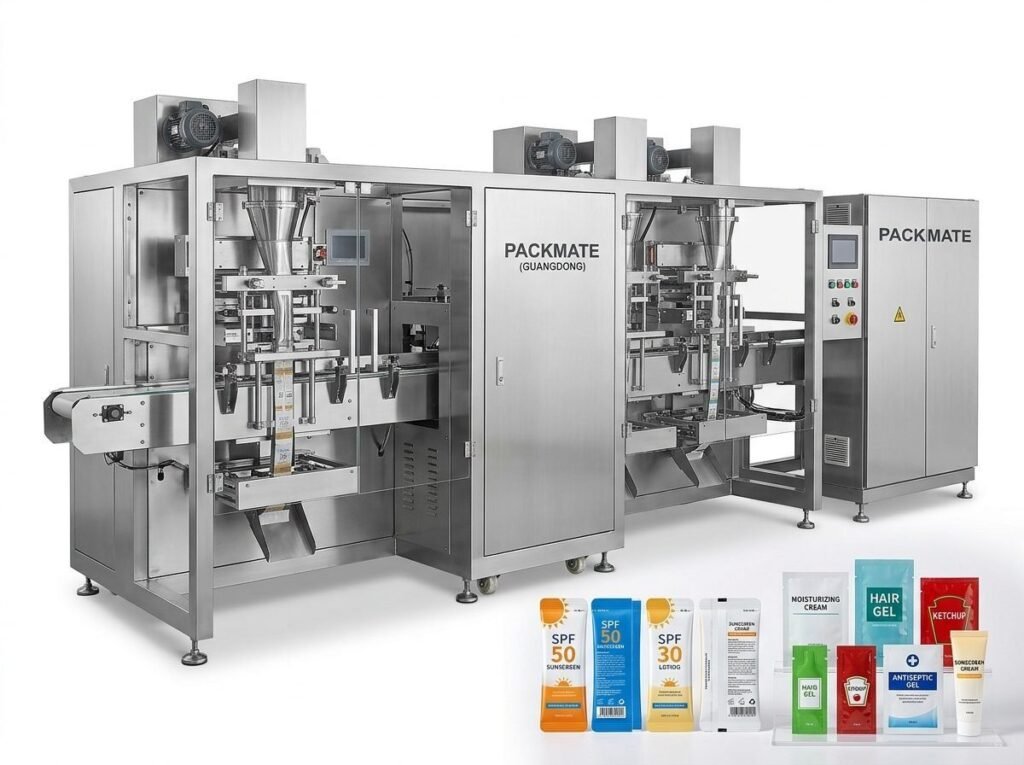
In the world of industrial insulation, rock wool stands as a premier material, prized for its fire resistance, thermal performance, and acoustic properties. However, the journey from raw mineral melt to a neatly packaged, market-ready product is complex and demands precision at every stage. The final, critical phase—packaging—directly impacts product integrity, logistics efficiency, and brand perception. For manufacturers, selecting the right packaging equipment solutions is not merely an operational decision but a strategic investment in quality, speed, and cost-effectiveness.
The Unique Packaging Challenges of Rock Wool
Rock wool products, including rolls, batts, slabs, and loose-fill, present distinct challenges that generic packaging systems cannot adequately address. The material is fibrous, can be abrasive, and often requires compression to reduce volume for shipping. Furthermore, products must be protected from moisture and physical damage during handling and transit. An effective packaging line must therefore be robust, adaptable, and capable of handling varying product dimensions and densities with consistent reliability.
Key Challenge: The abrasive nature of rock wool fibers can cause premature wear on standard packaging machine components. Solutions require hardened surfaces, specialized seals, and durable conveying systems to ensure longevity and minimize downtime.
Core Components of a Rock Wool Packaging Line
A comprehensive rock wool production line integrates several key pieces of equipment, each performing a vital function. Understanding these components is the first step toward optimizing your packaging process.
1. Compression and Bundling Units
Before wrapping, rock wool products are often compressed to a specified thickness and density. High-pressure compression units reduce the product’s volume significantly, leading to lower shipping and storage costs. Following compression, automatic bundling machines securely strap or tie the compressed bales, ensuring they maintain their shape for the next packaging stage. This step is crucial for maintaining product specifications and handling efficiency.
2. Stretch Wrapping and Shrink Wrapping Systems
This is the heart of the protective packaging process. Stretch wrapping machines use elastic plastic film to tightly envelop the bundled product, creating a unitized load that is stable, dust-proof, and moisture-resistant. For an even tighter, more conformal seal, shrink wrapping systems are employed. Here, a loose sleeve of film is placed over the product and then passed through a heat tunnel, causing the film to shrink tightly around every contour. The choice between stretch and shrink wrap often depends on the specific product type, storage environment, and customer requirements.
Pro Tip: For export-oriented rock wool manufacturers, shrink wrapping provides superior protection against humidity and handling during long sea voyages, preserving the material’s insulating properties upon arrival.
3. Automated Bagging and Sleeving Machines
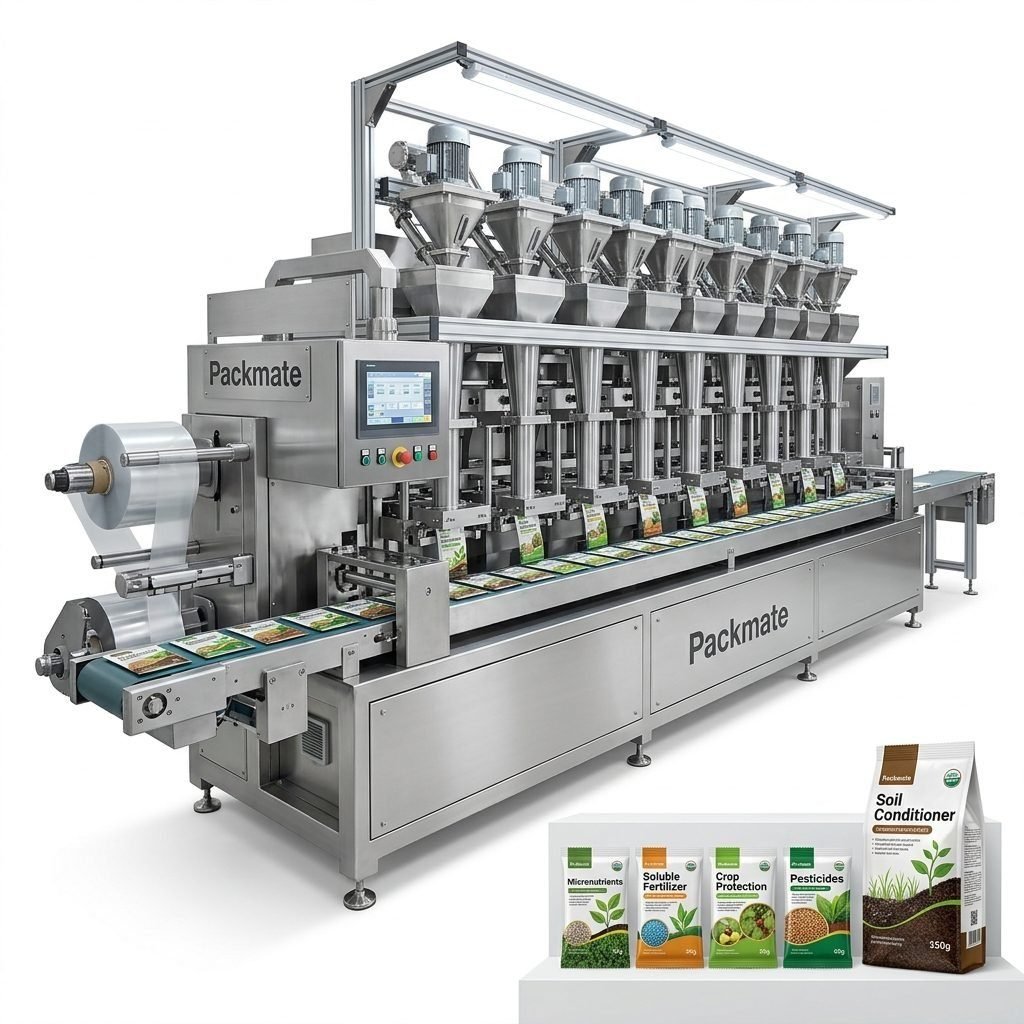
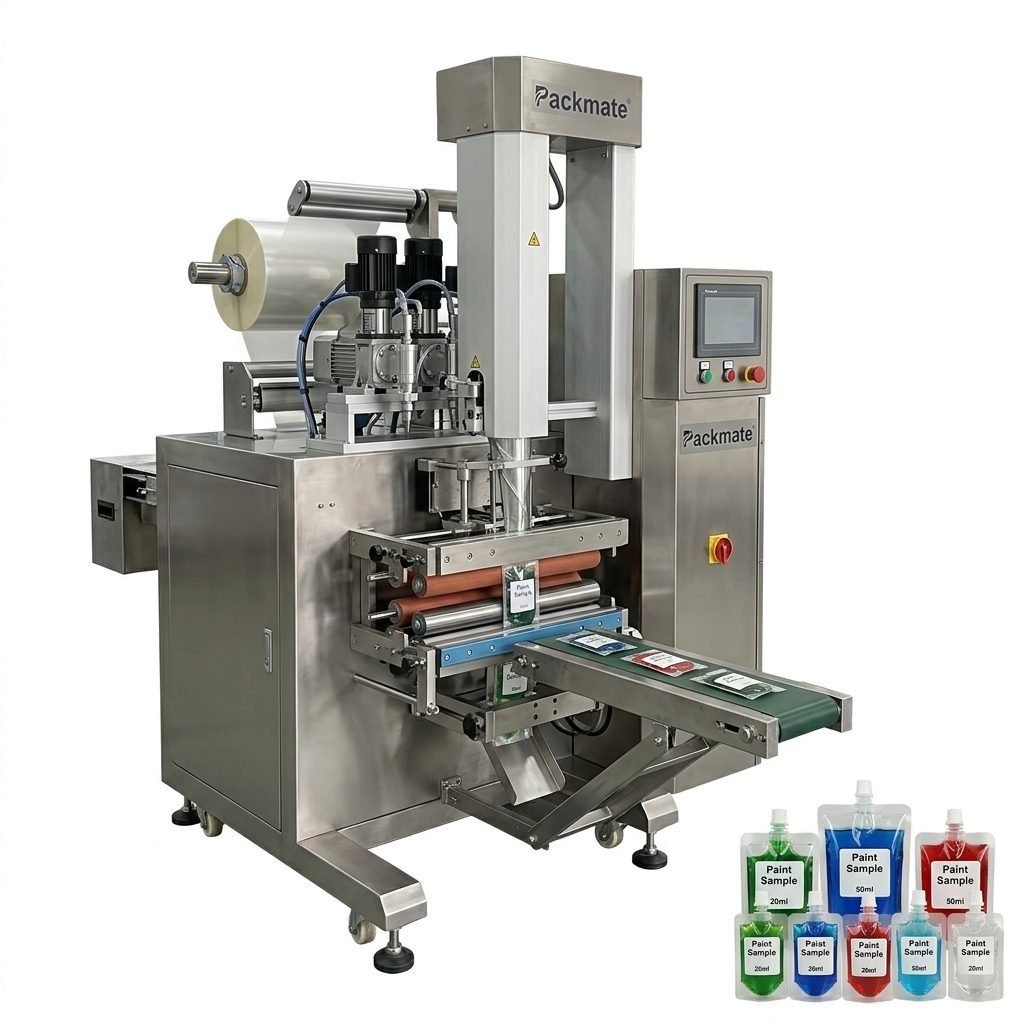
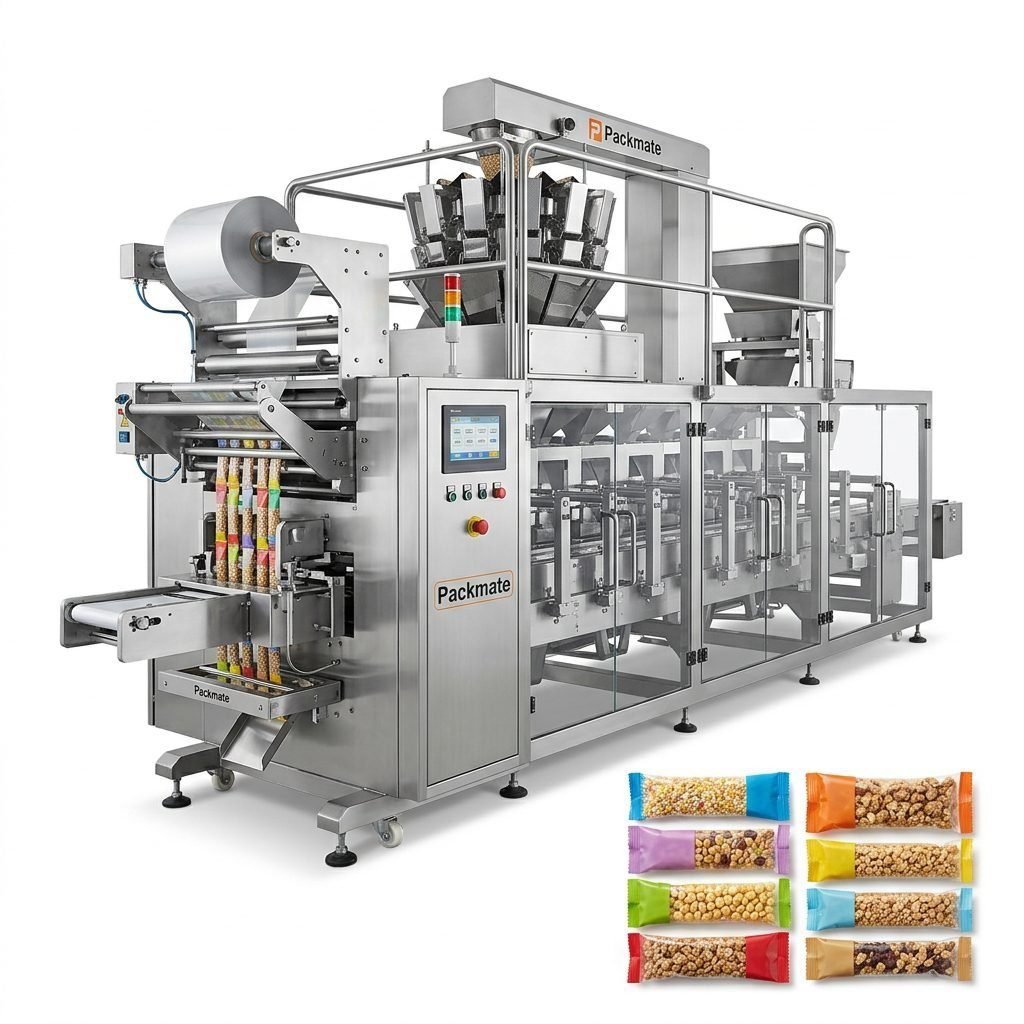
For consumer-facing products or added protection, automated bagging systems place compressed batts or rolls into pre-made plastic bags or paper sleeves. These machines can incorporate features like automatic bag opening, product insertion, and sealing (heat seal or adhesive). This not only enhances the product’s appearance but also provides an additional layer of protection and allows for the printing of branding and technical information directly on the packaging. For operations requiring high flexibility, exploring a range of bag & pouch packaging machines can reveal solutions adaptable to various rock wool formats.
4. Palletizing and Robotic Handling
Once individual units are packaged, they must be assembled into stable, transport-ready pallet loads. Automated palletizers arrange bags, bundles, or wrapped products onto pallets in pre-programmed patterns. Advanced systems utilize robotic arms for this task, offering unparalleled flexibility to handle mixed SKUs and complex layer patterns. This automation is essential for maintaining high throughput while ensuring worker safety and load stability for forklift handling.
The Role of Weighing and Quality Control
Integrating checkweighers into the packaging line is a non-negotiable aspect of quality assurance. These systems verify that each packaged unit meets the specified weight tolerance, ensuring compliance with trade regulations and customer contracts. Underweight packages can lead to customer complaints, while overweight packages represent lost material and profit. An efficient weighing & packaging system automatically rejects non-conforming products and provides real-time data for process monitoring and adjustment, guaranteeing consistent output quality.
Benefits of an Integrated Packaging Solution
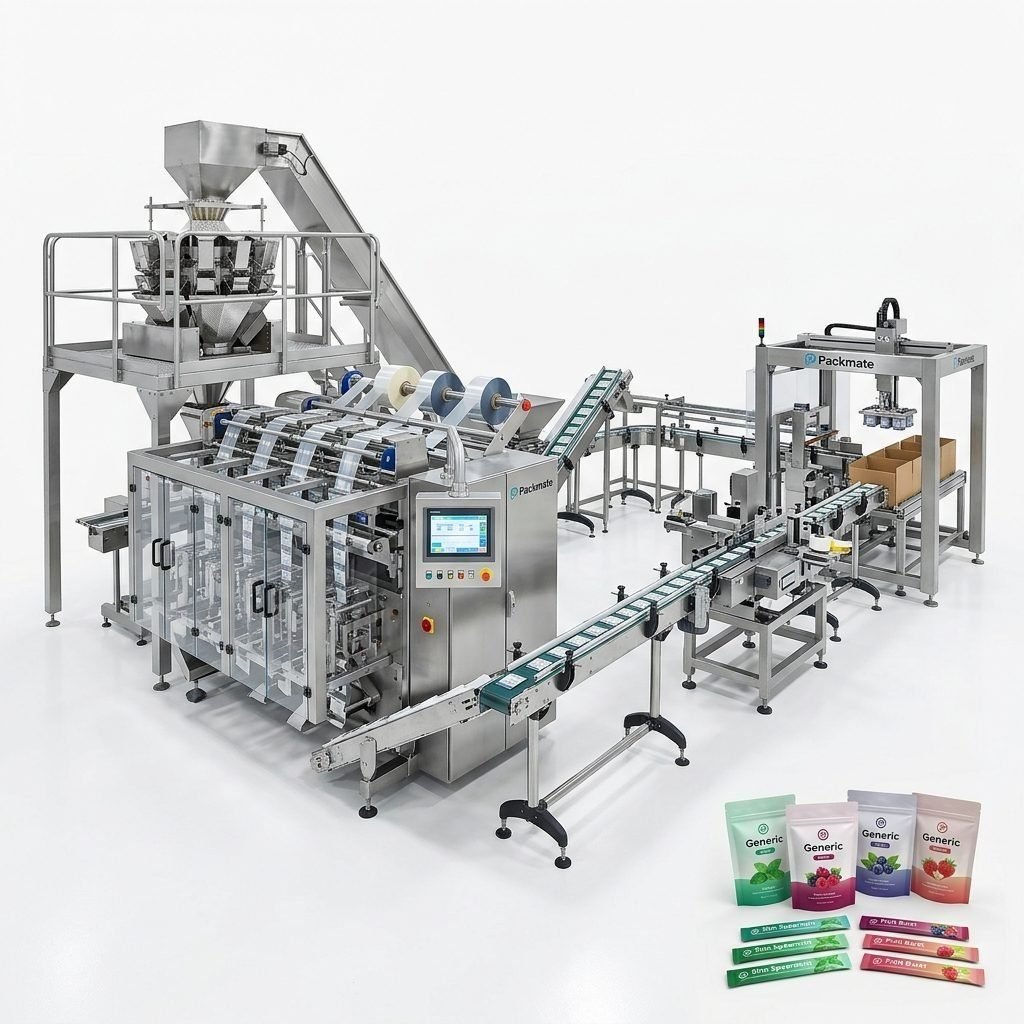
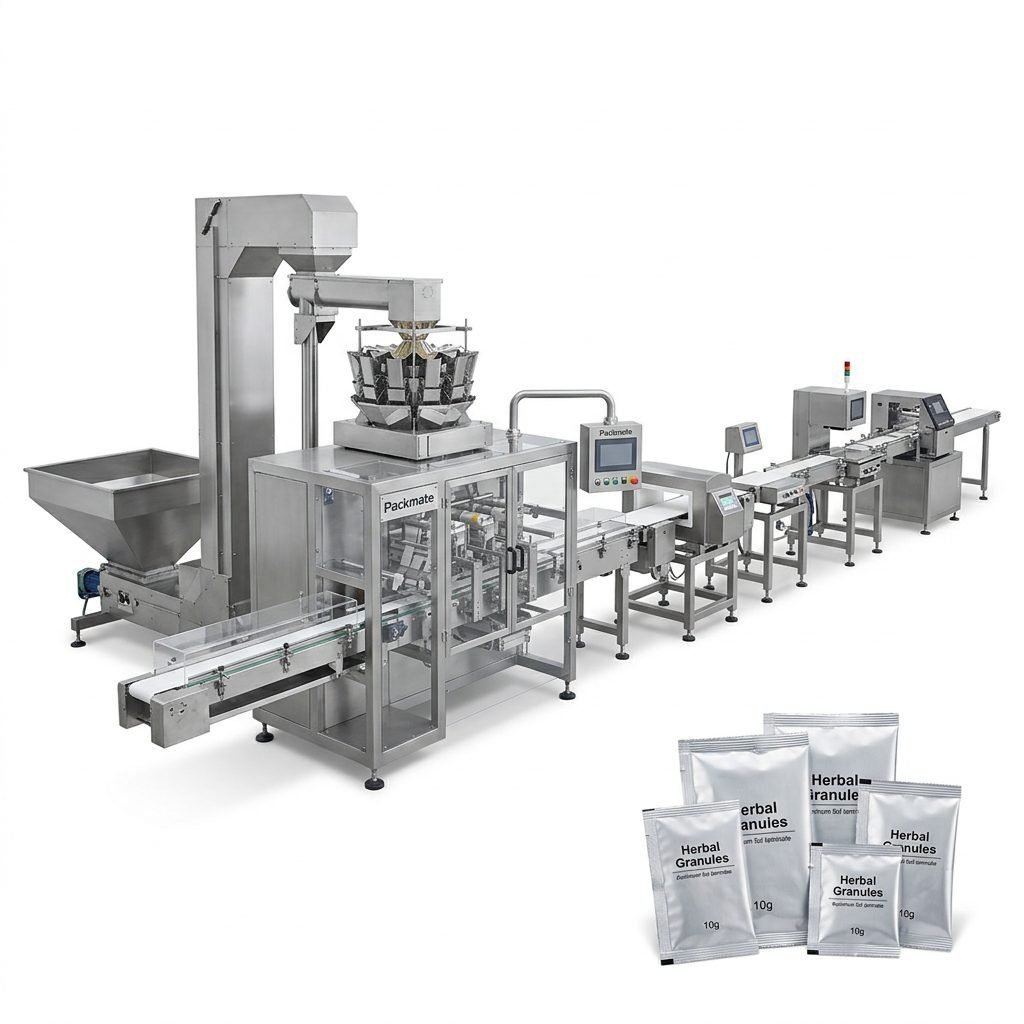
Investing in a synchronized line, rather than disparate machines, unlocks significant competitive advantages. An integrated filling & packaging line designed for rock wool ensures seamless material flow from compression to palletizing. This coordination minimizes bottlenecks, reduces manual handling (and associated labor costs), and dramatically increases overall line efficiency. Moreover, a single-source provider for the line simplifies maintenance, spare parts sourcing, and technical support.
Summary of Key Benefits:
- Increased Output: Automated systems operate continuously at high speeds.
- Enhanced Product Protection: Consistent, secure packaging prevents damage and moisture ingress.
- Reduced Operational Costs: Lower labor dependency and optimized material usage (film, strapping).
- Improved Safety: Automates heavy lifting and repetitive tasks.
- Data-Driven Operations: Provides metrics on output, efficiency, and waste for continuous improvement.
Selecting the Right Equipment Partner
The complexity of rock wool packaging necessitates partnering with an experienced equipment manufacturer. Look for a provider with a proven track record in industrial and building materials packaging. They should offer not just machines, but complete turnkey solutions, including feasibility studies, factory layout planning, installation, commissioning, and comprehensive training. A partner like Packmate Machinery, with decades of engineering expertise in creating robust packaging systems, can translate your production requirements into a reliable, high-performance line. Reviewing their project case studies can offer valuable insights into successful implementations.
Ultimately, the optimal packaging equipment for your rock wool production line is one that aligns with your specific product mix, target output, and future growth plans. By prioritizing robustness, integration, and automation, you can build a packaging operation that safeguards product quality, maximizes efficiency, and strengthens your position in the global insulation market.
Frequently Asked Questions (FAQs)
1. What is the main difference between stretch wrapping and shrink wrapping for rock wool?
Stretch wrapping uses tensioned elastic film to unitize a load, excellent for stability and basic protection. Shrink wrapping uses heat to tighten a loose film sleeve, creating a conformal, tamper-evident, and superior moisture-resistant seal, often preferred for export or long-term storage.
2. Can one packaging line handle different rock wool product types (e.g., rolls and slabs)?
Yes, with the right design. Modern, flexible packaging lines can be configured with adjustable compression chambers, interchangeable tooling on wrapping heads, and programmable robotic palletizers to switch between different product formats with minimal changeover time.
3. How does automated packaging improve cost-efficiency?
It reduces direct labor costs, minimizes material waste through precise film/strapping application, increases line speed and throughput, and decreases product loss due to damage. The return on investment is typically realized through higher productivity and lower operational expenses.
4. What kind of maintenance do these packaging machines require?
Regular preventive maintenance is key. This includes cleaning to remove rock wool dust, lubricating moving parts, inspecting and replacing worn components like film carriage rollers or sealing wires, and updating software. A reliable supplier will offer a clear maintenance schedule and ready access to spare parts.
5. Is it possible to retrofit new packaging equipment into an existing production line?
Absolutely. A competent engineering partner can assess your current layout and workflow to design and integrate new packaging machinery—such as an automated palletizer or a high-speed wrapper—that interfaces seamlessly with your existing upstream processes, thereby upgrading your line’s capability without a complete rebuild.