In the fast-paced world of manufacturing and product distribution, efficiency is the cornerstone of profitability and market competitiveness. For operations handling food, pharmaceuticals, health supplements, and countless other goods, the packaging line is a critical juncture. Here, labeling machines play a pivotal role, not just in applying product information but in ensuring traceability, brand consistency, and overall operational flow. Selecting the best packaging equipment labeling machines is therefore not a mere purchase; it’s a strategic investment in the smooth and efficient future of your business.
The Critical Role of Labeling in Modern Packaging Lines
Labeling is far more than sticking a piece of paper on a container. In today’s regulatory and consumer-driven markets, labels carry essential data: ingredients, nutritional facts, barcodes, QR codes, batch numbers, expiry dates, and safety certifications. A malfunctioning or slow labeler can become a significant bottleneck, causing delays, mislabeled products (leading to costly recalls), and frustrated line operators. Efficient labeling machines integrate seamlessly with other filling & packaging lines, maintaining a consistent pace that matches upstream filling and downstream casing operations. This synergy is vital for achieving high throughput and minimizing downtime.
Key Features of High-Efficiency Labeling Machines
When evaluating labeling equipment for efficient operations, several features stand out as non-negotiable:
High Speed & Accuracy: The machine must apply labels at a speed that matches or exceeds your production line’s rate, with near-perfect placement accuracy every time to avoid waste and rework.
Versatility & Quick Changeover: The ability to handle different container shapes, sizes, and label types (roll-fed, cut-and-stack, pressure-sensitive) with minimal tooling changeover time is crucial for manufacturers with diverse product lines.
Robust Construction & Low Maintenance: Built to withstand 24/7 operation in demanding environments, the best machines feature durable components, easy access for cleaning, and require minimal routine maintenance.
Advanced Integration Capabilities: Modern labelers should offer seamless integration with weighing & packaging systems and production management software, allowing for real-time data exchange and label content updates on the fly.
Synergy with Primary Packaging: Sachets, Stick Packs, and Bags
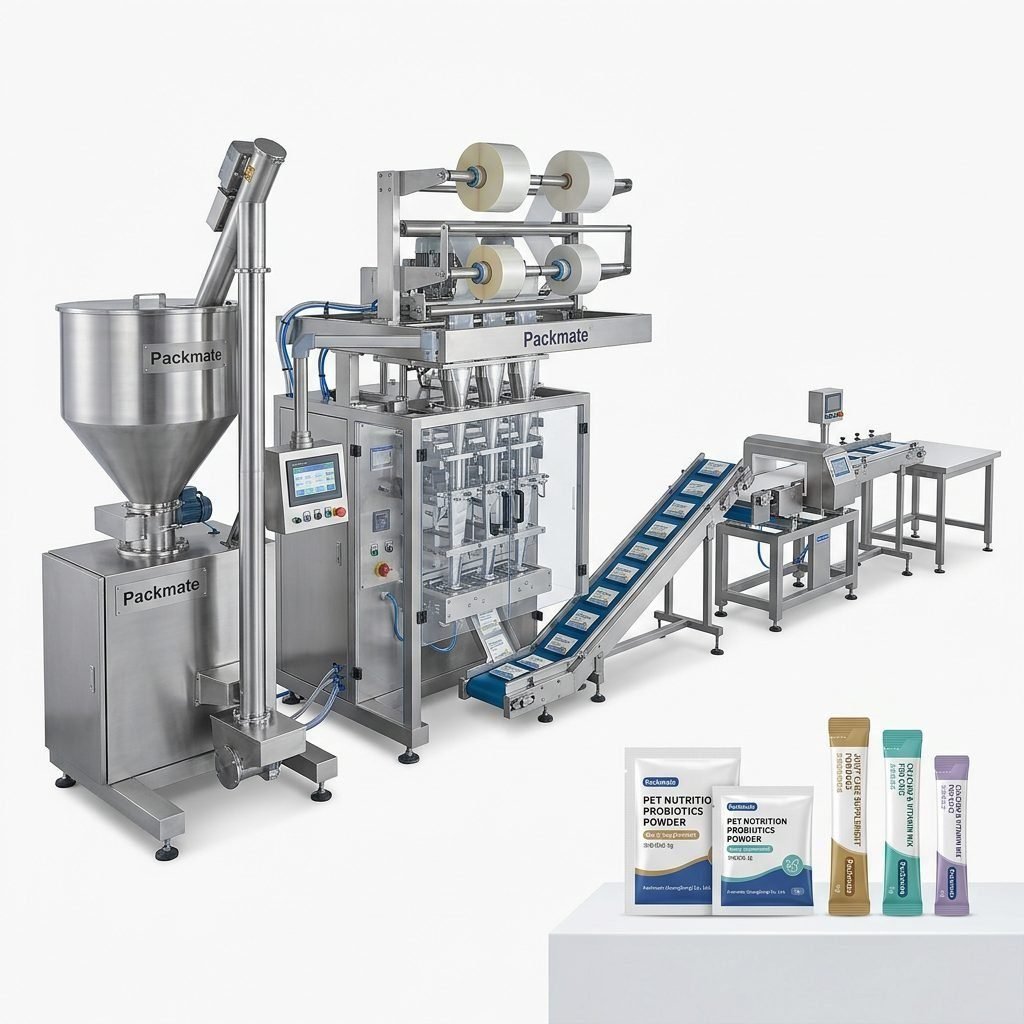
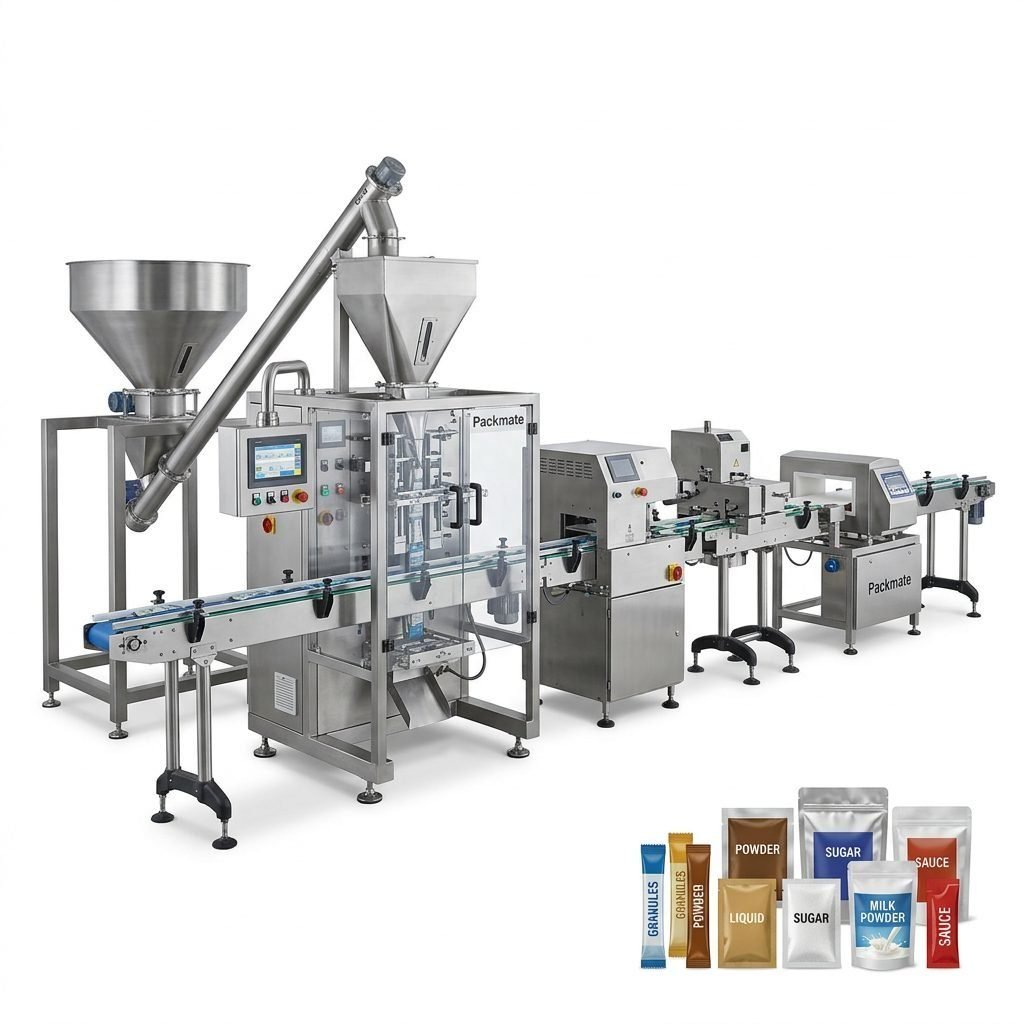
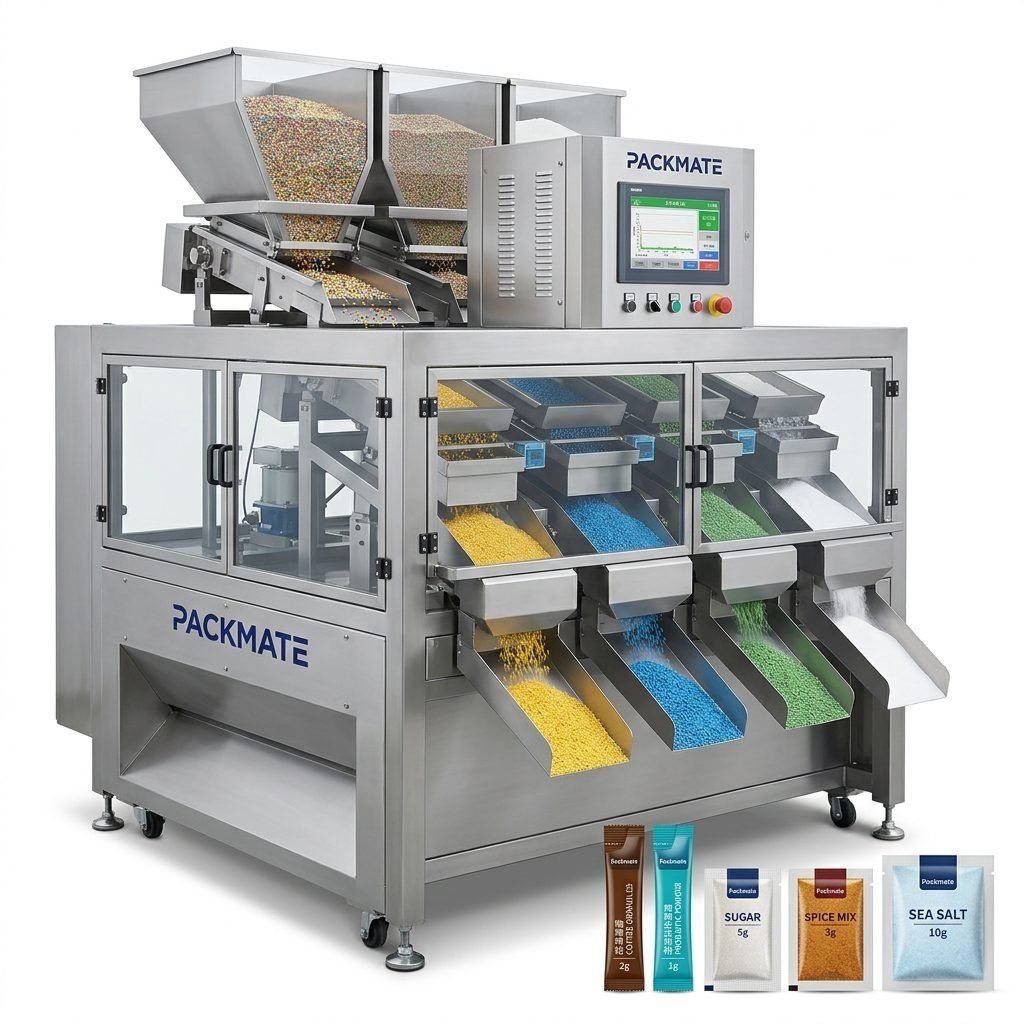
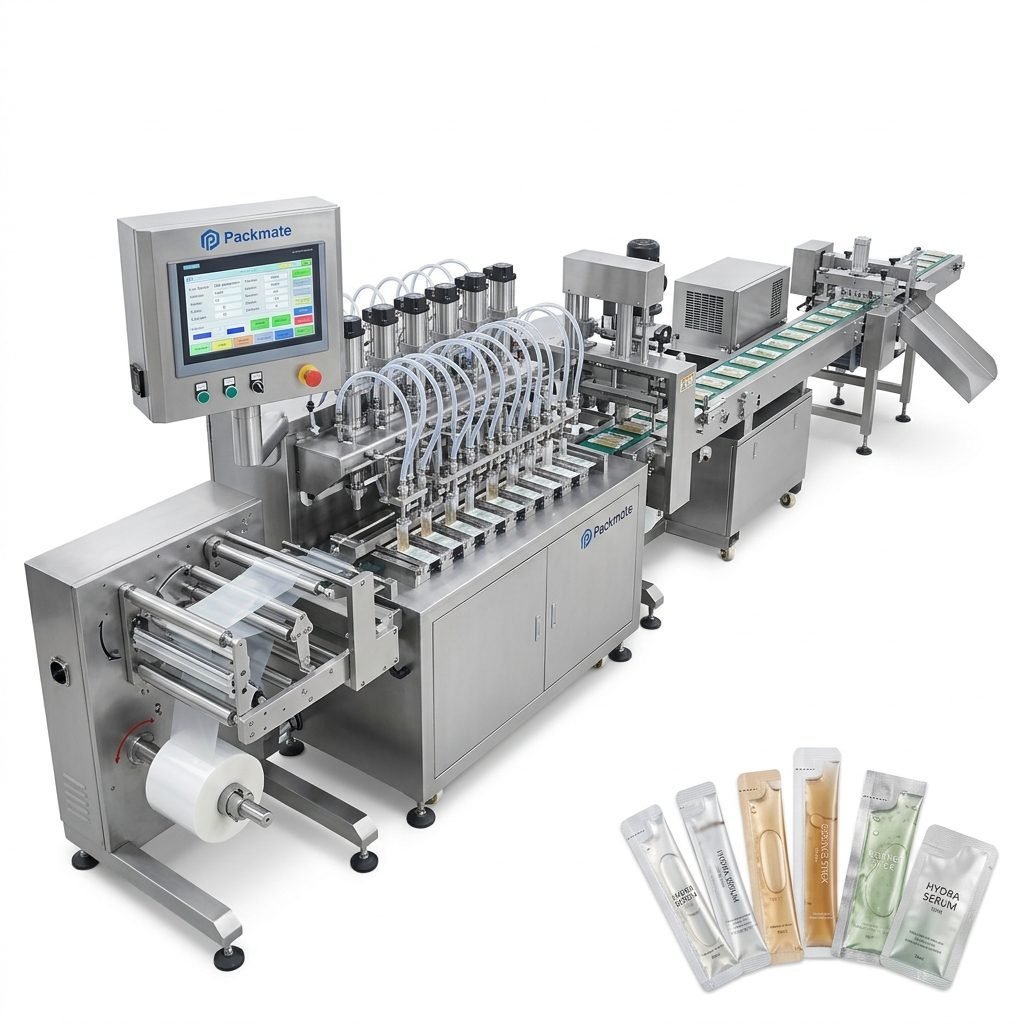
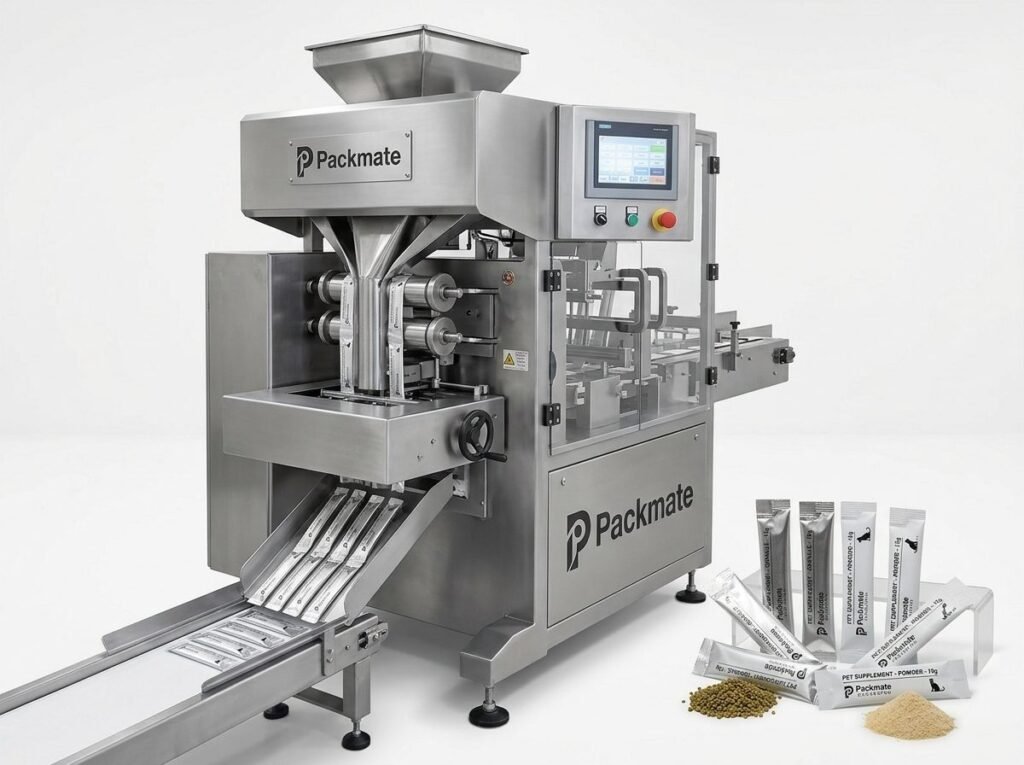
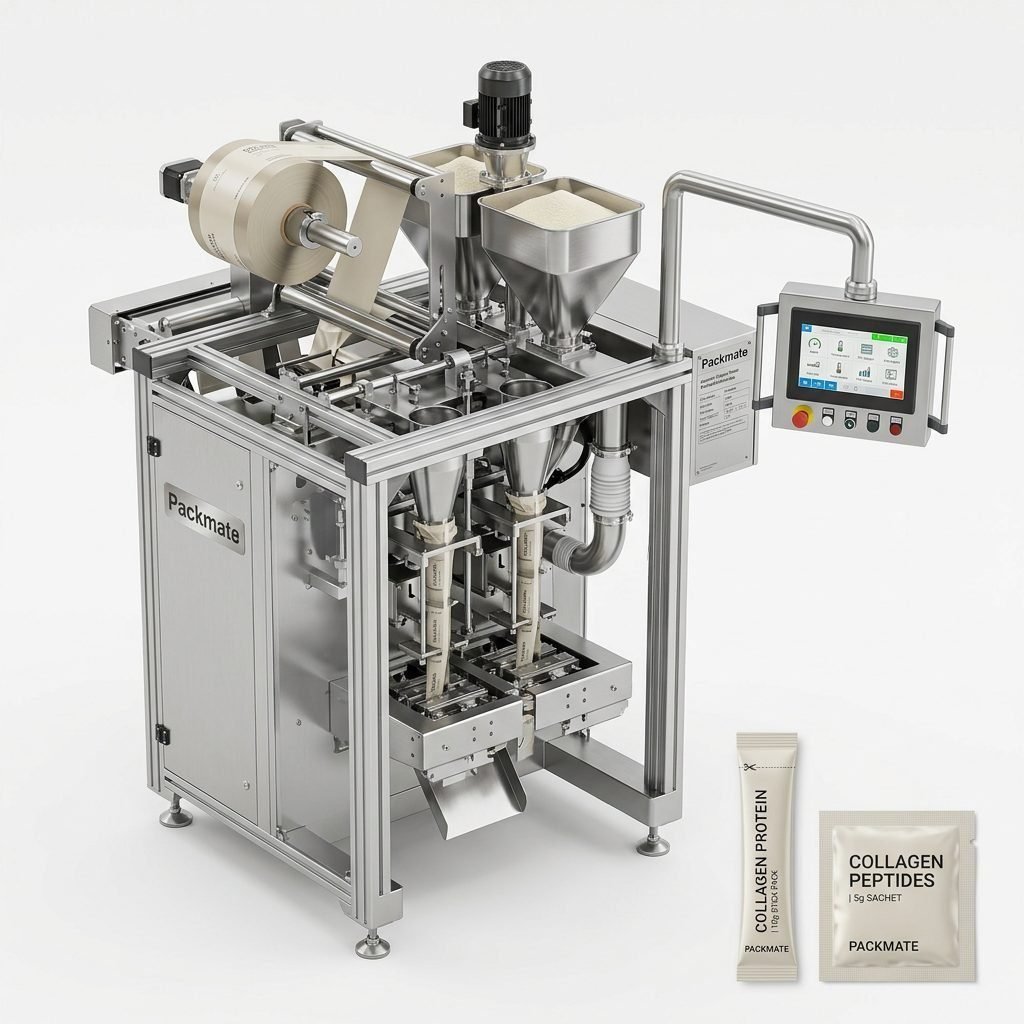
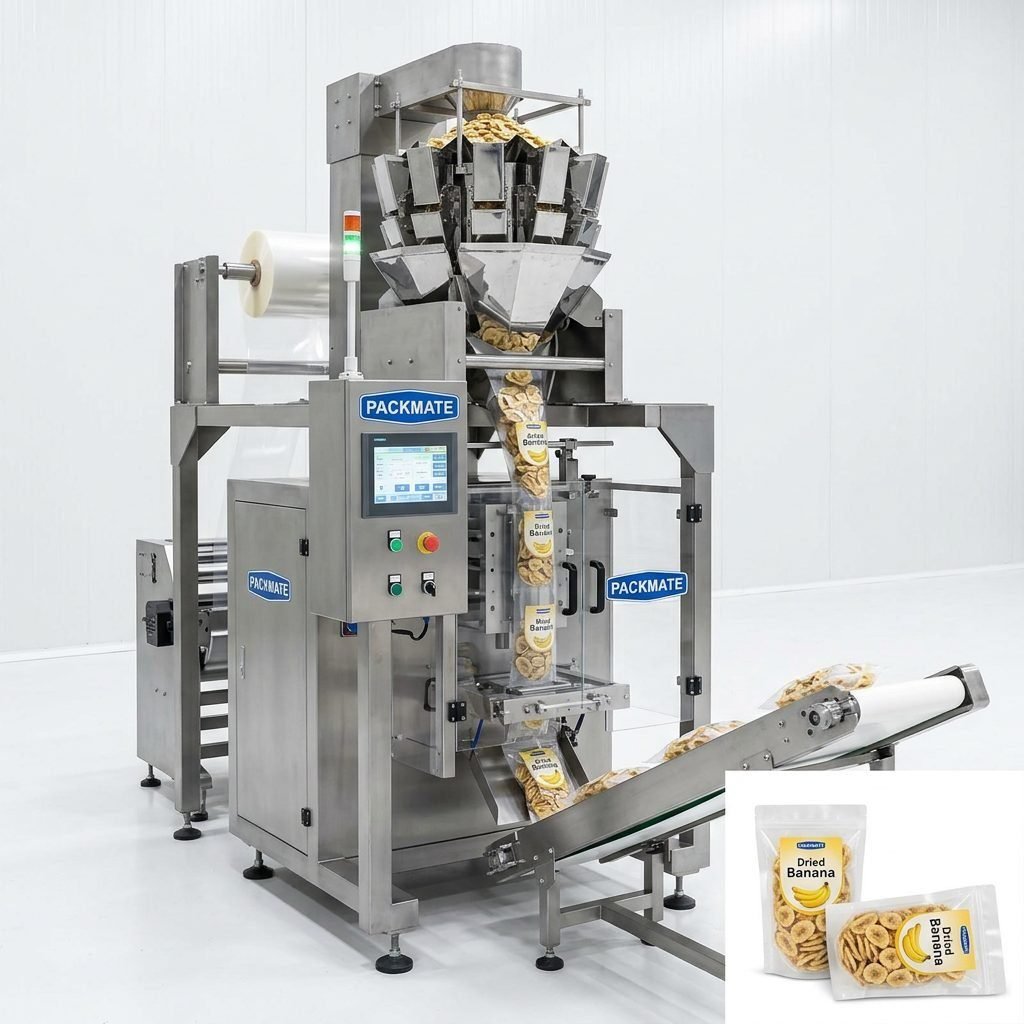
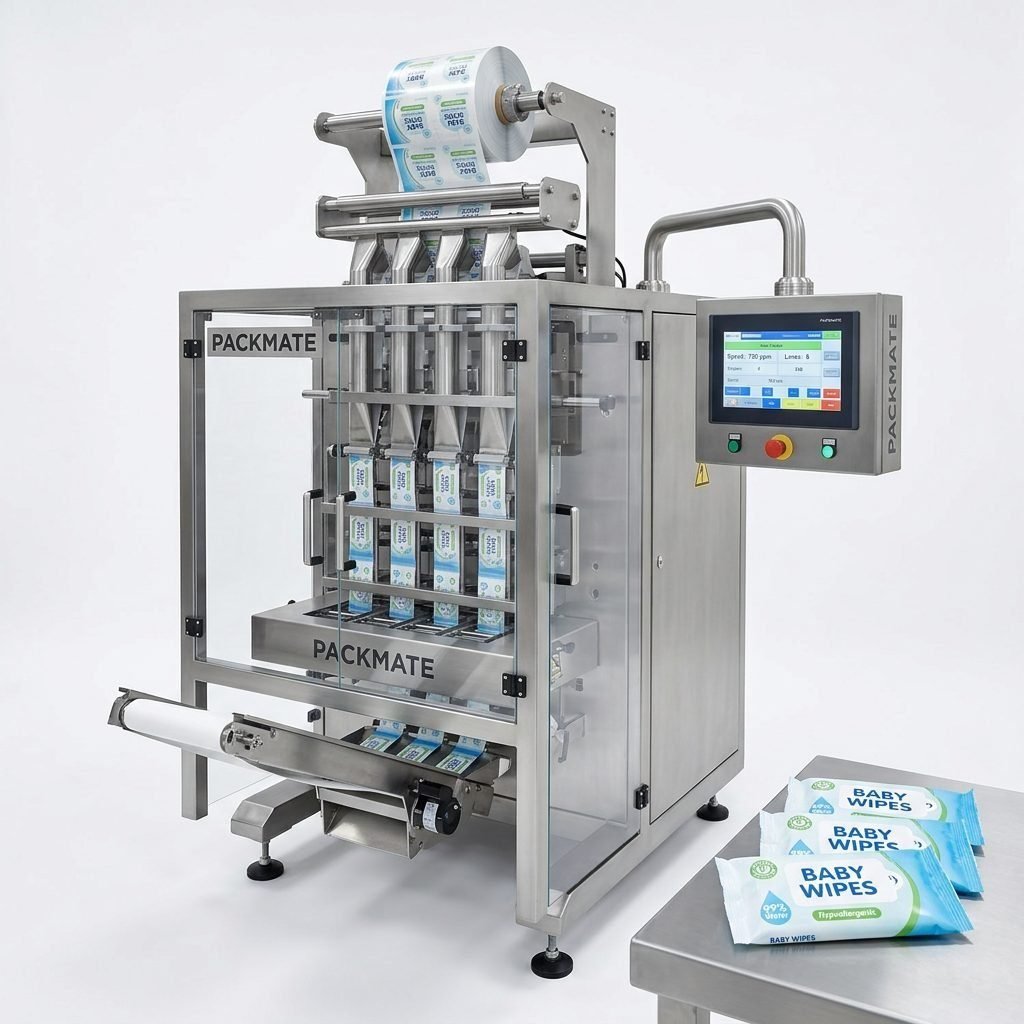
The efficiency of a labeling machine is often dictated by the primary packaging format it serves. For instance, labeling individual sachets & stick packs requires a different approach compared to labeling the final carton containing them. High-speed sachet packaging lines often incorporate inline labeling systems that print and apply variable data directly onto the film before or after forming the sachet. This method is incredibly efficient, eliminating a separate labeling step later. For larger bag & pouch packaging machines, labeling might occur on the filled bag before boxing. The key is a holistic view of the packaging process, where the labeler is not an island but an integrated component of a streamlined workflow.
The Packmate Advantage: Engineering Efficiency from Experience
Understanding these intricate needs is where decades of specialization matter. With over 30 years of expertise in designing intelligent packaging solutions, Packmate Machinery approaches efficiency from a system-wide perspective. Our journey, beginning in a small workshop in 1993 and formalizing into Packmate (GuangDong) Co., Ltd. in 2003, has been driven by a passion for automation and productivity. This history is not just about building machines; it’s about solving the real-world bottlenecks faced by producers every day.
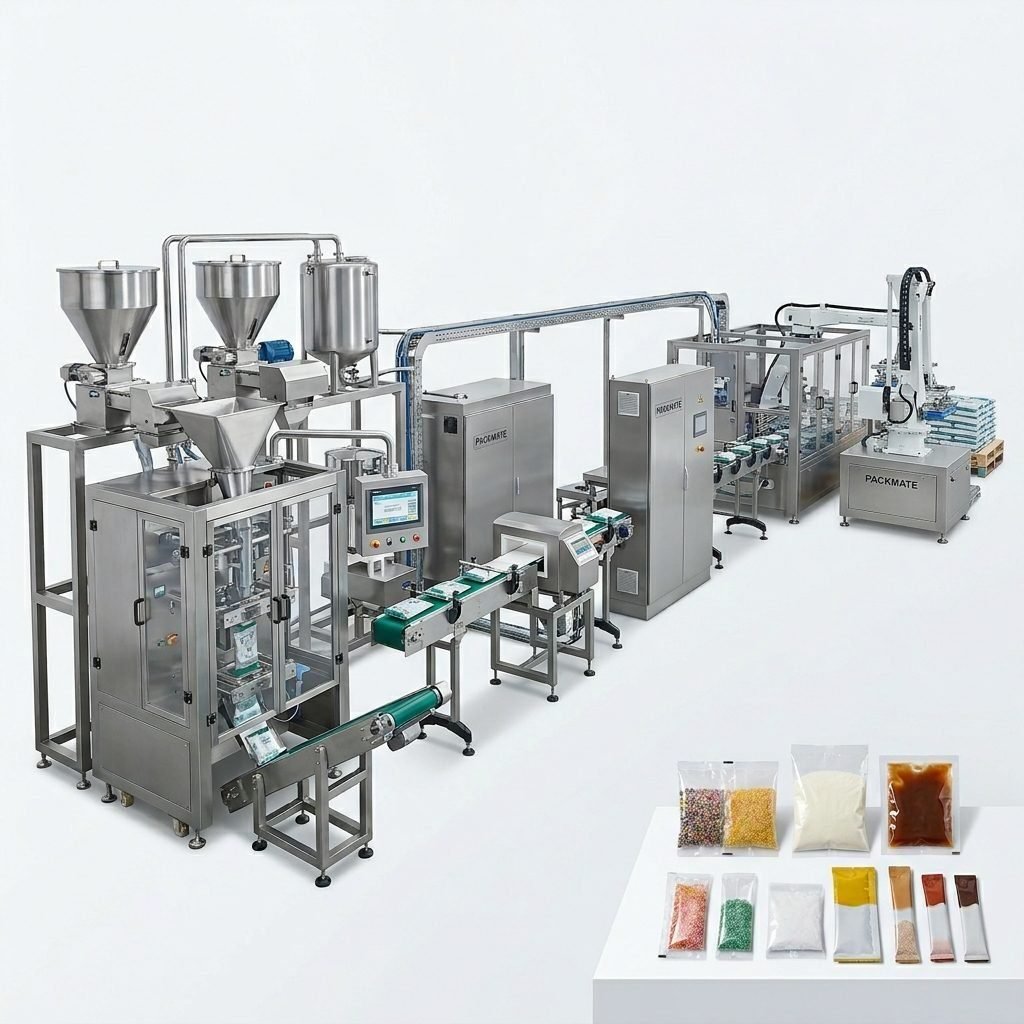
Our 20,000㎡ modern manufacturing facility is equipped with over 100 advanced production equipment units, allowing us to control quality from the ground up. We develop our labeling and auxiliary packaging equipment with the same philosophy applied to our core packaging machines: reliability, precision, and seamless integration. This ensures that when you incorporate a Packmate solution into your line, you’re not just adding a machine; you’re enhancing a cohesive system designed for peak operational efficiency.
Driving Operational Efficiency: Beyond the Machine
True efficiency extends beyond the hardware. It encompasses training, support, and the overall solution design. Packmate’s commitment to providing complete turnkey packaging solutions means we consider how the labeling unit interacts with every other element of your line. Our professional team of 125+ engineers and technicians provides comprehensive support, from initial layout planning to installation, operator training, and after-sales service. This end-to-end partnership minimizes your operational risk and ensures you achieve the promised efficiency gains from day one.
Conclusion: Investing in Streamlined Success
Choosing the best packaging equipment labeling machine is a decisive factor in building an efficient, resilient, and profitable operation. It requires careful consideration of speed, accuracy, versatility, and how the equipment integrates into your broader production ecosystem. By partnering with an experienced manufacturer like Packmate Machinery, you leverage decades of innovation and a systems-thinking approach to eliminate bottlenecks and optimize your entire packaging workflow. In the quest for operational excellence, the right labeling technology is not just a tool—it’s the linchpin of a smooth-running, high-output production line.
Frequently Asked Questions (FAQs)
1. What factors are most important when choosing a labeling machine for high-speed operations?
The paramount factors are application speed and precision, mechanical durability for continuous operation, ease of integration with existing conveyors and control systems, and the flexibility for quick changeovers between different products or label sizes to minimize downtime.
2. Can labeling machines handle variable data printing, like batch codes or expiry dates?
Yes, modern high-efficiency labeling machines are often integrated with thermal transfer (TTO) or inkjet (CIJ) printers that can print variable text, barcodes, and graphics directly onto labels or the packaging substrate in real-time, which is essential for track-and-trace and compliance.
3. How does a labeling machine integrate with other packaging equipment like fillers and cartoners?
Integration is typically achieved through a centralized Programmable Logic Controller (PLC) and sensors. The labeler receives electronic signals from upstream machines to trigger the label application and communicates its status downstream. This synchronization is crucial for maintaining a smooth, uninterrupted flow and is a key feature of turnkey packaging solutions.
4. What kind of maintenance do these machines require to maintain efficiency?
Routine maintenance includes regular cleaning of label application heads and sensors, lubrication of moving parts as per the manufacturer’s schedule, and inspection of wear items like wiping brushes or peeler blades. Choosing a machine with robust construction and easy service access, like those built by Packmate, significantly reduces maintenance complexity and time.
5. Where can I see examples of these efficient packaging lines in action?
You can explore real-world applications and successful implementations by reviewing detailed case studies from the manufacturer. Additionally, attending industry exhibitions or requesting a live demonstration are excellent ways to see the equipment’s speed, accuracy, and integration capabilities firsthand.