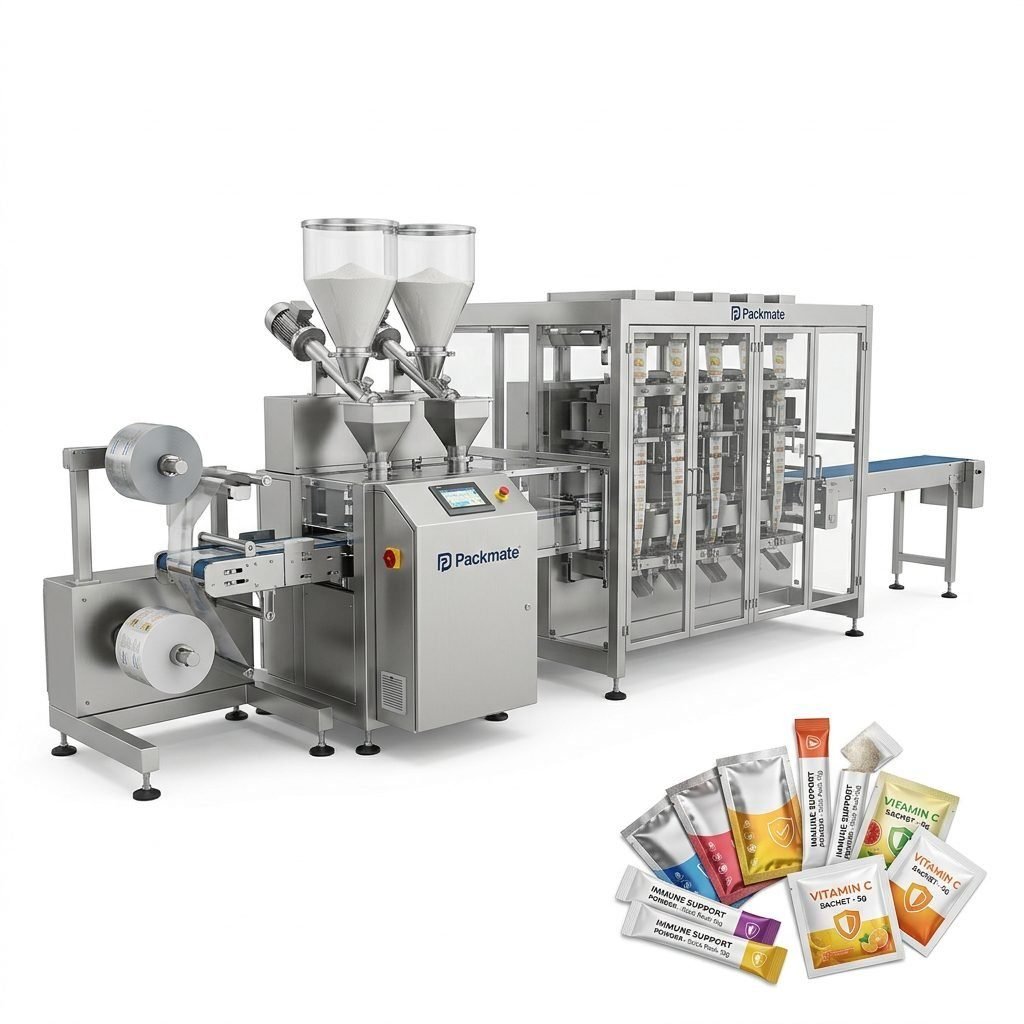
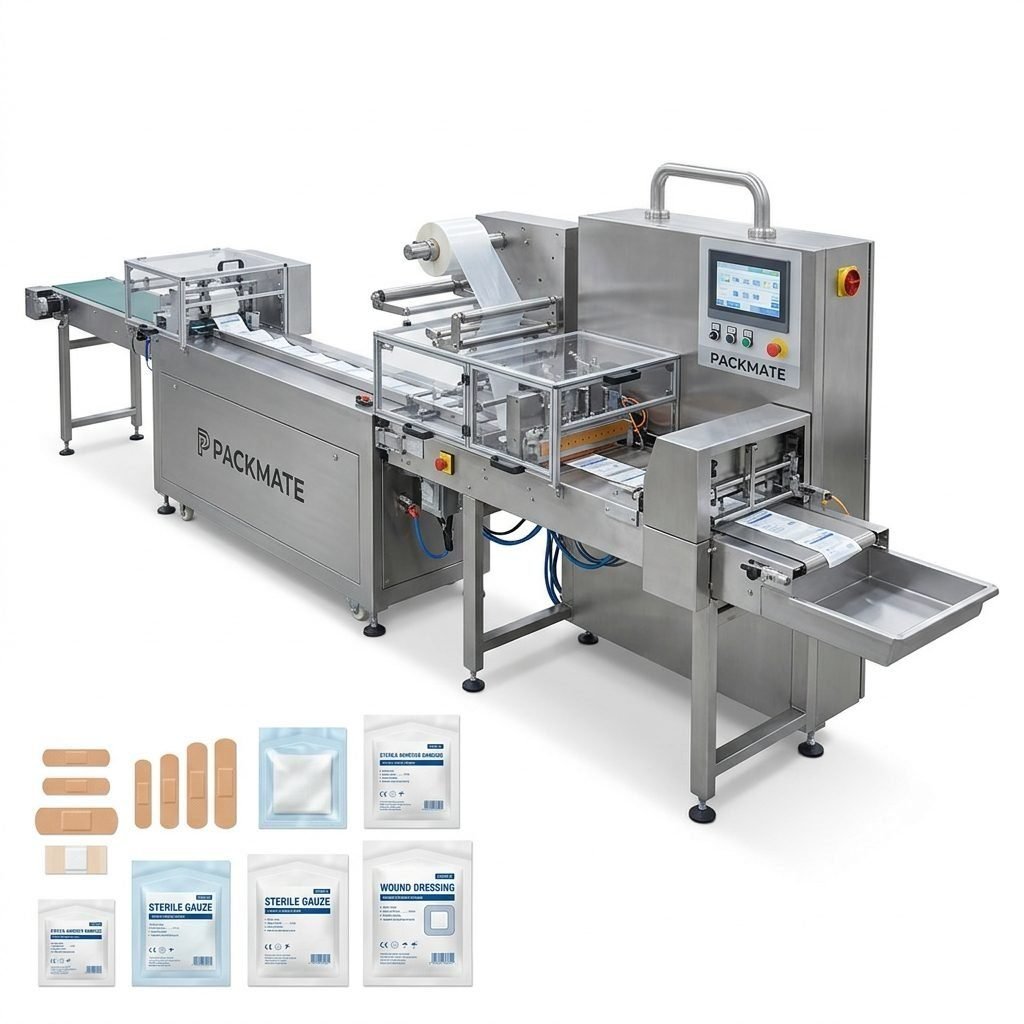
The personal care industry is a dynamic and ever-evolving sector, driven by consumer demand for convenience, hygiene, and product efficacy. At the heart of bringing these products to market lies a critical component: packaging machinery. The right packaging equipment solutions are not just about encasing a product; they are integral to ensuring product integrity, enhancing brand appeal, and optimizing production efficiency. This comprehensive guide delves into the world of personal care packaging machinery, exploring the solutions that empower brands to meet modern challenges.
The Core of Production: Primary Packaging Equipment
Primary packaging is the first layer that comes into direct contact with the product, such as bottles, tubes, sachets, and stick packs. The machinery for this stage must be precise, hygienic, and versatile.
Filling and Sealing Machines
For liquids like shampoos, lotions, and serums, automatic liquid filling machines are essential. They ensure accurate volumetric or gravimetric filling to prevent waste and guarantee consistent product volume in every unit. Following filling, reliable sealing—whether capping, crimping, or heat-sealing—is crucial for leak-proof integrity. For powders and granular products like bath salts or detergent powders, specialized auger or cup fillers provide the necessary precision.
Form-Fill-Seal (FFS) Technology
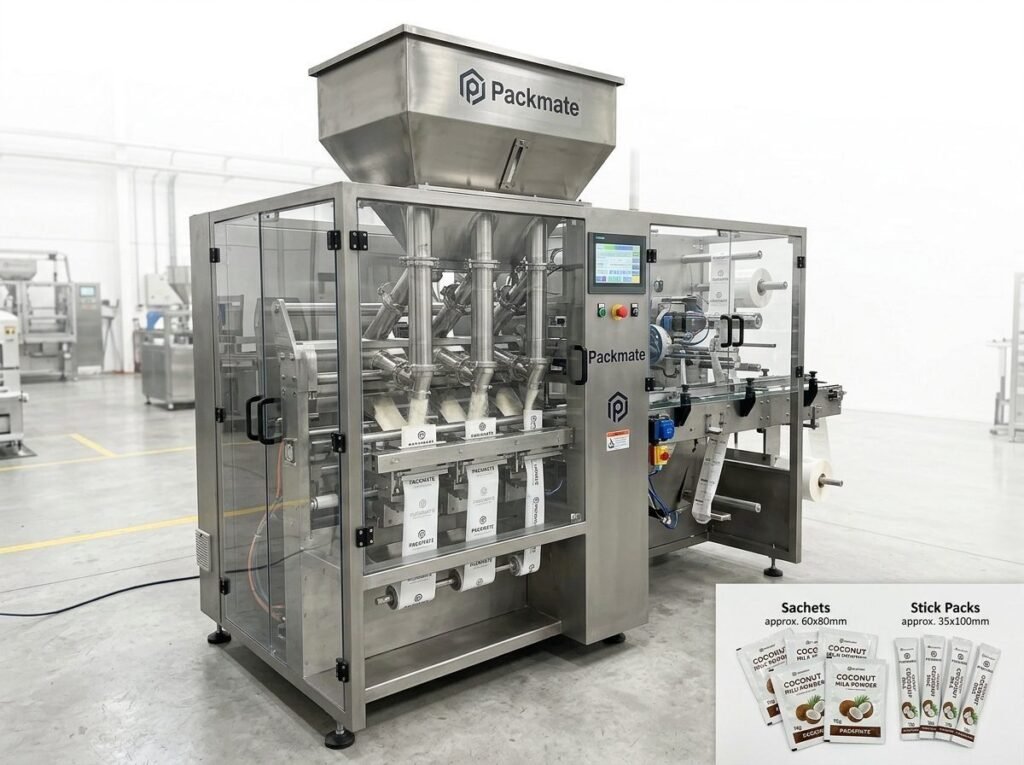
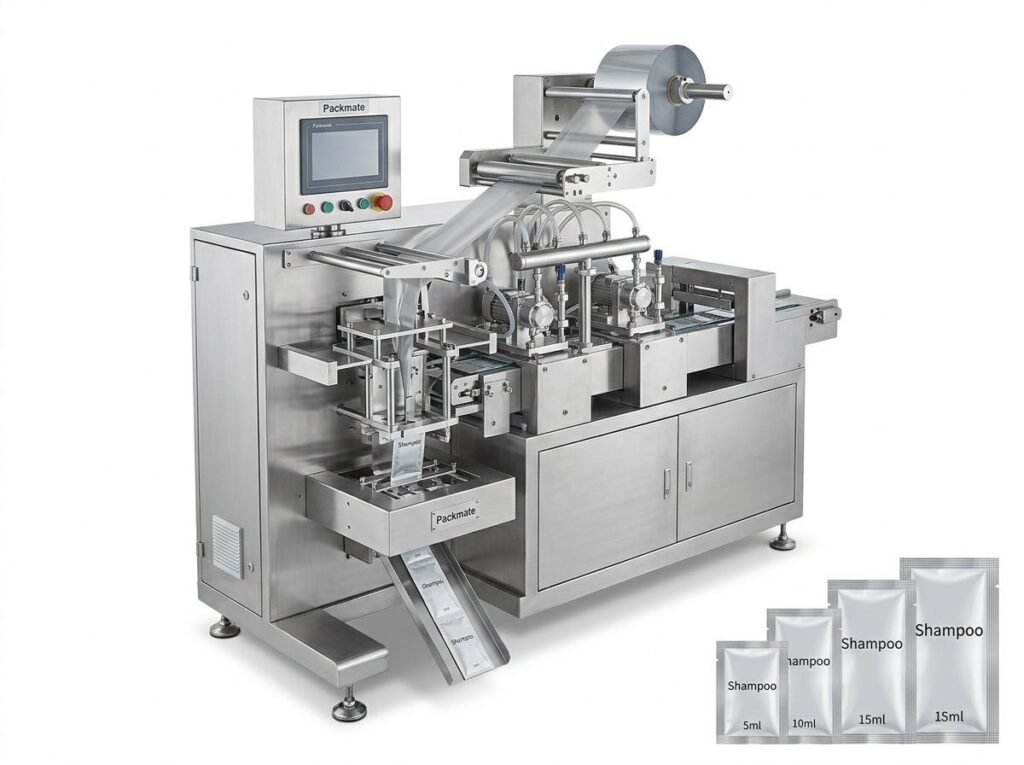
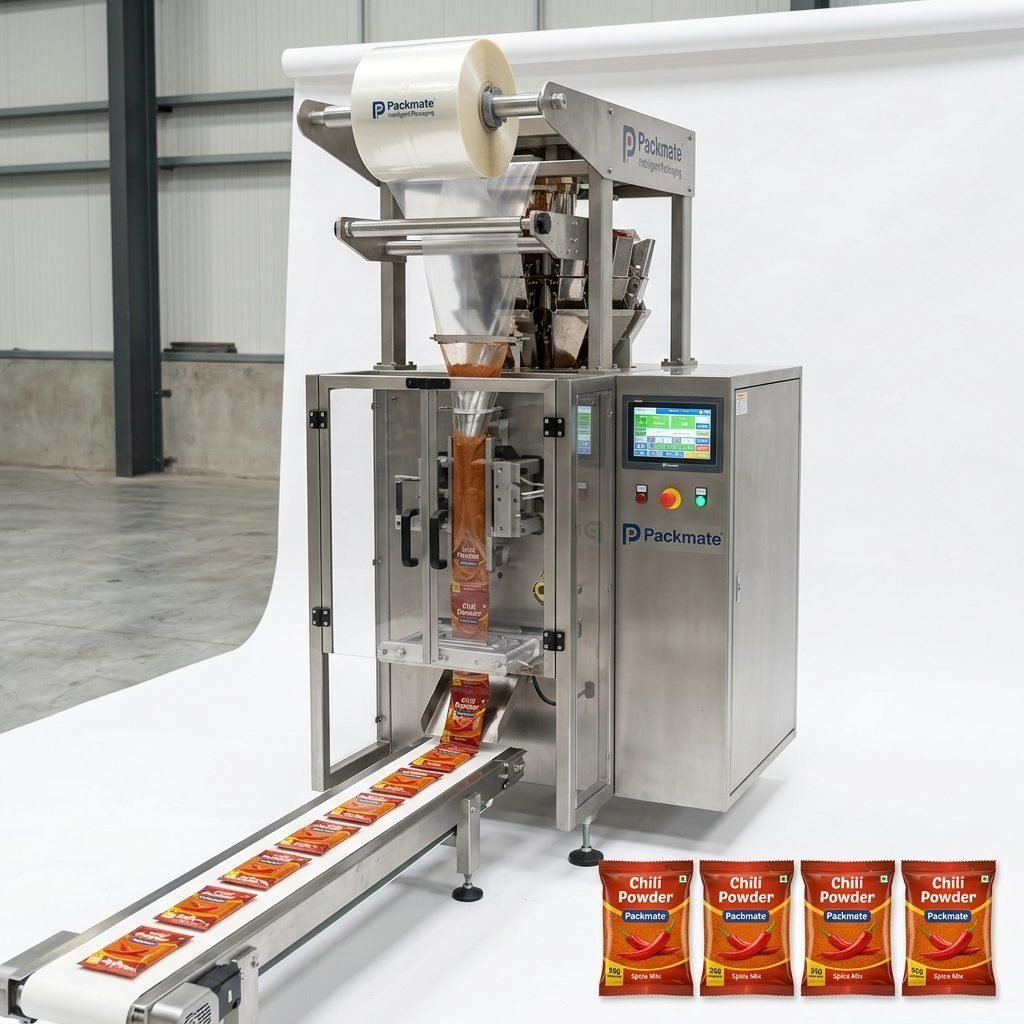
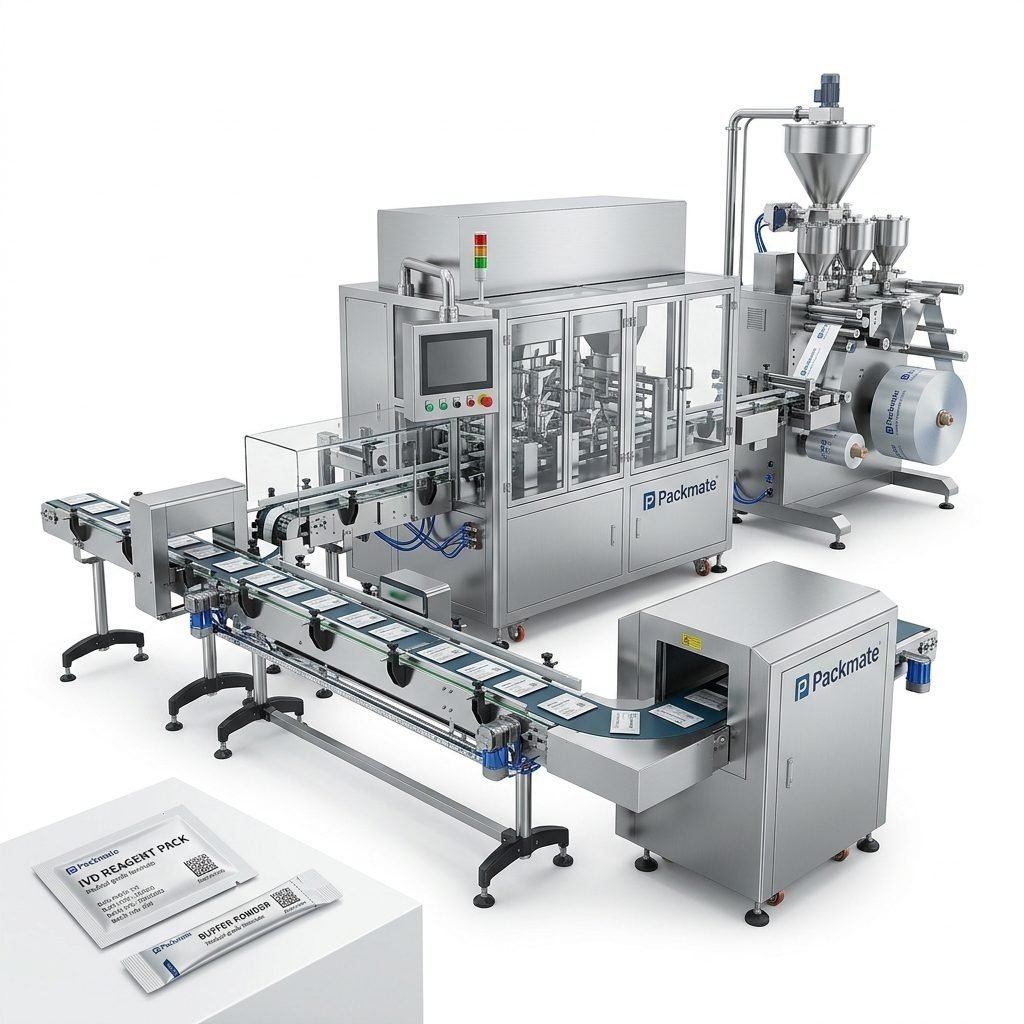
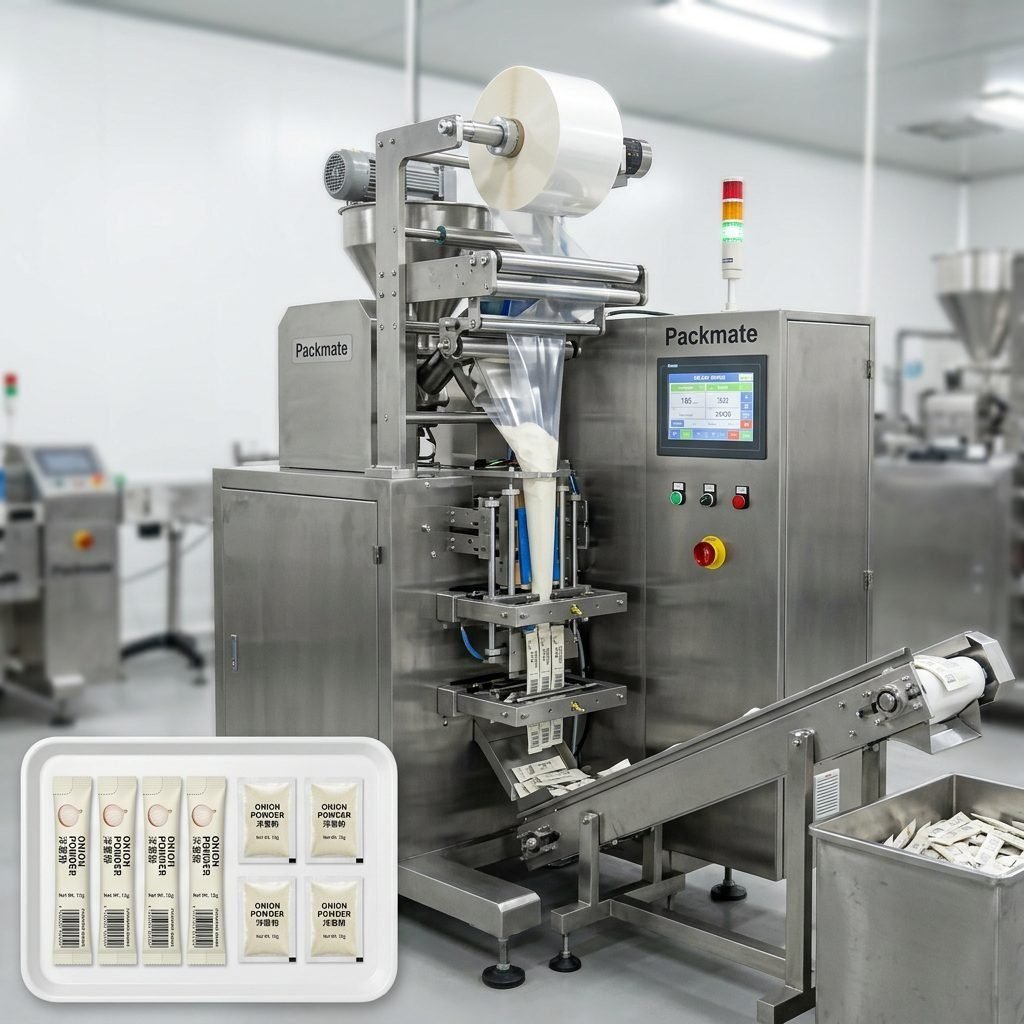
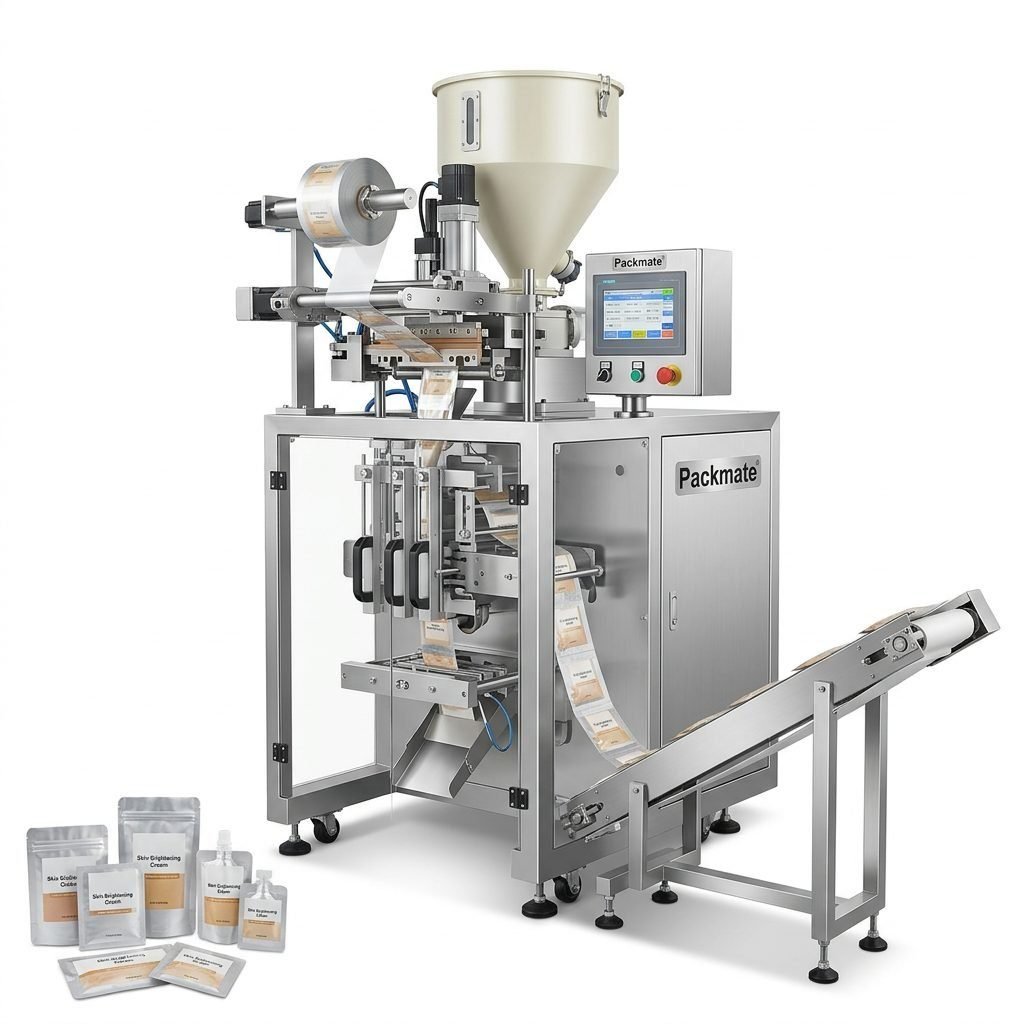
FFS machines represent a pinnacle of efficiency in packaging. They form the package from a roll of film, fill it with the product, and seal it—all in one continuous, automated process. This technology is ideal for single-use sachets and stick packs of products like hand sanitizer gel, shampoo, or facial cream samples. Vertical (VFFS) and horizontal (HFFS) systems offer flexibility for different product types and packaging styles, significantly reducing material handling and contamination risks. Companies like Packmate Machinery specialize in advanced multi-lane FFS solutions that maximize output for personal care applications.
Enhancing Efficiency: Secondary and End-of-Line Solutions
Once primary packaging is complete, secondary packaging equipment groups individual items for distribution and retail.
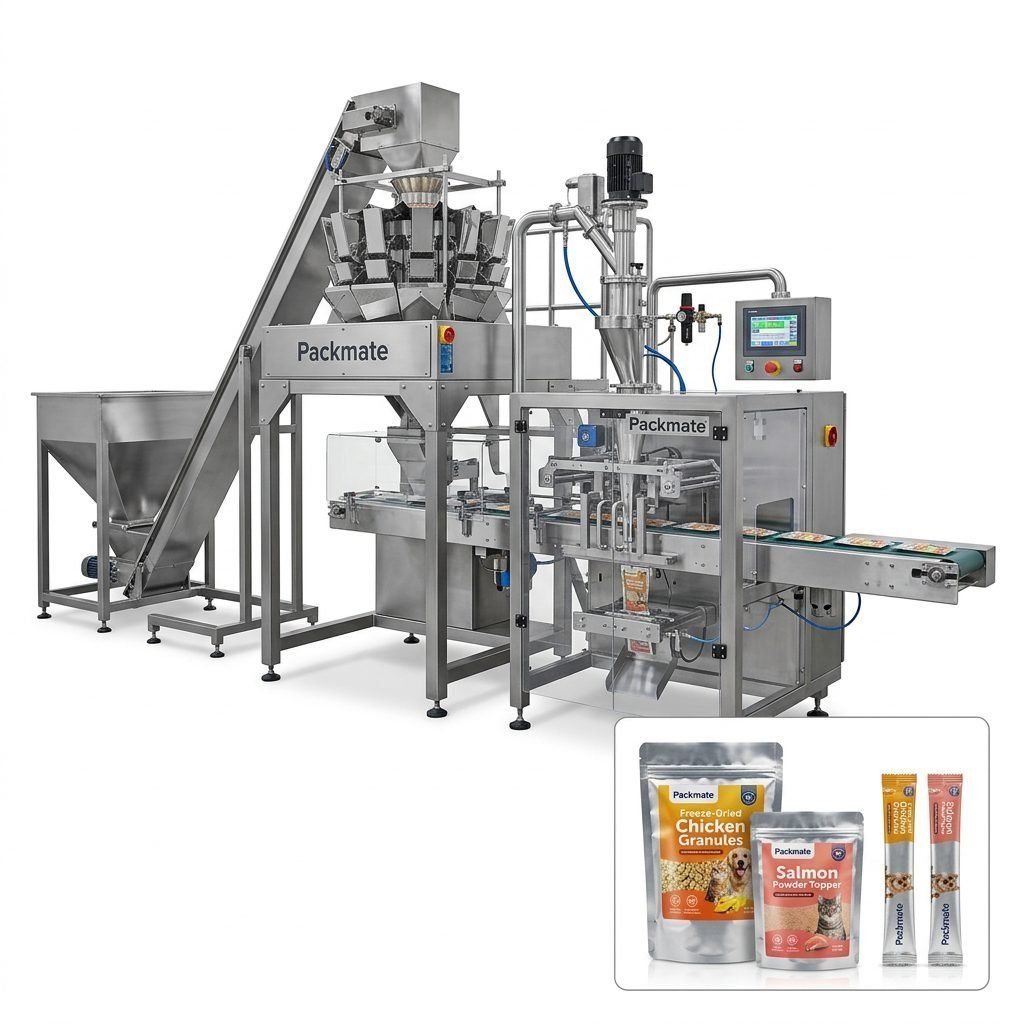
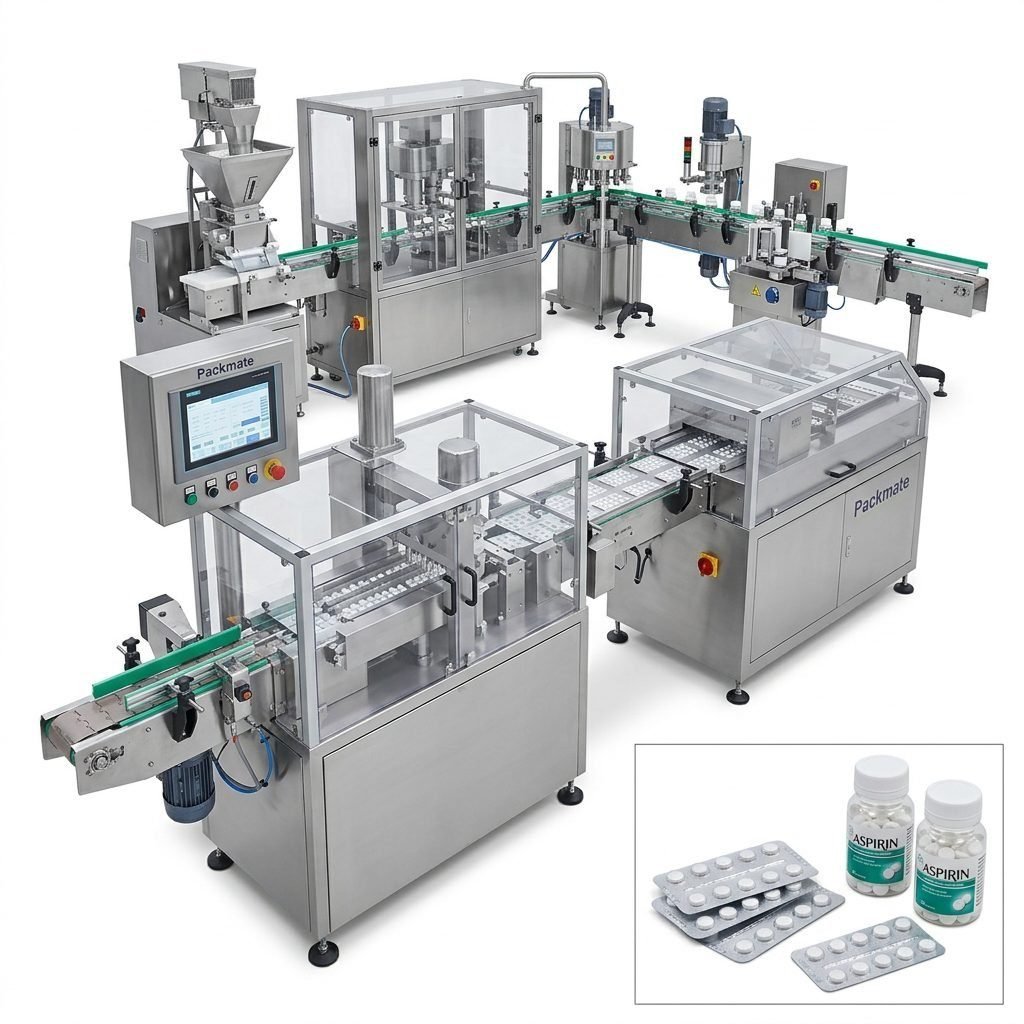
Cartoning machines automatically erect, load, and seal cartons, while case packers place multiple cartons or primary packages into shipping cases. Labeling systems are vital for applying product information, barcodes, and branding onto bottles or boxes with high accuracy. For a complete line, integrated weighing and packaging systems ensure weight compliance and automate the flow from filling to palletizing.
The Role of Auxiliary Equipment
A smooth packaging line relies on robust support systems. Conveyors transport products between machines, unscramblers orient containers for filling, and coders & printers mark batches and expiry dates. Auxiliary packaging equipment may not perform the core tasks, but it is indispensable for maintaining line speed, synchronization, and overall reliability.
Key Considerations for Selecting Packaging Machinery
Choosing the right equipment is a strategic decision. Here are the critical factors to evaluate:
1. Product Characteristics and Compatibility
The machine must be compatible with your product’s physical state (liquid, powder, paste), viscosity, and corrosiveness. It must also handle your chosen packaging material—whether laminate for sachets, plastic for bottles, or aluminum for tubes—without compromising seal quality.
2. Production Speed and Output Requirements
Align the machine’s capacity (packages per minute/hour) with your current and projected production volumes. Investing in an under-capacity machine creates bottlenecks, while an oversized one leads to unnecessary capital expenditure.
3. Flexibility and Changeover Time
In a market with frequent product launches and SKU variations, quick changeover capabilities are a major advantage. Look for machines that allow for easy size adjustments and recipe changes to minimize downtime.
4. Hygiene and Compliance Standards
Personal care products often require adherence to strict hygiene standards (like GMP). Equipment should be designed for easy cleaning, with sanitary surfaces and minimal areas where product or contaminants can accumulate. Compliance with regional safety regulations (CE, UL, etc.) is non-negotiable.
5. Total Cost of Ownership (TCO) and Support
Look beyond the initial purchase price. Consider energy consumption, maintenance needs, spare part availability, and the manufacturer’s reputation for technical support and service. A reliable partner with a strong track record, like Packmate with its 22+ years of development, ensures long-term operational success and a better return on investment.
Trends Shaping the Future of Personal Care Packaging
The industry is rapidly adapting to new consumer and environmental pressures.
Sustainability is paramount. Machinery is increasingly required to handle recycled, mono-material, or biodegradable films efficiently. There is also a growing demand for equipment that enables lightweighting—using less material without sacrificing protection.
Smart Packaging and Industry 4.0 integration is on the rise. Modern machines come equipped with IoT sensors and connectivity for real-time monitoring of output, efficiency (OEE), and predictive maintenance, allowing for data-driven optimization of the entire packaging line.
Finally, the demand for flexibility continues to grow. Brands seek machinery that can easily switch between different package sizes and formats, from traditional bottles to innovative pouch designs, to cater to niche markets and limited-edition runs.
Frequently Asked Questions (FAQs)
What type of packaging machine is best for liquid soap and shower gel?
For these viscous liquids, a piston filler or pump filler integrated with a capping machine is typically the best solution. For single-use portions, a vertical form-fill-seal (VFFS) machine producing sachets is highly efficient. The choice depends on your desired package format and production scale.
How can I reduce material waste in my packaging line?
Invest in high-precision filling and weighing equipment to minimize overfilling. Utilize servo-driven machines that allow for precise film feeding and cutting, reducing trim waste. Also, consider machinery compatible with thinner-gauge, sustainable materials that maintain performance.
Is it difficult to switch a packaging line to a new product or package size?
Changeover complexity varies. Modern machinery with digital settings and quick-change parts (like change parts for form-fill-seal machines) can significantly reduce switchover time from hours to minutes. Discuss your flexibility needs in detail with your equipment supplier during the selection process.
What should I look for in a packaging machinery supplier?
Prioritize suppliers with proven industry experience, a robust portfolio of case studies, and comprehensive after-sales support. Evaluate their manufacturing standards, availability of spare parts, and training offerings. A partner who understands your long-term business goals is invaluable.
Can packaging machinery be customized for a unique product format?
Yes, many reputable manufacturers offer customization and turnkey solutions. If you have a unique pouch shape, a specific filling method, or need a completely integrated line, suppliers with strong R&D capabilities can engineer machinery to meet your exact specifications. Always share your complete requirements early in the consultation process.