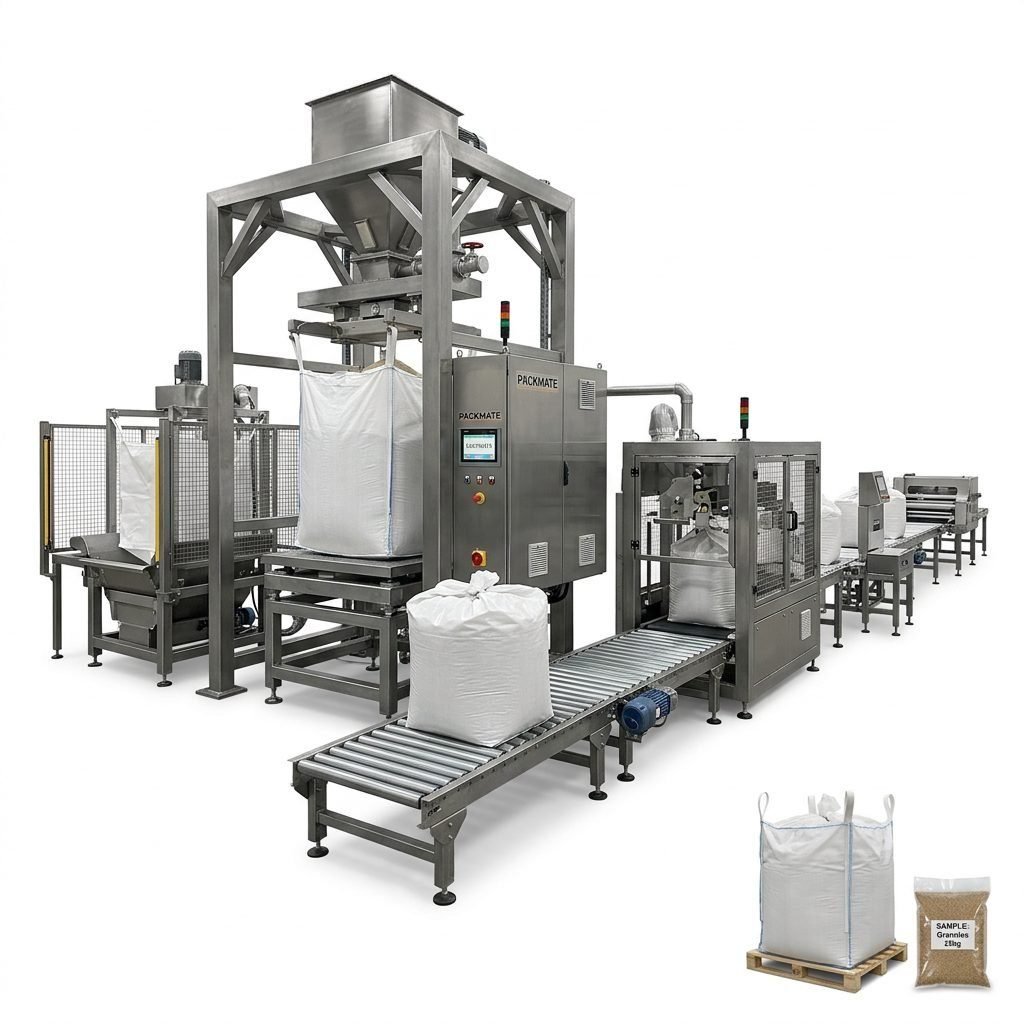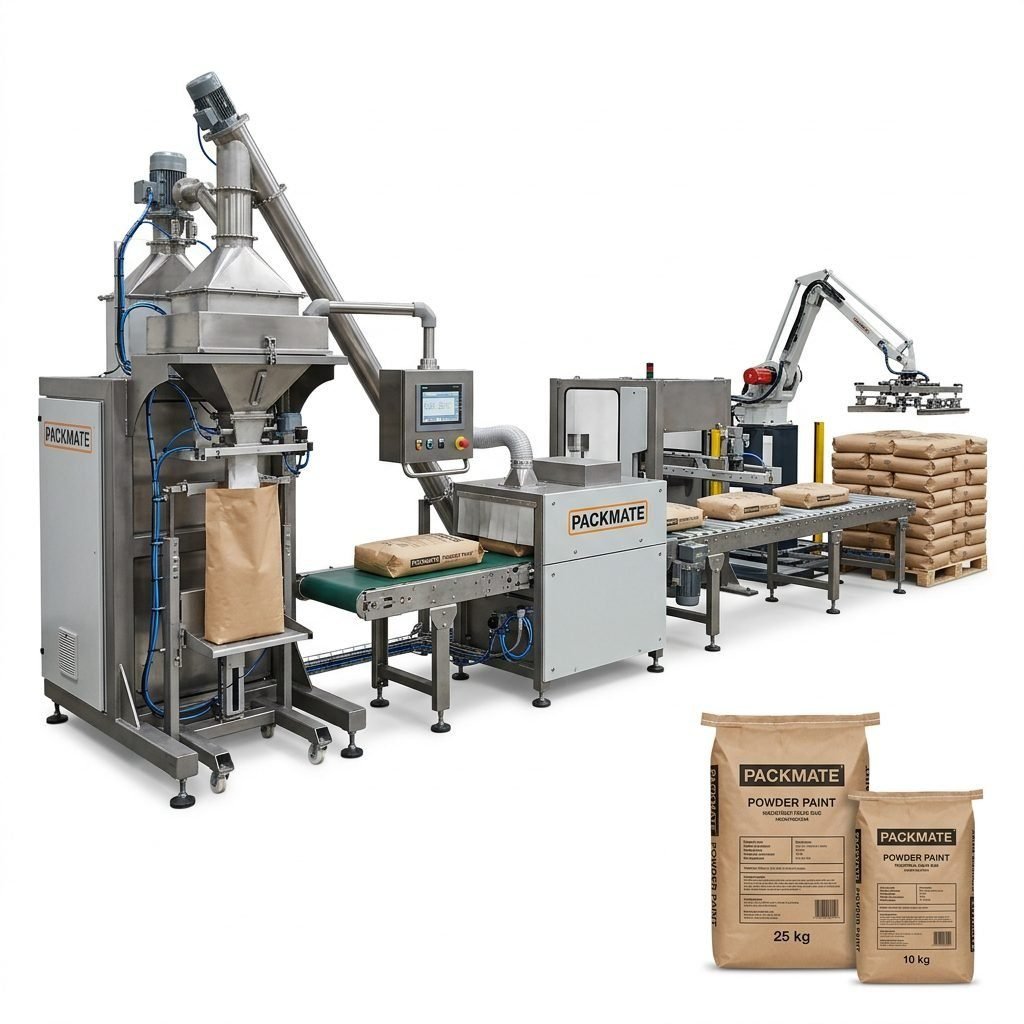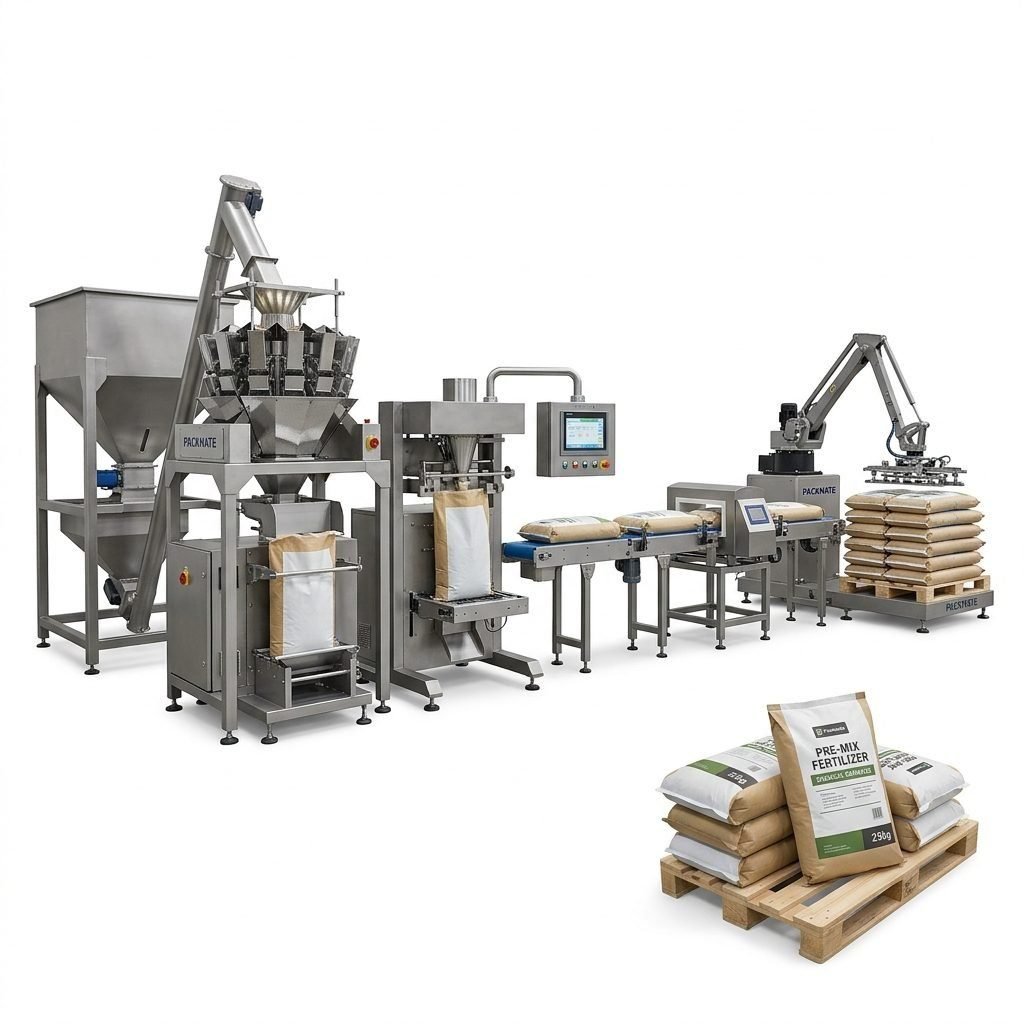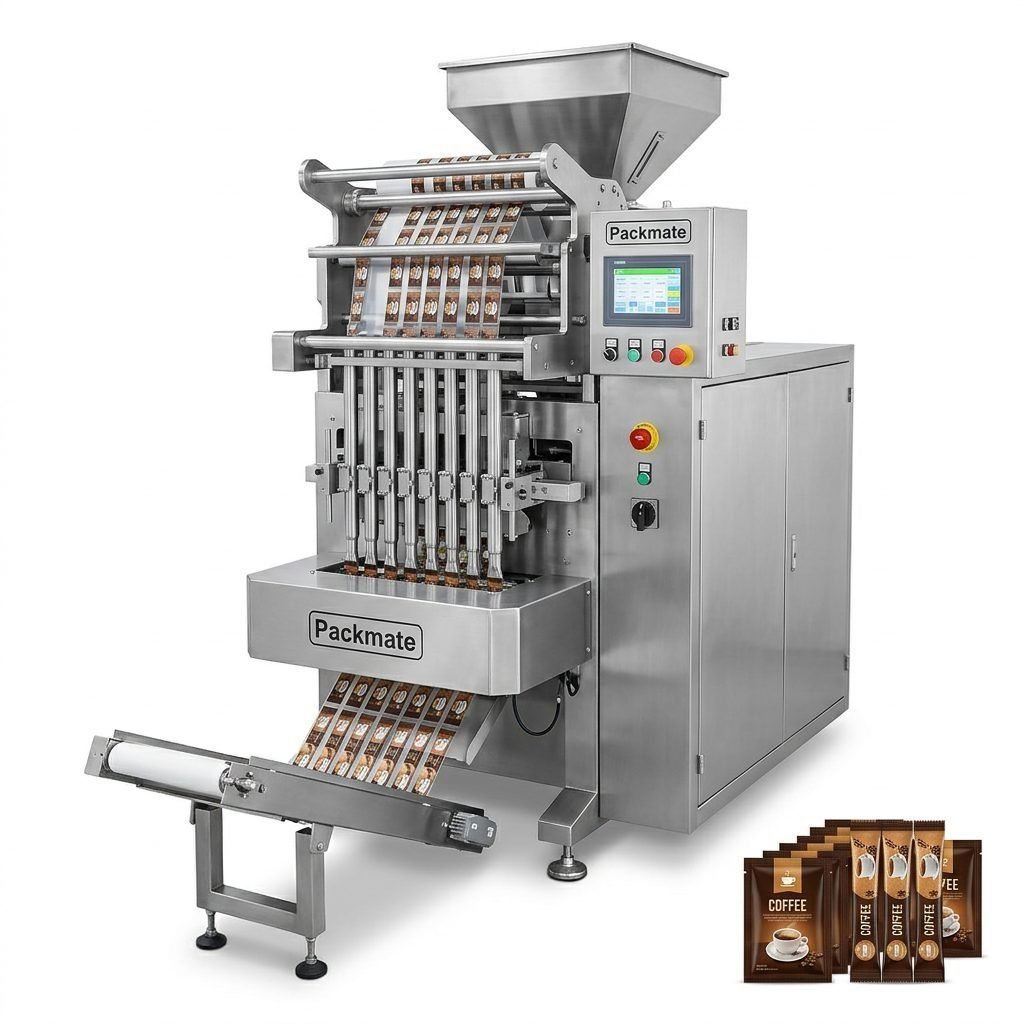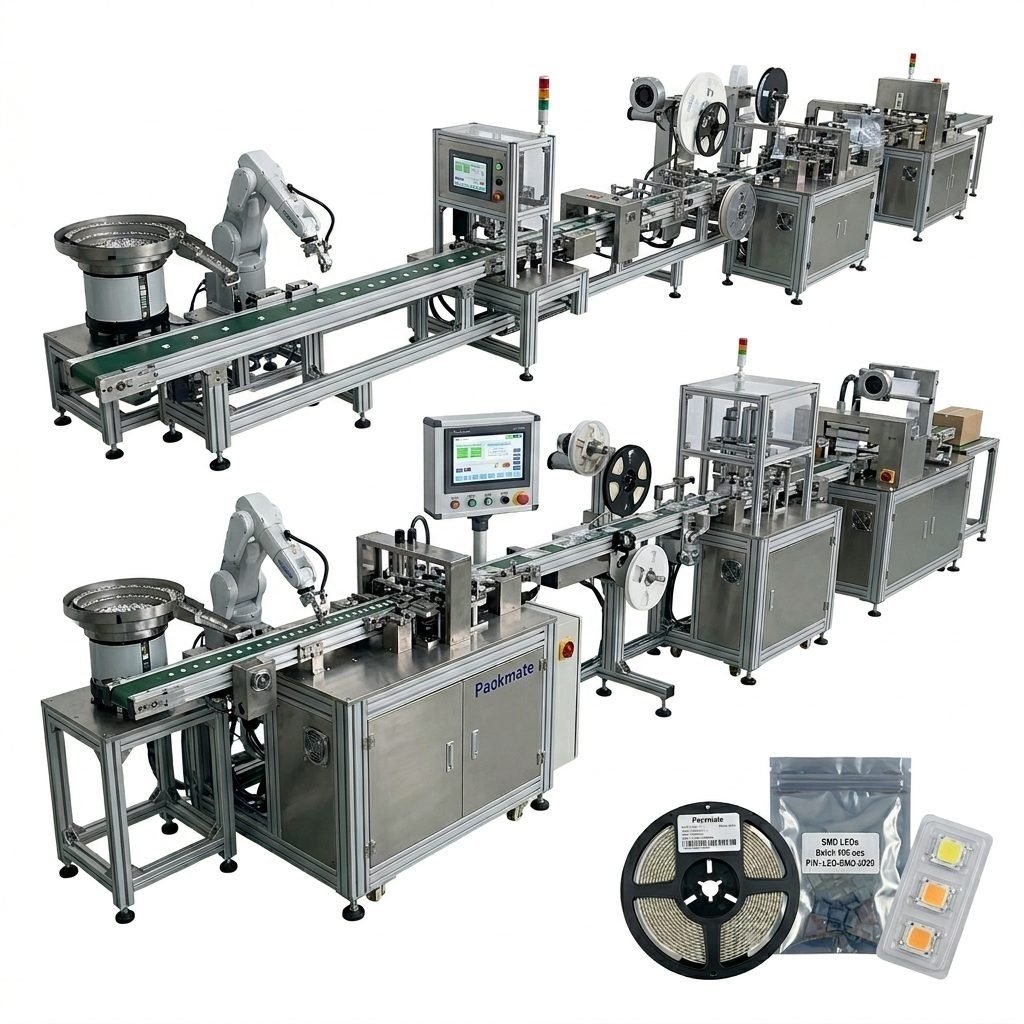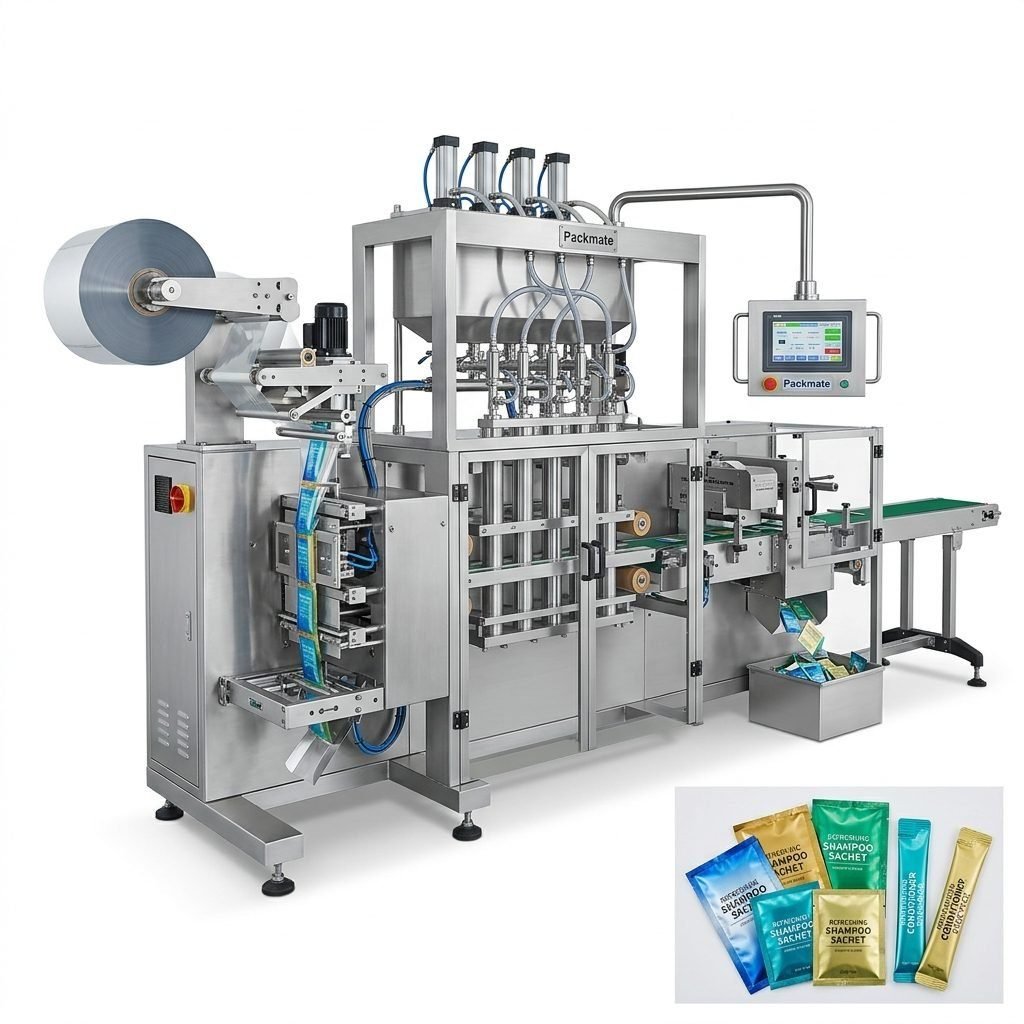
In the fast-paced world of manufacturing, the efficiency and reliability of your processing and packaging operations are paramount. This guide serves as a comprehensive resource for understanding the vast landscape of equipment solutions available today. From initial material handling to the final sealed product, each piece of machinery plays a critical role in determining output quality, speed, and overall cost-effectiveness.
Understanding the Core Stages of Processing & Packaging
The journey from raw material to finished, packaged good is a multi-stage process. A holistic approach to equipment selection considers the entire line, ensuring seamless integration between stages.
1. Pre-Processing and Preparation Equipment
Before packaging can begin, materials often require preparation. This stage includes equipment for cleaning, sorting, grinding, mixing, and cooking. The goal is to transform raw inputs into a consistent, ready-to-package state. Uniformity at this stage is crucial for the accuracy and performance of downstream filling and sealing machines.
2. Primary Packaging Machinery
This is the heart of the packaging operation, where the product is placed into its immediate container. Key equipment types include:
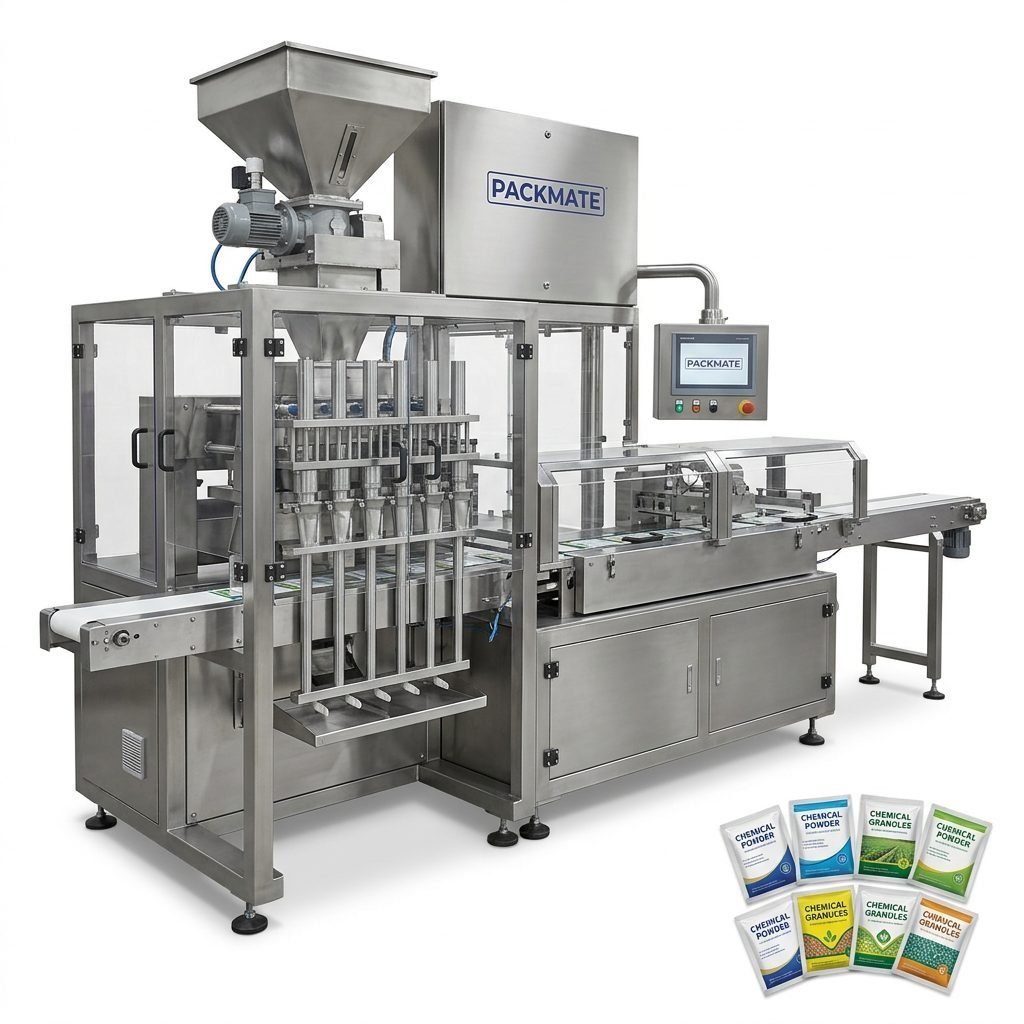
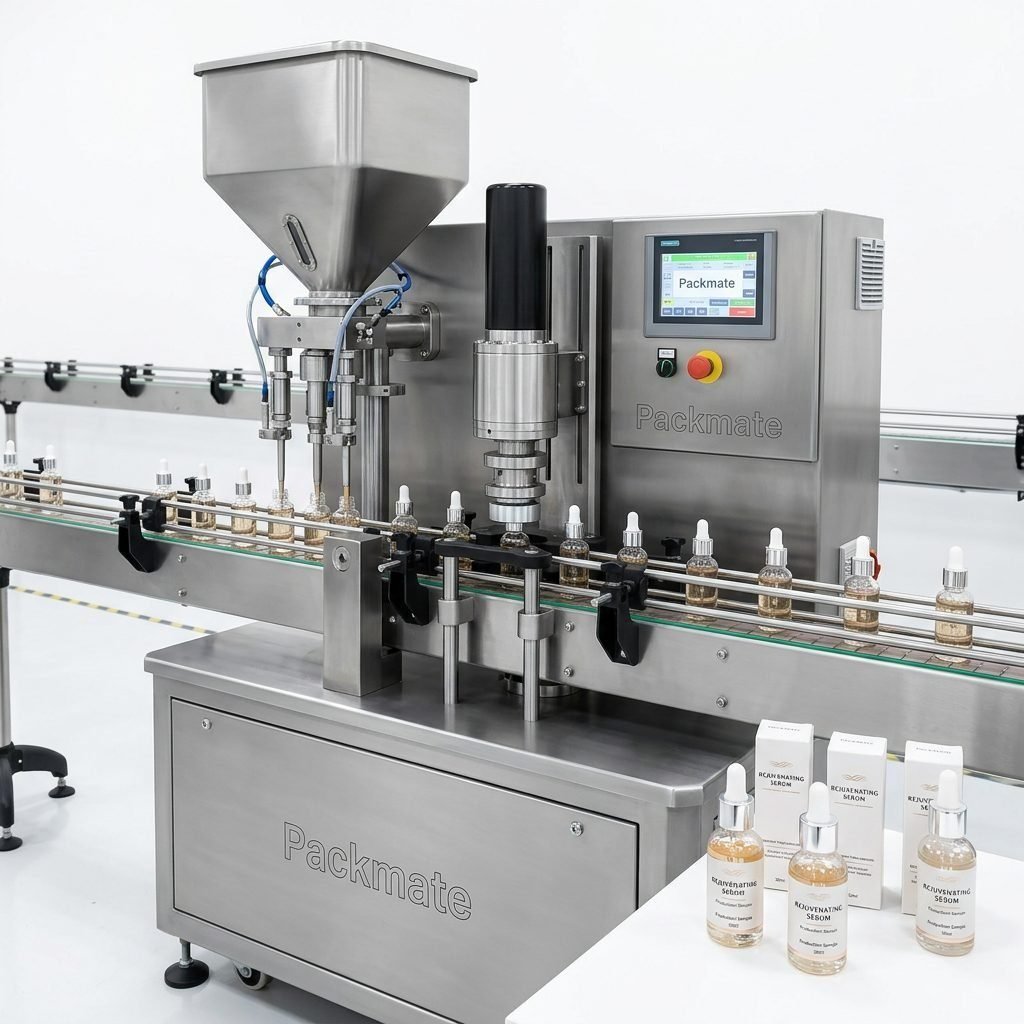
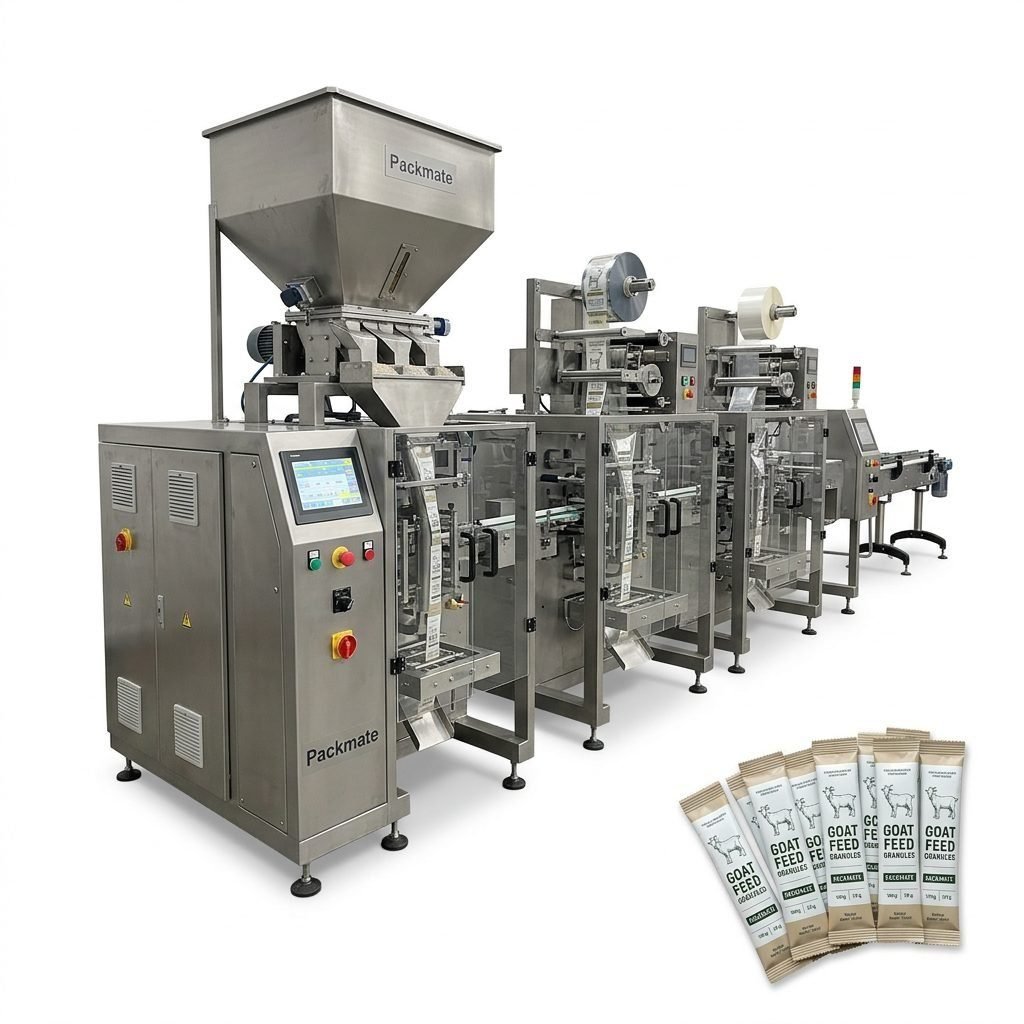
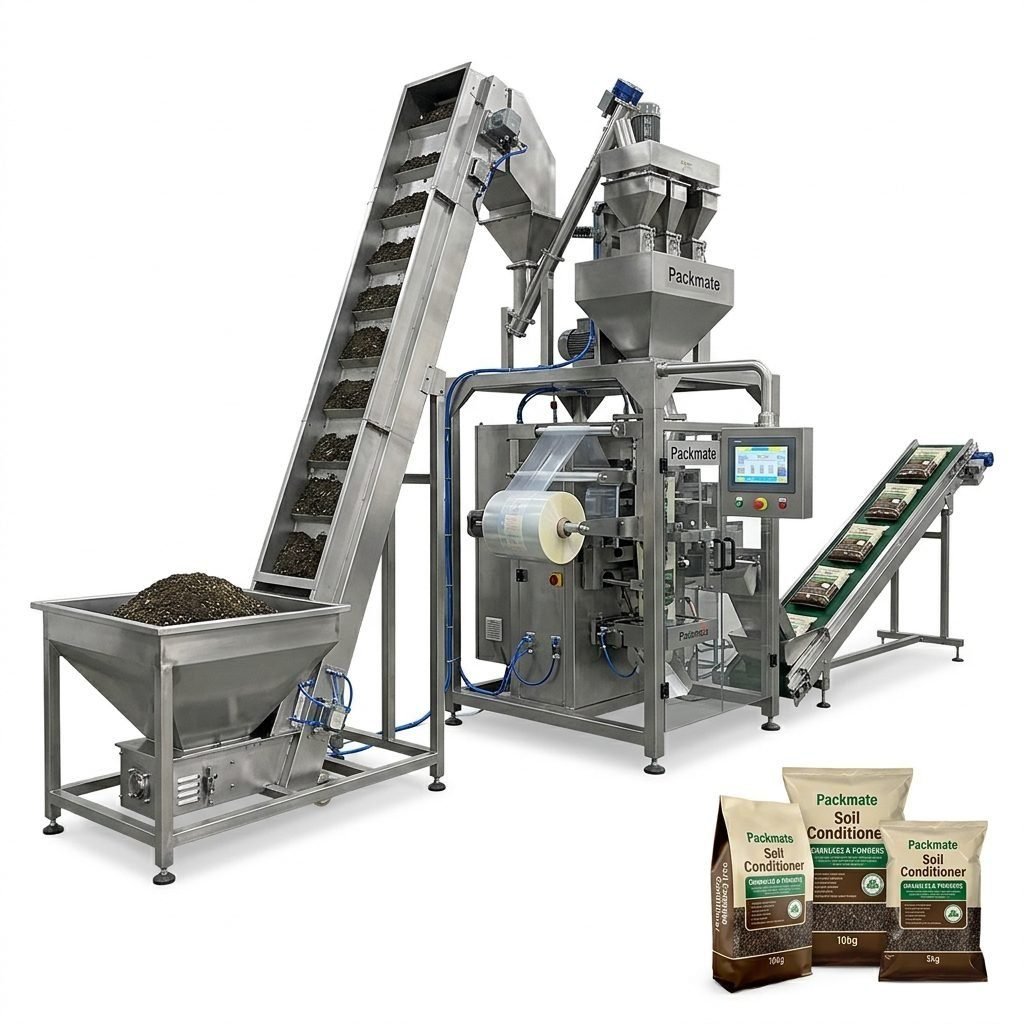
Filling Machines: Precisely dispense measured amounts of product—be it liquid, powder, granule, or paste—into pouches, bottles, or sticks. Accuracy here directly impacts product giveaways and compliance.
Form-Fill-Seal (FFS) Machines: These versatile systems form packaging from a roll of film, fill it with product, and seal it in one continuous operation. They are ideal for creating sachets and stick packs for items like condiments, pharmaceuticals, and instant beverages.
Bottling & Capping Lines: For liquid products, these lines automate the rinsing, filling, capping, and labeling of bottles or jars, ensuring high-speed throughput and hygiene.
3. Secondary and End-of-Line Packaging
Once primary packaging is complete, products are often grouped for distribution. This stage involves:
Cartoning Machines: Automatically erect cartons, insert primary packages (like multiple sachets), and close them.
Case Packers and Palletizers: These systems collate and load cartons into shipping cases and then stack cases onto pallets, ready for warehouse storage or transport. Integrating effective weighing and packaging systems at this stage ensures correct counts and weights for shipment.
Key Considerations for Selecting Your Equipment
Choosing the right machinery is a strategic decision. Beyond the basic function, several factors must be evaluated to ensure a successful, long-term investment.
Product Characteristics
The nature of your product dictates the machine specification. Is it abrasive, corrosive, viscous, or free-flowing? Equipment contact parts must be made from compatible materials like stainless steel or food-grade plastics to prevent contamination and wear.
Production Speed and Scalability
Your required output (packs per minute/hour) is a primary driver. It’s wise to select equipment that can meet not only current demand but also accommodate future growth with minimal reconfiguration. Modular systems often provide this flexibility.
Automation Level and Integration
The degree of automation ranges from semi-automatic to fully robotic lines. Higher automation reduces labor costs, minimizes human error, and increases consistency. Consider how well new equipment will integrate with your existing auxiliary packaging equipment and factory control systems.
Hygiene and Compliance Standards
Industries like food, pharmaceutical, and nutraceuticals have stringent hygiene regulations (e.g., FDA, GMP, EHEDG). Equipment must be designed for easy cleaning (CIP/SIP), with smooth surfaces and minimal crevices. Documentation and validation support are also critical.
The Role of a Trusted Manufacturing Partner
Navigating this complex landscape is challenging. Partnering with an experienced manufacturer like Packmate Machinery can transform this challenge into a strategic advantage. With over 30 years of expertise, a partner brings more than just hardware—they provide complete turnkey solutions.
This includes in-depth consultation to understand your specific needs, custom engineering for unique products, comprehensive installation and training, and reliable after-sales service. A partner with a robust portfolio, such as over 50 machine models covering everything from bag & pouch packaging to complete filling & packaging lines, ensures you get a cohesive, optimized system rather than a collection of disjointed machines.
Frequently Asked Questions (FAQs)
1. What is the most important factor when choosing packaging equipment?
The most critical factor is achieving a perfect match between the machine’s capabilities and your specific product characteristics (e.g., viscosity, particle size, abrasiveness). A mismatch here will lead to constant downtime, waste, and poor seal integrity.
2. How can I justify the investment in automated packaging machinery?
Justification comes from calculating the Total Cost of Ownership (TCO) and Return on Investment (ROI). Consider savings from reduced labor, lower material waste, increased production speed, improved product quality (leading to fewer returns), and the ability to scale operations without proportional cost increases.
3. What maintenance is required for packaging lines?
Regular preventative maintenance is essential. This typically includes daily cleaning and lubrication, weekly checks of seals and sensors, and periodic replacement of wear parts like filling nozzles, sealing jaws, and cutting blades. A good supplier will provide a detailed maintenance schedule and training.
4. Can one machine handle different package sizes or products?
Many modern machines are designed with quick-changeover features. By swapping out format parts (such as forming tubes, filling funnels, and sealing dies), a single machine can often accommodate a range of sizes and, in some cases, different product types, maximizing flexibility.
5. What support should I expect from the equipment manufacturer?
Expect comprehensive support: detailed pre-sales consultation and testing, professional installation and commissioning, thorough operator and maintenance training, ready availability of spare parts, and responsive technical support (often available remotely). A strong after-sales service is a hallmark of a reliable partner.