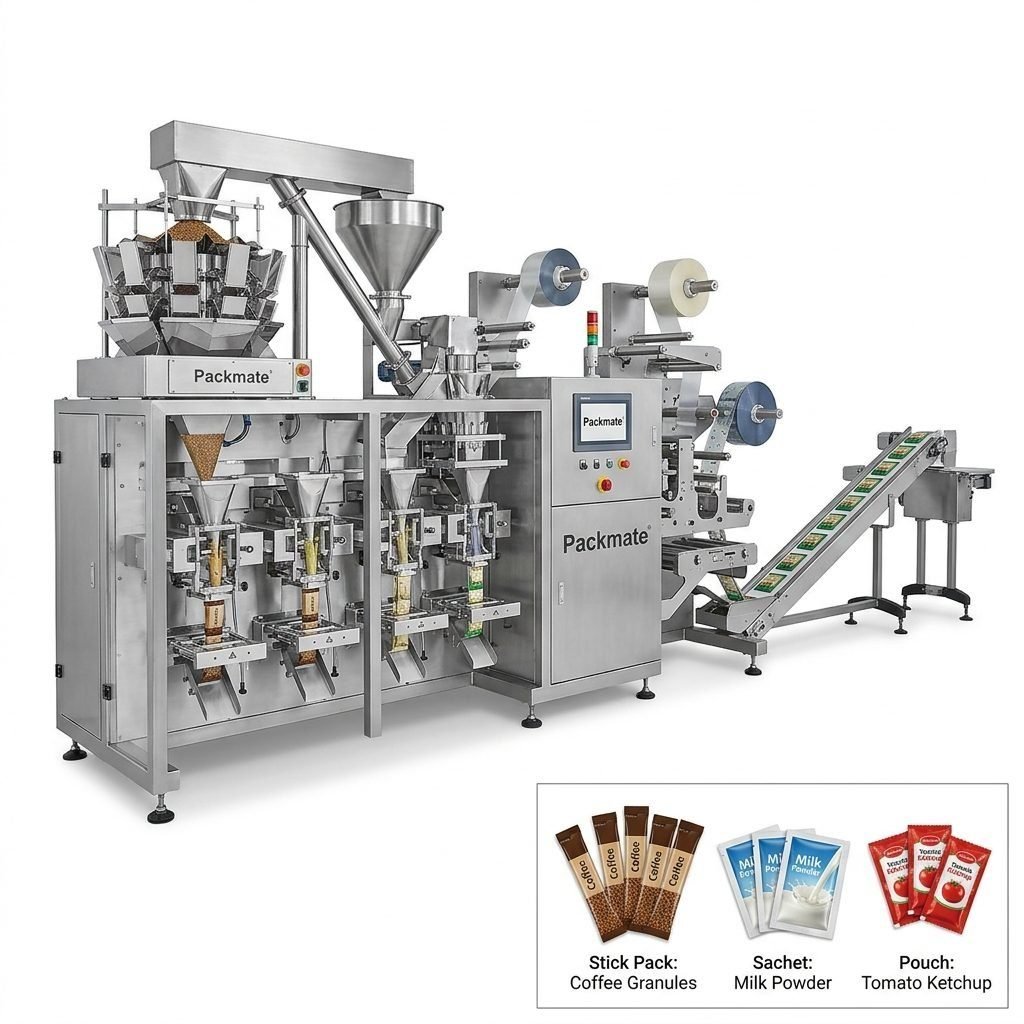
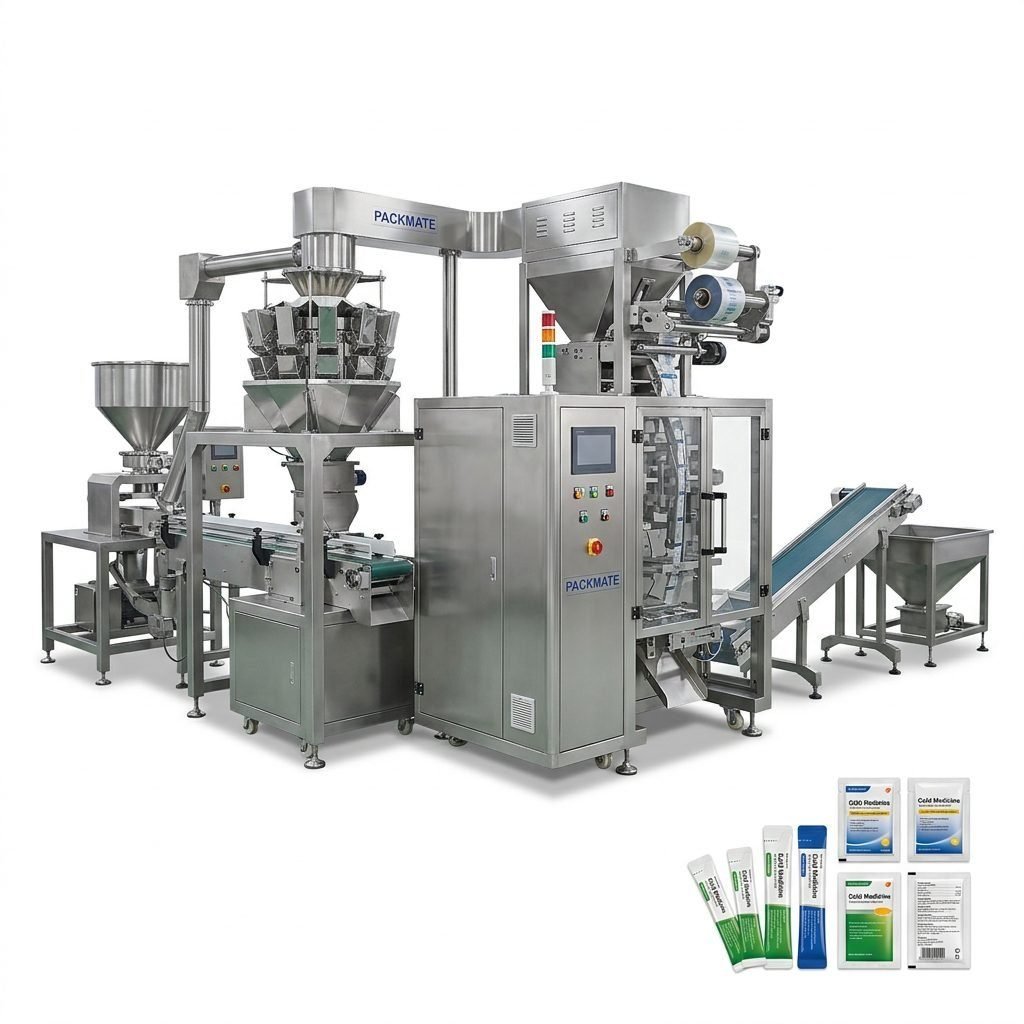
In the fast-paced world of pharmaceutical manufacturing and healthcare logistics, efficiency, accuracy, and safety are paramount. An automatic pill packaging machine stands as a cornerstone technology that addresses these critical needs. These sophisticated systems automate the process of counting, sorting, and packaging individual doses of medication, transforming bulk tablets or capsules into ready-to-distribute blister packs, sachets, or bottles. This guide delves into the various types of machines available, their extensive applications, and essential tips for making an informed purchase, ensuring your operation benefits from enhanced productivity and compliance.
Understanding Different Types of Automatic Pill Packaging Machines
The market offers a diverse range of automatic pill packaging equipment, each designed for specific output formats and production scales. Understanding these types is the first step toward selecting the right machine for your facility.
Blister Packaging Machines
These are among the most common types used in the pharmaceutical industry. Blister packaging machines form a cavity (blister) from a roll of thermoformable plastic or foil, fill it with pills, and then seal it with a lidding material, often foil. This format provides excellent product protection, tamper evidence, and easy patient compliance with clear day-of-week dosing. Machines can vary from intermittent motion for lower outputs to high-speed continuous motion models.
Strip Packaging Machines
Similar to blister packs but creating a flatter, more flexible package, strip packaging involves sealing pills between two layers of film. This method is highly efficient for packaging smaller pills and is often used for over-the-counter medications, vitamins, and lozenges. It’s a compact and cost-effective solution for many applications.
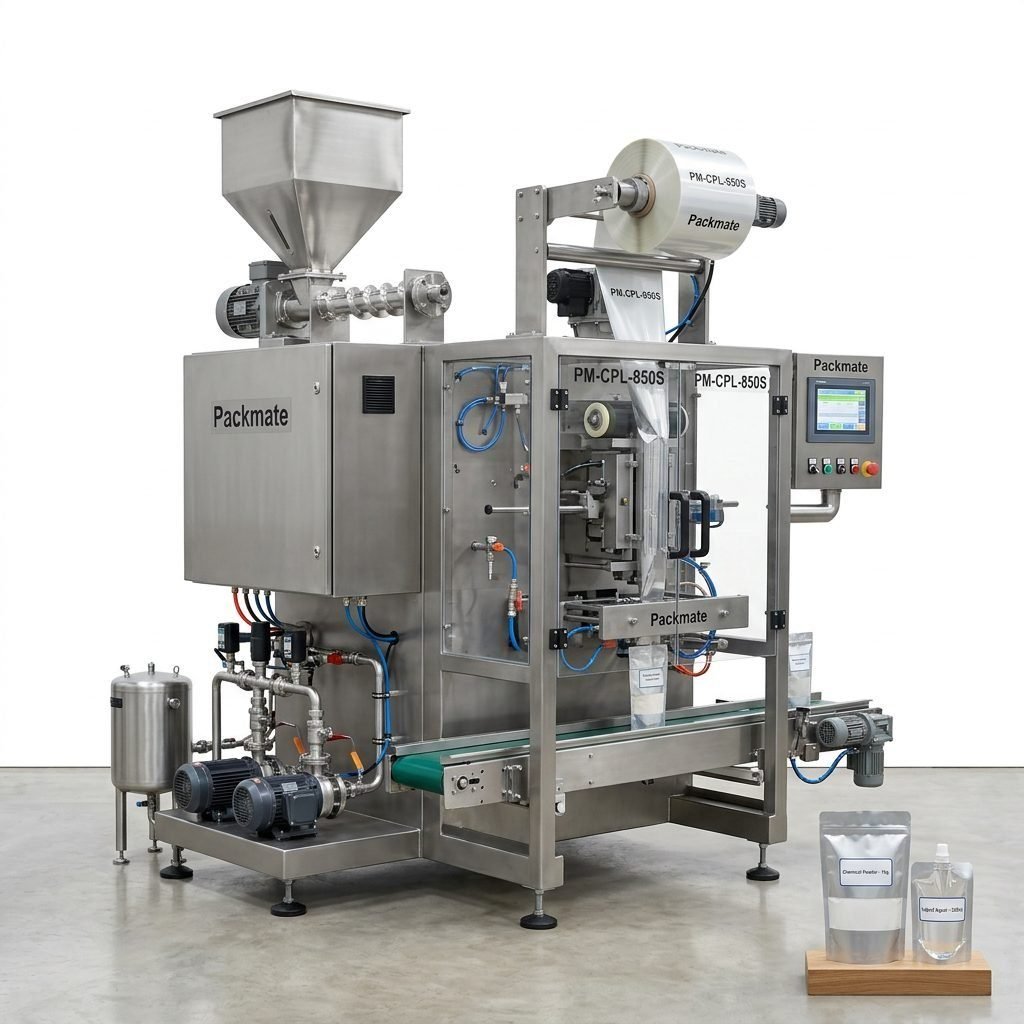
Sachet and Stick Pack Machines
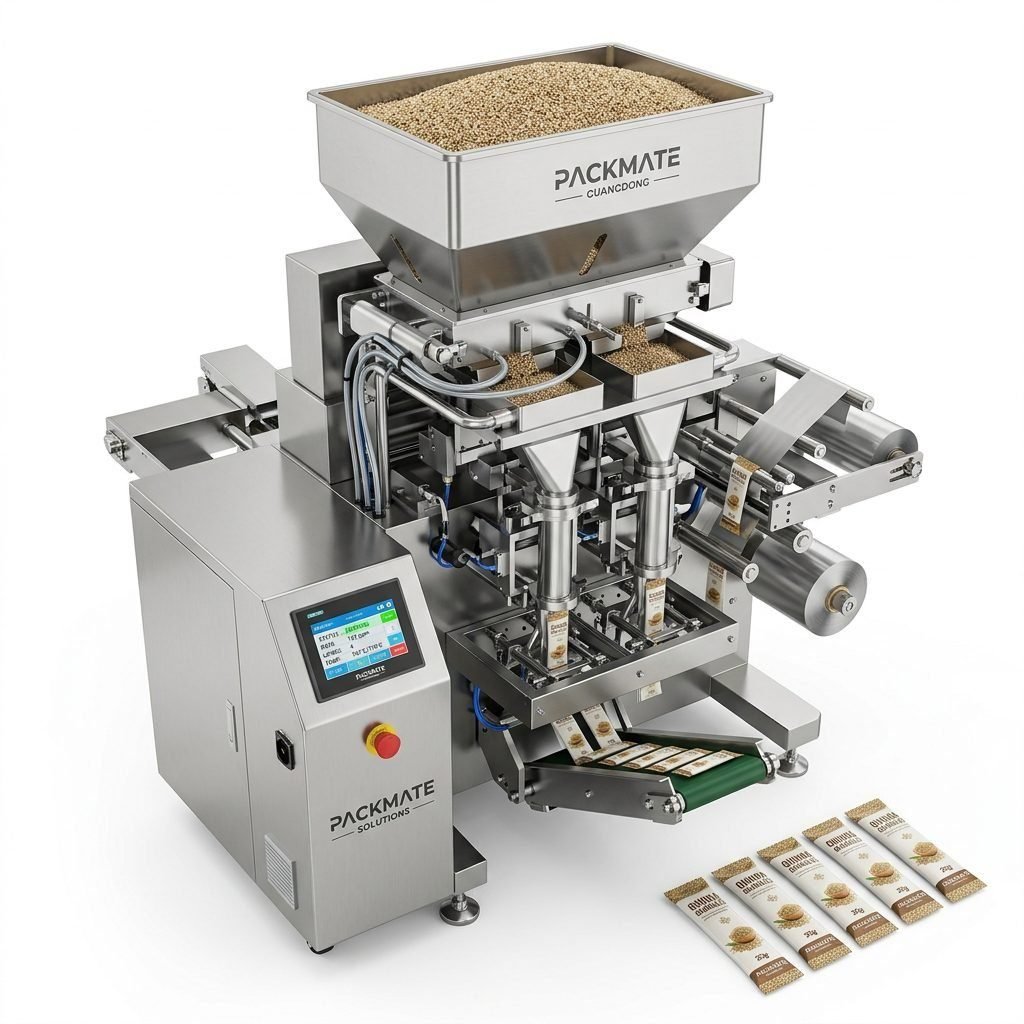
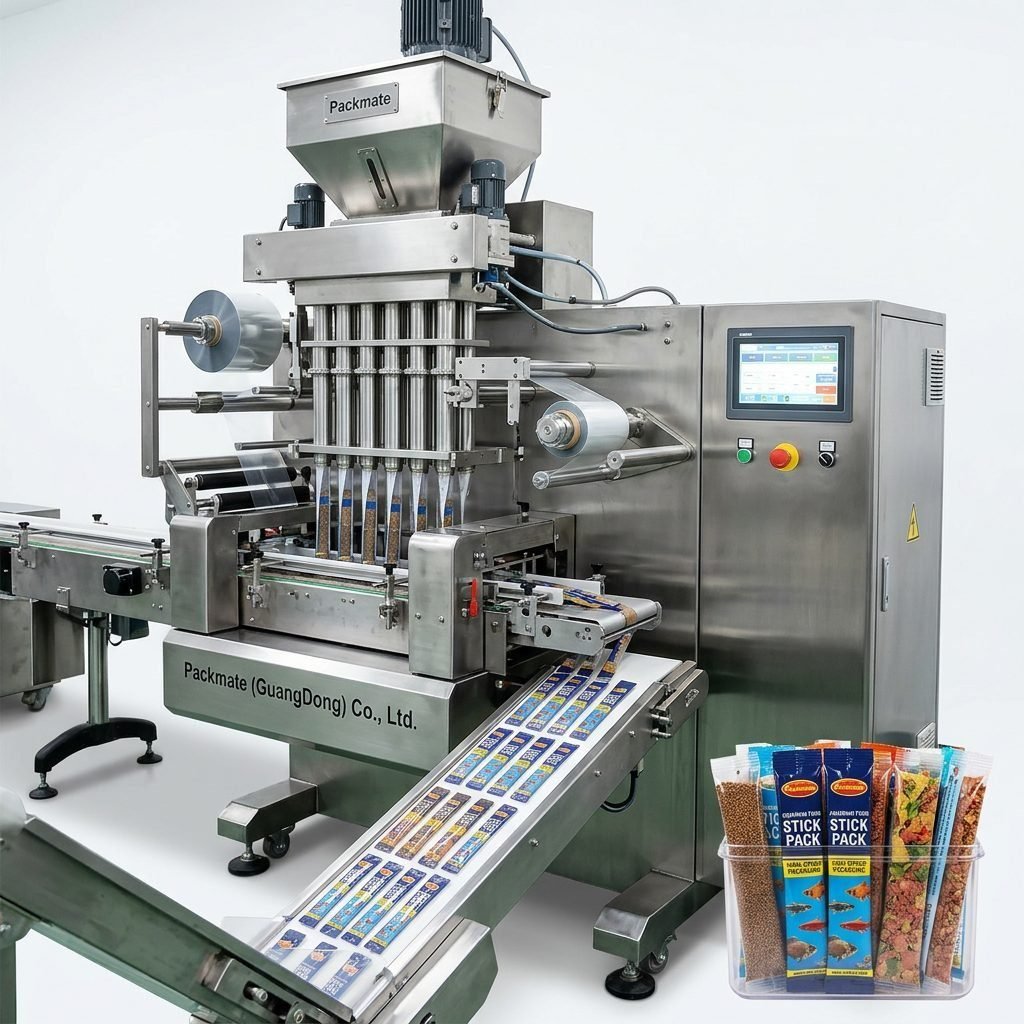
For powders, granules, or single-dose liquids derived from pills (like effervescent tablets), sachet and stick pack machines are ideal. While not for solid pills directly, they represent a crucial branch of automated dosage packaging. These machines create small, sealed pouches from roll stock film, offering precise filling and sealing for unit-dose convenience. Companies like Packmate Machinery specialize in such versatile packaging solutions for the health product industry.
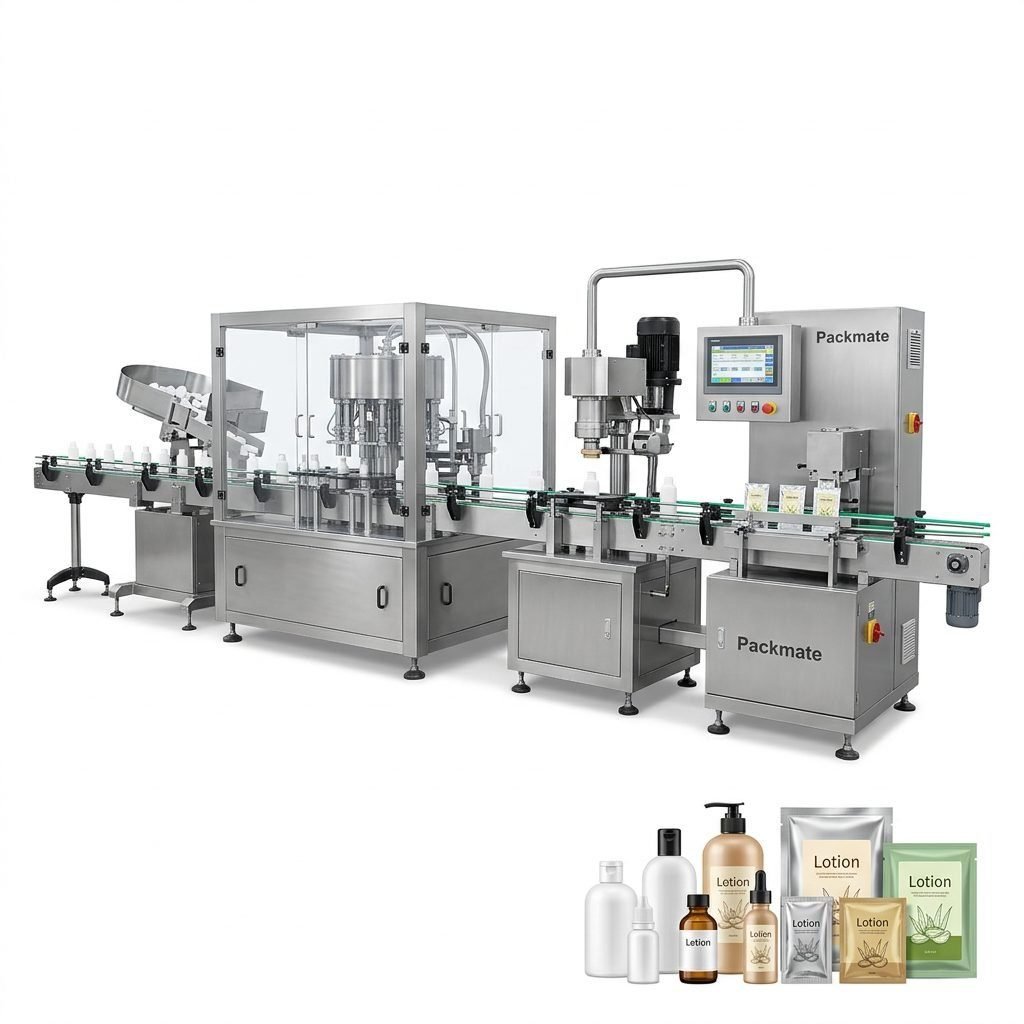
Bottle Filling and Capping Lines
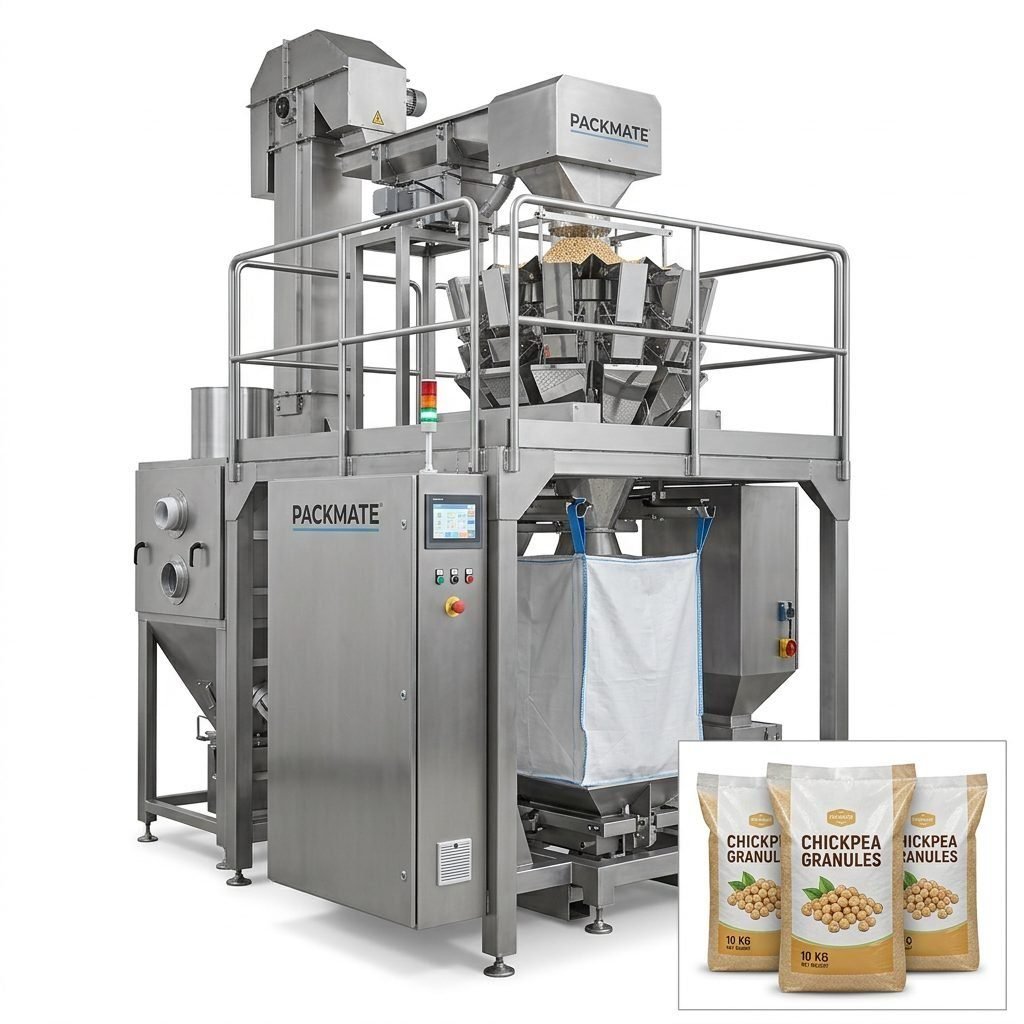
For higher-volume retail or hospital unit-dose packaging, automated lines count and fill pills directly into plastic or glass bottles. These integrated systems often include components for precise weighing, cotton insertion, capping, torquing, and labeling, creating a complete turnkey solution for bulk packaging needs.
Key Uses and Applications in Modern Industries
The application of automatic pill packaging technology extends far beyond just counting pills. It is a critical component in ensuring medication safety and operational efficiency across several sectors.
Pharmaceutical Manufacturing: This is the primary domain. Machines ensure accurate pill counts, batch consistency, and create compliant, patient-ready packages with necessary labeling and lot codes. High-speed lines are essential for large-scale production of common medications.
Contract Packaging Organizations (CPOs): CPOs rely on flexible, quick-changeover packaging machinery to serve multiple clients with different products and package designs. Versatility and reliability are key here.
Hospital Pharmacy and Unit-Dose Dispensing: Many hospitals use automated packaging to prepare daily or weekly doses for in-patients. This reduces medication errors, improves inventory control, and saves significant nursing time.
Nutraceutical and Supplement Companies: Producers of vitamins, minerals, and herbal supplements use these machines for accurate counting and professional packaging, which enhances brand credibility and product shelf life.
Clinical Trial Supply Packaging: Precision is non-negotiable. Specialized machines can package blinded medications and placebos into identical packaging for double-blind studies, ensuring trial integrity.
Essential Buying Tips for Your Investment
Purchasing an automatic pill packaging machine is a significant capital investment. Careful consideration of the following factors will ensure you select equipment that delivers a strong return on investment and meets your long-term needs.
1. Assess Your Production Requirements
Begin with a clear analysis of your needs. What is your required output speed (pills per minute or packs per minute)? What pill sizes and shapes must you handle? What packaging materials (film types, foil, bottle sizes) will you use? Defining these parameters narrows down the machine type and model significantly.
2. Prioritize Accuracy and Changeover Flexibility
Counting accuracy is critical, especially for prescription drugs. Look for machines with high-precision counting mechanisms (like vision systems or precise weigh cells). Equally important is changeover time. If you run multiple products, a machine that allows quick tooling and format changes minimizes downtime and boosts overall equipment effectiveness (OEE).
3. Consider Compliance and Safety Features
The machine must help you comply with relevant regulations (e.g., FDA, cGMP). Features like stainless-steel contact parts, easy-clean designs, and comprehensive documentation are essential. Safety guards, emergency stops, and interlocks protect your operators. Data integrity features for tracking and tracing production batches are increasingly important.
4. Evaluate the Manufacturer’s Reputation and Support
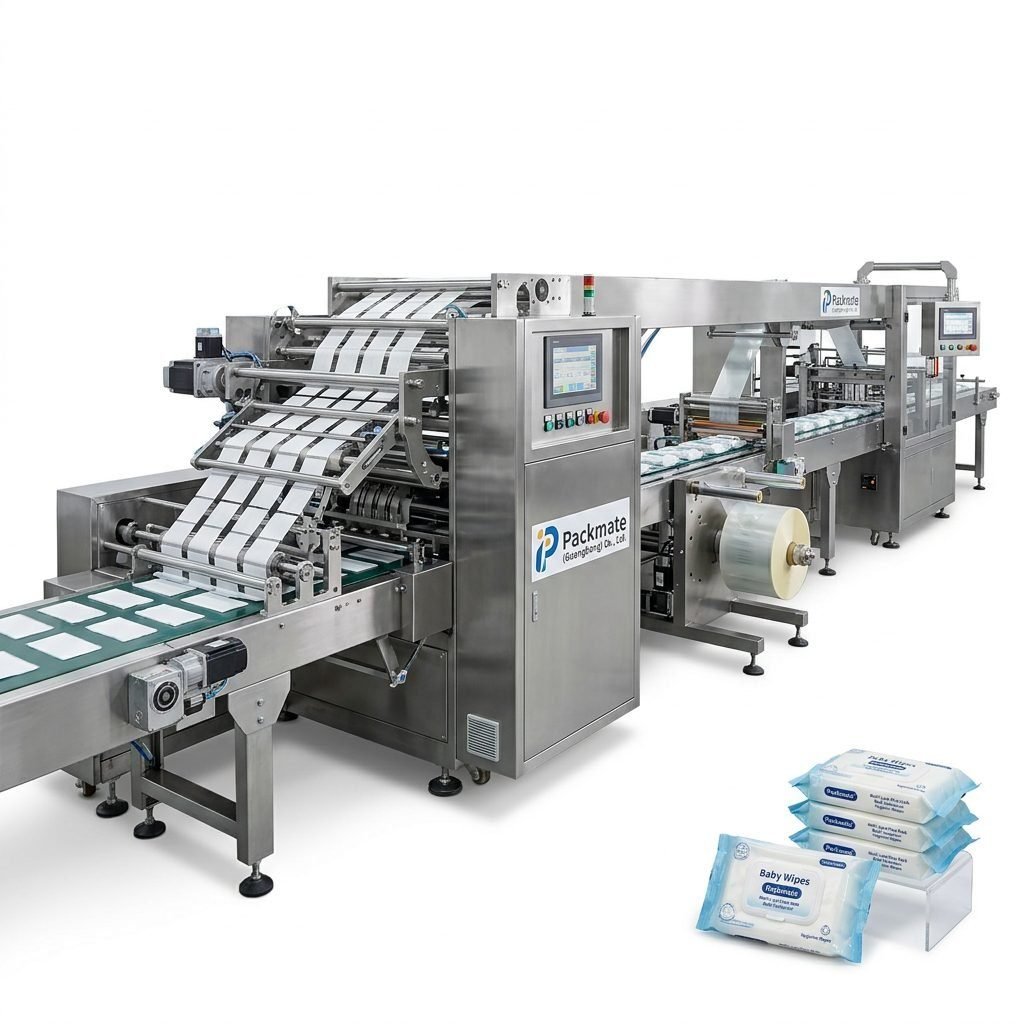
The machine is only as good as the company behind it. Choose a manufacturer with a proven track record, like Packmate (GuangDong) Co., Ltd., which brings over two decades of expertise in intelligent packaging. Review their case studies and client list. Crucially, assess their after-sales support: availability of spare parts, technical service, training, and warranty terms. A reliable partner ensures your machine remains productive for years.
5. Analyze Total Cost of Ownership (TCO)
Look beyond the initial purchase price. Consider operational costs (energy consumption, compressed air), maintenance costs, material waste rates, and potential costs for future upgrades. A slightly more expensive machine with higher efficiency and lower waste can have a much lower TCO over its lifespan.
Integration and Future-Proofing Your Packaging Line
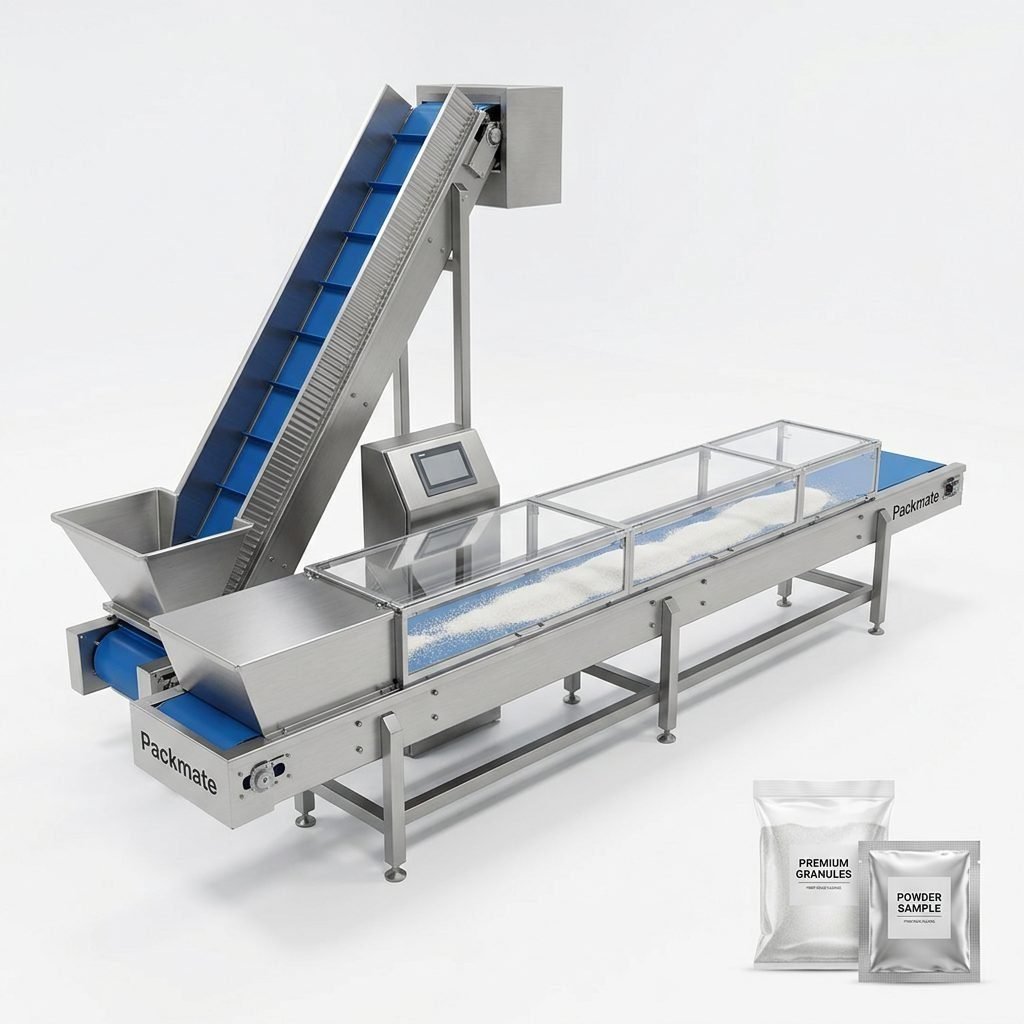
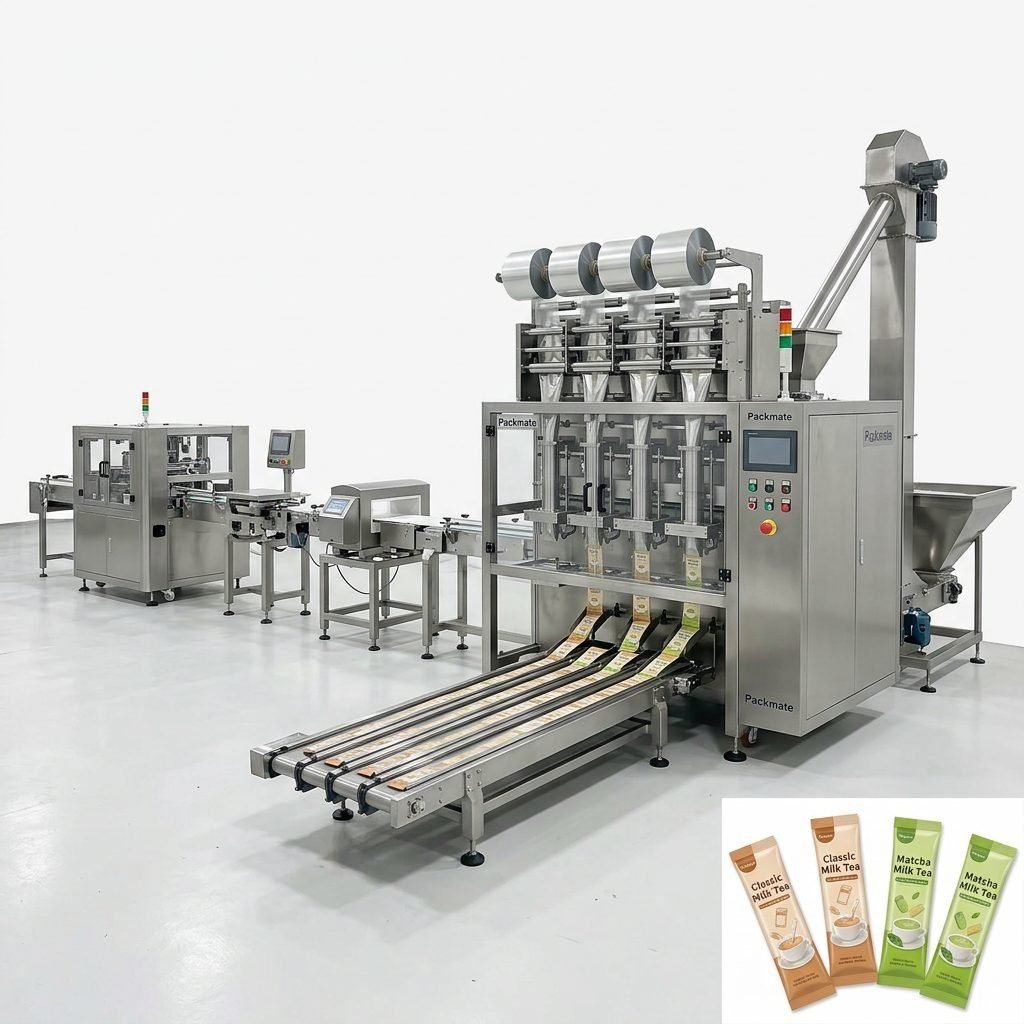
An automatic pill packager rarely works in isolation. It is typically part of a larger integrated packaging line. Consider how it will connect with upstream equipment (like tablet presses or conveyors) and downstream systems (like cartoners, case packers, or palletizers). Modern machines with Industry 4.0 capabilities, such as IoT connectivity for predictive maintenance and data exchange with Manufacturing Execution Systems (MES), offer significant advantages in monitoring, optimization, and future scalability.
Frequently Asked Questions (FAQs)
What is the typical speed range of an automatic pill packaging machine?
Speeds vary widely based on type and complexity. Basic tabletop blister packers may run at 60-100 packs per minute, while high-speed continuous motion blister lines can exceed 400 packs per minute. Bottle fillers can count and fill tens of thousands of pills per hour.
How do these machines handle different pill shapes and sizes?
Machines use changeable parts like counting discs, slats, or vibratory trays designed for specific pill dimensions. Advanced models with vision systems or adjustable mechanisms can handle a broader range of sizes with minimal changeover.
What are the main maintenance requirements?
Regular maintenance includes daily cleaning to prevent cross-contamination, lubrication of moving parts as per the manual, inspection and replacement of wear parts like sealing jaws or cutting blades, and calibration of sensors and scales.
Can one machine package both tablets and capsules?
Many machines are versatile, but it often requires a changeover of the feeding and counting mechanism. It’s crucial to confirm the machine’s capability and the required changeover time with the manufacturer before purchase.
What training is required for operators?
Reputable suppliers provide comprehensive training covering machine operation, routine maintenance, troubleshooting common faults, and safety procedures. This is essential for ensuring efficient and safe use of the equipment.