Choosing the right bagel packaging machine is a critical decision for any bakery, large or small. The right equipment not only protects your product’s freshness and quality but also streamlines your operation, enhances brand presentation, and can significantly impact your bottom line. This comprehensive guide will walk you through the different types of bagel packaging machines, their key features, and essential buying tips to help you make an informed investment.
Understanding the Different Types of Bagel Packaging Machines
The market offers various packaging solutions tailored to different production scales, bagel types, and packaging materials. Selecting the correct type is the first step toward an efficient packaging line.
Vertical Form-Fill-Seal (VFFS) Machines
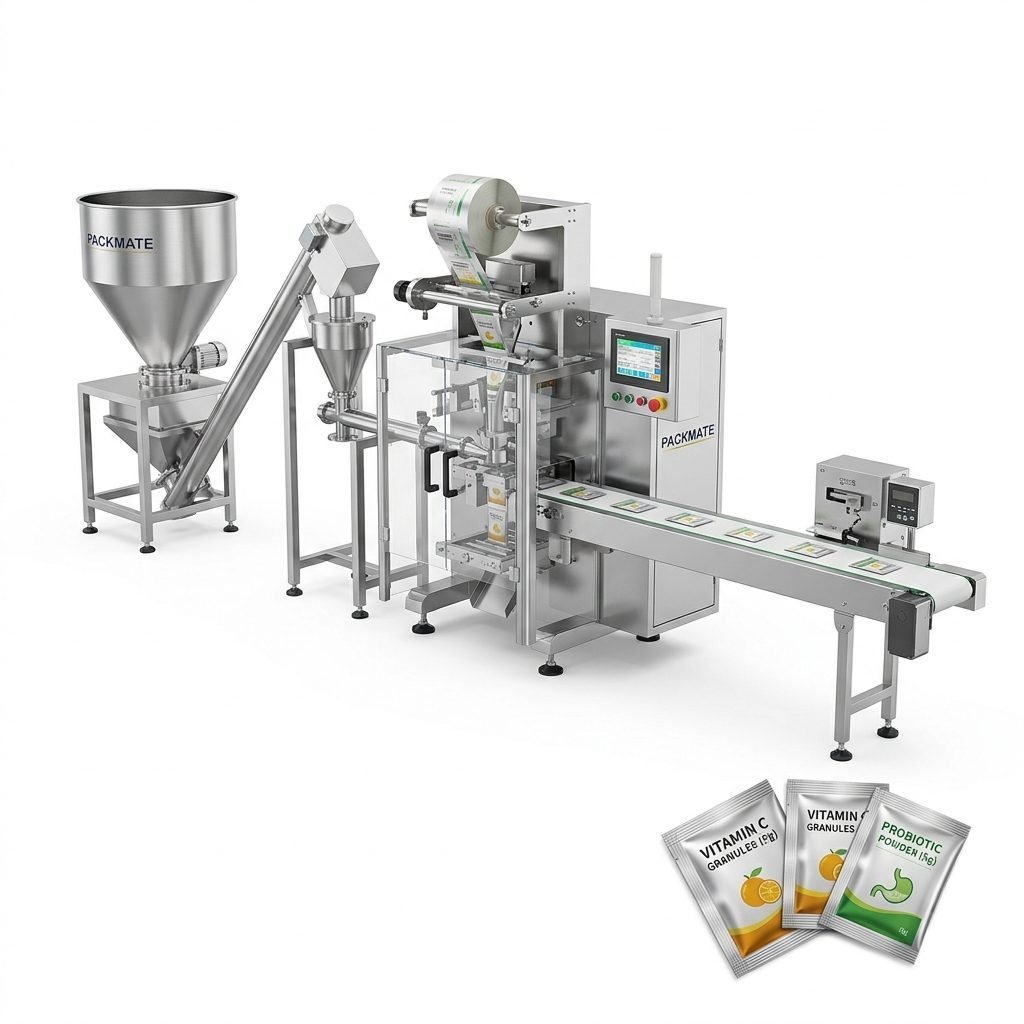
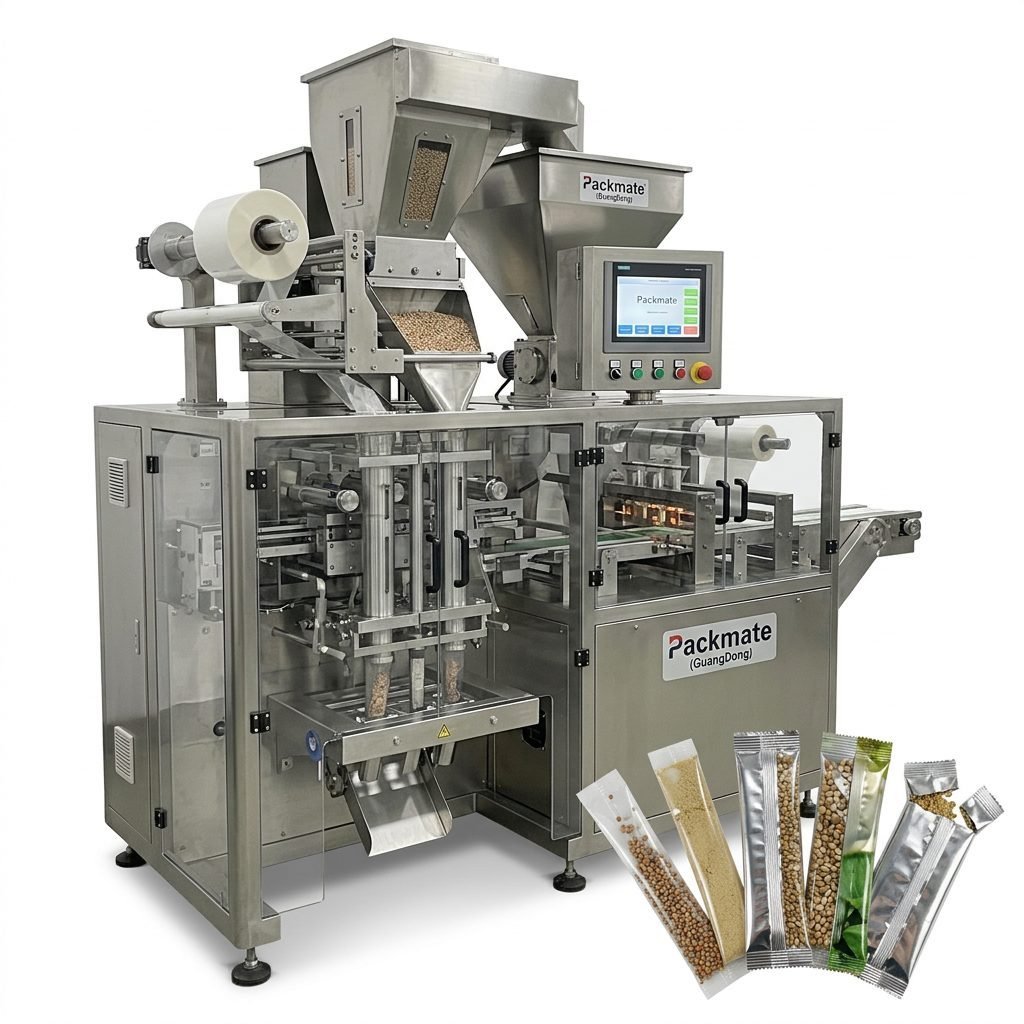
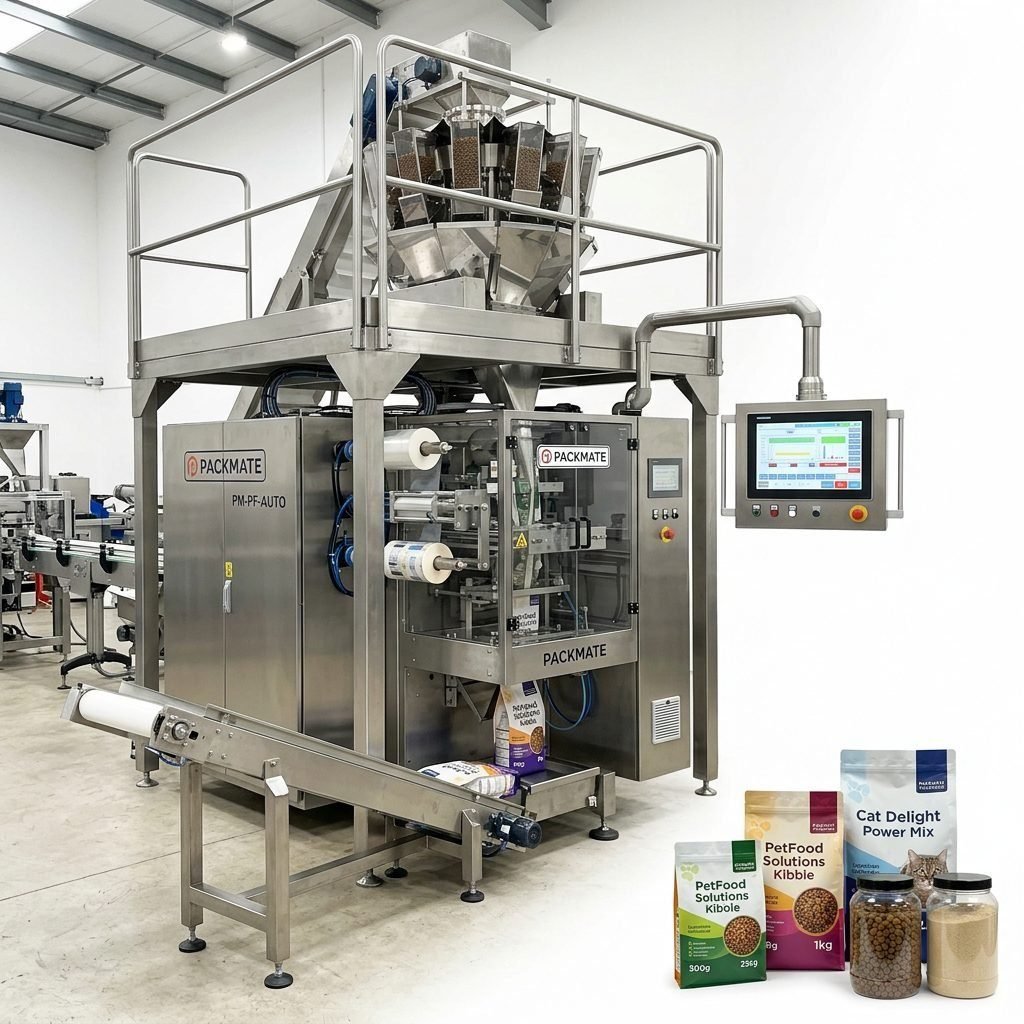
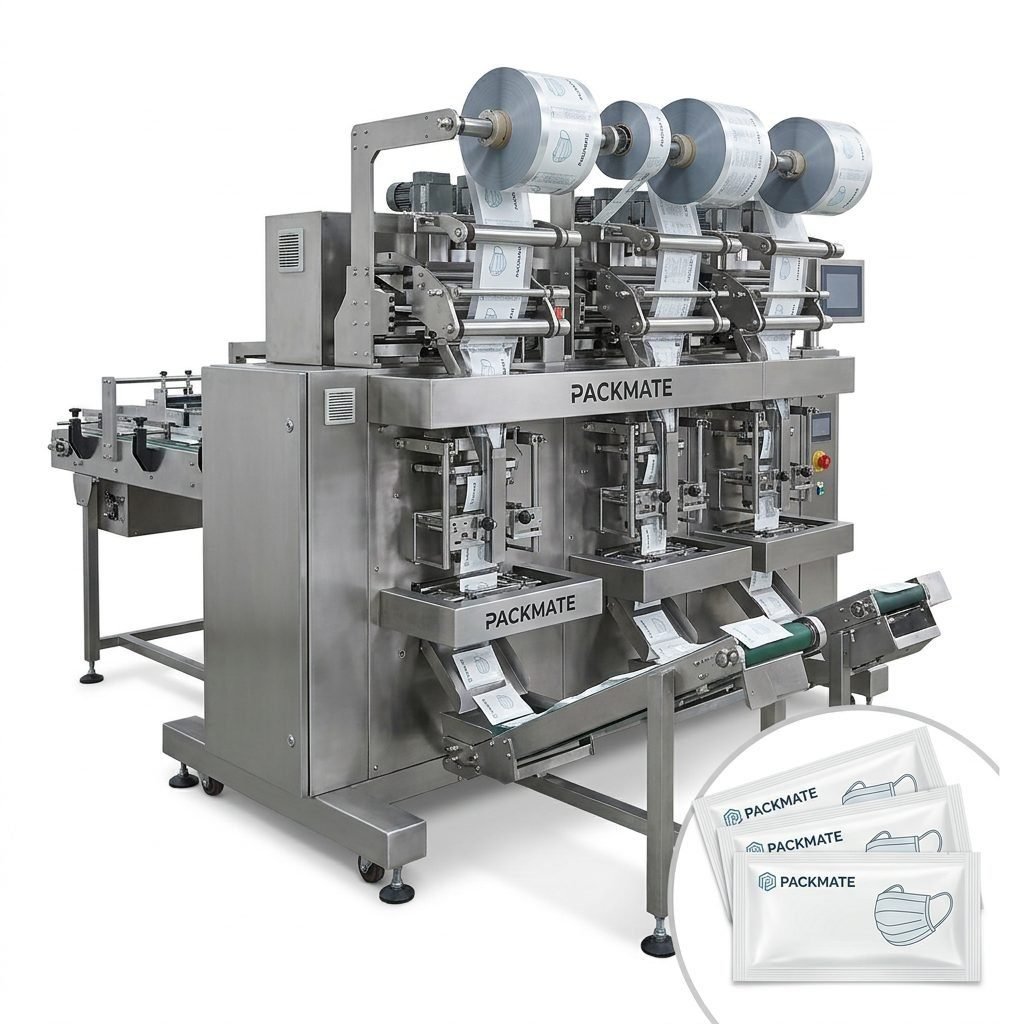
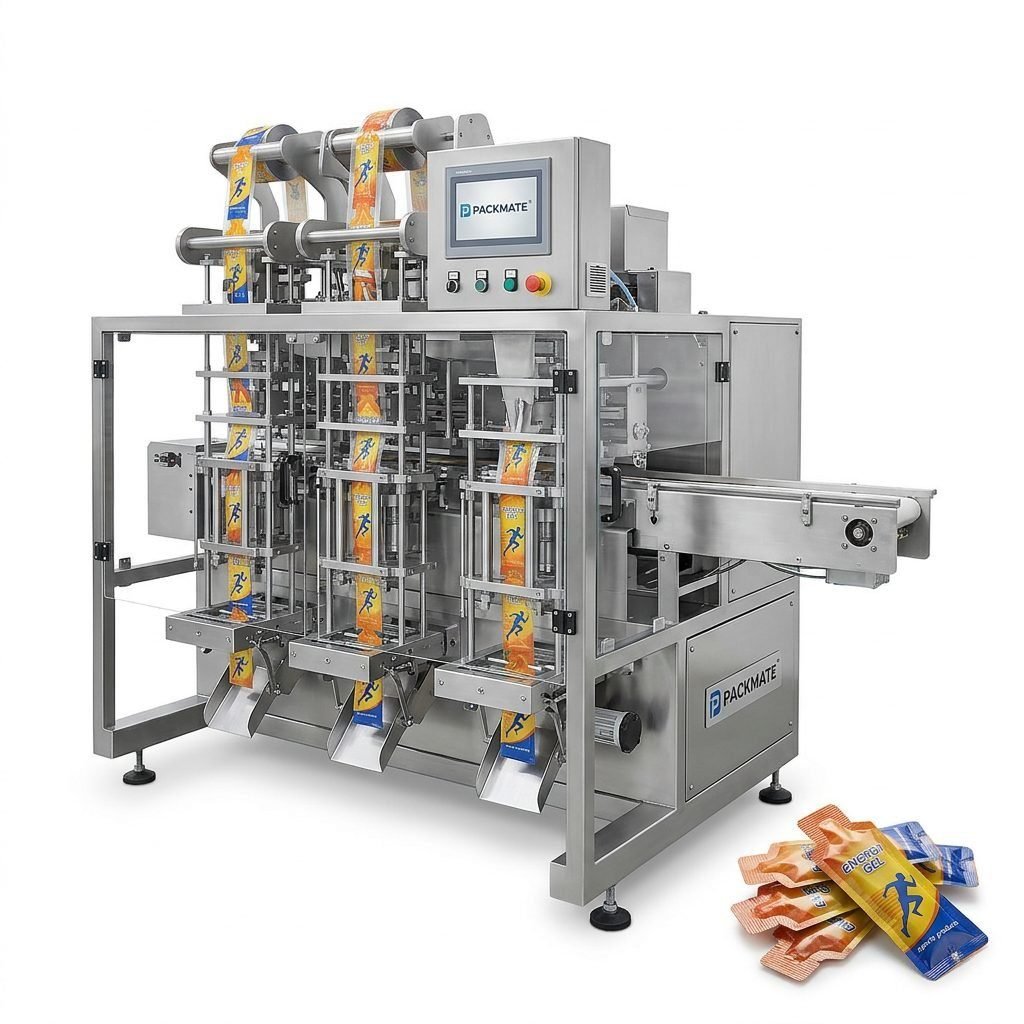
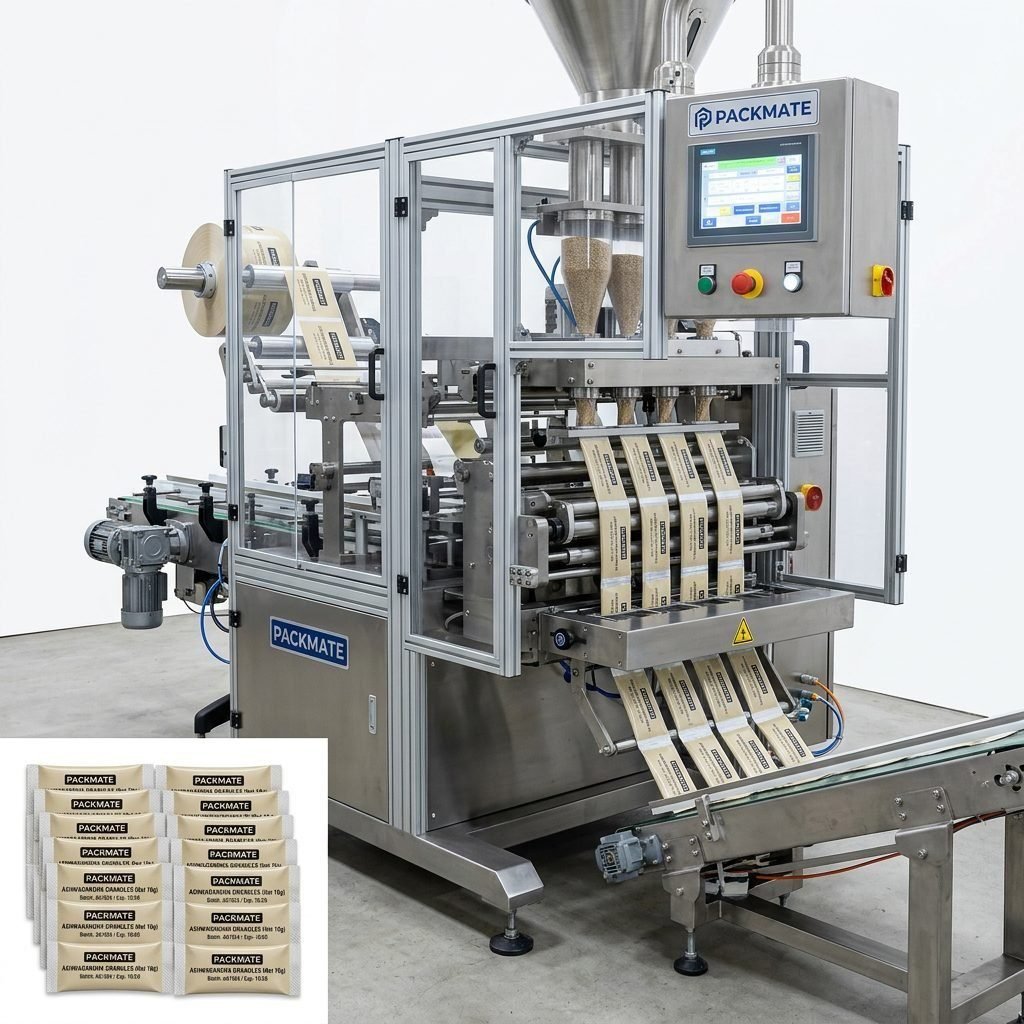
These are among the most common and versatile machines for food packaging. A VFFS machine forms a bag from a roll of flat packaging film, fills it with the product (in this case, bagels), and then seals it. They are excellent for high-volume production and can handle various bag styles, such as pillow bags or gusseted bags. For bakeries producing large quantities of standard bagels, a VFFS system integrated with the right weighing system offers exceptional speed and consistency.
Horizontal Flow Wrappers
If your bagels are individually wrapped or placed in small clusters, horizontal flow wrappers are ideal. This machine type uses a flat film that wraps around the product, creating a tight, neat seal on the bottom. It’s perfect for creating see-through packaging that showcases the bagel, often used for retail-ready packs. The seal is robust and provides a good barrier against moisture loss.
Tray Sealing Machines
For premium bagel offerings, multi-packs, or bagels sold with accompaniments like cream cheese, tray sealing is a superior choice. This process involves placing bagels on a pre-formed plastic or pulp tray and then sealing a lidding film over the top. It offers the highest level of product protection and presentation, preventing crushing and allowing for attractive, shelf-ready packaging.
Key Takeaway:
Your choice between VFFS, horizontal wrapping, and tray sealing depends heavily on your desired package style, production volume, and the level of product protection required. High-speed bulk packaging favors VFFS, while consumer-ready retail packs often use flow wrapping or tray sealing.
Essential Features to Look For in a Bagel Packaging Machine
Beyond the machine type, specific features determine efficiency, flexibility, and reliability. Here are the critical aspects to evaluate.
Gentle Product Handling
Bagels are delicate and can be easily deformed or damaged. A quality machine must have gentle infeed systems, soft-drop mechanisms, and carefully designed conveying paths to maintain the bagel’s perfect shape and texture from the production line into the package.
Versatility in Bag Size and Film
Your product line may evolve. A machine that can handle a range of bagel sizes (from mini to jumbo) and different packaging films (such as polypropylene, polyethylene, or biodegradable options) provides long-term value. Look for machines with easy-to-adjust sealing jaws and film guides to minimize changeover time.
Advanced Sealing Technology
The seal is what keeps your bagels fresh. Look for machines with precise temperature control on their sealing jaws to ensure strong, consistent seals without burning the film. Some advanced models offer cool-seal technology or laser sealing for particularly sensitive materials, guaranteeing perfect closure every time.
Integration Capabilities
Your packaging machine should not be an island. It needs to integrate seamlessly with upstream equipment (like bagel coolers or slicers) and downstream systems (like case packers or labeling machines). Compatibility with auxiliary packaging equipment is crucial for building a complete, automated packaging line.
Hygienic Design and Easy Cleaning
Food safety is non-negotiable. Machines designed with smooth, stainless-steel surfaces, minimal crevices, and easy-access panels for cleaning will help you meet the highest hygiene standards and reduce downtime for sanitation.
Critical Buying Tips for Your Investment
Purchasing a packaging machine is a significant capital expenditure. These tips will guide you toward a successful purchase that meets your needs for years to come.
1. Accurately Define Your Requirements
Before speaking with suppliers, have clear answers: What is your current and projected production speed (bags per minute)? What are the exact dimensions of your bagels and your desired package size? What type of packaging material do you want to use? A clear brief prevents you from overbuying or underbuying.
2. Prioritize Reliability and After-Sales Support
Machine downtime is lost revenue. Investigate the manufacturer’s reputation for building durable machines. Crucially, assess their after-sales service: Is there local technical support? What are the lead times for spare parts? A reliable partner like Packmate Machinery, with over two decades of experience, provides not just equipment but peace of mind.
3. Request a Live Product Test
Never buy based on specifications alone. Always send samples of your actual bagels and packaging film to the manufacturer for a live demonstration or factory acceptance test. This is the only way to verify the machine’s gentle handling, sealing quality, and speed with your specific product.
4. Consider Total Cost of Ownership (TCO)
The purchase price is just the beginning. Factor in the costs of installation, training, maintenance, utilities (compressed air, power), and ongoing film consumption. A slightly more expensive machine with higher efficiency and lower film waste can have a much lower TCO over five years.
5. Plan for the Future
Choose a machine and a supplier that can grow with you. Can the machine be upgraded later? Does the manufacturer offer a broader range of packaging machines for other products? Investing with future expansion in mind protects your capital in the long run.
Selecting the ideal bagel packaging machine requires a careful balance of technical specifications, operational needs, and strategic foresight. By thoroughly understanding the machine types, insisting on critical features like gentle handling and strong sealing, and following a disciplined buying process that includes product testing and evaluating support, you can secure an asset that boosts your productivity, protects your product quality, and enhances your brand on the shelf. Partnering with an experienced manufacturer with a proven track record is the final, essential step to ensuring a successful automation journey for your bakery.
Frequently Asked Questions (FAQ)
What is the typical speed range for a bagel packaging machine?
Speeds vary widely by machine type. A standard vertical form-fill-seal machine can typically package 30 to 80 bags per minute, depending on bag size and complexity. Horizontal wrappers for individual bagels can reach over 100 packs per minute. Your required speed should be based on your production line’s output.
Can one machine handle different sizes of bagels?
Yes, most modern machines are designed for flexibility. However, changing product sizes requires a changeover procedure that may involve adjusting the film width, forming tools, sealing jaws, and infeed guides. Look for machines with “quick-change” features to minimize this downtime, which can range from 15 minutes to an hour.
What packaging film is best for keeping bagels fresh?
For optimal freshness, a film with good moisture barrier properties is essential. Biaxially Oriented Polypropylene (BOPP) and Polyethylene (PE) laminates are very common. For a higher barrier, consider films with metallized or polyvinylidene chloride (PVDC) coatings. Your machine supplier can recommend films compatible with their sealing system.
How important is machine sanitation, and how is it done?
Extremely important for food safety and product quality. A hygienic design is key. Daily sanitation involves disconnecting power, removing product debris, and wiping down all food-contact surfaces with approved cleaners. Machines designed with smooth contours and easy-to-remove parts significantly simplify and speed up this critical process.
What kind of maintenance does a bagel packaging machine require?
Regular maintenance is vital for reliability. This includes daily cleaning, weekly checks and lubrication of moving parts (as per the manual), and periodic inspection/replacement of wear items like sealing jaws, cutting blades, and drive belts. A comprehensive service contract from your supplier is highly recommended to ensure optimal uptime.