In the competitive world of bakery production, efficiency isn’t just a goal—it’s a necessity for survival and growth. The final step of packaging, often overlooked, is a critical point where speed, hygiene, and presentation converge. Selecting the best bakery product packaging machines is paramount for ensuring product freshness, minimizing waste, and maximizing output to meet market demands. This guide delves into the key features and considerations for choosing machinery that drives efficient production lines, helping bakeries of all scales optimize their operations.
The Core Role of Packaging in Bakery Efficiency
Packaging serves as the protective shield for your delicate baked goods, from crusty artisan bread and flaky pastries to soft cakes and cookies. An efficient packaging machine does more than just wrap; it integrates seamlessly into your production flow, reducing manual handling, ensuring consistent seal quality, and significantly speeding up the time-to-market. For high-volume producers, this means the ability to fulfill large orders reliably. For smaller artisanal bakeries, it means maintaining quality while scaling up production without compromising the handmade essence. The right machine acts as a force multiplier, turning your baking prowess into packaged, shelf-ready products with remarkable speed and precision.
Key Features of High-Efficiency Bakery Packaging Machines
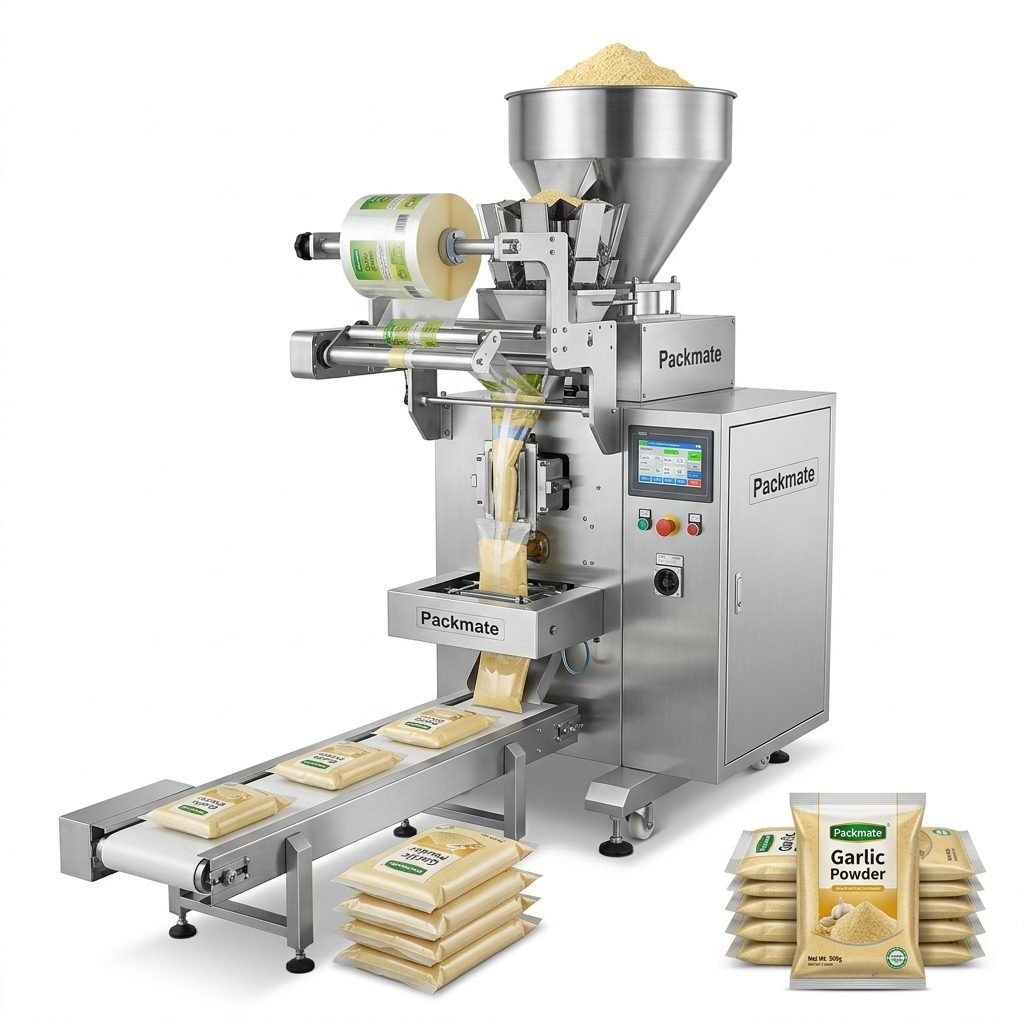
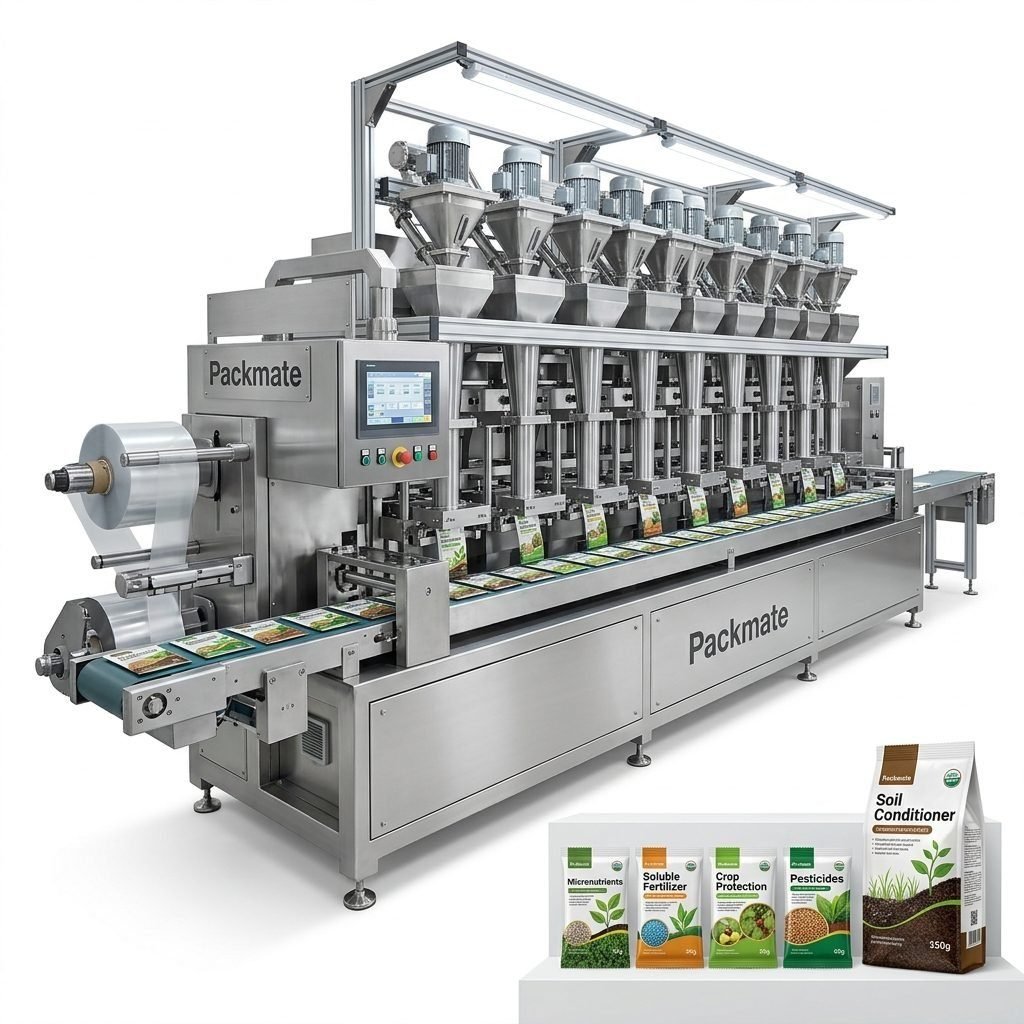
When evaluating machinery, several technical features directly impact production efficiency. Look for systems with high-speed operation capabilities, often measured in packs per minute (PPM). Modern machines offer quick changeover systems, allowing you to switch between different product sizes or packaging materials with minimal downtime—a crucial feature for bakeries with diverse product lines. Precision weighing and filling systems are non-negotiable for portion control and compliance with labeling regulations. Furthermore, machines constructed with food-grade stainless steel not only meet hygiene standards but also ensure durability and ease of cleaning, maintaining a strict sanitary environment. To explore a range of such integrated systems, you can review advanced filling and packaging lines designed for seamless operation.
Material Compatibility & Flexibility
A top-tier machine offers versatility in handling various packaging materials. Whether you use recyclable paper, biodegradable films, or high-barrier plastics for extended freshness, the machine should form, fill, and seal these materials reliably. This flexibility future-proofs your investment against changing consumer preferences and sustainability regulations.
Types of Machines for Different Bakery Products
The “best” machine is inherently tied to your specific product type. Here’s a breakdown:
For Bread and Buns: Vertical form-fill-seal (VFFS) machines are industry workhorses. They create bags from a roll of film, automatically fill them with products like rolls or sliced bread, and seal them. Look for models with gentle product handling to avoid crushing.
For Pastries, Cakes, and Snacks: Tray sealing machines or horizontal flow wrappers are ideal. They can handle pre-formed trays or wrap individual items like muffins, croissants, or snack bars in airtight packaging, excellent for preserving moisture and texture.
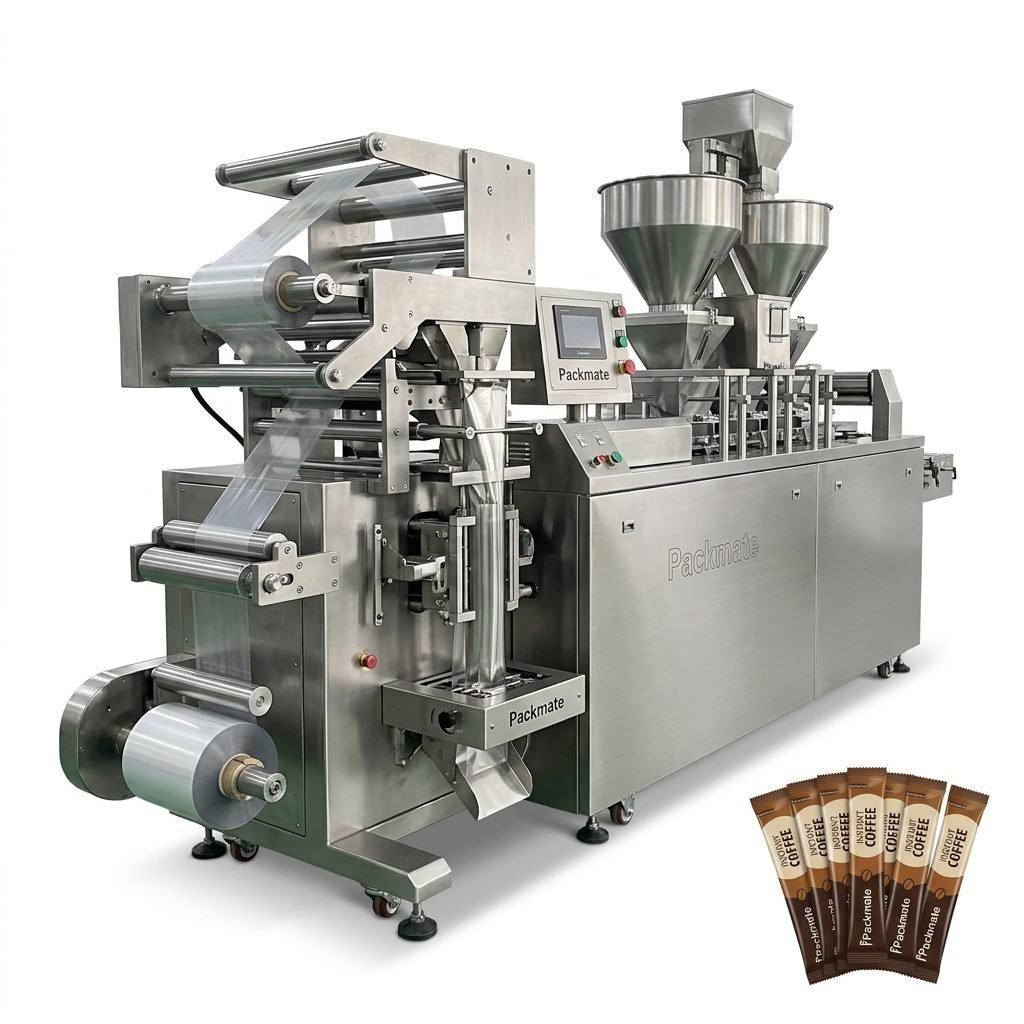
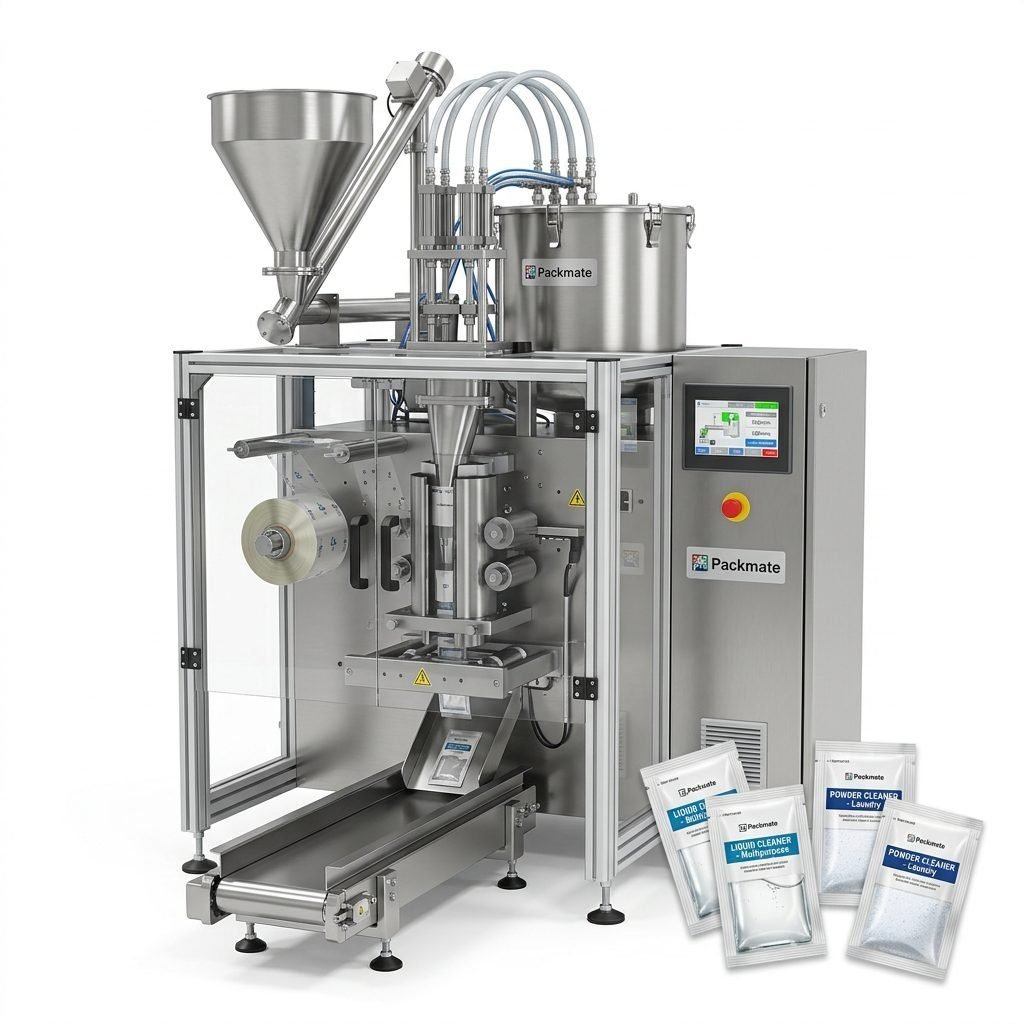
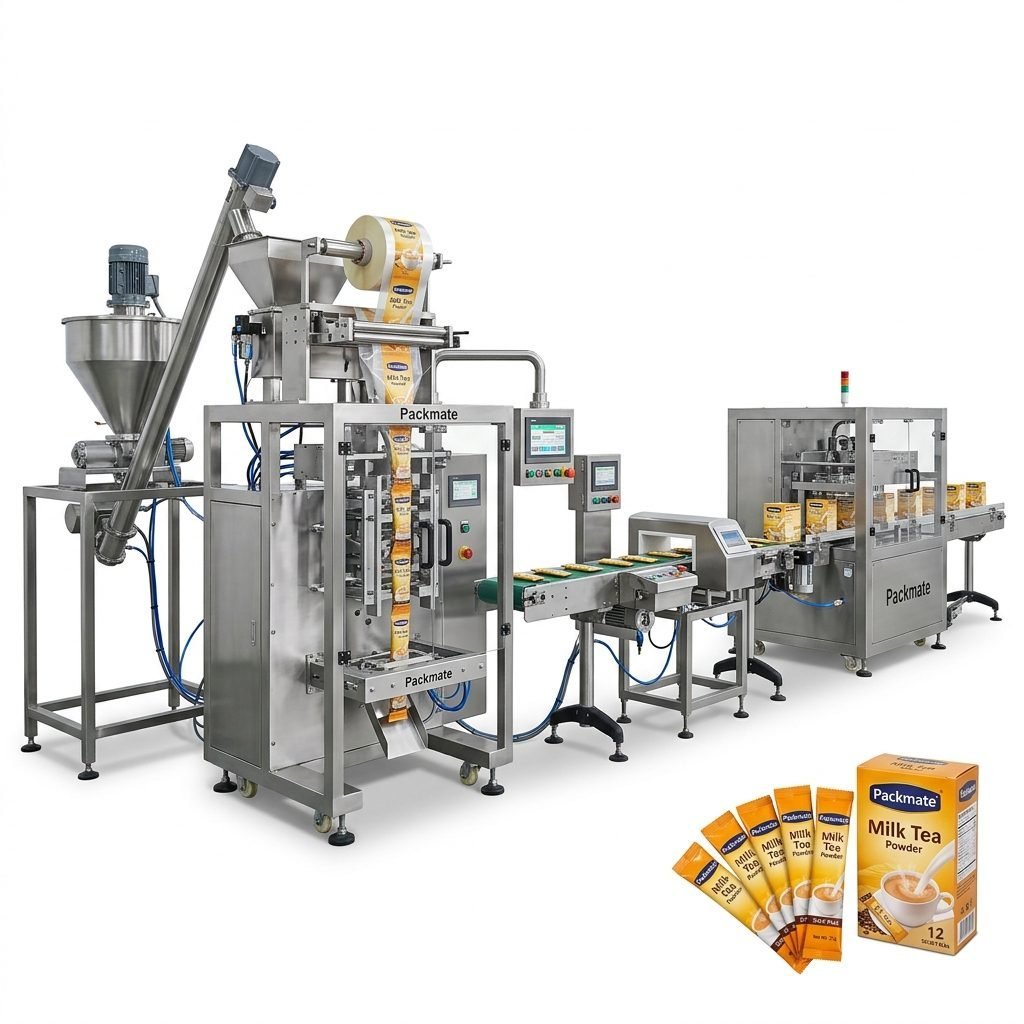
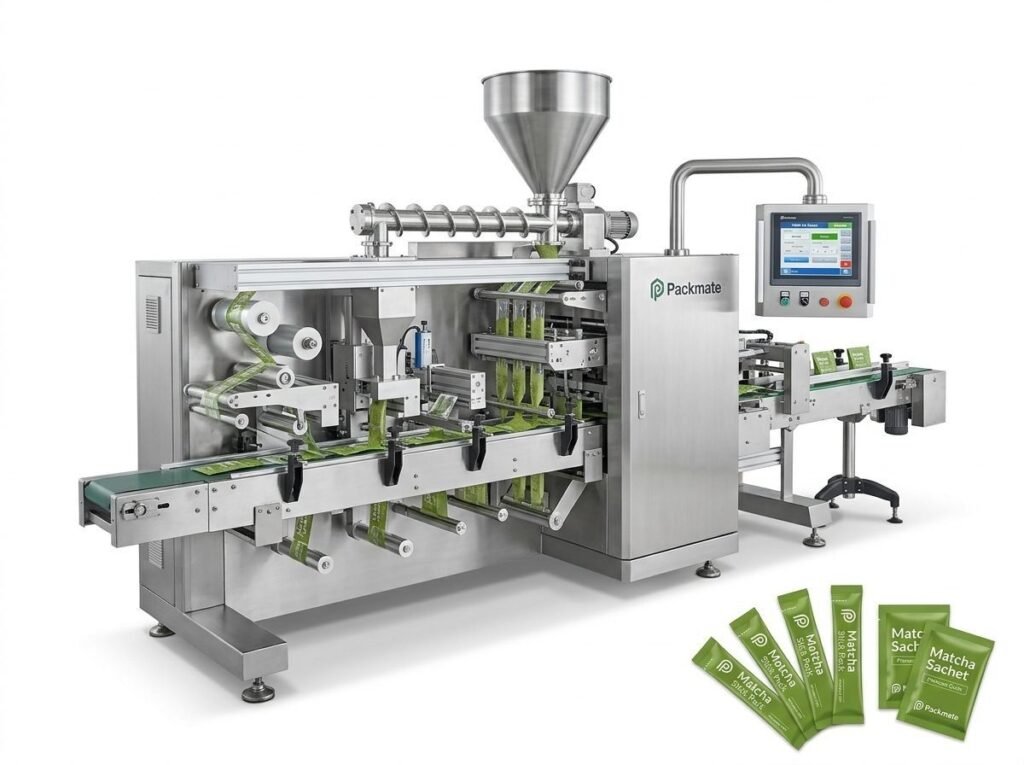
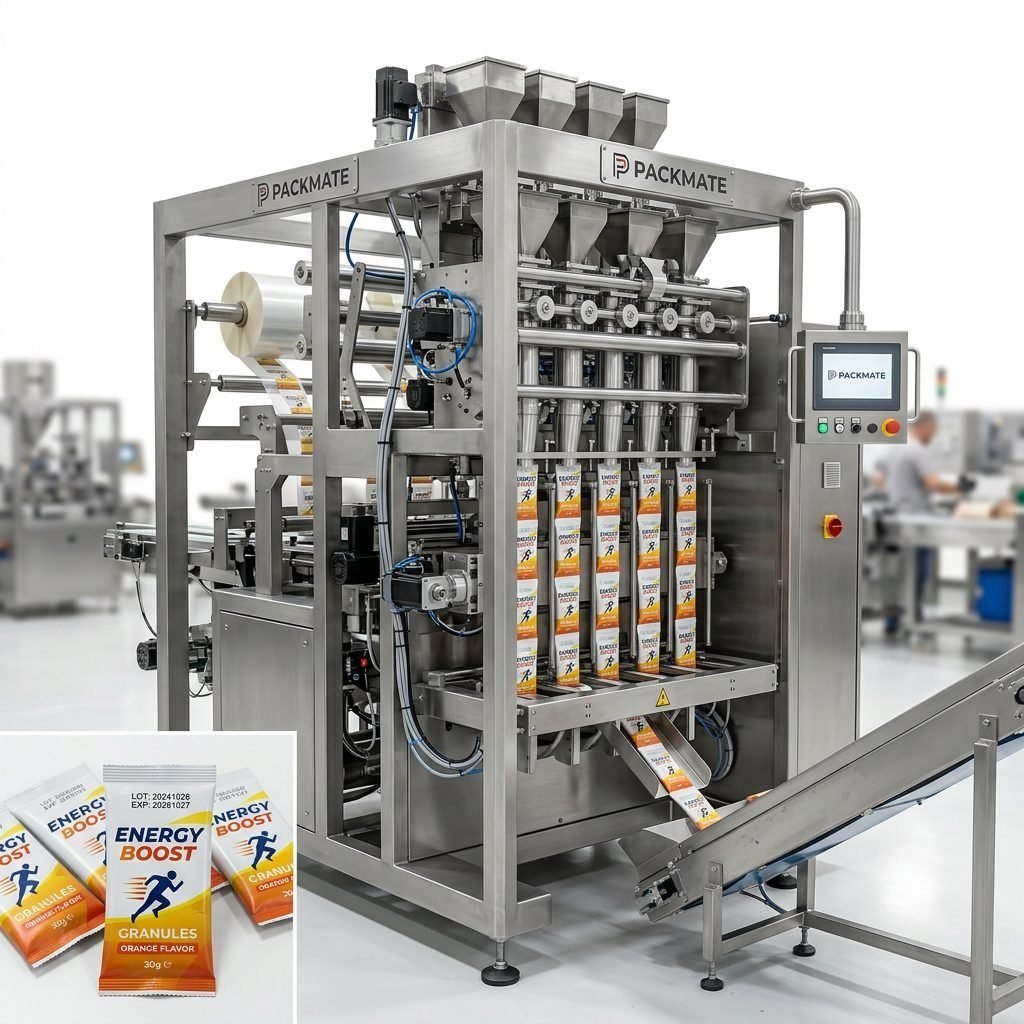
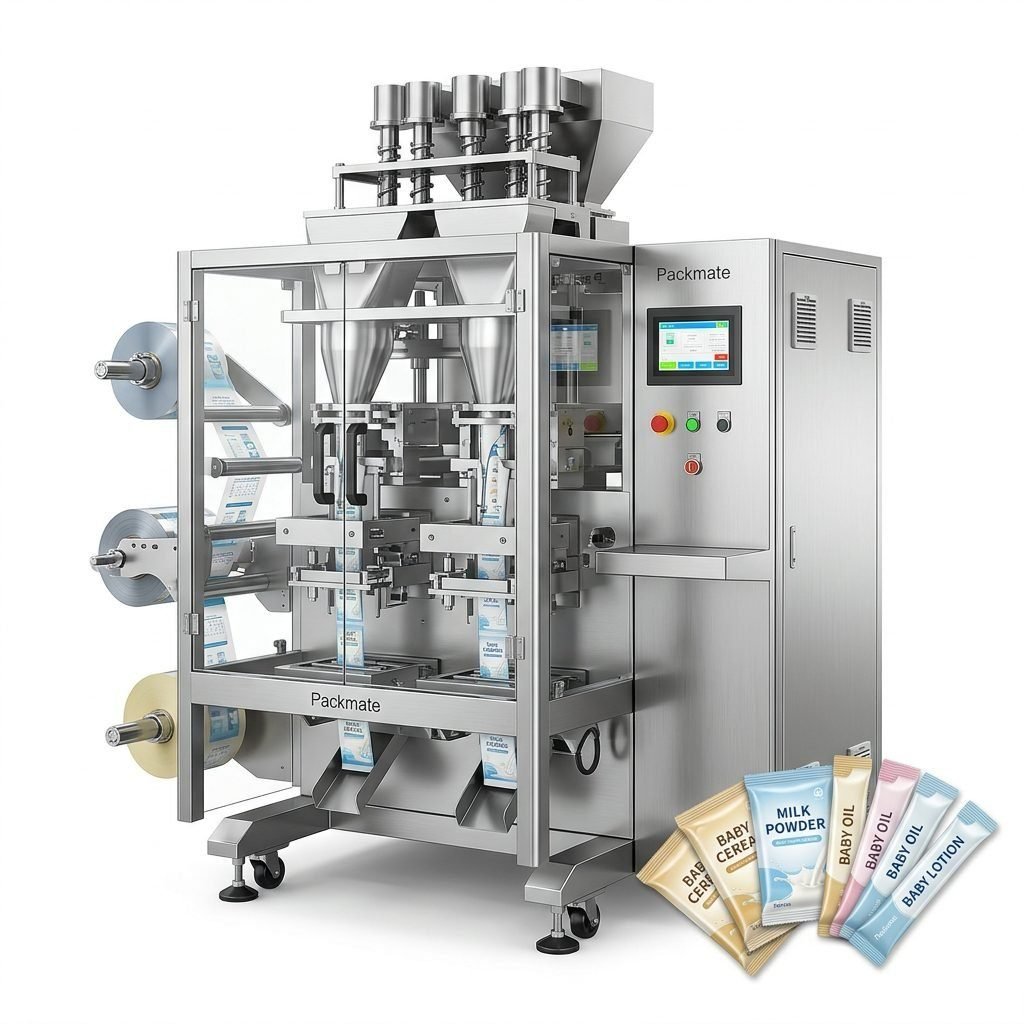
For Powders and Mixes: For products like cake mixes or powdered icing sugar, automated sachet and stick pack machines provide precise, hygienic, and fast packaging in small, single-use portions.
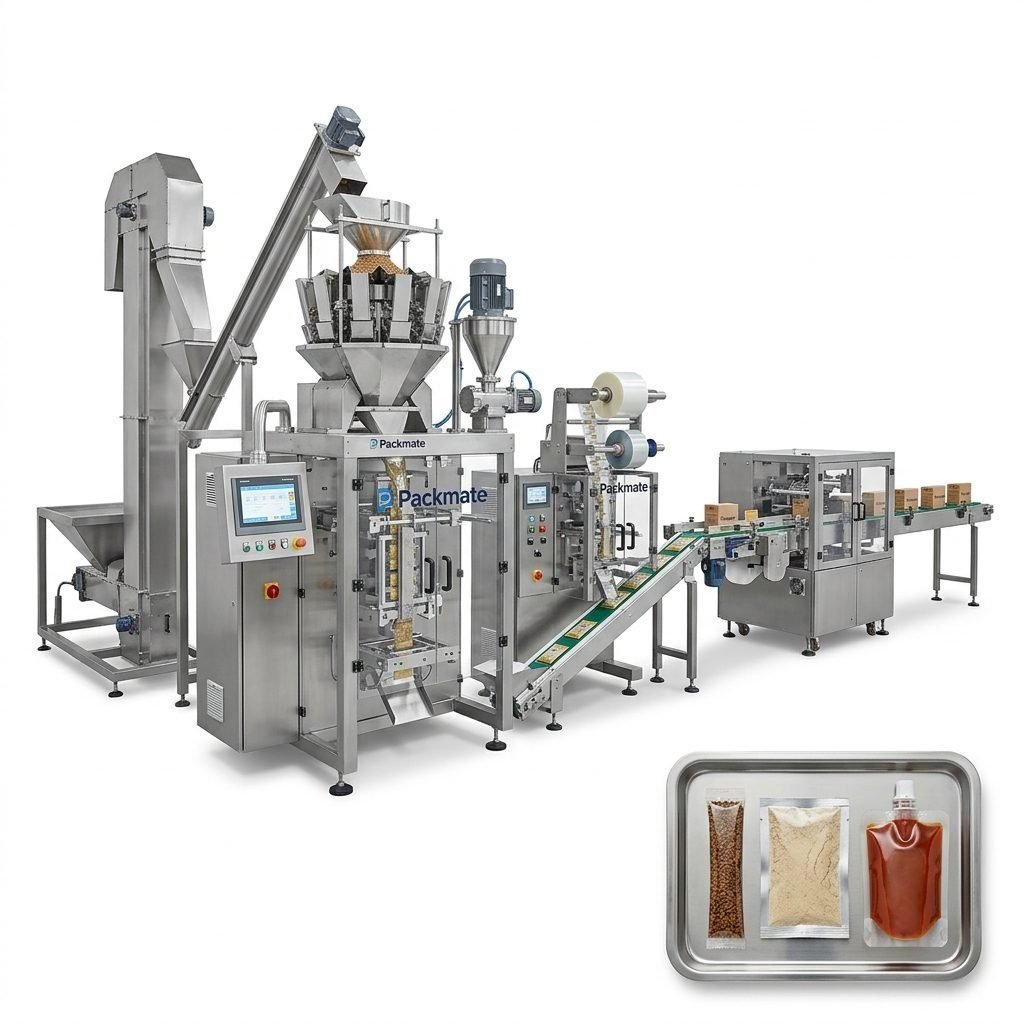
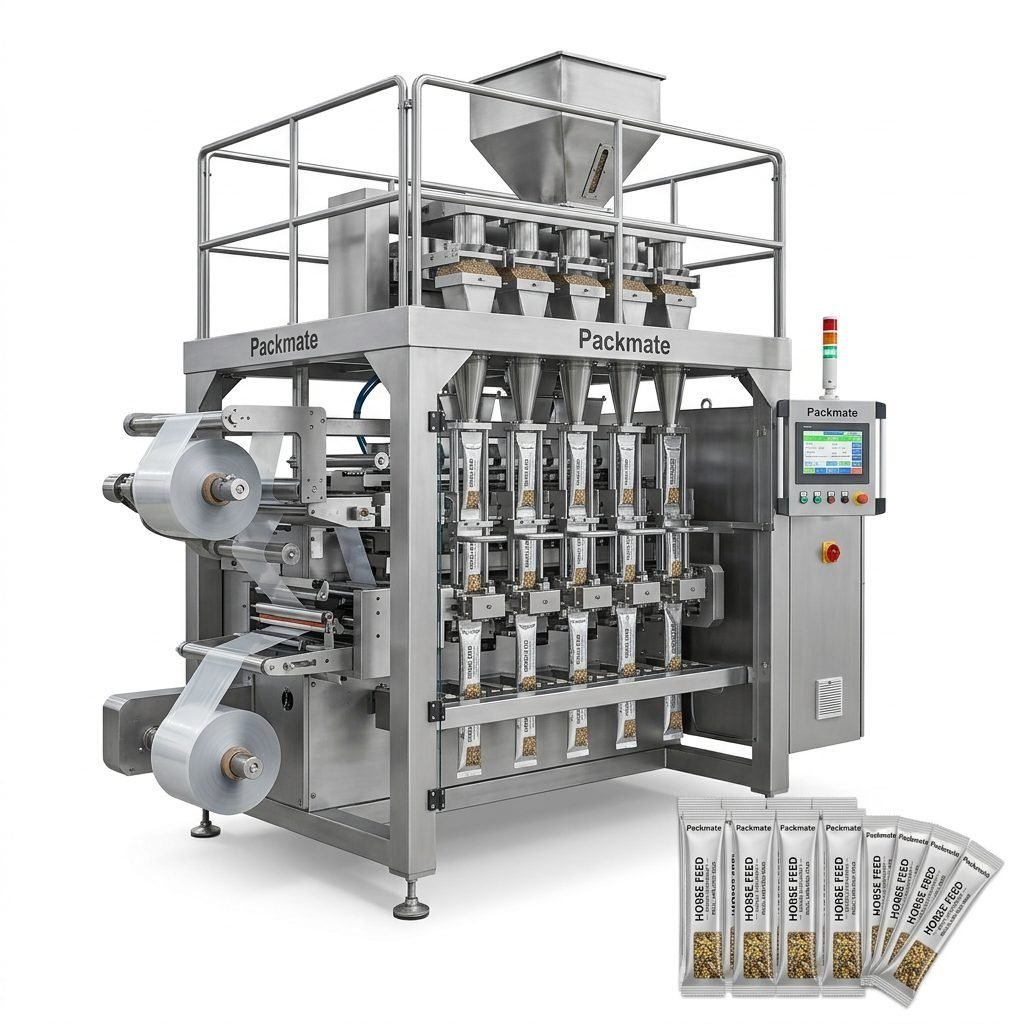
For Loose Items like Cookies: Multi-head weighers combined with VFFS machines ensure accurate weight control for bags of cookies, preventing giveaway and ensuring cost-efficiency. Discover sophisticated solutions in this category through dedicated weighing and packaging systems.
Integrating Automation for Peak Production Flow
True efficiency is achieved when the packaging machine is not an island but a fully integrated part of the production line. This involves connecting it upstream with cooling conveyors, sorting systems, or robotic placers, and downstream with labeling, cartoning, or case packing equipment. Automation software plays a pivotal role, providing real-time data on production speed, downtime, and yield. This data is invaluable for identifying bottlenecks, scheduling preventive maintenance, and making informed decisions to boost Overall Equipment Effectiveness (OEE). Investing in a turnkey solution from a provider with integration expertise can streamline this complex process, ensuring all components communicate and function as a cohesive unit.
The Importance of Supplier Expertise and Support
Your relationship with the machinery manufacturer is as critical as the machine’s specifications. A supplier with deep industry experience, like Packmate Machinery, brings more than just equipment. They offer comprehensive support, including customized engineering for your unique products, thorough operator training, readily available spare parts, and responsive after-sales service. This support network minimizes operational disruptions and extends the machinery’s lifespan, protecting your investment and ensuring continuous production. Reviewing a supplier’s project case studies can provide insight into their capability and experience.
Calculating Return on Investment (ROI)
While advanced packaging machinery represents a significant capital expenditure, its ROI is measured in tangible gains. Calculate ROI by considering the reduction in labor costs through automation, the decrease in material waste from precise filling, the increase in output capacity, and the reduction in product loss due to improved packaging integrity. Furthermore, the ability to ensure consistent, professional packaging enhances brand perception, potentially allowing for premium pricing and fostering customer loyalty. The payback period can often be surprisingly short for operations struggling with manual packaging bottlenecks.
Future-Proofing Your Bakery Packaging
The bakery industry is evolving rapidly, driven by trends in sustainability, e-commerce, and smart technology. The best packaging machines today are those that can adapt. Consider machines compatible with mono-material or compostable films to meet eco-friendly demands. Features that facilitate e-commerce readiness, such as creating durable, tamper-evident, and attractive packaging that survives shipping, are increasingly important. Lastly, connectivity for Industry 4.0—allowing for remote monitoring, predictive maintenance, and integration with enterprise resource planning (ERP) systems—is becoming a standard for forward-thinking production facilities aiming for smart, data-driven manufacturing.
Ultimately, investing in the best bakery product packaging machine is a strategic decision that goes beyond mere wrapping. It’s about building a robust, scalable, and intelligent system that safeguards product quality, amplifies production capacity, and strengthens your brand in a crowded marketplace. By focusing on integration, flexibility, and supplier partnership, bakeries can transform their packaging line from a necessary cost center into a powerful engine for efficient growth and market competitiveness.
Frequently Asked Questions (FAQs)
What is the most important factor when choosing a bakery packaging machine?
The most critical factor is matching the machine’s capabilities to your specific product characteristics (size, shape, fragility) and your production volume requirements. A machine perfect for fragile cupcakes may not suit dense bread loaves, and a low-speed machine will bottleneck a high-volume line.
How can I improve the efficiency of my existing packaging line?
Start by conducting a line audit to identify bottlenecks. Common improvements include adding automated infeed systems to reduce manual loading, upgrading to a machine with faster changeover capabilities, implementing preventive maintenance schedules to reduce unplanned downtime, and integrating checkweighers to ensure accuracy and reduce giveaway.
Are automated packaging machines suitable for small artisanal bakeries?
Yes, absolutely. The market offers compact, semi-automatic, and tabletop models designed for lower to medium volumes. These machines significantly increase packaging speed and consistency compared to fully manual methods, allowing small bakeries to grow without a massive upfront investment. They are a key tool for scaling artisanal production.
What packaging materials work best for maintaining bakery product freshness?
High-barrier films with good moisture and oxygen resistance are essential for extending shelf life. For products where crispiness is key (like crackers), materials with specific breathability might be used. The trend is also strongly moving towards recyclable or compostable materials that meet both freshness and environmental sustainability goals.
What kind of training and maintenance do these machines require?
Reputable suppliers provide comprehensive operator and maintenance training during installation. Regular daily cleaning and weekly lubrication are standard. A formal preventive maintenance plan, often provided by the supplier, is crucial to prevent major breakdowns. Having quick access to technical support and genuine spare parts is vital for minimizing operational disruptions.