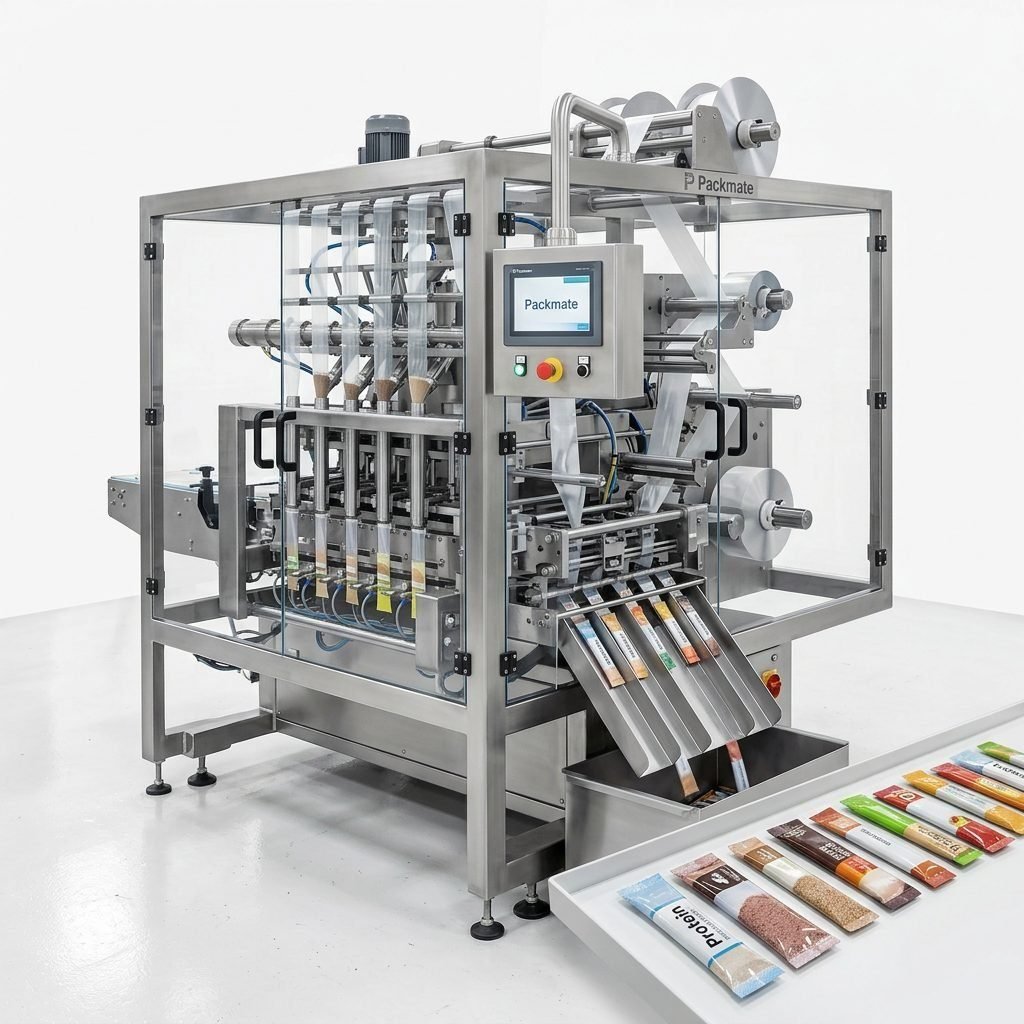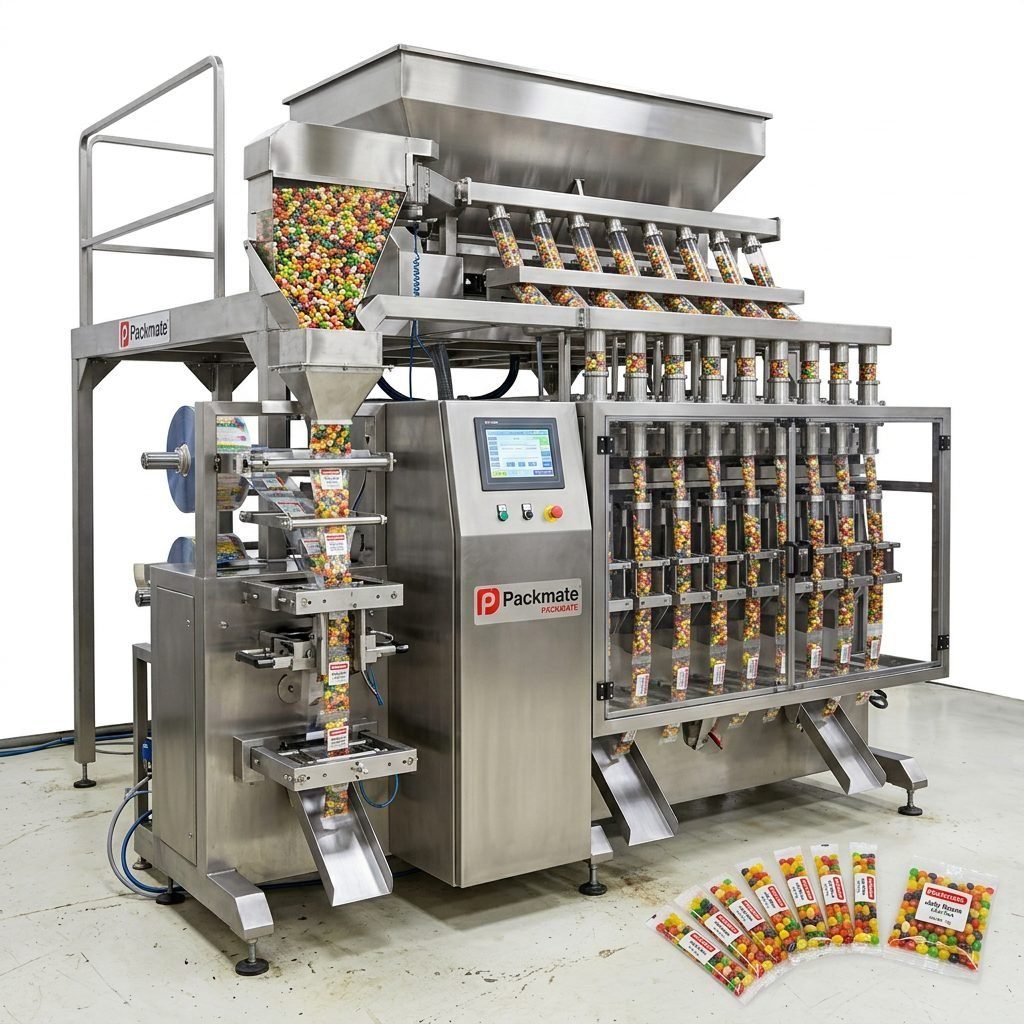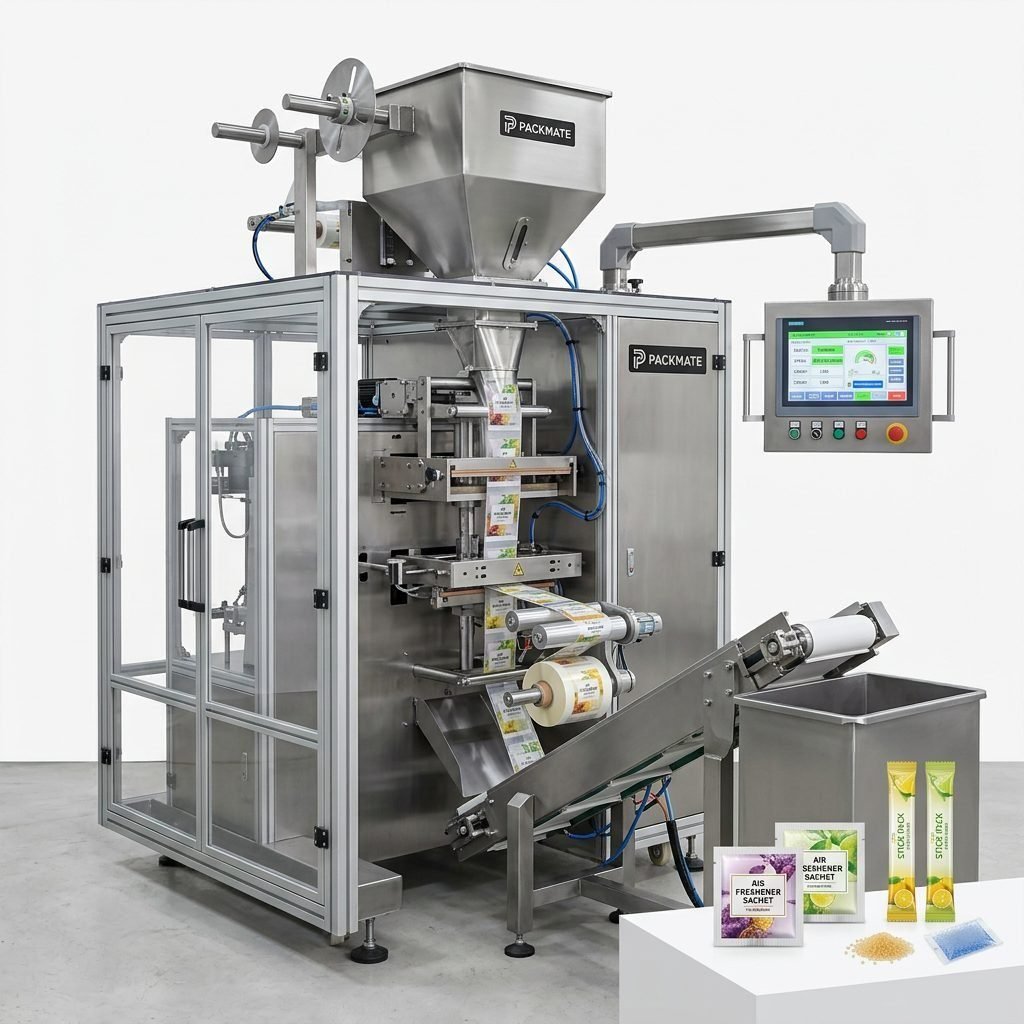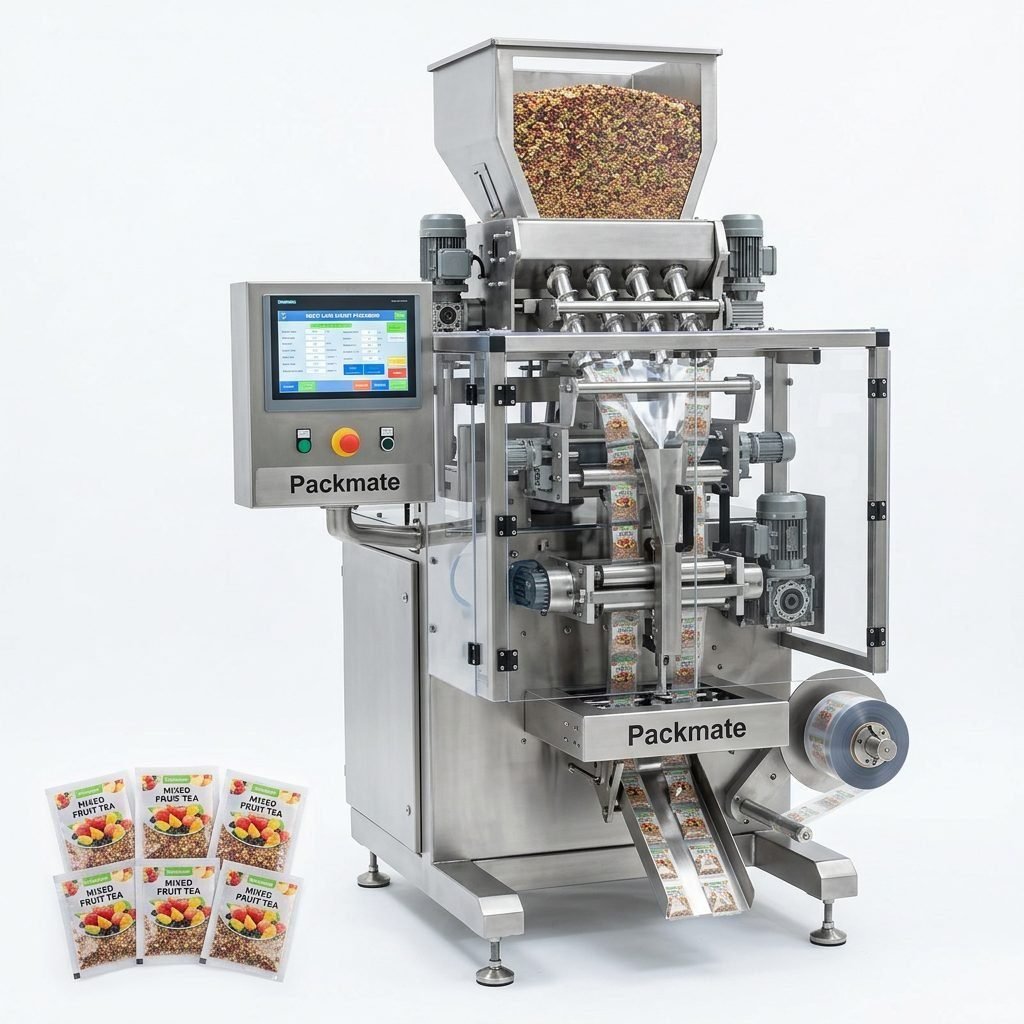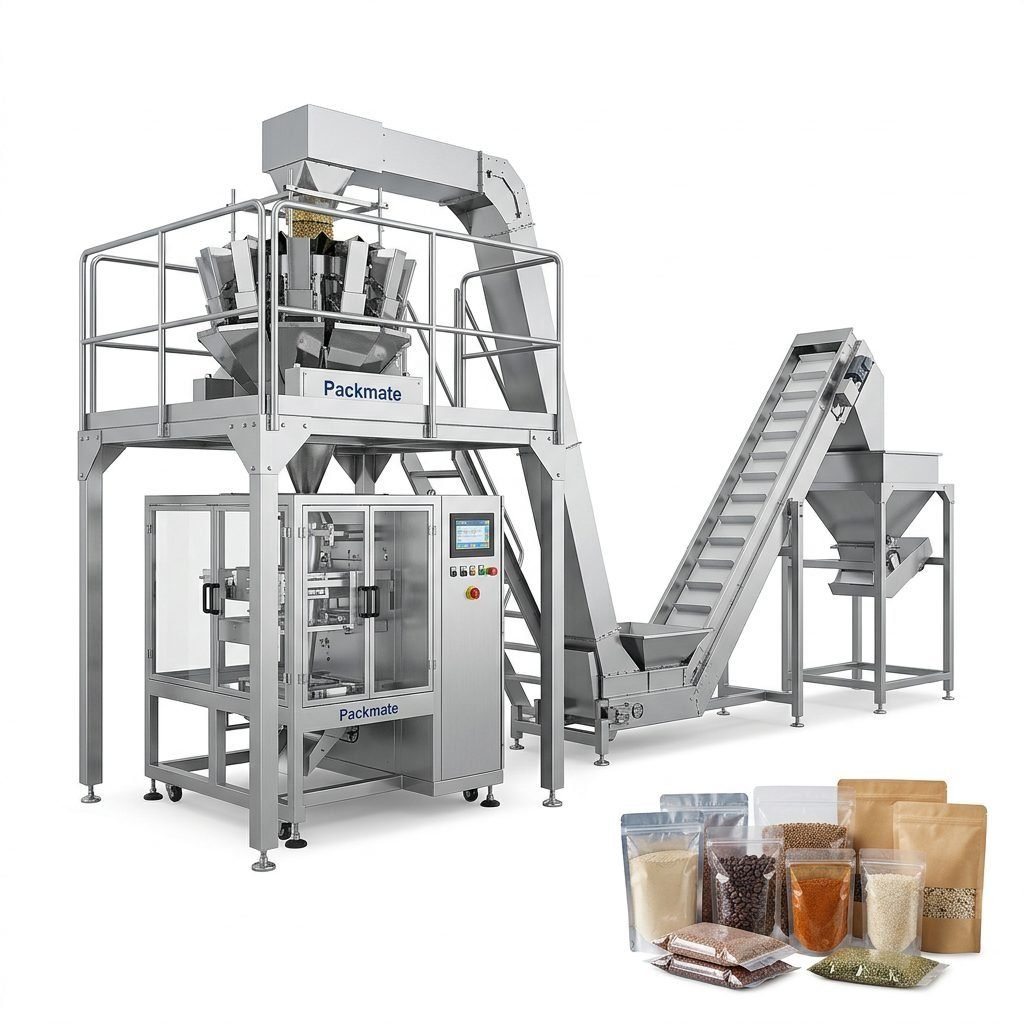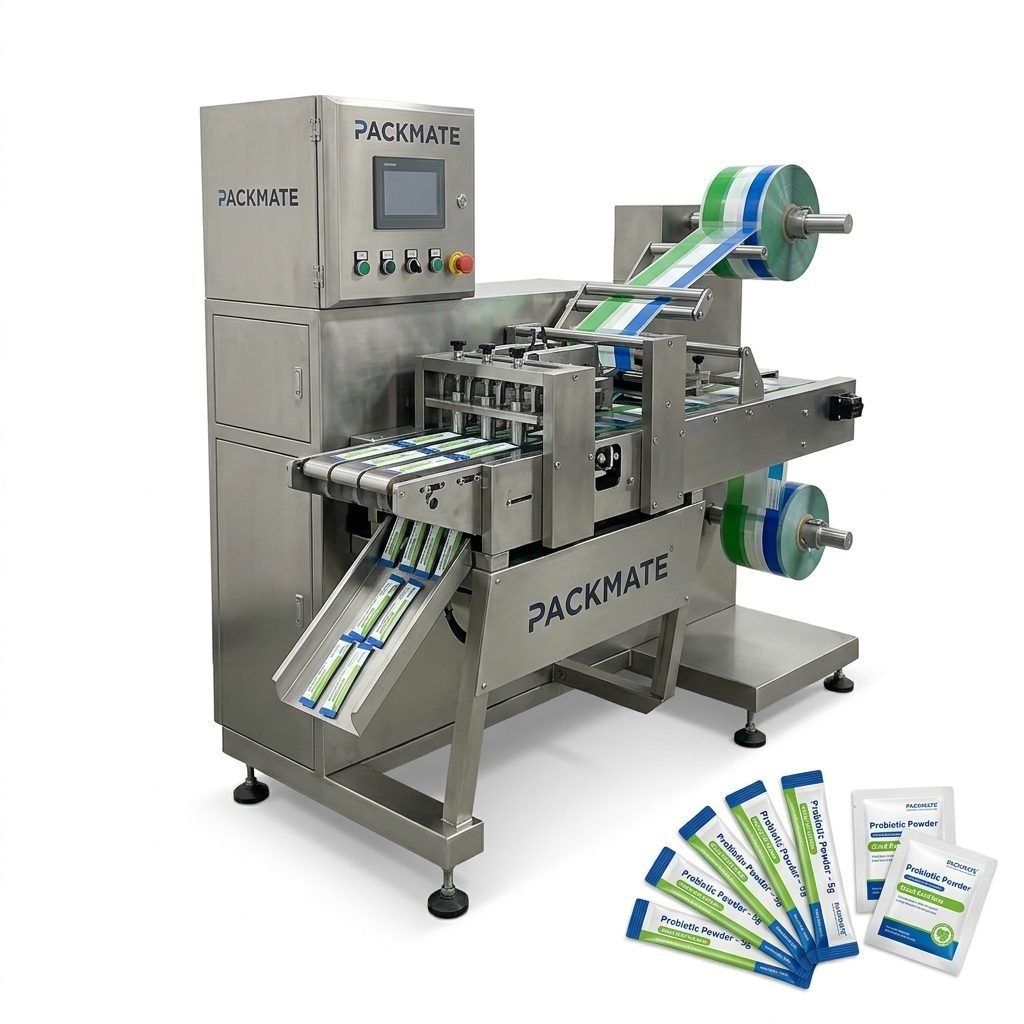
In an era where environmental consciousness is reshaping industries, the quest for sustainable packaging solutions has become paramount. Among the innovative alternatives emerging, banana leaf packaging stands out as a remarkably eco-friendly and culturally resonant material. This natural packaging solution, however, requires specialized technology to be viable for modern, high-volume production. This is where the Banana Leaf Packaging Machine becomes a critical piece of equipment, transforming a traditional, biodegradable resource into a consistent, reliable, and commercially scalable packaging format.
The shift from plastic to plant-based packaging is not just a trend; it’s a necessary evolution. Banana leaves, abundant in tropical regions, offer a waterproof, sturdy, and completely compostable packaging option. A dedicated Banana Leaf Packaging Machine automates the processes of cleaning, shaping, sealing, and forming these leaves into containers, bowls, or wraps, ensuring hygiene and efficiency that manual methods cannot match.
The Technology Behind Sustainable Packaging
Modern banana leaf packaging machines are engineering marvels designed to handle a delicate, natural material with precision. These systems typically integrate several key stages: a feeding and alignment system for the leaves, a sanitization unit often using food-grade steam or UV light, a precise molding or pressing station that forms the leaf into the desired shape without tearing, and a final sealing or fastening mechanism that uses heat or natural adhesives to create a secure package.
The machinery must be versatile to accommodate different leaf sizes and thicknesses, and gentle enough to preserve the leaf’s integrity. Advanced models from leading manufacturers incorporate programmable logic controllers (PLCs) for consistent operation, adjustable parameters for various product sizes, and are constructed from food-contact-safe materials like stainless steel. This technological sophistication ensures that the final packaged product is not only sustainable but also meets stringent international food safety standards.
Why Choose Banana Leaf Over Other Materials?
The advantages are compelling from both an environmental and practical standpoint. Unlike bioplastics that may require industrial composting, banana leaves decompose naturally within weeks, enriching the soil. They are a zero-waste, carbon-negative resource that requires no chemical processing to produce. For businesses, this translates into a powerful marketing story, aligning brand values with the growing consumer demand for genuine sustainability. Furthermore, the natural waxiness of the leaves provides a good barrier against moisture and grease, making them suitable for a wide range of food items, from fresh produce to ready-to-eat meals.
Key Benefits Summarized:
- 100% Biodegradable & Compostable: Returns to nature without leaving microplastics or toxins.
- Renewable & Abundant: Sourced from a rapidly regenerating agricultural byproduct.
- Reduced Carbon Footprint: Minimal processing energy compared to plastic or paper production.
- Consumer Appeal: Offers a unique, natural, and aesthetically pleasing unboxing experience.
- Functional Properties: Naturally antibacterial and provides decent thermal insulation.
Integrating into Modern Production Lines
For food producers and packaging specialists, integrating a banana leaf packaging system requires careful planning. The machinery must interface seamlessly with existing filling and packaging lines for powders, granules, or solids. This includes synchronization with filling machines, labeling systems, and final cartoning or boxing units. A reliable equipment provider will offer not just a standalone machine but a comprehensive, turnkey solution that considers the entire workflow, from raw leaf preparation to the final palletized product.
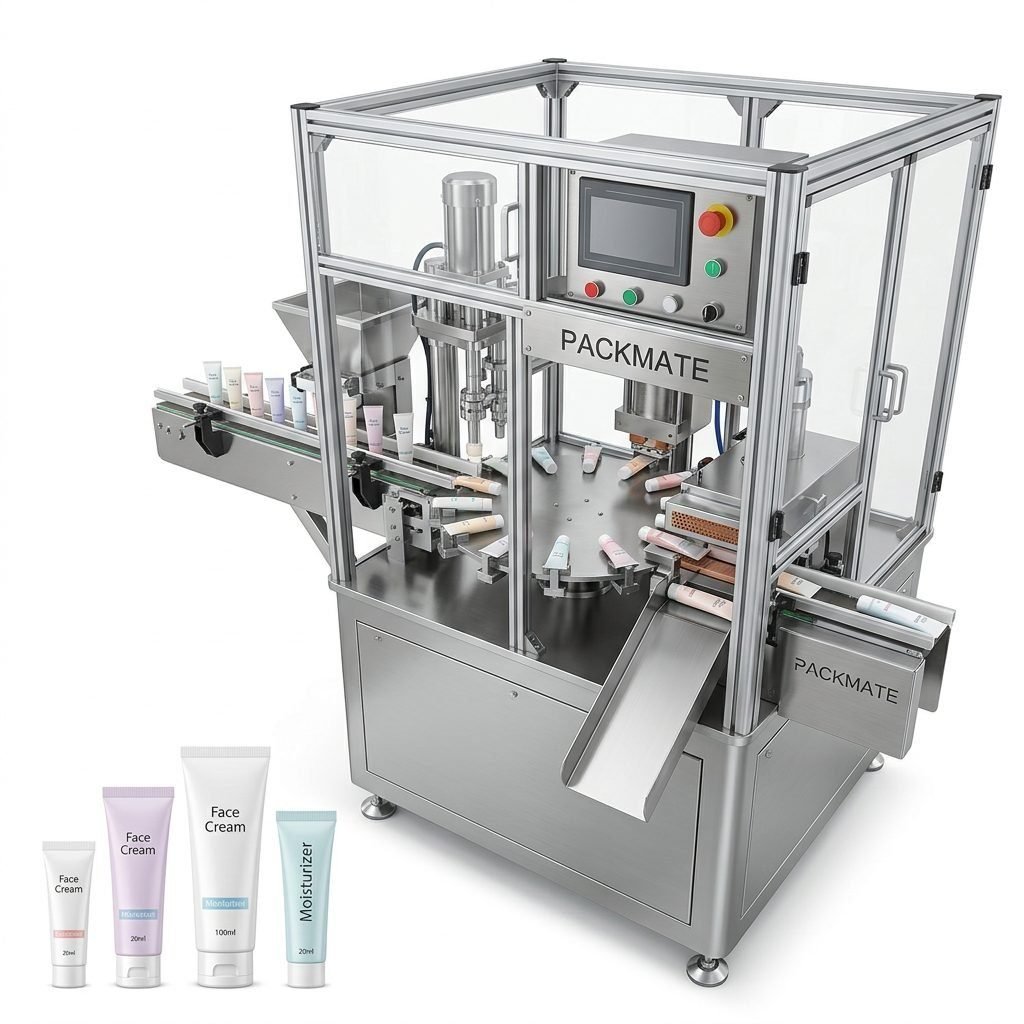
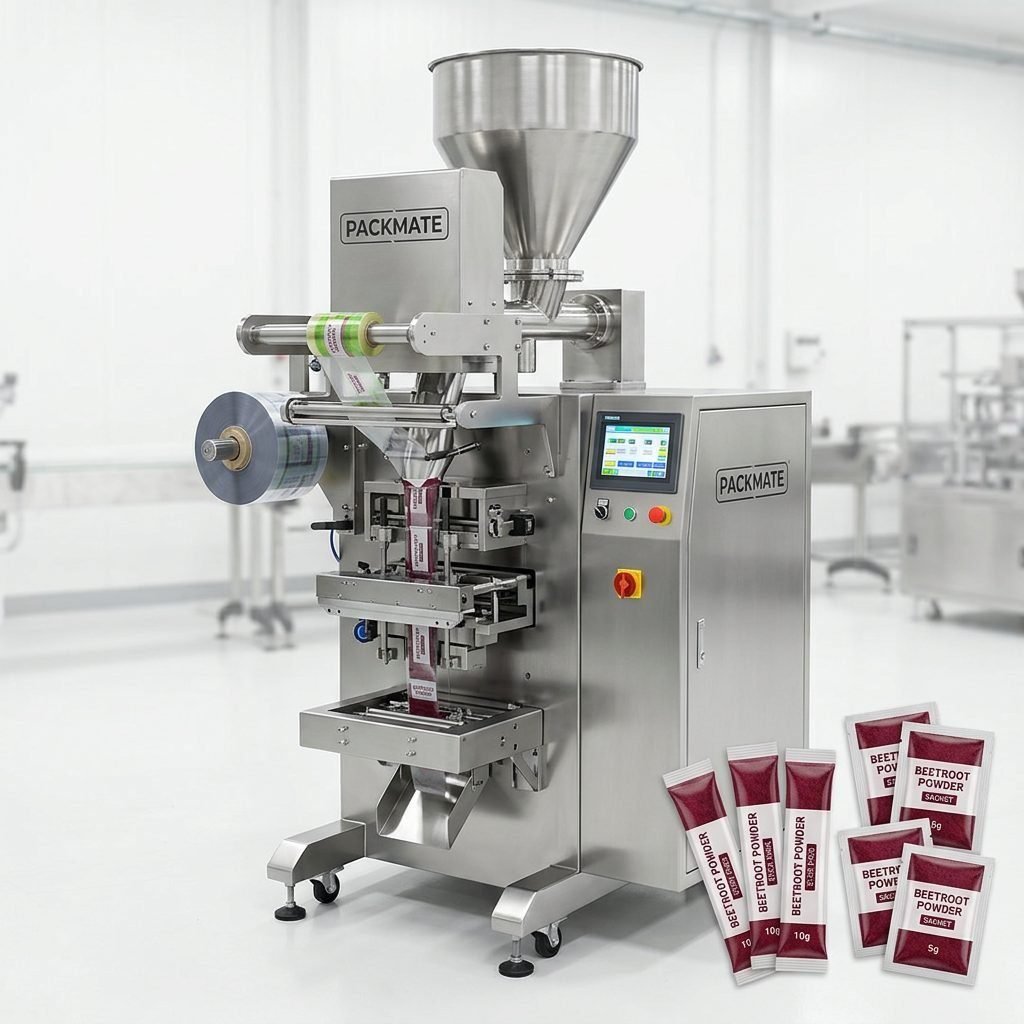
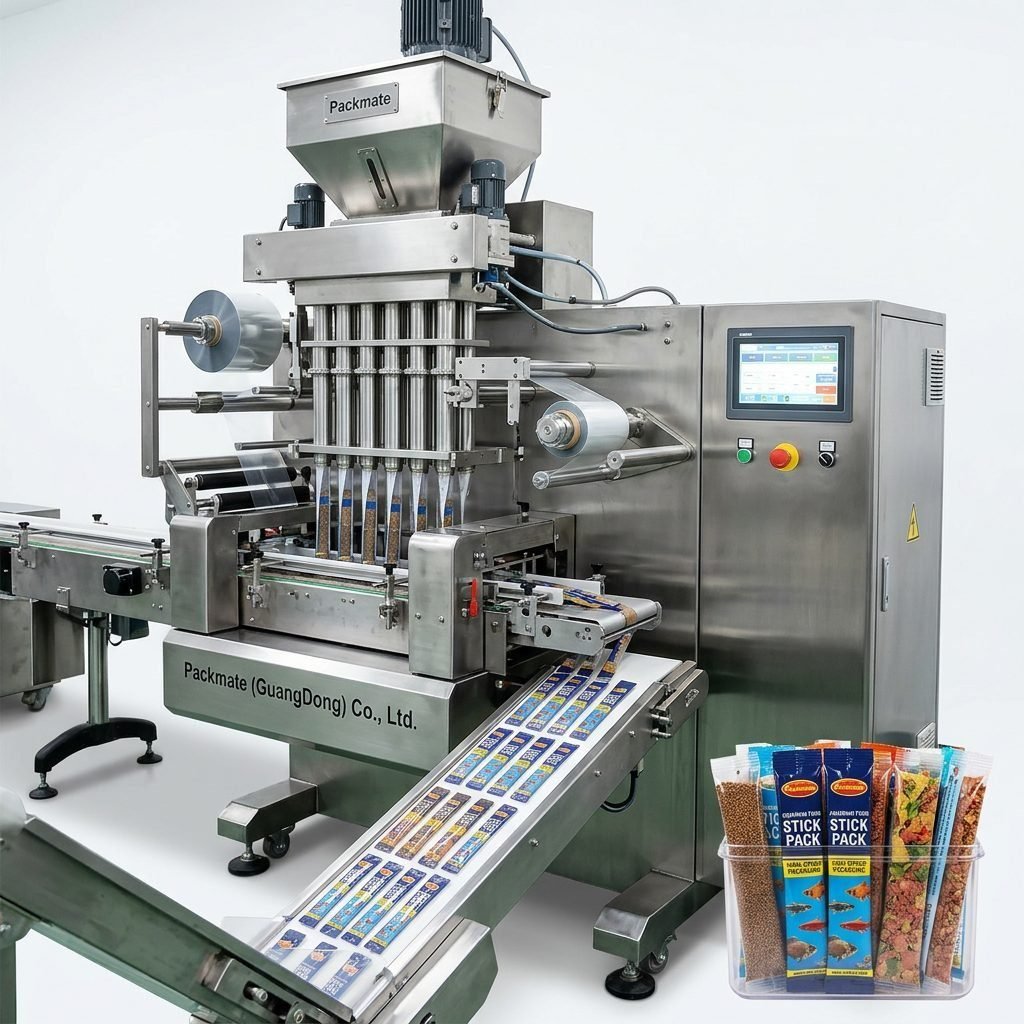
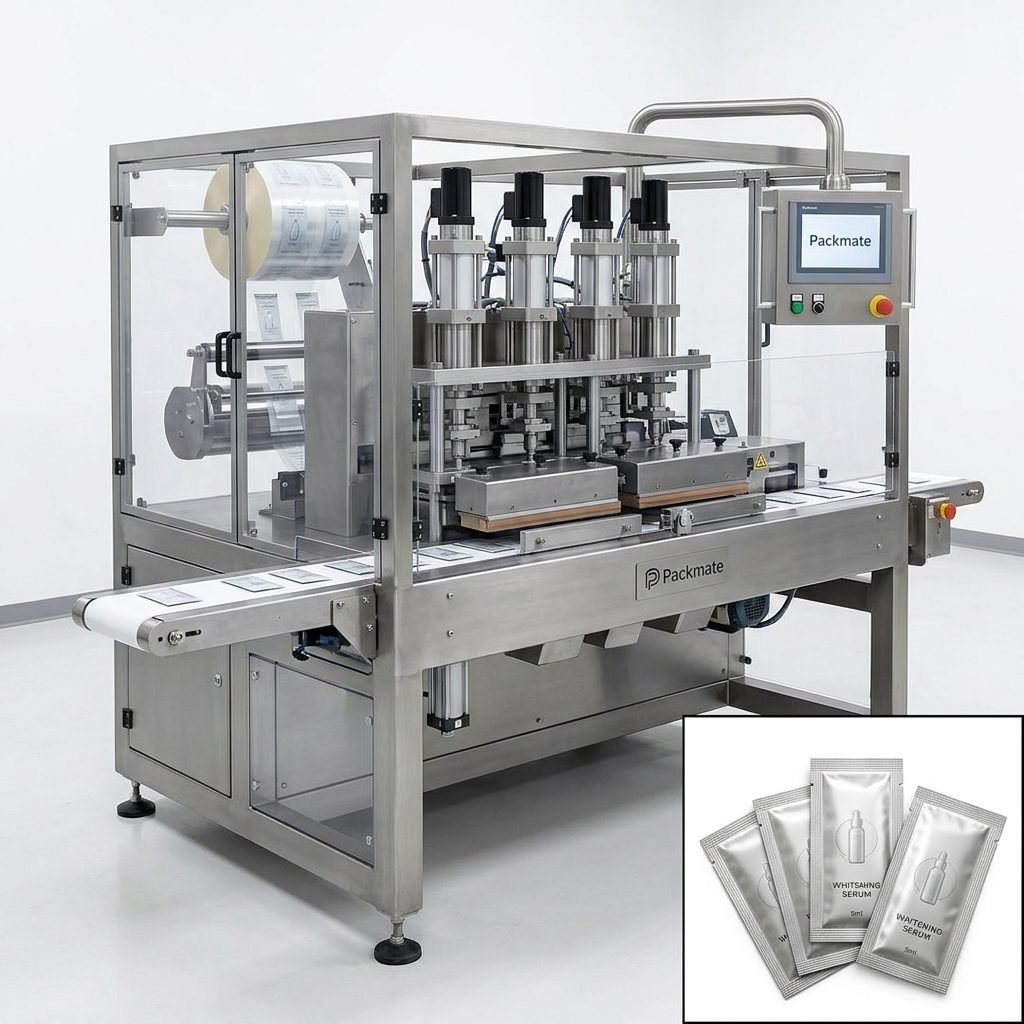
This is where expertise matters. Companies with deep experience in packaging automation, like Packmate Machinery, understand the complexities of integrating novel materials into high-speed production. Their expertise in designing sachet and stick pack machines and bag packaging systems provides a foundational knowledge of precision handling and sealing, which is directly transferable to developing robust solutions for organic materials like banana leaves.
Market Applications and Future Potential
The application for banana leaf packaging is vast and growing. Initially popular in regions like Southeast Asia for wrapping traditional street food, its use is now global. It is ideal for:
- Fresh Produce: Wrapping vegetables, fruits, and herbs to extend shelf life.
- Ready-to-Eat Foods: Creating biodegradable bowls and plates for meals, salads, and snacks.
- Dry Goods: Packaging for tea, coffee, spices, and grains.
- Bakery & Confectionery: Separating layers of cookies or wrapping individual pastries.
- Hospitality & Catering: Replacing single-use plastic plates and trays at events.
As legislation around the world tightens restrictions on single-use plastics, the demand for such authentic, natural alternatives will only surge. Investing in the right packaging technology today positions companies as leaders in the circular economy of tomorrow.
Conclusion: A Step Towards a Greener Future
The banana leaf packaging machine represents more than just a piece of industrial equipment; it symbolizes a bridge between traditional wisdom and modern innovation. It enables businesses to adopt a packaging solution that is truly circular, reducing environmental impact while meeting consumer expectations. By automating the process, it ensures that this sustainable option is also a commercially viable, efficient, and scalable one. For brands committed to making a tangible difference, partnering with an experienced machinery manufacturer to implement such technology is a decisive step toward a more sustainable and responsible future.
Frequently Asked Questions (FAQs)
1. Are banana leaves hygienic and safe for food contact?
Yes, when processed correctly. A professional banana leaf packaging machine includes a sanitation stage (e.g., steam or UV treatment) that eliminates pathogens. The leaves themselves have natural antibacterial properties. The process ensures the final packaging meets food safety standards.
2. How durable is banana leaf packaging compared to plastic?
For short-term use (days to weeks), properly sealed banana leaf packaging is sufficiently durable for many foods, offering good moisture resistance. It is not designed for long-term shelf-life like some plastics, but this aligns with its compostable nature, ideal for fresh goods and reducing waste.
3. Can a banana leaf packaging machine handle different leaf sizes and shapes?
Advanced machines are designed with adjustable settings and feeding mechanisms to accommodate a range of standard leaf sizes. Consistency in leaf supply helps optimize machine efficiency, but modern systems are built to manage natural variation.
4. What is the production speed of such machines?
Speed varies by model and complexity of the formed package (e.g., simple wrap vs. molded bowl). Speeds can range from dozens to hundreds of units per minute. It’s best to consult with a manufacturer like Packmate for specifications tailored to your output needs.
5. Where can I source banana leaves for industrial packaging?
Sourcing is typically done through agricultural cooperatives or suppliers in tropical regions where bananas are cultivated. A reliable machinery provider can often offer guidance or connections to establish a sustainable and consistent supply chain for the raw material.