The bubble tea industry has experienced explosive global growth, transforming from a niche Taiwanese beverage to a worldwide phenomenon. This surge has created a parallel demand for efficient, reliable, and versatile production equipment. At the heart of scaling any bubble tea operation is the packaging machine. Choosing the right equipment is not just about sealing a cup; it’s about ensuring product consistency, maintaining hygiene, optimizing speed, and ultimately protecting your brand’s reputation. For manufacturers and large-scale retailers, investing in a specialized bubble tea packaging machine is a critical step toward sustainable growth.
Understanding the Core Types of Bubble Tea Packaging Machines
Not all packaging machines are created equal. The ideal choice depends heavily on your production volume, product type (e.g., milk tea, fruit tea, with pearls), and desired packaging format. Here’s a breakdown of the primary types.
1. Cup Sealing Machines
This is the most common and recognizable type. After the cup is filled with tea, toppings, and ice, it passes under a sealing head that applies a plastic or biodegradable film lid. Modern versions often integrate with filling systems for a semi-automated line. Key variations include manual, semi-automatic, and fully automatic rotary sealers capable of handling hundreds of cups per hour.
2. Stand-Up Pouch Packaging Machines
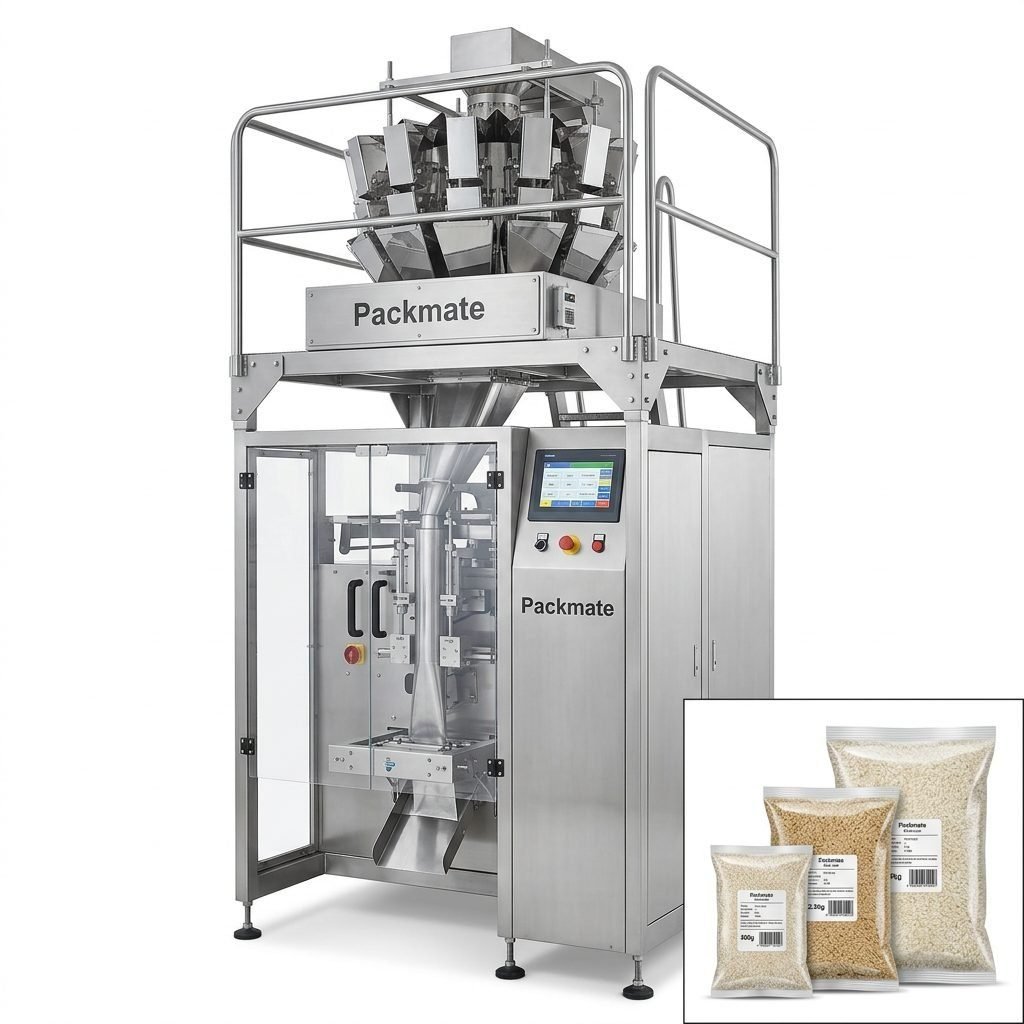
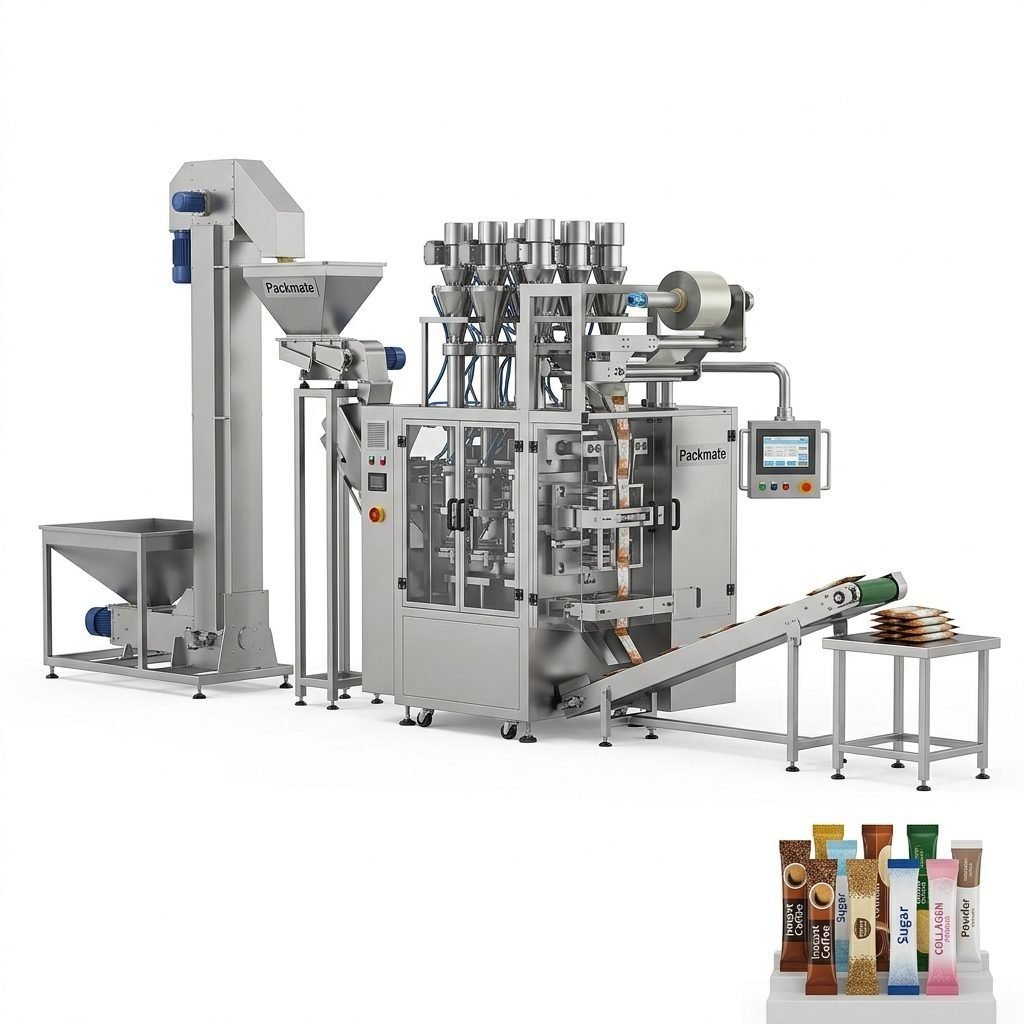
For suppliers of bubble tea ingredients—like pre-mixed tea powder, tapioca pearls (boba), or flavored syrups—stand-up pouches are a popular retail format. Machines for this purpose, such as advanced bag & pouch packaging machines, automatically form, fill, and seal these durable packages. They are essential for businesses focusing on B2B ingredient supply or DIY bubble tea kits for consumers.
3. Stick Pack and Sachet Machines
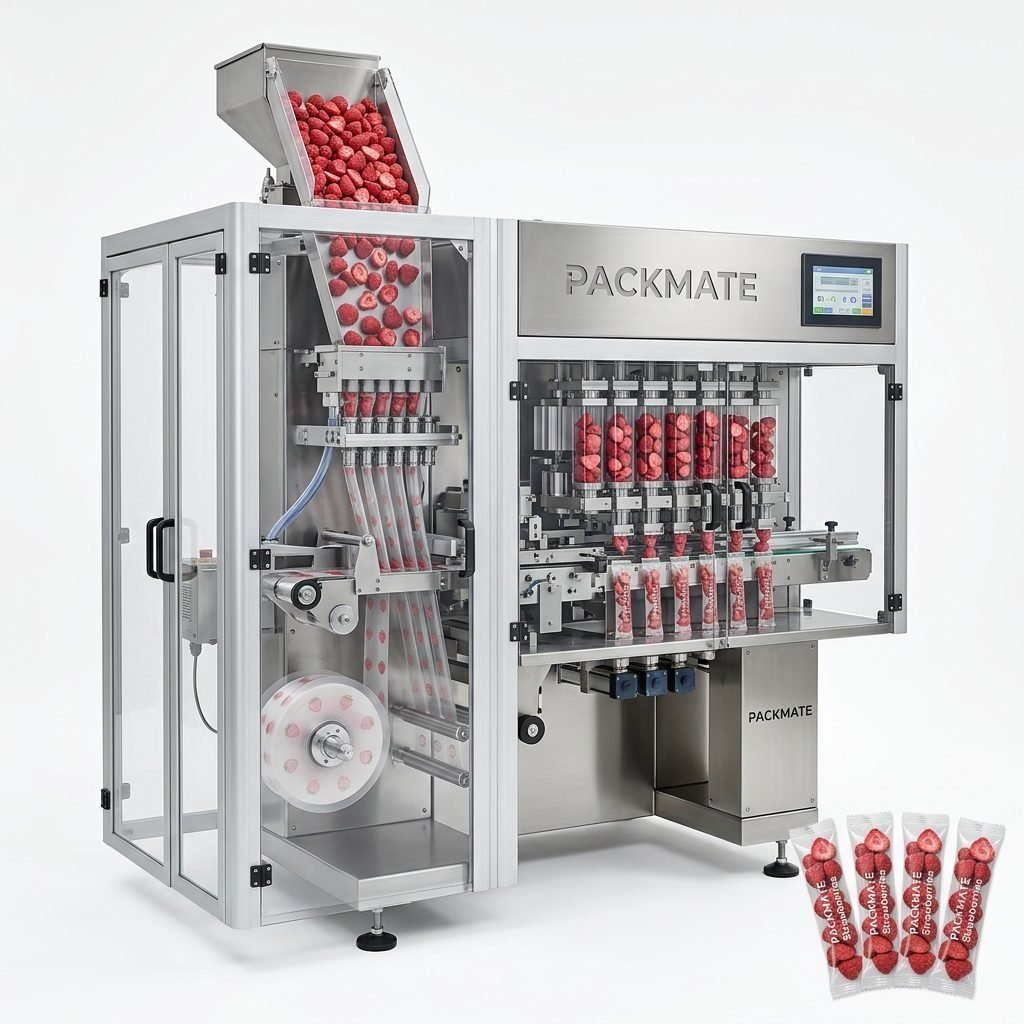
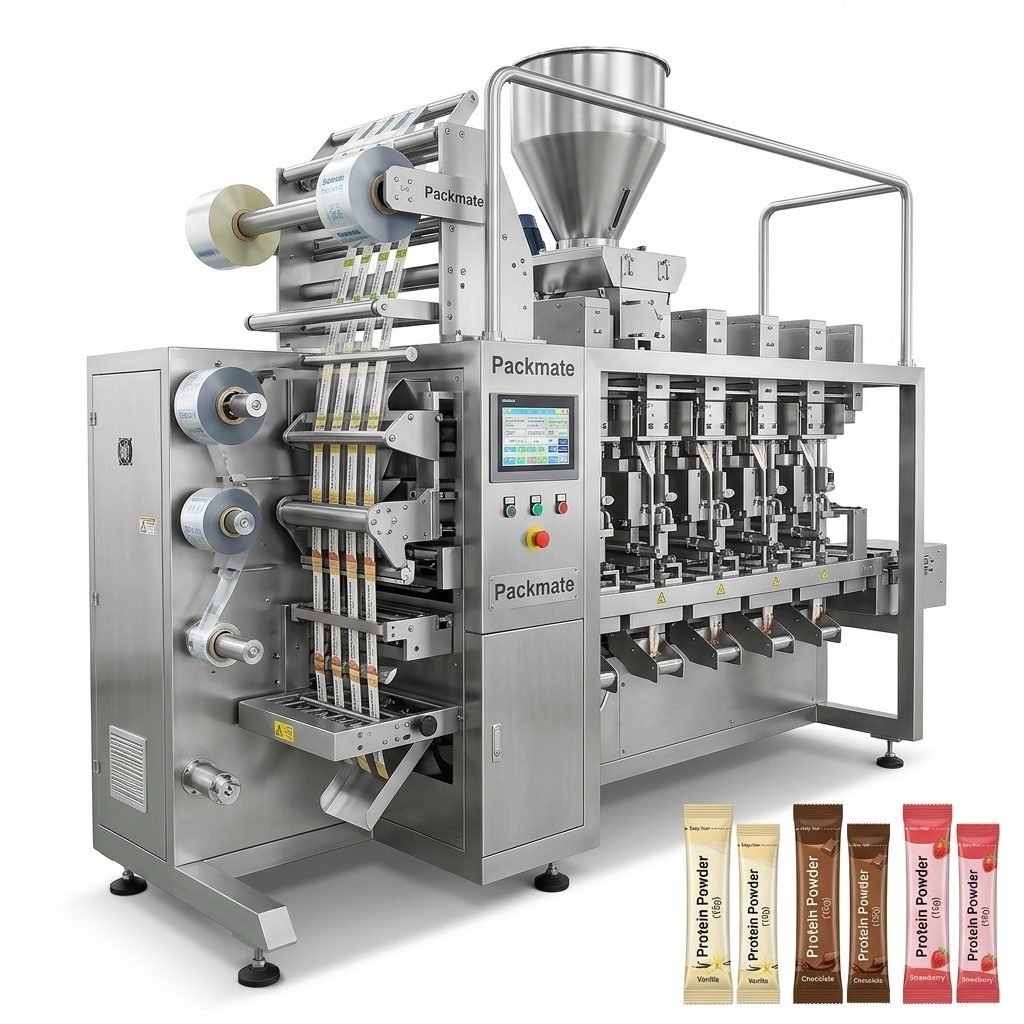
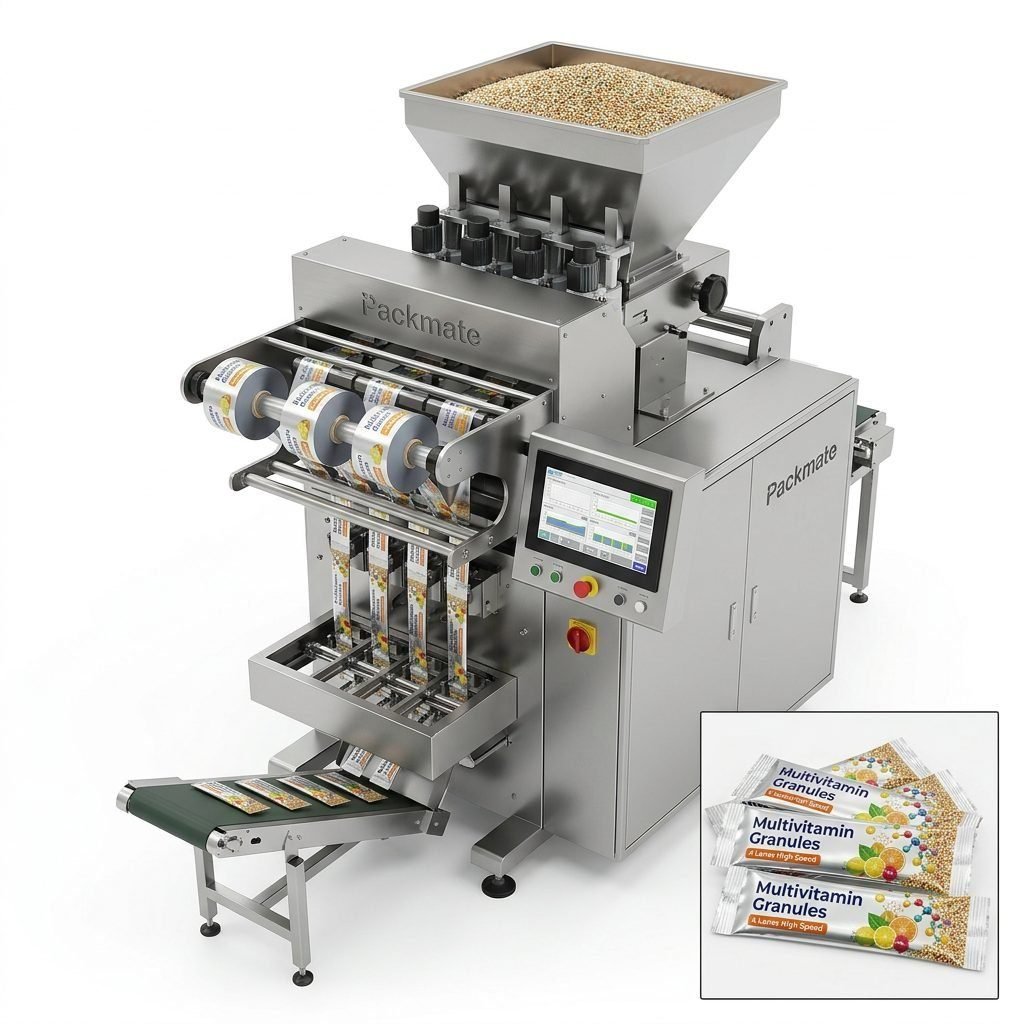
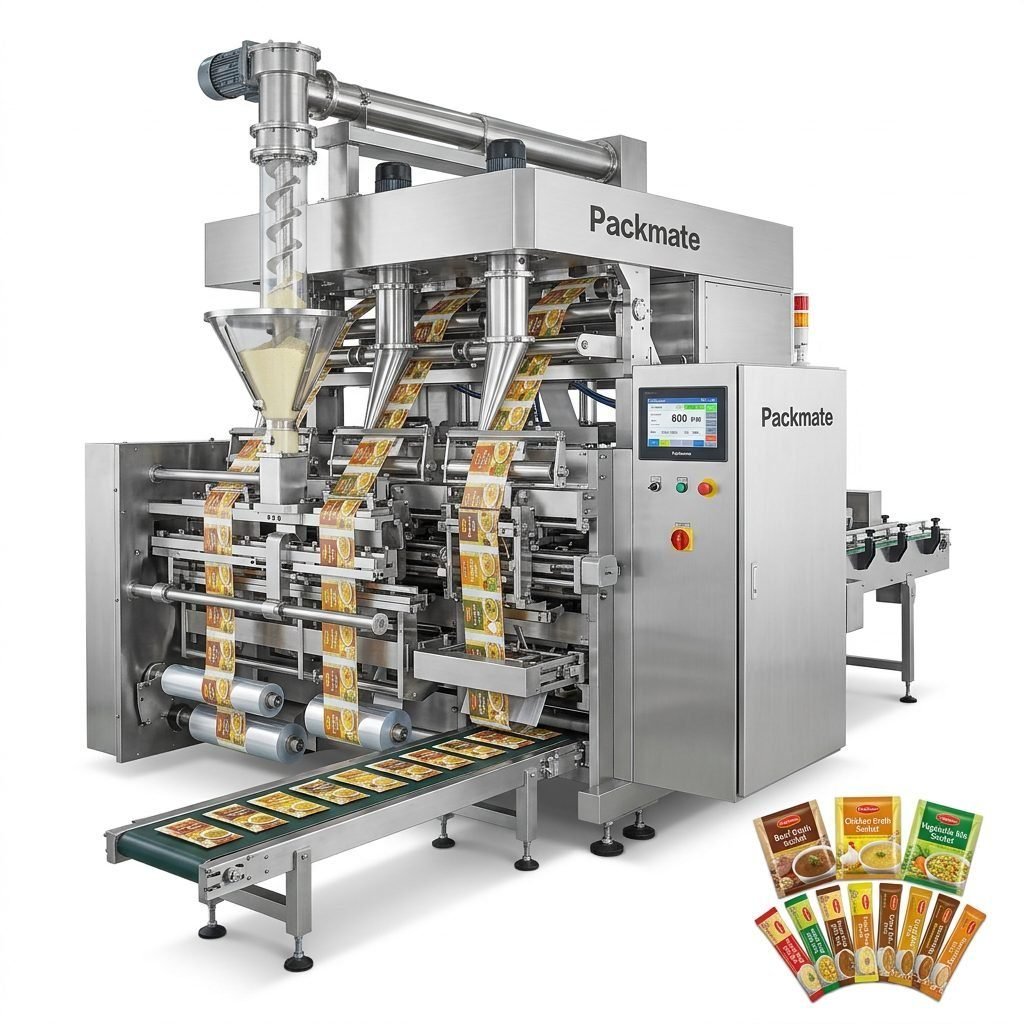
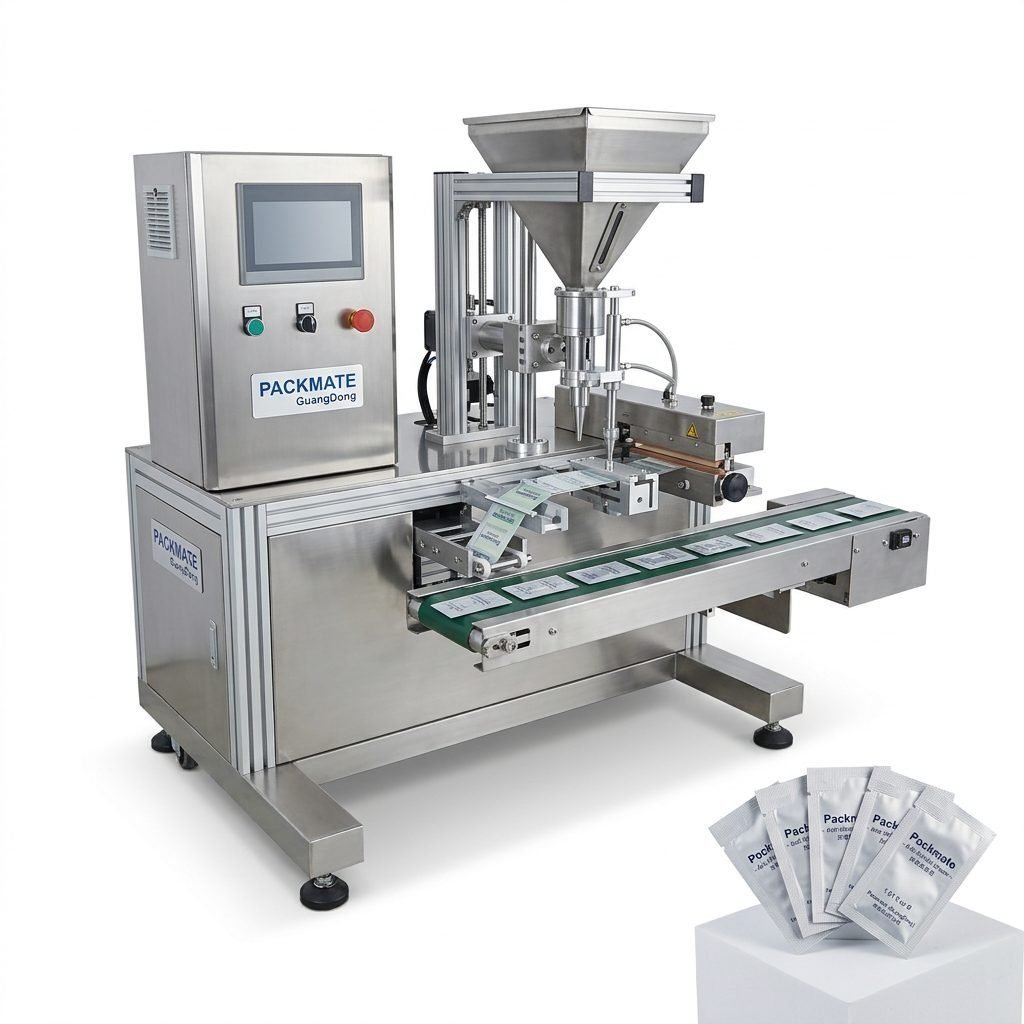
Single-serve convenience drives the demand for stick packs and sachets. These are perfect for powdered milk tea, sugar, or soluble tea mixes. High-speed sachet & stick pack machines can produce thousands of these small, sealed units per minute, offering excellent portion control and long shelf life for distribution to cafes, offices, or retail stores.
4. Complete Filling and Packaging Lines
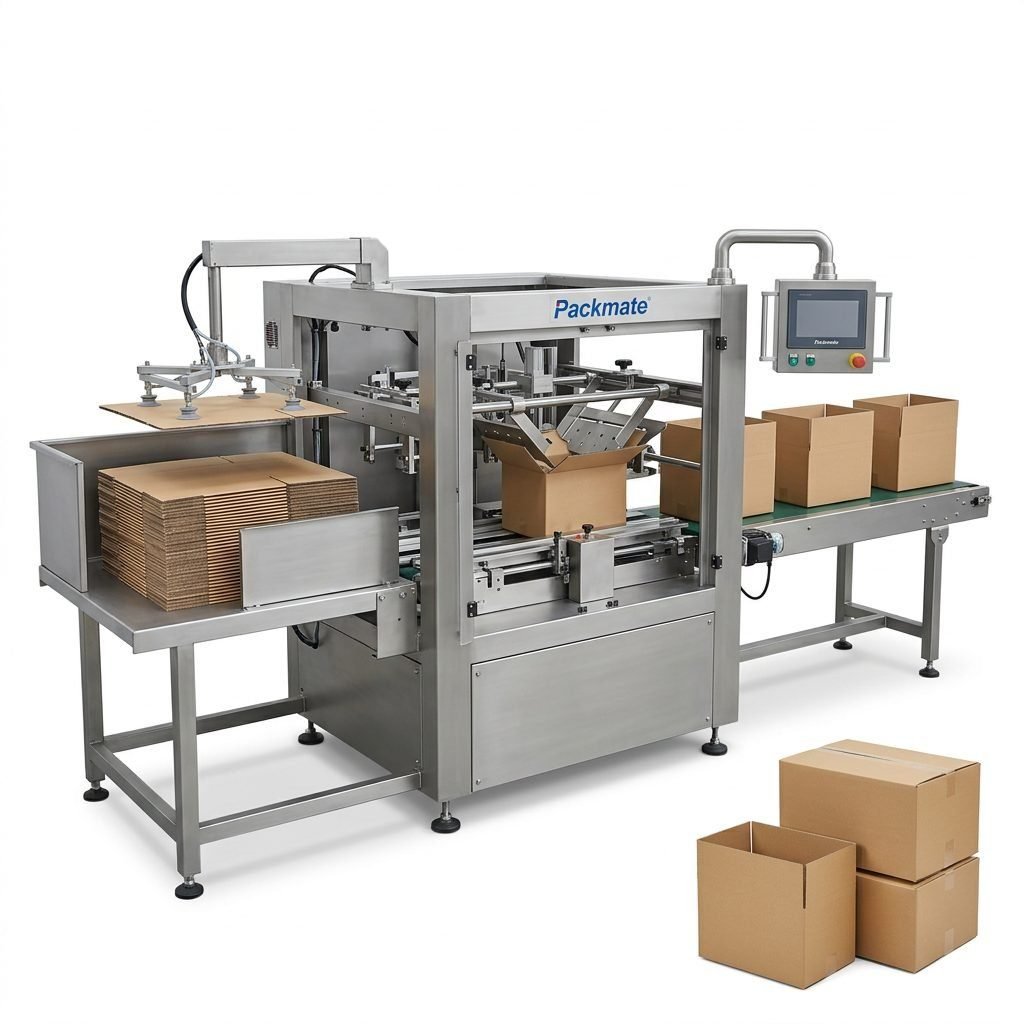
For large-scale production facilities, a single machine isn’t enough. A turnkey filling & packaging line integrates multiple processes: cup feeding, liquid filling, topping dispensing, sealing, and even labeling or sleeving. This integrated approach maximizes efficiency, minimizes labor, and ensures a consistent, hygienic product from start to finish.
Essential Features to Look For in a Quality Machine
Beyond the basic type, several features separate adequate machines from exceptional ones. Prioritizing these can save significant time and money in the long run.
Material Compatibility: The machine must handle the materials you plan to use. This includes different cup sizes and shapes (PP, PET, paper), sealing film types (PE, PLA, aluminum laminate), and pouch materials. Verify the machine’s specifications for material thickness and composition range.
Speed and Output Capacity: Measured in cups or pouches per hour (CPH/PPH). Match the machine’s maximum speed to your current and projected future demand. A machine that is too slow creates bottlenecks, while an excessively fast one may be an unnecessary capital expenditure.
Accuracy and Consistency: For filling machines, dosing accuracy is paramount—especially for costly ingredients like cheese foam or premium fruit puree. Look for machines with precision servo motors and load cells. Consistent sealing strength prevents leaks during transport, a critical factor for customer satisfaction.
Hygiene and Cleanability: Food safety is non-negotiable. Machines designed with stainless steel contact parts, smooth surfaces without crevices, and easy disassembly for cleaning (CIP/SIP where possible) are essential. This reduces downtime for sanitation and minimizes contamination risk.
Automation and Control Level: A user-friendly PLC (Programmable Logic Controller) touchscreen interface allows for easy recipe changes, speed adjustments, and fault diagnostics. Advanced machines may offer IoT connectivity for remote monitoring and production data tracking.
Durability and After-Sales Support: The machine should be built from robust components to withstand high-volume, often humid, production environments. Equally important is the manufacturer’s support network. Reliable technical support, availability of spare parts, and comprehensive operator training are invaluable. Companies with a strong track record, like Packmate Machinery, which boasts over 22 years of development and a 20,000㎡ modern facility, often provide more dependable long-term partnerships.
Your Comprehensive Buying Guide: Steps to the Right Investment
Purchasing a packaging machine is a significant decision. Follow this structured guide to make an informed choice that aligns with your business goals.
Step 1: Conduct a Thorough Needs Analysis
Start by defining your precise requirements. What is your current and projected daily output? What specific products will you package (e.g., hot tea, cold tea with pearls, dry mixes)? What is your primary packaging format? Documenting these details creates a clear specification list to share with suppliers.
Step 2: Research and Shortlist Reputable Suppliers
Look for manufacturers with proven experience in food and beverage packaging. Examine their company history, client portfolio, and industry certifications. A supplier with a deep understanding of the market, like one that has evolved from sachet machines to full weighing & packaging systems, can offer more insightful solutions. Review their case studies to see real-world applications.
Step 3: Request and Evaluate Quotations
Provide your specifications to multiple shortlisted suppliers. A detailed quotation should include not just the machine price, but also delivery time, installation terms, warranty period, training offered, and a list of recommended spare parts. Compare the total cost of ownership, not just the initial price.
Step 4: Insist on a Product Demonstration or Testing
Whenever possible, request a live demonstration or, even better, send your actual product and packaging materials to the factory for a test run. This is the only way to truly verify the machine’s performance, sealing quality, and speed with your specific setup.
Step 5: Finalize Support and Logistics Details
Before signing the contract, clarify all after-sales service agreements. How are service calls handled? What is the response time for technical support? Who is responsible for installation and commissioning? Ensure all verbal promises are documented in writing.
Conclusion: Packaging as a Strategic Advantage
In the competitive bubble tea market, efficient packaging is far more than a final step—it’s a core component of product quality, brand integrity, and operational scalability. By understanding the different machine types, prioritizing essential features like hygiene and accuracy, and following a meticulous buying process, you can secure equipment that becomes a reliable engine for your business growth. Partnering with an experienced and innovative manufacturer provides not just a machine, but a long-term solution for your packaging challenges.
Frequently Asked Questions (FAQs)
What is the typical production speed of a semi-automatic cup sealer?
Semi-automatic sealers, which require an operator to place and remove cups, typically have speeds ranging from 500 to 1,200 cups per hour. Fully automatic rotary systems can achieve speeds of 2,500 CPH or higher, depending on the number of sealing heads.
Can one machine handle both hot and cold drink sealing?
Many modern cup sealers are designed to handle a range of temperatures. However, it is crucial to confirm this with the manufacturer. The sealing film, temperature control settings, and sometimes the sealing head design may need adjustment for optimal results with hot liquids (which create more condensation and pressure) versus cold ones.
How important is after-sales service when buying packaging machinery?
Extremely important. Packaging machines are complex mechanical systems that may require maintenance, calibration, or occasional repairs. A supplier with a responsive, knowledgeable technical support team and a ready inventory of spare parts can minimize costly production downtime. This service aspect is often as critical as the machine’s quality itself.
Are there machines that can automatically add toppings like boba pearls?
Yes, complete automated filling lines can integrate specialized topping dispensers. These systems use precise volumetric or weighing mechanisms to portion toppings like pearls, pudding, or jelly directly into the cup before sealing. This requires a more sophisticated and integrated turnkey packaging solution.
What are the key maintenance routines for a bubble tea packaging machine?
Daily cleaning of all product contact surfaces is mandatory. Weekly checks should include inspecting sealing jaws for residue or wear, lubricating moving parts as per the manual, and checking pneumatic filters. A monthly professional inspection of critical components like sensors, drives, and the electrical system is recommended to prevent unexpected failures.