The frozen dough market is experiencing unprecedented growth, driven by consumer demand for convenience and artisanal-quality baked goods at home. For manufacturers, this surge presents both opportunity and challenge. The delicate nature of frozen dough—susceptible to freezer burn, moisture loss, and physical damage—demands packaging that goes beyond mere containment. It requires a sophisticated barrier against temperature fluctuations, oxygen, and physical impact to preserve texture, rise, and flavor from production line to consumer’s oven. Selecting the right packaging solution and machinery is not an operational afterthought; it is a critical strategic decision that directly impacts product quality, shelf life, brand reputation, and ultimately, profitability.
Core Requirements for Frozen Dough Packaging
Effective frozen dough packaging must address several scientific and logistical hurdles. Moisture and vapor barrier properties are paramount. The packaging must prevent ice crystal sublimation (freezer burn) and maintain the dough’s internal humidity to ensure proper hydration and yeast viability. Secondly, it needs excellent oxygen barrier capabilities to prevent oxidation, which can lead to rancidity in fats and off-flavors. Material strength is crucial to withstand the rigors of freezing, storage, and transportation without puncturing or tearing. Finally, the packaging should facilitate easy handling for both retail display and end consumers, with features like resealability or clear viewing windows becoming increasingly important.
Material Selection: A Balancing Act
The choice of packaging material is a balance between performance, cost, and sustainability. Multi-layer laminates combining polyethylene (PE) for sealability, nylon or polyester for strength, and metallized films or EVOH (ethylene vinyl alcohol) for superior oxygen barriers are industry standards. For environmentally conscious brands and markets, recyclable mono-material structures or compostable biopolymer-based films are emerging, though they often require careful validation for long-term frozen storage performance. The thickness and composition must be precisely engineered to provide the necessary protection without being wasteful or overly costly.
Packaging Formats Tailored for Dough
Frozen dough comes in various forms—bread loaves, rolls, pastry sheets, cookie portions—each demanding a specific packaging approach.
- Flexible Pouches & Bags: The most common format, ideal for rolls, flatbreads, and portioned dough. They offer excellent material efficiency, good barrier properties, and can be equipped with resealable zippers. High-speed bag and pouch packaging machines automate the forming, filling, and sealing process with minimal oxygen inclusion.
- Flow Wrap / Horizontal Form-Fill-Seal (HFFS): Perfect for individually wrapped dough balls, croissants, or smaller items. This method creates a tight, snug package around each product, offering excellent physical protection and a premium look. It’s highly efficient for high-volume lines.
- Skin Packaging & Thermoforming: Used for delicate pastry sheets or laminated doughs where shape retention is critical. The dough is placed on a cardboard backing, and a heated film is draped over it, conforming tightly to create a second-skin effect. This minimizes headspace and movement, drastically reducing the risk of damage.
- Cartoning & Boxing: Often used as secondary packaging for grouping multiple primary packages (like pouches), or for larger, more delicate items like frozen bread dough. It provides additional physical protection during palletization and shipping.
The Critical Role of Modified Atmosphere Packaging (MAP)
For premium frozen dough products where extended shelf life and top-tier quality are non-negotiable, Modified Atmosphere Packaging (MAP) is a game-changer. This technology involves replacing the air inside the package with a controlled mixture of gases, typically high concentrations of nitrogen (N₂) and carbon dioxide (CO₂). Nitrogen is inert and displaces oxygen, preventing oxidation and microbial growth. Carbon dioxide can inhibit the growth of certain bacteria and molds. Implementing MAP requires integrated machinery capable of precise gas flushing before sealing, a feature found in advanced filling and packaging lines.
Machinery Guide: Automating for Efficiency and Quality
Investing in the right packaging machinery is essential for scalability, consistency, and cost control. The choice depends on production volume, product type, and packaging format.
Vertical Form-Fill-Seal (VFFS) Machines
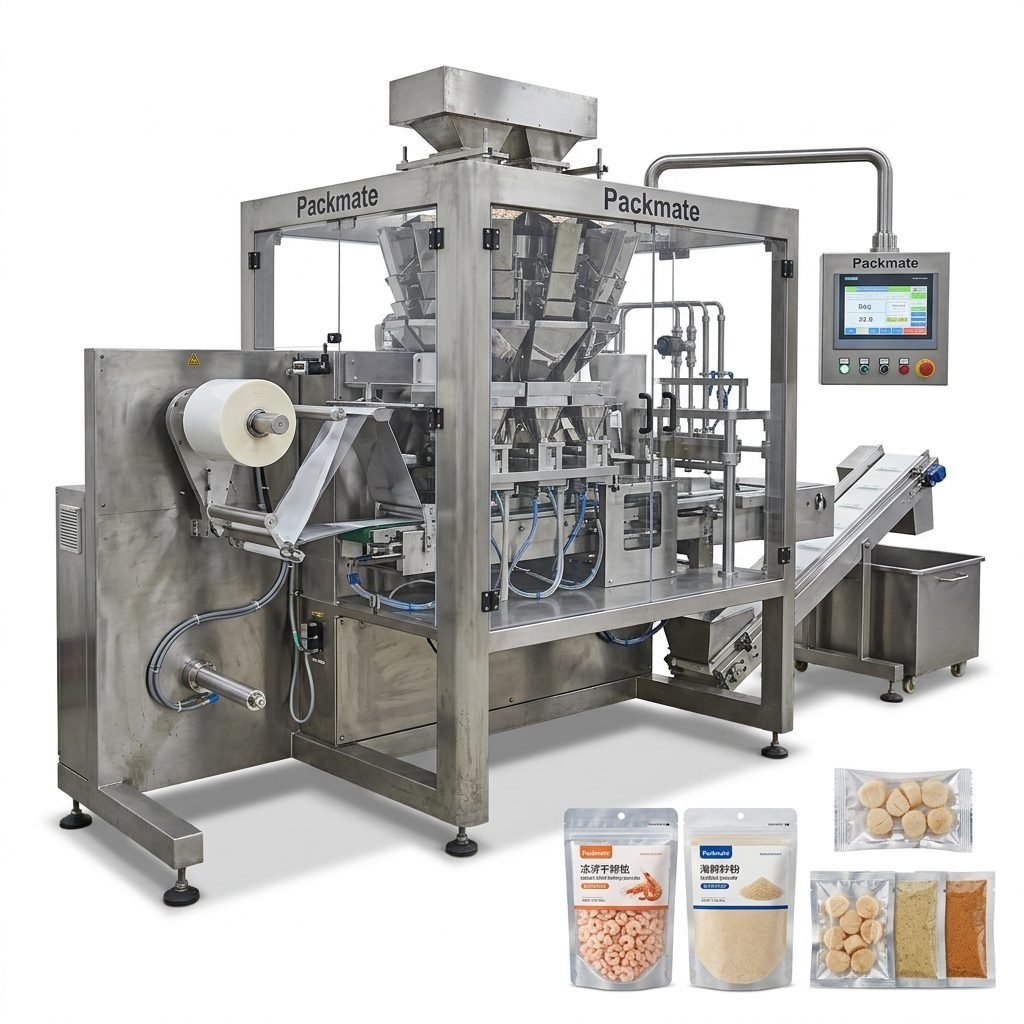
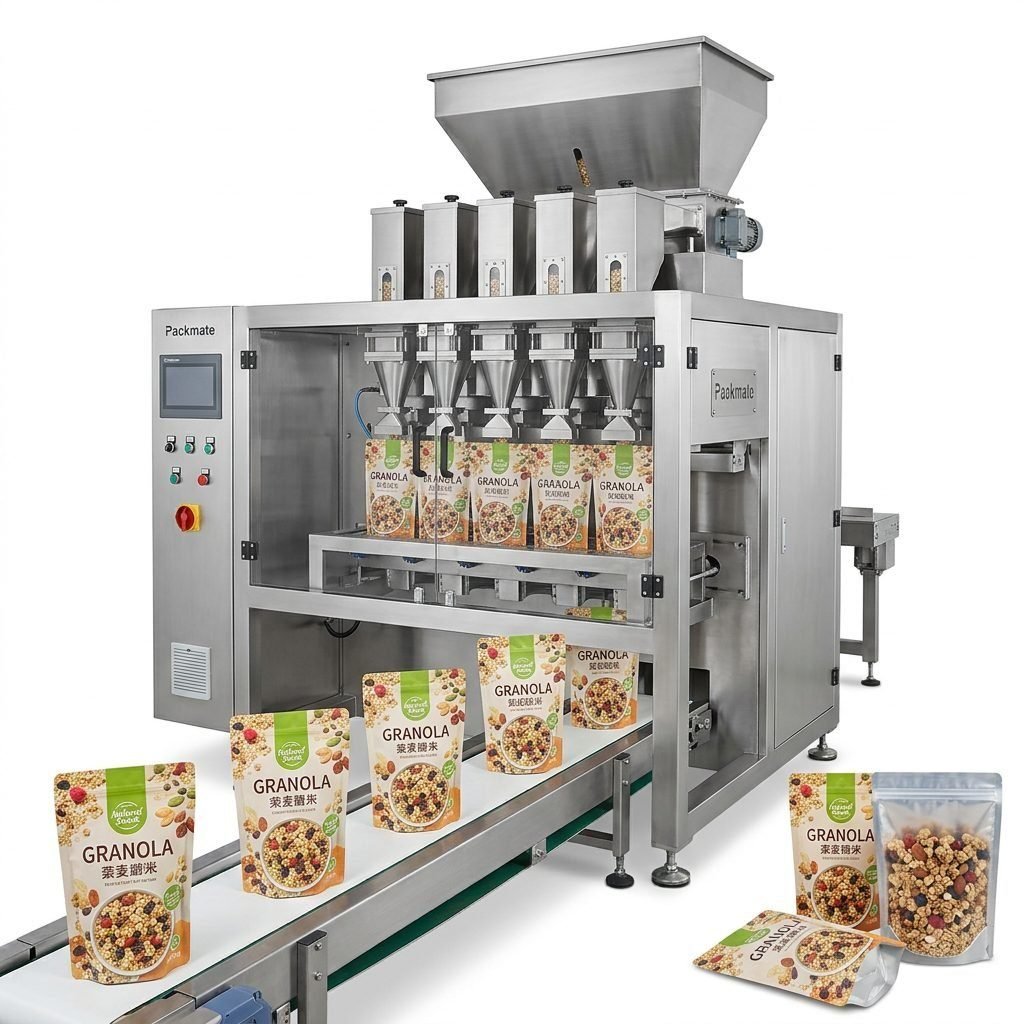
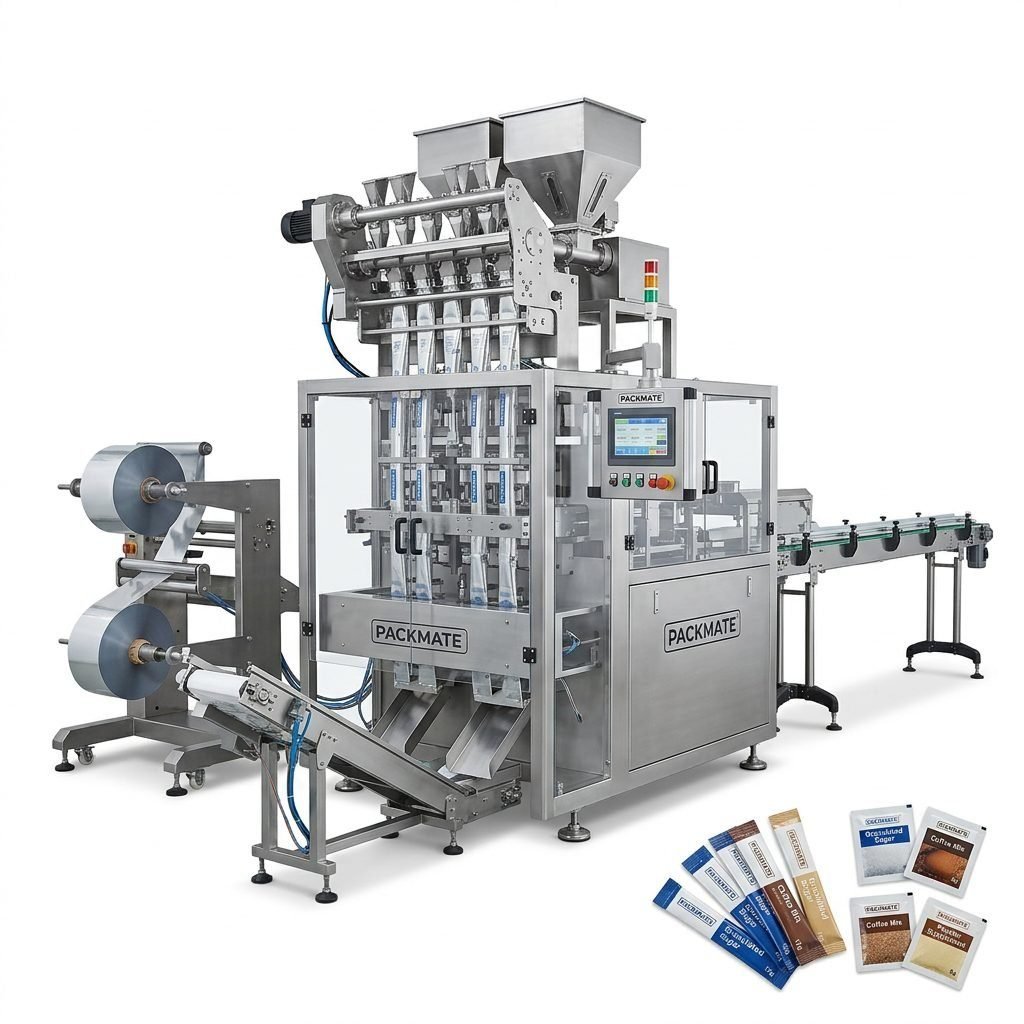
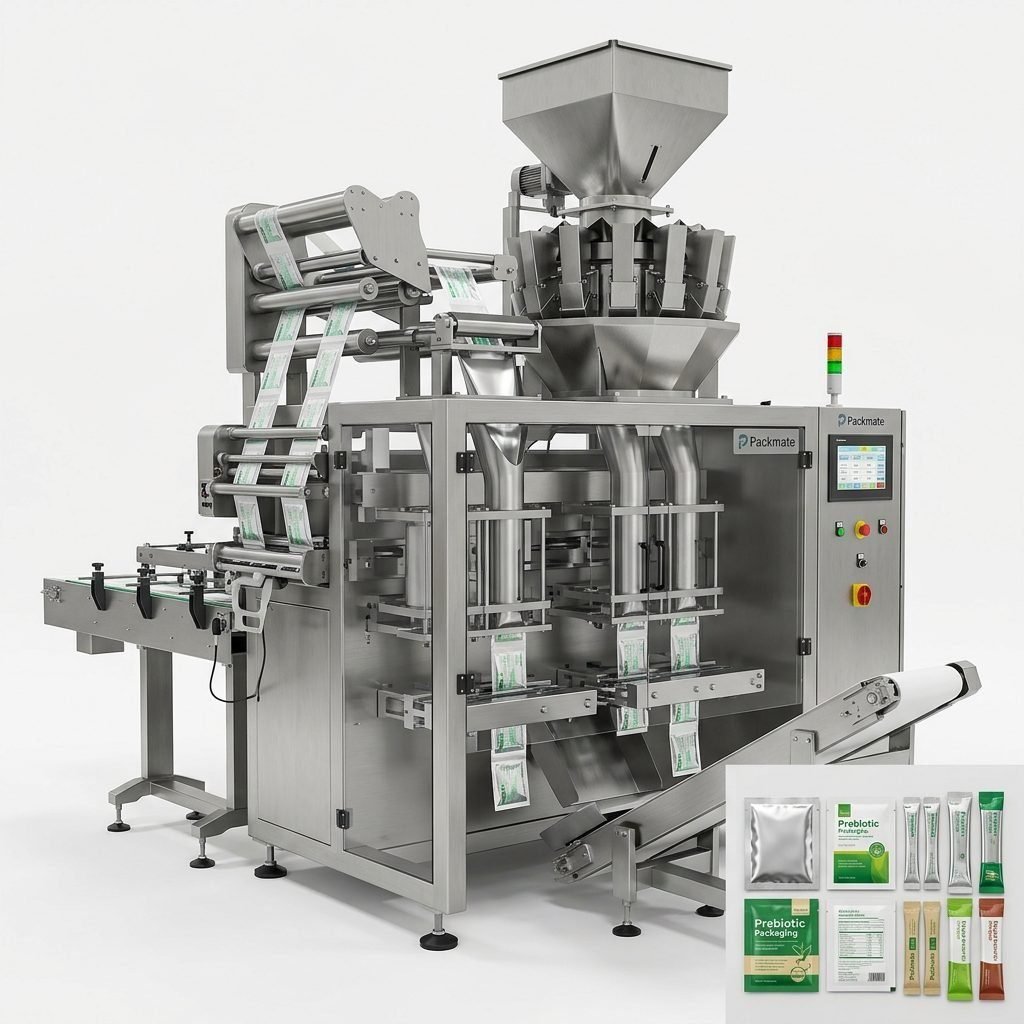
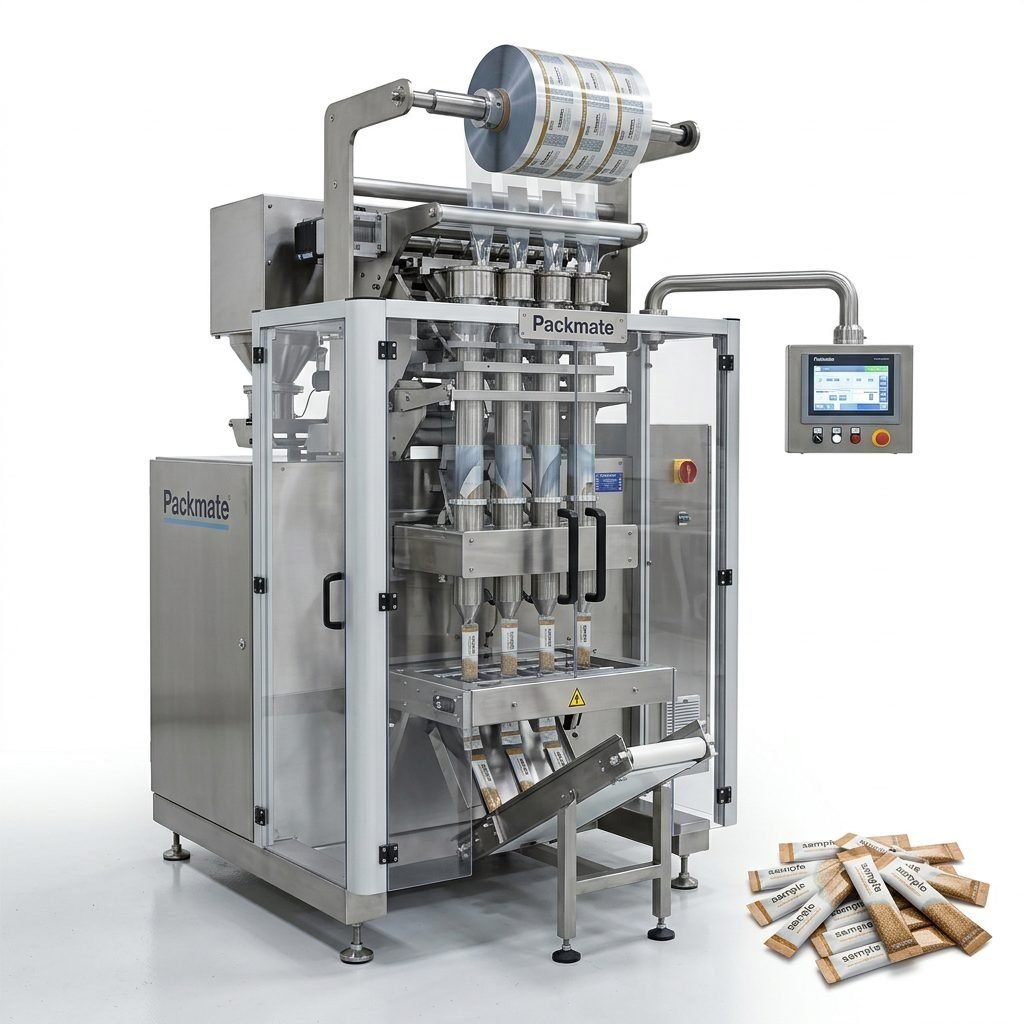
The workhorse of flexible packaging for free-flowing and semi-solid products. For dough, specially designed VFFS machines with wider tubes and gentle product handling systems are used. They form the bag from a roll of film, fill it with a precise weight of dough (often integrated with multi-head weighing systems), and seal it. Modern VFFS machines can incorporate gas flushing for MAP, date coding, and checkweighing in a single line.
Horizontal Form-Fill-Seal (HFFS) / Flow Wrappers
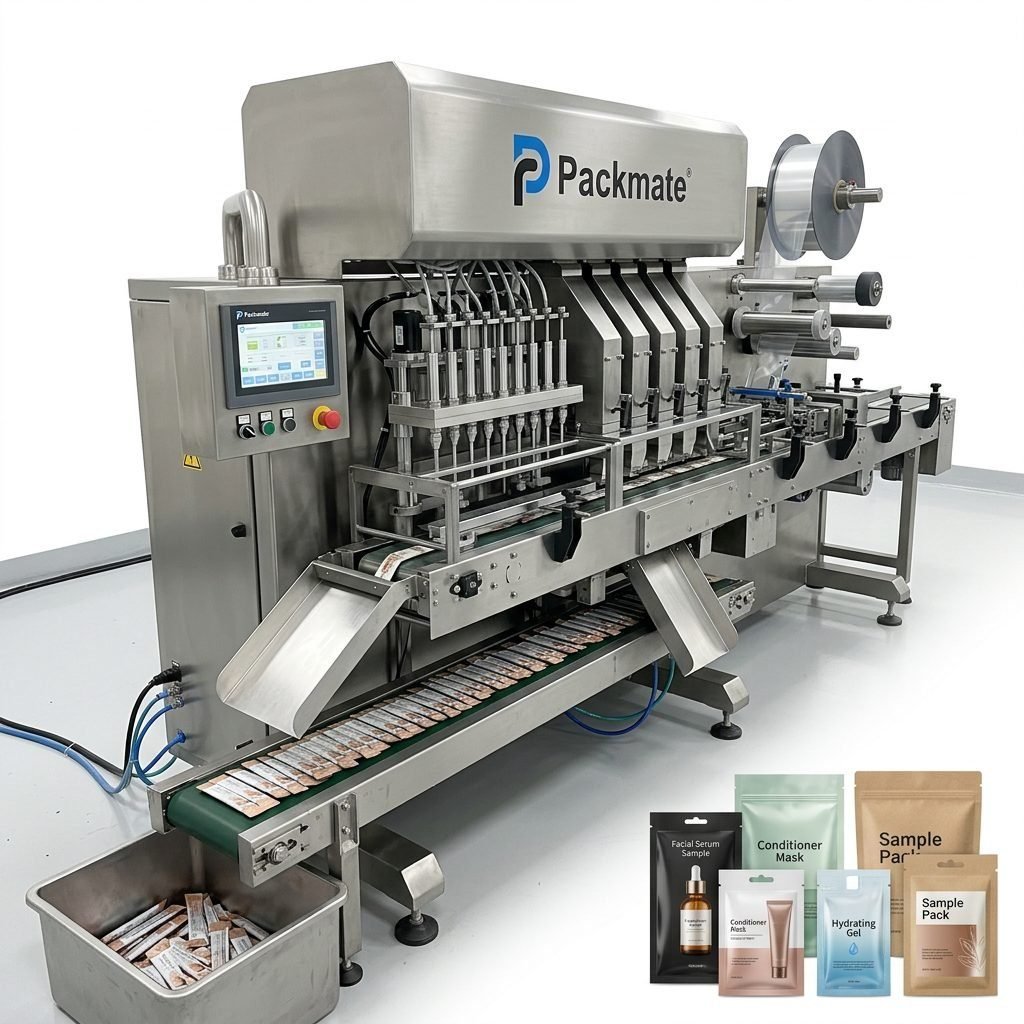
Ideal for individual wraps or multi-packs of smaller dough items. The product is placed into a pre-formed web of film, which is then sealed around it. These machines offer high speeds and a very neat, finished appearance crucial for retail.
Thermoforming Machines
Essential for skin packaging and rigid tray applications. They heat a plastic sheet, form it into cavities, fill the cavities with dough, apply a lidding film (often with MAP capability), and seal. This is the preferred method for highly delicate or value-added dough products.
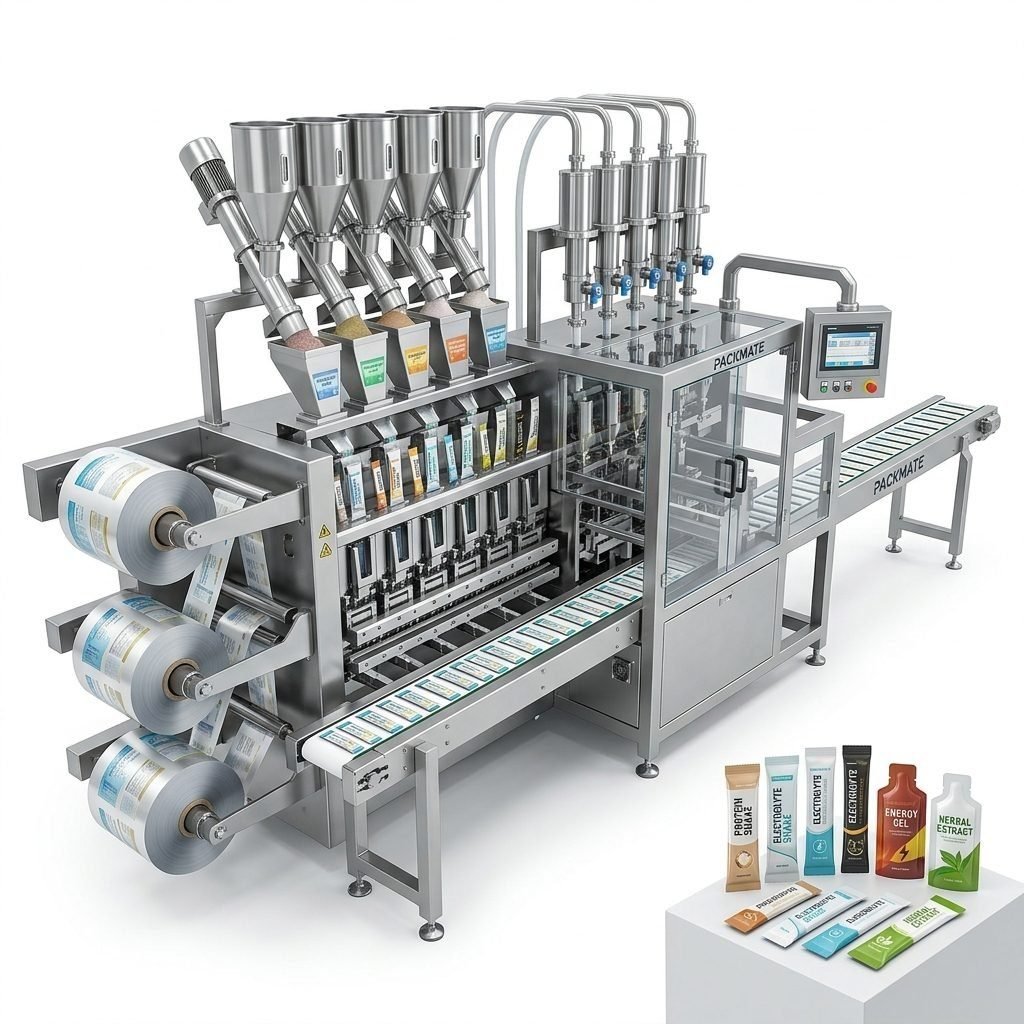
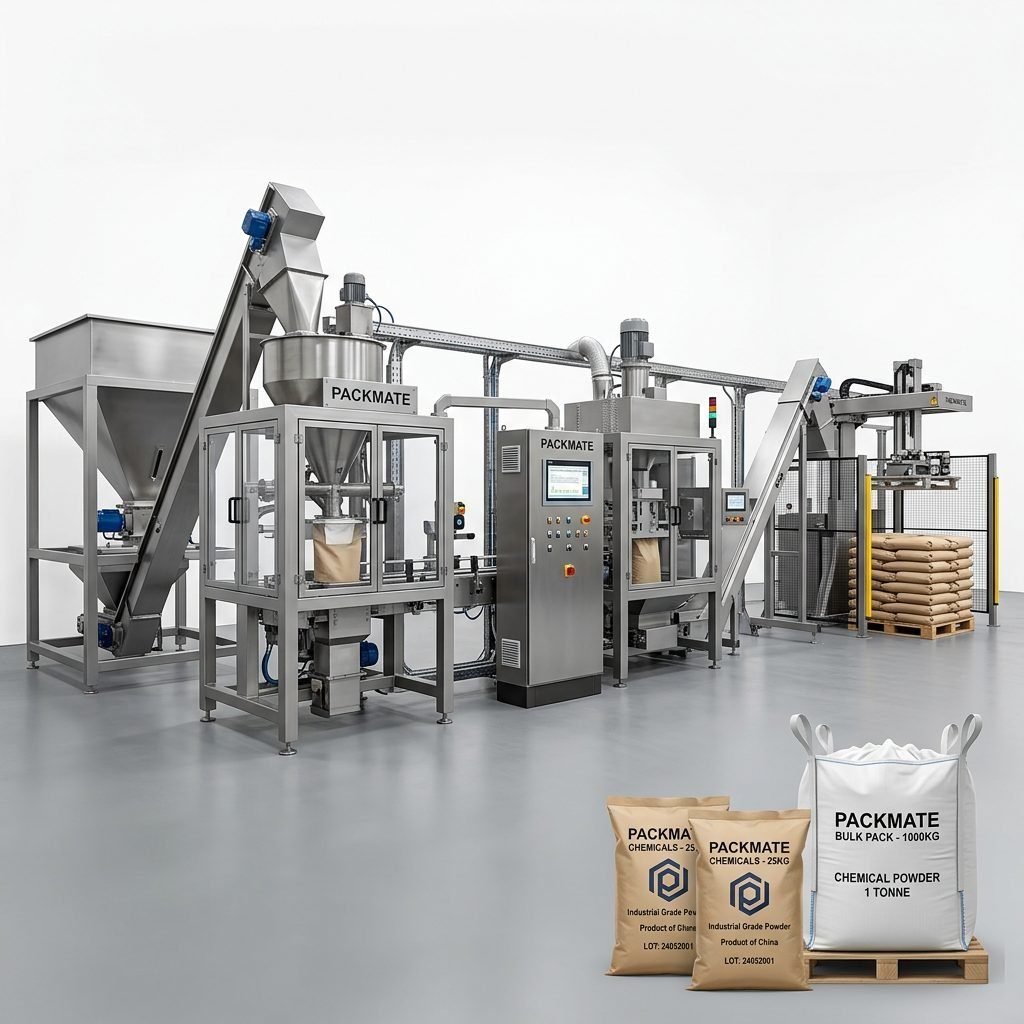
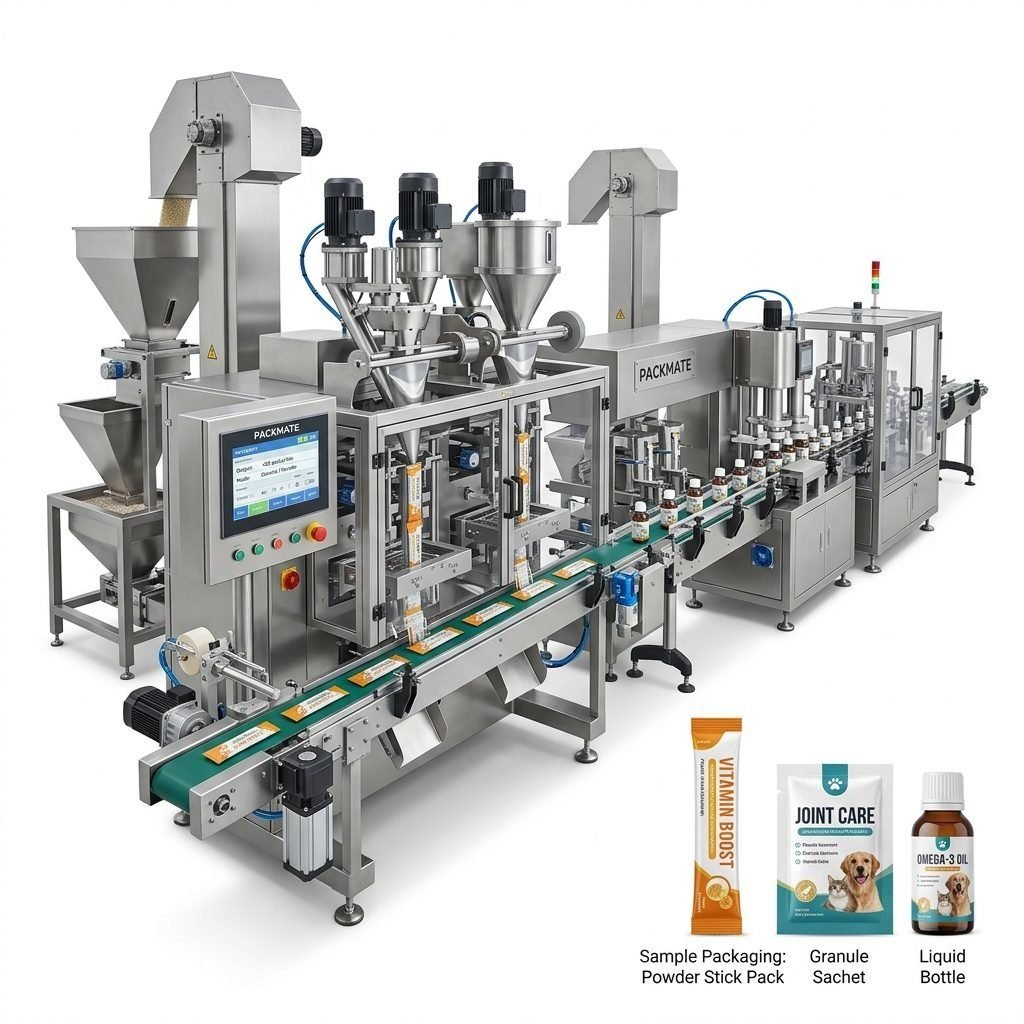
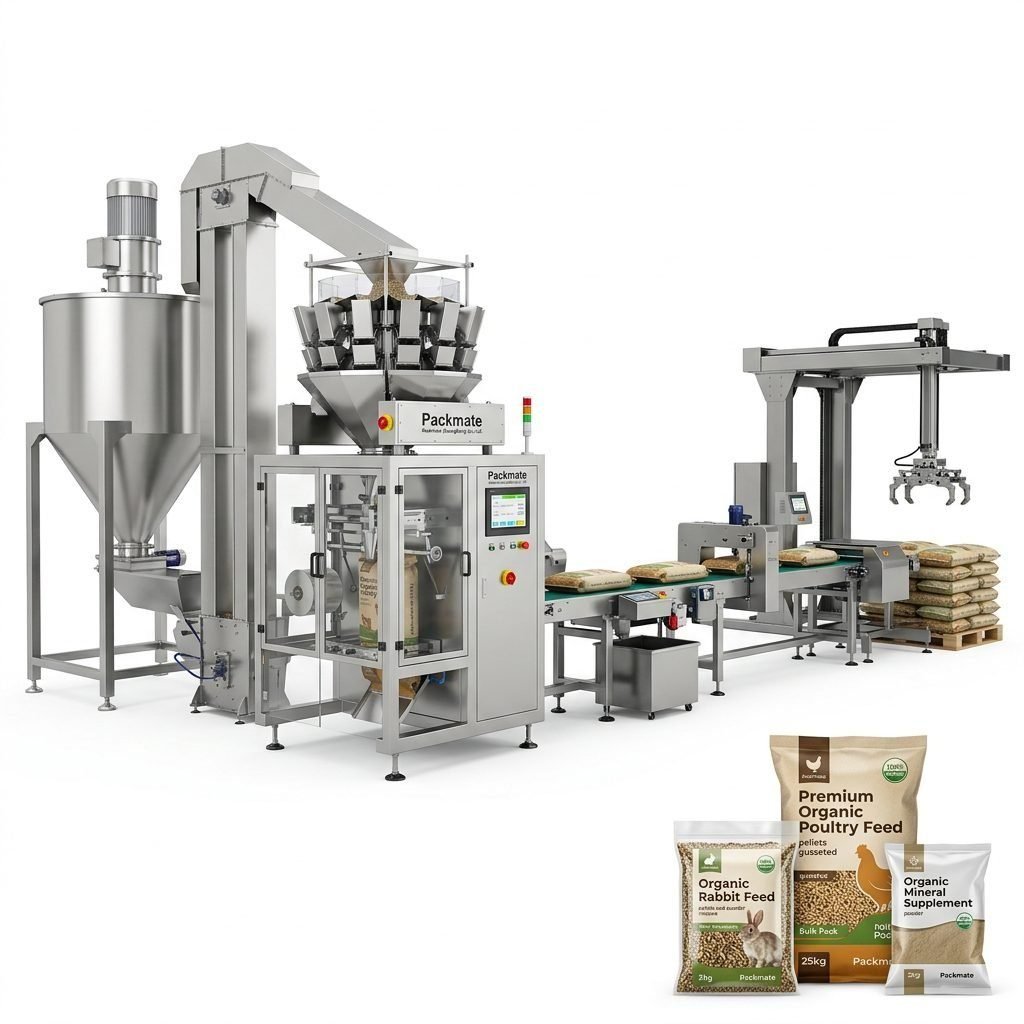
Integration is key. A complete line will seamlessly connect a dough divider/rounder, proofer (if applicable), freezer, and the primary packaging machine via conveyors. Downstream, automatic case packers and palletizers further reduce labor and handling. Partnering with a manufacturer like Packmate Machinery, which provides complete turnkey solutions, ensures compatibility between all line components, from the initial bagging to the final pallet, maximizing uptime and efficiency.
Sustainability: An Increasingly Important Consideration
Consumer and regulatory pressure is pushing the frozen food industry toward more sustainable packaging. For machinery, this means adaptability to handle new, often more challenging materials like mono-PE or paper-based laminates without compromising seal integrity or line speed. Machinery must be precise to minimize film waste and capable of running thinner-gauged materials effectively. The end goal is to reduce the overall environmental footprint without sacrificing the vital protective functions the packaging provides.
Conclusion: A Strategic Investment
Choosing custom frozen dough packaging solutions and machinery is a complex but vital process. It requires a deep understanding of product science, material properties, automation engineering, and market trends. The optimal setup preserves product integrity, operates at target speeds with high reliability, and aligns with brand values, including sustainability. By viewing packaging not as a cost but as a value-adding component of the product itself, manufacturers can protect their quality, strengthen their brand, and secure a competitive edge in the dynamic frozen foods marketplace. Investing in robust, flexible, and intelligent packaging technology from experienced providers is an investment in the future resilience and growth of your business.
Frequently Asked Questions (FAQs)
What is the most critical property to look for in frozen dough packaging film?
The most critical properties are a high moisture vapor barrier (low MVTR) and a high oxygen barrier (low OTR). Preventing moisture loss (freezer burn) and oxygen ingress (leading to staleness and rancidity) are fundamental to maintaining dough quality and achieving a long shelf life.
Can I use eco-friendly packaging for frozen dough?
Yes, but it requires careful selection and testing. New mono-material plastics (like PE-only) designed for recyclability or compostable bioplastics are available. However, their barrier performance under long-term frozen conditions must be thoroughly validated to ensure they match the protection of traditional multi-layer laminates.
Is Modified Atmosphere Packaging (MAP) necessary for all frozen dough?
Not necessarily, but it is highly recommended for premium products targeting extended shelf life (beyond 6-12 months) or superior quality preservation. For standard products with a shorter turnover, robust barrier materials without MAP may be sufficient and more cost-effective.
How do I choose between Vertical (VFFS) and Horizontal (HFFS) form-fill-seal machines?
The choice depends on your product and packaging format. VFFS is generally better for loose dough pieces, rolls, or products packed in stand-up pouches. HFFS (flow wrap) is ideal for individually wrapping pre-formed dough items like cookies or pastry sheets, or for creating tight multi-packs, offering a more finished retail appearance.
What support should I expect from a packaging machinery supplier?
A reputable supplier like Packmate Machinery should offer more than just a machine sale. Expect comprehensive support including pre-sales consultation and line design, installation and commissioning, extensive operator and maintenance training, readily available spare parts, and reliable after-sales technical service. They should provide a complete service package to ensure your line’s long-term success.