Selecting the right packaging machine for dairy products is a critical decision that impacts production efficiency, product quality, and overall operational costs. From milk powder and cheese to yogurt and butter, each product has unique packaging requirements. This guide provides a comprehensive overview of the types of dairy packaging machines available and offers key considerations to help you make an informed choice for your business.
Primary Types of Dairy Products Packaging Machines
The dairy industry utilizes a variety of specialized machinery. Understanding these types is the first step toward selecting the right equipment.
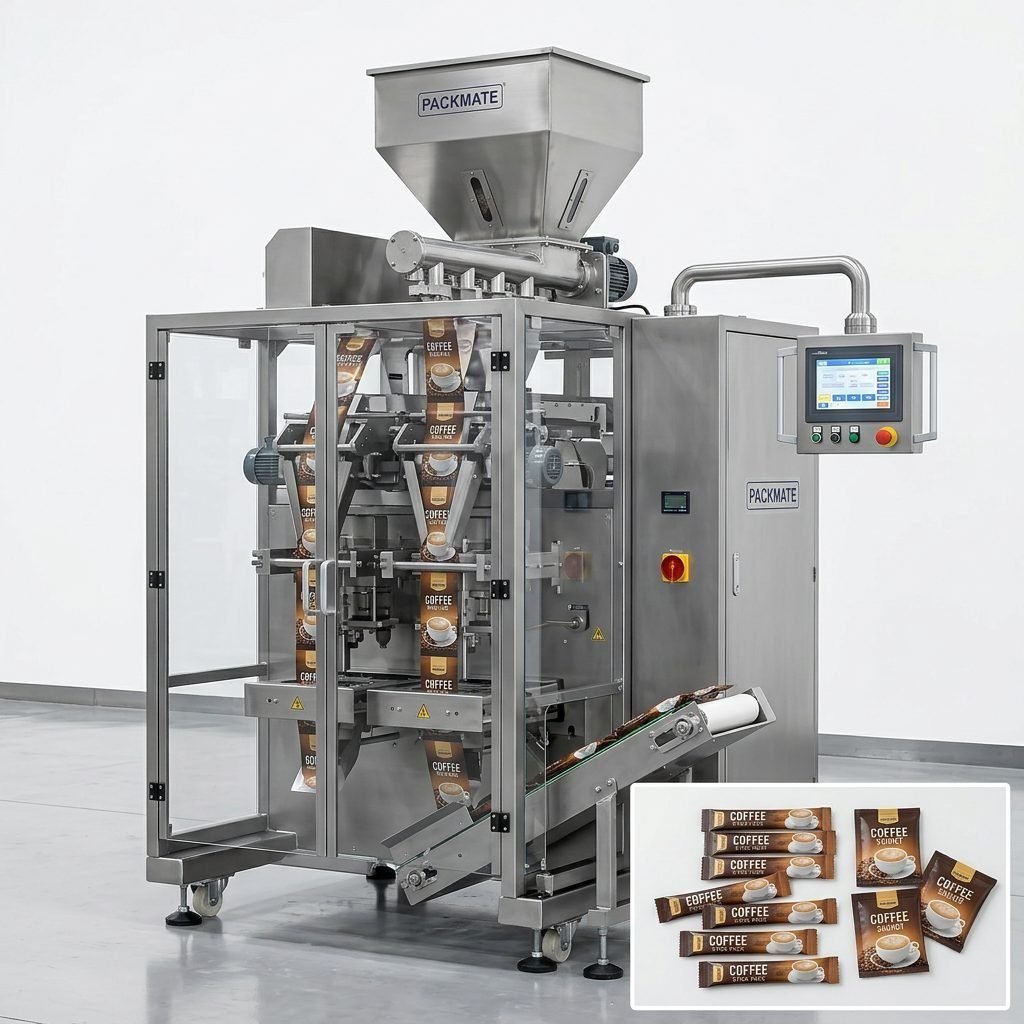
Vertical Form-Fill-Seal (VFFS) Machines
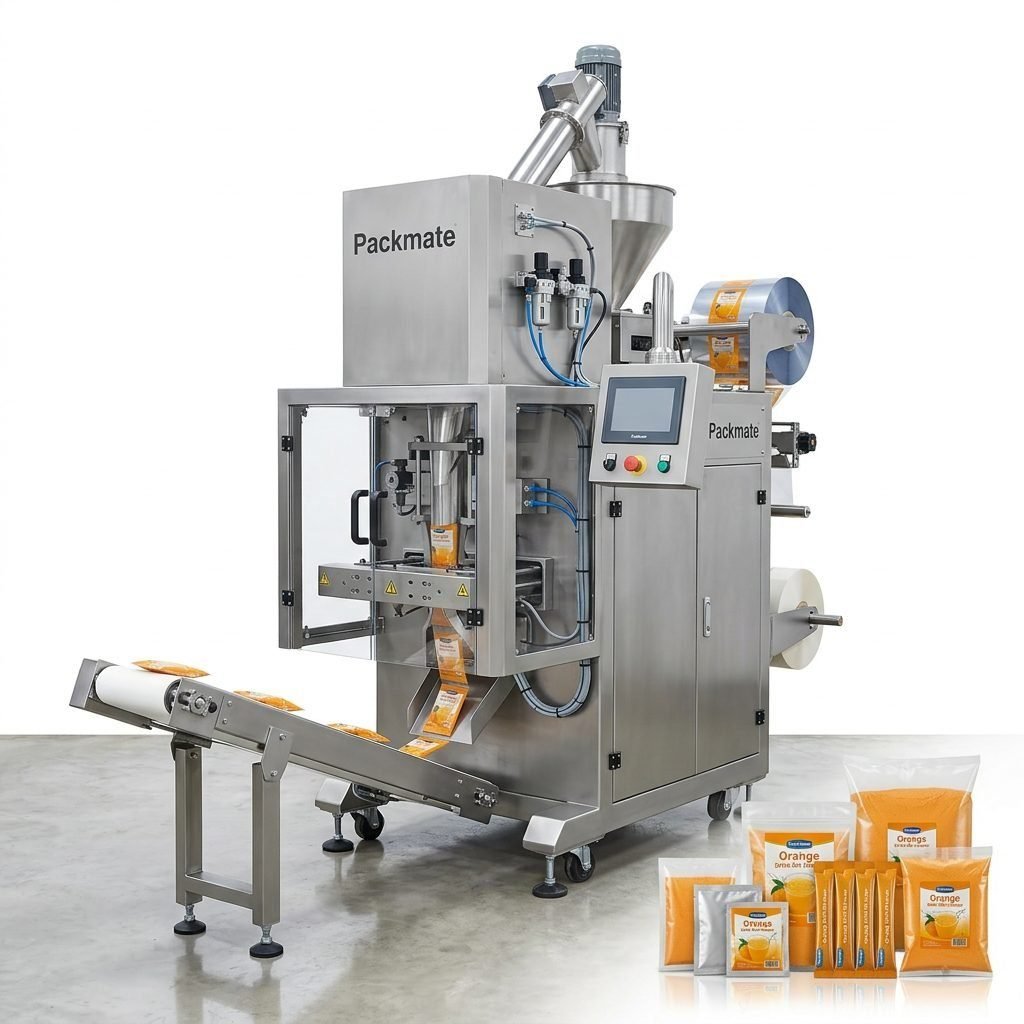
These are among the most versatile and commonly used machines in dairy packaging. They form a bag from a roll of film, fill it with the product, and then seal it—all in one continuous vertical operation. VFFS machines are ideal for granular and powdered products like milk powder, protein powder, and grated cheese. They offer high-speed production and are adaptable to various bag styles, including pillow packs and gusseted bags.
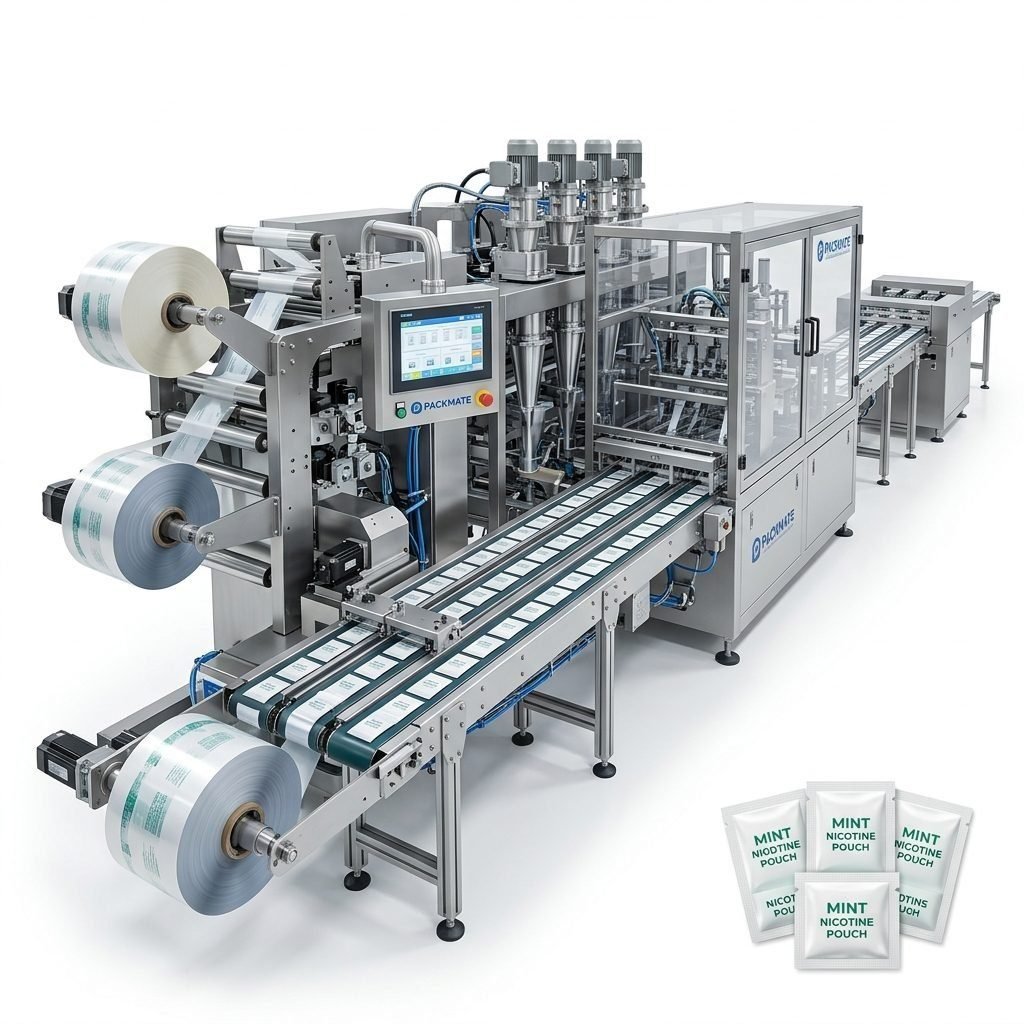
Horizontal Form-Fill-Seal (HFFS) Machines
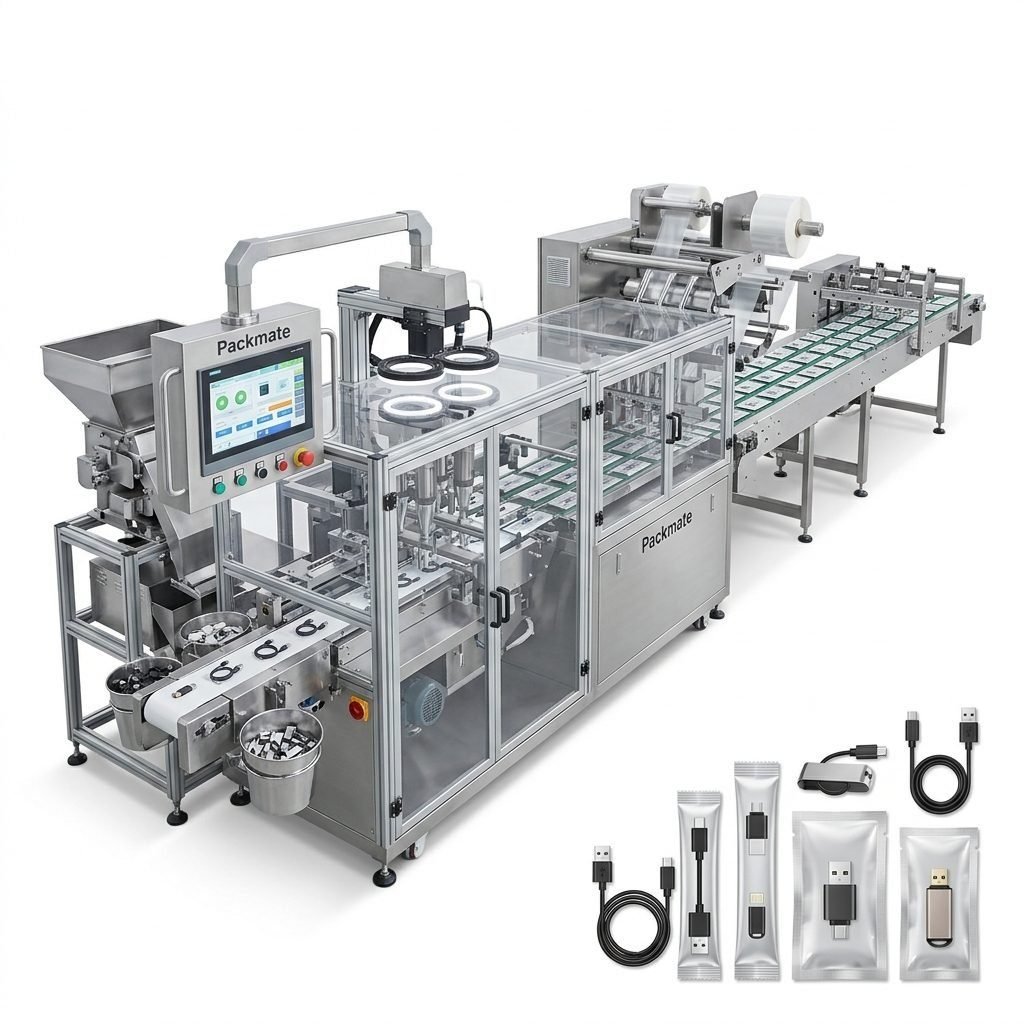
HFFS machines are typically used for products that require a more rigid structure or specific presentation, such as cheese slices, butter portions, or individually wrapped snacks. The film is fed horizontally, formed into pockets, filled, and then lidded with a top web. This method is excellent for creating tray-style packaging with excellent visual appeal on retail shelves.
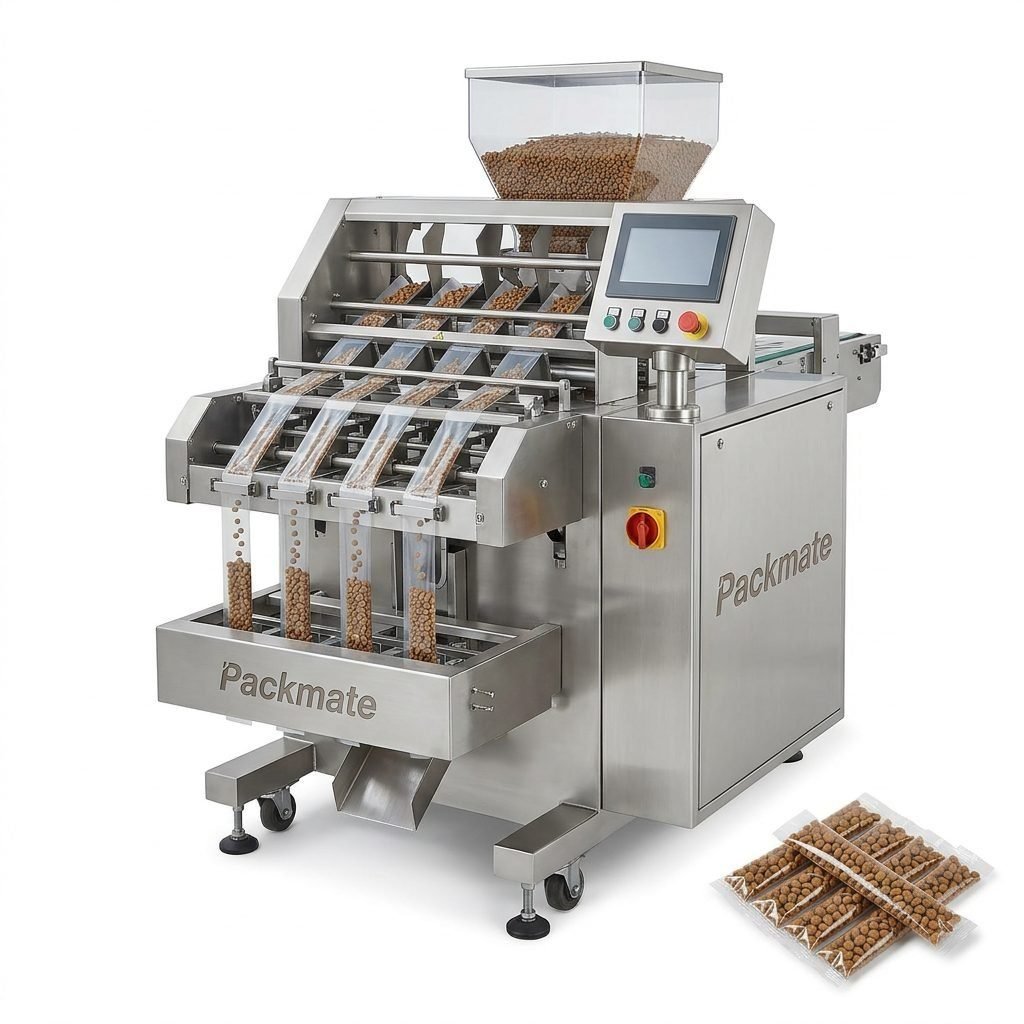
Sachet and Stick Pack Machines
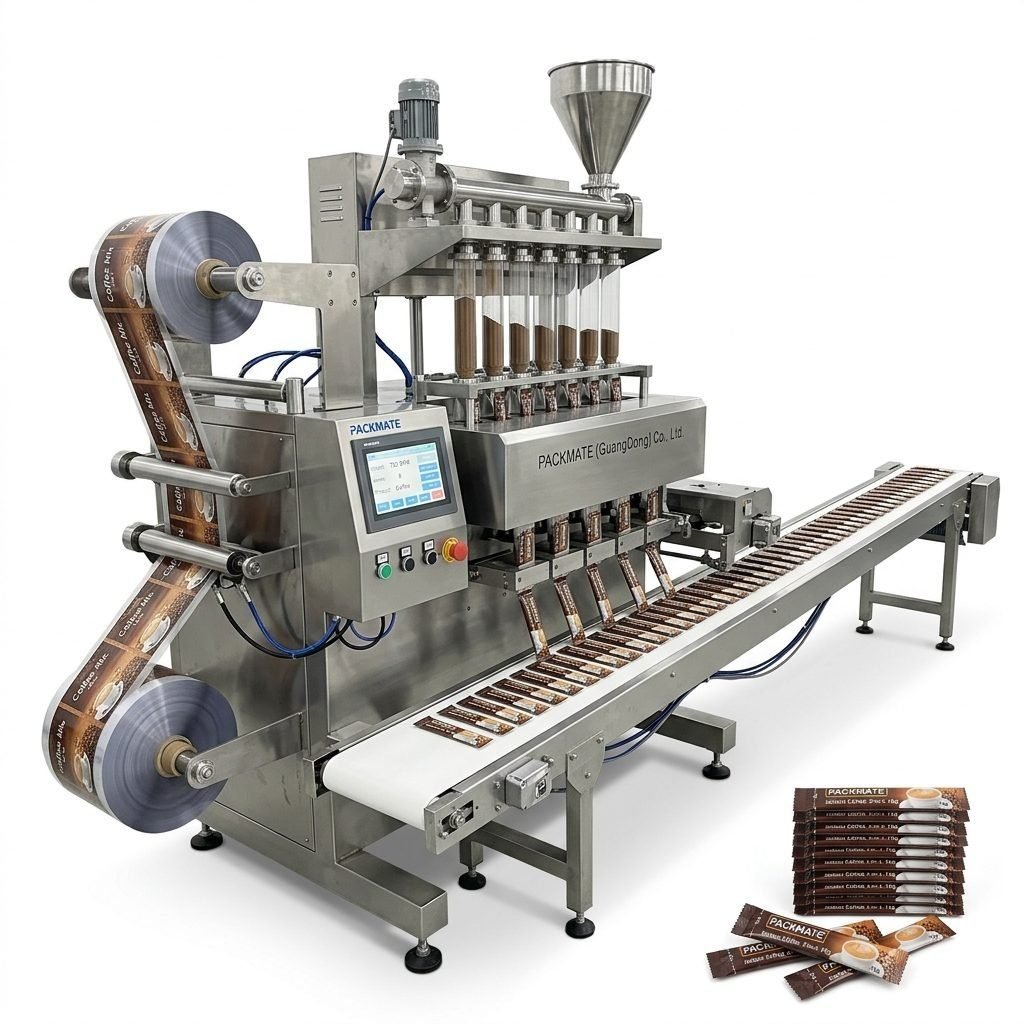
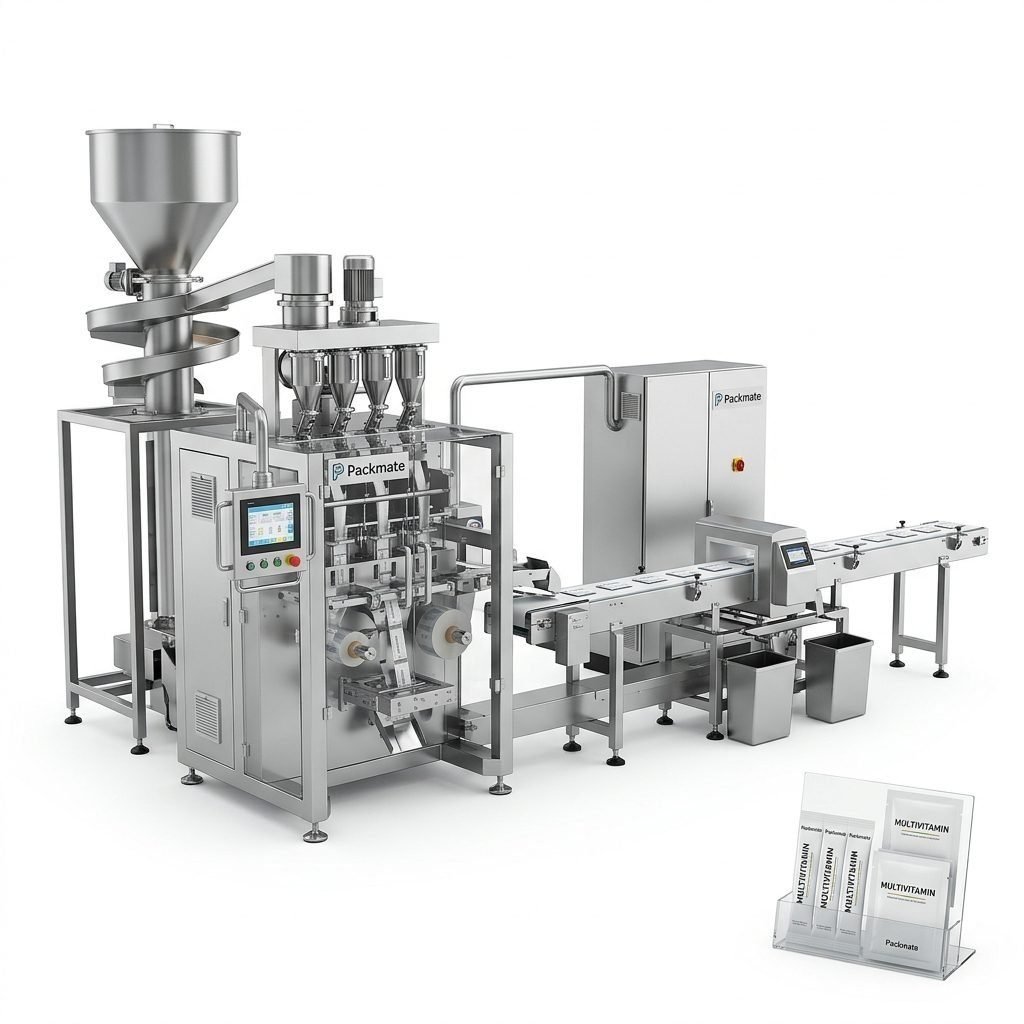
Perfect for single-serve portions, sachet and stick pack machines are essential for products like coffee creamer, flavored milk powder, or drink mixes. These machines create small, sealed packets from roll stock. Multi-lane stick pack machines, like those offered by Packmate Machinery, can achieve exceptionally high outputs, making them cost-effective for large-volume production runs of portion-controlled dairy products.
Key Advantage of Modern Machines
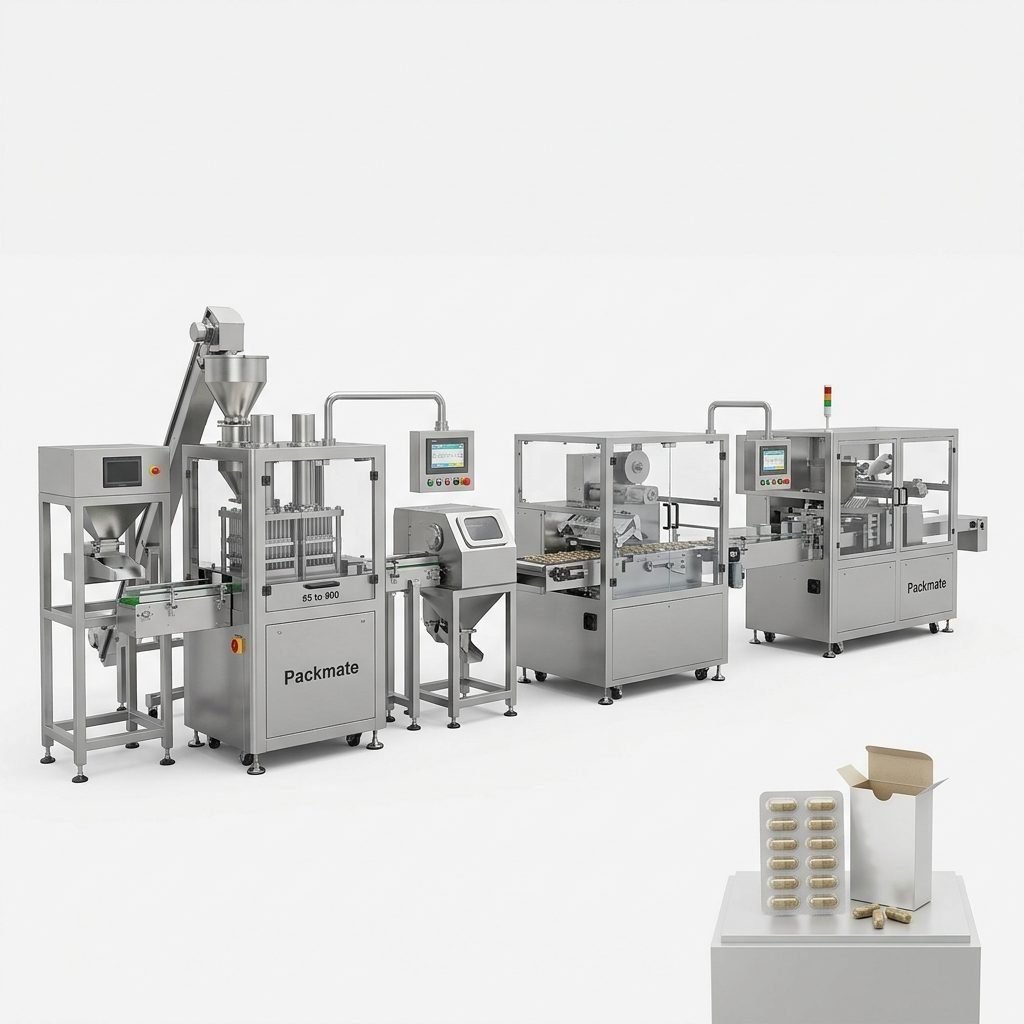
Today’s advanced packaging lines often integrate multiple processes. For instance, a complete filling and packaging line might include a VFFS machine directly coupled with a volumetric or auger filler for powders, followed by a checkweigher and cartoner. This integration minimizes handling, reduces contamination risk, and maximizes throughput.
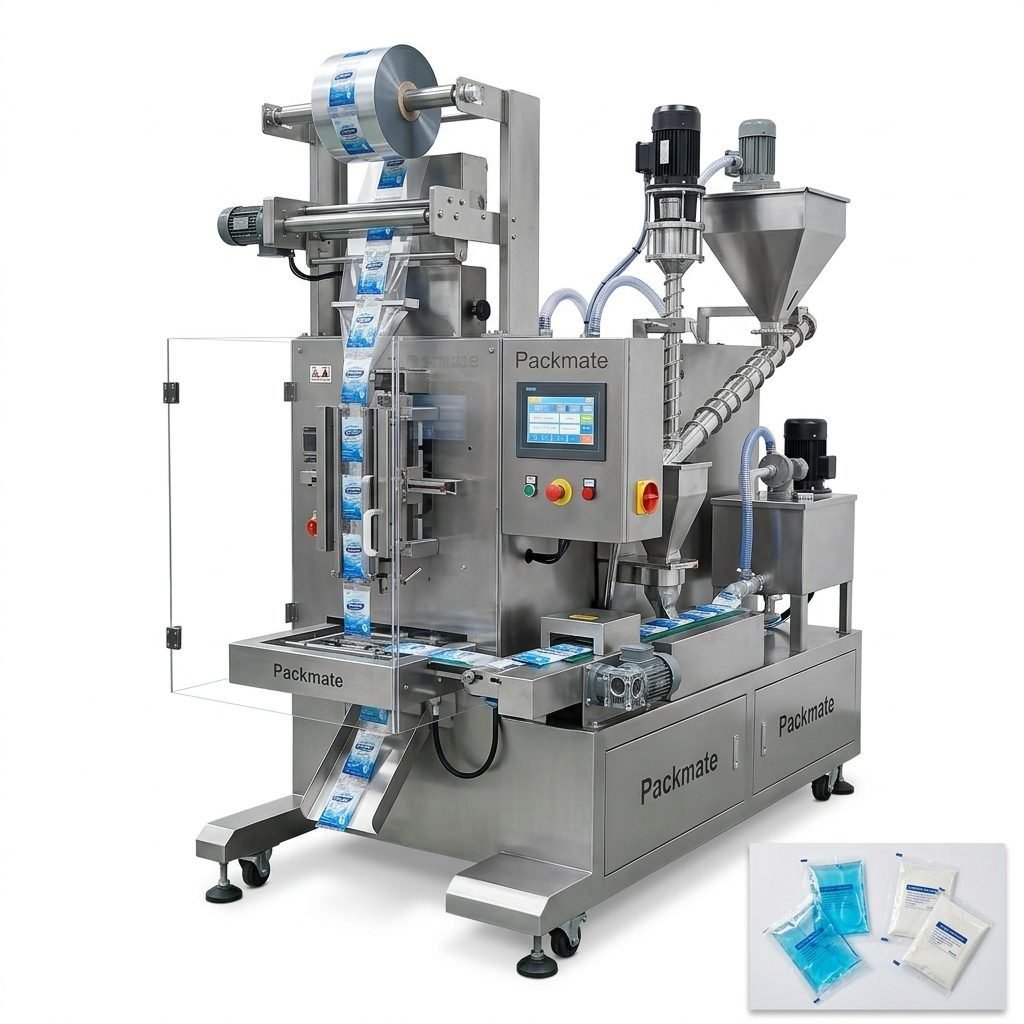
Liquid Filling and Pouch Packaging Lines
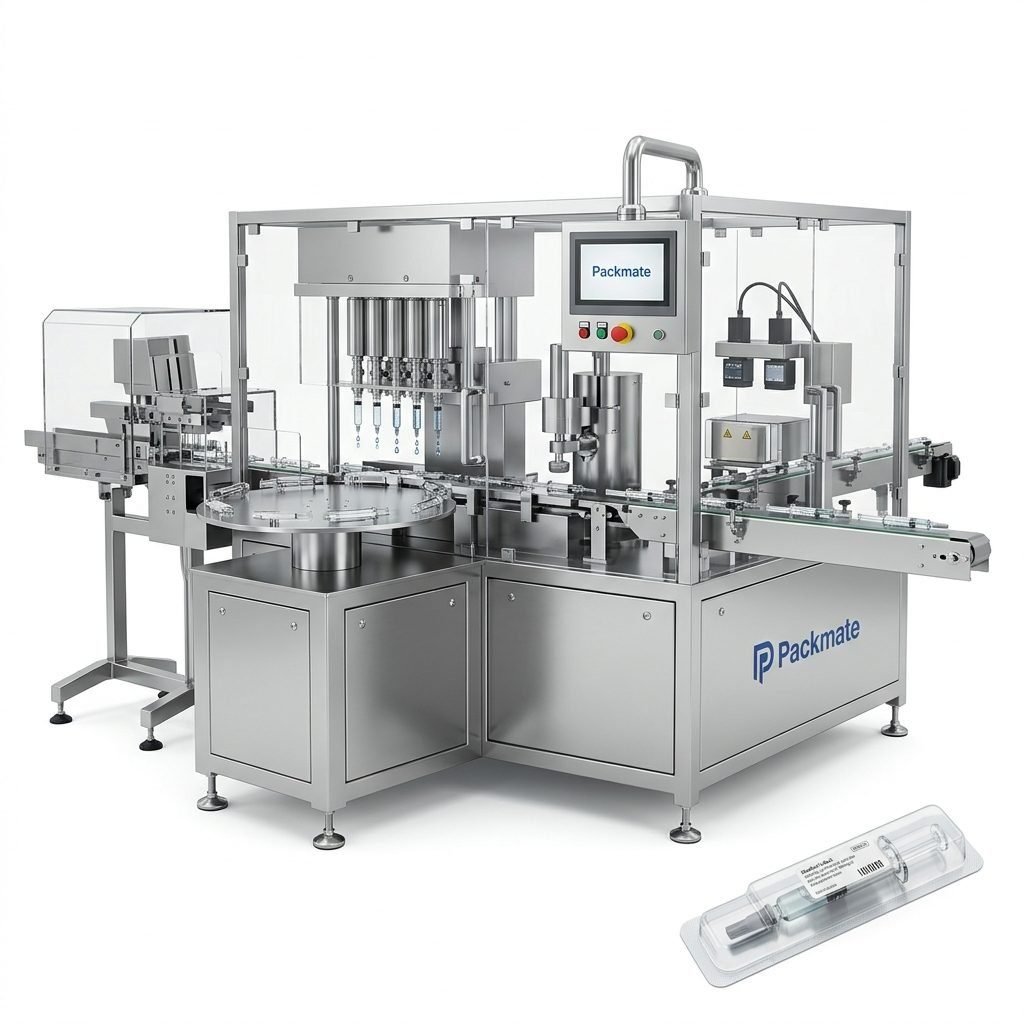
For liquid dairy products like yogurt drinks, milk, or cream, automated liquid filling lines are used. These systems often employ piston fillers or gravity fillers for accuracy. The filled pouches or bottles are then sealed and packed. For stand-up pouches, which are popular for their shelf presence and convenience, specific bag and pouch packaging machines are required to handle the pre-made pouches, open, fill, and seal them reliably.
How to Choose the Right Dairy Packaging Machine
Making the correct investment requires careful evaluation of several factors beyond just the machine type.
1. Analyze Your Product Characteristics
The physical properties of your dairy product dictate the machine specifications. Consider its form (powder, granule, liquid, solid), density, flowability, and any special handling requirements (e.g., sensitivity to heat for sealing, need for nitrogen flushing for cheese). For abrasive powders, wear-resistant components are a must.
2. Define Your Production Requirements
Be clear about your current and projected needs. Key questions include:
Output Speed: How many packages per minute (PPM) do you need?
Packaging Materials: What type of film (laminate, metallized, PE) will you use? Ensure machine compatibility.
Bag/Pouch Size Range: What are the minimum and maximum dimensions you plan to run?
Changeover Frequency: How often will you switch between products or sizes? Look for machines with quick-change features.
The Importance of a Reliable Partner
Choosing a machine is also about choosing a manufacturer. A company with deep industry experience, like Packmate Machinery, brings invaluable expertise. With over 30 years in packaging automation and a 20,000㎡ modern facility, they understand the nuances of dairy packaging. Their ability to provide complete turnkey solutions—from individual machines to integrated filling and packaging lines—ensures all components work seamlessly together, saving you time and integration headaches.
3. Prioritize Hygiene and Safety Standards
Dairy products are consumables and often perishable. The machine must be designed for easy and thorough cleaning. Look for stainless steel contact parts, sanitary design with minimal crevices, and compatibility with CIP (Clean-in-Place) or SIP (Sterilize-in-Place) systems where applicable. Compliance with food-grade standards (e.g., FDA, EU regulations) is non-negotiable.
4. Evaluate Automation and Control Level
Modern machines offer varying degrees of automation. Basic machines may require manual film loading and parameter setting, while fully automated lines integrate with upstream and downstream equipment (mixers, conveyors, cartoners) and feature sophisticated PLC controls with touchscreen HMIs. Higher automation reduces labor costs and improves consistency but requires a larger initial investment.
5. Consider Total Cost of Ownership (TCO)
Look beyond the purchase price. Factor in:
Operational Costs: Energy consumption, compressed air usage, and film waste.
Maintenance Costs: Availability and cost of spare parts, ease of service.
Support & Service: Does the supplier offer installation, training, and reliable after-sales support? A machine from a globally serving company ensures you have access to technical assistance when needed.
Conclusion
Investing in a dairy products packaging machine is a strategic decision that requires balancing product needs, production goals, hygiene standards, and budget. By thoroughly understanding the different machine types—from VFFS and HFFS to specialized sachet and liquid filling lines—and carefully evaluating your specific requirements against the selection criteria, you can choose equipment that will enhance your productivity, ensure product integrity, and provide a strong return on investment. Partnering with an experienced and reliable manufacturer is crucial for long-term success in the competitive dairy market.
Frequently Asked Questions (FAQs)
What is the most common packaging machine for milk powder?
Vertical Form-Fill-Seal (VFFS) machines, often paired with an auger filler, are the most prevalent choice for packaging milk powder. They efficiently handle the powder’s characteristics and can produce various bag styles at high speeds.
Can one machine package different types of dairy products?
It depends on the machine’s flexibility. Some VFFS machines can be configured to handle both powders and granular products (like grated cheese) with changeover of the filling system. However, switching from powder to liquid typically requires a completely different machine type. Always consult with the manufacturer about a specific machine’s capabilities.
How important is nitrogen flushing for dairy packaging?
Extremely important for certain products. Nitrogen flushing (or modified atmosphere packaging) removes oxygen from the package before sealing. This is critical for extending the shelf life of fat-rich products like whole milk powder, cheese, and butter by preventing oxidation and rancidity.
What maintenance do dairy packaging machines require?
Regular maintenance is vital. Daily cleaning and sanitization are mandatory. Periodic maintenance includes lubricating moving parts (with food-grade lubricants), checking and replacing worn seals and cutting blades, and calibrating scales and fillers. A preventive maintenance schedule from your supplier is highly recommended.
Where can I see examples of these machines in operation?
Reputable manufacturers often showcase their equipment through case studies or videos. You can explore real-world applications and machine features by visiting a manufacturer’s case study gallery or by attending relevant industry exhibitions where they demonstrate live production runs.