In the competitive landscape of pet food and treat manufacturing, efficiency, hygiene, and product appeal are paramount. The packaging process for dog sticks, a popular and often premium product, requires specialized machinery that ensures consistency, freshness, and visual appeal on retail shelves. This guide delves into the intricate manufacturing process of dog sticks packaging machines, a critical component for brands aiming to scale production while maintaining the highest quality standards.
Core Components of a Dog Sticks Packaging Line
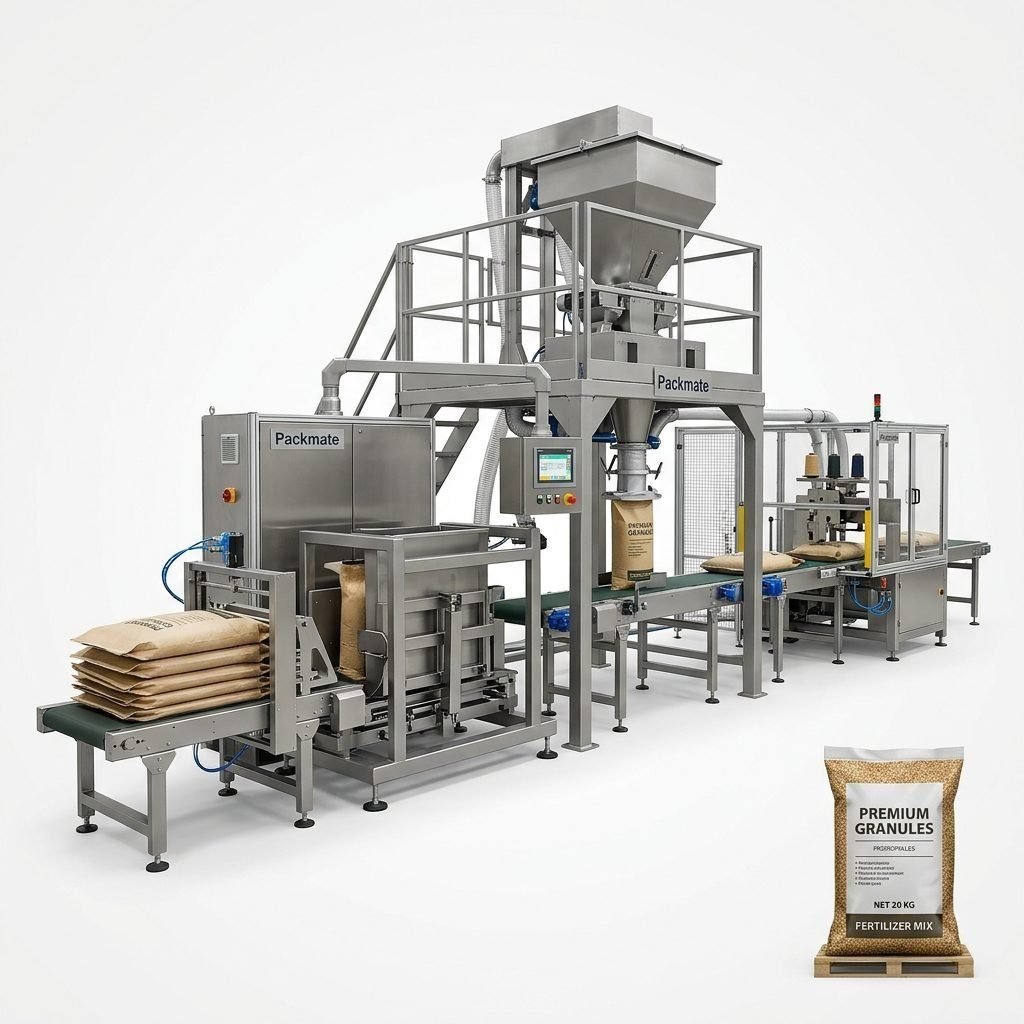
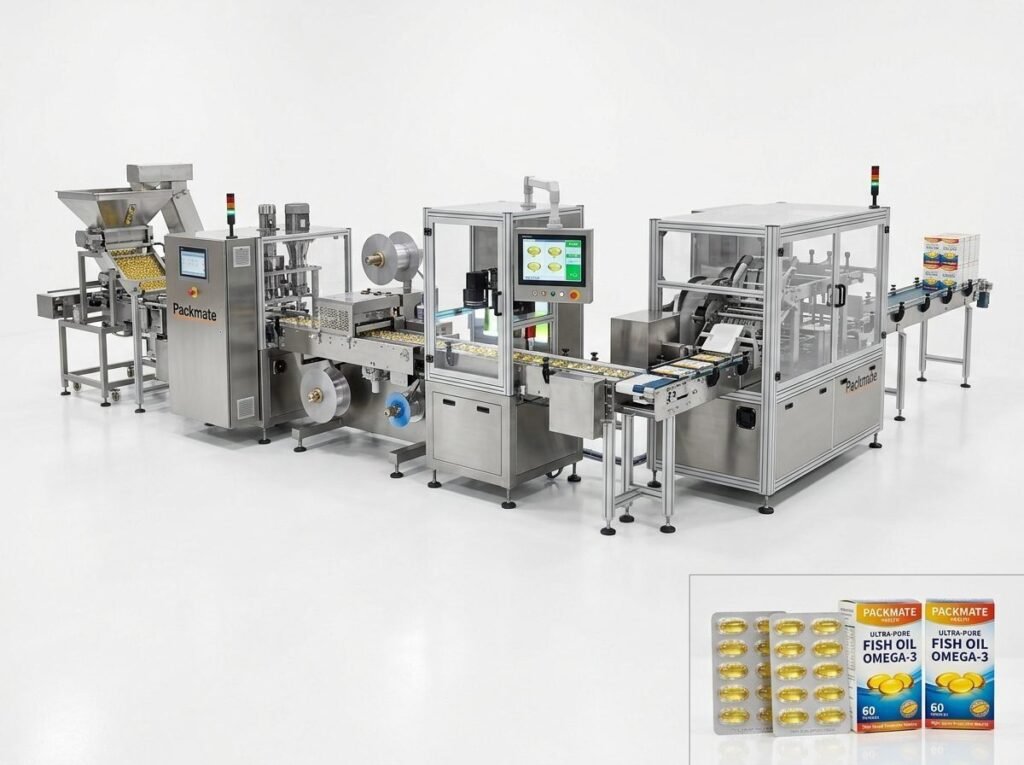
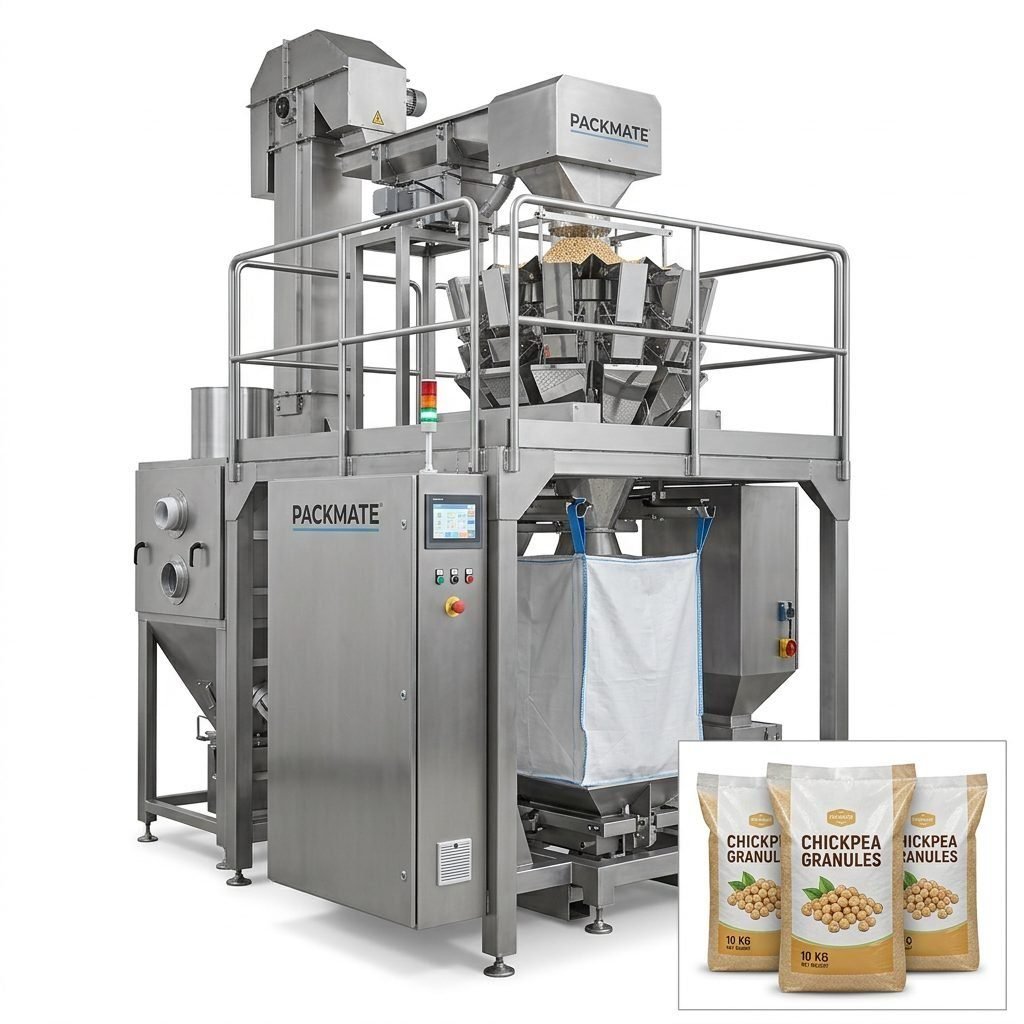
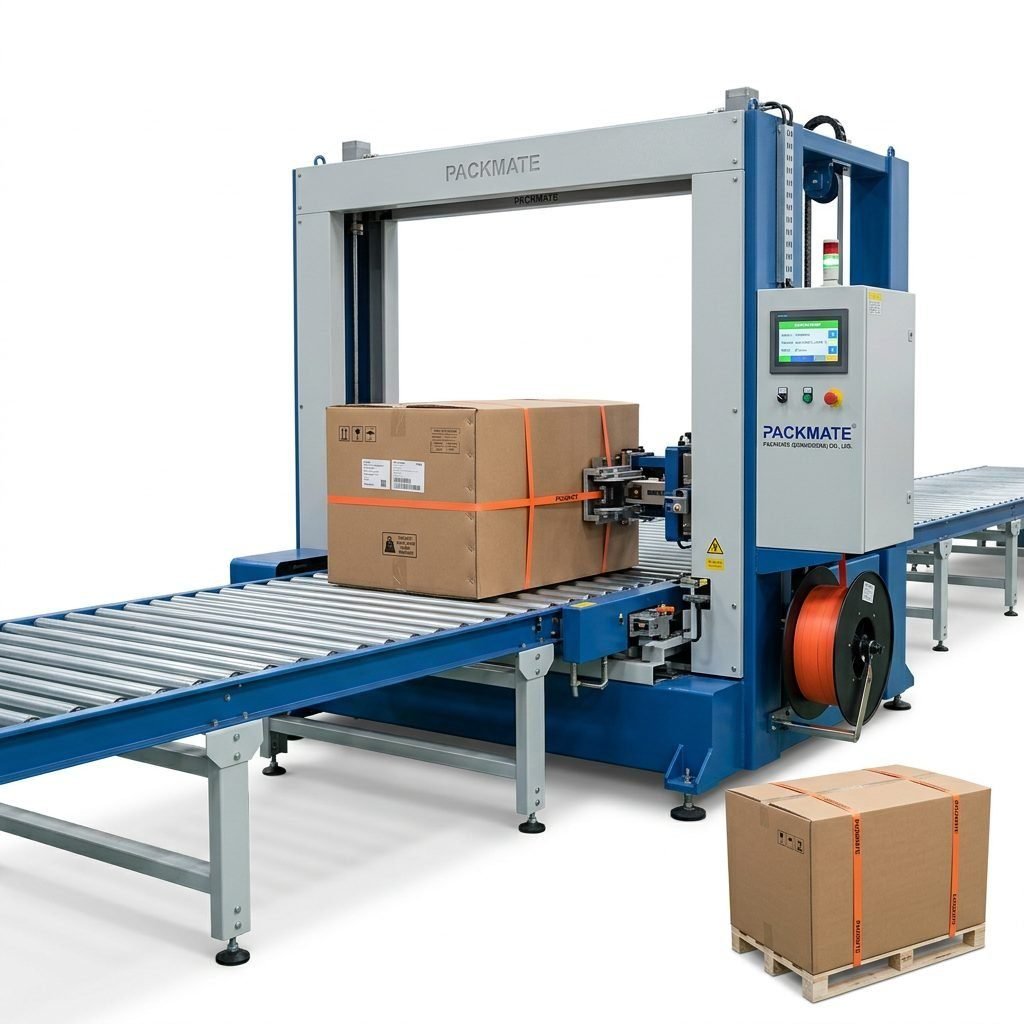
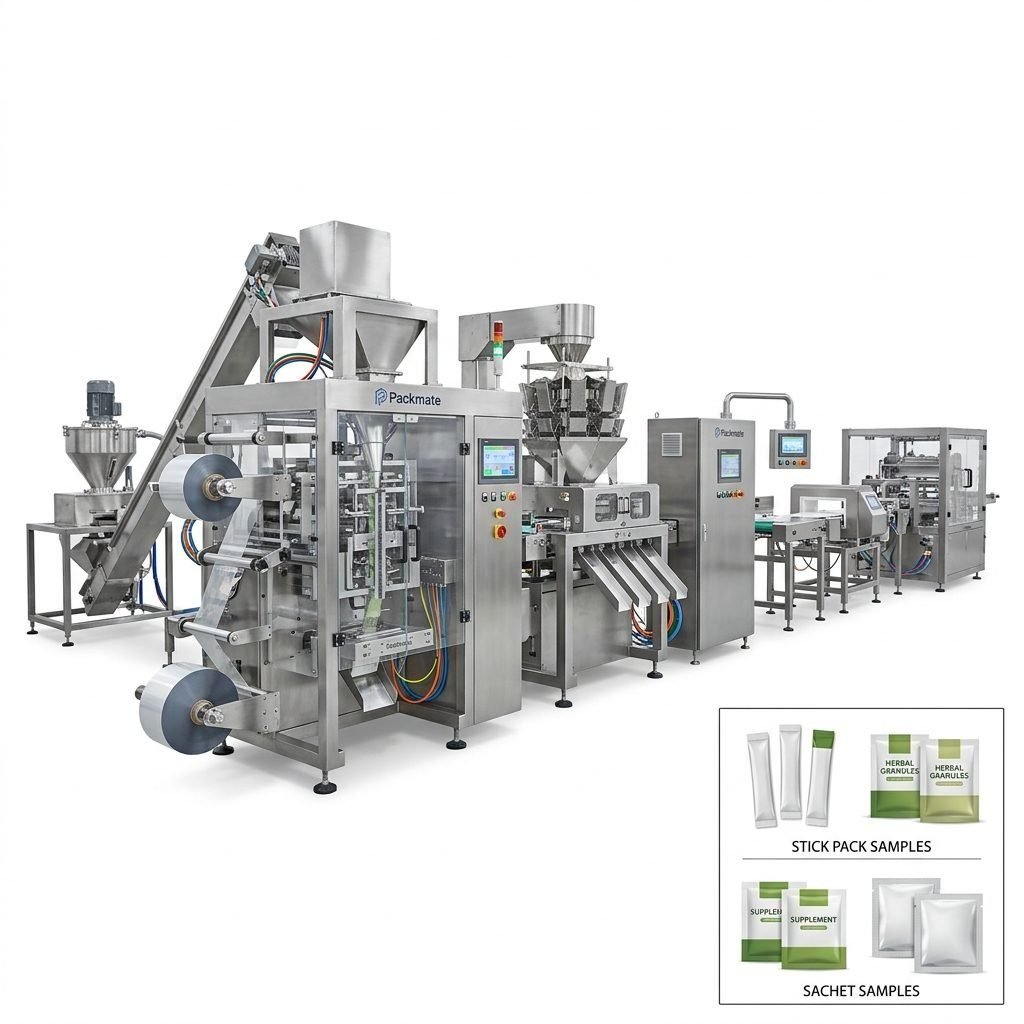
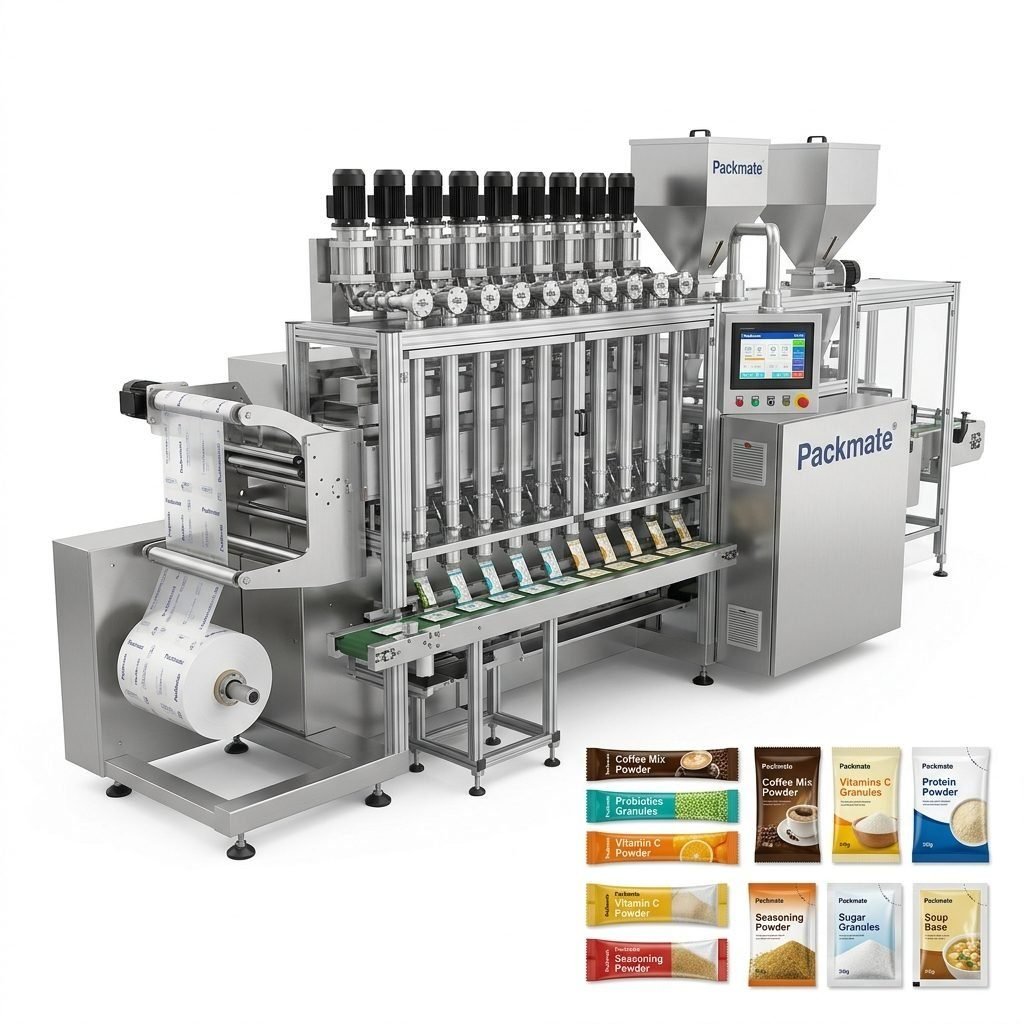
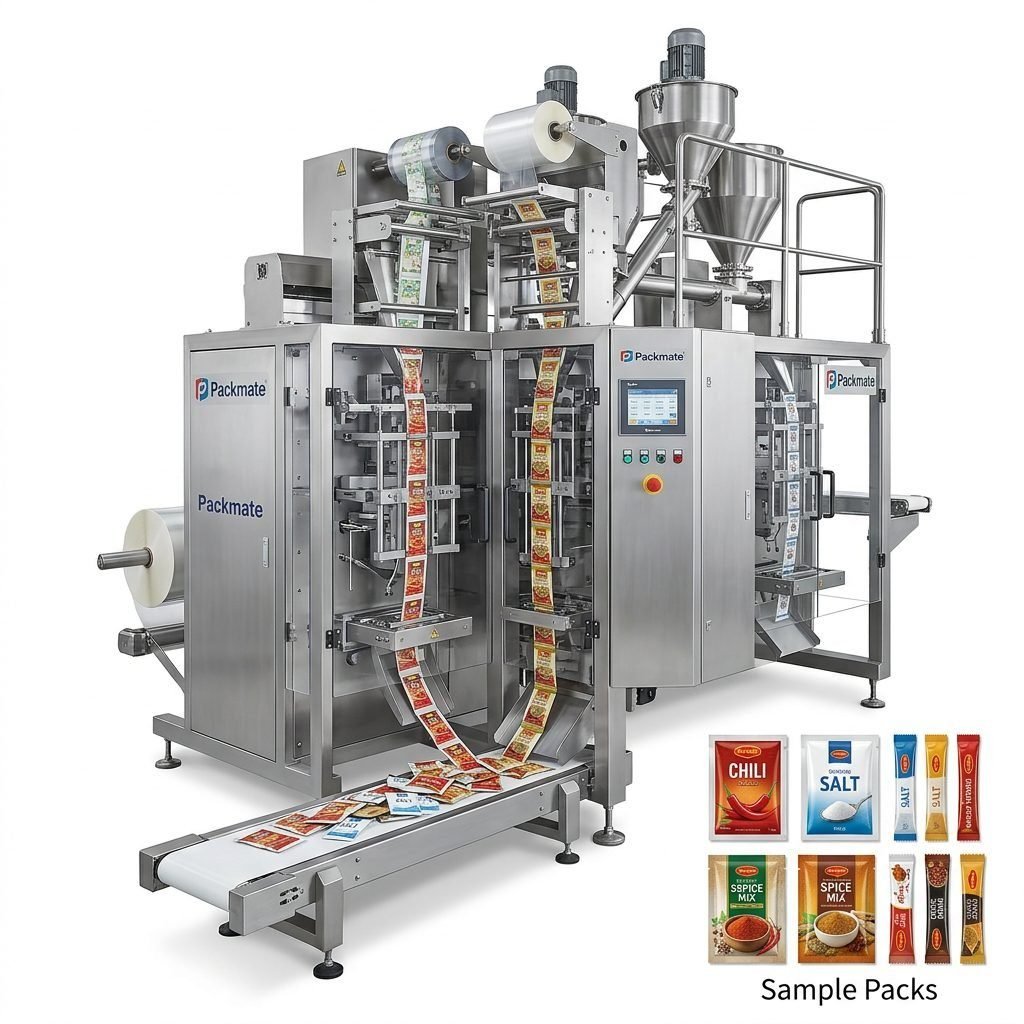
A fully integrated packaging line for dog sticks is more than a single machine; it’s a synchronized system. The process typically begins with a feeding system that gently orients the sticks. This is followed by the heart of the operation: the form-fill-seal (FFS) machine. Here, packaging film is formed into a tube around the product, filled, and then sealed. Advanced lines often include weighing systems for precise portion control and checkweighers to guarantee each pack meets specified weight regulations.
Key Insight: The choice of packaging material—often multi-layered films with barrier properties—is crucial. The machine must be precisely calibrated to handle these materials, ensuring strong seals that protect against moisture and oxygen, thereby extending shelf life and preserving flavor.
The Form-Fill-Seal Process in Detail
The FFS process is the cornerstone of stick pack packaging. First, a roll of laminated film is fed into the machine. A forming collar shapes the flat film into a vertical tube. The dog stick is then dropped into this tube. As the product descends, longitudinal sealing occurs along the film’s length. Horizontal seals are made above and below the product, simultaneously cutting it from the film web to create individual, pillow-style packs. Modern machines from leaders like Packmate Machinery achieve speeds of hundreds of packs per minute with remarkable accuracy.
Manufacturing Philosophy Behind the Machines
The reliability of a packaging line is directly tied to the philosophy and expertise of its manufacturer. Companies with deep industry roots, such as Packmate (GuangDong) Co., Ltd., build their processes on decades of experience. Their journey, beginning in a small workshop in 1993 and evolving into a 20,000㎡ modern facility, reflects a commitment to solving real-world production challenges. This history translates into machines designed for durability, ease of maintenance, and seamless integration into larger filling and packaging lines.
Quality Control in Machine Manufacturing
Every stage of the machine build undergoes rigorous checks. From the precision machining of parts like forming tubes and sealing jaws to the assembly of servo-driven components, quality is non-negotiable. Electrical systems are tested for safety and reliability, and software controlling the machine logic is meticulously debugged. Before shipment, each machine undergoes a Factory Acceptance Test (FAT) with actual film and product samples, ensuring it performs to the client’s exact specifications.
Customization for Product Specifics
Not all dog sticks are created equal. They vary in size, shape (straight, twisted, bone-shaped), and texture. Therefore, a one-size-fits-all machine is ineffective. Reputable manufacturers offer significant customization. This includes adjustable forming collars to accommodate different stick diameters, gentle product handling mechanisms to prevent breakage, and specialized sealing jaws for irregular shapes. The ability to tailor the stick pack machine to the product is a hallmark of a true equipment partner.
Integration and Future-Proofing
A modern packaging line is a data hub. The best dog sticks packaging machines are designed for Industry 4.0 integration. They feature touch-screen HMIs (Human-Machine Interfaces) for intuitive operation, connectivity for data collection (OEE, production counts, downtime reasons), and compatibility with upstream mixers/cookers and downstream cartoners or case packers. Investing in a machine with this level of intelligence future-proofs a production facility, allowing for predictive maintenance and continuous process optimization.
Operational Efficiency Tip: When selecting a machine, consider the total cost of ownership, not just the purchase price. Factors like energy consumption (servo motors are more efficient), changeover time between different product runs, and the availability of spare parts and technical support from the manufacturer are critical for long-term profitability.
Ultimately, the manufacturing process of a dog sticks packaging machine blends robust mechanical engineering with precise electrical control and thoughtful software design. It’s a process honed by experience, aimed at delivering a turnkey solution that empowers pet food producers. By understanding this process—from the initial design based on decades of field knowledge to the final testing with real products—brands can make informed decisions that enhance their production capability, ensure product integrity, and support brand growth in a dynamic market.
Frequently Asked Questions (FAQs)
What is the typical production speed of a dog sticks packaging machine?
Speeds vary based on the machine model and stick size. Standard multi-lane stick pack machines can produce from 80 to over 400 packs per minute. High-speed models are available for large-scale production, but the optimal speed balances output with product handling gentleness to prevent damage.
Can one machine handle different sizes and shapes of dog sticks?
Yes, with proper customization and tooling changeover. Reputable manufacturers design machines with quick-change parts, such as forming collars, feed guides, and sealing jaws. This allows the same base machine to run various product sizes and shapes, though changeover time and required adjustments should be discussed during the machine specification phase.
How important is the packaging material, and does the machine supplier guide this choice?
Extremely important. The material (e.g., PET/AL/PE laminate) determines the barrier properties, print quality, and machinability. A reliable machine manufacturer like Packmate will provide guidelines on compatible film structures and often collaborate with film suppliers to ensure optimal performance on their equipment, preventing seal integrity issues during production.
What kind of after-sales support should I expect?
Comprehensive support is crucial. This includes detailed installation guidance (onsite or remote), operator and maintenance technician training, a readily available inventory of common spare parts, and access to technical support for troubleshooting. Many manufacturers offer annual service contracts to ensure machine uptime and longevity.
Are these machines suitable for export to different countries with varying electrical standards?
Yes, professional manufacturers build machines to meet the electrical standards and safety certifications (like CE) of the target market. It is essential to specify the destination country’s voltage (e.g., 110V/60Hz or 220V/50Hz) and required certifications during the ordering process to ensure compliance and smooth installation.