In today’s fast-paced world, preserving food freshness and extending shelf life is a priority for both households and businesses. An electric vacuum sealer packaging machine is a powerful tool that achieves this by removing air from specially designed bags before sealing them. This guide will walk you through everything you need to know, from how they work to key buying considerations, helping you make an informed decision for your packaging needs.
How Does an Electric Vacuum Sealer Work?
The core principle is simple yet effective. The machine uses a pump to extract air from a plastic bag containing your product. Once the desired vacuum level is reached, a heating element seals the bag’s open end, creating an airtight environment. This process significantly slows down oxidation and inhibits the growth of aerobic bacteria and fungi, which are the primary causes of food spoilage.
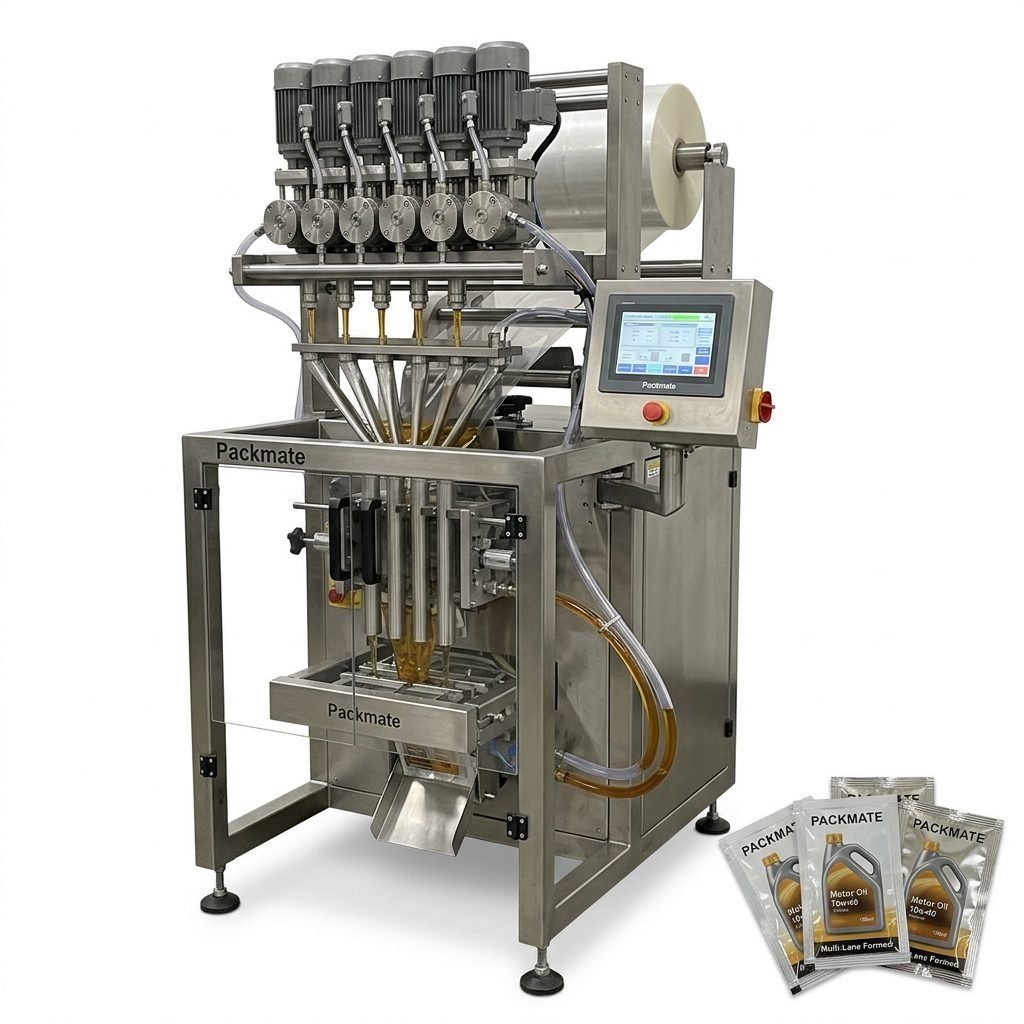
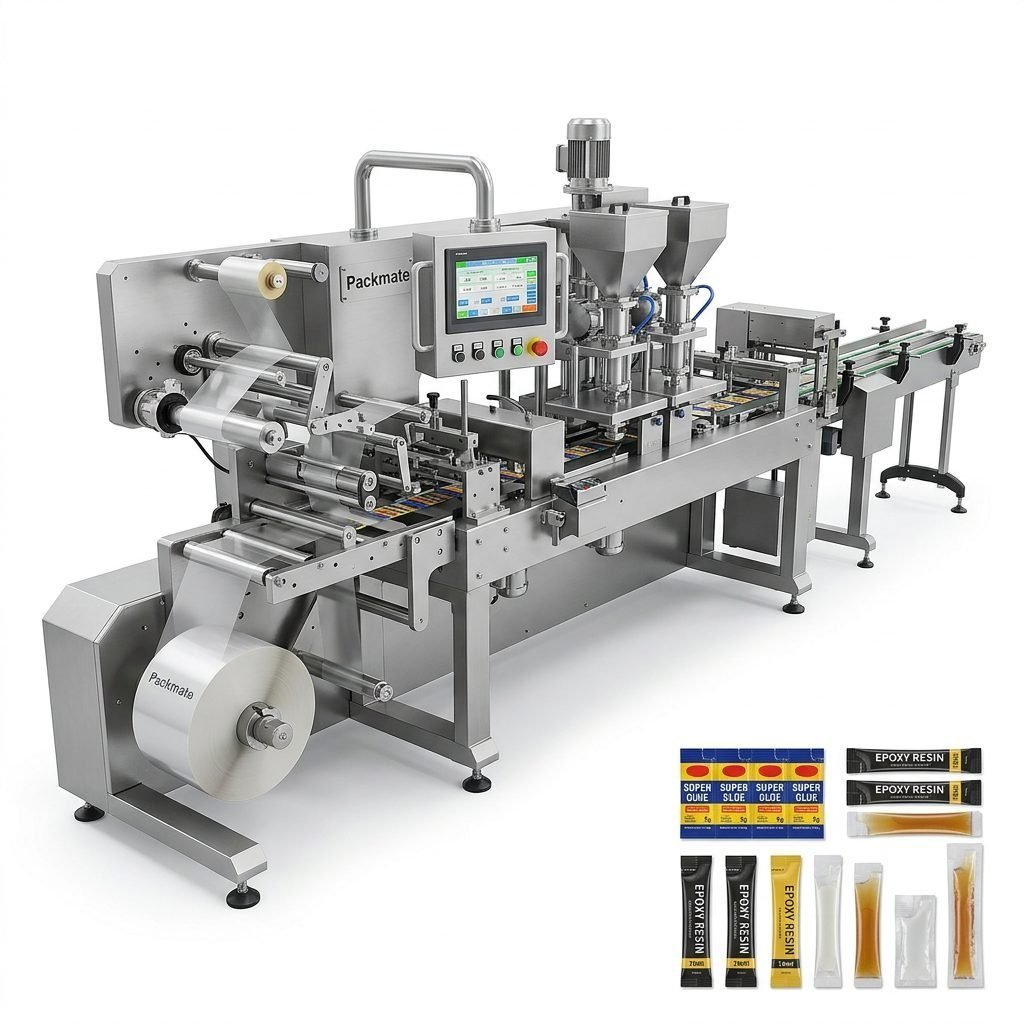
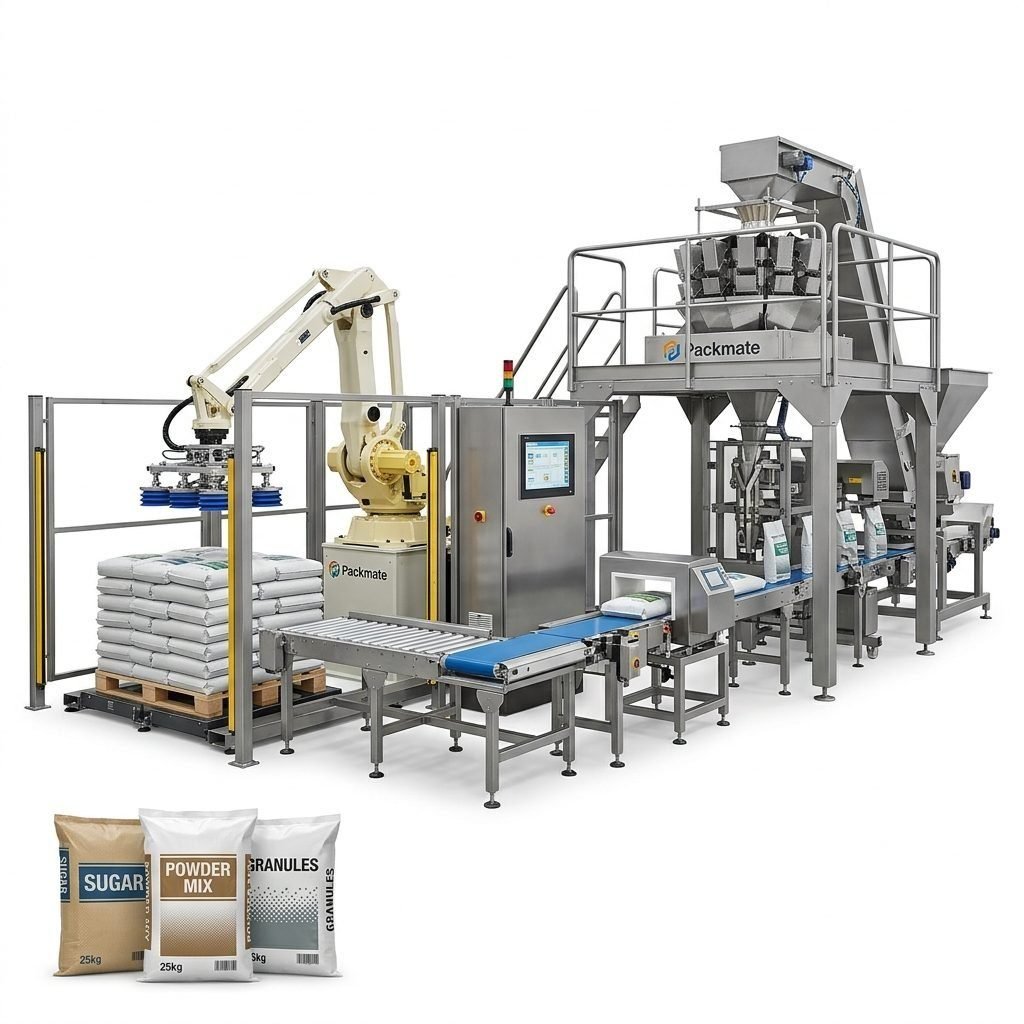
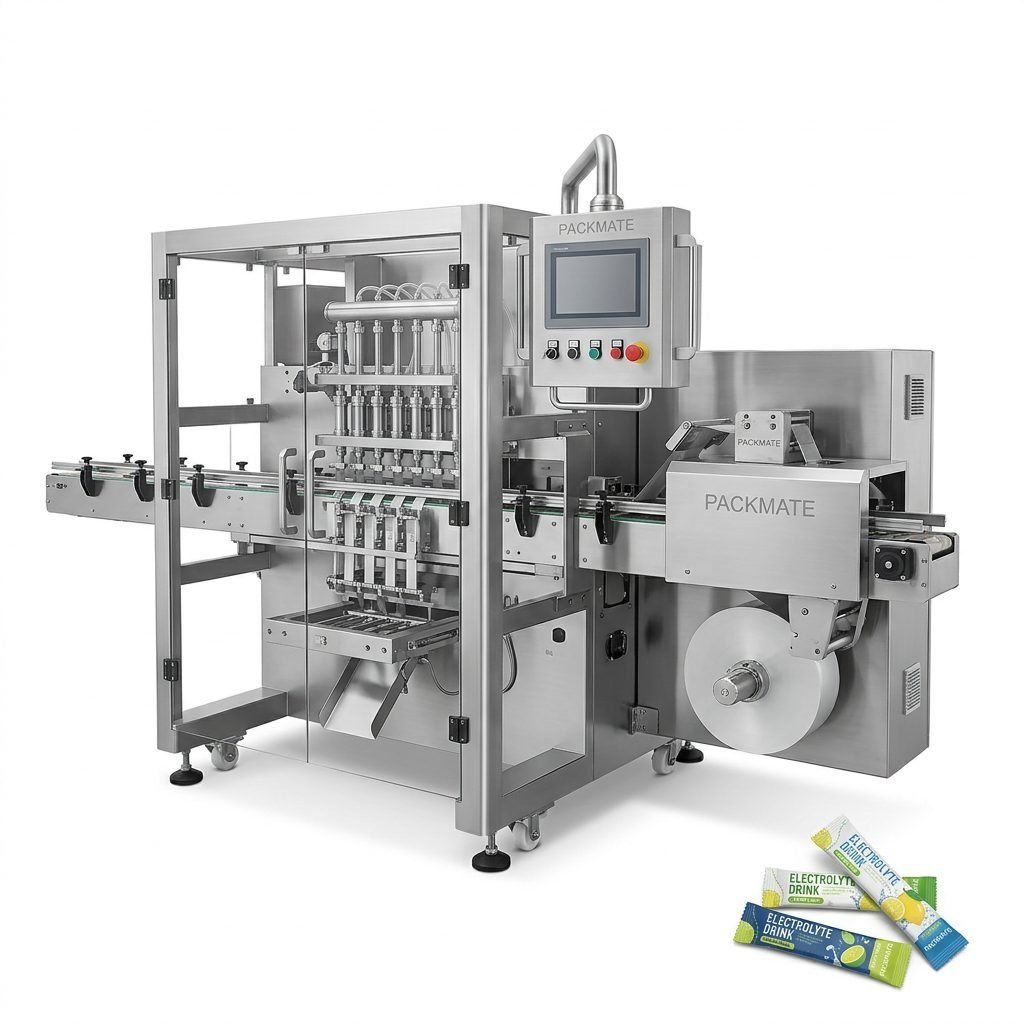
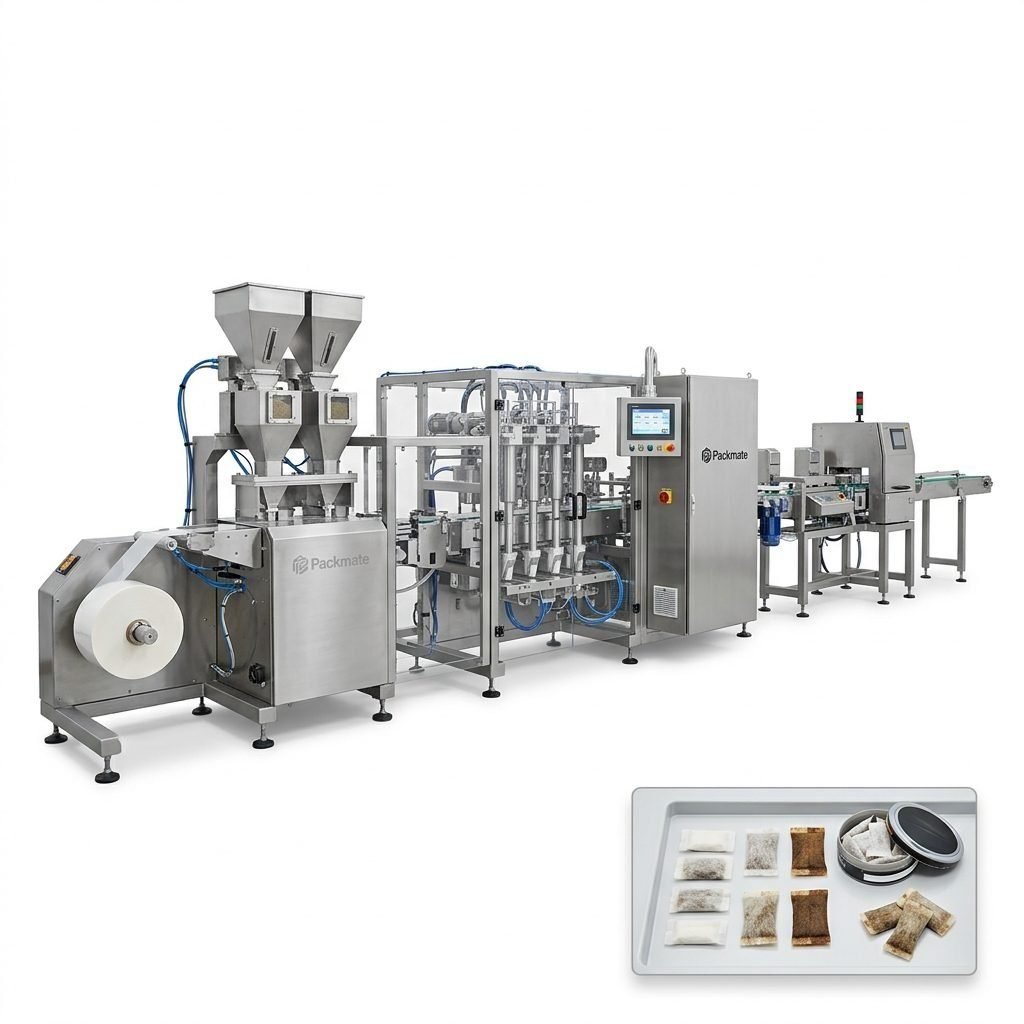
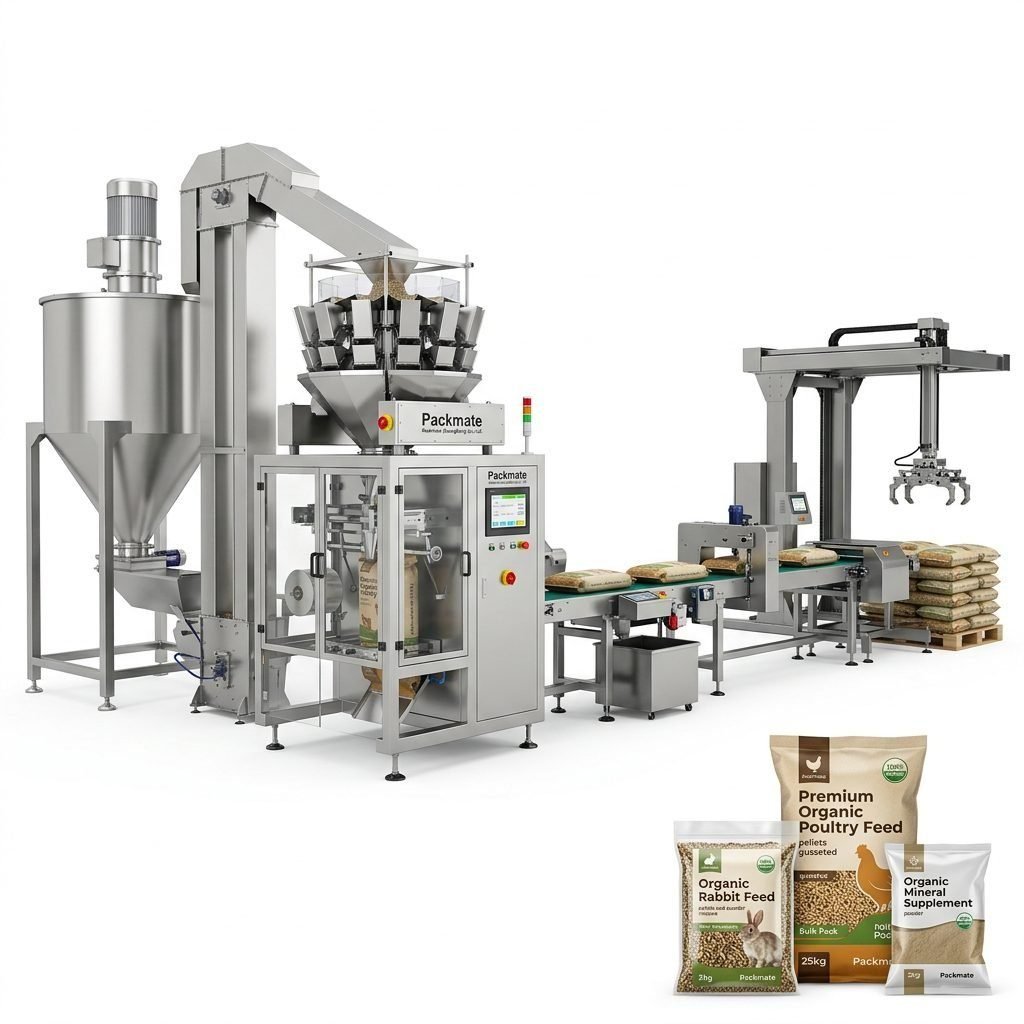
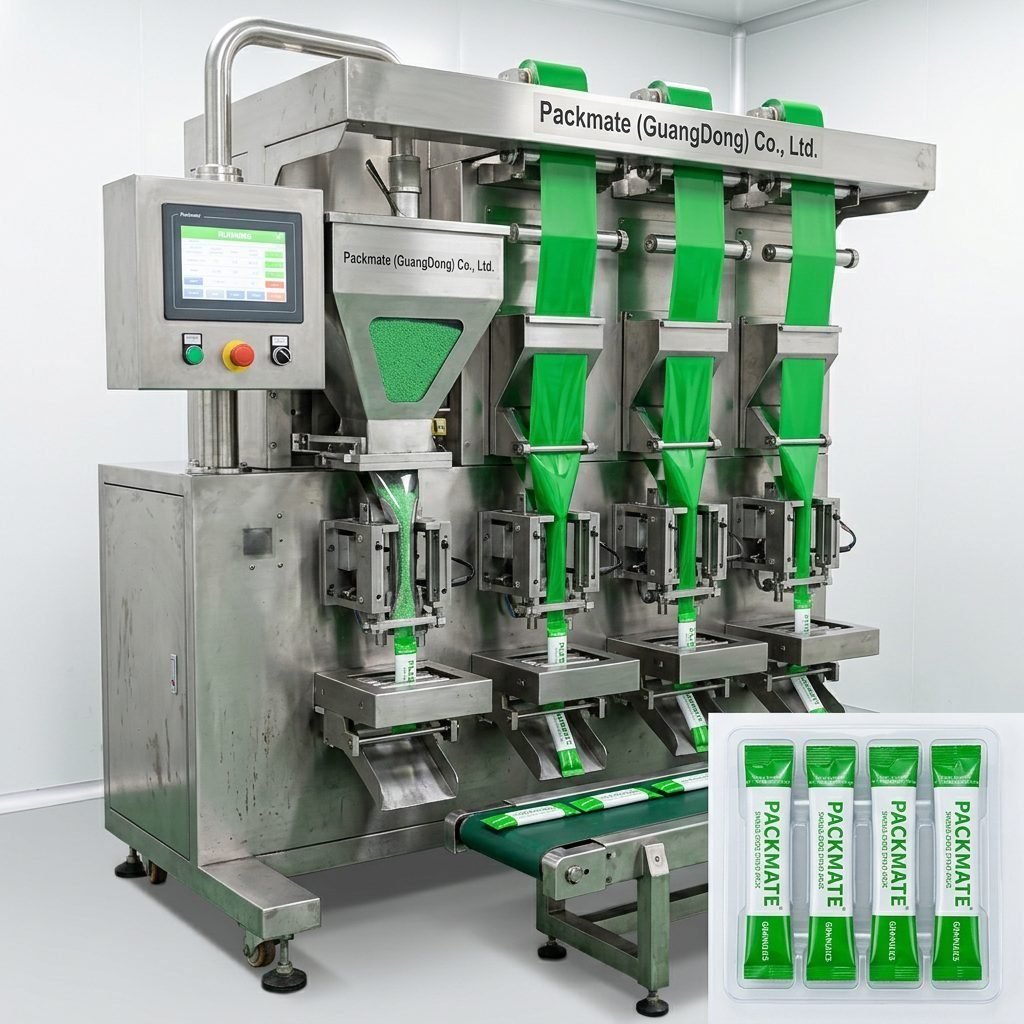
For commercial applications, especially in the food and pharmaceutical sectors, the precision and reliability of the sealing process are paramount. Industrial-grade machines, like those developed by Packmate Machinery, offer advanced features such as gas flushing (modified atmosphere packaging) and higher sealing bar temperatures for stronger, more consistent seals on a production line scale.
Key Benefits of Using a Vacuum Sealer
Investing in a quality vacuum sealer offers numerous advantages:
Extended Food Freshness: Meats, cheeses, and vegetables can last 3-5 times longer in the freezer or refrigerator.
Prevention of Freezer Burn: By eliminating air, you prevent ice crystals from forming on the surface of frozen food.
Space Efficiency: Vacuum-sealed bags conform to the shape of the contents, saving valuable storage space.
Marinating Acceleration: Vacuum sealing pulls marinades into food faster, reducing marinating time from hours to minutes.
Organization & Portion Control: Perfect for meal prepping and storing bulk purchases in single-serving portions.
Types of Electric Vacuum Sealers
Understanding the different types available is the first step in choosing the right machine.
1. External (Nozzle) Vacuum Sealers
These are common for home use. They require special bags with a textured area or a port. The machine’s nozzle attaches to this port to draw out air before sealing. They are generally more affordable but can be slower and may not achieve as strong a vacuum.
2. Chamber Vacuum Sealers
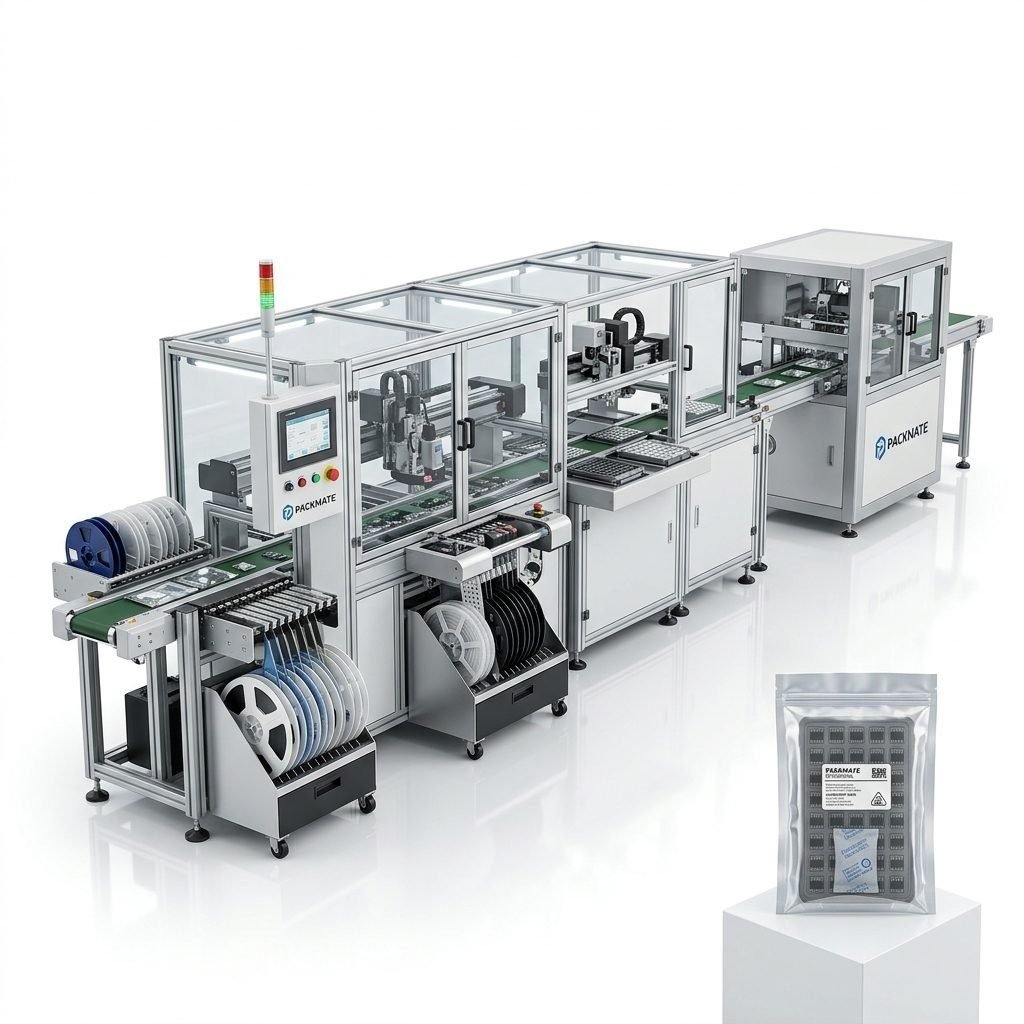
This is the professional choice. The entire bag is placed inside a sealed chamber. Air is removed from the entire chamber, and then the bag is sealed. They are faster, achieve a much stronger vacuum, can handle liquids, and are ideal for commercial kitchens and food processing. For businesses looking to scale, exploring complete filling and packaging lines that integrate chamber sealers can streamline high-volume operations.
3. Handheld & Portable Sealers
These compact, battery-operated devices are great for light-duty tasks, travel, or sealing bags with a zipper lock. They are not true vacuum sealers but rather remove a limited amount of air from specially designed bags.
Critical Buying Guide: What to Look For
Don’t just buy the first machine you see. Consider these factors to match the machine to your specific needs.
Vacuum Power & Speed
The strength of the vacuum pump is measured in bar or inches of mercury (inHg). A higher rating means more air is removed, leading to better preservation. Speed is crucial for businesses; a faster cycle time means higher throughput. Industrial machines prioritize both power and speed for efficiency.
Seal Bar Quality & Width
The seal bar must create a permanent, airtight bond. Look for durable, non-stick heating elements. A wider seal bar (e.g., 10mm vs. 3mm) creates a stronger, more reliable seal that is less likely to fail, a critical feature for bag and pouch packaging machines handling heavier or abrasive products.
Bag Compatibility & Roll Storage
Some machines only work with proprietary bags, which can be expensive. Others are compatible with generic bags. If you plan to seal frequently, a model with a built-in cutter and roll storage allows you to create custom-sized bags on the fly, reducing material waste.
Additional Features
Pulse Vacuum Function: Essential for sealing delicate items like soft bread or chips without crushing them.
Marinate Mode: Cycles the vacuum on and off to help pull liquids into food.
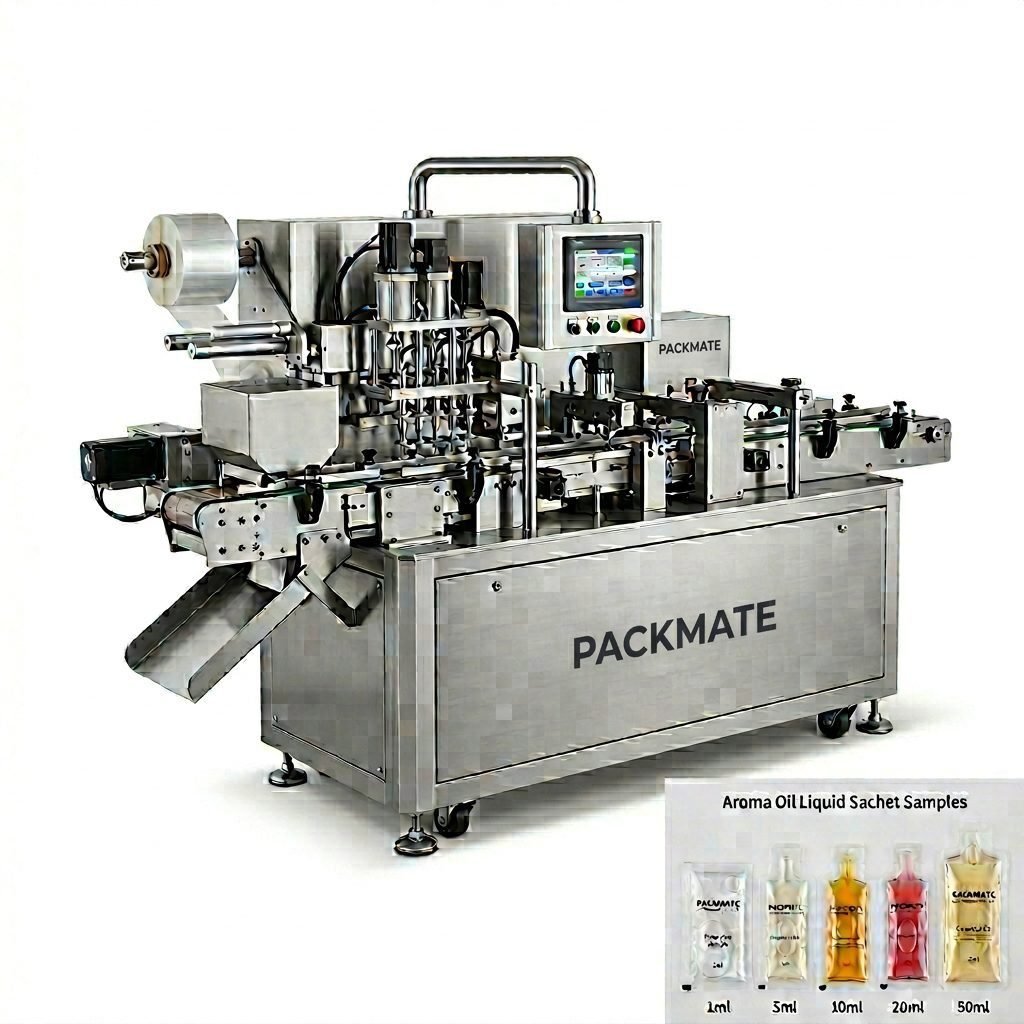
Gas Flush (MAP): An advanced feature for commercial machines that injects a protective gas (like nitrogen) before sealing to preserve color and texture, commonly used for sachet and stick pack machines for snacks and coffee.
Wet/Dry Settings: Adjusts the vacuum strength for dry goods versus moist foods.
Application-Specific Considerations
For Home & Kitchen Use: Focus on ease of use, cleaning, storage, and bag cost. An external sealer with good reviews is often sufficient.
For Commercial/Industrial Use: Durability, cycle speed, sealing reliability, and integration into existing production lines are non-negotiable. Stainless steel construction, programmable settings, and robust after-sales support from the manufacturer, such as the comprehensive services offered by Packmate, are vital.
Maintenance and Care Tips
To ensure longevity and consistent performance:
1. Clean Regularly: Wipe the seal bar and gaskets after each use to prevent residue buildup, which can weaken seals.
2. Check the Seal Bar: Inspect for debris or damage. A clean, smooth bar is essential for a perfect seal.
3. Empty the Drip Tray (if equipped): Prevents moisture from entering the machine’s internal components.
4. Use Recommended Bags: Using bags that are too thick or thin can damage the machine or result in poor seals.
5. Allow to Cool: Don’t run the machine continuously for extended periods; allow cooling breaks to prevent overheating.
Frequently Asked Questions (FAQ)
1. Can I vacuum seal liquids?
Standard external vacuum sealers cannot handle free-flowing liquids, as they will be sucked into the pump. Chamber vacuum sealers are specifically designed to seal liquids safely by removing air from around the bag, not from inside it.
2. Are vacuum-sealed foods safe from bacteria?
Vacuum sealing inhibits the growth of aerobic bacteria (that need oxygen) but does not kill them. It can also create an environment for anaerobic bacteria (like botulism) in low-acid, moist foods. Vacuum-sealed perishables must still be refrigerated or frozen. It is a preservation method, not a sterilization method.
3. What is the difference between a vacuum sealer and a heat sealer?
A heat sealer only melts the plastic to close a bag. A vacuum sealer first removes the air and then heat seals it. For true preservation, the vacuum function is essential.
4. How long do vacuum-sealed foods last?
It varies by food type. In the freezer, most meats can last 2-3 years (vs. 6 months normally). In the refrigerator, hard cheeses can last 4-8 months, and vegetables 1-2 weeks. Always label bags with contents and date.
5. My seal is failing. What could be wrong?
Common causes include: a dirty or damaged seal bar, using the wrong type of bag material, overfilling the bag (leaving less than 3 inches for sealing), or moisture/creases in the seal area. Ensure the sealing area is completely clean and dry.