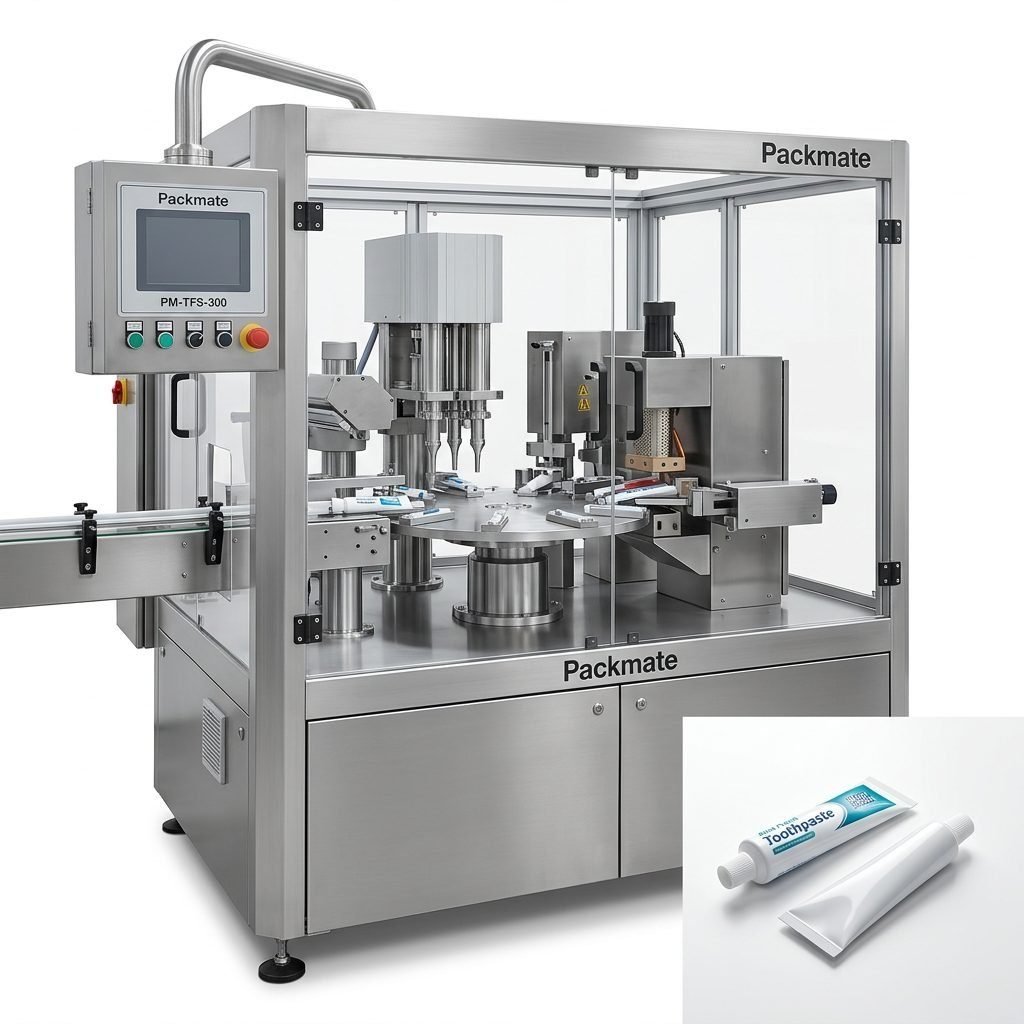
In the fast-paced world of modern manufacturing, efficiency, precision, and hygiene are non-negotiable. For industries handling powders, granules, and liquids—from food and pharmaceuticals to health supplements—the packaging process is a critical final step. This is where form fill packaging machines become indispensable. These automated systems precisely measure, form, fill, and seal packages in one continuous operation, revolutionizing production lines. This guide delves into the various types of form fill packaging machines and explores their significant benefits, helping you understand how they can optimize your operations.
Understanding Form Fill Packaging Technology
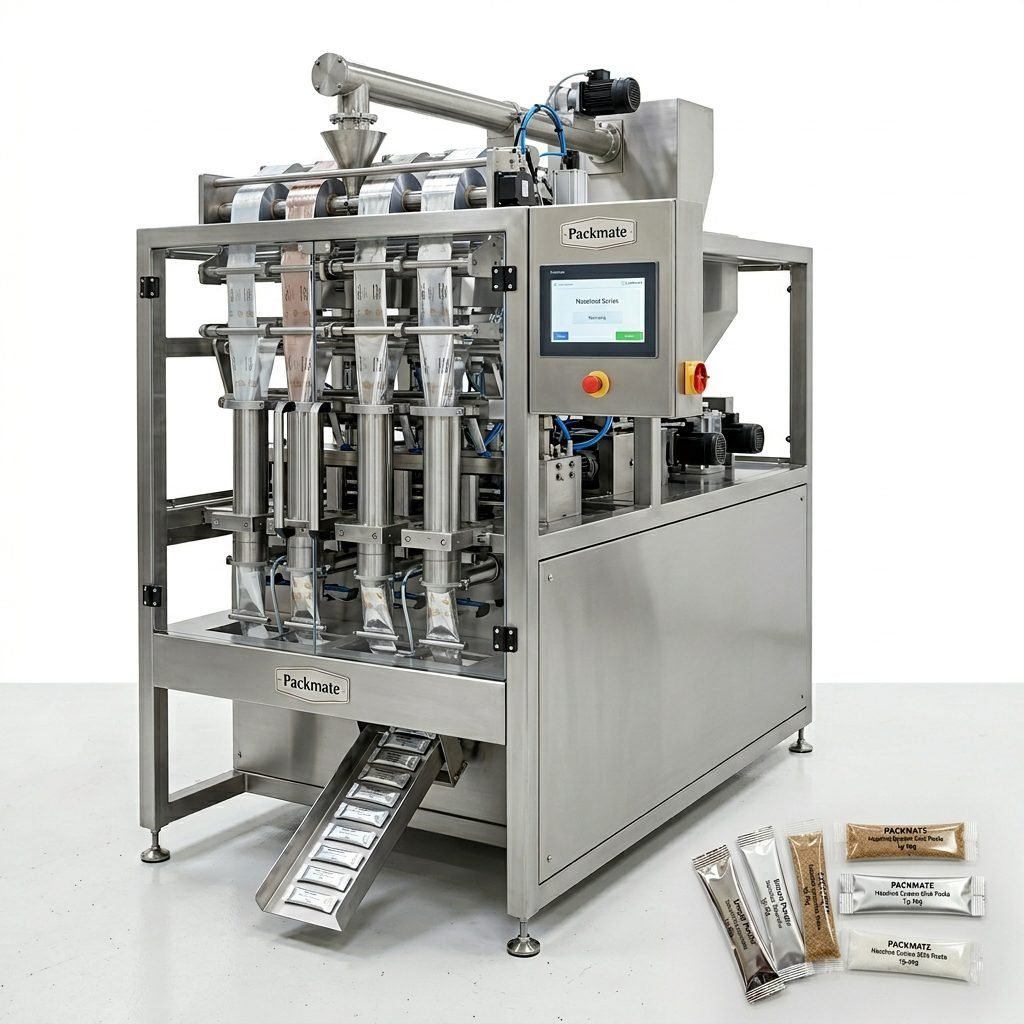
At its core, a form-fill-seal (FFS) machine is an integrated system that creates packaging from a roll of film, fills it with a precise amount of product, and hermetically seals it—all in a single, automated cycle. This eliminates the need for pre-made bags or pouches, reducing material handling and storage space. The process begins with a roll of packaging material, which is drawn into the machine and formed into the desired shape (like a pouch or sachet) around a filling tube. The product is then dispensed, and the package is sealed and cut to size. This technology is the backbone of efficient, high-speed packaging for countless consumer goods.
Key Components of an FFS System
While designs vary, most FFS machines share these essential components:
Film Unwind System: Holds and feeds the roll of packaging material.
Forming Section: Shapes the flat film into a tube or pouch using forming collars and seals the longitudinal seam.
Product Filler: A highly accurate dispensing system (auger, volumetric cup, pump, or scale) that measures the product.
Sealing Jaws: Heat-seal the top of the filled pouch and separate it from the next package.
Control System: The programmable logic controller (PLC) that orchestrates the entire sequence for precision and consistency.
Primary Types of Form Fill Packaging Machines
Choosing the right machine depends on your product characteristics, desired package style, and production volume. Here are the main categories:
1. Vertical Form Fill Seal (VFFS) Machines
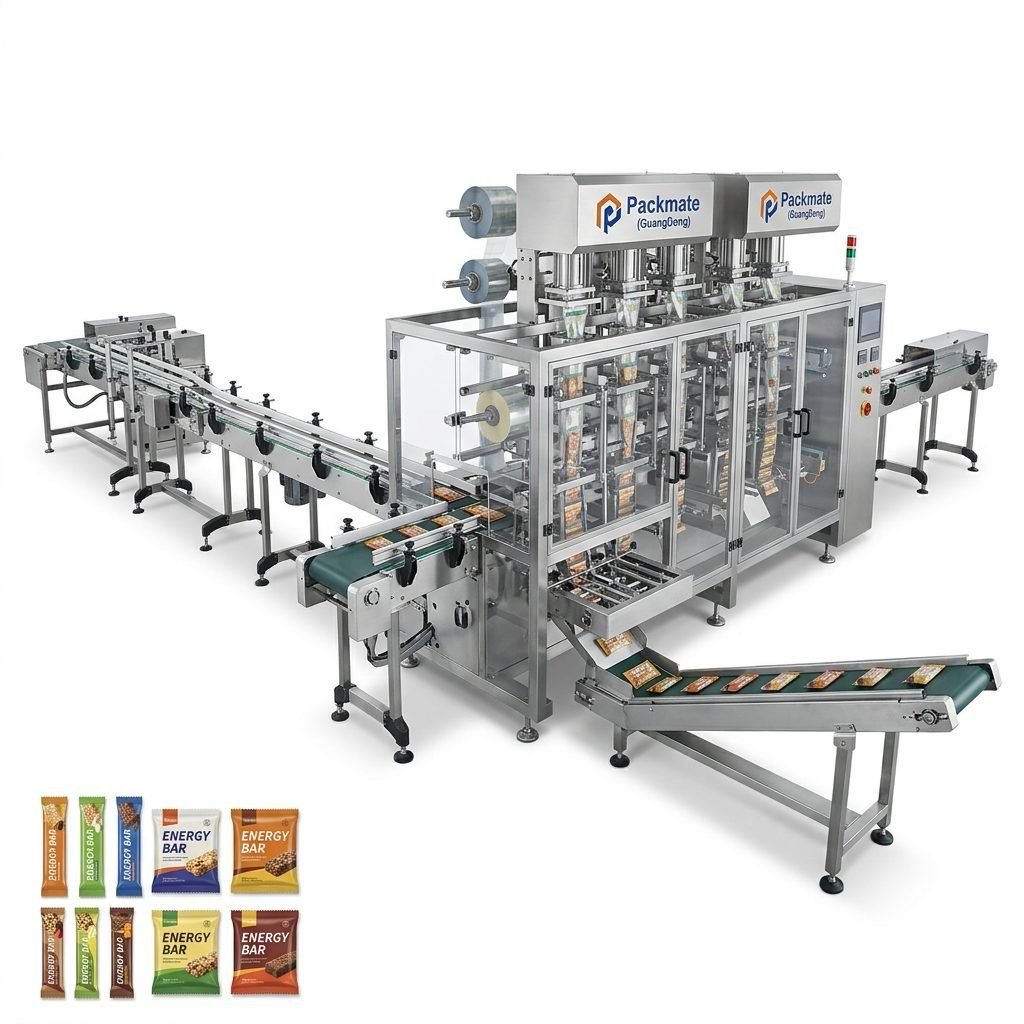
These are the most common and versatile type. The film moves vertically downward, forming a tube around a filling spout. They are ideal for free-flowing products like snacks, powders, grains, and hardware items. VFFS machines are renowned for their high speed, compact footprint, and ability to handle a wide range of pouch styles, including pillow bags, gusseted bags, and block-bottom bags. For businesses looking to implement such versatile solutions, exploring a range of bag and pouch packaging machines is a logical step.
2. Horizontal Form Fill Seal (HFFS) Machines
In HFFS machines, the film travels horizontally. The product is placed on the lower web of film, and a top web is then sealed over it. This method is perfect for non-free-flowing, delicate, or irregularly shaped products like cookies, medical devices, or sliced meats. HFFS often allows for more complex, tray-like packaging and excellent product presentation.
3. Stick Pack and Sachet Machines
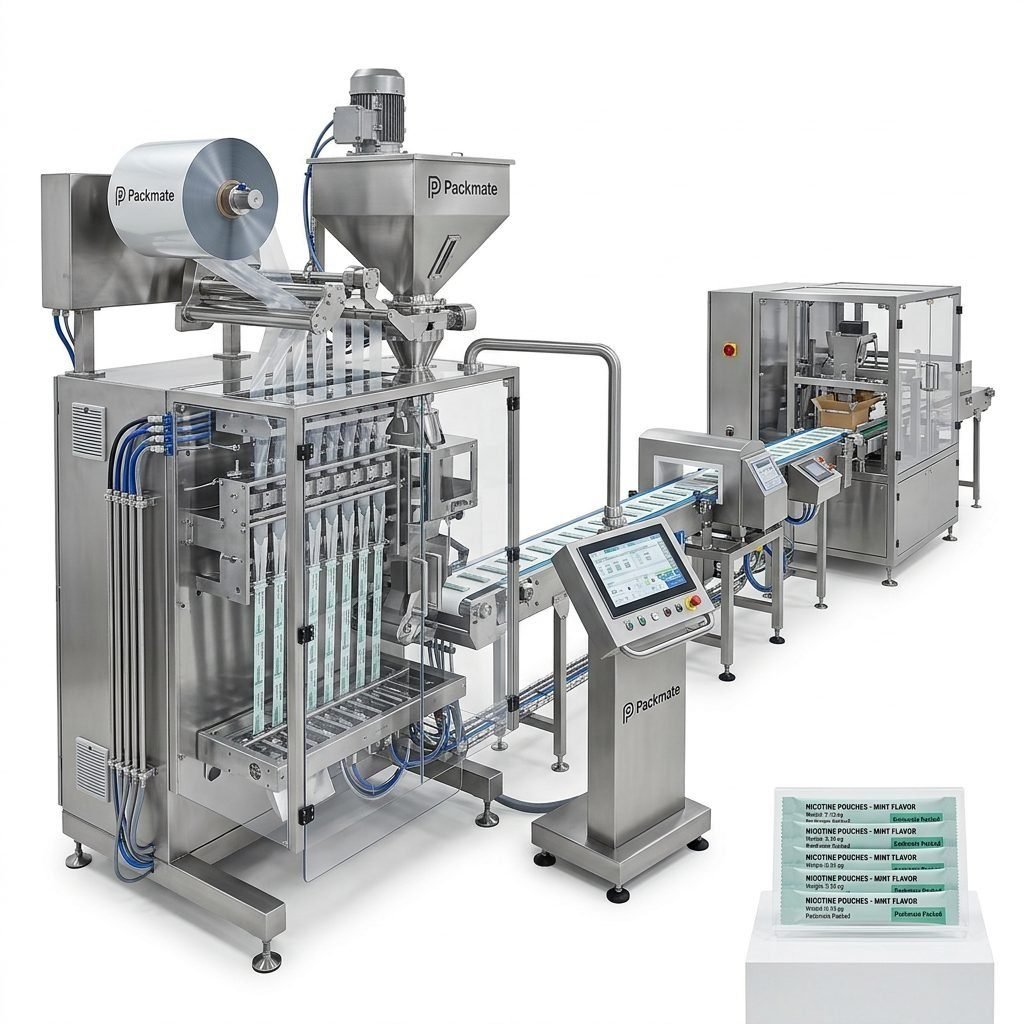
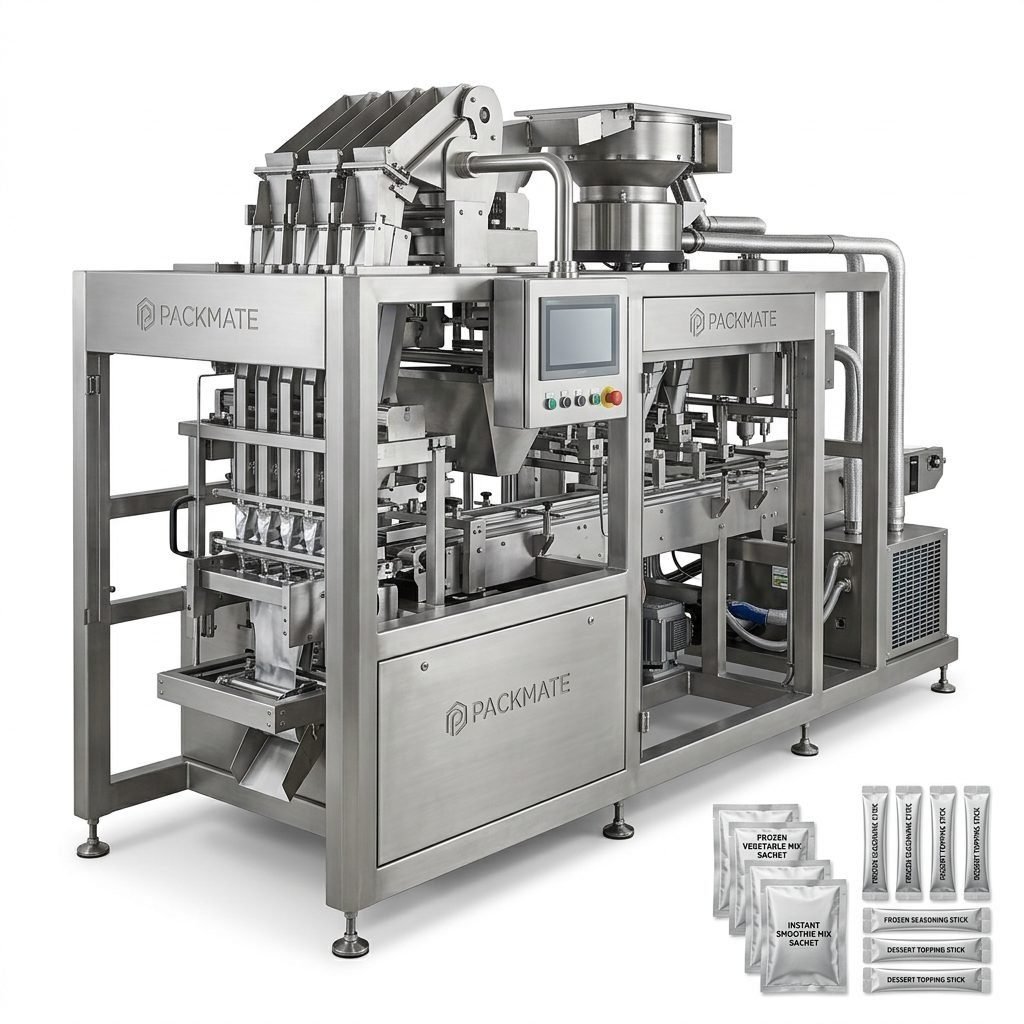
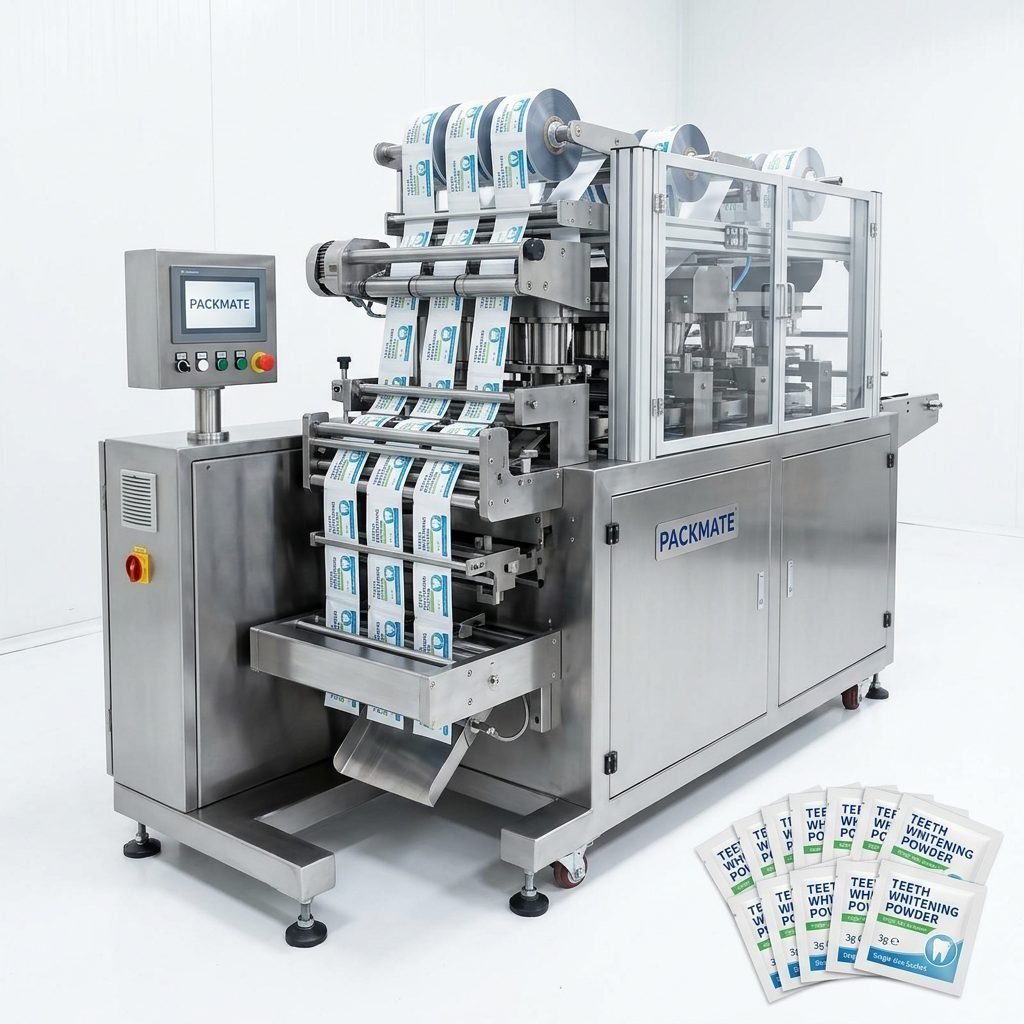
These are specialized VFFS machines designed to produce small, elongated stick packs or flat sachets. They are the go-to solution for single-serve portions of powders (coffee, creamer, sugar), liquids (sauces, shampoo samples), or granules. Modern multi-lane stick pack machines can produce dozens of units per minute, offering incredible efficiency for high-volume applications. Companies like Packmate Machinery have developed extensive expertise in this area, offering advanced sachet and stick pack machines for diverse industries.
4. Liquid Form Fill Seal Machines
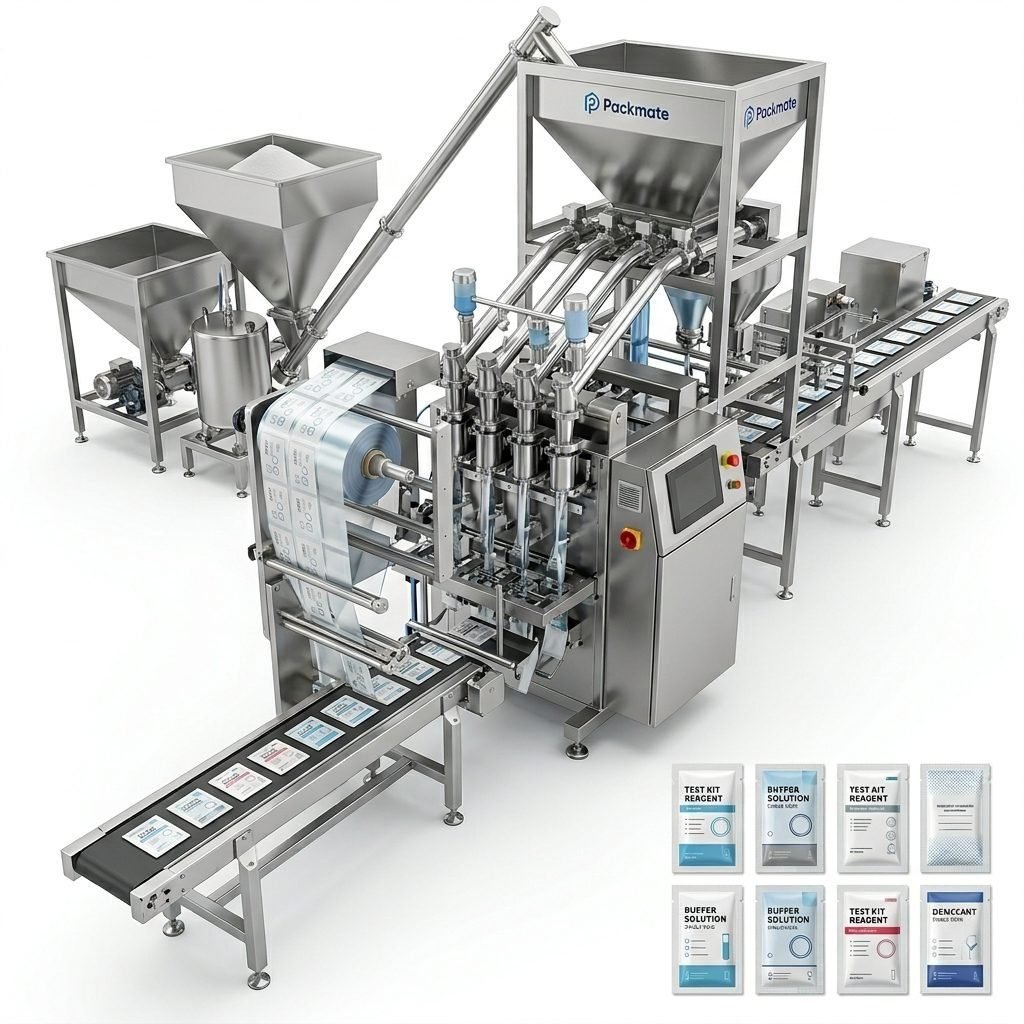
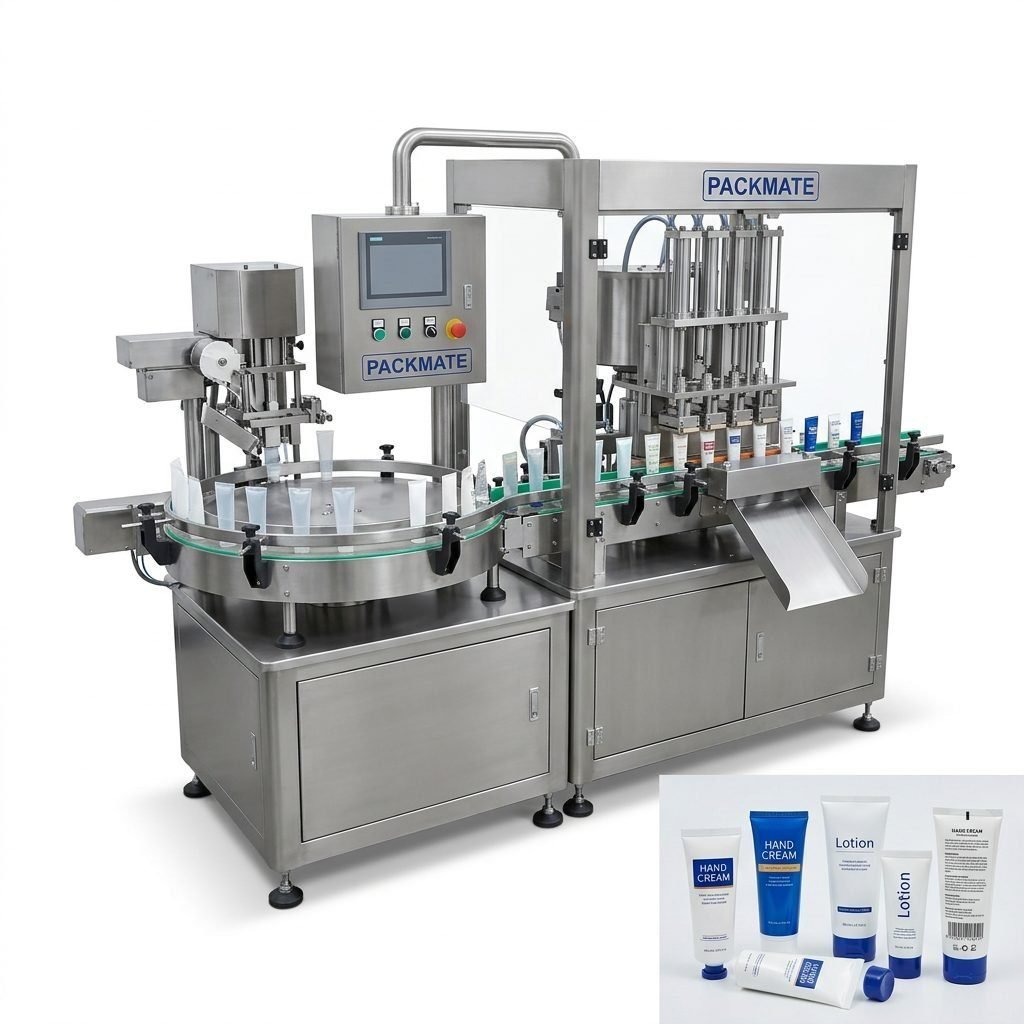
Specifically engineered for liquid, viscous, or semi-liquid products (water, juice, sauces, oils, shampoos). They feature specialized pumps (like piston pumps) and often incorporate vacuum or gas flushing before sealing to extend shelf life and prevent leakage. The sealing process is critical to ensure a perfect, leak-proof pouch.
Core Benefits of Automating with FFS Machines
Investing in a form fill packaging system delivers transformative advantages that impact the entire business.
Unmatched Efficiency & Increased Output: Automation drastically speeds up the packaging process compared to manual methods. Machines can run 24/7 with minimal downtime, leading to a massive increase in production capacity and throughput.
Superior Product Consistency & Accuracy: Automated weighing and filling systems ensure every single package contains the exact same amount of product. This reduces giveaway (saving raw material costs) and ensures compliance with net content regulations, protecting your brand’s reputation.
Enhanced Product Freshness & Safety: FFS machines can create hermetic seals that protect contents from moisture, oxygen, and contaminants. This is vital for food preservation and pharmaceutical integrity. The closed, automated process also minimizes human contact, significantly improving hygiene standards.
Significant Material & Labor Cost Savings: Using film from rolls is more cost-effective than pre-made bags and reduces storage needs. More importantly, automation reduces reliance on large manual labor teams for repetitive tasks, lowering long-term operational costs and allowing staff to focus on higher-value activities.
Operational Flexibility & Brand Enhancement: Modern machines with quick-change parts allow producers to switch between different products, package sizes, and materials with minimal downtime. Furthermore, high-quality printing on the roll film allows for vibrant, attractive packaging that stands out on shelves and strengthens brand identity.
Choosing the Right Machine for Your Needs
Selecting an FFS machine is a strategic decision. Key factors to consider include:
Product Characteristics: Is it a powder, granule, liquid, or solid? What is its flowability and density?
Production Volume & Speed Requirements: What are your daily/weekly output targets?
Package Specifications: Desired size, shape (pillow, stand-up, stick pack), and sealing type.
Film Material: Compatibility with laminates, polyethylene, aluminum foil, etc., based on barrier requirements.
Integration Needs: Will it need to connect with upstream (mixers, conveyors) or downstream (cartoning, case packing) equipment? For a complete solution, investigating integrated filling and packaging lines is highly recommended.
Partnering with an experienced manufacturer like Packmate Machinery, which offers comprehensive support from testing to after-sales service, is crucial for a successful implementation.
Frequently Asked Questions (FAQs)
1. What is the main difference between VFFS and HFFS machines?
The primary difference is the direction of film travel and product placement. VFFS machines form a vertical tube around the product filler, ideal for free-flowing items. HFFS machines place the product onto a horizontal film web and seal a top film over it, better suited for delicate or structured products.
2. Can one FFS machine handle different types of products?
Many modern FFS machines are designed with flexibility in mind. With interchangeable parts like forming tubes, filling systems (e.g., switching from an auger to a pump), and quick-change sealing jaws, a single machine can often be configured for different product types within a similar category (e.g., different powder flavors). However, switching between vastly different products (e.g., from flour to liquid sauce) typically requires more significant reconfiguration or a different machine.
3. How important is the choice of packaging film?
Extremely important. The film must be compatible with the machine’s forming and sealing mechanisms. More critically, it must provide the necessary barrier properties (against moisture, oxygen, light) to protect your specific product and ensure its shelf life. The film also determines the package’s visual appeal and print quality.
4. What kind of maintenance do these machines require?
Regular preventive maintenance is key to longevity and avoiding downtime. This typically includes daily cleaning, lubrication of moving parts, inspection and replacement of wear items like sealing jaws or gaskets, and regular calibration of the weighing system. A reliable supplier will provide a clear maintenance schedule and training.
5. Are form fill seal machines suitable for small businesses or startups?
Yes, absolutely. The market offers a range of machines, from compact, semi-automatic or lower-speed models perfect for small-batch artisanal production or R&D, up to fully integrated high-speed lines. The key is to conduct a thorough cost-benefit analysis, considering production goals, available space, and budget. Automation can often provide a rapid return on investment even for growing businesses.