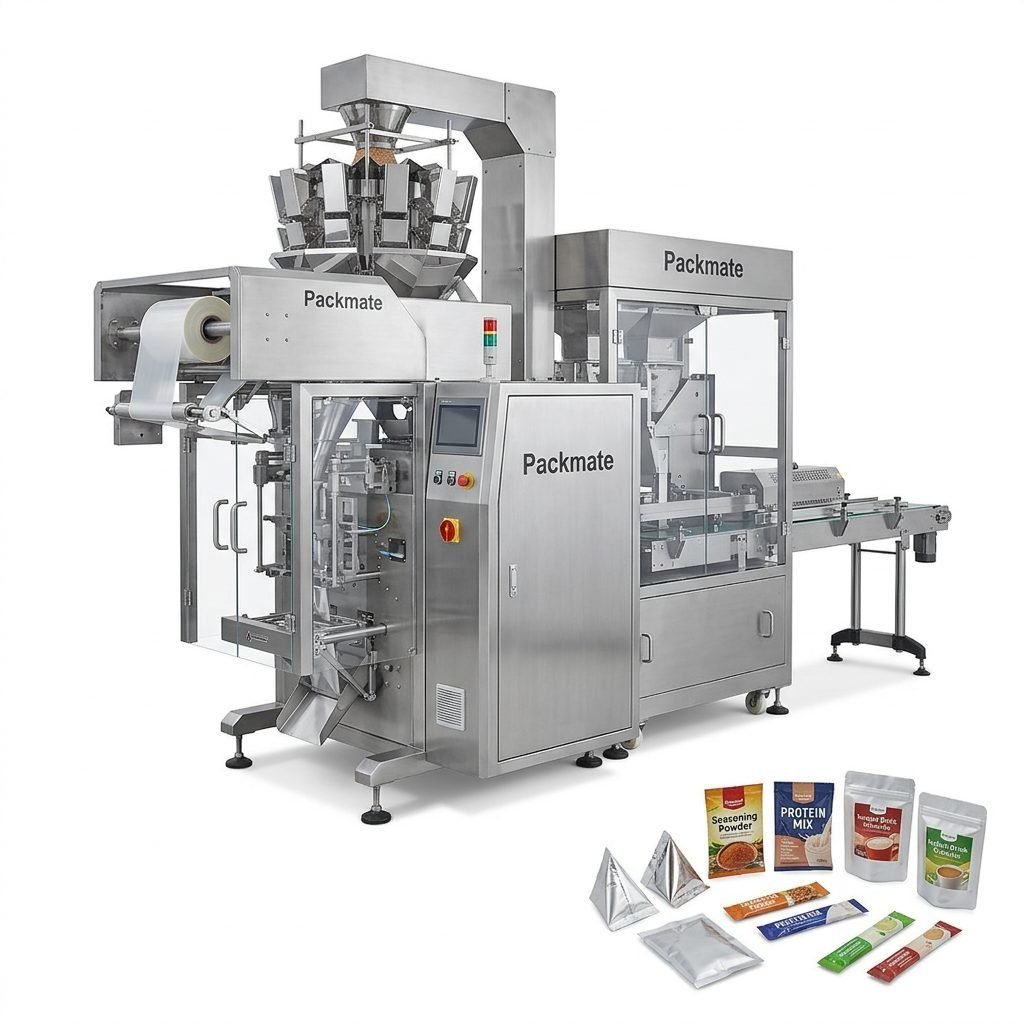
The role of a packaging machine operator is crucial in the manufacturing and logistics sectors, ensuring products are efficiently and securely prepared for distribution. As automation and consumer demand evolve, understanding the salary expectations and job outlook for this profession is vital for both aspiring operators and industry employers. This guide provides a comprehensive overview of the financial and career prospects for packaging machine operators.
Factors Influencing Packaging Machine Operator Salaries
Salaries for packaging machine operators are not uniform; they vary based on several key factors. Experience is a primary determinant, with entry-level operators earning significantly less than their seasoned counterparts who have mastered complex machinery and troubleshooting. Geographic location also plays a major role, as wages often align with the local cost of living and concentration of manufacturing hubs. For instance, operators in industrial regions or major metropolitan areas typically command higher pay.
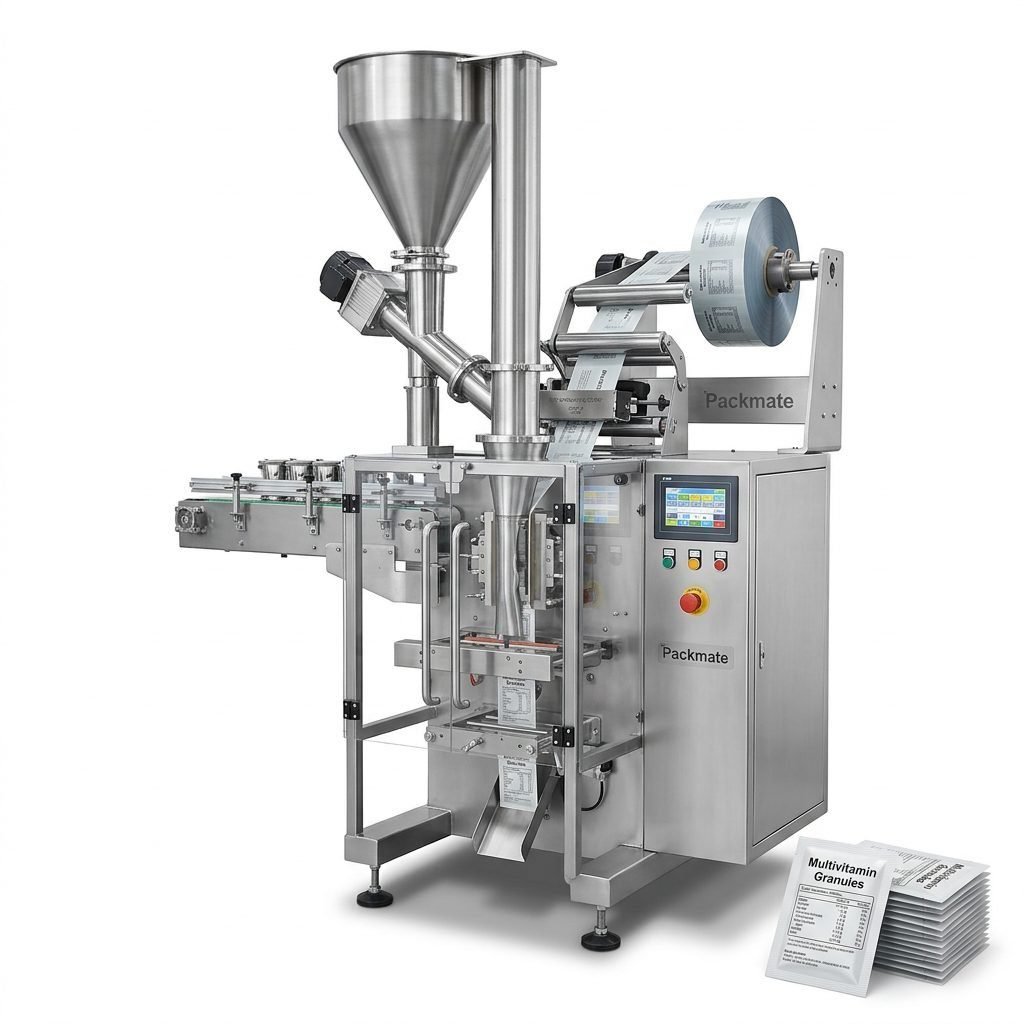
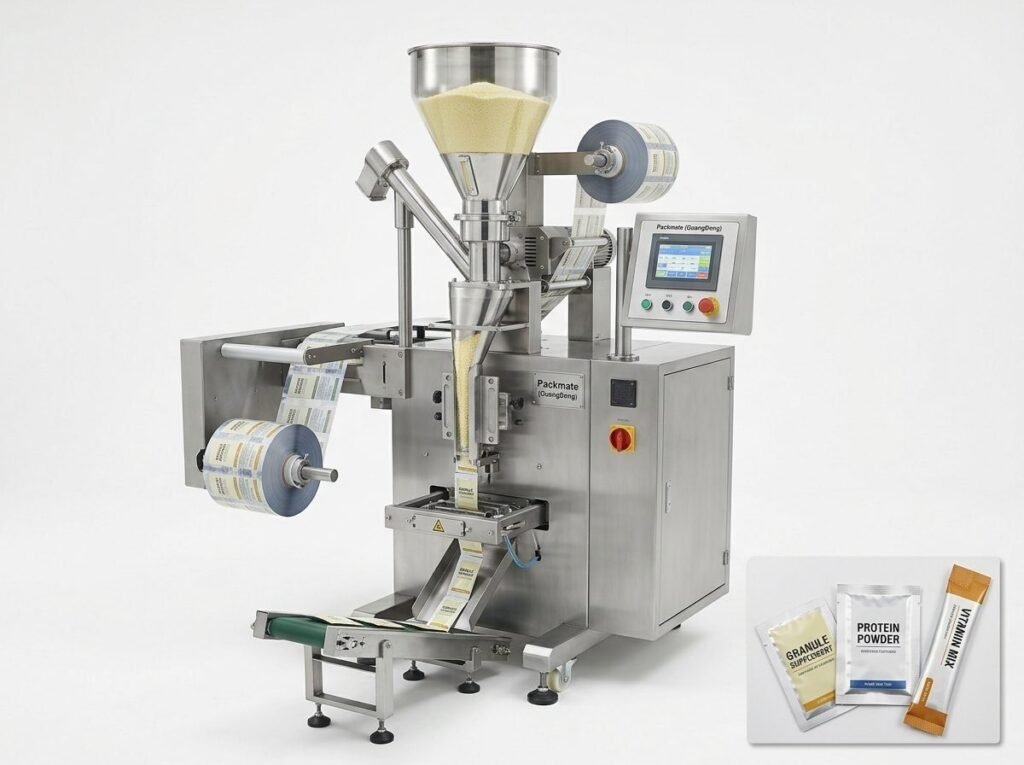
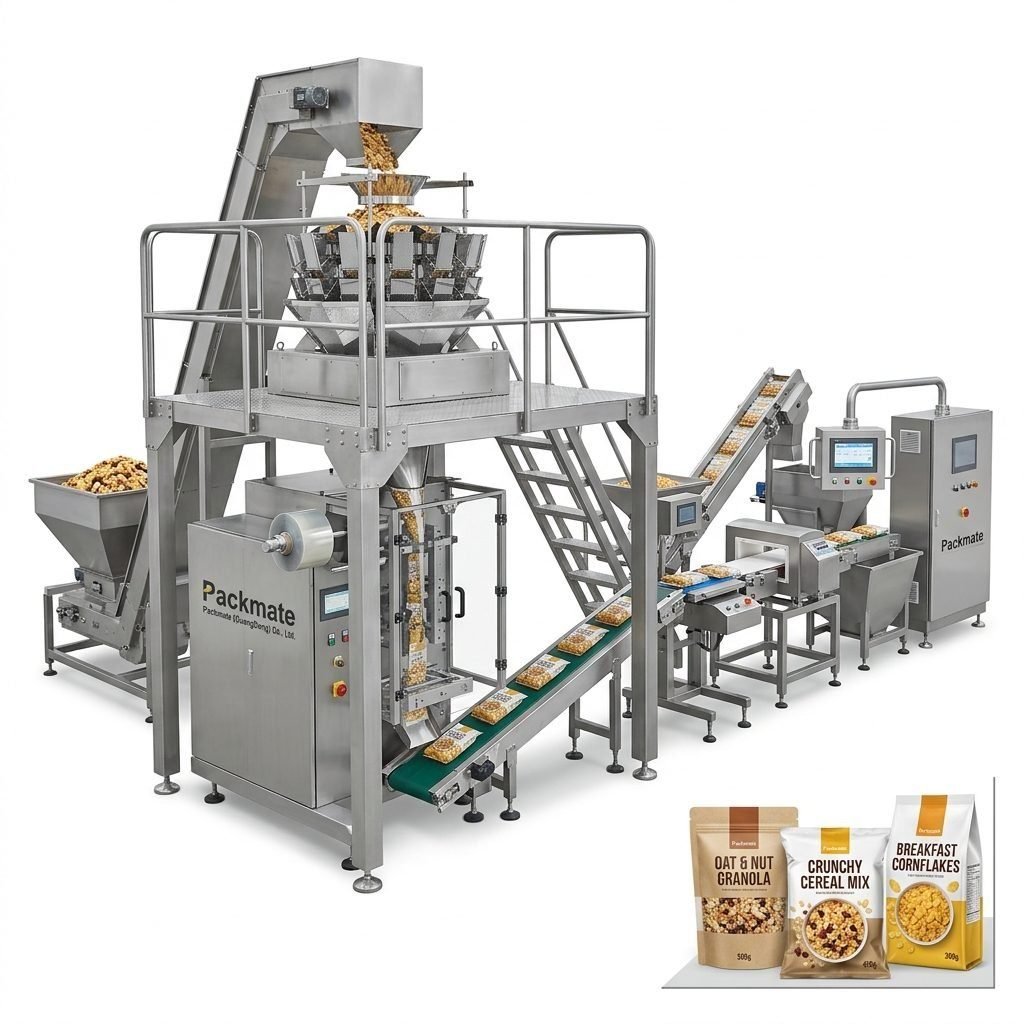
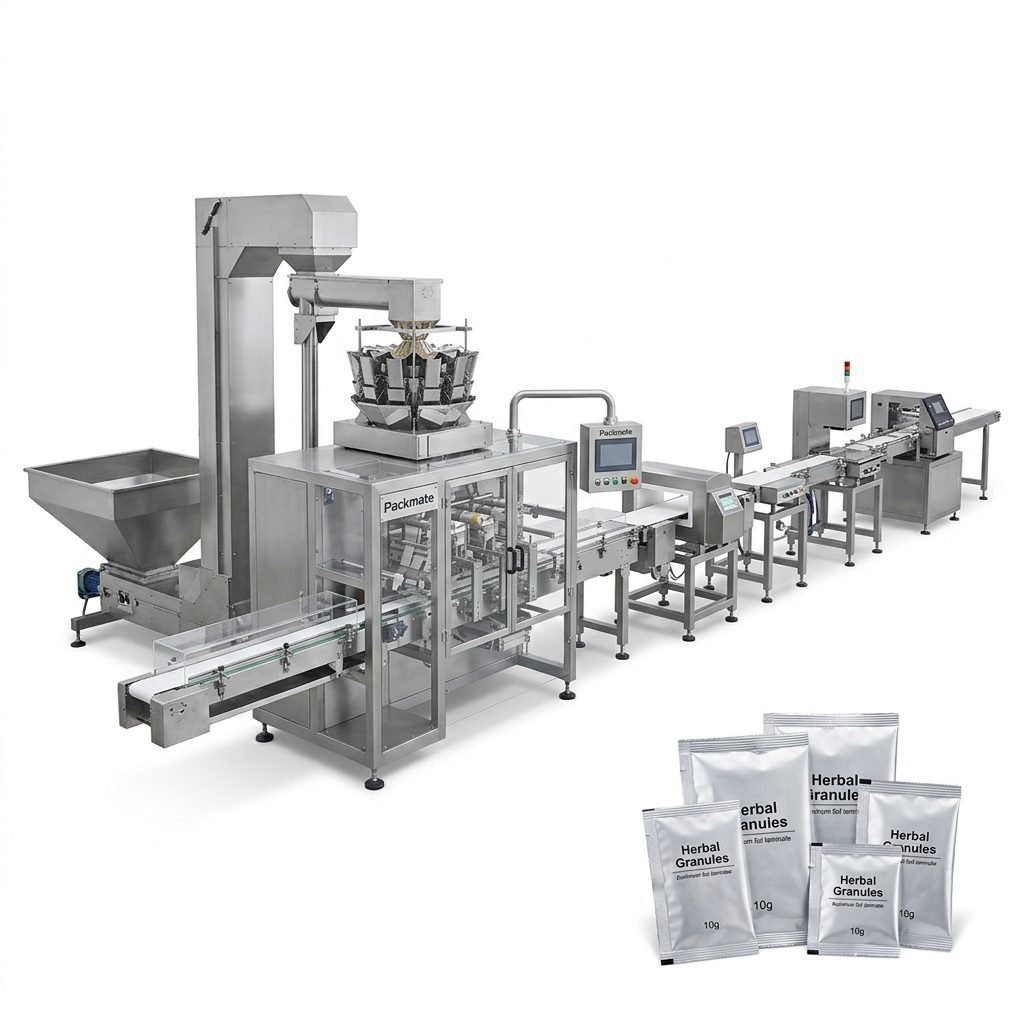
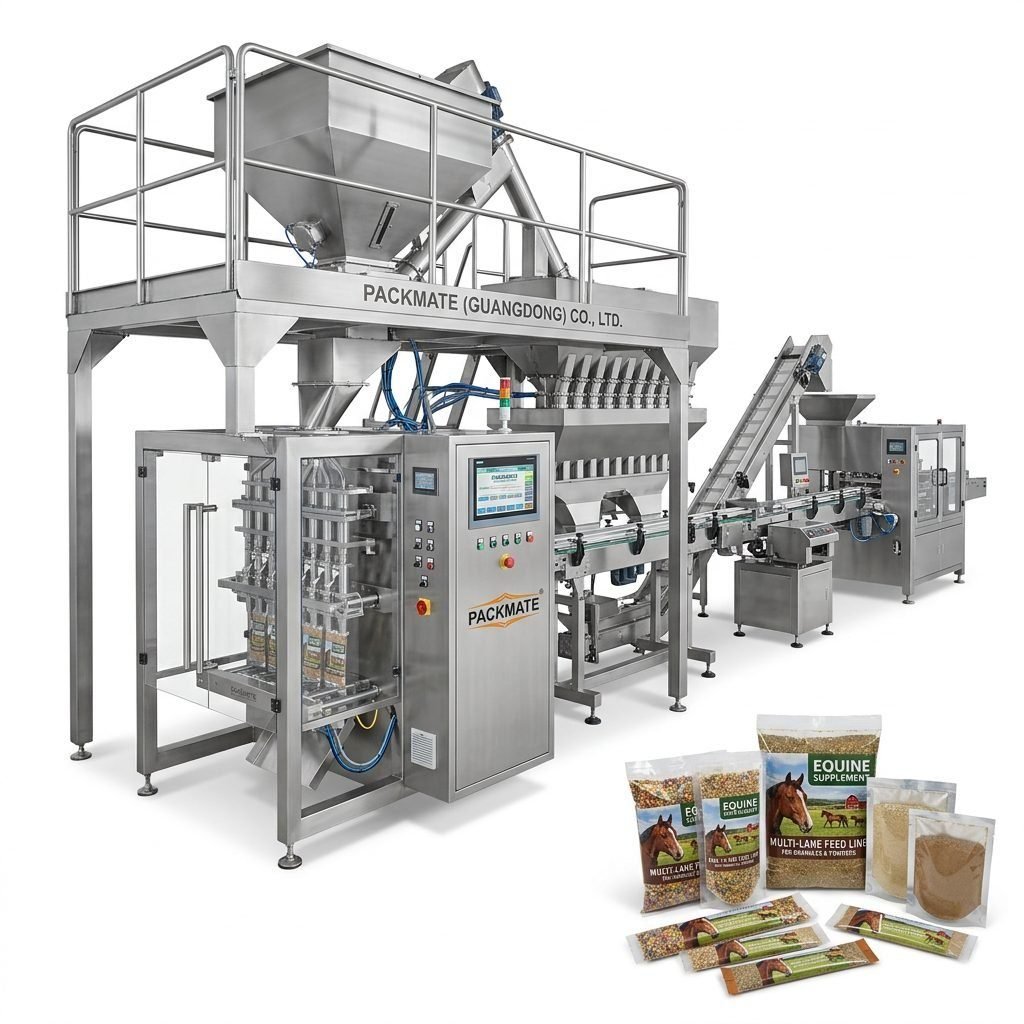
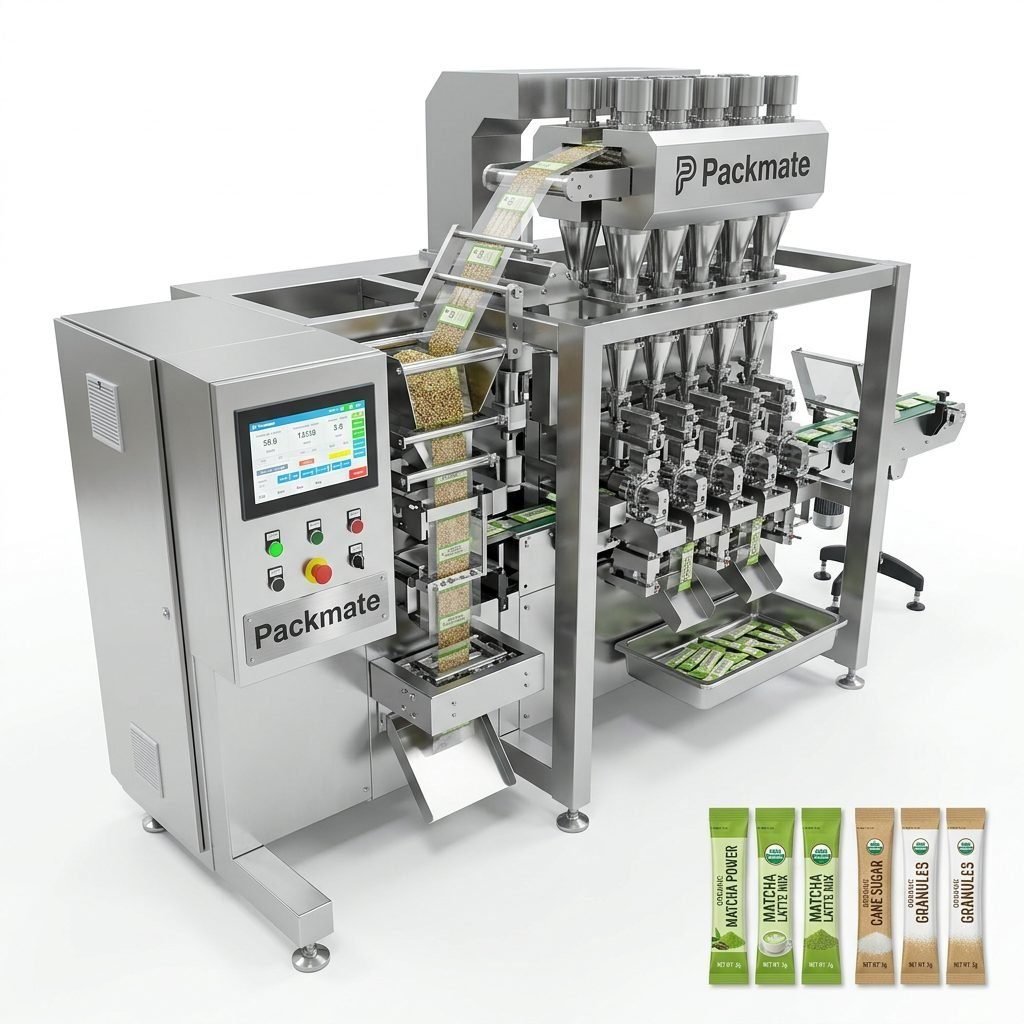
The specific industry is another critical factor. Operators working with high-value products in sectors like pharmaceuticals or specialized food packaging may earn more due to the stringent standards and precision required. Furthermore, the complexity of the machinery operated—such as advanced multi-lane systems versus simpler single-function machines—directly impacts salary. Operators skilled in programming, maintaining, and optimizing sophisticated automated lines, like the complete filling and packaging lines offered by leading manufacturers, are in higher demand and can negotiate better compensation.
Experience Level and Earnings Progression
An entry-level packaging machine operator can expect a starting salary that provides a foundation in the field. With 1-3 years of experience, operators see a noticeable increase as they gain proficiency in machine setup, operation, and basic maintenance. Mid-career operators with 4-10 years of experience often take on more responsibility, potentially supervising junior staff or managing specific production lines, which is reflected in their wages. Senior operators or specialists with over 10 years of experience, especially those with expertise in cutting-edge technology, can achieve salaries at the top of the range, sometimes moving into supervisory or technical support roles.
Current Job Market and Future Outlook
The job outlook for packaging machine operators is closely tied to broader trends in manufacturing, e-commerce, and automation. While some routine packaging jobs may be automated, the demand for skilled operators to manage, maintain, and oversee these automated systems is growing. The rise of online shopping has increased the need for efficient packaging solutions across all sectors, sustaining demand for operators in warehouses and distribution centers.
Future growth is anticipated in industries requiring specialized, hygienic, or high-speed packaging, such as food, beverages, and healthcare. Operators who continuously update their skills—learning to work with intelligent weighing and packaging systems or robotics—will be best positioned for long-term career stability and advancement. The ability to adapt to new technologies, like those developed by companies with decades of expertise, is a significant advantage.
Key Skill Sets for Advancement
To enhance their earning potential and job security, operators should focus on developing a blend of technical and soft skills. Technical skills include mechanical aptitude, understanding of programmable logic controllers (PLCs), and the ability to perform preventive maintenance. Problem-solving skills are essential for quickly diagnosing and fixing machine faults to minimize downtime. Additionally, attention to detail ensures quality control and adherence to safety standards, while basic computer literacy is increasingly important for operating digital interfaces.
Regional Salary Variations
Salaries for packaging machine operators can differ dramatically from one region to another. In areas with a high concentration of manufacturing plants, such as the Midwest in the United States or industrial zones in Europe, competition for skilled labor can drive wages up. Conversely, in regions with less industrial activity, salaries may be lower. It’s also worth considering the impact of local unions and collective bargaining agreements, which can establish higher wage floors and better benefits for operators in certain areas.
Enhancing Your Career Prospects
For those looking to enter or advance in this field, several strategies can be employed. Pursuing relevant certifications in machine operation or maintenance from vocational schools or industry associations can make a candidate more attractive to employers. Gaining hands-on experience with a variety of machinery, from standard baggers to complex auxiliary and integrated systems, broadens one’s expertise. Networking within the industry and staying informed about new technologies, perhaps by following innovations from established equipment manufacturers, can open doors to new opportunities.
Ultimately, a proactive approach to skill development and a willingness to work with advanced automation will define the most successful packaging machine operators in the coming years. The role is evolving from manual operation to a more technical, supervisory function centered on efficiency and system management.
Frequently Asked Questions (FAQs)
What is the average starting salary for a packaging machine operator?
The average starting salary varies by location and industry but generally ranges from an entry-level wage that aligns with regional manufacturing standards. With experience and additional skills, operators can see increases within the first few years.
What industries pay the highest salaries for packaging machine operators?
Typically, industries with high-value, sensitive, or regulated products—such as pharmaceuticals, medical devices, and certain high-end food and beverage sectors—tend to offer higher salaries due to the precision and cleanliness standards required.
How does automation affect the job outlook for operators?
Automation is changing the nature of the job rather than eliminating it. While some manual tasks are reduced, there is a growing need for operators who can program, monitor, maintain, and troubleshoot sophisticated automated packaging lines, making technical skills more valuable than ever.
What are the most important skills to learn for career advancement?
Key skills include mechanical repair, basic programming for automated systems, quality control procedures, and lean manufacturing principles. Soft skills like teamwork, communication, and problem-solving are equally critical for moving into lead or supervisory roles.
Are there opportunities for specialization within this field?
Yes, operators can specialize in specific types of packaging machinery, such as form-fill-seal machines, blister packers, or cartoning equipment. Specializing in high-demand or complex machinery can lead to higher pay and greater job security.