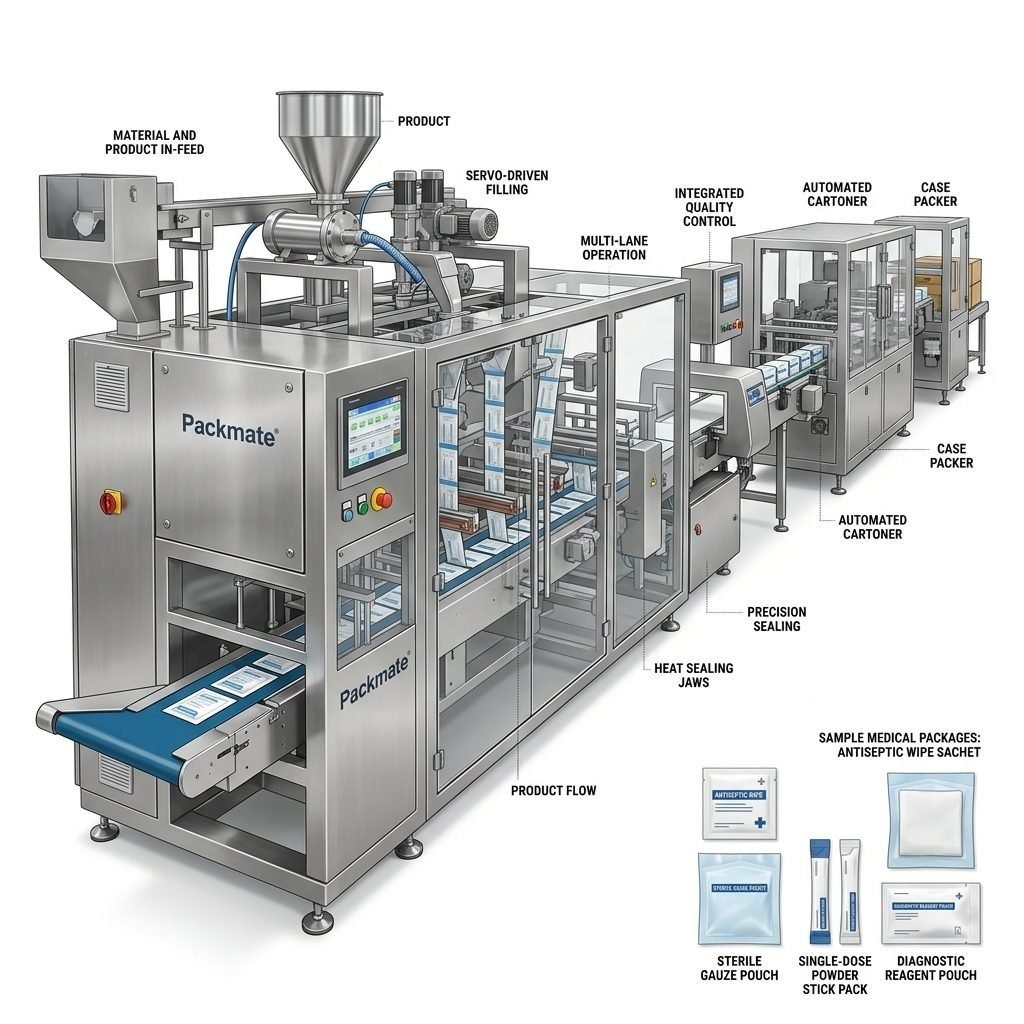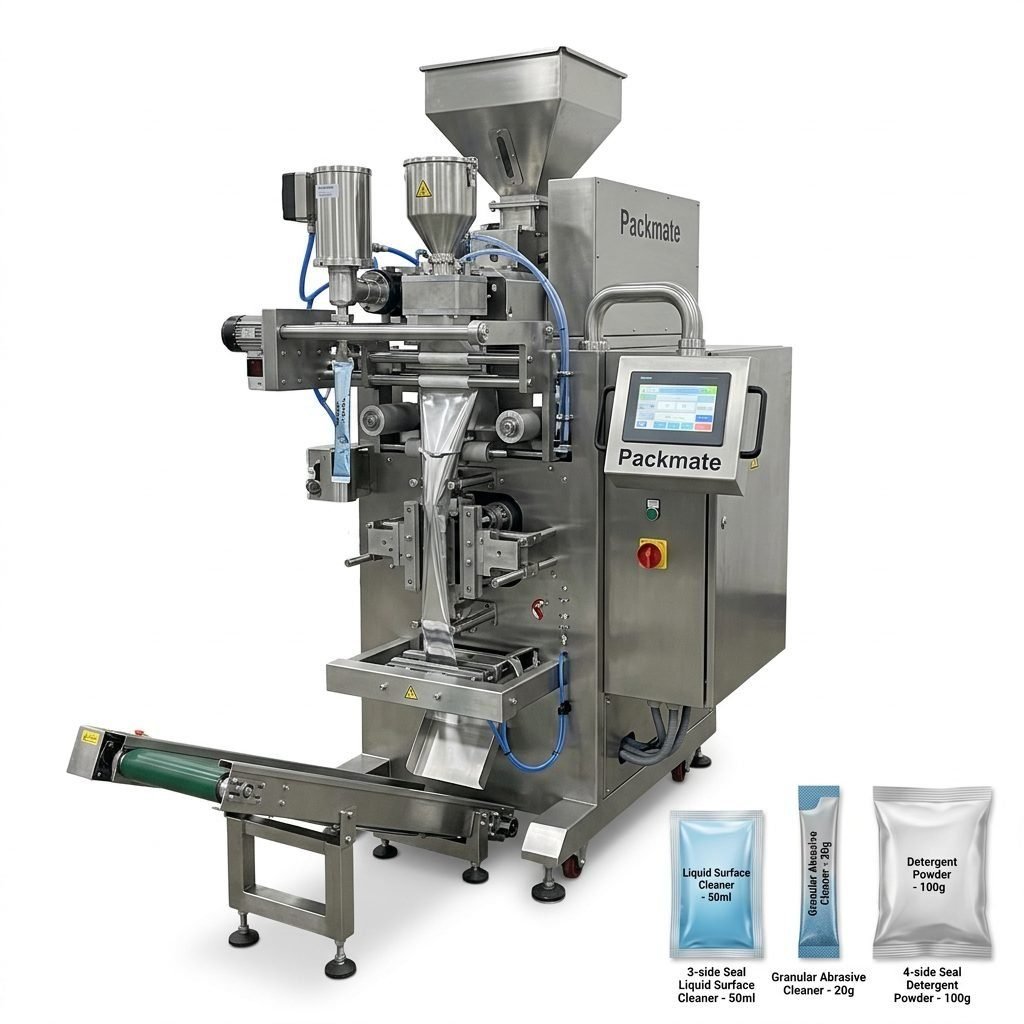
In today’s competitive manufacturing landscape, ensuring products arrive at their destination in pristine condition is paramount. Secure bundling is not just a logistical step; it’s a critical component of brand integrity and customer satisfaction. Among the various packaging technologies available, heat shrink film packaging machines stand out for their ability to create tight, protective bundles that are both tamper-evident and visually cohesive. This article explores the top heat shrink film packaging machines designed for secure product bundling, delving into their features, applications, and the key factors to consider when selecting the right equipment for your operation.
Understanding Heat Shrink Film Packaging Technology
Heat shrink film packaging involves wrapping products or product groups with a plastic film that, when exposed to heat, contracts tightly around the contours of the items. This process creates a unitized load that is stable, protected from dust and moisture, and often more secure for palletized transport. The machinery automates this process, typically involving a film wrapping station and a heat tunnel or chamber. The primary advantage is the creation of a high-integrity bundle that prevents individual items from shifting or becoming separated during handling and shipping.
Core Components of a Bundling System
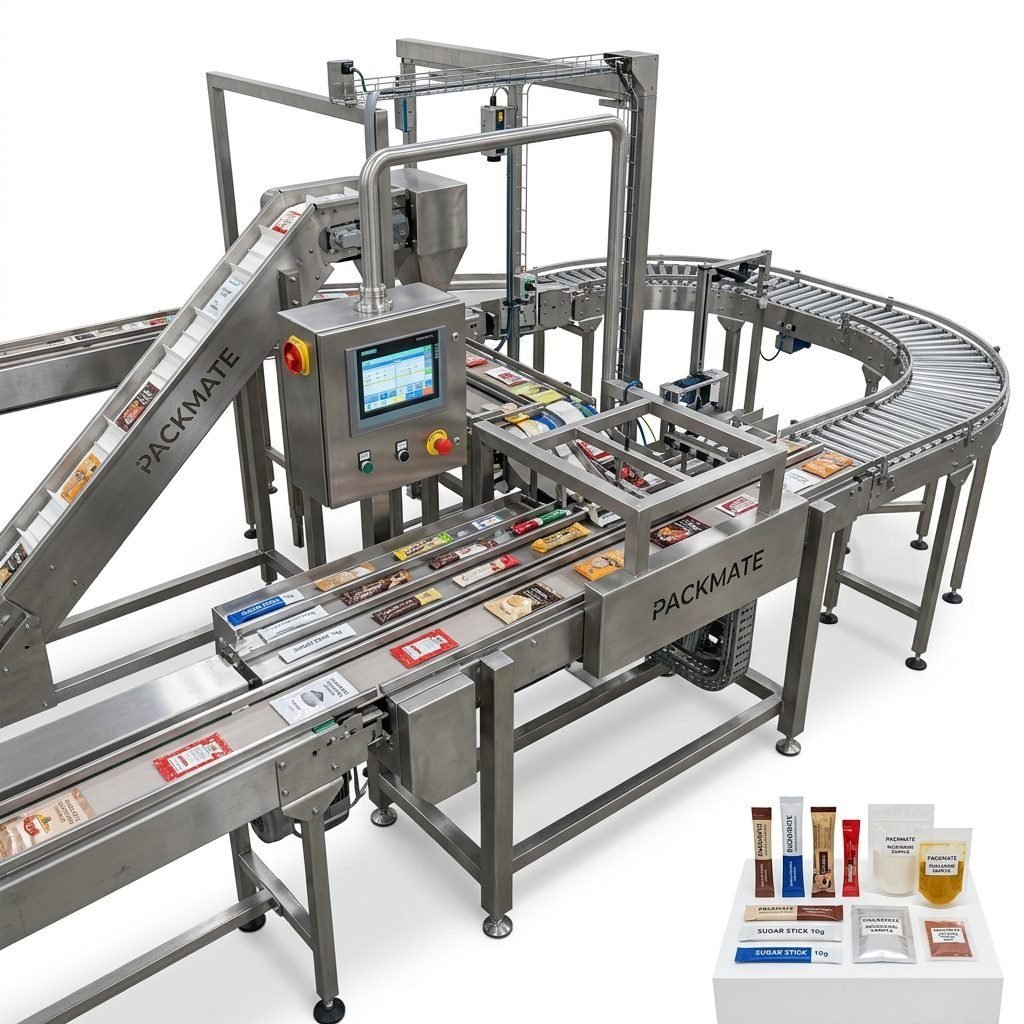
A standard heat shrink bundling line consists of several key components working in harmony. First, an infeed conveyor presents the products to the wrapping area. Next, a film dispenser and wrapping mechanism, which can be rotary or sleeve-style, apply the shrink film loosely around the product group. The bundled product then travels through a heat tunnel, where controlled hot air causes the film to shrink uniformly. Finally, a cooling section or outfeed conveyor allows the bundle to stabilize before handling. Advanced systems integrate seamlessly with upstream and downstream automation, such as case packers or palletizers, for a complete packaging line solution.
Top Machine Considerations for Secure Bundling
Selecting the right machine requires a careful analysis of your specific needs. Not all bundlers are created equal, and the best choice depends on your product profile, volume, and operational goals.
1. Throughput Speed and Automation Level
Production volume is a decisive factor. For high-speed operations, such as in beverage or pharmaceutical bundling, fully automatic L-sealers with integrated tunnels are essential. These systems can handle dozens of bundles per minute with minimal operator intervention. For lower volumes or more varied product sizes, a semi-automatic machine where an operator places the product and initiates the cycle might be more cost-effective and flexible.
2. Film Compatibility and Sealing Integrity
The heart of a secure bundle is a strong seal. Top machines offer precise temperature control for both the sealing bar and the heat tunnel to accommodate different film types—such as Polyolefin (POF), Polyethylene (PE), or Polyvinyl Chloride (PVC). A consistent, bubble-free seal is non-negotiable for preventing film rupture. Look for machines with durable, anti-stick sealing elements and adjustable pressure to ensure perfect seals every time, even with challenging film grades.
3. Versatility and Adjustability
Product dimensions can change. A superior bundling machine provides easy, tool-free adjustments for bundle length, width, and height. Quick-change features for film reel size and seamless integration with different film types allow you to adapt to new products or promotions without significant downtime. This flexibility is crucial for manufacturers serving diverse markets or with seasonal product lines.
4. Durability and Ease of Maintenance
Packaging equipment is a long-term investment. Machines built with robust frames, high-quality stainless steel in critical areas, and industrial-grade components ensure longevity and reliability. Furthermore, a design that prioritizes easy access for cleaning, film loading, and routine maintenance minimizes operational disruptions and extends the machine’s service life. Companies with a strong engineering heritage, like Packmate Machinery, often excel in building durable, service-friendly equipment based on decades of experience.
Applications Across Industries
The utility of heat shrink bundling machines spans numerous sectors. In the food and beverage industry, they are indispensable for securing multi-packs of cans, bottles, or cartons. For pharmaceuticals and healthcare products, bundling provides tamper evidence and keeps multi-unit boxes together. Consumer goods manufacturers use them for bundling promotional packs, while publishers bundle magazines and books. The technology is also vital in the logistics sector for stabilizing cases on a pallet. Each application demands specific machine features, from gentle handling for fragile items to high-speed operation for volume goods.
Integrating Bundling into Your Packaging Line
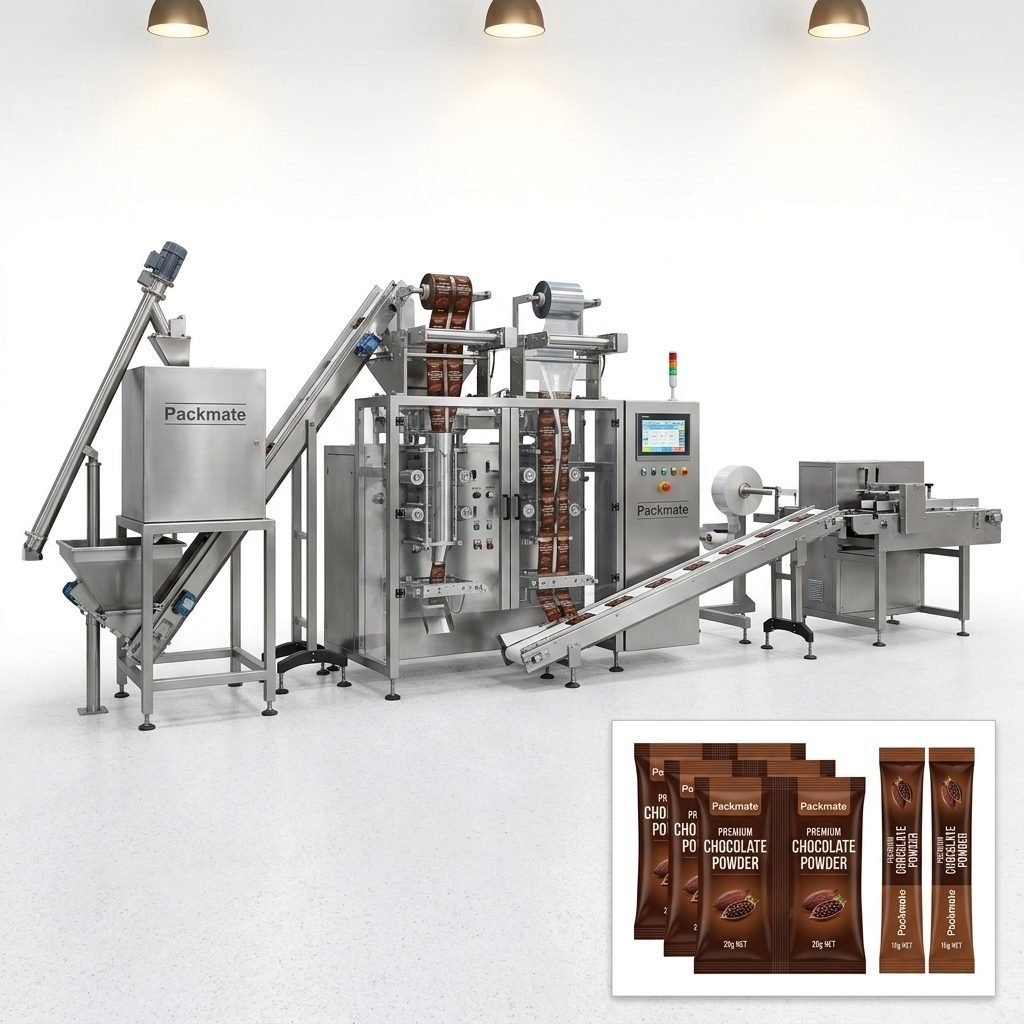
A bundling machine rarely operates in isolation. Its true value is realized when integrated into a cohesive packaging system. This involves synchronizing it with upstream equipment like cartoners or pouch packaging machines, and downstream systems like case packers. Modern machines often feature programmable logic controllers (PLCs) with communication protocols (e.g., Ethernet/IP, Profinet) to facilitate this integration. Proper line design ensures smooth product flow, maximizes efficiency, and minimizes bottlenecks, creating a turnkey solution that enhances overall productivity.
Furthermore, the choice of ancillary equipment is vital. This includes selecting the right film grade for your product’s weight and sharp edges, ensuring a consistent power supply for the heat elements, and implementing proper ventilation for the heat tunnel. Partnering with a manufacturer that offers comprehensive support—from initial line design and installation to operator training and spare parts—can significantly smooth the integration process and ensure long-term operational success.
Economic and Sustainability Benefits
Investing in an efficient heat shrink bundling system offers clear economic advantages. It reduces labor costs associated with manual taping or strapping, minimizes product damage and returns due to insecure packaging, and optimizes material usage through precise film cutting. From a sustainability perspective, modern shrink films are often recyclable, and the bundling process itself can reduce overall material consumption compared to secondary cartoning. A tight bundle also optimizes shipping space, leading to fewer trucks on the road and a lower carbon footprint per product shipped.
Frequently Asked Questions (FAQs)
What types of products are best suited for heat shrink film bundling?
Heat shrink bundling is exceptionally versatile. It is ideal for regular-shaped, rigid items like cans, bottles, boxes, books, and multi-pack consumer goods. It works best when items have flat surfaces for the film to seal against. Very irregular, soft, or heat-sensitive products may require special film or alternative bundling methods.
How do I choose between Polyolefin (POF), PE, and PVC shrink films?
The choice depends on your priorities. POF film is popular for its clarity, strength, and recyclability, making it excellent for retail-ready bundles. PE film is very durable and puncture-resistant, ideal for heavy or sharp-edged products. PVC film is often a cost-effective option with good clarity but is less favored due to environmental concerns. Your machine supplier can recommend the best film for your specific product and machine settings.
Can one bundling machine handle a wide range of product sizes?
Yes, many modern machines are designed for flexibility. Look for models with wide, tool-less adjustment ranges for the sealing platen position, conveyor width, and tunnel guide rails. Some advanced systems even have programmable product memory, allowing you to switch between preset bundle sizes with a single button press, minimizing changeover time.
What are the key maintenance routines for a heat shrink bundling machine?
Regular maintenance is crucial. Daily tasks include cleaning the sealing jaw of any film residue and checking the film path for obstructions. Weekly, inspect the heating elements in the tunnel and check for wear on conveyor belts and guides. Periodically, lubricate moving parts as per the manufacturer’s manual and calibrate temperature sensors. Establishing a preventive maintenance schedule with help from your provider, such as through Packmate’s service support, ensures maximum uptime.
How does bundling compare to other secondary packaging methods like shrink wrapping entire pallets?
Bundling (or unitizing) and full pallet wrapping serve different purposes. Bundling secures individual consumer units (e.g., a 6-pack of cans) together for sale and handling. Full pallet wrapping (stretch or shrink wrap) secures many cases or bundles onto a single pallet for warehouse storage and transport. They are complementary processes often used in sequence within a complete packaging operation.