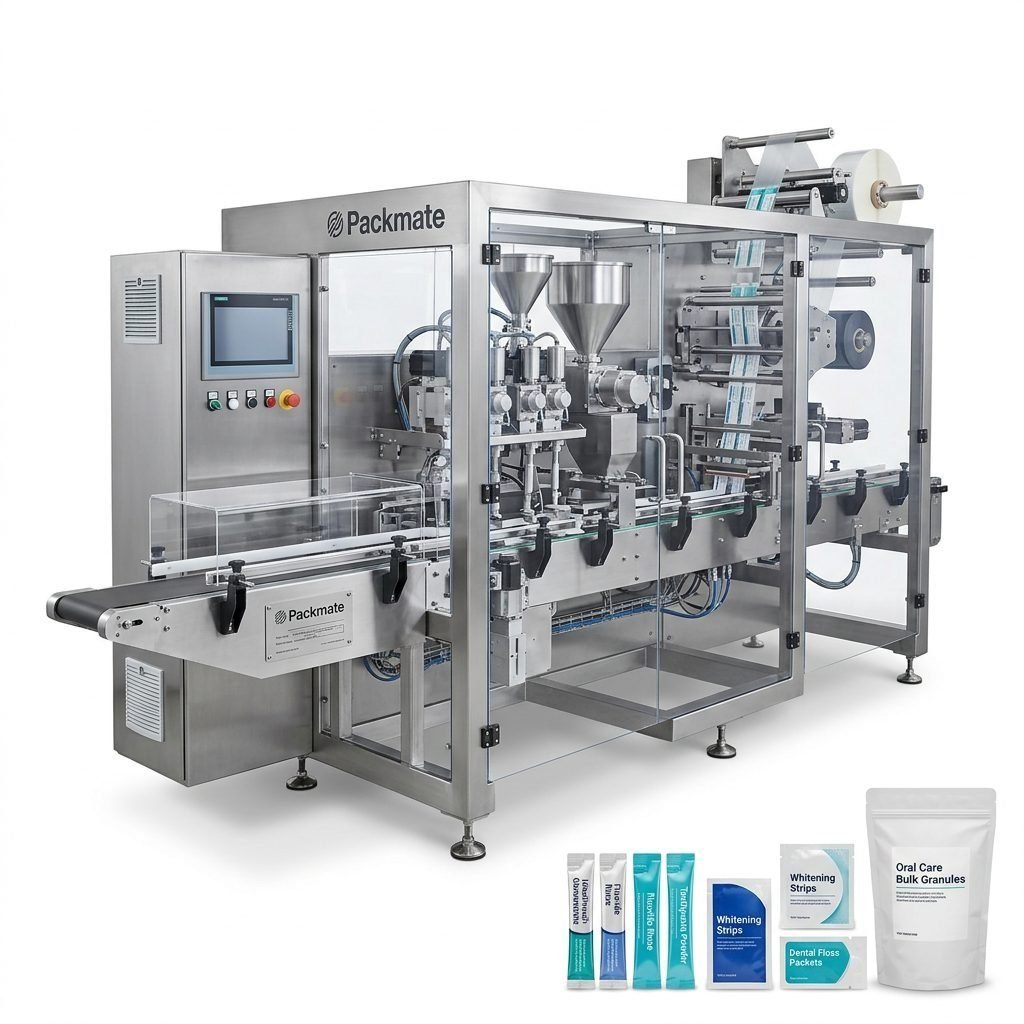
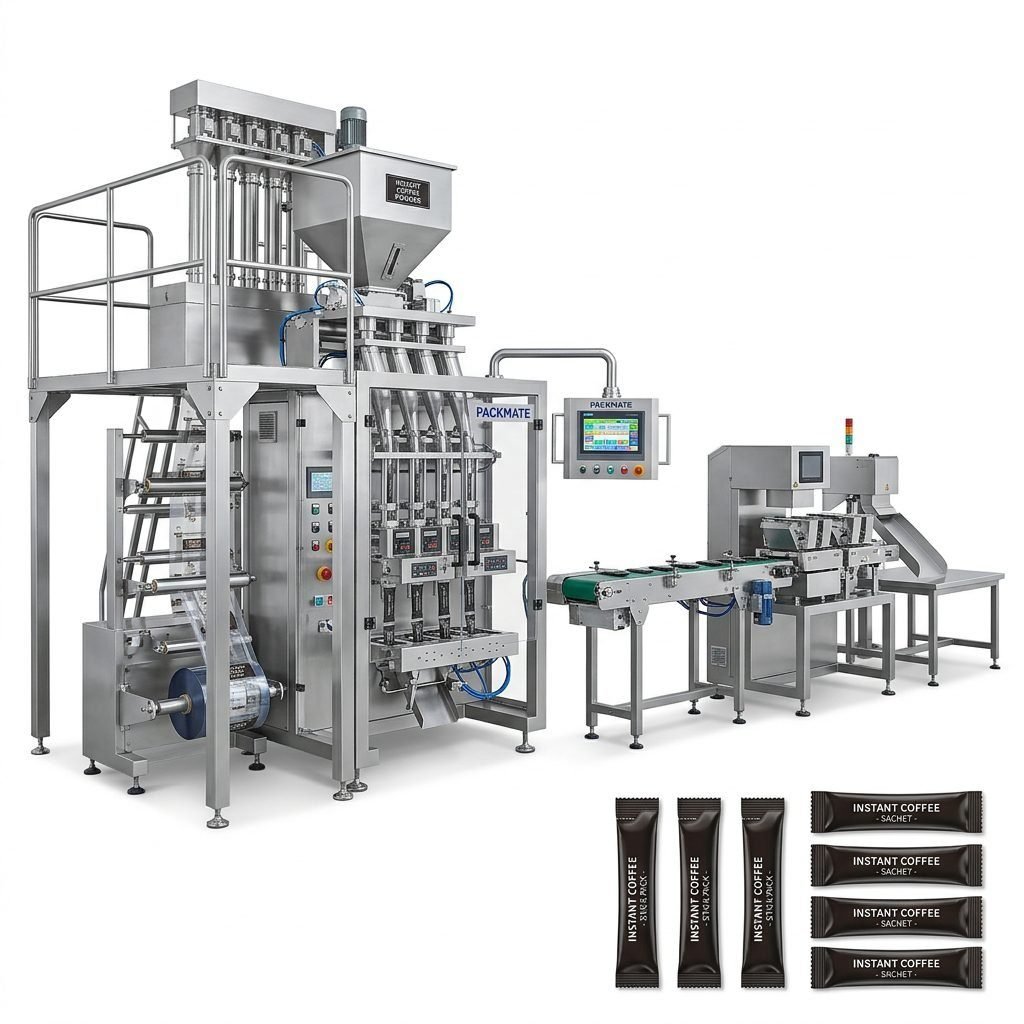
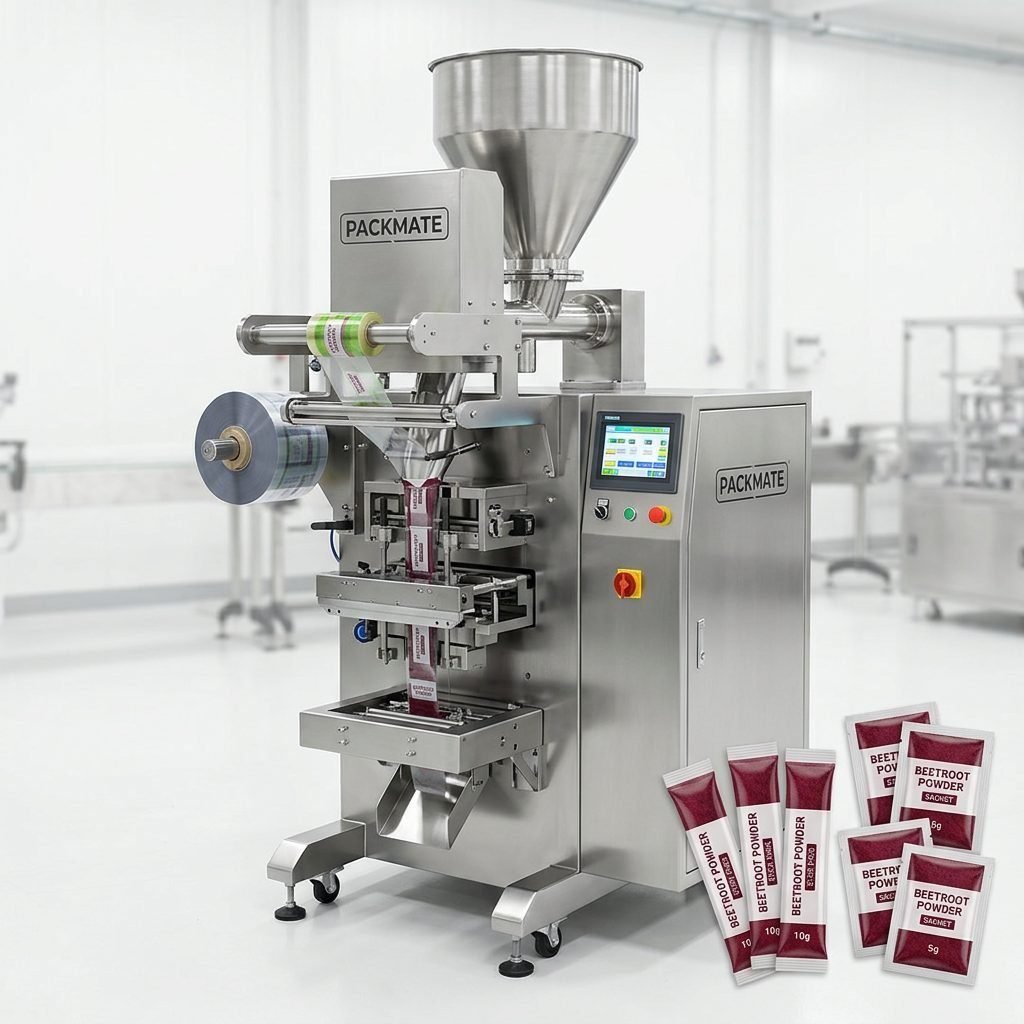
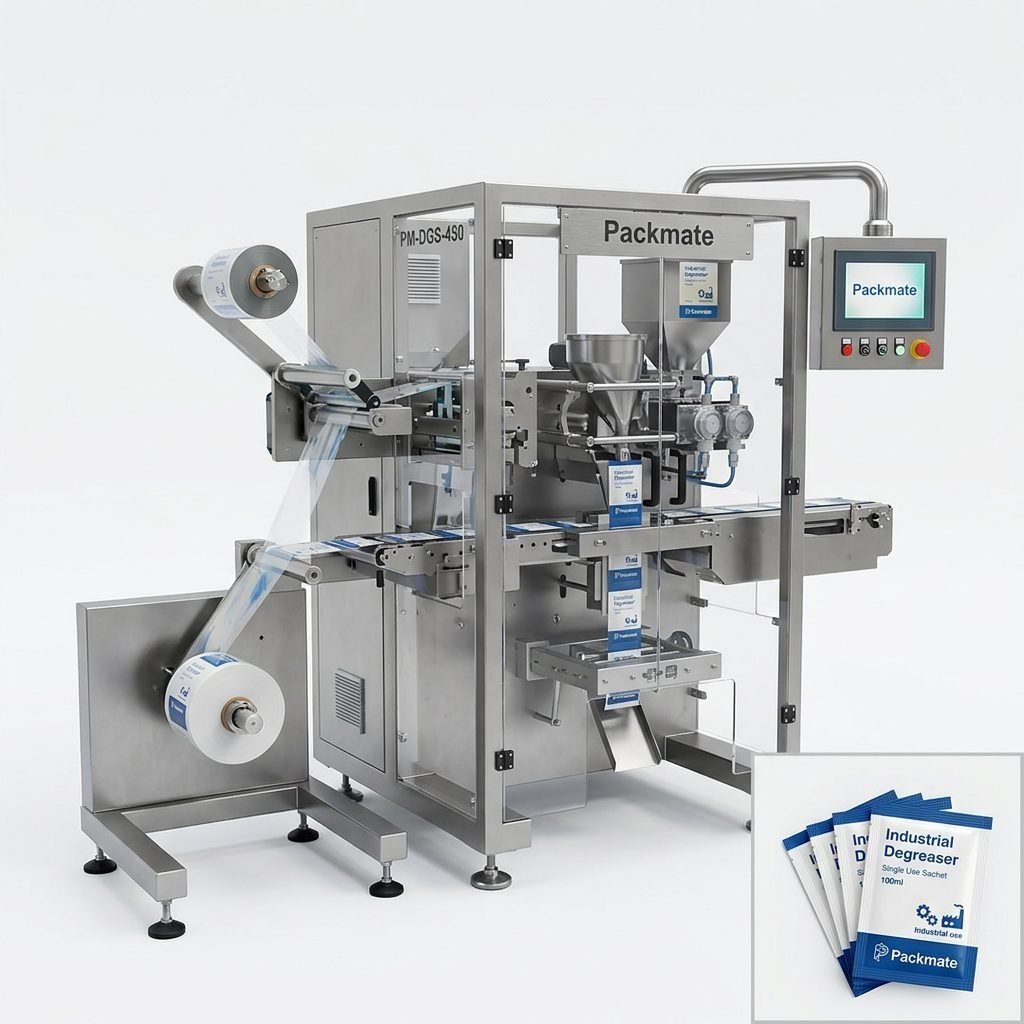
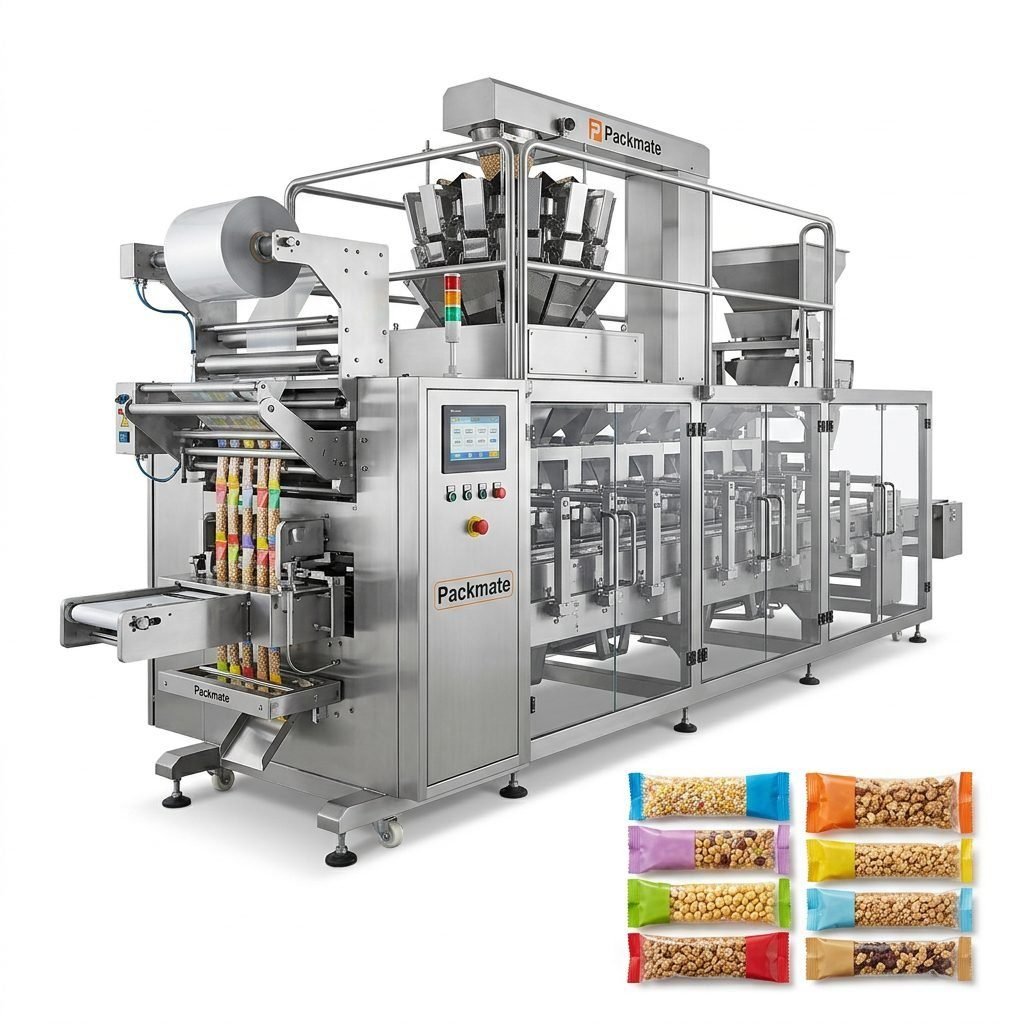
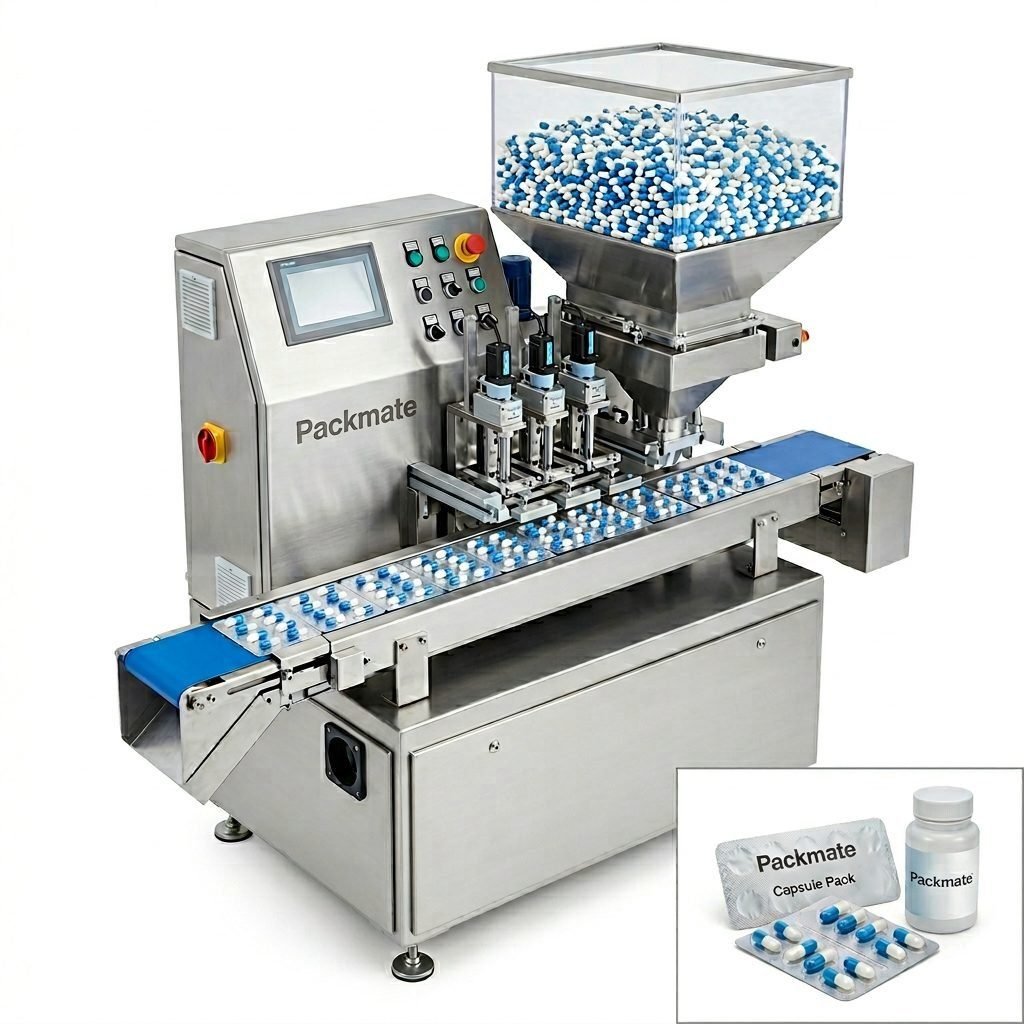
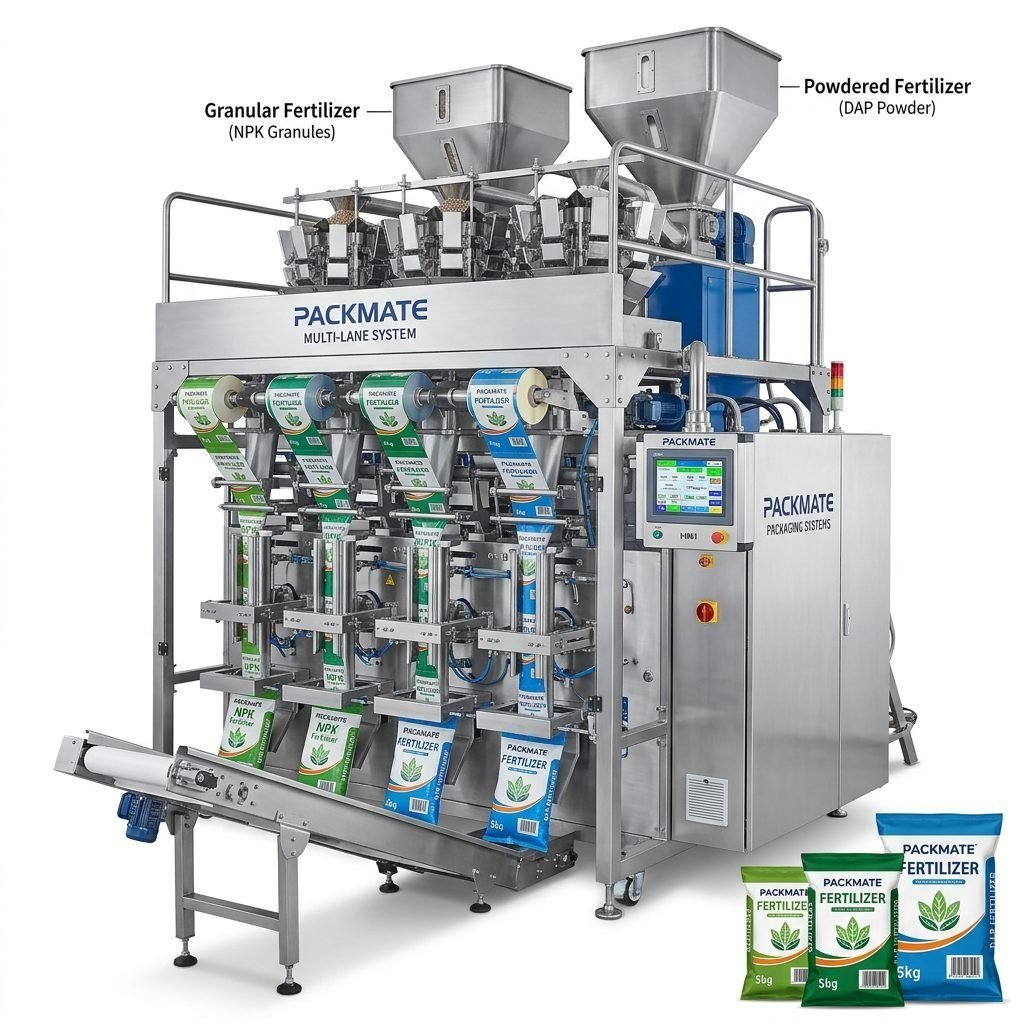
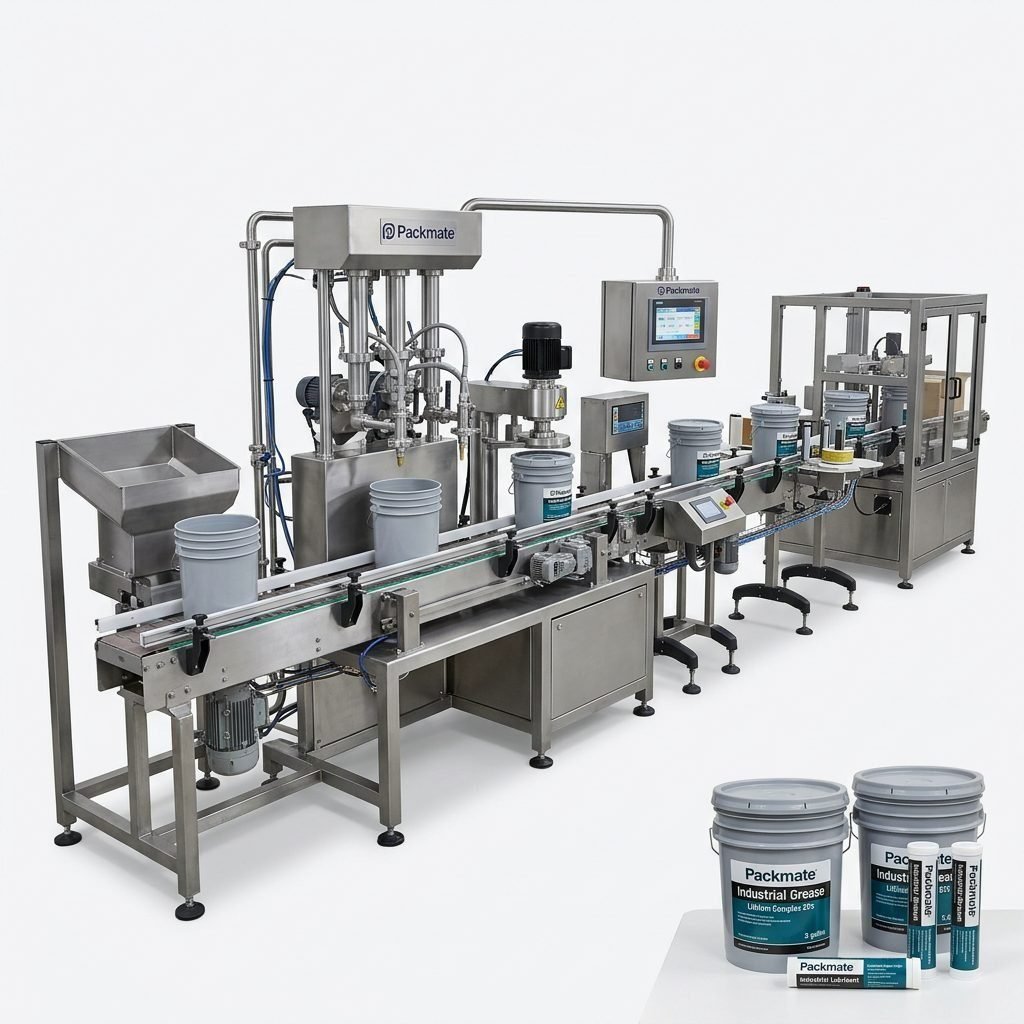
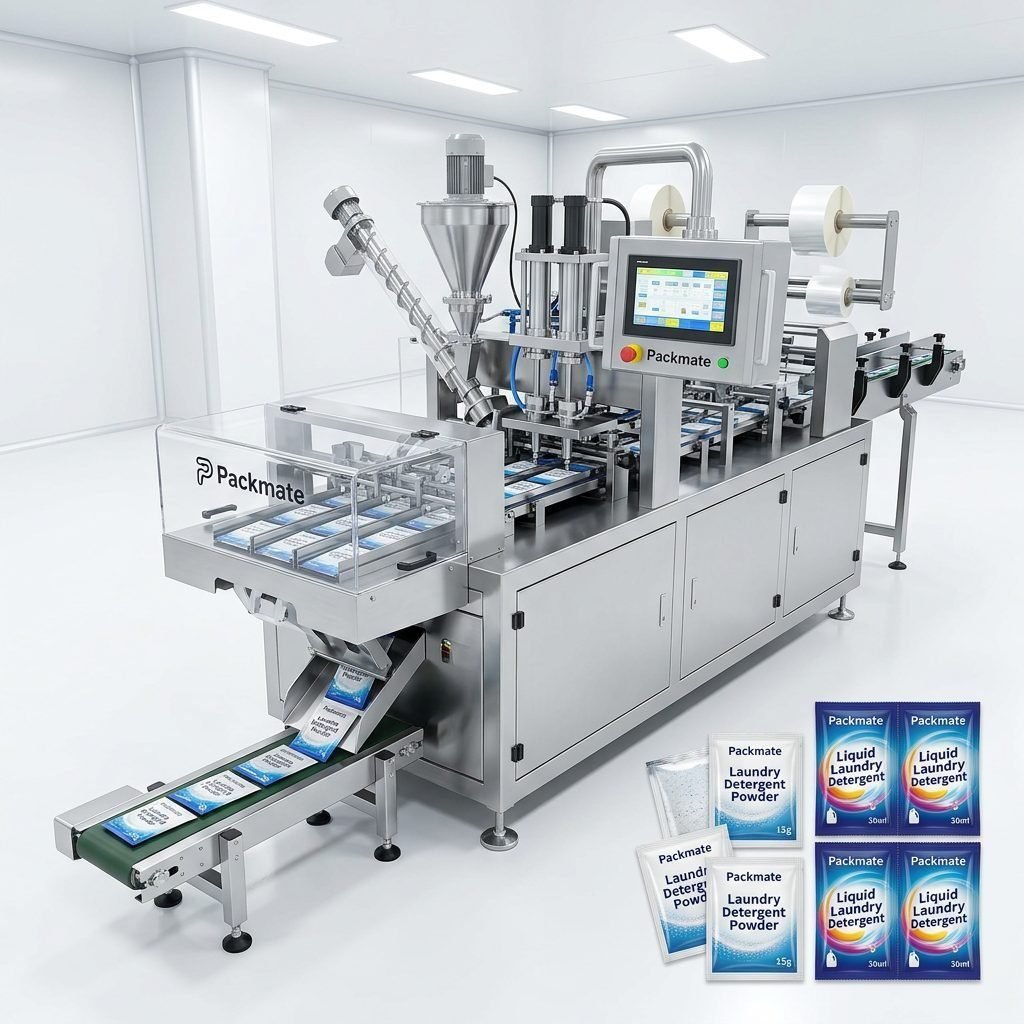
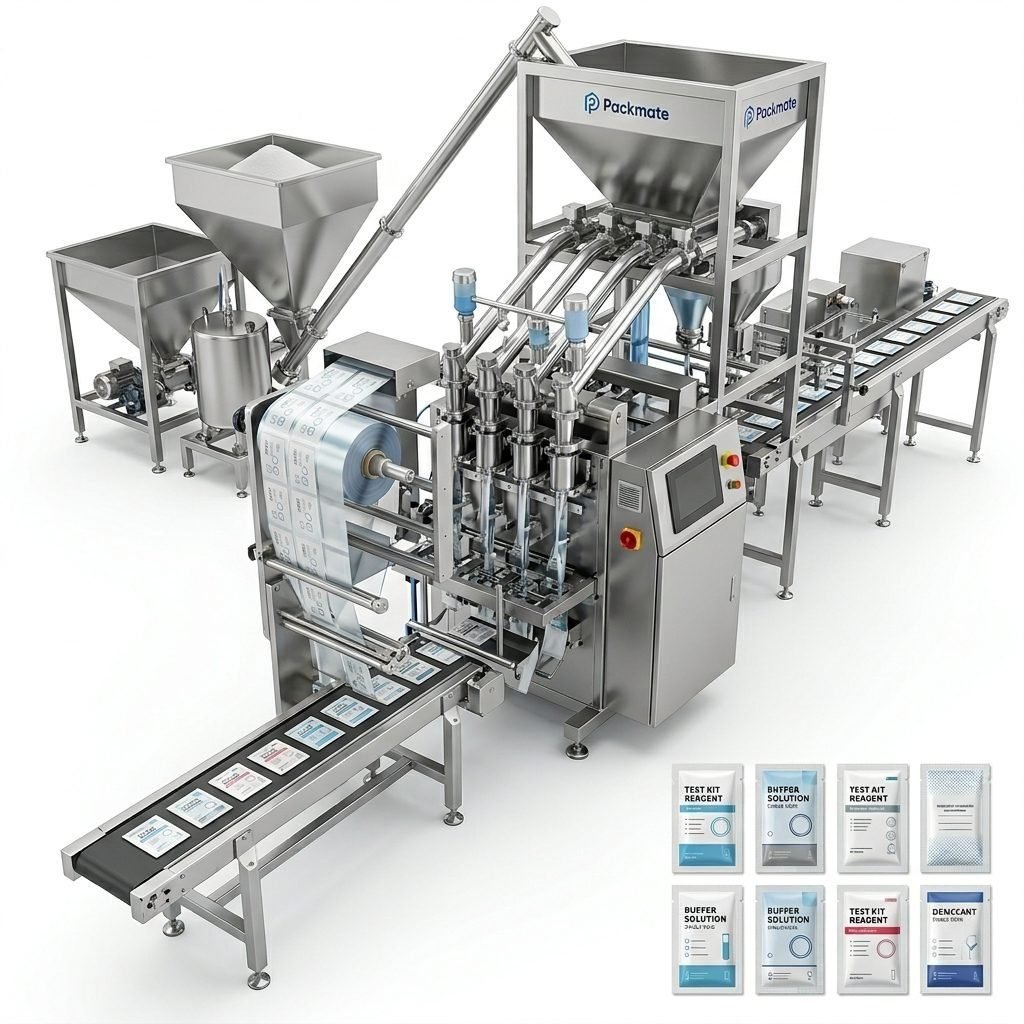
In today’s fast-paced manufacturing landscape, the demand for efficiency, precision, and adaptability has never been higher. Smart packaging equipment stands at the forefront of this revolution, offering integrated solutions that transform modern production lines. These intelligent systems go beyond mere automation; they incorporate data analytics, real-time monitoring, and flexible control to optimize the entire packaging process.
The Core Components of Smart Packaging Systems
Modern smart packaging lines are composed of several interconnected modules. At the heart lies the intelligent weighing and filling system, which ensures unparalleled accuracy for granules, powders, and liquids. This is seamlessly integrated with advanced bag and pouch forming machines that can adjust parameters on-the-fly for different product specifications.
The true power of smart packaging is realized through its Industrial Internet of Things (IIoT) connectivity. Equipment sensors collect vast amounts of operational data—from motor temperature and vibration to fill weight consistency and film tension. This data is transmitted to a central control system, often cloud-based, where advanced algorithms analyze it for predictive maintenance, quality assurance, and production optimization.
Key Benefits for Production Line Optimization
Implementing smart packaging solutions delivers measurable improvements across multiple operational metrics. Production efficiency can increase by 25-40% through reduced downtime and faster changeovers. The precision of smart systems dramatically decreases product give-away—the excess material beyond the stated weight—saving significant material costs annually.
Adaptability and Customization Capabilities
One of the most significant advantages of modern smart packaging equipment is its flexibility. Production lines can quickly switch between different package formats—from small sachets and stick packs to larger pouches—with minimal manual intervention. This is particularly valuable for manufacturers producing multiple product lines or limited-edition runs.
Sustainability Integration
Smart packaging systems contribute directly to sustainability goals. By optimizing material usage and reducing waste, they minimize environmental impact. Advanced control systems can calculate the exact amount of packaging material needed, reducing excess film or paper consumption. Some systems even incorporate recycled material compatibility sensors that adjust sealing parameters automatically.
Energy consumption monitoring allows facilities to identify peak usage periods and adjust production schedules accordingly, further reducing the carbon footprint of packaging operations.
Integration with Existing Production Infrastructure
A common concern for manufacturers is integrating new smart equipment with legacy systems. Modern smart packaging solutions are designed with this challenge in mind, featuring standardized communication protocols like OPC UA and MQTT that allow seamless data exchange with existing PLCs, SCADA systems, and enterprise resource planning (ERP) software.
Data Security and System Reliability
As packaging equipment becomes more connected, cybersecurity becomes paramount. Reputable manufacturers implement multiple layers of security, including encrypted data transmission, role-based access controls, and regular security updates. System reliability is ensured through redundant components and fail-safe mechanisms that maintain basic functionality even during network disruptions.
Case Study: Packmate’s Evolution in Smart Packaging
Packmate (GuangDong) Co., Ltd., operating under the brand Packmate Machinery, exemplifies this technological evolution. With over 30 years of expertise, the company has transformed from a specialist in basic packaging machines to a provider of complete intelligent packaging solutions. Their journey began in 1993 when founder Mr. Jiang Sha started designing packaging machines in a small workshop, driven by a passion for automation and productivity.
Today, Packmate’s 20,000㎡ manufacturing facility houses advanced production lines and testing facilities where they develop and refine more than 50 machine models. Their intelligent filling and packaging lines incorporate smart sensors and control systems that optimize performance for food, pharmaceutical, and health industry applications. The company’s formal establishment in 2003 marked the beginning of systematic innovation, bringing together skilled engineers and technicians to develop increasingly sophisticated solutions.
By 2012, Packmate had expanded to multi-lane stick pack machines to meet growing market demand, and in 2020, the company restructured to align with the Greater Bay Area’s economic development initiatives. This strategic positioning allows them to integrate the latest technological advancements from one of China’s most innovative regions into their packaging solutions.
The Future of Smart Packaging Technology
Looking ahead, several emerging technologies will further transform packaging equipment. Artificial intelligence and machine learning algorithms will enable predictive quality control, identifying potential defects before they occur. Augmented reality interfaces will assist operators in maintenance and changeover procedures, reducing training time and human error.
Blockchain integration is another promising development, particularly for pharmaceutical and high-value food products. By recording packaging parameters and batch information on a distributed ledger, manufacturers can create immutable audit trails that enhance supply chain transparency and combat counterfeiting.
Implementation Considerations for Manufacturers
When transitioning to smart packaging equipment, manufacturers should conduct a thorough analysis of their current and future needs. This includes evaluating production volumes, product variety, regulatory requirements, and integration with existing systems. Partnering with experienced providers like Packmate, who offer comprehensive support services, can smooth the transition and maximize return on investment.
Frequently Asked Questions
What types of products are best suited for smart packaging equipment?
Smart packaging equipment is particularly beneficial for products requiring high precision, frequent changeovers, or strict regulatory compliance. This includes pharmaceuticals, nutraceuticals, specialty foods, coffee, tea, spices, and chemicals. The flexibility of these systems makes them ideal for manufacturers producing multiple SKUs or limited-run products.
How does smart packaging equipment improve sustainability?
These systems optimize material usage through precise control mechanisms, reducing packaging waste by 15-30%. They monitor and minimize energy consumption during operation. Some advanced systems can automatically adjust to work with recycled or biodegradable materials without compromising seal integrity or production speed.
What is the typical ROI period for smart packaging equipment?
Return on investment typically ranges from 18 to 36 months, depending on production volume and the specific efficiencies gained. The most significant savings come from reduced material waste, decreased downtime, lower labor costs for changeovers and monitoring, and improved product quality reducing returns and rejects.
Can smart packaging equipment integrate with our existing legacy systems?
Yes, most modern smart packaging systems are designed with integration in mind. They support standard industrial communication protocols (OPC UA, Modbus, Ethernet/IP) and can exchange data with existing PLCs, SCADA, MES, and ERP systems. Reputable providers offer integration services to ensure seamless connectivity.
What training is required for operators transitioning to smart packaging systems?
While the systems are more sophisticated, user interfaces are typically designed for intuitive operation. Most providers offer comprehensive training programs covering basic operation, changeover procedures, routine maintenance, and data interpretation. The enhanced diagnostics and guided troubleshooting features actually reduce the skill threshold for identifying and resolving common issues.