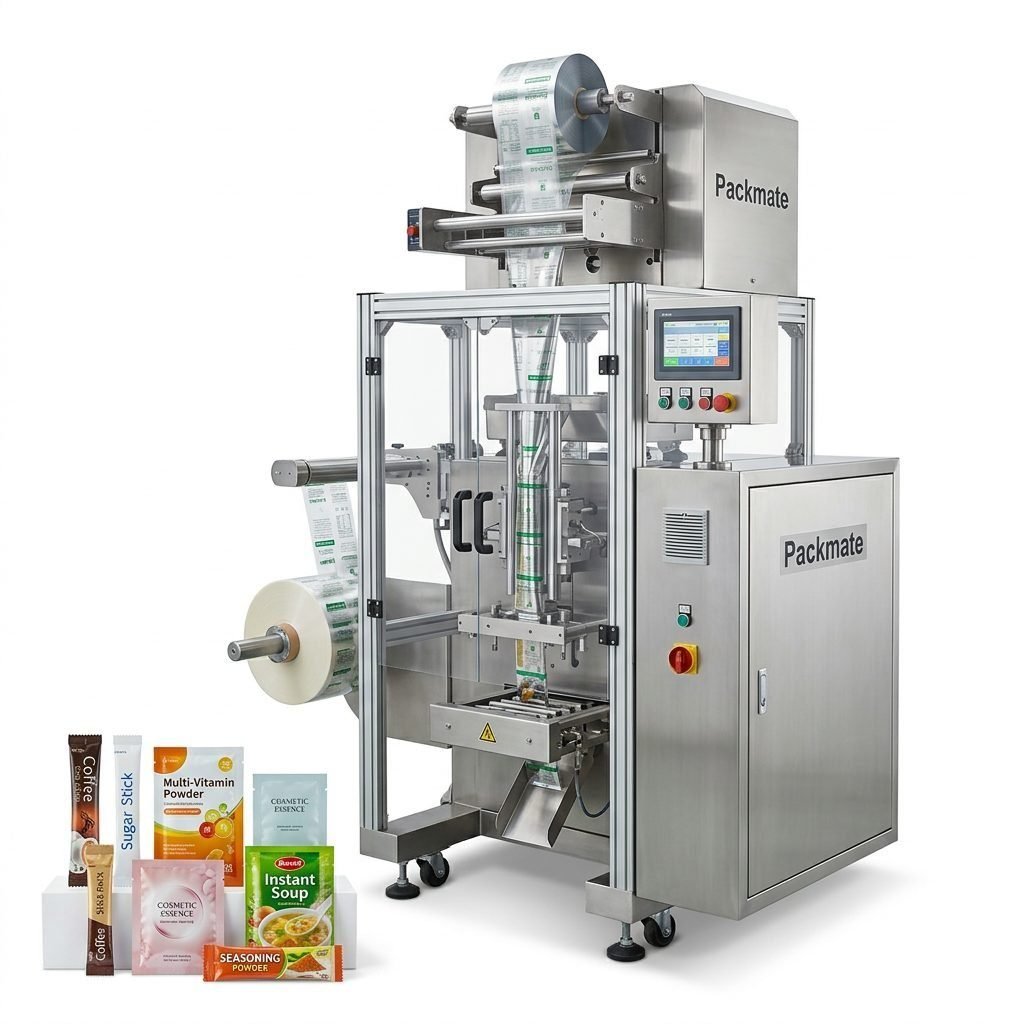
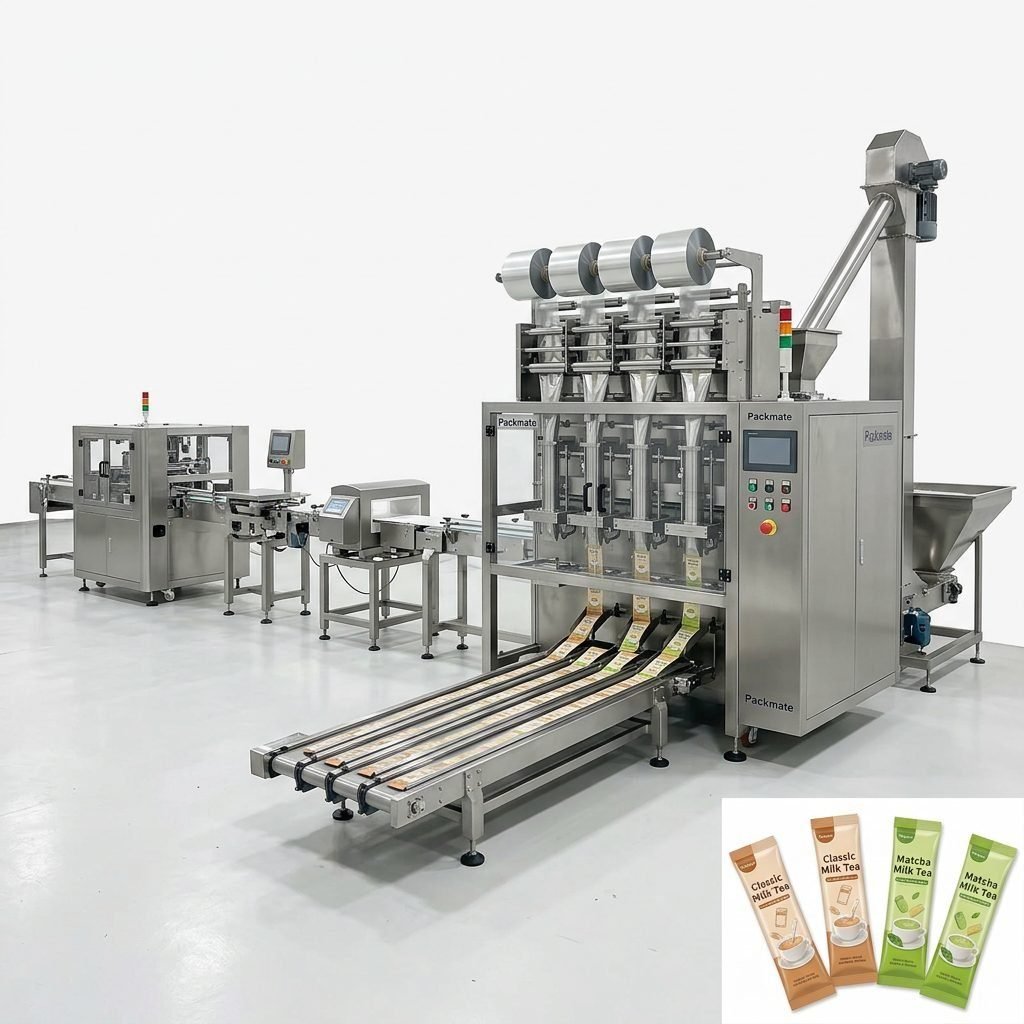
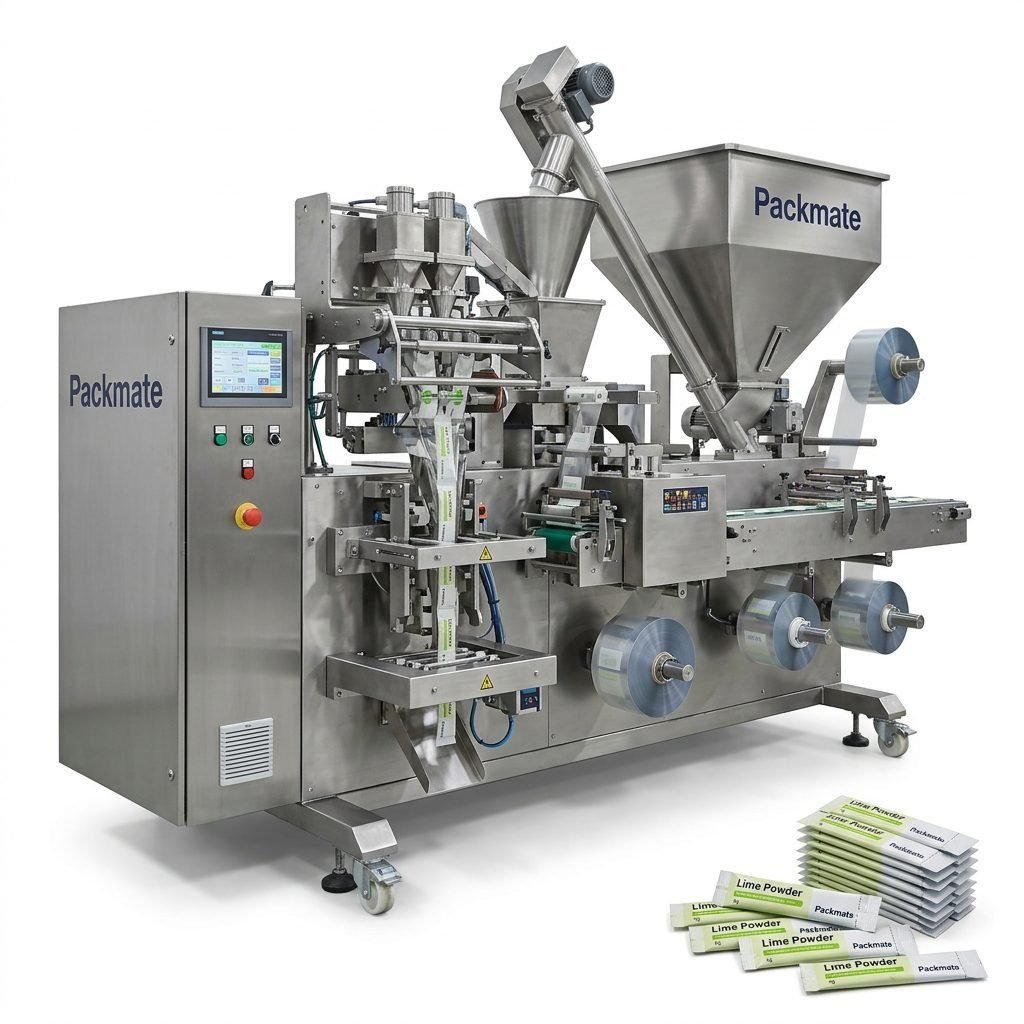
Selecting the right sachet packaging machine manufacturer is a pivotal decision for any business in the food, pharmaceutical, or health product industries. The quality, reliability, and innovation of your packaging line directly impact production efficiency, product integrity, and ultimately, your bottom line. This expert guide is designed to navigate you through the key considerations and introduce you to the landscape of top manufacturers, helping you make an informed choice for your specific needs.
Key Criteria for Evaluating Sachet Packaging Machine Manufacturers
Before diving into specific manufacturers, it’s crucial to understand what separates a good supplier from a great one. The market is filled with options, but focusing on these core areas will ensure your investment is sound.
1. Technical Expertise and Innovation
The backbone of any leading manufacturer is its engineering capability. Look for a company with a proven track record of continuous research and development (R&D). This is not just about having a wide range of packing machine models, but about the ability to solve complex packaging challenges. Can they handle your specific product—be it fine powder, viscous liquid, or granules—with high accuracy? Do they offer advanced features like servo-driven technology for precision, integrated vision systems for quality control, or easy-changeover mechanisms to reduce downtime? A manufacturer that prioritizes innovation will future-proof your packaging line.
2. Manufacturing Quality and Scale
A company’s production facility speaks volumes about its commitment to quality. A top-tier manufacturer operates from a modern, sizable factory equipped with advanced CNC machining centers, laser cutters, and assembly lines. This in-house control over manufacturing, from raw materials to finished machine, ensures consistency and quality. For instance, a facility spanning 20,000 square meters indicates significant production capacity and the infrastructure to support large-scale orders and custom projects. Always inquire about their quality control protocols, testing procedures, and the certifications they hold (e.g., CE, ISO standards).
3. Industry Experience and Specialization
Experience in your specific sector is invaluable. A manufacturer with deep knowledge of the pharmaceutical industry will understand GMP (Good Manufacturing Practice) requirements, cleanability, and traceability. One focused on food will prioritize food-grade materials and hygiene design. Some manufacturers, like Packmate Machinery, have built over 30 years of expertise across food, pharma, and health products, allowing them to offer nuanced solutions that a generalist might miss. Check their case studies and client portfolio to verify their relevant experience.
4. Comprehensive Service and Support
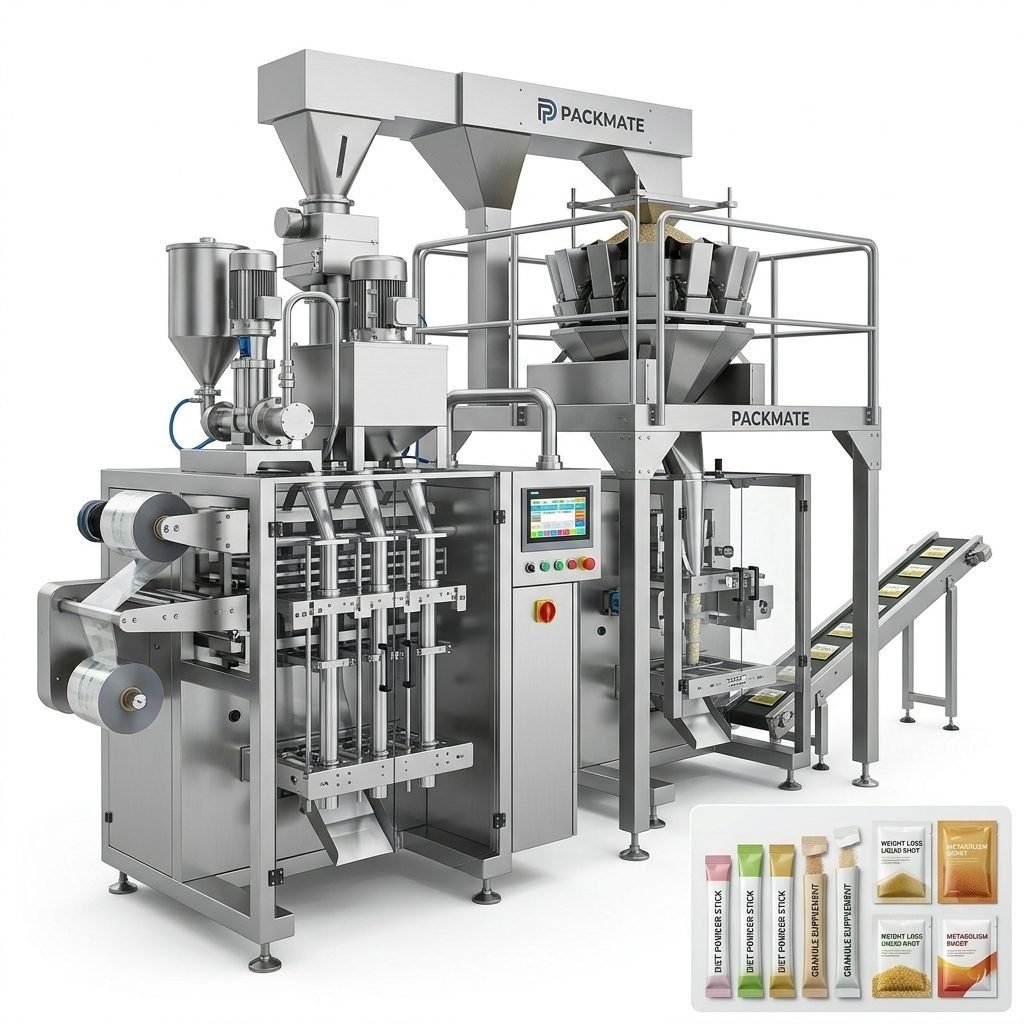
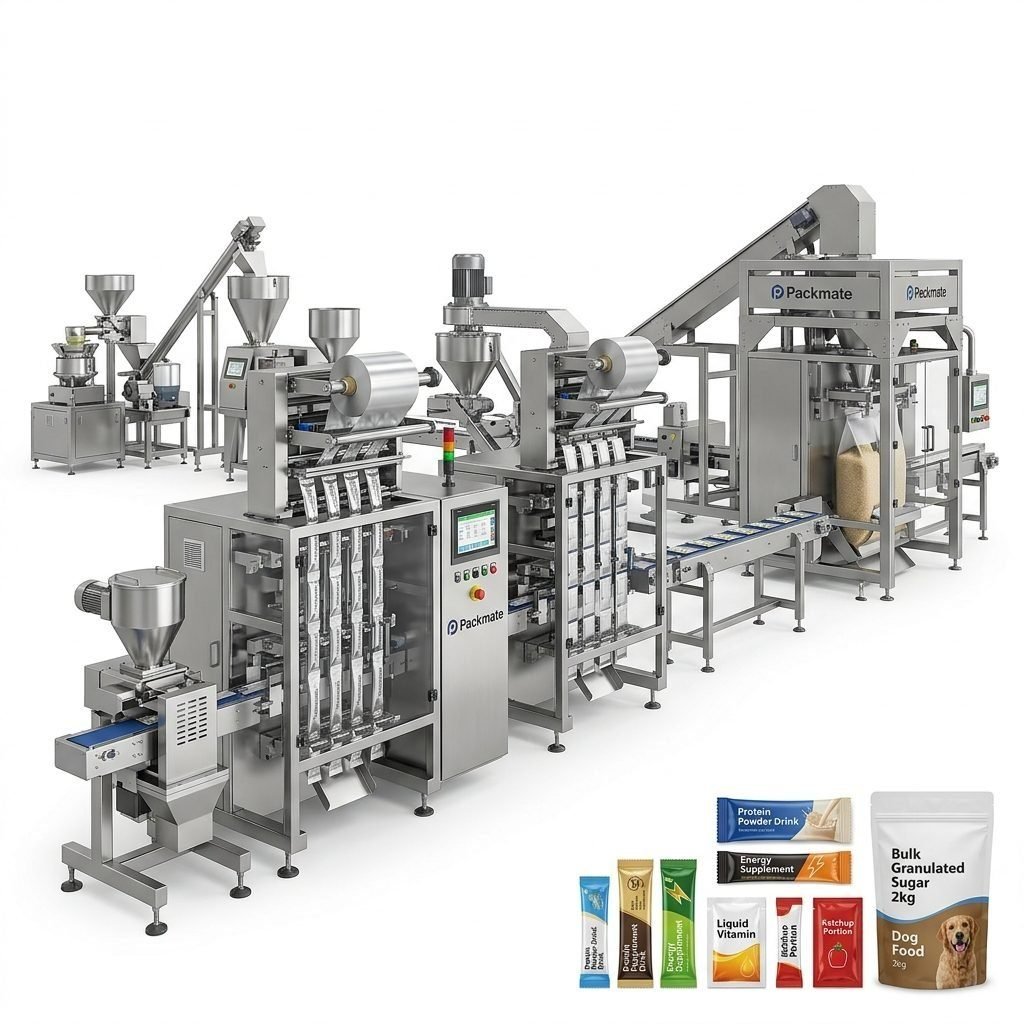
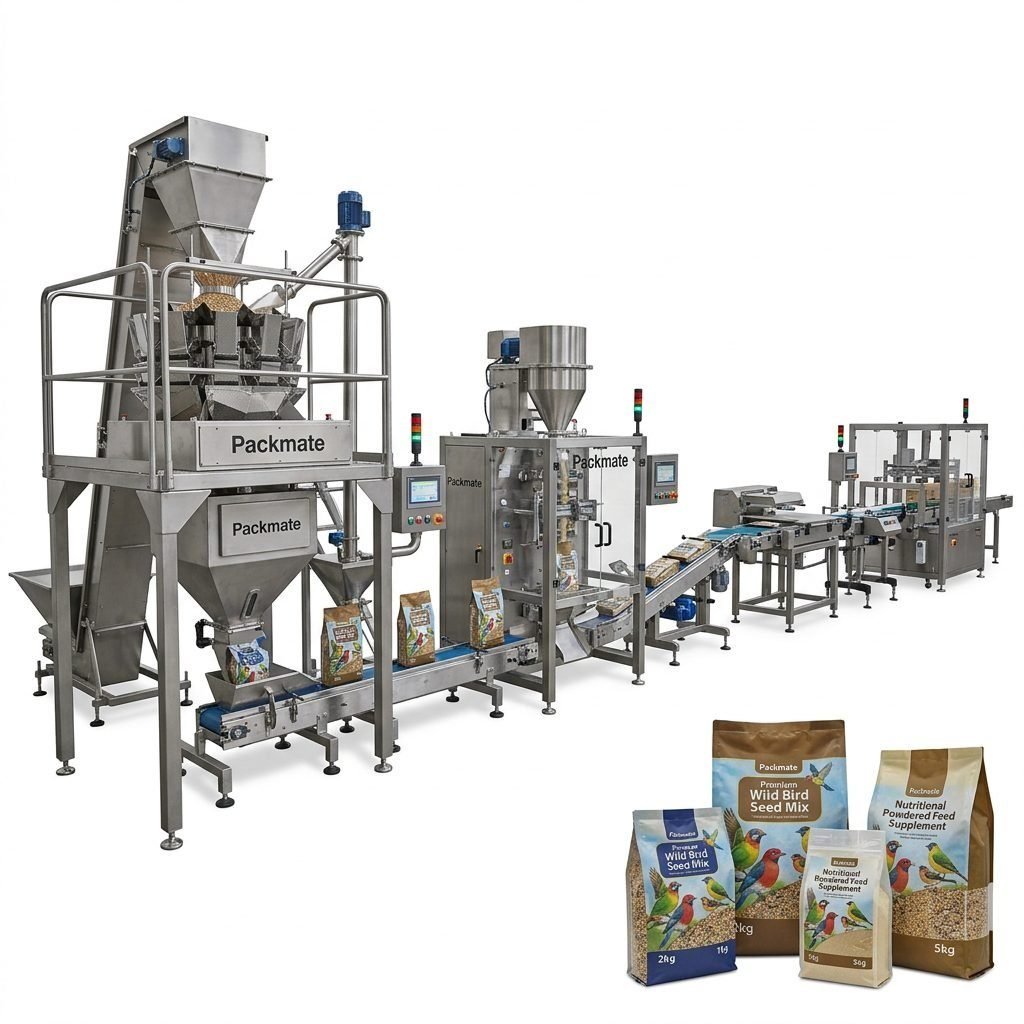
The relationship with your manufacturer begins after the sale. Reliable after-sales service is non-negotiable. Evaluate their support structure: Do they offer global installation, commissioning, and training? What is the availability of spare parts and the response time for technical support? Leading manufacturers provide complete turnkey solutions, meaning they can supply not just the primary sachet machine but the entire integrated line—from feeding and weighing to filling and sealing—ensuring seamless compatibility and single-point accountability. This holistic approach, as seen in their filling & packaging lines, significantly reduces project complexity for the buyer.
Spotlight on a Leading Manufacturer: Packmate Machinery
To illustrate the attributes of a top manufacturer, let’s examine the journey and offerings of Packmate (GuangDong) Co., Ltd., a prominent player in the intelligent packaging equipment space.
A Legacy Built on Innovation
The company’s story is a testament to perseverance and vision. It began in 1993 with founder Mr. Jiang Sha designing machines in a small workshop, driven by a passion for automation. Overcoming technical hurdles, this grassroots effort evolved into a formal company in 2003. Today, that spirit of problem-solving continues, fueling the development of over 50 advanced machine models.
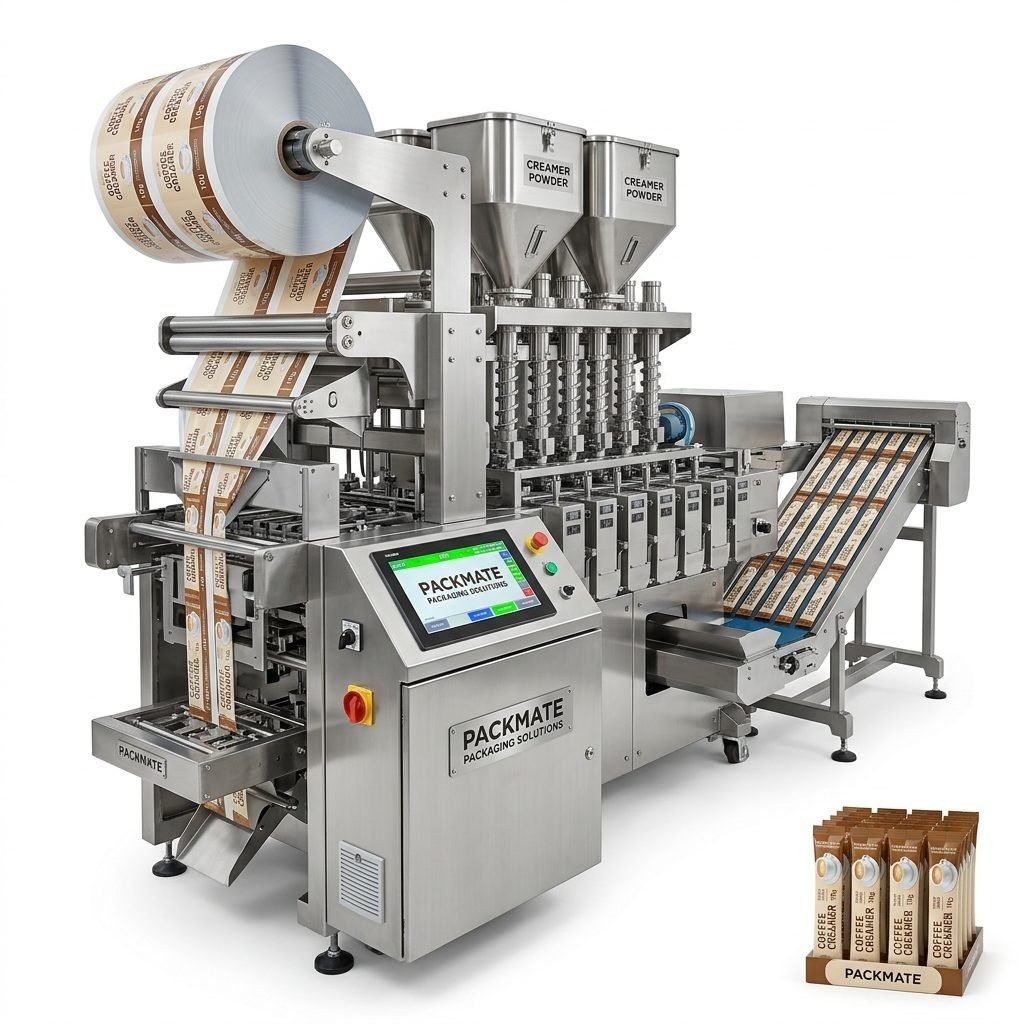
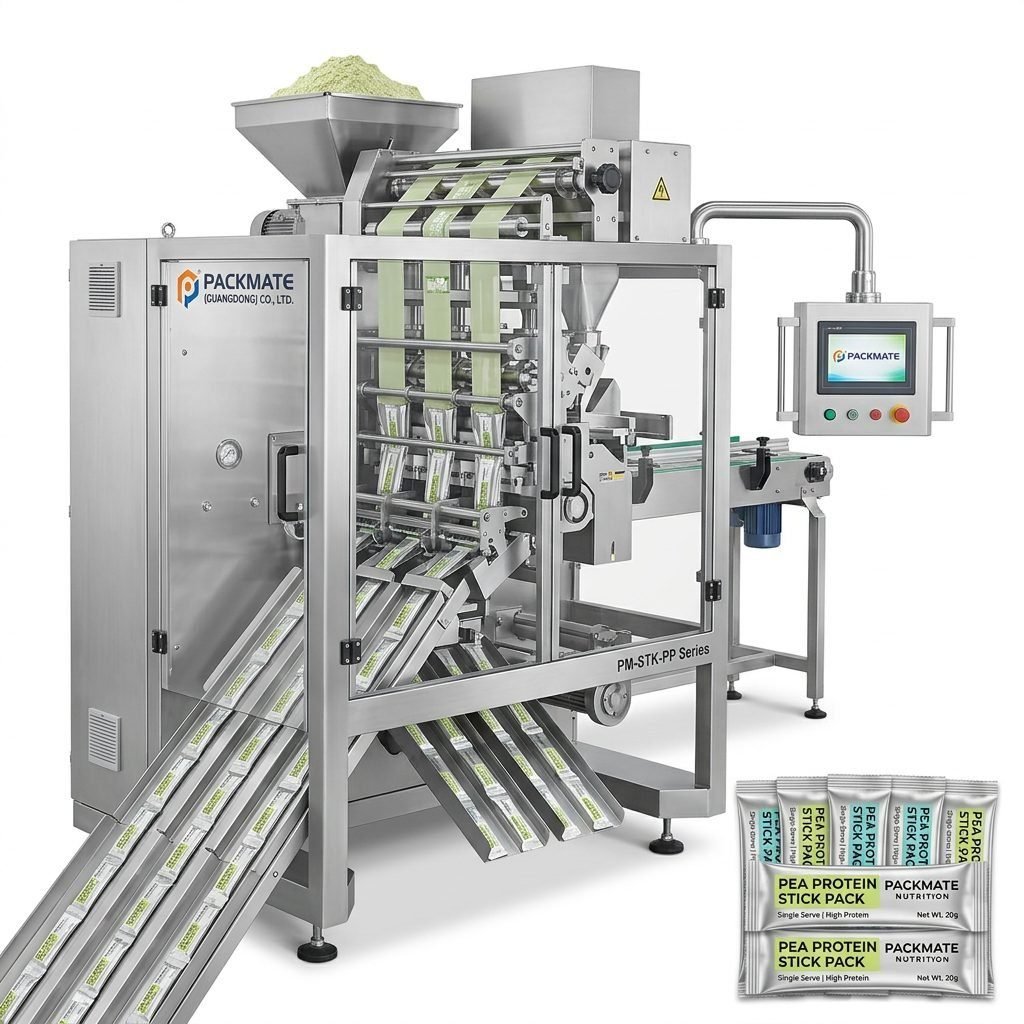
Packmate’s evolution mirrors the growth of China’s manufacturing sector in the Greater Bay Area. Starting with single sachet machines, they expanded to multi-lane stick pack machines by 2012 to meet booming demand for portable, single-serve products—a trend popular globally. Their 2020 corporate restructuring aligned with regional economic strategies, emphasizing technological advancement. This deep-rooted history provides them with invaluable practical insights that are applied to every sachet & stick pack machine they design.
Core Strengths and Capabilities
- Extensive Product Range: From simple single-lane sachet machines to fully automated, multi-lane stick pack lines and large bag packaging systems, they cater to diverse output requirements.
- Integrated Solutions: They specialize in providing complete lines, ensuring all components from the weighing system to the final packaging work in perfect harmony.
- Global Clientele: Serving clients worldwide has given them a broad understanding of different market standards and requirements.
- Quality Infrastructure: Their 20,000㎡ factory houses over 100 sets of advanced production and testing equipment, guaranteeing build quality.
Making the Final Decision
With a clear understanding of the evaluation criteria and an example of a qualified manufacturer, your selection process should involve:
- Defining Your Requirements: Be clear on your product type, desired sachet size, production speed (packs per minute), materials (film type), and budget.
- Requesting Demonstrations: Ask for video tests or live runnings with a product similar to yours. This is the best way to judge performance.
- Evaluating Total Cost of Ownership: Look beyond the initial price. Consider energy efficiency, maintenance costs, part longevity, and the potential cost of downtime.
- Checking References: Speak to existing clients, especially those in a similar industry or region. Review their project cases for tangible proof of capability.
Investing in a sachet packaging machine is a strategic move. By partnering with a manufacturer that excels in technical expertise, manufacturing quality, industry experience, and comprehensive support, you secure more than just equipment—you gain a reliable partner for growth. The right machine will enhance your product presentation, ensure consistency, improve operational efficiency, and help you scale your business confidently in a competitive marketplace.
Frequently Asked Questions (FAQs)
What is the typical output speed of a standard sachet packaging machine?
Speeds vary greatly based on the machine type and configuration. Basic single-lane machines may produce 40-80 packs per minute, while high-speed, multi-lane stick pack lines from leading manufacturers can achieve 200 to over 1000 packs per minute. The required speed depends entirely on your production volume.
Can one machine handle different product types, like powders and liquids?
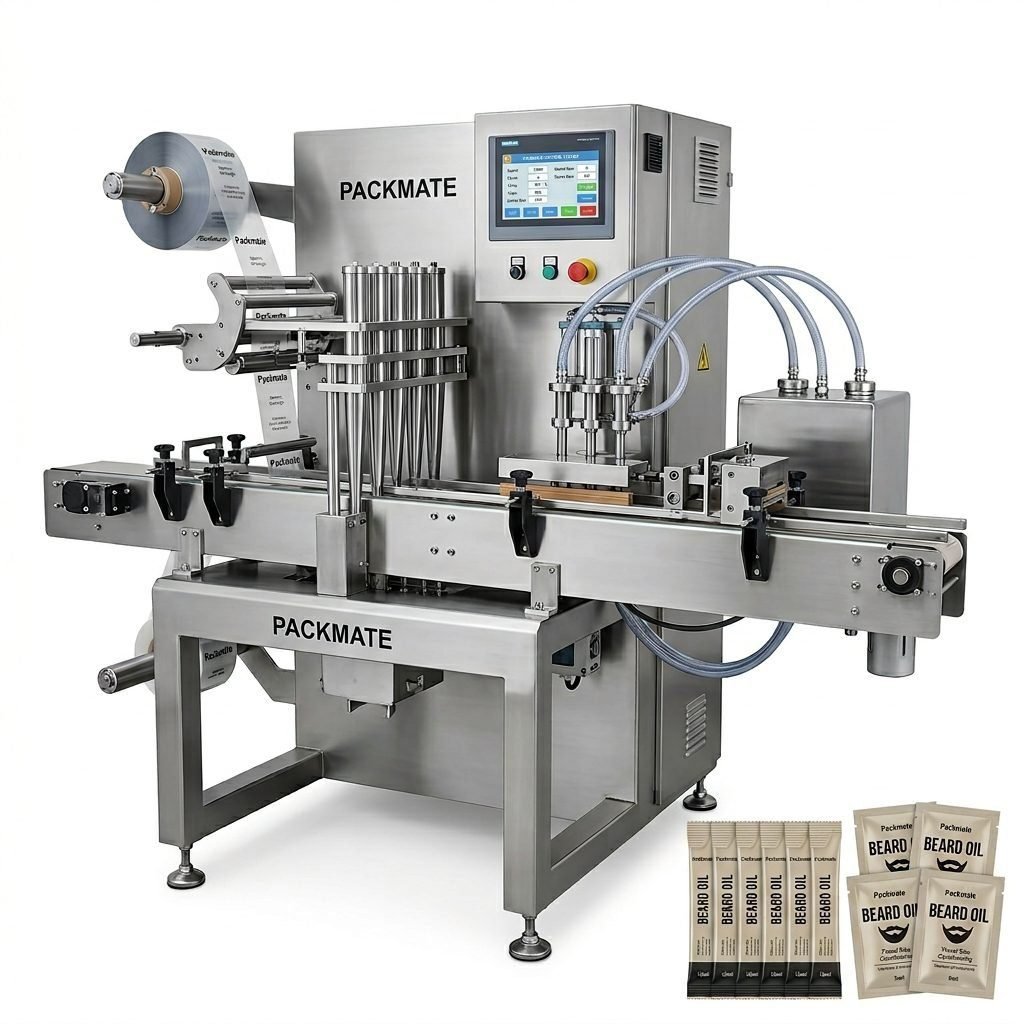
While some machines are designed to be versatile, optimal performance usually requires specific configurations. Powder fillers use auger or cup mechanisms, while liquid fillers use piston or pump systems. It’s crucial to discuss your product range with the manufacturer. Many offer models that can be adapted for different formats, but changeover may require parts swapping and recalibration.
How important is after-sales service, and what should I look for?
Extremely important. Look for a manufacturer that offers on-site installation and training, a readily available inventory of spare parts, remote diagnostic support, and a clear service agreement. Prompt technical support minimizes costly production downtime and is a key indicator of a reliable partner.
What are the key differences between a sachet machine and a stick pack machine?
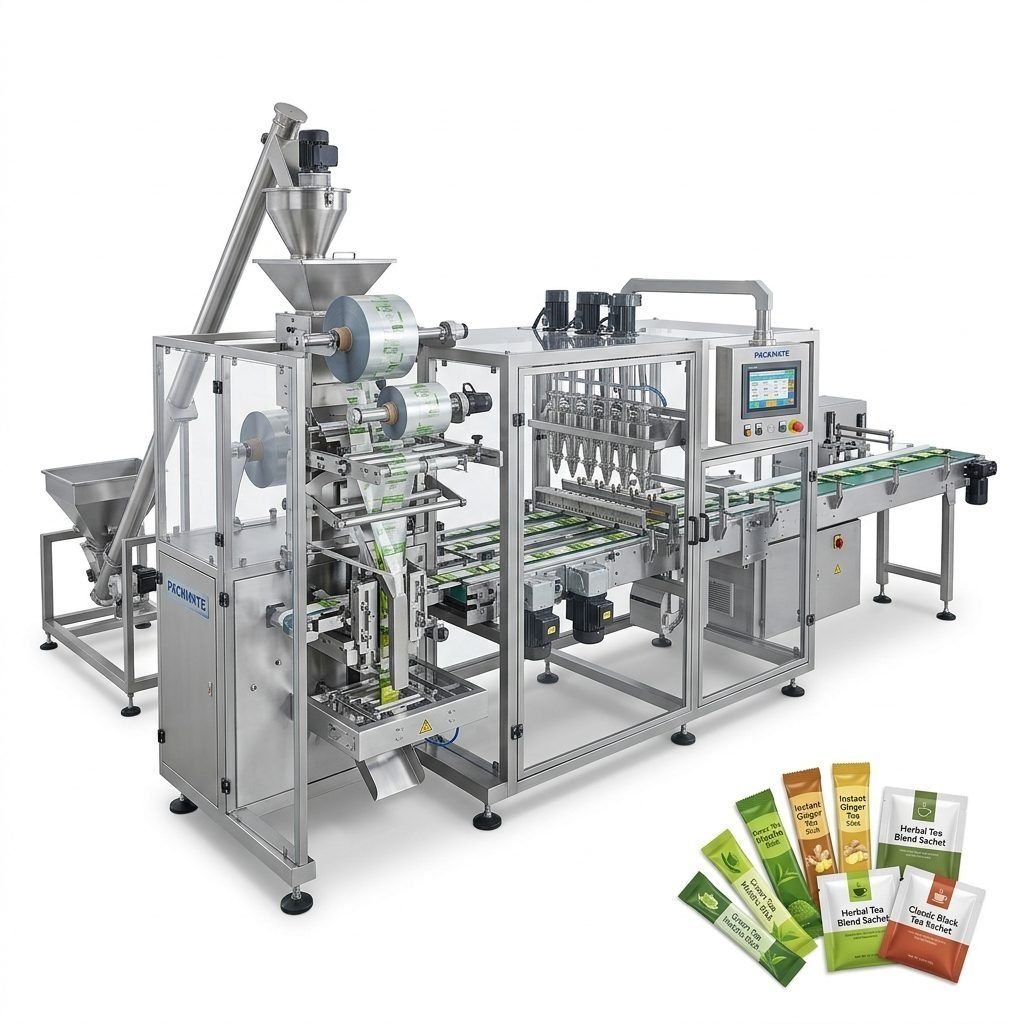
The primary difference is the package shape and the forming mechanism. Sachets are typically pillow-style bags that can be various sizes. Stick packs are long, slender, and upright packages, often used for single-serve powders. The forming tube and sealing jaws are designed differently to create these distinct shapes. Many modern machines are modular and can be configured for either style.
What information do I need to provide to get an accurate machine quotation?
To receive a precise quote, be prepared to share: 1) Product details (name, characteristics, density), 2) Packaging material (film type, structure, thickness), 3) Bag dimensions (length, width, seal type), 4) Production capacity (packs per minute, shifts per day), and 5) Special requirements (e.g., nitrogen flushing, date coding, check-weighing).