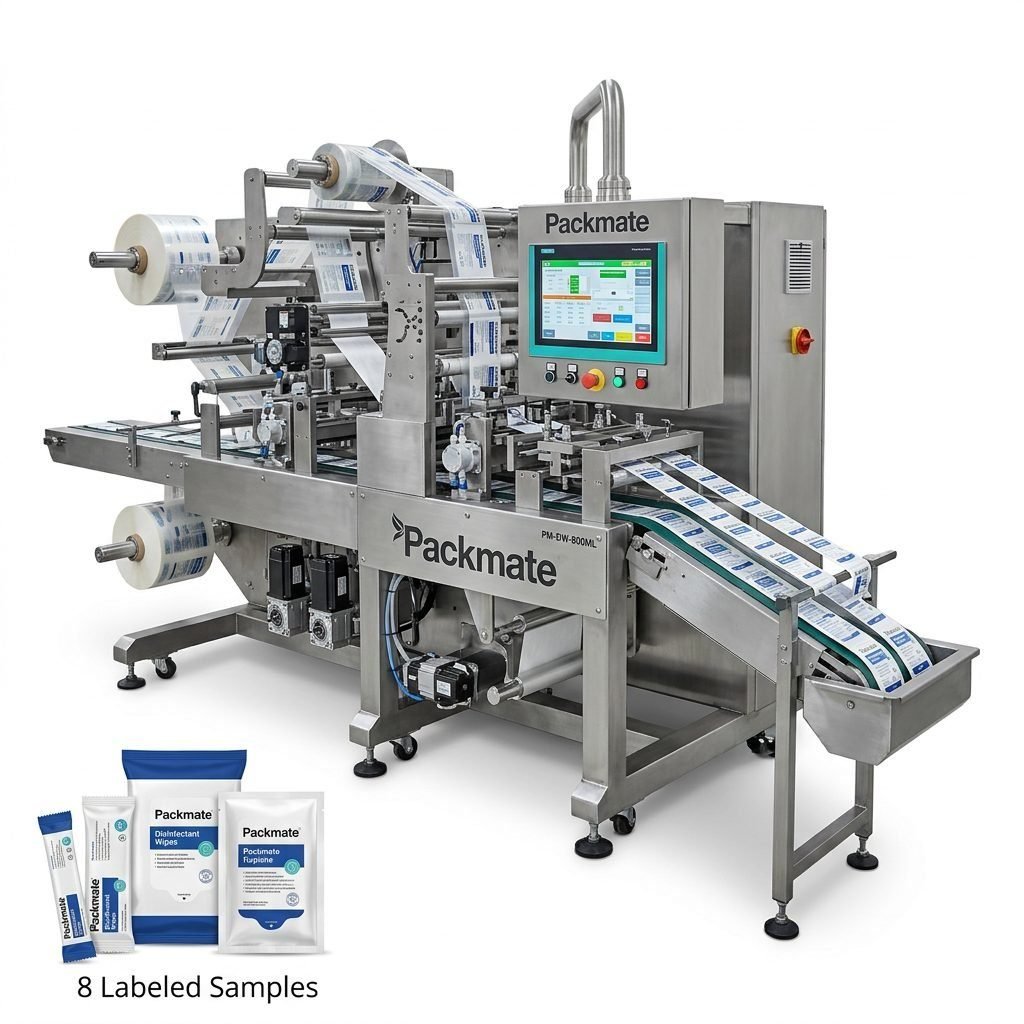
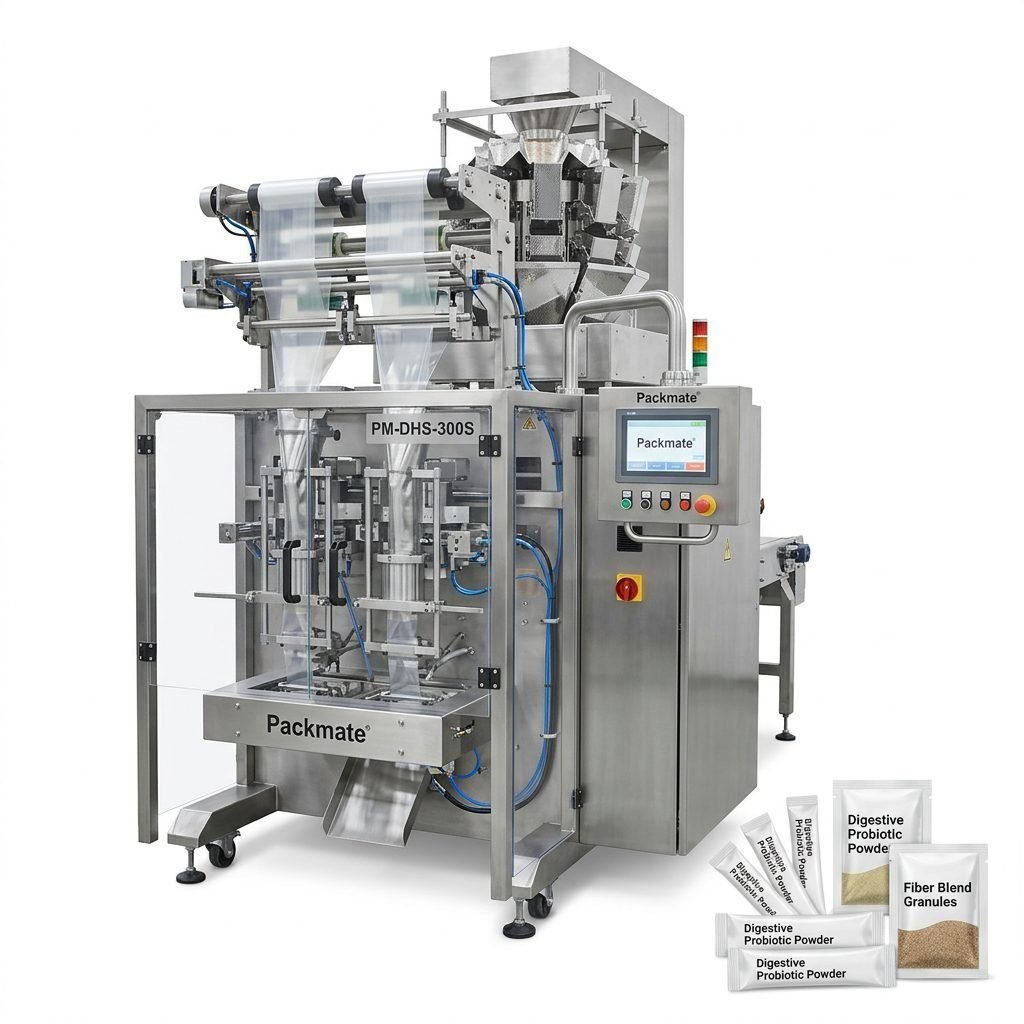
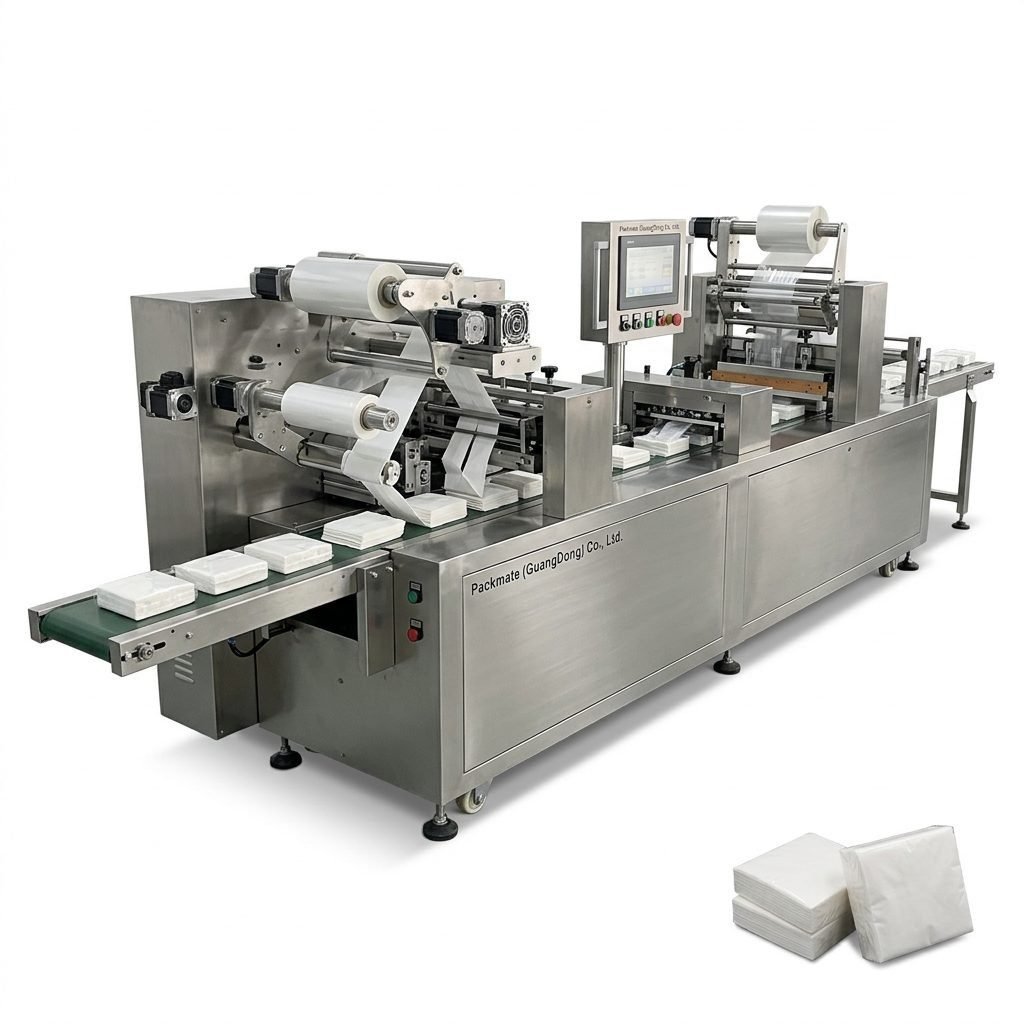
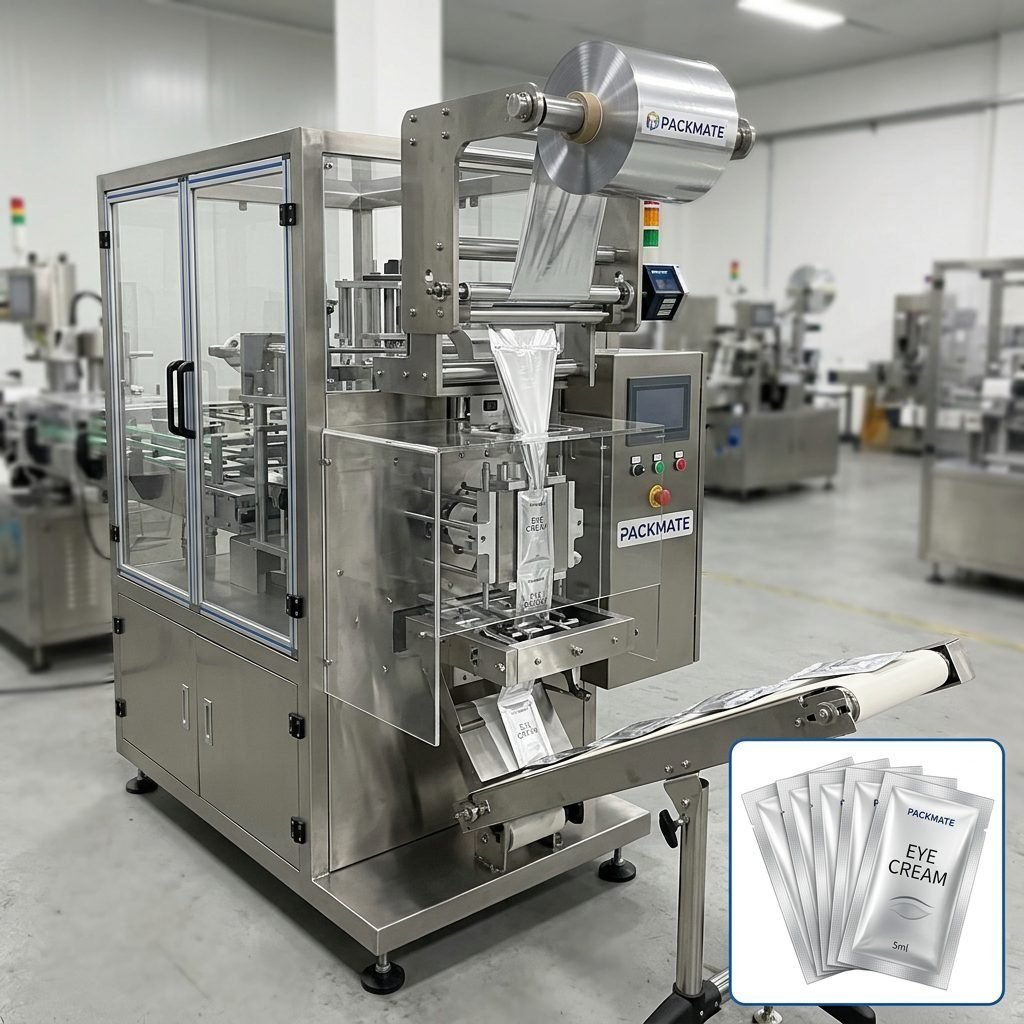
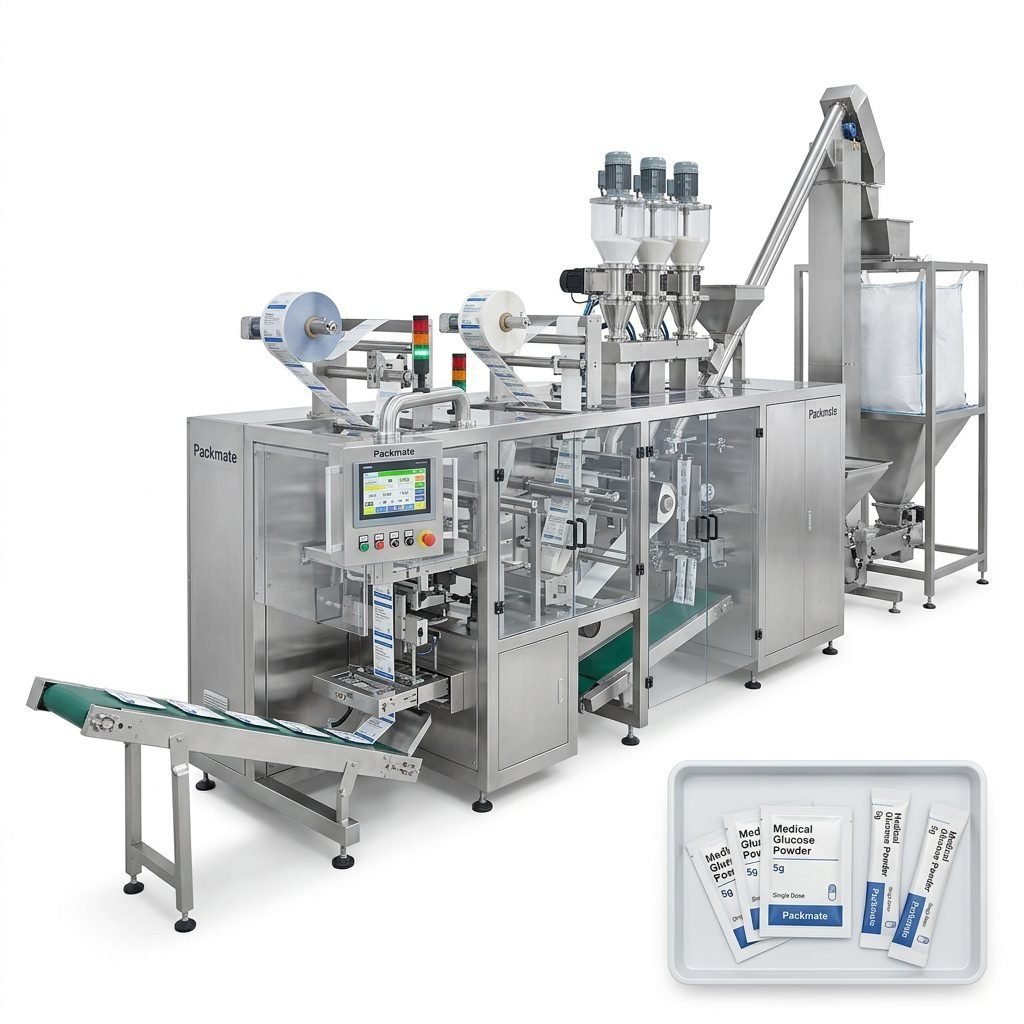
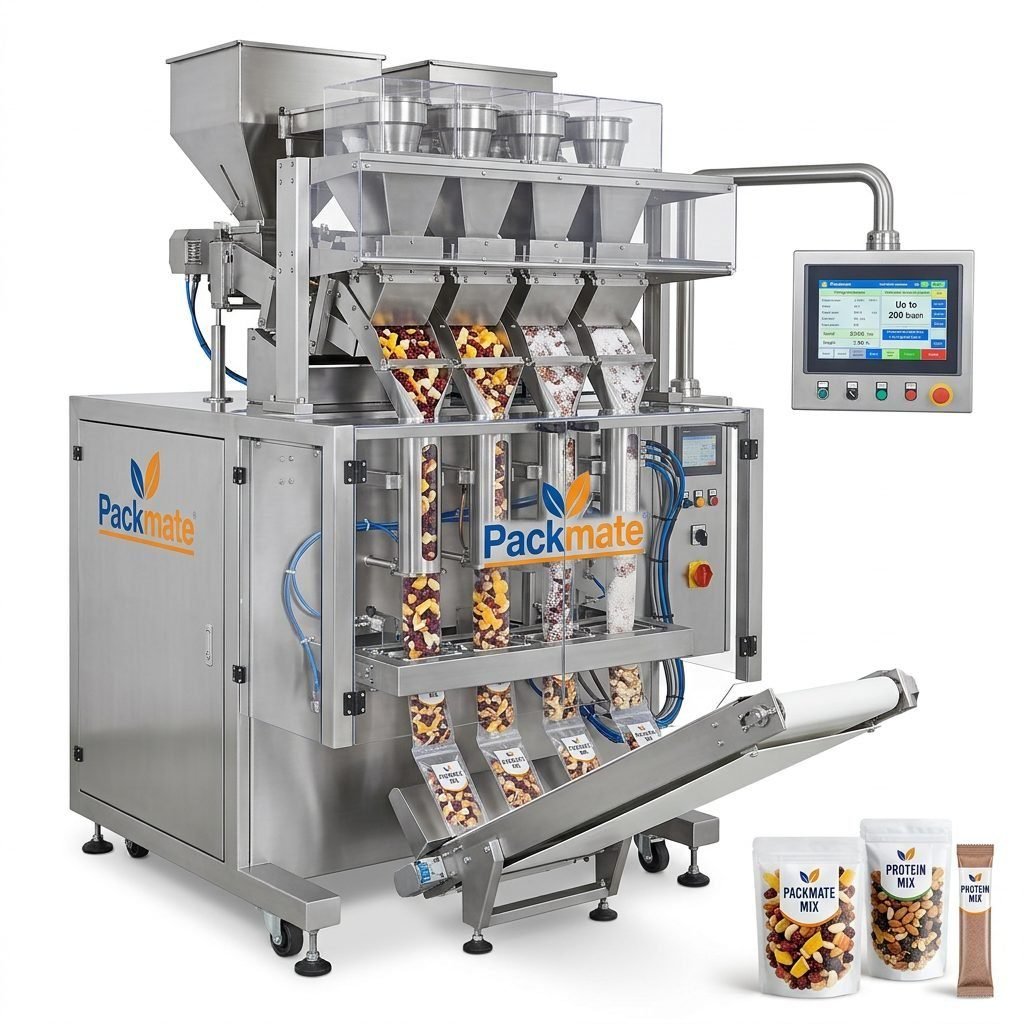
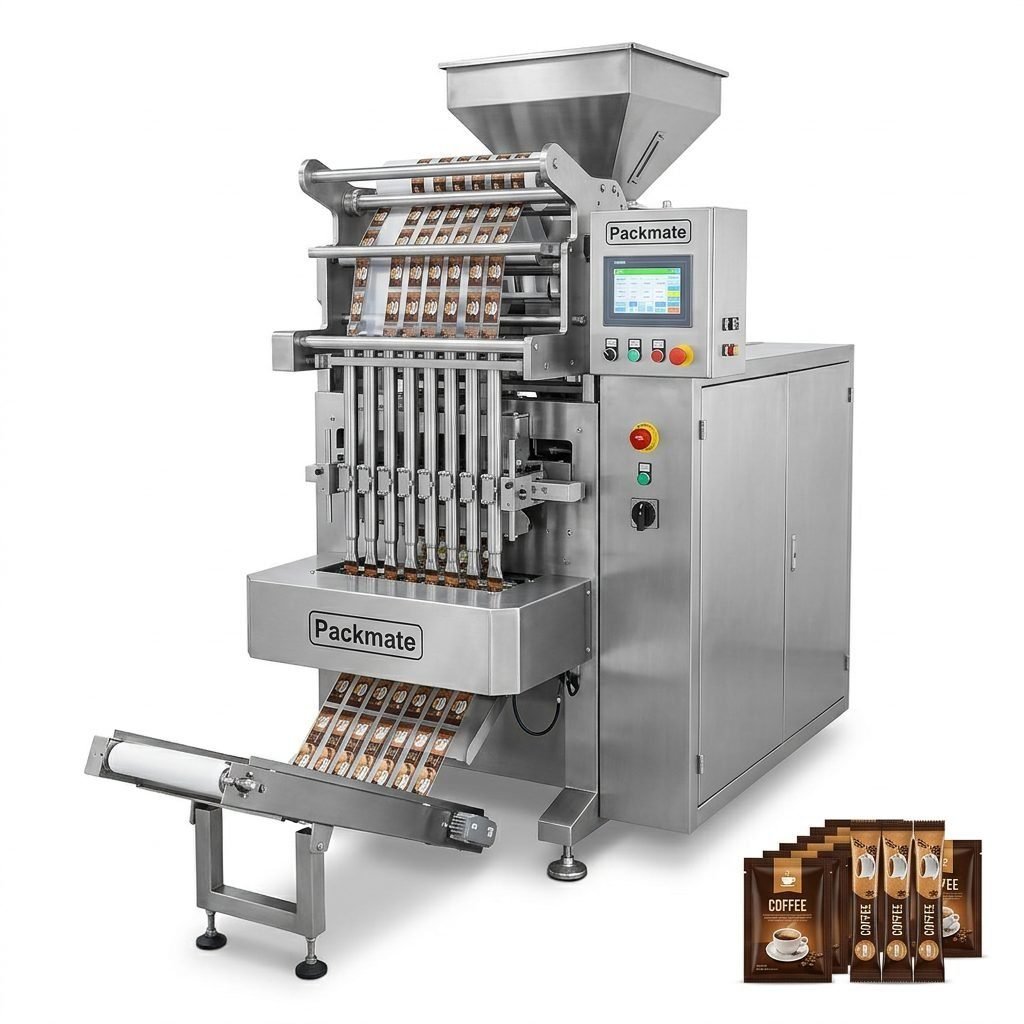
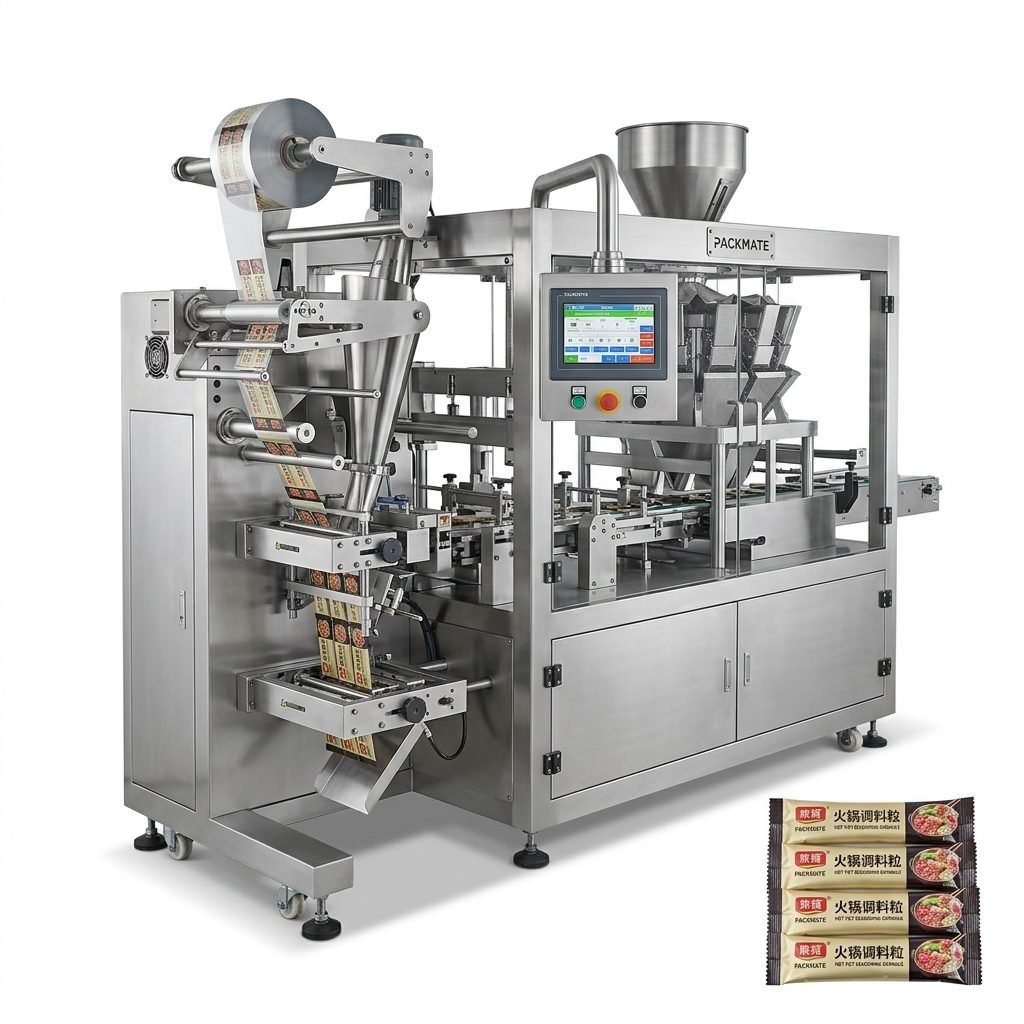
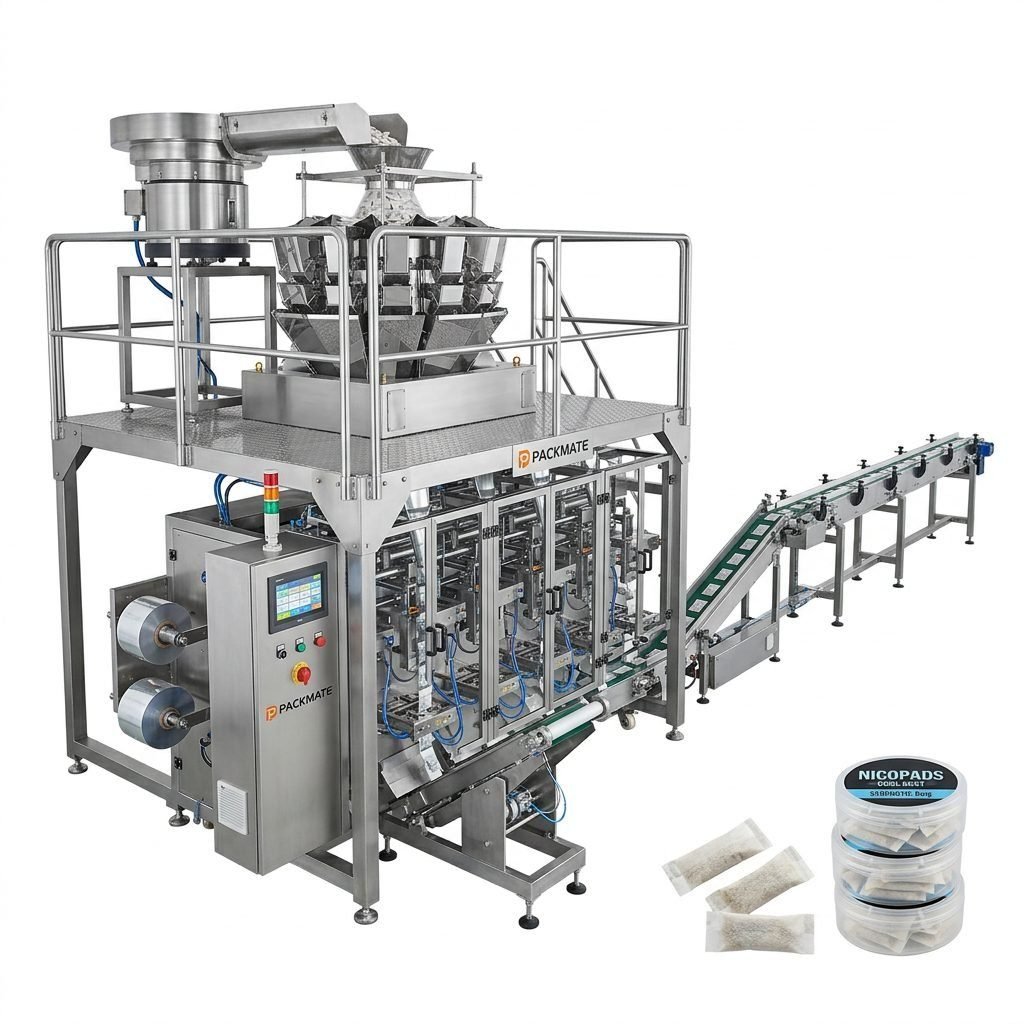
The pharmaceutical industry operates under the most stringent regulations globally, where packaging is far more than a container—it’s a critical component of product safety, efficacy, and compliance. Selecting the right packaging machinery is a pivotal decision that impacts everything from production line efficiency to patient trust. This guide delves into the essential machinery and solutions that form the backbone of modern pharmaceutical packaging, ensuring products are delivered with the utmost integrity.
The Pillars of Pharmaceutical Packaging: Core Machine Types
Pharmaceutical packaging lines are sophisticated ecosystems. Each machine plays a specialized role in the journey from bulk product to finished, patient-ready package.
Filling and Dosing Machines
Accuracy is non-negotiable. These machines precisely measure and fill liquids, powders, granules, or tablets into primary containers like vials, bottles, or sachets. Volumetric, auger, and piston fillers are common, chosen based on product characteristics and required dose precision. For solid doses, specialized counters ensure every blister pack or bottle contains the exact tablet count.
Sealing and Capping Equipment
This stage creates the hermetic seal that protects the product from contamination and moisture. Machines include induction sealers for foil liners, cappers for screw caps and child-resistant closures, and blister sealers that use heat or ultrasound to bond lidding foil to formed plastic blisters. A perfect seal is the final barrier ensuring shelf-life stability.
Beyond primary packaging, secondary packaging machines handle cartoning, labeling, and bundling. They assemble primary packs into boxes, apply regulatory and instructional labels with perfect alignment, and group units for distribution. Serialization and aggregation equipment, crucial for track-and-trace compliance, is often integrated here.
Critical Considerations for Machine Selection
Choosing equipment goes beyond comparing specifications. It requires a holistic view of your operation and regulatory landscape.
Regulatory Compliance (GMP & FDA): Machinery must be designed for easy cleaning, sterilization (CIP/SIP where applicable), and must be constructed from approved materials that prevent contamination. Documentation and validation support are as important as the hardware itself.
Flexibility and Changeover: With the rise of smaller batch productions and diverse product SKUs, the ability to quickly change formats (e.g., from 10ml to 50ml vials) with minimal downtime is a key efficiency driver. Look for machines with quick-change parts and recipe-driven controls.
Integration and Line Efficiency: A machine is only as good as its connection to the line. Ensure equipment can communicate via industry-standard protocols (OPC UA, etc.) for synchronized operation, data collection, and overall equipment effectiveness (OEE) monitoring. A trusted manufacturer like Packmate Machinery often provides valuable integration expertise.
Material Compatibility: A Foundational Factor
The machine must be perfectly suited to your product (e.g., abrasive powder, viscous liquid, hygroscopic granule) and packaging material (e.g., cold-form foil, clear PVC, multi-layer pouches). This dictates the choice of contact parts, sealing mechanisms, and handling systems to prevent degradation, static, or inaccurate filling.
The Rise of Smart and Sustainable Solutions
Innovation is reshaping the packaging floor, driven by data and environmental responsibility.
Industry 4.0 and IoT Integration
Modern machines are data hubs. Sensors monitor performance in real-time, predicting maintenance needs before a breakdown occurs. This connectivity allows for remote monitoring and support, ensuring maximum uptime and providing a wealth of data for continuous process improvement and quality assurance.
Sustainability-Driven Design: There is growing pressure to reduce waste. Machinery is adapting to handle recycled or mono-material plastics, reduce energy and compressed air consumption, and minimize product giveaway through hyper-accurate filling. Machines that enable right-sized packaging are increasingly valuable.
Implementing Your Packaging Line: A Strategic Approach
Successful implementation is a phased process. It begins with a deep analysis of current and future needs, followed by meticulous supplier evaluation—assessing not just the machine, but the company’s service, support, and industry reputation. Factory acceptance testing (FAT) is crucial before installation. Finally, comprehensive operator training and detailed documentation are essential for long-term success and regulatory audits.
Conclusion: Packaging as a Strategic Asset
In pharma, packaging machinery is a strategic asset that safeguards patient health and brand reputation. By investing in reliable, compliant, and intelligent equipment from experienced partners, companies can build resilient, efficient, and future-ready operations. The ultimate goal is a seamless line where technology, compliance, and innovation converge to deliver safety, one package at a time.
Frequently Asked Questions (FAQs)
What are the key GMP requirements for pharma packaging machines?
Key requirements include easy cleanability (often with smooth, polished surfaces), use of FDA-approved materials (like 316L stainless steel), validation capability (IQ/OQ/PQ), and design that prevents contamination (enclosed mechanisms, proper guarding).
How can I improve the flexibility of my packaging line for multiple products?
Opt for modular machines with quick-change parts (like changeable filling heads or format parts), software with stored product recipes, and standardized container handling. A integrated packaging line designed with flexibility in mind from the start is most effective.
What is serialization, and is it mandatory?
Serialization involves assigning a unique identifier (like a 2D data matrix code) to each saleable unit for track-and-trace. It is mandatory in major markets (US, EU, China, etc.) to combat counterfeit drugs. Packaging lines must integrate serialization printers, verifiers, and aggregation systems.
What’s the difference between a semi-automatic and fully automatic machine?
Semi-automatic machines require an operator to perform certain tasks (e.g., placing containers), suitable for low-volume or clinical trial batches. Fully automatic machines handle the entire process from infeed to outfeed with minimal human intervention, essential for high-volume production.
How important is after-sales service and support?
It is critically important. Look for suppliers who offer comprehensive training, readily available spare parts, responsive technical support (remote and on-site), and help with ongoing validation and compliance needs to ensure your investment is protected for the long term.