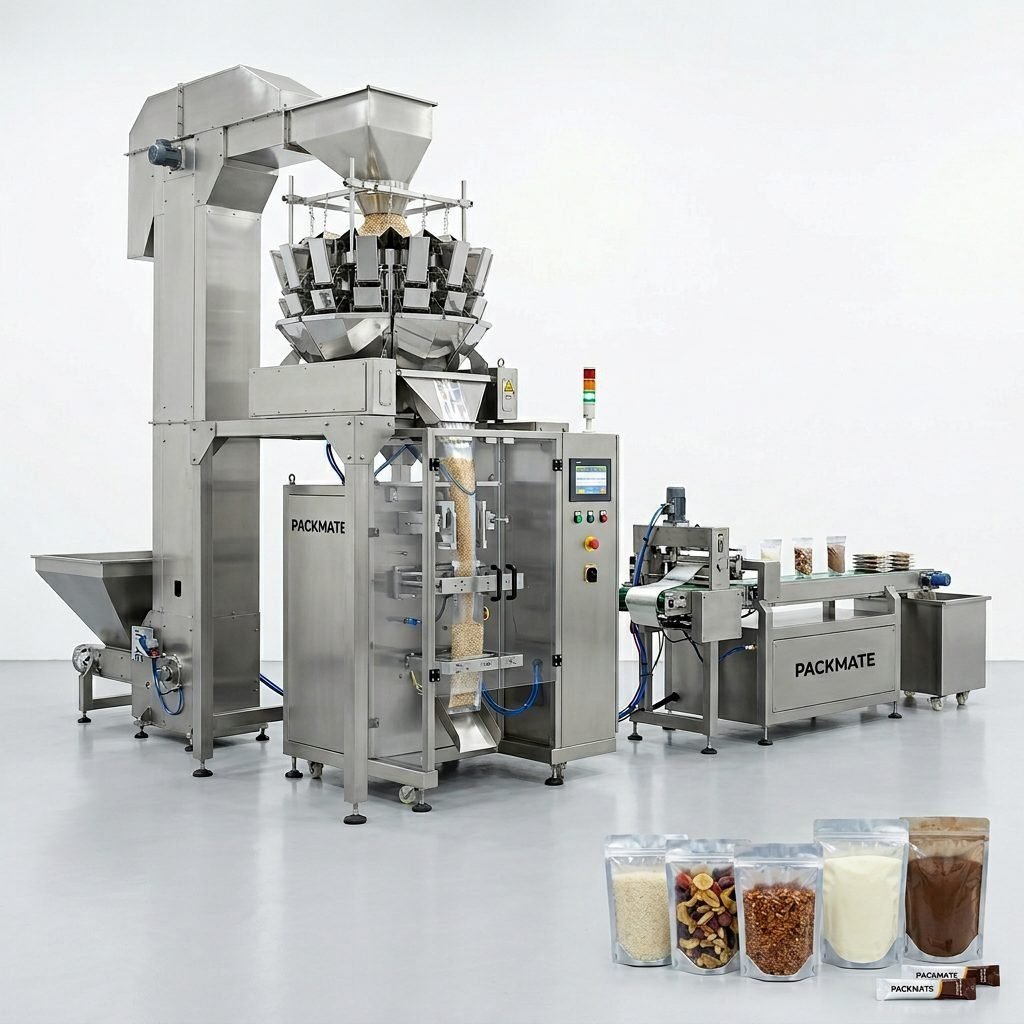
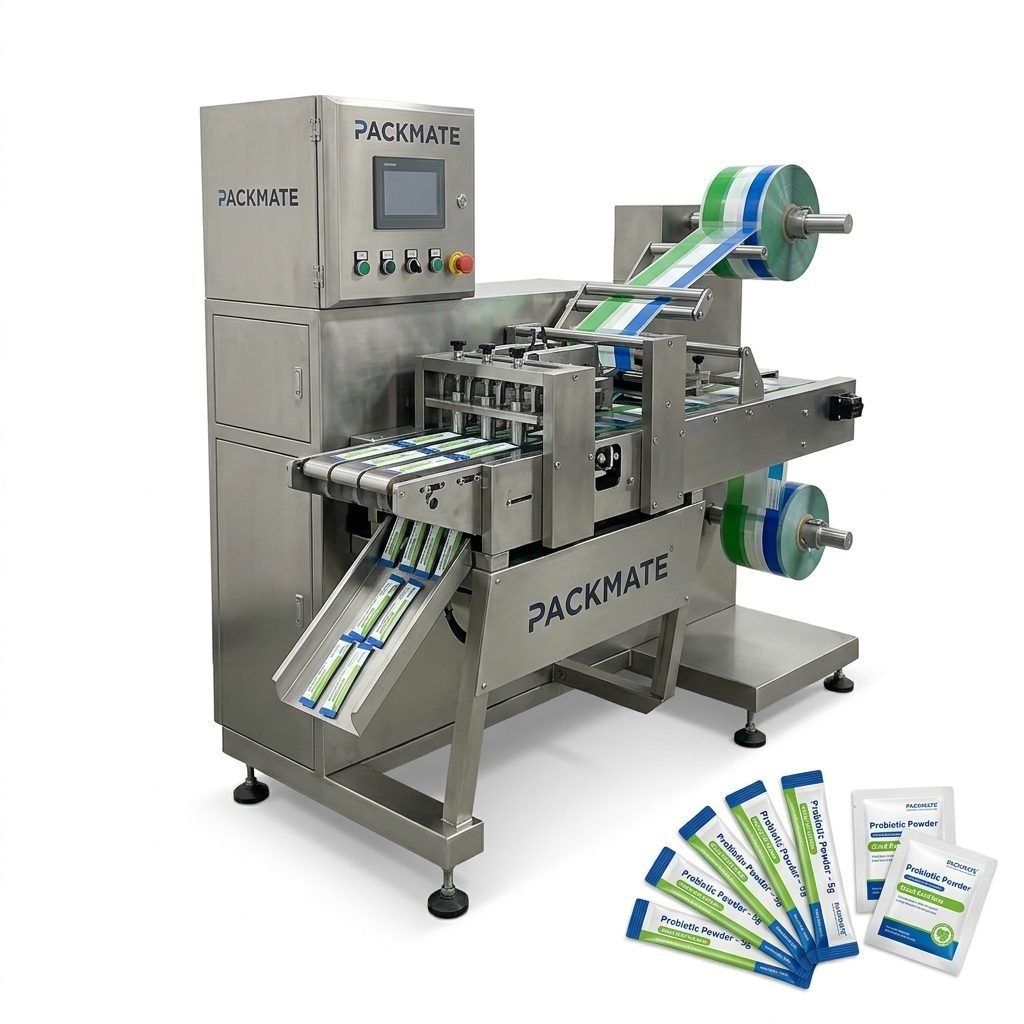
In the dynamic landscape of industrial manufacturing, selecting the right packaging equipment manufacturer is a critical decision that directly impacts operational efficiency, product integrity, and overall profitability. The market is filled with numerous suppliers, but identifying top-tier manufacturers who deliver robust, innovative, and reliable industrial solutions requires a discerning eye. This article delves into the key attributes of leading packaging equipment manufacturers and highlights how companies like Packmate Machinery exemplify these qualities through decades of expertise and technological advancement.
Core Attributes of Leading Industrial Packaging Equipment Manufacturers
Top manufacturers distinguish themselves through a combination of engineering excellence, deep industry knowledge, and a commitment to solving complex production challenges. They move beyond simply selling machines to providing comprehensive, turnkey packaging solutions that integrate seamlessly into existing workflows.
These industry leaders typically share several defining characteristics:
Proven Expertise & Longevity: A substantial track record, often spanning 20 to 30 years or more, demonstrates resilience, continuous learning, and the ability to adapt to evolving market demands. This history is built on thousands of successful installations across diverse sectors.
Technological Innovation: They invest heavily in R&D to incorporate automation, precision weighing, smart controls, and hygienic design. This focus ensures equipment not only meets current standards but is also future-proof.
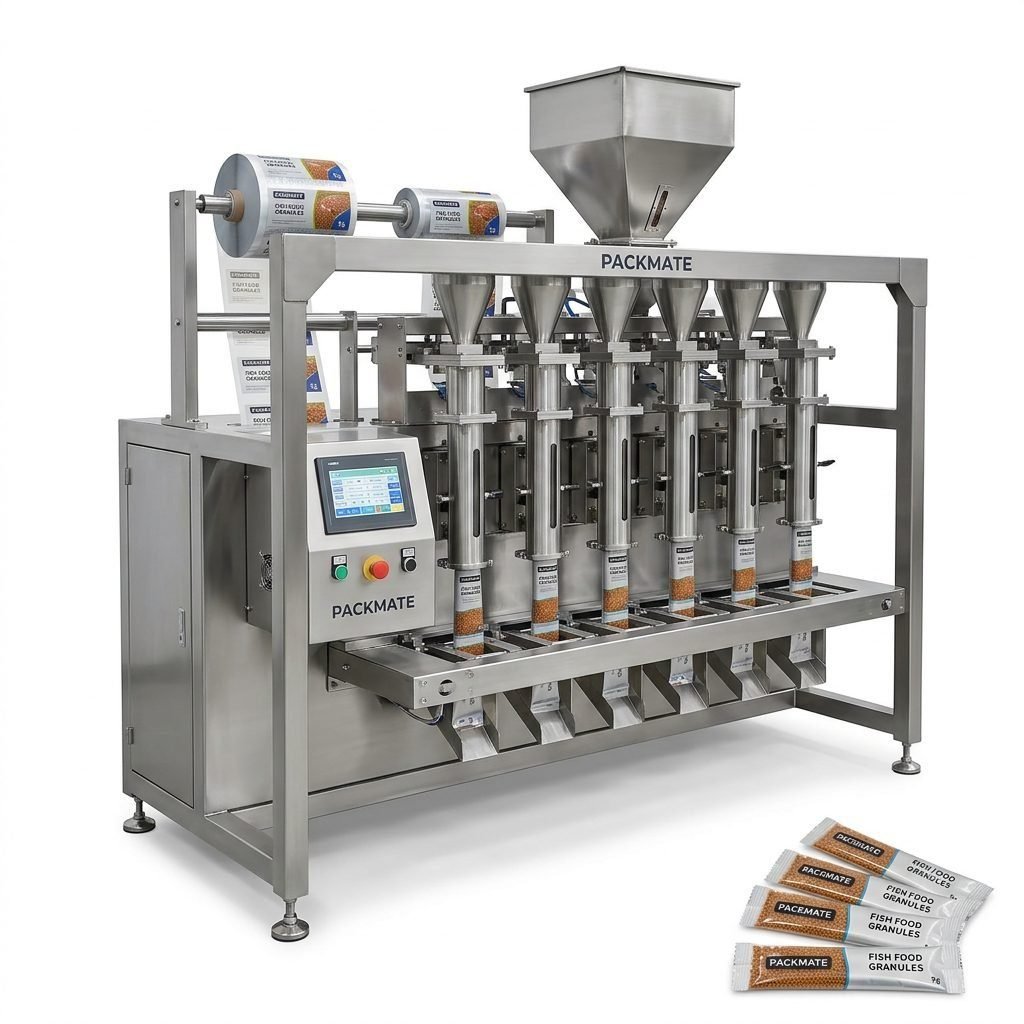
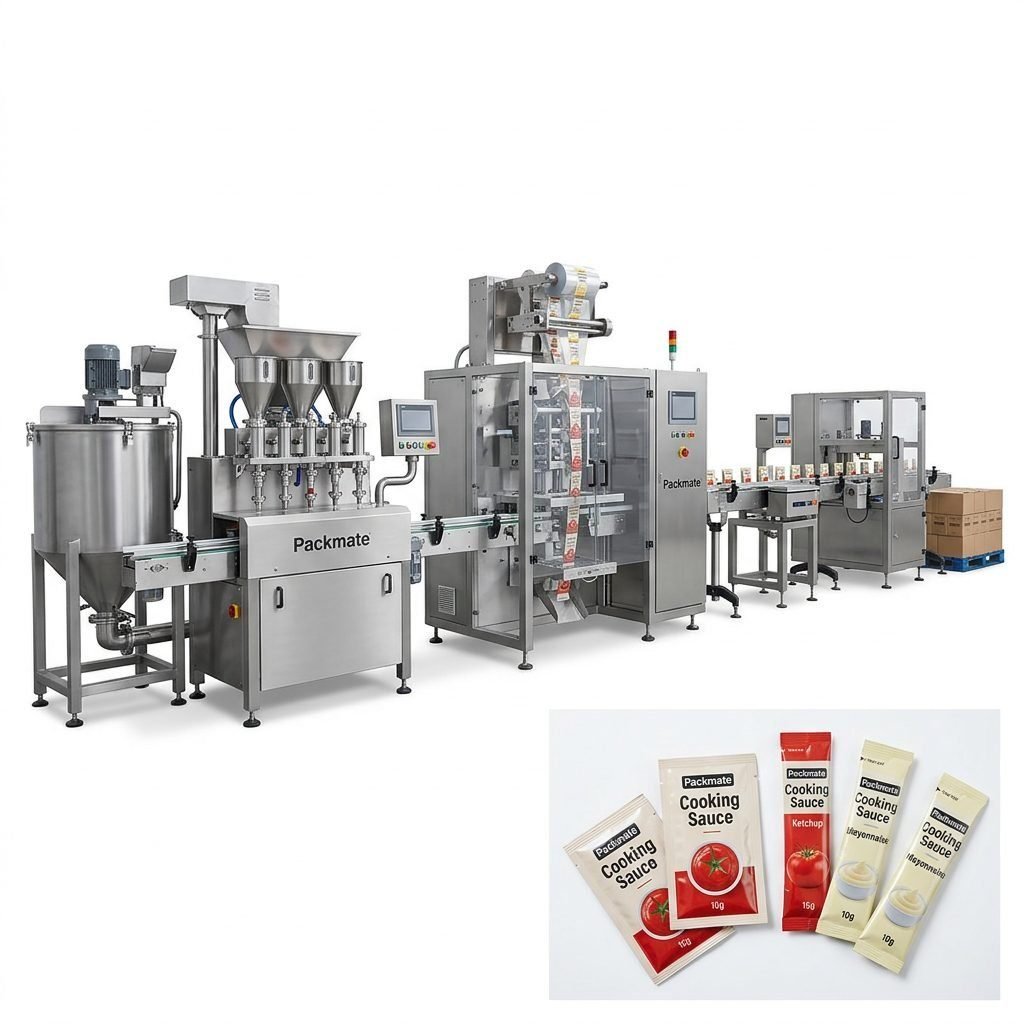
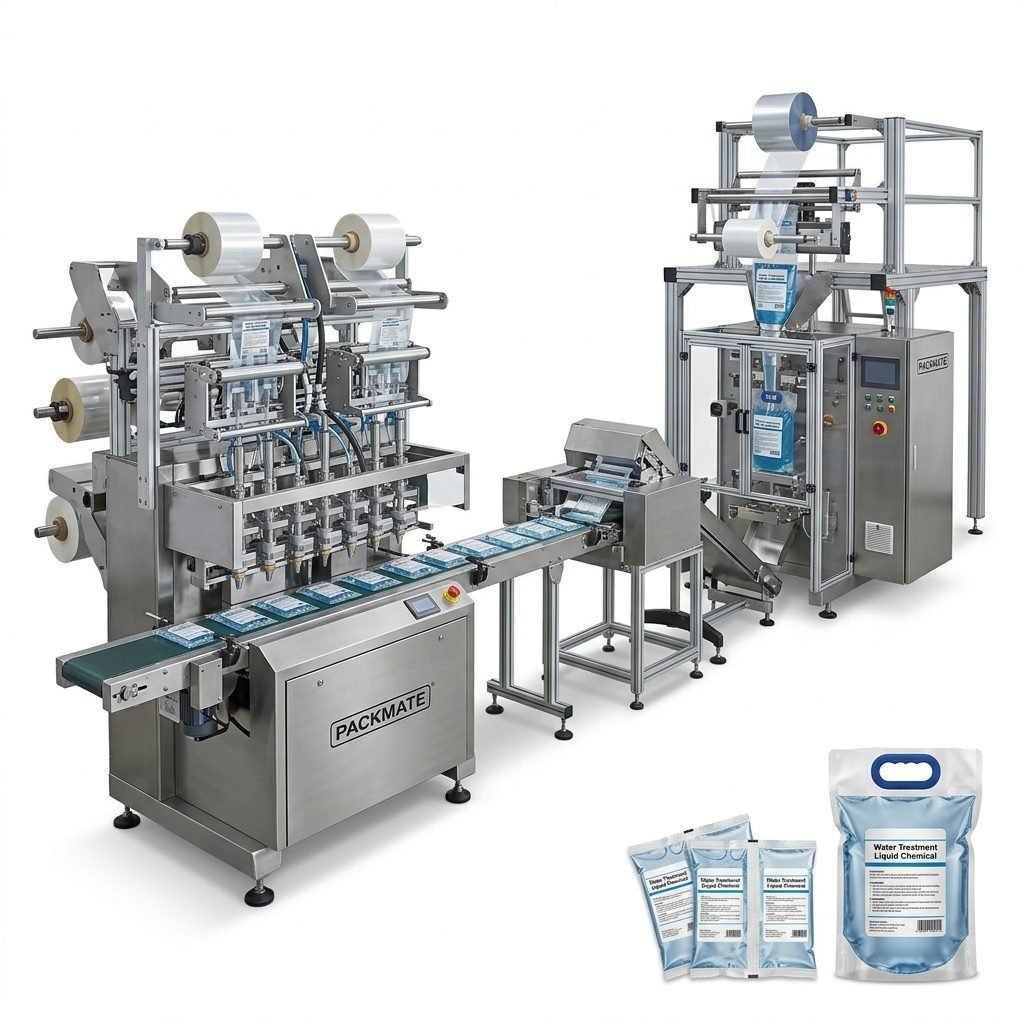
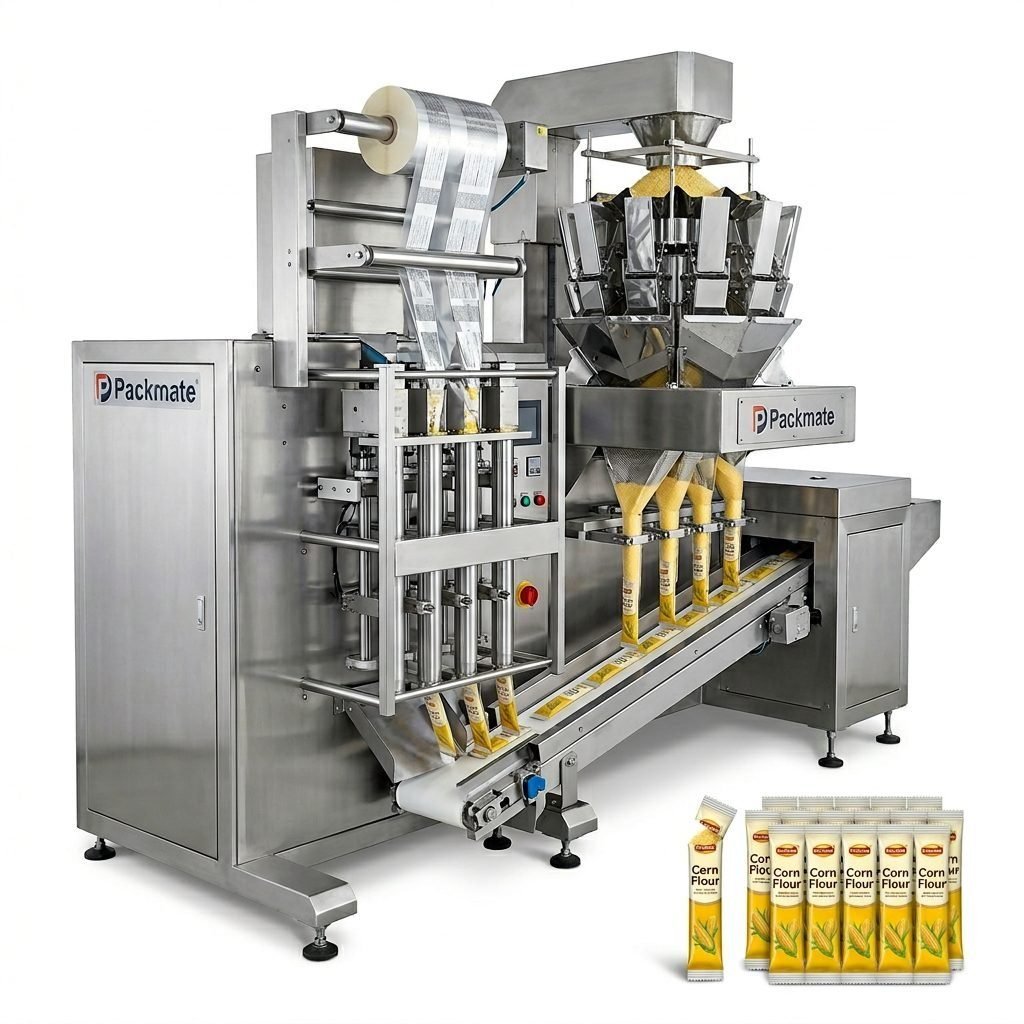
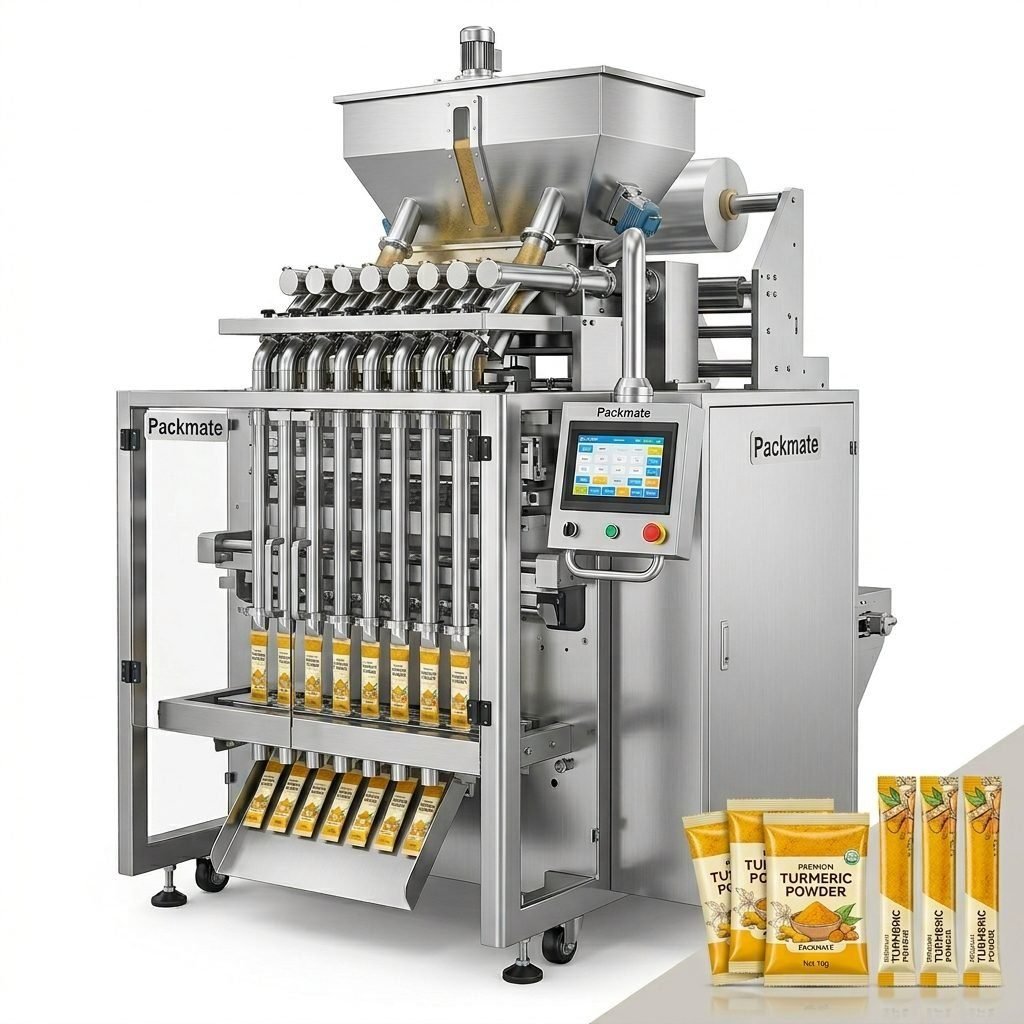
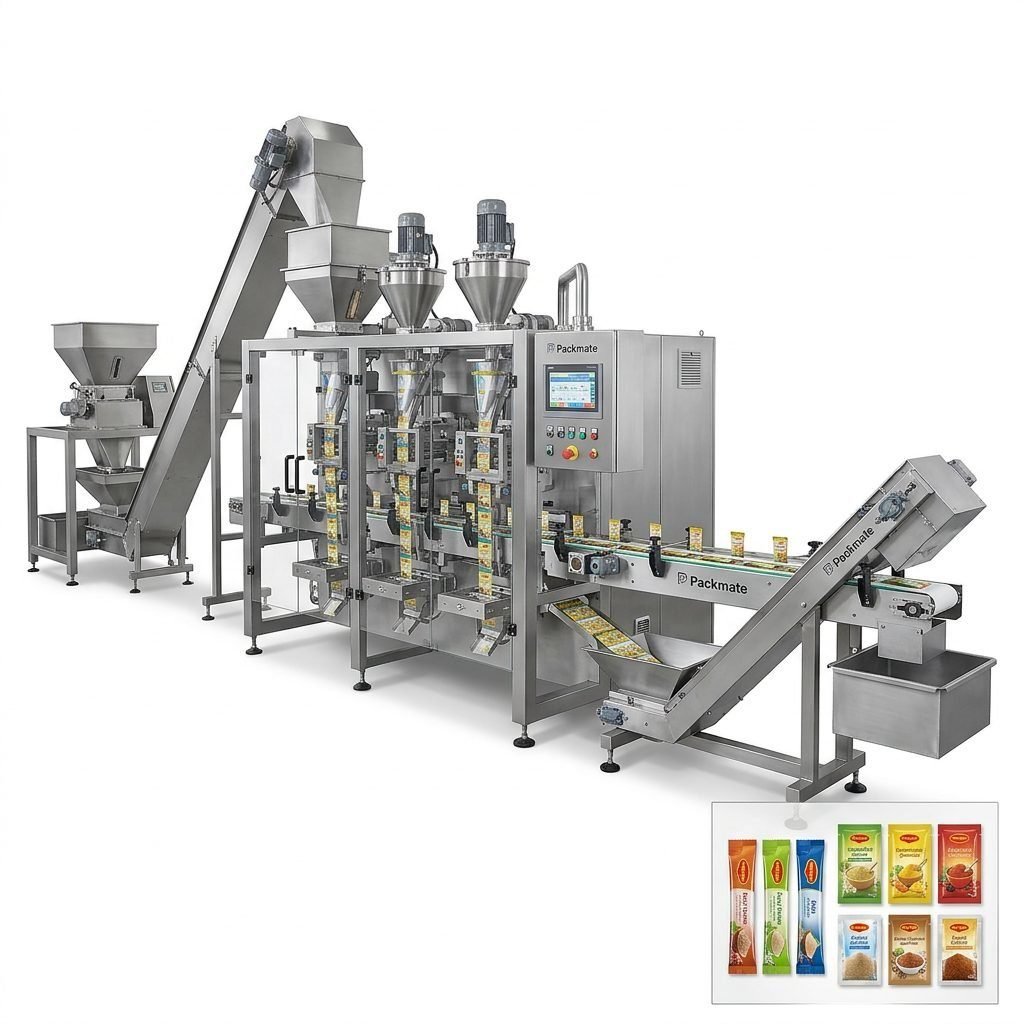
Extensive Product Portfolio: From sachet and stick pack machines to complete filling and packaging lines, a broad range allows them to cater to specific needs for granules, powders, liquids, and other products.
Global Support & Service: A robust after-sales service network, including installation, training, maintenance, and readily available spare parts, is crucial for minimizing downtime and ensuring long-term equipment performance.
The Role of Specialization in Industrial Solutions
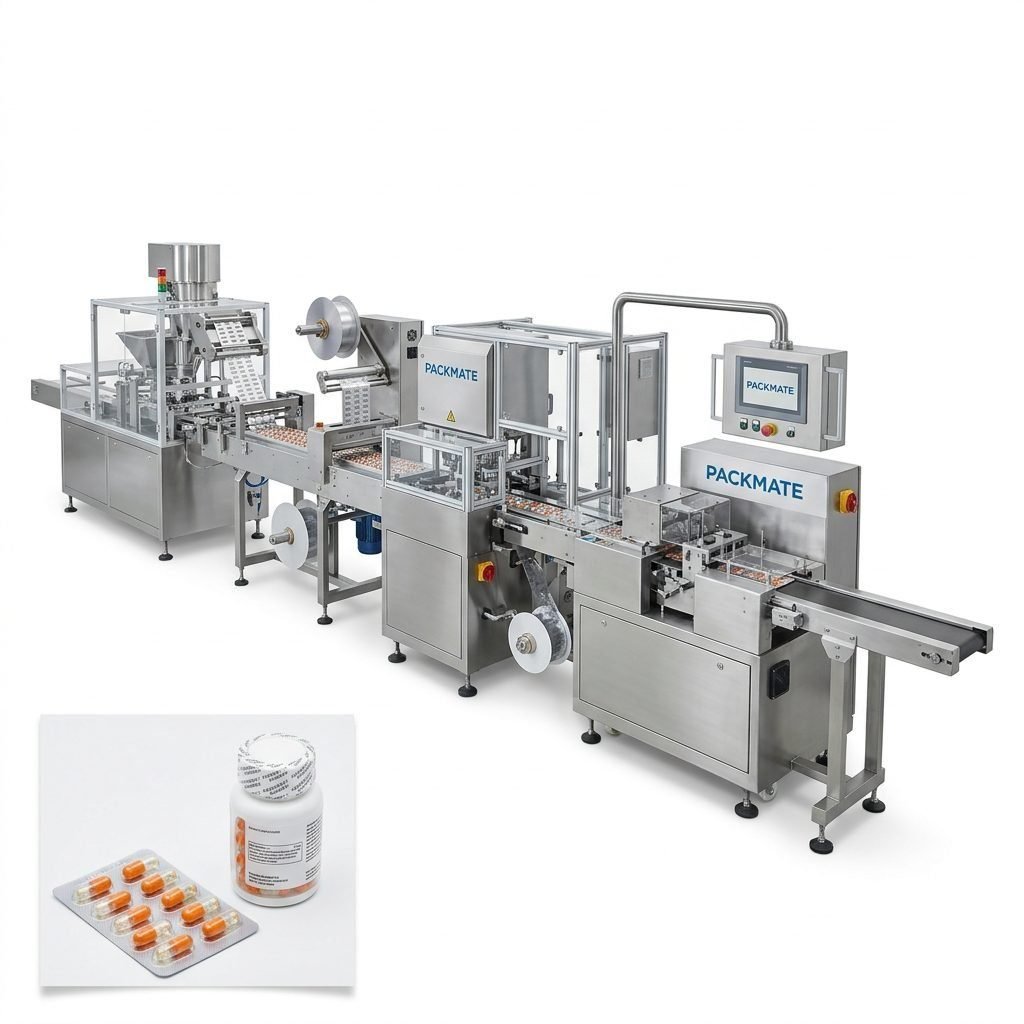
While versatility is important, leading manufacturers often develop deep specialization within key verticals. For instance, equipment designed for the pharmaceutical industry must adhere to stringent GMP (Good Manufacturing Practice) standards, featuring easy-clean surfaces and validated precision. Similarly, food packaging demands hygiene, speed, and versatility to handle different product consistencies. A manufacturer with focused expertise in these areas, like Packmate with its intelligent equipment for food, pharma, and health industries, can provide more nuanced and effective solutions than a generalist supplier.
A Case Study in Excellence: Packmate Machinery’s Journey
The evolution of Packmate (GuangDong) Co., Ltd. offers a tangible blueprint of what defines a top manufacturer. Its story, beginning in a small workshop in 1993, underscores the importance of foundational passion for automation and problem-solving. The formal establishment of the company in 2003 marked a pivotal shift from individual endeavor to organized innovation, uniting skilled engineers with a shared mission.
This commitment to growth is quantified in their operational scale: a 20,000㎡ modern manufacturing facility housing over 100 advanced production equipment units. This infrastructure supports the development of more than 50 machine models, enabling them to serve a global clientele with reliability and scale. Their expansion from basic sachet machines to sophisticated multi-lane stick pack lines and complete weighing systems mirrors the industry’s own progression towards higher efficiency and automation.
Key Milestones in Packmate’s Development:
2003: Company founded in Zhongshan, China, focusing on small sachet packaging machines.
2012: Strategic expansion into multi-lane stick pack machinery to meet rising market demand.
2020: Corporate restructuring as Packmate (GuangDong) Co., Ltd., aligning with the Greater Bay Area’s economic dynamism and global outreach.
This history is not just a timeline but a testament to sustained quality, innovation, and collaboration—values that remain central to their operations today as they provide complete turnkey solutions.
Evaluating Your Packaging Equipment Partner
Choosing a manufacturer is a strategic partnership. Beyond specifications sheets, evaluate their project management capability for complete line integration, their transparency in communication, and their willingness to customize solutions. Reviewing their case studies and industry certifications provides concrete evidence of their capability and compliance with international standards.
Ultimately, the top packaging equipment manufacturers for industrial solutions are those that act as an extension of your own team. They bring engineering prowess, operational insight, and a proactive approach to ensuring your packaging line is a source of competitive advantage, driving productivity and safeguarding product quality from production to the end-user.
Frequently Asked Questions (FAQs)
What factors are most critical when selecting an industrial packaging equipment manufacturer?
The most critical factors include the manufacturer’s industry experience and track record, technological capability and innovation, quality of construction and components, availability of comprehensive after-sales service and support, and their ability to provide a customized or turnkey solution rather than just an isolated machine.
How important is a manufacturer’s production facility size and capability?
Extremely important. A large, modern facility (like Packmate’s 20,000㎡ plant) indicates strong production capacity, quality control processes, and R&D investment. It ensures the manufacturer has the infrastructure to build reliable, consistent equipment and scale production to meet delivery timelines.
Can a single manufacturer provide equipment for different packaging formats like sachets, stick packs, and bags?
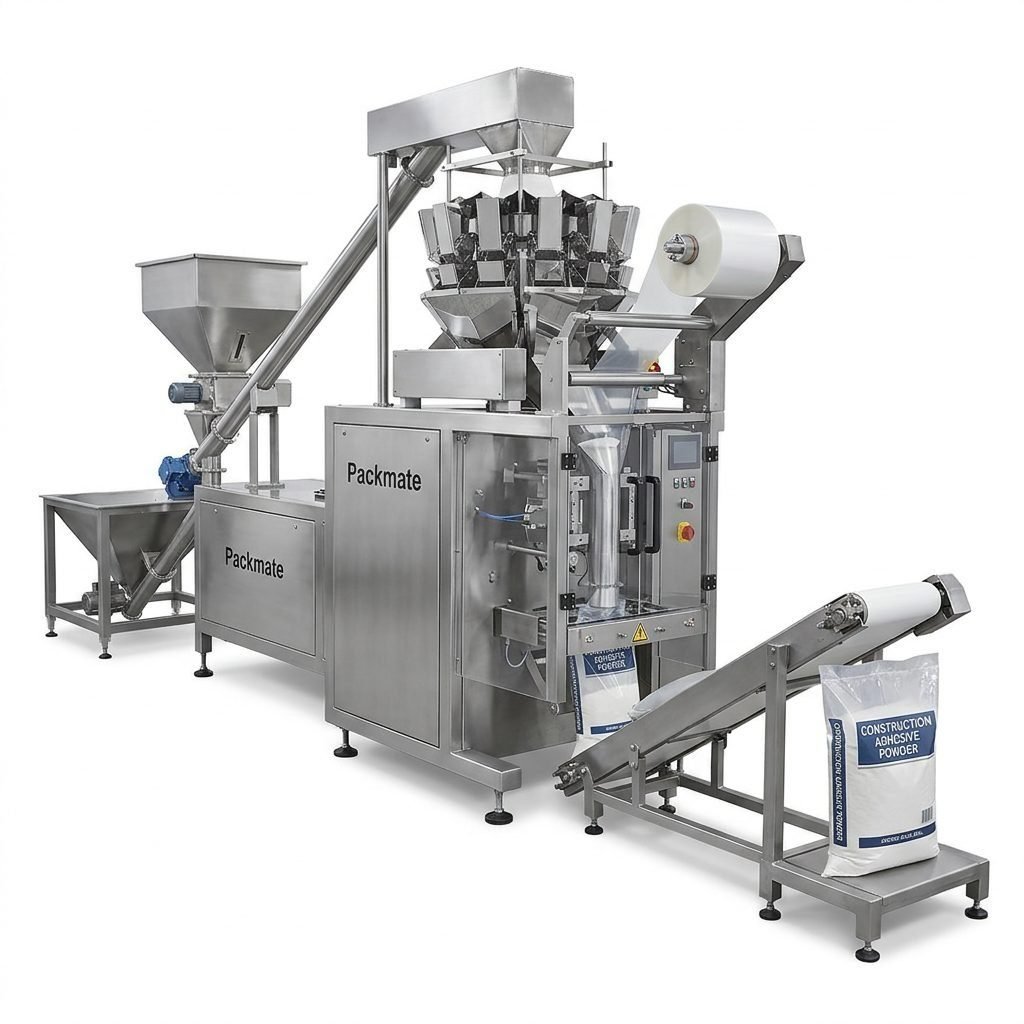
Yes, leading manufacturers often offer a wide portfolio. For example, Packmate provides specialized lines for bag and pouch packaging, sachets, and stick packs. This allows clients to source compatible equipment from one partner, ensuring better system integration and unified service support.
What does a “turnkey packaging solution” entail?
A turnkey solution means the manufacturer handles the entire project from design and equipment supply to installation, commissioning, operator training, and sometimes even ongoing maintenance. It provides a single point of responsibility, reducing complexity and risk for the client while ensuring all components work harmoniously.
Why is after-sales service considered as important as the equipment itself?
Packaging lines are critical production assets. Downtime is costly. A robust after-sales service—including readily available technical support, spare parts, and preventive maintenance programs—is essential for maximizing uptime, extending equipment lifespan, and protecting your investment over many years of operation.