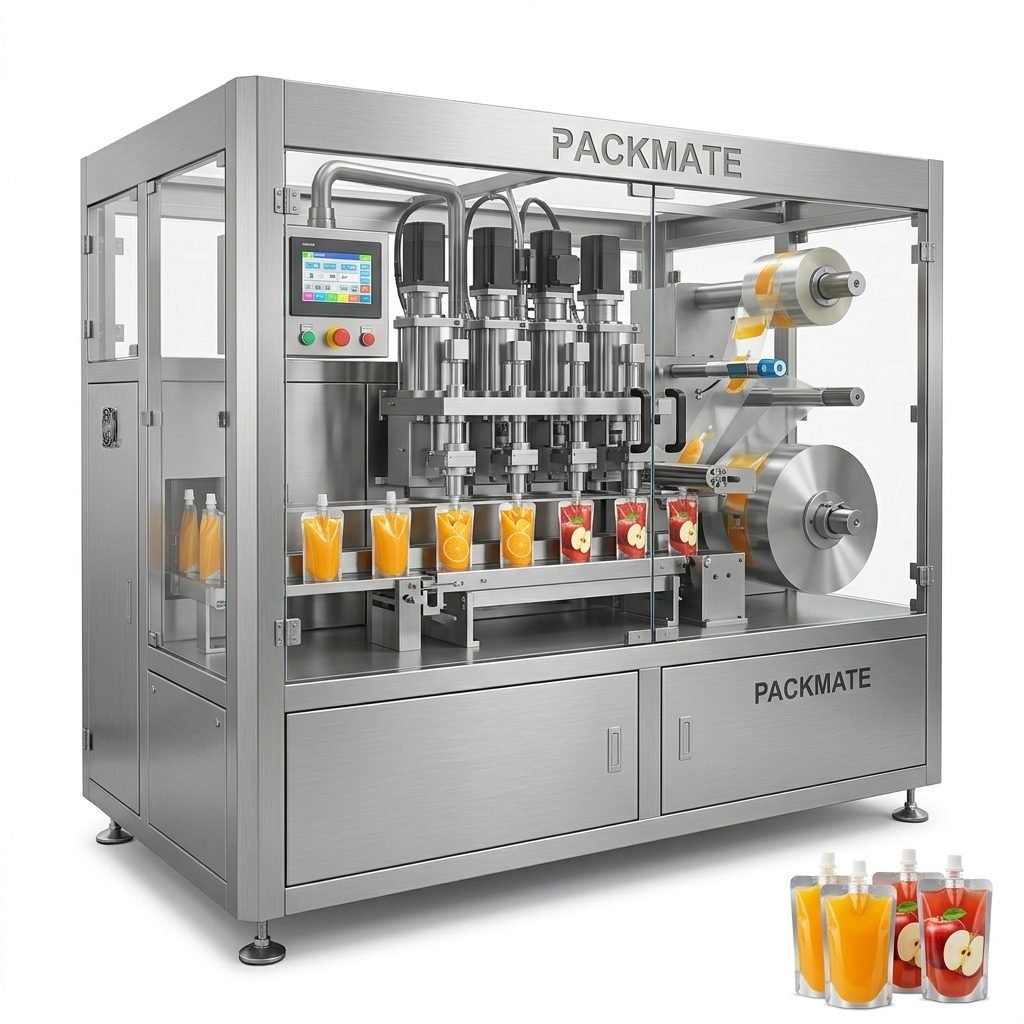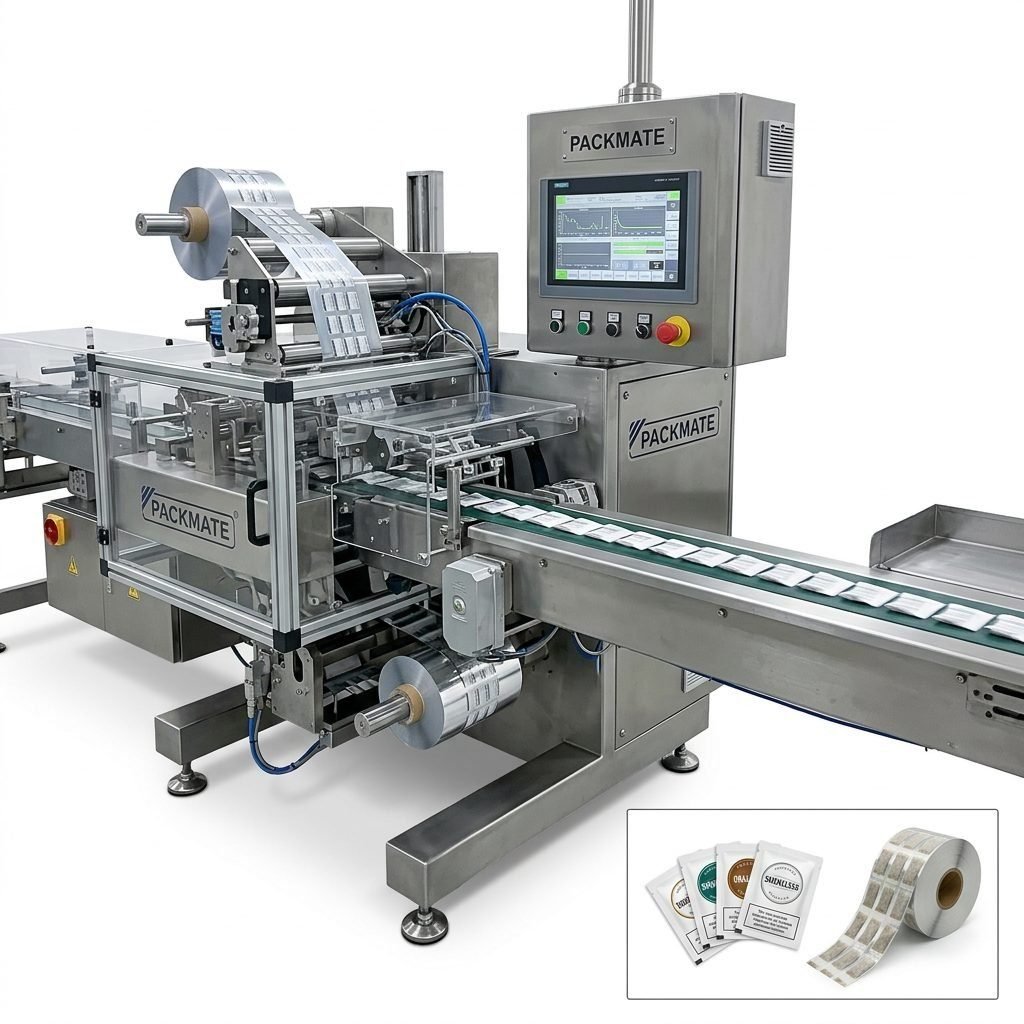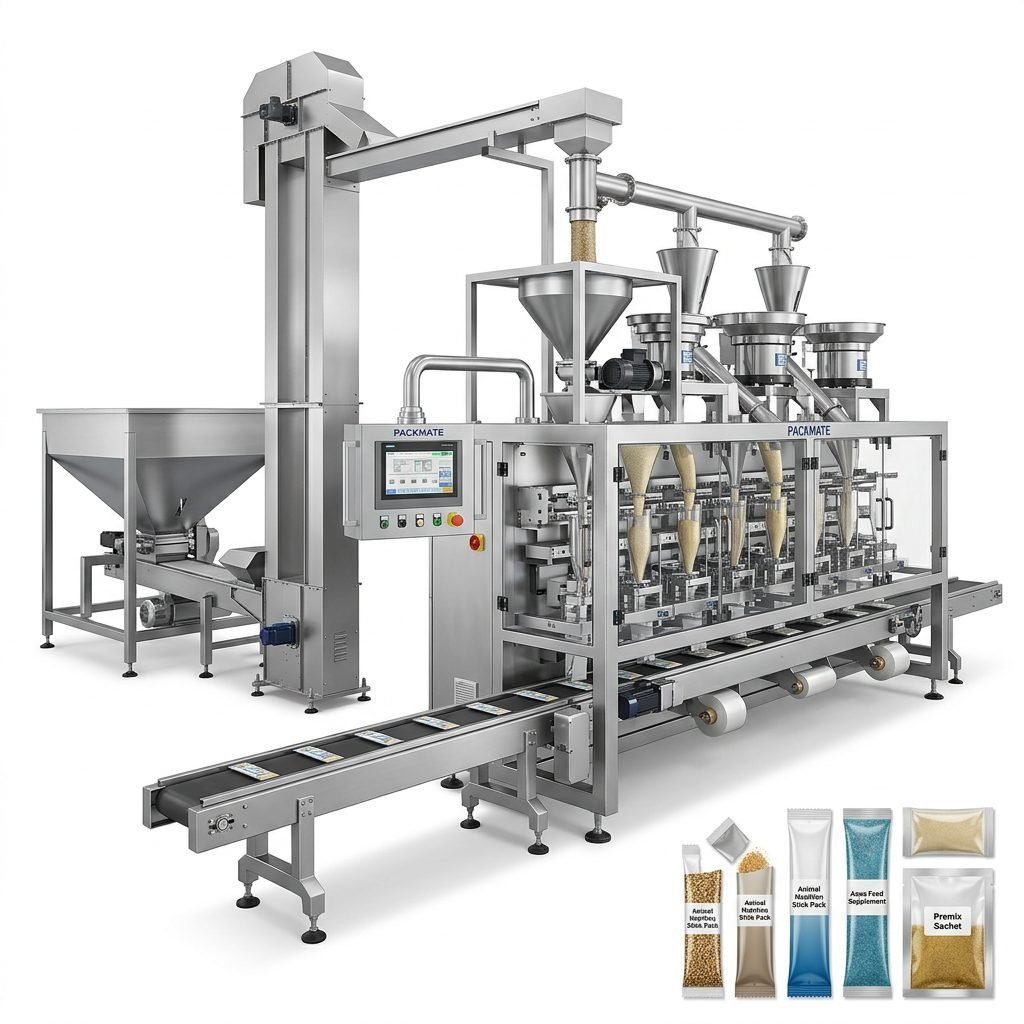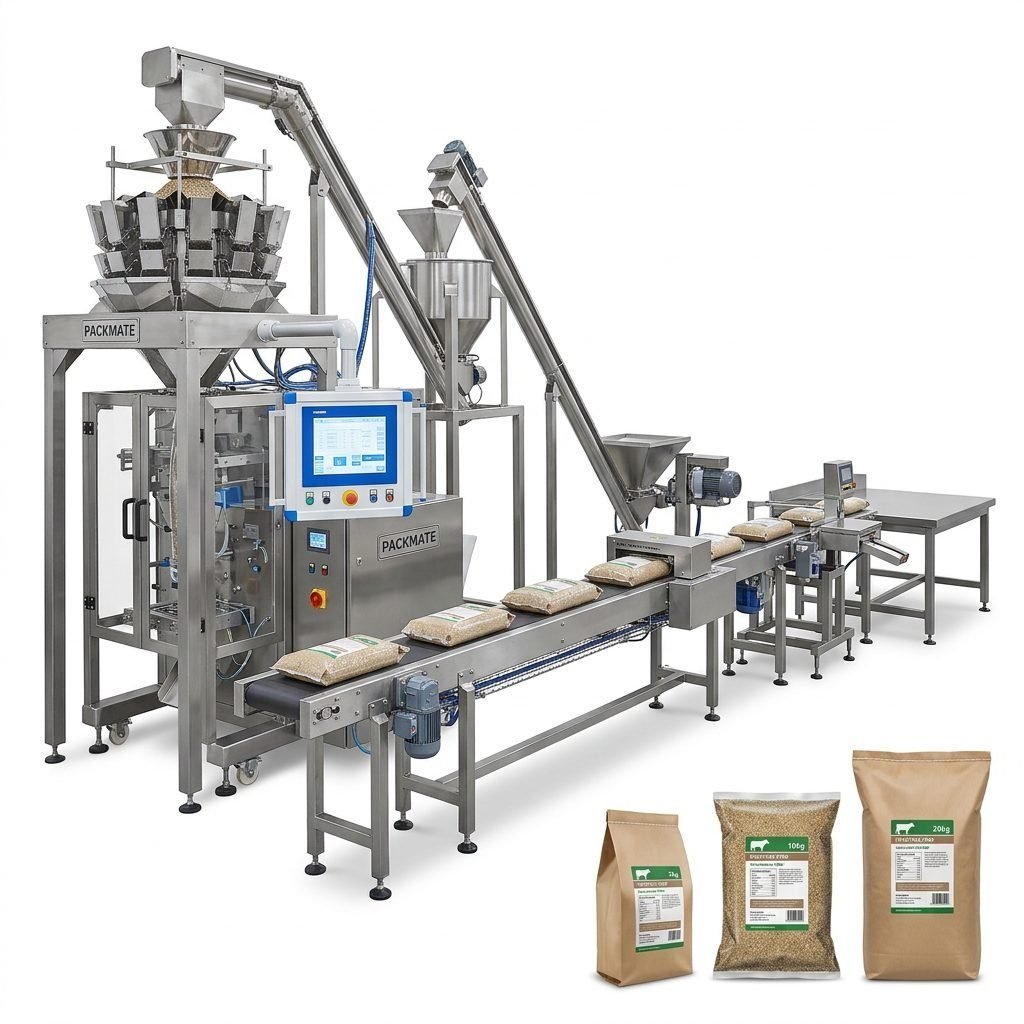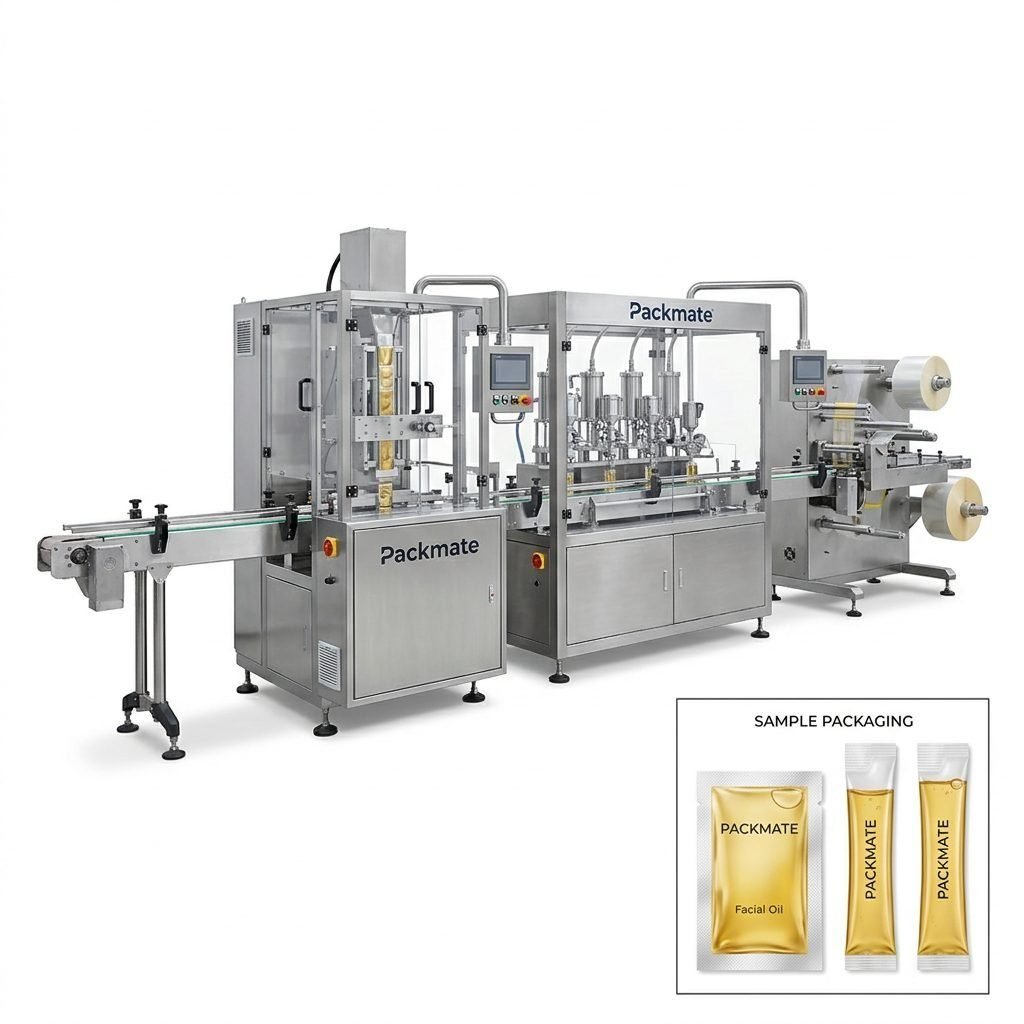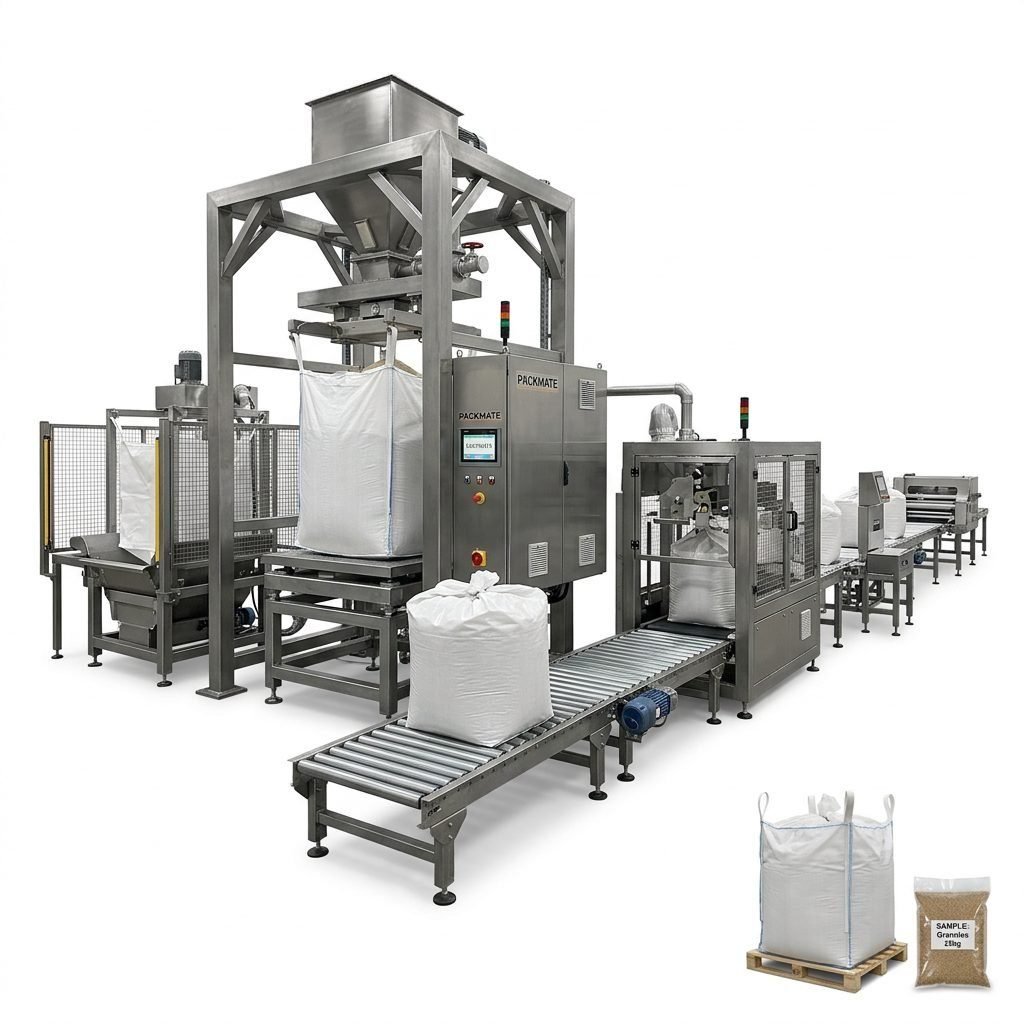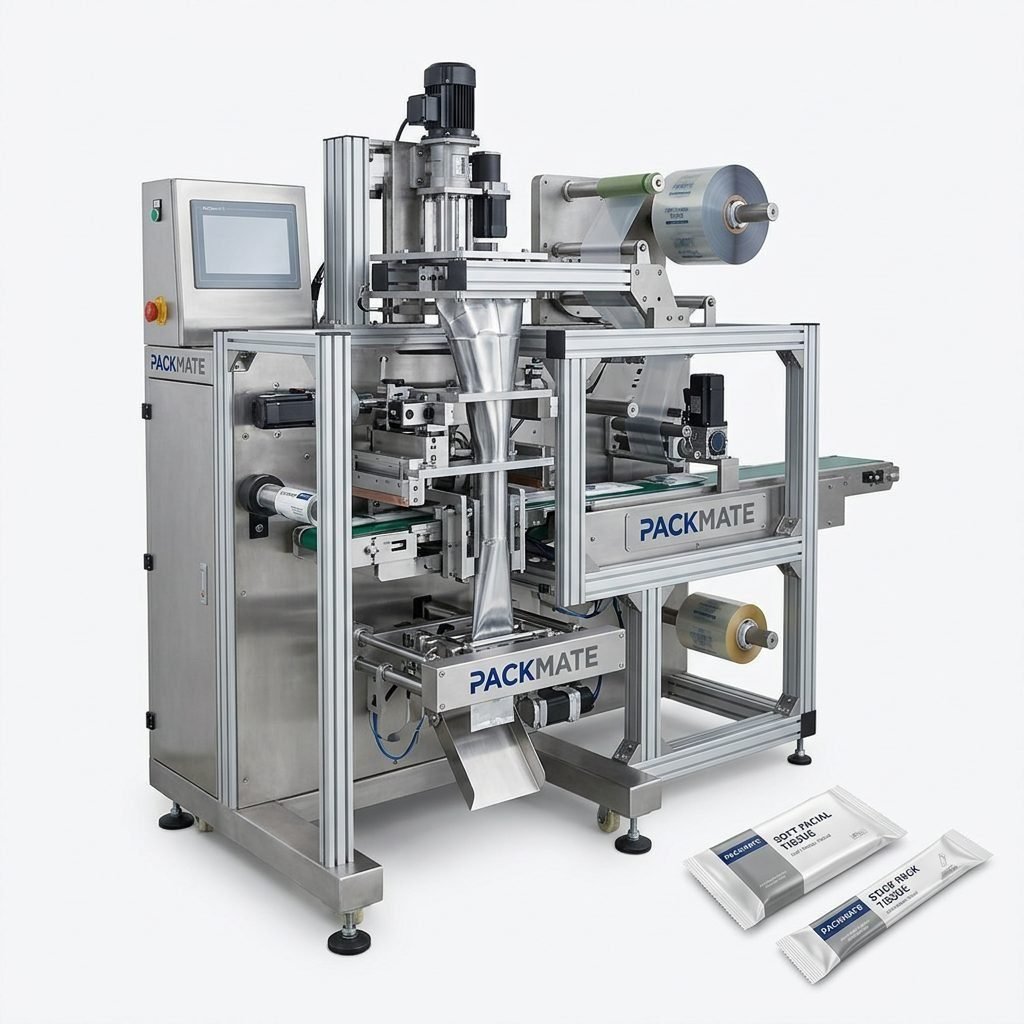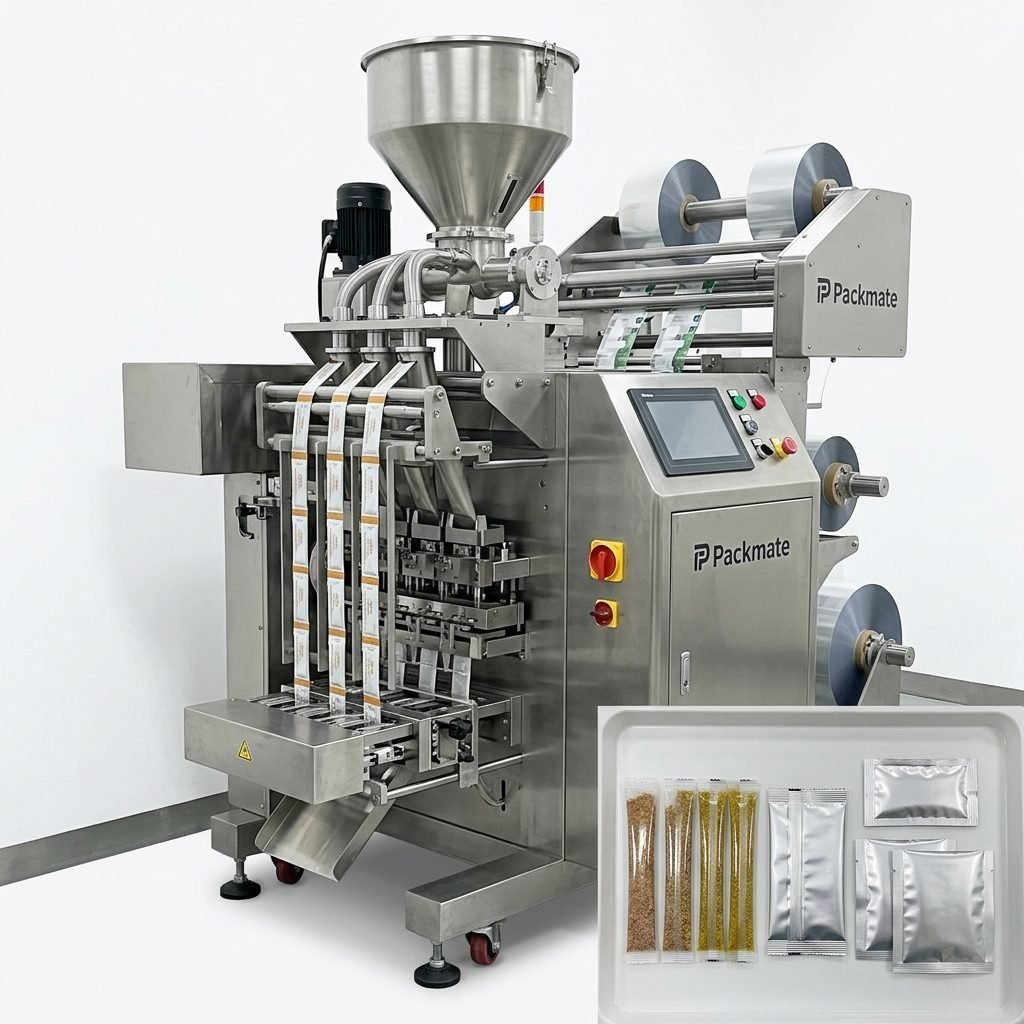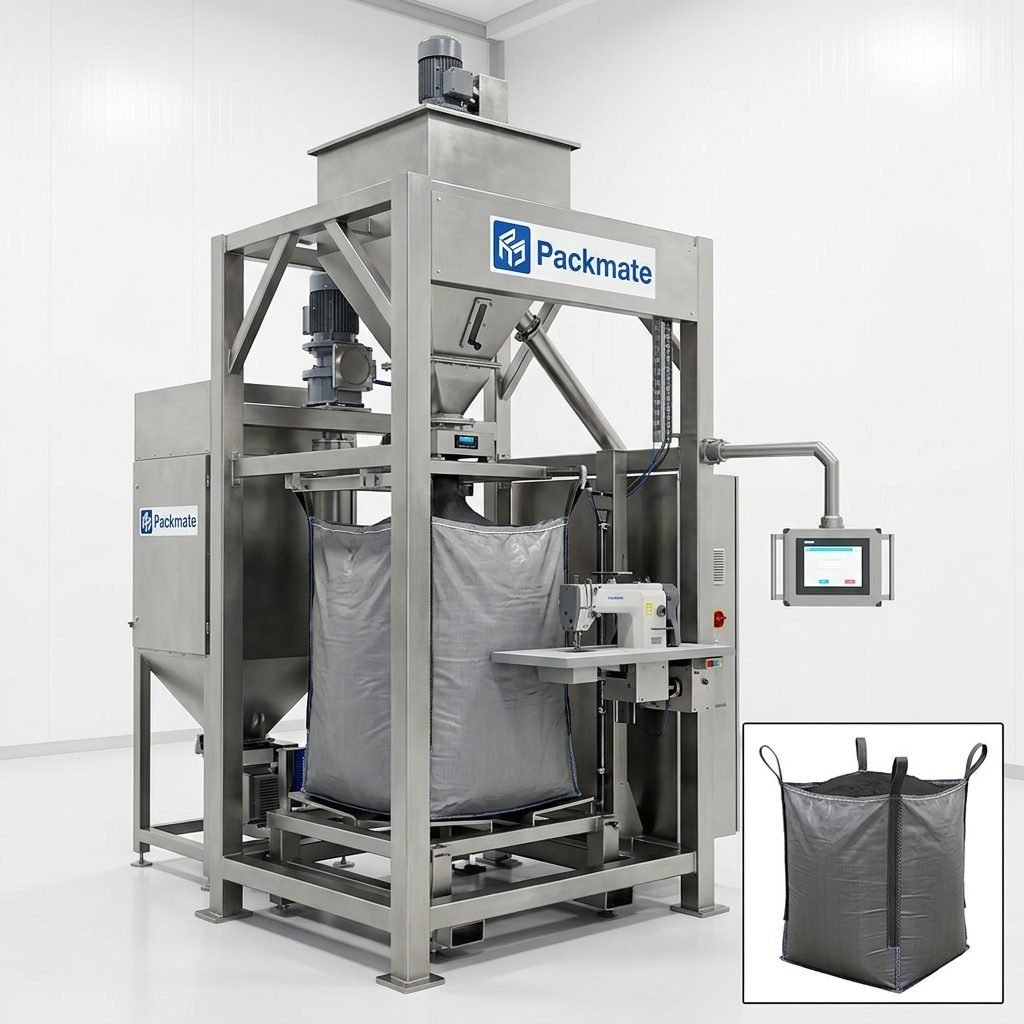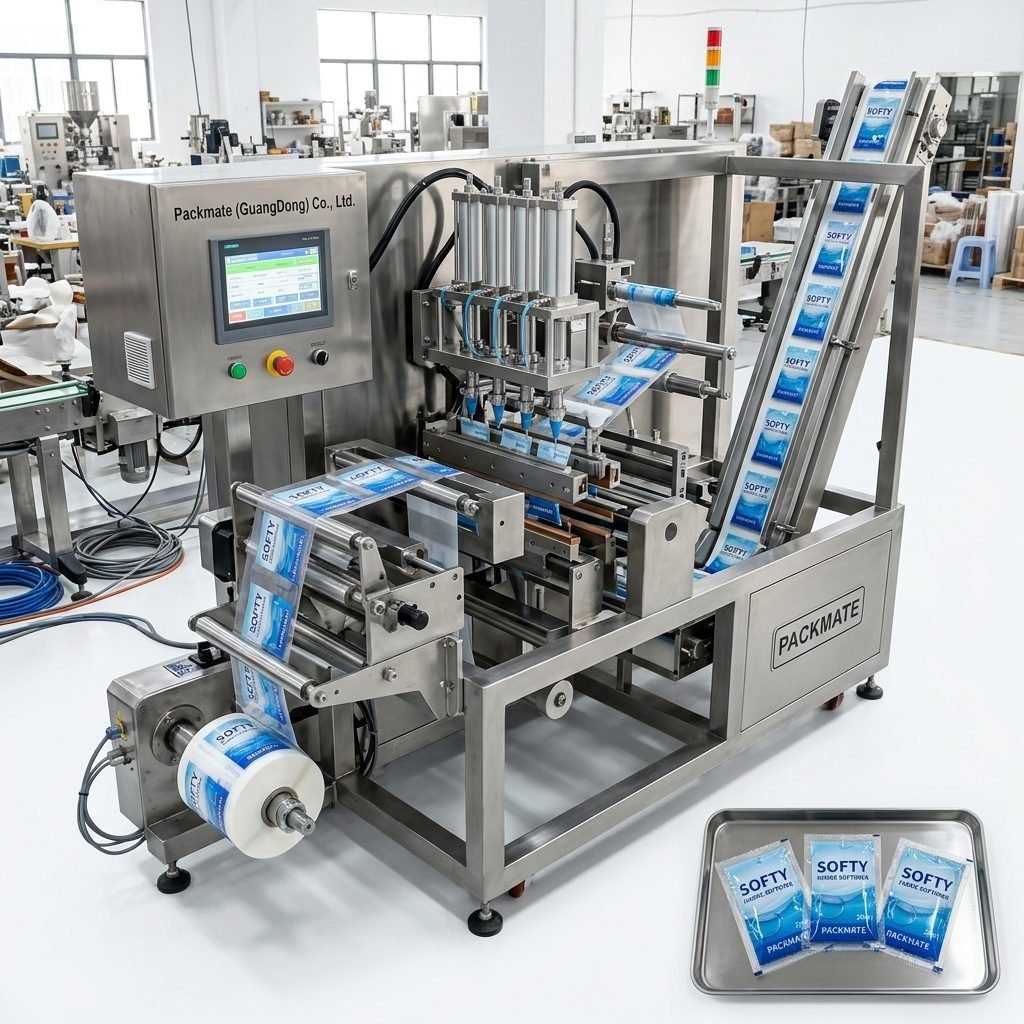
In today’s fast-paced manufacturing environment, efficiency is not just a goal—it’s a necessity. For businesses handling granular products, powders, or liquids, the packaging process is a critical bottleneck that can dictate overall productivity and profitability. This is where investing in top-tier carton packaging machine solutions becomes a strategic imperative. These sophisticated systems are engineered to streamline operations, minimize waste, and ensure consistent, high-quality output, directly impacting your bottom line.
The Core Advantages of Modern Carton Packaging Automation
The evolution from manual or semi-automatic packing to fully automated cartoning lines represents a quantum leap in operational capability. Modern machines integrate seamlessly into production lines, performing forming, filling, and sealing with precision and speed unattainable by human labor. The primary benefits are multifaceted:
First, dramatically increased output speed allows businesses to meet higher market demands without proportional increases in labor costs or floor space. Second, enhanced product protection and hygiene is achieved through controlled, sterile environments that reduce contamination risks. Third, significant material savings result from precise dosing and reduced giveaway. Finally, automated systems provide superior traceability and data logging, essential for quality control and regulatory compliance in industries like food and pharmaceuticals.
Key Features to Look for in a High-Performance Machine
Not all cartoners are created equal. When evaluating solutions for efficient operations, several non-negotiable features stand out. Versatility in handling different carton sizes and styles is crucial for businesses with diverse product lines, allowing quick changeovers with minimal downtime. Look for machines with user-friendly touch-screen HMI (Human-Machine Interface) controls that simplify operation and troubleshooting.
Robust construction with high-grade stainless steel and food-grade contact parts ensures longevity and meets sanitary standards. Advanced servo-driven technology offers unparalleled precision in motion control, leading to smoother operation, less wear and tear, and more accurate placement. Furthermore, integration capabilities with upstream and downstream equipment—such as filling & packaging lines and case packers—are essential for creating a cohesive, end-to-end automated line.
Tailoring Solutions to Specific Industry Needs
The “one-size-fits-all” approach fails in packaging. Efficient operations demand solutions tailored to the product’s specific characteristics. For the food industry, machines must handle everything from dry cereals and pasta to seasoning packets, often requiring integrated weighing systems. In the pharmaceutical and healthcare sectors, absolute precision, cleanliness, and compliance with stringent regulations (like cGMP) are paramount. Machines for this field often include features like clean-in-place (CIP) systems and advanced validation support.
For consumer goods like tea bags, single-serve condiments, or hardware items, speed and reliability in forming small cartons or boxes are key. Partnering with a manufacturer that understands these nuances, like Packmate Machinery, ensures you get a solution engineered for your specific challenges, not just a generic machine.
Beyond the Machine: The Value of a Complete Turnkey Solution
True operational efficiency is achieved not by purchasing a machine in isolation, but by implementing a complete, optimized system. Leading providers offer turnkey packaging solutions that encompass design, manufacturing, installation, commissioning, and training. This holistic approach guarantees that all components—from the cartoner to the auxiliary packaging equipment—work in perfect harmony.
A turnkey project managed by experts eliminates integration headaches, reduces time-to-market, and provides a single point of accountability for service and support. It transforms a capital expenditure into a strategic partnership focused on maximizing your return on investment through sustained, efficient operation.
Driving Efficiency with Smart Technology and IoT
The next frontier in carton packaging efficiency is the integration of Industry 4.0 principles. Smart machines equipped with IoT (Internet of Things) sensors can provide real-time data on performance metrics like OEE (Overall Equipment Effectiveness), production counts, and maintenance alerts. This data enables predictive maintenance, preventing unexpected breakdowns, and facilitates data-driven decision-making to fine-tune production schedules and workflows.
Remote monitoring capabilities allow technicians to diagnose issues virtually, often resolving them without a site visit, which drastically reduces machine downtime. Embracing these smart technologies is no longer a luxury for future-proofing your operations; it’s a critical component of maintaining a competitive edge in an increasingly connected industrial landscape.
Ensuring Long-Term Reliability and Support
The initial purchase is just the beginning of the machine’s lifecycle. The long-term efficiency of your carton packaging operation heavily depends on the reliability of the equipment and the quality of support from the manufacturer. Choose a partner with a proven track record of building durable machines, backed by comprehensive after-sales service. This includes readily available spare parts, detailed documentation, and responsive technical support teams.
Manufacturers with deep expertise, such as those with over 30 years in the industry like Packmate, bring invaluable experience to the table. They have encountered and solved a vast array of operational challenges, ensuring their machines are designed for reliability. Reviewing a manufacturer’s case studies and client testimonials can provide concrete evidence of their machines’ performance and their commitment to customer success over the long haul.
The Return on Investment (ROI) of Efficient Packaging
Investing in advanced carton packaging automation is a significant decision, and justifying it requires a clear understanding of ROI. The calculation extends beyond the machine’s price tag. Key factors include labor cost reduction, increased production capacity leading to higher revenue, reduction in material waste, lower rates of product rejection/returns, and minimized downtime.
A high-efficiency machine often pays for itself within a predictable timeframe by converting these savings and gains into tangible profit. When evaluating options, request a detailed ROI analysis from your supplier. A reputable partner will be transparent about the performance metrics and help you build a business case that demonstrates how their solution translates into a stronger, more efficient, and more profitable operation for your business.
In conclusion, selecting the top carton packaging machine solutions is a strategic investment that goes to the very heart of operational efficiency. By focusing on advanced features, industry-specific tailoring, smart technology integration, and the security of comprehensive turnkey support from an experienced partner, businesses can unlock new levels of productivity, quality, and profitability. The right machine is not just a piece of equipment; it’s the engine that drives a streamlined, competitive, and future-ready packaging operation.
Frequently Asked Questions (FAQs)
What types of products are best suited for automated carton packaging machines?
These machines are highly versatile and excel at packaging a wide range of solid, granular, powdered, and free-flowing products. Common applications include food items (cereal, pasta, snacks, tea bags), pharmaceuticals (tablets, capsules, blister packs), healthcare products, hardware (screws, nails), and consumer goods. The key is matching the machine’s filling system (e.g., volumetric cup, auger filler, weigh scale) to your product’s characteristics.
How difficult is it to change over a cartoner for different box sizes or products?
Modern servo-driven cartoners are designed for quick and easy changeover. Many models feature tool-less adjustments or pre-set recipes stored in the HMI, allowing operators to switch between different carton sizes in minutes rather than hours. This minimizes downtime and is essential for manufacturers running short batches or multiple SKUs. The exact changeover time should be a key point of discussion with your machine supplier.
What is the typical maintenance required for these machines?
Regular preventive maintenance is crucial for sustained efficiency. This typically involves daily cleaning to remove product dust and debris, weekly lubrication of specified points as per the manual, and periodic inspection/calibration of critical components like drives and sensors. Choosing a machine with robust construction and easy access for maintenance simplifies these tasks. Most reputable suppliers offer detailed maintenance schedules and training.
Can an automated cartoner integrate with my existing production line?
Yes, integration is a standard expectation. Professional manufacturers design machines with standardized communication protocols (like Ethernet/IP, Profinet) and physical interfaces to connect with upstream equipment (e.g., product feeders, accumulation tables) and downstream systems (e.g., case packers, checkweighers). During the planning phase, provide your supplier with full details of your existing line to ensure seamless integration.
What after-sales support should I expect from the machine manufacturer?
Comprehensive support is vital. Expect a package that includes on-site installation and commissioning, thorough operator and maintenance training, a detailed parts manual, and access to technical support (often via phone, email, or remote connection). Ensure there is a clear policy on warranty, availability of spare parts, and the possibility of signing a service contract for ongoing preventive maintenance and priority support. A strong global service network, like the one supporting Packmate’s clients, is a significant advantage.