In the high-stakes world of pharmaceuticals, medical devices, and sterile products, the integrity of the final product is non-negotiable. The journey from raw material to a safe, ready-to-use item is safeguarded by one critical component: medical packaging machines. These specialized systems are engineered to create a sterile barrier, ensuring product safety, extending shelf life, and maintaining compliance with stringent global regulations. For manufacturers, selecting the right equipment is not just an operational decision; it’s a commitment to patient safety and brand trust.
The Unseen Guardian: Why Medical Packaging is Different
Unlike standard commercial packaging, medical-grade packaging must achieve and maintain sterility. This requires machines capable of operating in controlled environments, using materials that can withstand sterilization processes like gamma irradiation or autoclaving. The primary functions go beyond simple containment to include:
- Sterility Assurance: Creating a hermetically sealed, microbial barrier.
- Product Protection: Shielding from moisture, oxygen, and physical damage.
- Tamper Evidence: Providing clear visual indication if the package has been compromised.
- Traceability: Enabling accurate lot coding, serialization, and expiry date printing.
Key Technologies in Modern Medical Packaging Machines
The landscape of medical packaging machinery is defined by advanced technologies designed for precision and reliability. Leading manufacturers, such as Packmate Machinery with over three decades of expertise, integrate these core technologies into their solutions.
1. Thermoform-Fill-Seal (FFS) Machines
These are workhorses for sterile device packaging. A web of polymer film is heated and formed into cavities, the product is placed inside, a lidding material (often Tyvek®) is applied, and the package is hermetically sealed. Modern FFS machines offer exceptional precision in forming and sealing, crucial for maintaining the sterile barrier. For a look at integrated systems, explore filling and packaging lines that incorporate such technologies.
2. Blister Packaging Machines
Ideal for unit-dose pharmaceuticals, tablets, and capsules. They form a blister (cavity) from a plastic sheet, place the product inside, and seal it with a foil or film lidding. High-speed versions are essential for large-volume drug production, ensuring each dose is individually protected and clearly identifiable.
Critical Feature: Clean Design & Validation Support
Medical packaging machines must have a clean, smooth, and easy-to-sanitize design with minimal particle generation. Furthermore, reputable suppliers provide extensive Installation Qualification (IQ), Operational Qualification (OQ), and Performance Qualification (PQ) documentation. This validation support is vital for manufacturers to prove their equipment operates consistently within specified parameters, a mandatory requirement for regulatory audits.
3. Pouch and Sachet Packaging Machines
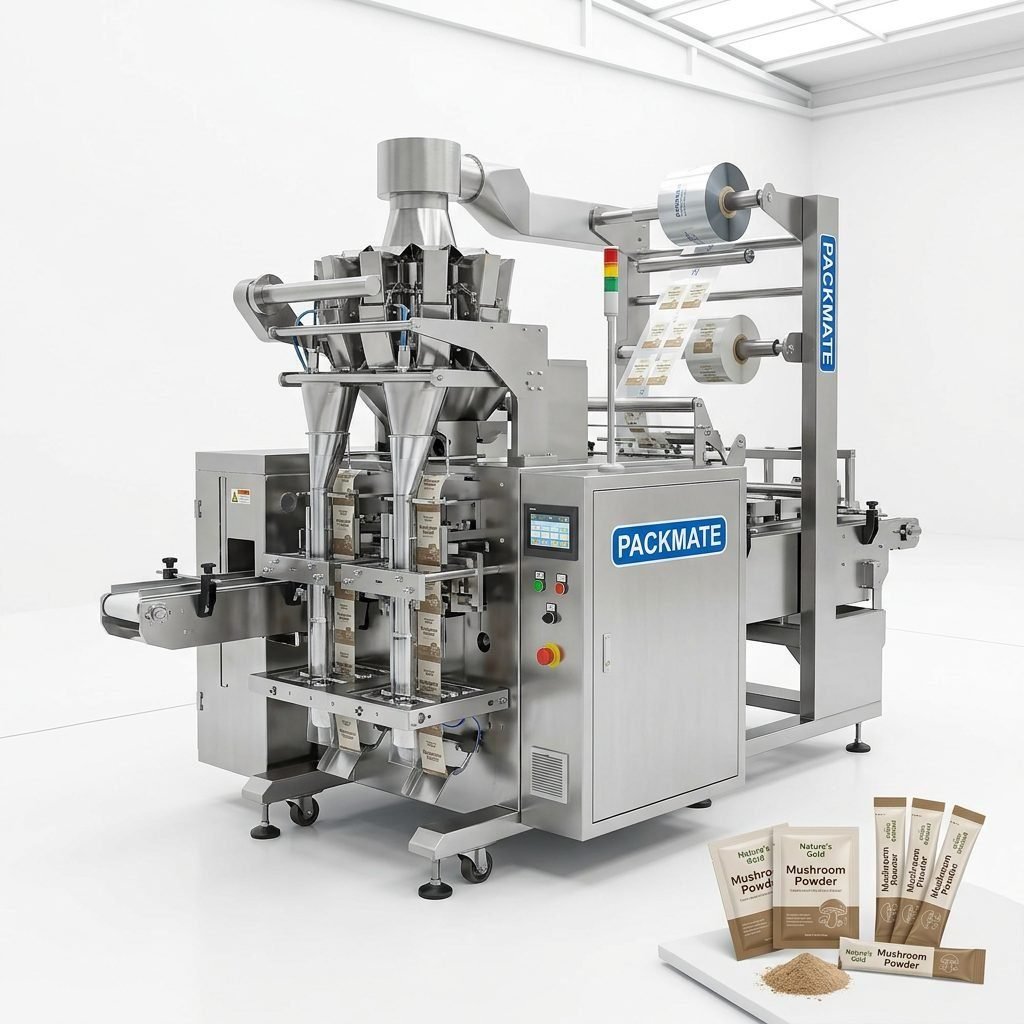
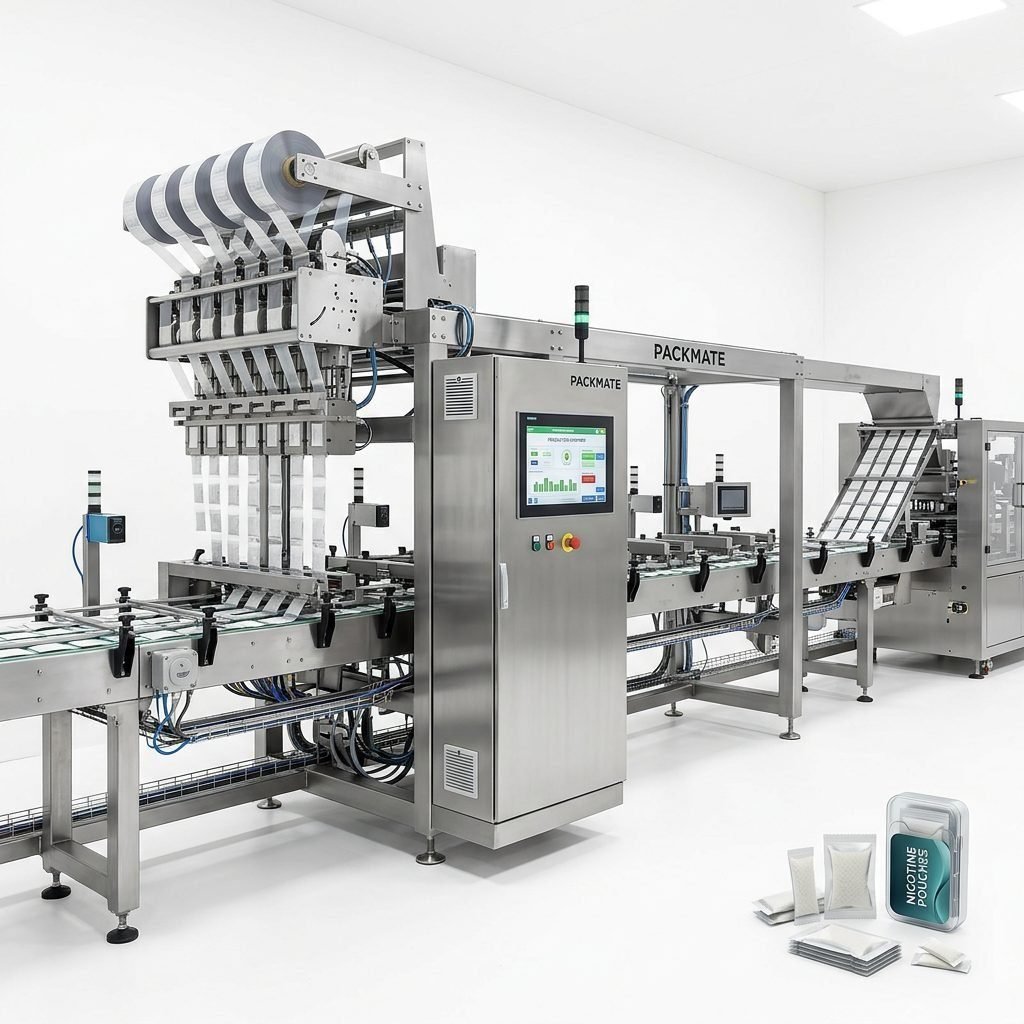
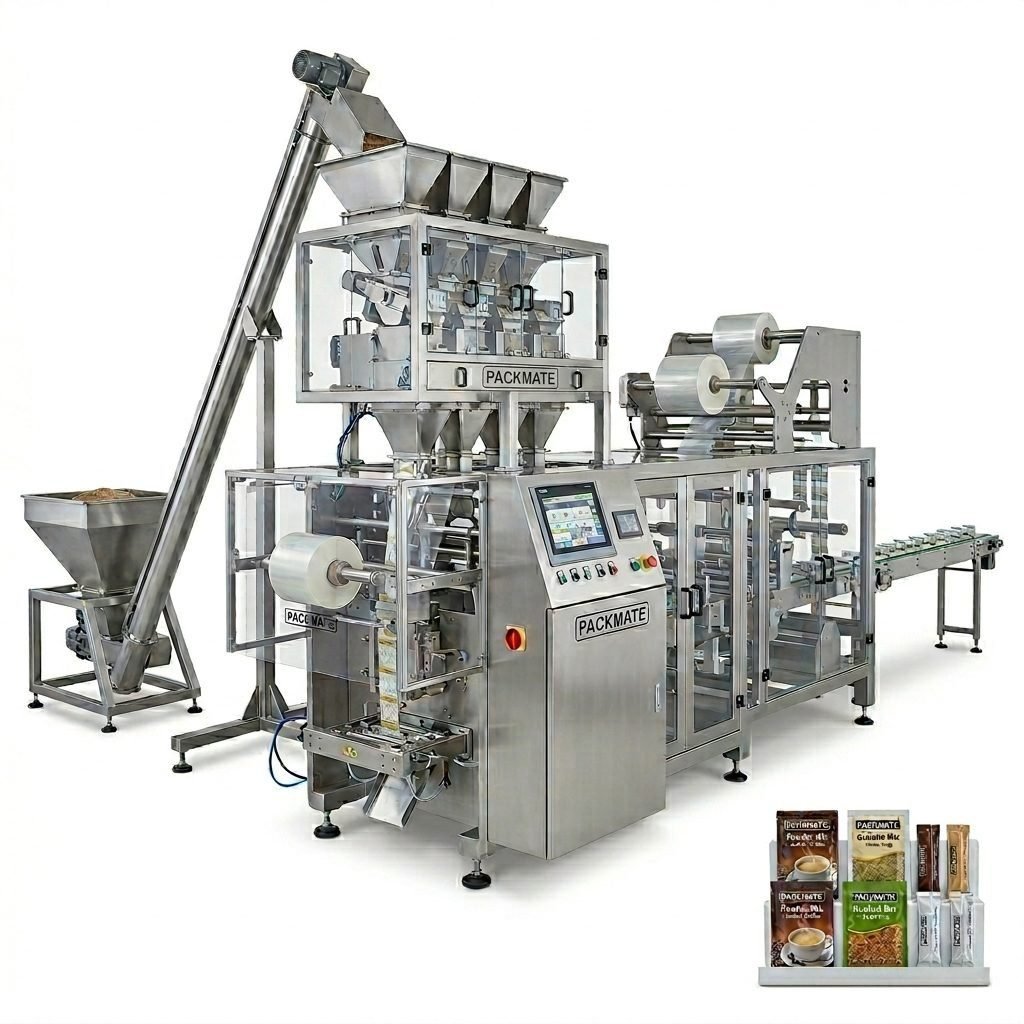
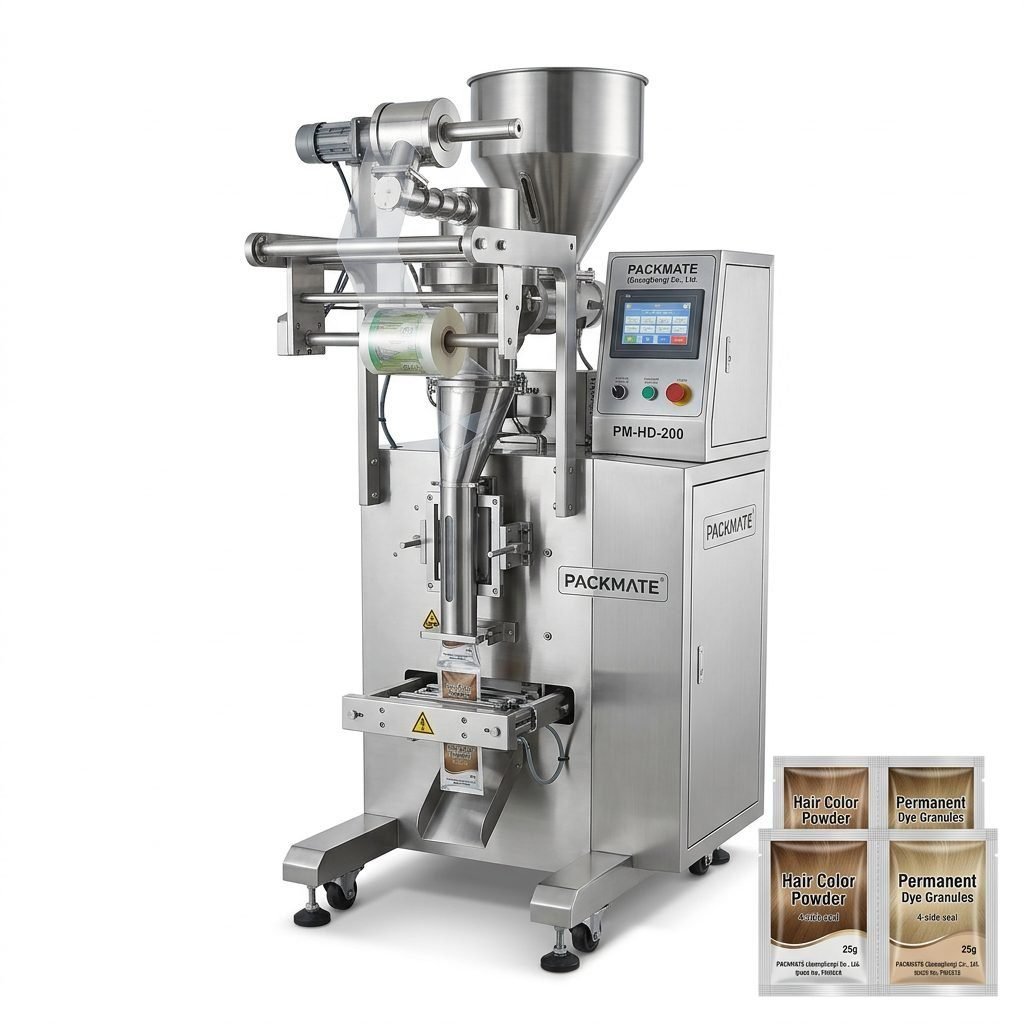
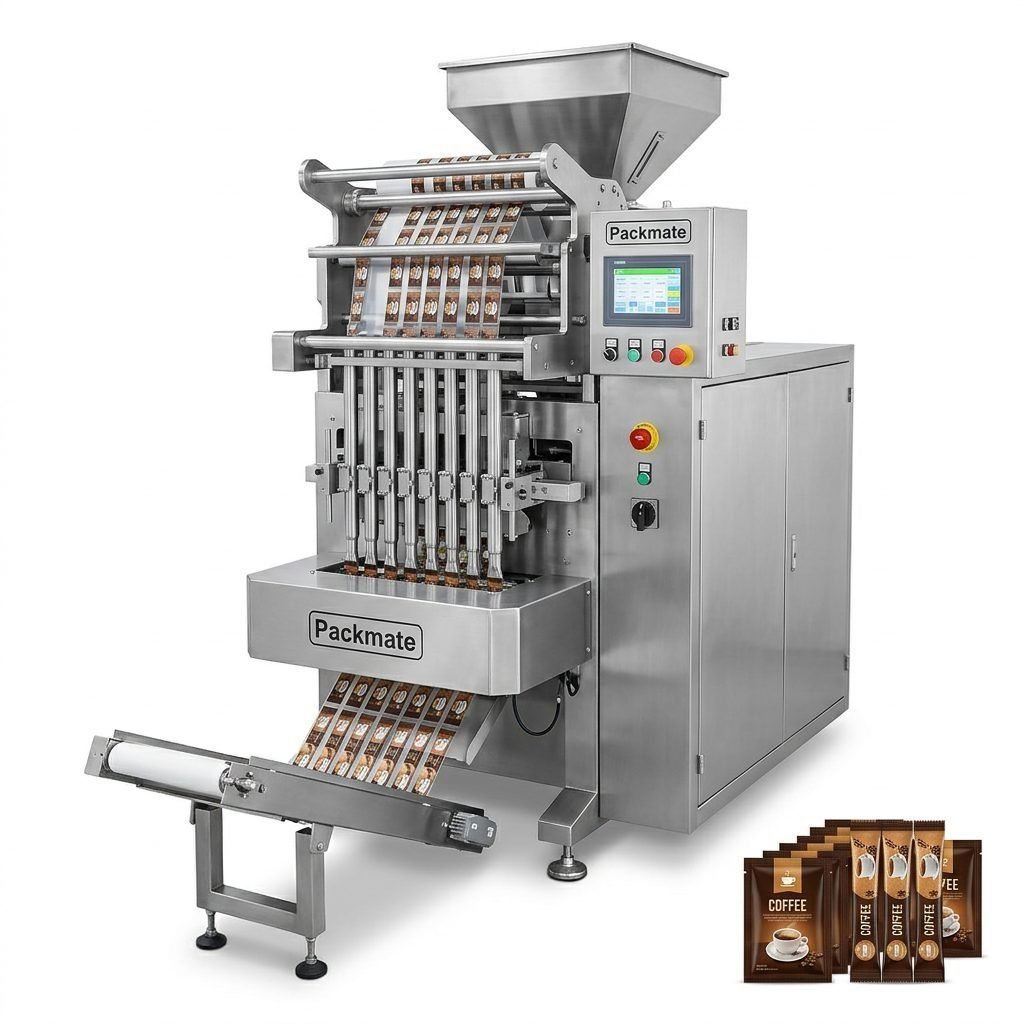
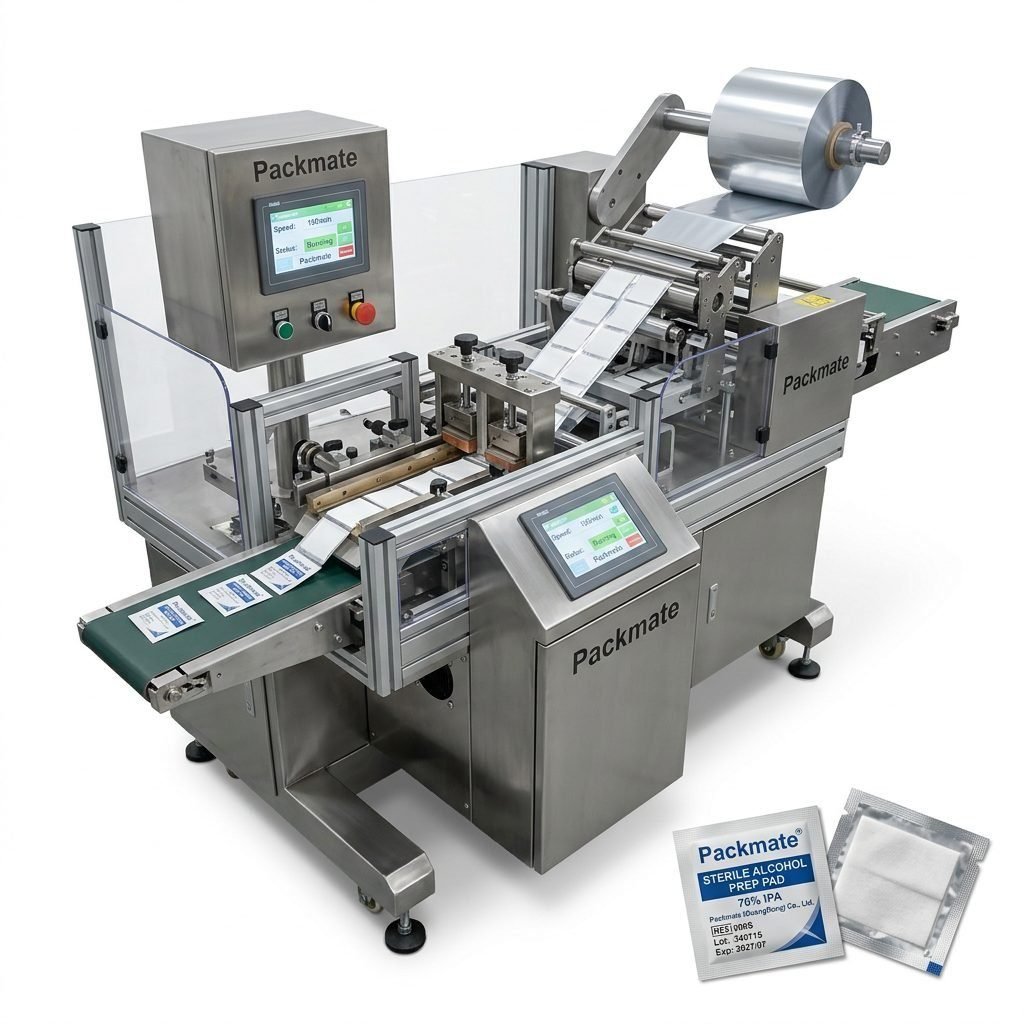
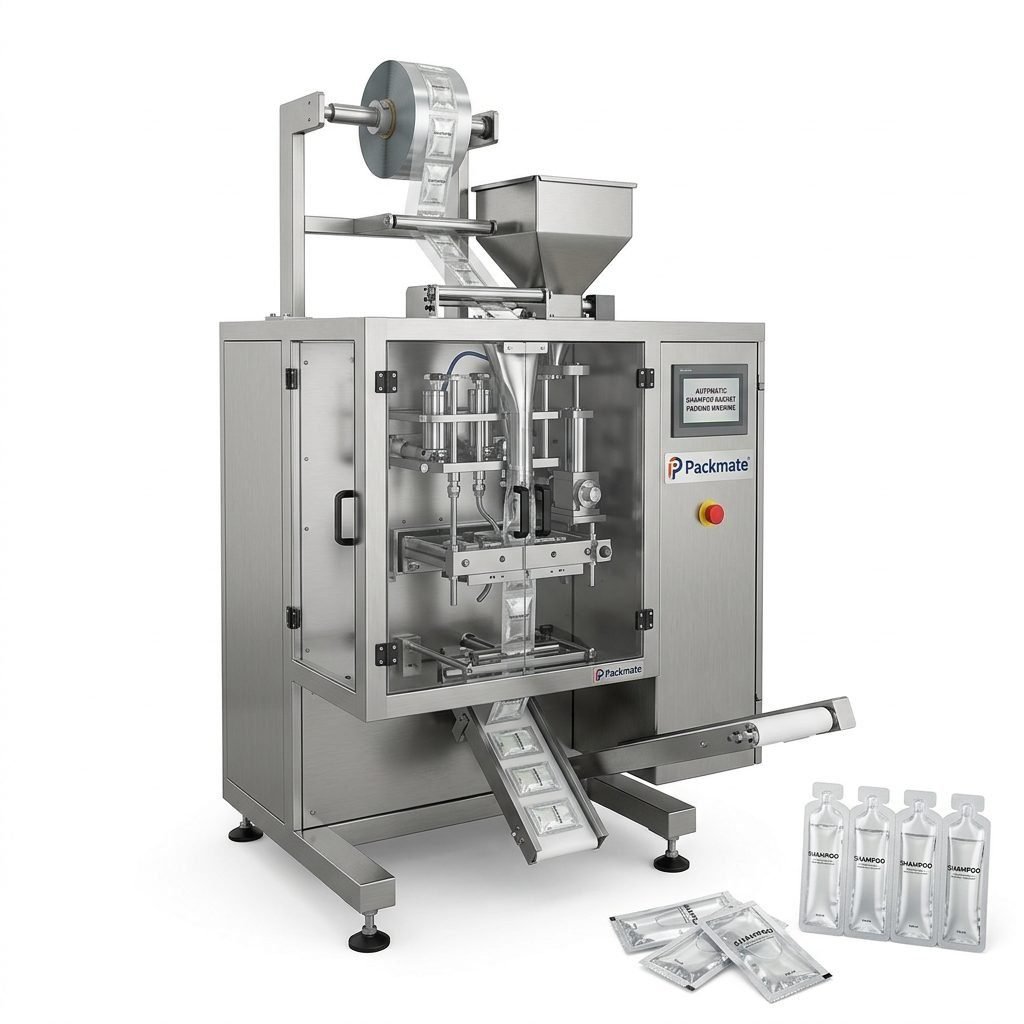
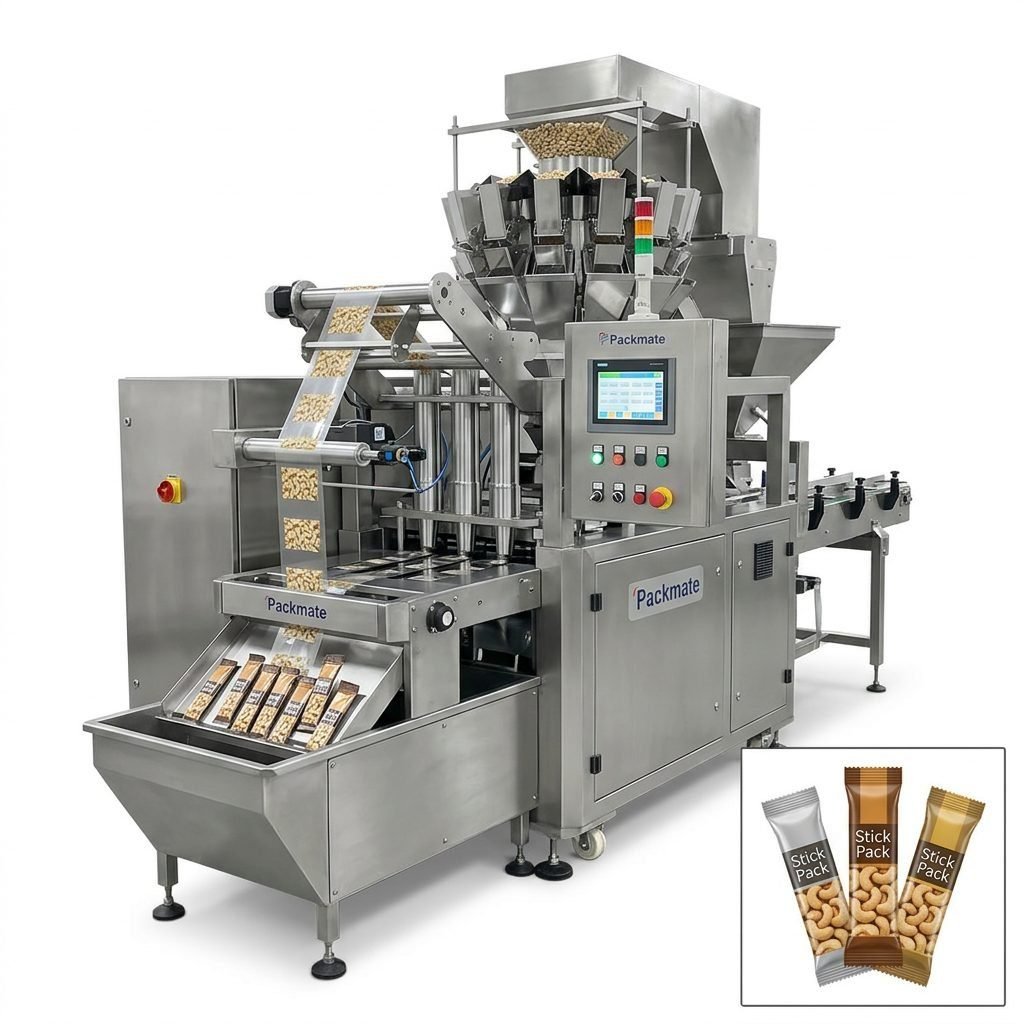
Used for a wide range of items from sterile gauze and surgical kits to liquid antiseptics. These machines create pouches from roll stock film, often incorporating pre-sterilized materials. Advanced models feature precise dosing systems for liquids and powders. For specialized applications like single-use medical consumables, sachet and stick pack machines offer compact, user-friendly packaging formats.
4. Tray Sealing Machines
Used for packaging pre-sterilized items in rigid or semi-rigid trays. The machine applies a breathable or impermeable lidding film over the tray and creates a secure seal. They are common for surgical instruments, implants, and diagnostic kits, where product visibility and protection during transport are key.
Choosing the Right Machine: A Strategic Guide
Selecting a medical packaging machine requires a thorough analysis of your specific needs. Here are the decisive factors:
Product Type & Form: Is it a solid device, a tablet, a powder, or a liquid? The product dictates the packaging format (blister, pouch, vial) and thus the machine type.
Sterilization Method: Will the package be sterilized after sealing (e.g., in an autoclave) or are you using pre-sterilized materials? The machine and materials must be compatible with the sterilization process.
Production Volume & Speed: Determine your required output (packages per minute). High-volume lines demand robust, high-speed machines with minimal downtime.
Regulatory Compliance: The machine must help you meet standards like ISO 11607 (packaging for terminally sterilized medical devices) and FDA 21 CFR Part 211. Supplier support in validation is crucial.
Material Compatibility & Flexibility: Can the machine handle the specific films, foils, and lidding materials you plan to use? Some flexibility for future product changes is valuable.
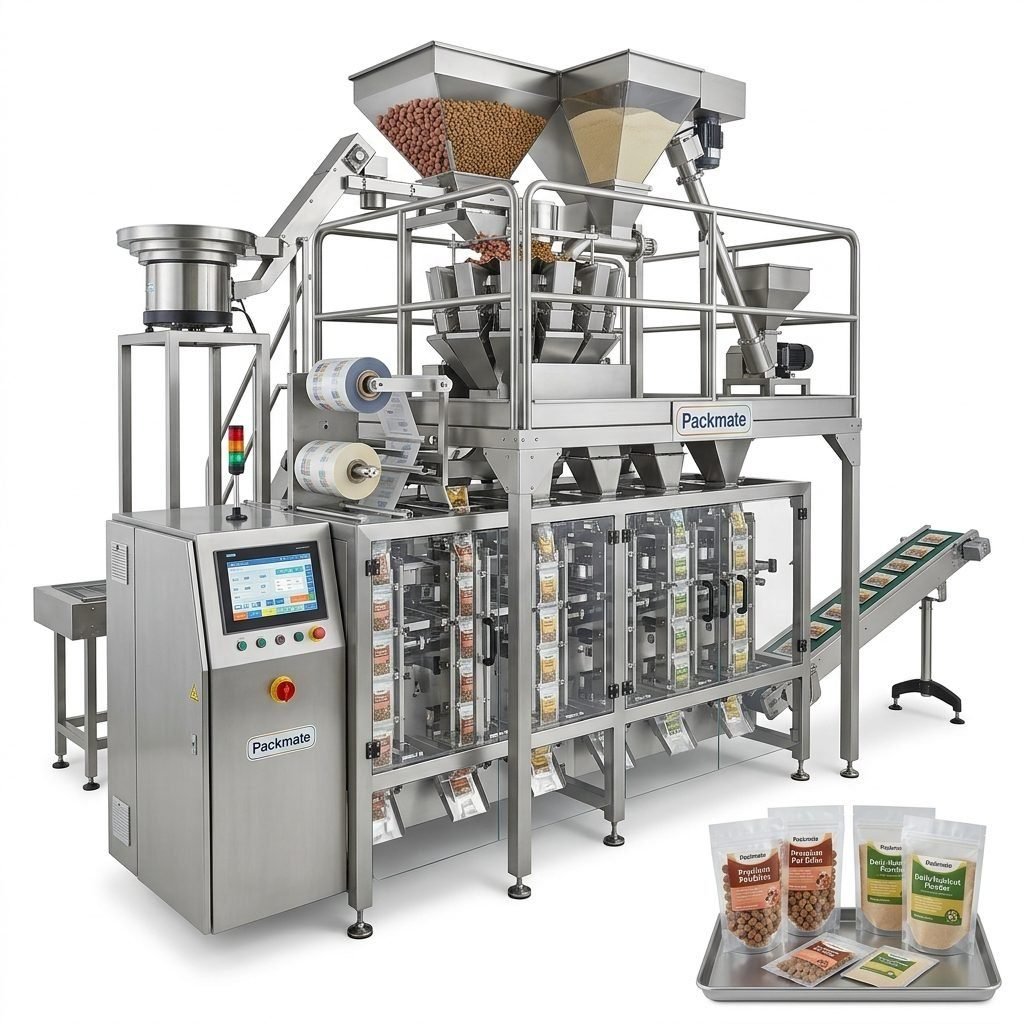
Integration & Automation: Consider how the machine will fit into your existing line. Options for automatic loading, vision inspection systems, and integration with weighing and packaging systems can significantly boost efficiency.
The Packmate Advantage: Engineering for Assurance
With a foundation built in 2003 and a legacy stretching back to 1993, Packmate Machinery embodies the evolution of precision packaging. Operating from a modern 20,000㎡ facility, their focus on the pharmaceutical and health industries translates into machines designed with the rigor medical packaging demands. Their portfolio, developed over decades, includes solutions that address the need for sterile, secure, and reliable packaging. From initial concept to a full turnkey packaging solution, their approach prioritizes the integrity of your product and the safety of the end-user.
The Future: Smart Packaging and Sustainability
The future of medical packaging is intelligent and eco-conscious. Machines are increasingly equipped with IoT sensors for real-time monitoring of seal integrity, temperature, and machine performance, enabling predictive maintenance. Furthermore, there is a growing drive towards sustainable materials. Next-generation machines will need to handle bio-based or recyclable polymers without compromising sterility, a significant engineering challenge that forward-thinking manufacturers are already addressing.
Investing in top-tier medical packaging machinery is an investment in product quality, regulatory compliance, and most importantly, patient safety. By understanding the critical technologies, selection criteria, and partnering with an experienced manufacturer committed to innovation and validation support, companies can secure their supply chain and protect their most valuable asset—their reputation for safety and reliability.
Frequently Asked Questions (FAQs)
What is the most important feature in a medical packaging machine?
The ability to consistently create a hermetic and sterile seal that meets regulatory validation standards (like ISO 11607) is paramount. Everything else supports this primary function.
Can I use a standard food packaging machine for medical products?
It is highly discouraged and often non-compliant. Medical machines have specific clean-design requirements, use compatible materials, and come with the necessary documentation (IQ/OQ/PQ) for regulatory validation, which standard machines lack.
How critical is supplier support for validation (IQ/OQ/PQ)?
It is absolutely essential. Regulatory bodies require documented proof that your equipment is installed correctly, operates as intended, and performs consistently. A reputable supplier will provide comprehensive protocol templates and support.
What packaging formats are best for sterile medical devices?
Thermoformed trays with Tyvek® lidding and sterile pouches are most common. The choice depends on the device’s size, shape, sterility method, and how it will be used in the clinical setting.
Where can I see examples of medical-grade packaging solutions?
You can review detailed case studies and machine specifications by visiting the case studies page of specialized manufacturers like Packmate, which often highlight applications in the health sector.