In today’s fast-paced manufacturing landscape, robotic packaging machinery has emerged as a cornerstone of efficiency, precision, and scalability. These advanced systems automate the final stages of production, handling tasks from picking and placing to sealing and palletizing with remarkable speed and consistency. For businesses looking to enhance their packaging lines, understanding the benefits, various types, and key selection criteria is essential. This guide delves into the world of robotic packaging, providing the insights needed to make an informed investment.
The Multifaceted Benefits of Robotic Packaging Systems
Adopting robotic packaging machinery offers a compelling return on investment through multiple channels. The most immediate impact is on operational efficiency and throughput. Robots work tirelessly at consistent speeds, significantly increasing output while reducing cycle times. This leads directly to lower labor costs, as machines can handle repetitive, physically demanding tasks, allowing human workers to be redeployed to more complex, value-added roles.
Beyond speed, robots deliver unparalleled precision and quality assurance. They place products, apply labels, and fill containers with exacting accuracy, minimizing material waste and virtually eliminating human error. This consistency ensures every package meets stringent quality standards, enhancing brand reputation and reducing costly rework or returns. Furthermore, robotic systems offer exceptional flexibility. Modern robots can be quickly reprogrammed and equipped with different end-of-arm tools (EOAT) to handle a diverse range of product sizes, shapes, and packaging formats, making them ideal for mixed-production environments.
Finally, robots improve workplace safety by taking over hazardous tasks such as handling heavy loads, working in extreme temperatures, or manipulating sharp materials. This not only protects employees but also reduces the risk of production downtime due to injuries.
Primary Types of Robotic Packaging Machinery
The robotic packaging ecosystem is diverse, with systems designed for specific functions. Understanding these types is the first step in identifying the right solution for your needs.
Articulated Robots
These are the most common and versatile industrial robots, resembling a human arm with rotary joints. Their wide range of motion makes them perfect for complex tasks like precision picking, packing, and palletizing irregularly shaped items. They are often seen in end-of-line applications where flexibility is key.
Delta (Parallel) Robots
Recognizable by their spider-like design with parallel arms, Delta robots are built for extreme speed. They excel in high-speed picking and placing applications, such as sorting confectionery, pharmaceuticals, or small components from a conveyor into trays or blister packs. Their lightweight structure allows for accelerations and speeds unmatched by other robot types.
Cartesian (Gantry) Robots
Operating on three linear axes (X, Y, Z), Cartesian robots are known for their rigidity, precision, and ability to handle heavy payloads over large work areas. They are typically used for case packing, large-format palletizing, and precise dispensing applications. Their straightforward programming and robust design make them a reliable choice for heavy-duty tasks.
Collaborative Robots (Cobots)
A revolutionary development, cobots are designed to work safely alongside human workers without the need for extensive safety cages. They are user-friendly, easy to program, and ideal for automating smaller-scale or semi-automated packaging tasks, such as hand-pack stations, kitting, or light assembly. Their flexibility allows for seamless integration into existing workflows.
SCARA Robots
Selective Compliance Assembly Robot Arm (SCARA) robots are optimized for high-speed, repetitive assembly and packaging tasks within a confined horizontal plane. They are less common in heavy packaging but are highly effective for electronics assembly, inserting components into boxes, or screw-driving operations on a packaging line.
How to Choose the Right Robotic Packaging System
Selecting the ideal robotic packaging machinery requires a careful analysis of your specific operational needs and constraints. A methodical approach will ensure the system you choose delivers maximum value.
1. Define Your Application and Payload: Start by pinpointing the exact task (e.g., primary packaging, case packing, palletizing). Precisely determine the maximum weight (payload) the robot must lift, including the product, packaging, and the end-effector tool. Underestimating this can lead to system failure.
2. Assess Speed and Cycle Time Requirements: Calculate the required cycles per minute or units per hour. Match this with the robot’s technical specifications, considering not just top speed but also acceleration, deceleration, and the complexity of the movement path to ensure it meets your production targets.
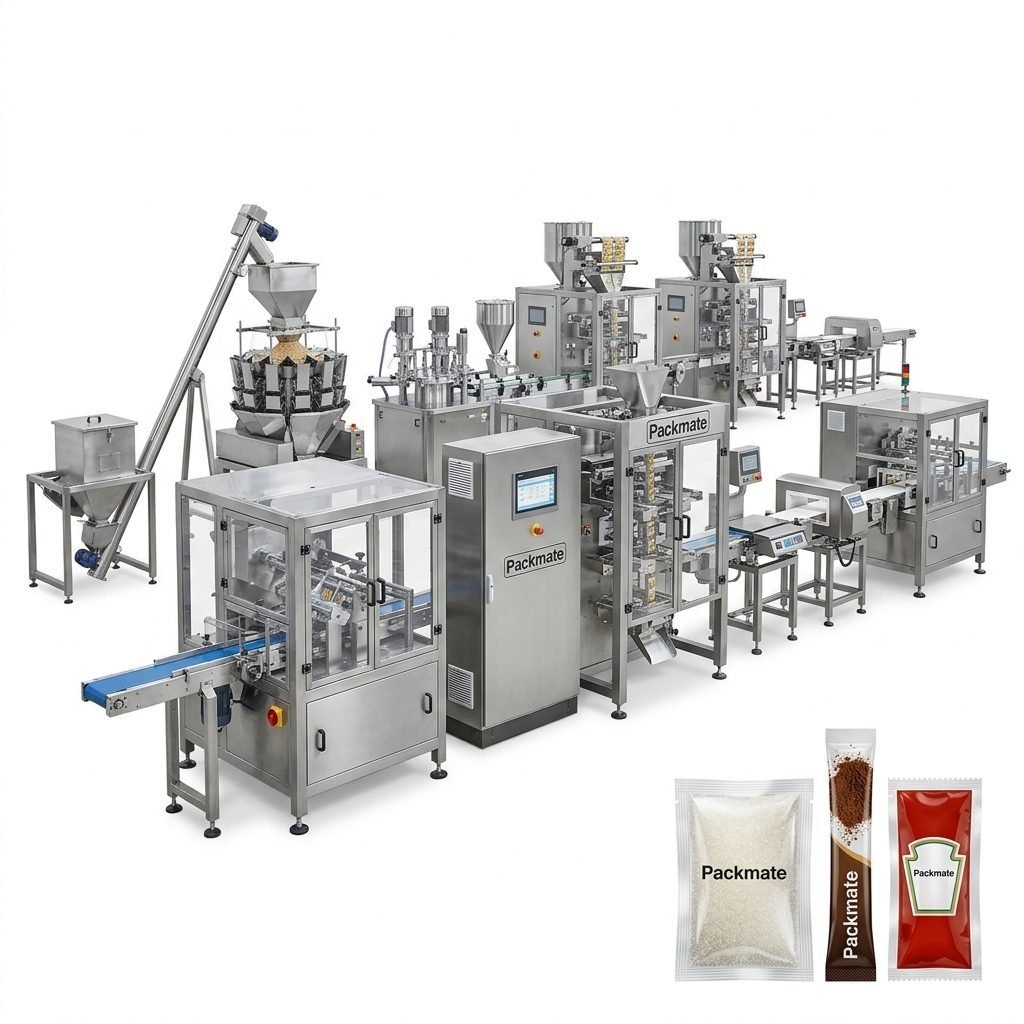
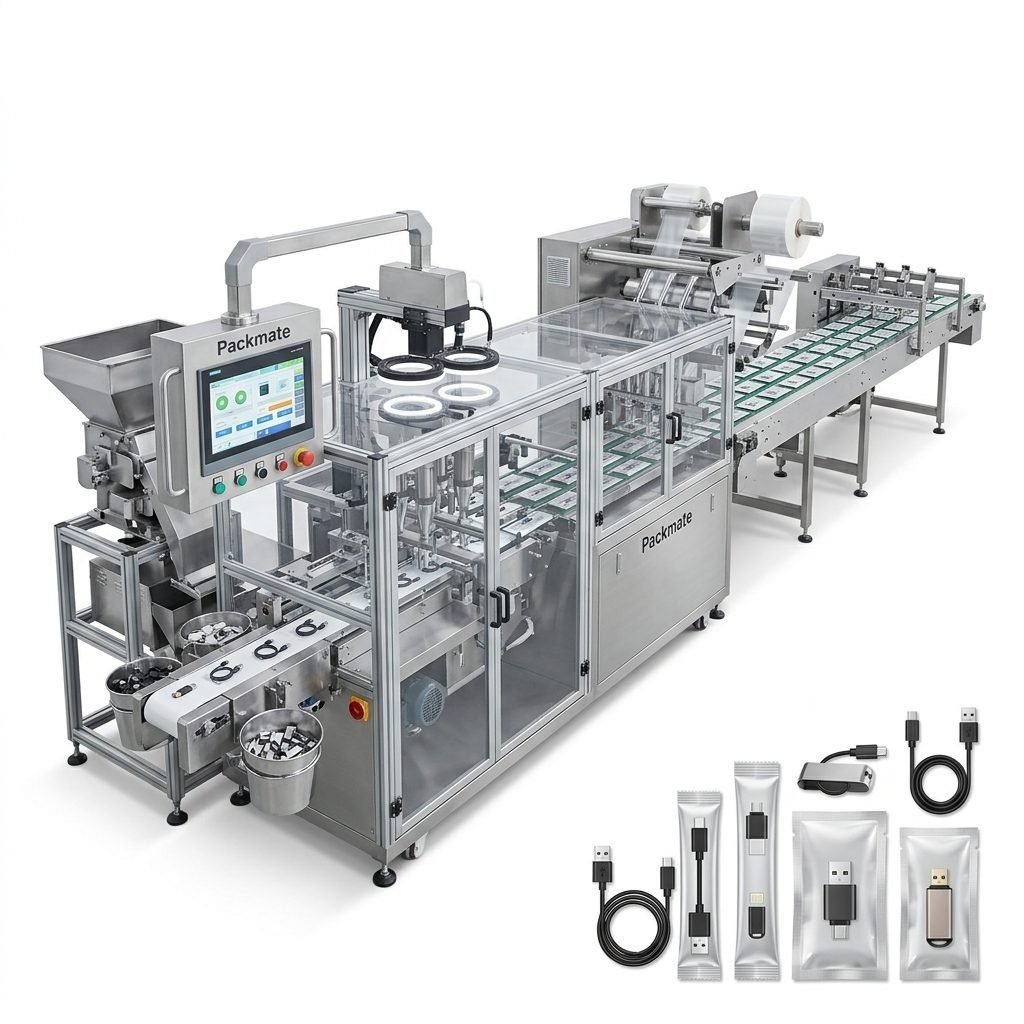
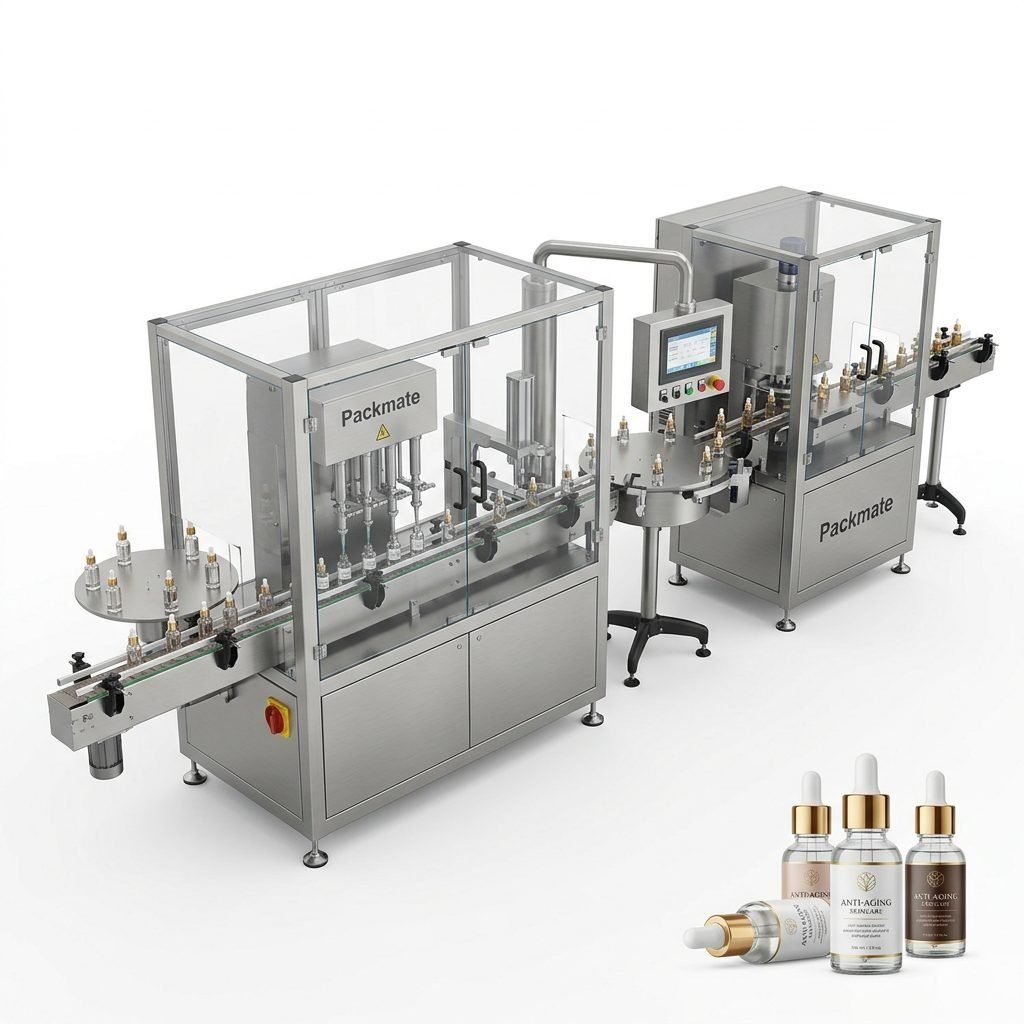
3. Evaluate Workspace and Integration: Measure the available floor space and the robot’s required “work envelope.” Consider how the robot will integrate with existing filling & packaging lines, conveyors, and other machinery. Planning for seamless integration upfront prevents costly modifications later.
4. Consider Flexibility and Future-Proofing: Will you be packaging a single product or multiple SKUs? Opt for a system that allows for quick changeovers through programmable settings and interchangeable tooling. Investing in a flexible system from a provider like Packmate Machinery protects your investment against future product changes.
5. Prioritize Software and Support: The robot is only as good as its control system. Evaluate the user-friendliness of the programming interface. Crucially, choose a supplier with a proven track record of offering robust technical support, training, and readily available spare parts to minimize downtime.
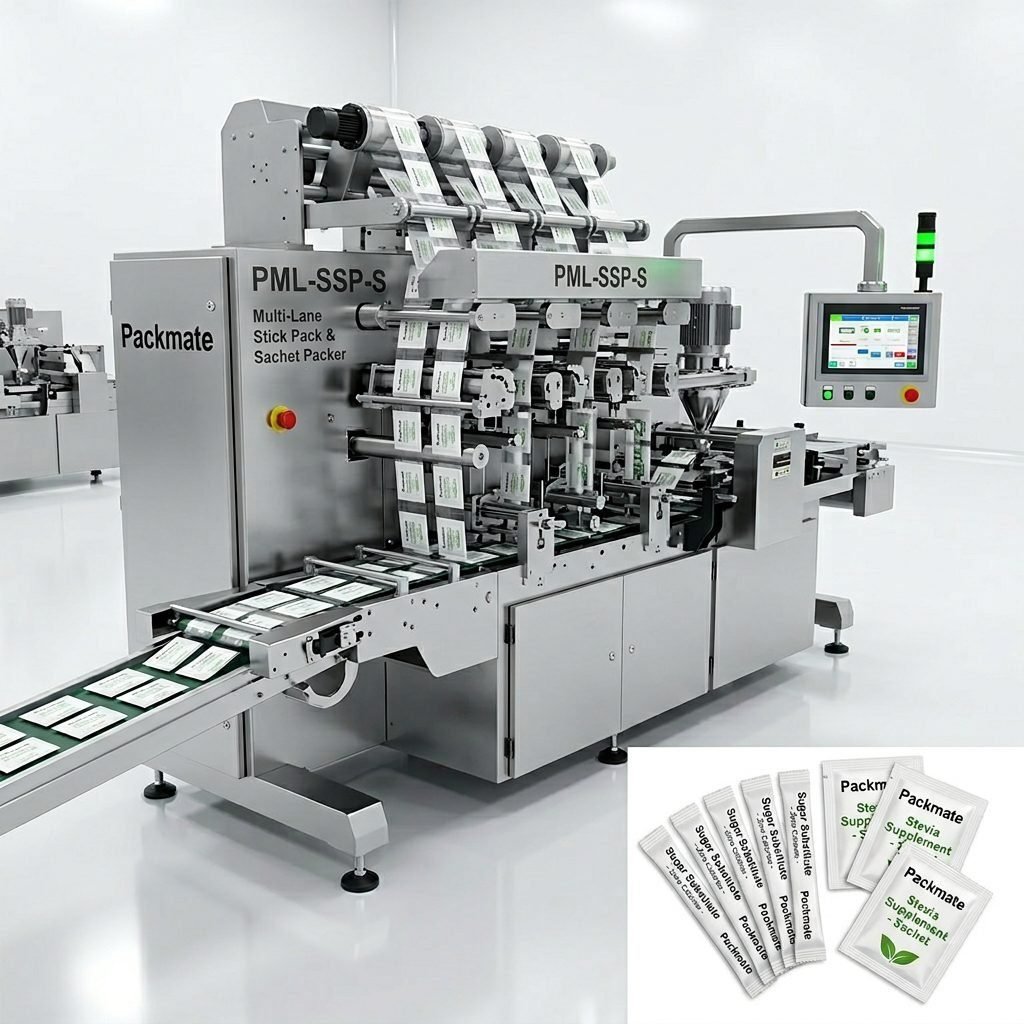
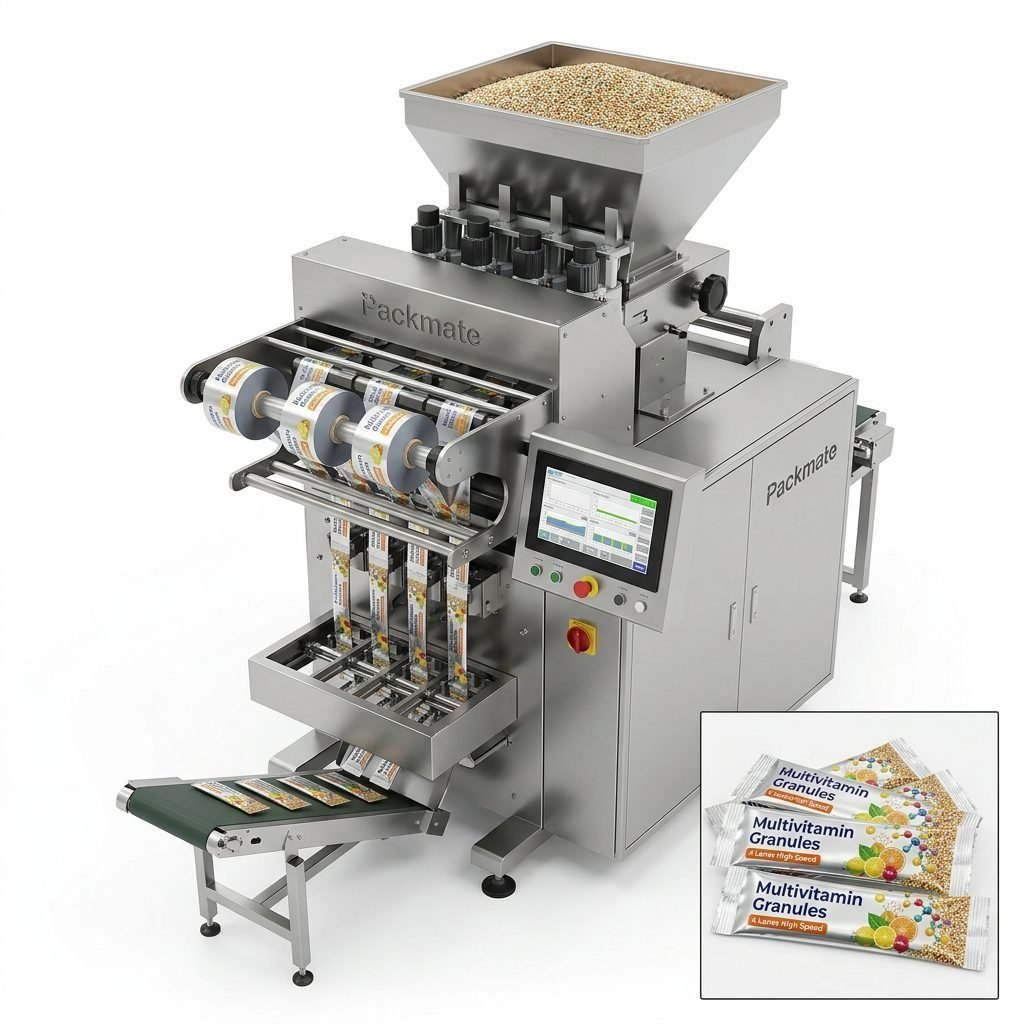
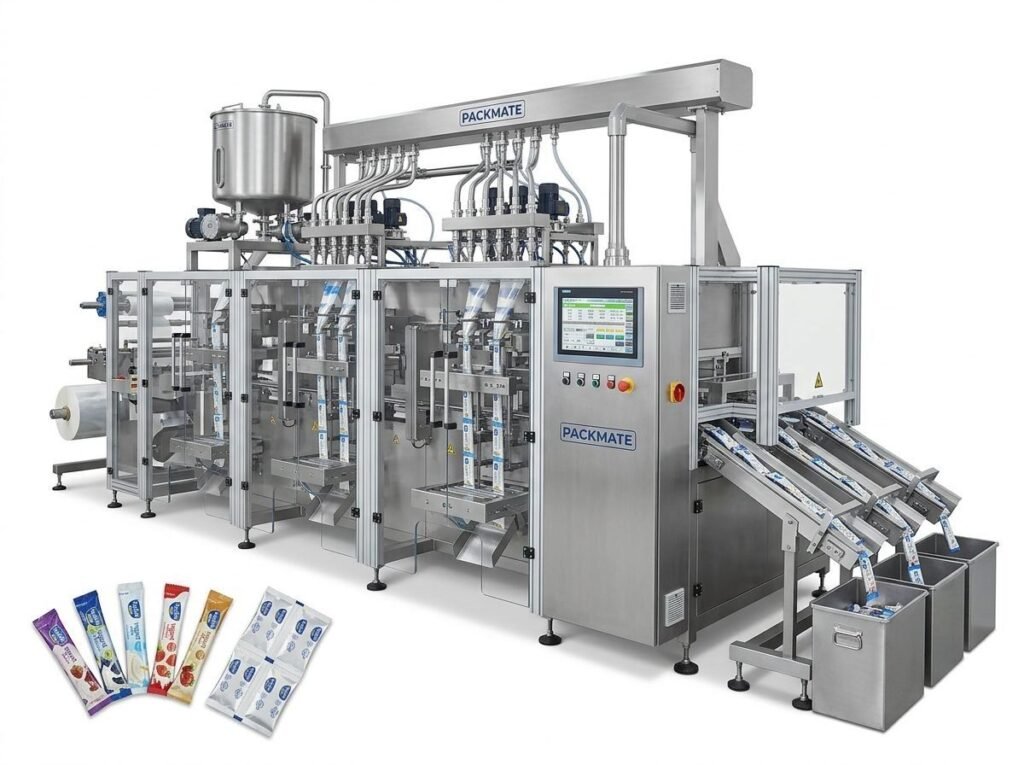
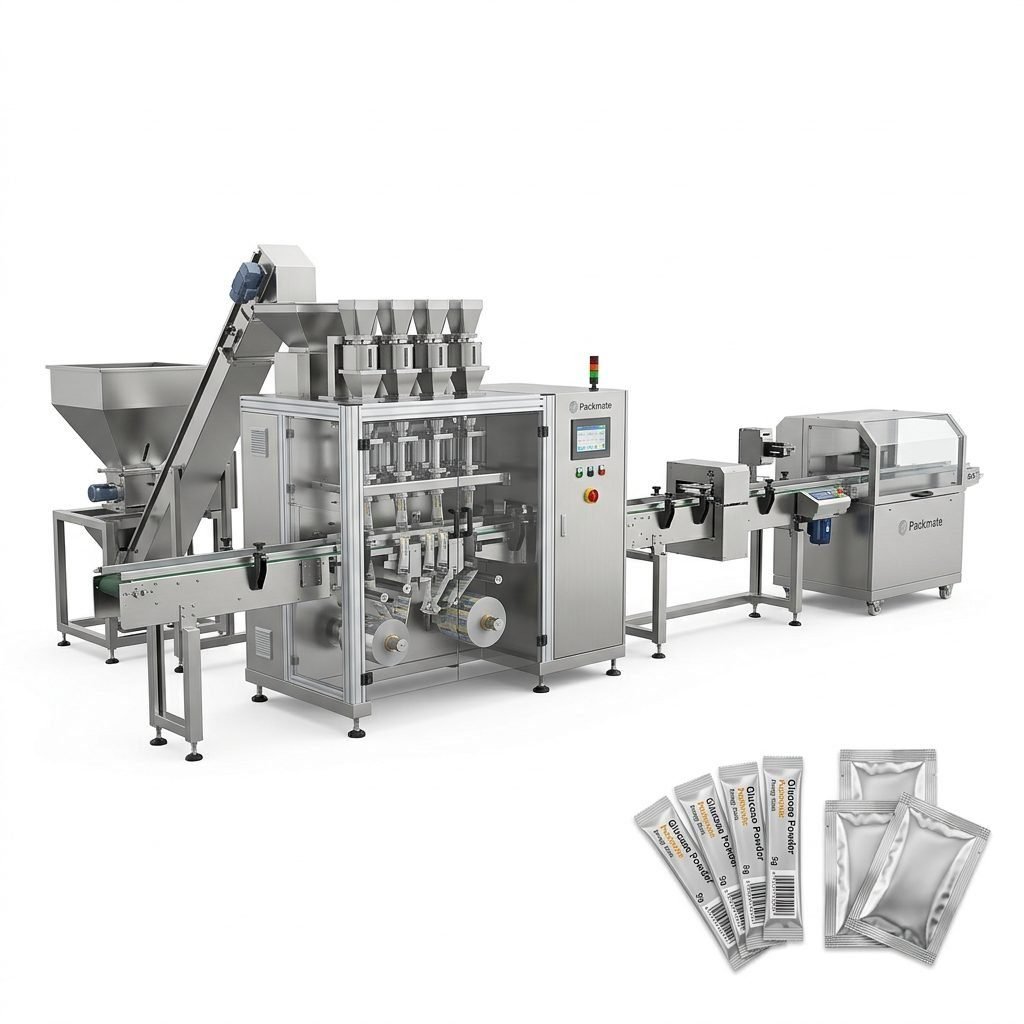
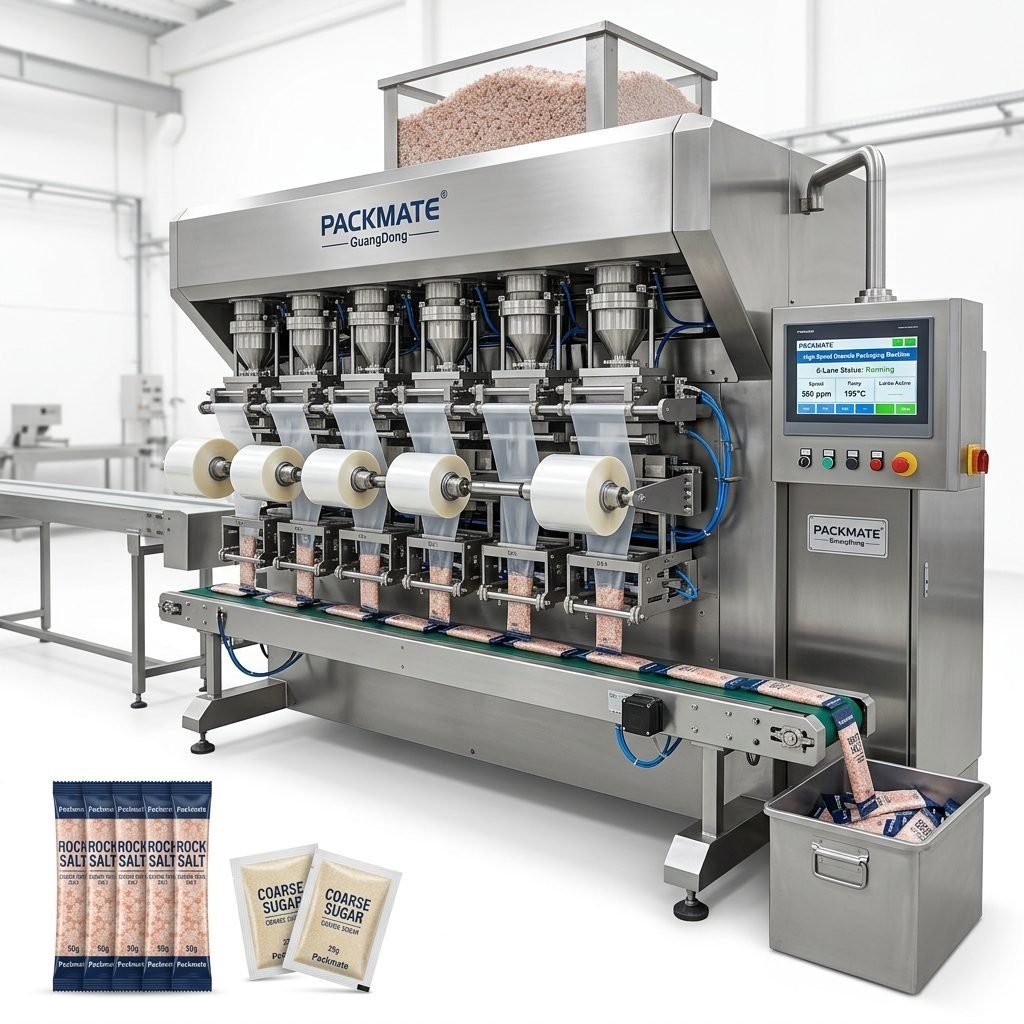
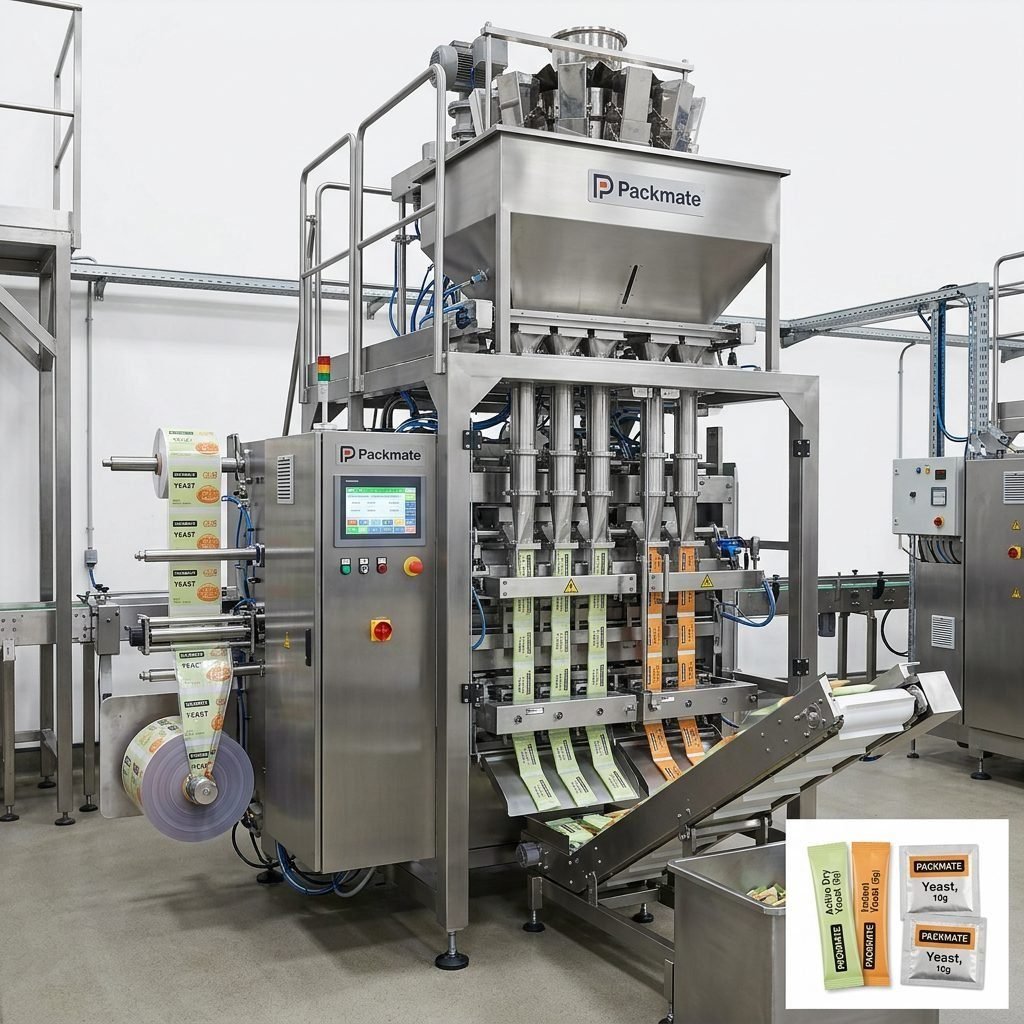
For specialized applications like creating small, precise pouches, exploring dedicated sachet & stick pack machines that may incorporate robotic elements can be a more targeted solution.
Frequently Asked Questions (FAQs)
What is the typical ROI period for a robotic packaging system?
The return on investment can vary widely but often falls between 1 to 3 years. Key factors influencing ROI include labor cost savings, increased production output, reduced product waste, and improved quality leading to fewer returns. A detailed analysis of your specific cost structure and efficiency gains is necessary for an accurate estimate.
Can robotic systems handle fragile or irregularly shaped products?
Yes, absolutely. Advanced vision systems and sensitive force-torque sensors allow robots to “see” and “feel.” Combined with custom-designed soft-gripping or vacuum end-effectors, robots can gently and reliably handle delicate items like pastries, electronics, or irregularly shaped bottles that might challenge human consistency.
How difficult is it to program and maintain a packaging robot?
Modern robots have become significantly more user-friendly. Many now feature intuitive graphical interfaces or even lead-through programming, where a technician physically guides the arm through its tasks. Maintenance typically involves periodic lubrication, calibration, and component checks, much of which can be managed by in-house technicians with proper training from the supplier.
Are collaborative robots (cobots) powerful enough for industrial packaging?
Cobots are ideal for lighter-duty packaging tasks such as pick-and-place, assembly, or secondary packaging. While their payload capacity (typically under 30kg) and speed are lower than traditional industrial robots, their safety, ease of integration, and flexibility make them a powerful solution for automating specific, human-collaborative workstations within a larger packaging line.
What safety measures are required for a robotic packaging cell?
Traditional industrial robots require comprehensive safety measures, including physical safety fences, interlocked access gates, light curtains, and area scanners to halt operation when a human enters the work envelope. Collaborative robots are built to different standards (ISO/TS 15066) and can operate with reduced or no guarding, but a thorough risk assessment is mandatory for any installation.